Artwork
Saint John the Baptist Entering the Wilderness
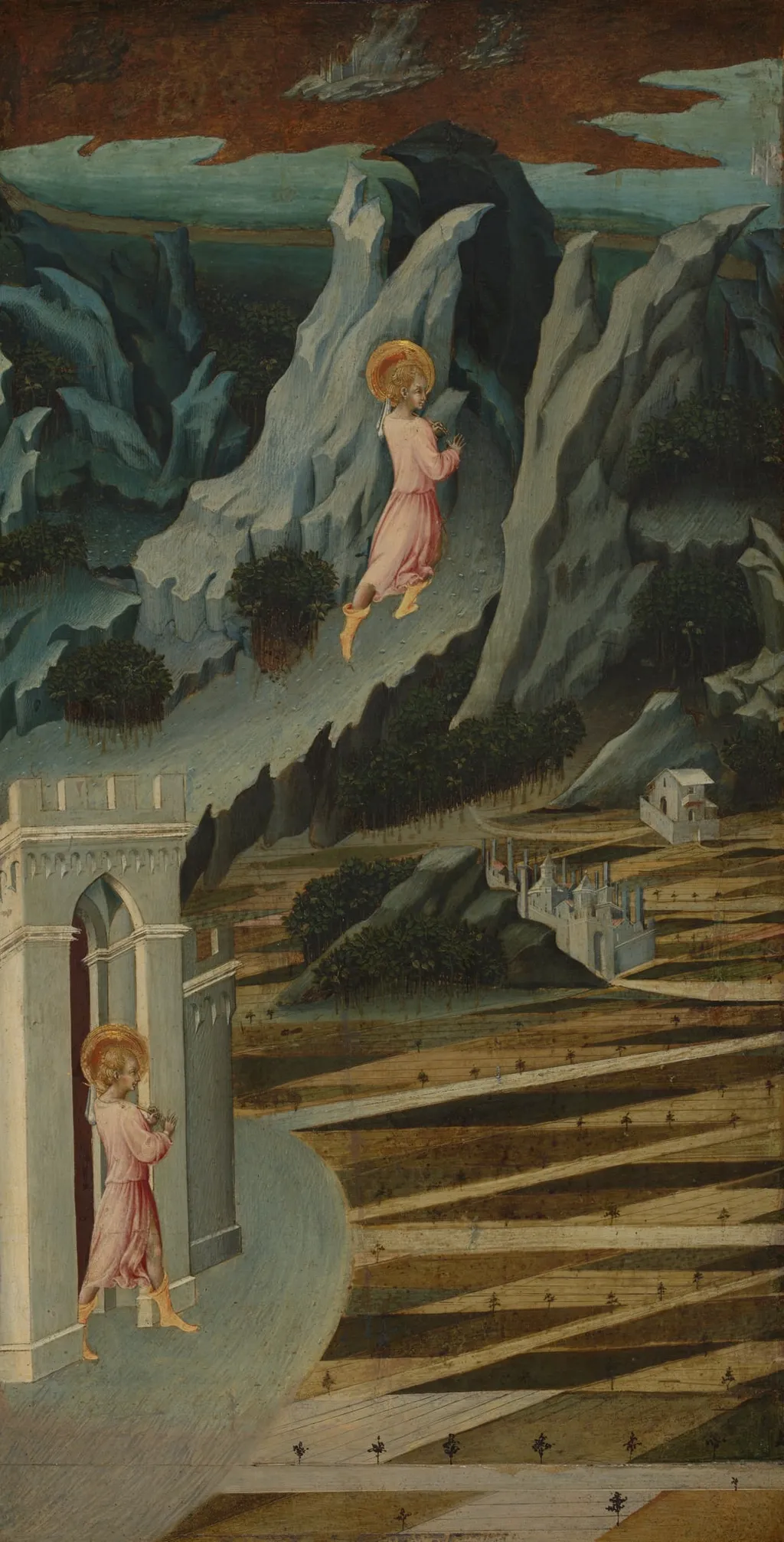
Saint John the Baptist Entering the Wilderness is a tempera painting by the Early Renaissance artist Giovanni di Paolo. It dates from 1458 and is held in the collection of the Art Institute of Chicago.
- Accession no.
- 16156
- Credit line
- Mr. and Mrs. Martin A. Ryerson Collection
About this work
Overview
A young Saint John the Baptist is depicted stepping into a wilderness landscape, marked by a halo and staff, in this tempera painting on panel.
Subject & Meaning
The panel is part of a series illustrating the life of Saint John the Baptist, showing the saint's transition into a hermitic life in the wilderness, a precursor to his prophetic role.
Technique & Style
The artist, Giovanni di Paolo, employed tempera on panel to create vivid, stylized scenes, using bright colors and sharp lines to bring the wilderness to life.
History & Provenance
This painting is one of six surviving panels from a possible set of 12, potentially originally serving as doors for a reliquary shrine dedicated to Saint John the Baptist.
Artist & collection

Artist
Giovanni di Paolo di Grazia was an Italian painter, working primarily in Siena, becoming a prolific painter and illustrator of manuscripts, including Dante's texts.

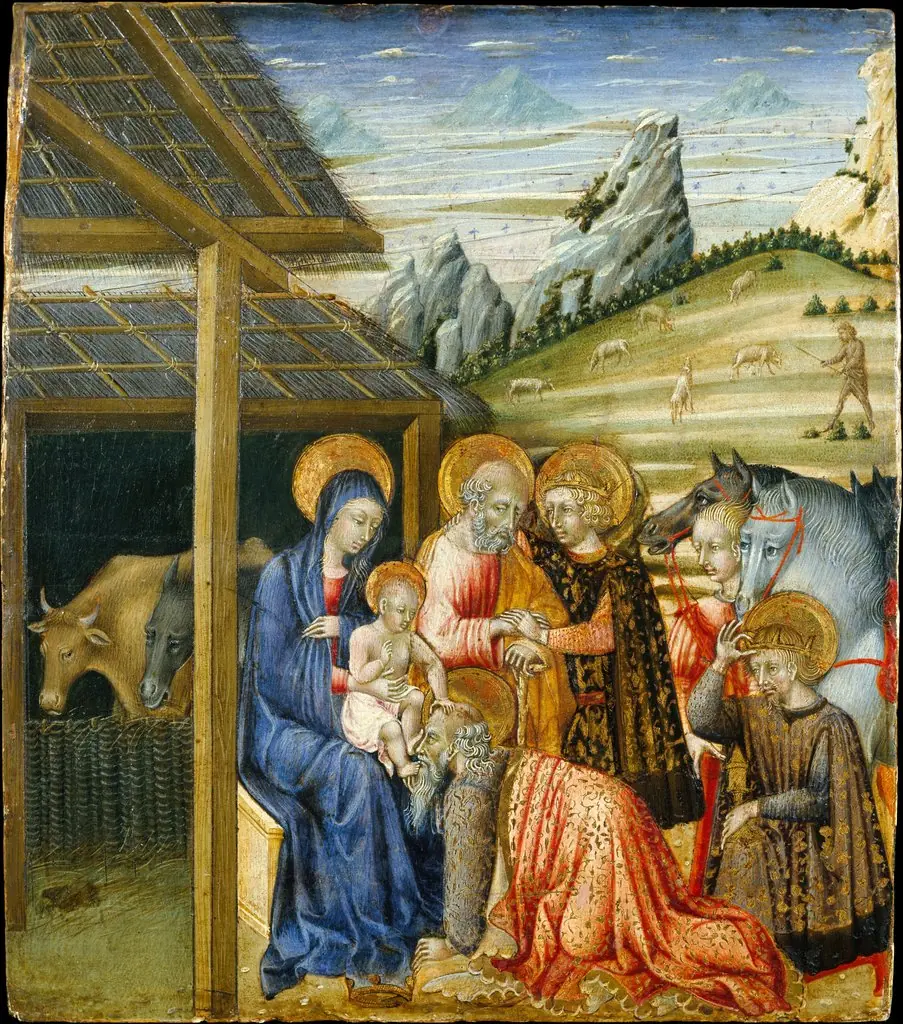 The Adoration of the Magi
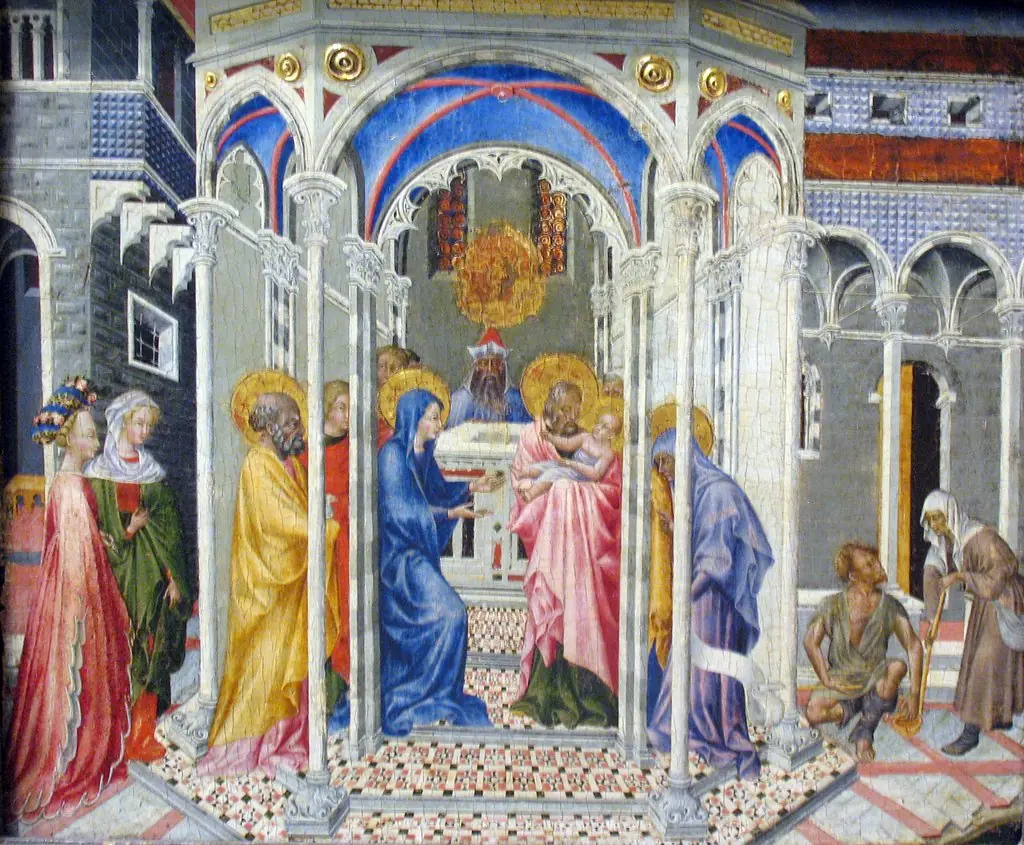 The Presentation of Christ in the Temple
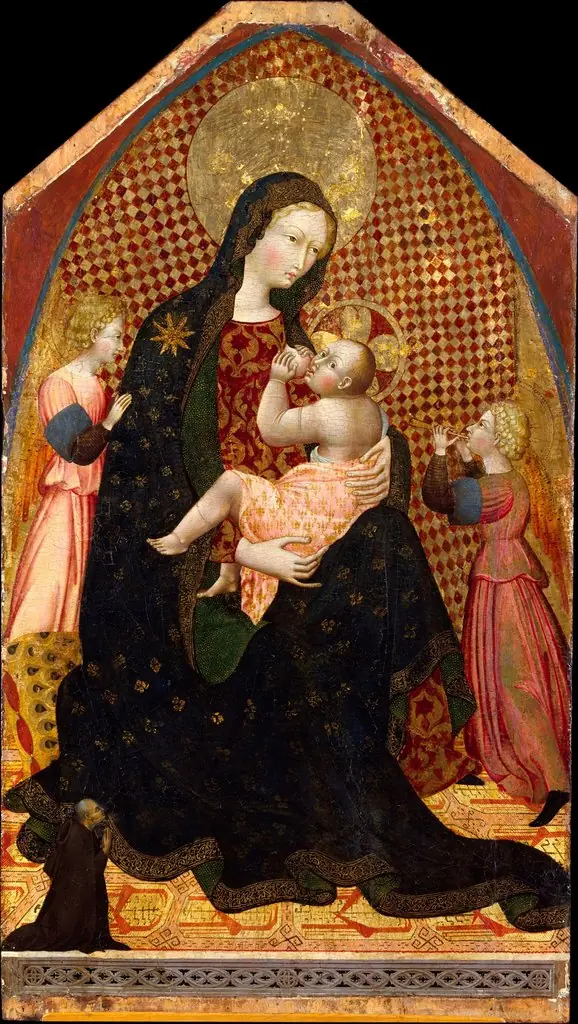 Madonna and Child with Two Angels and a Donor
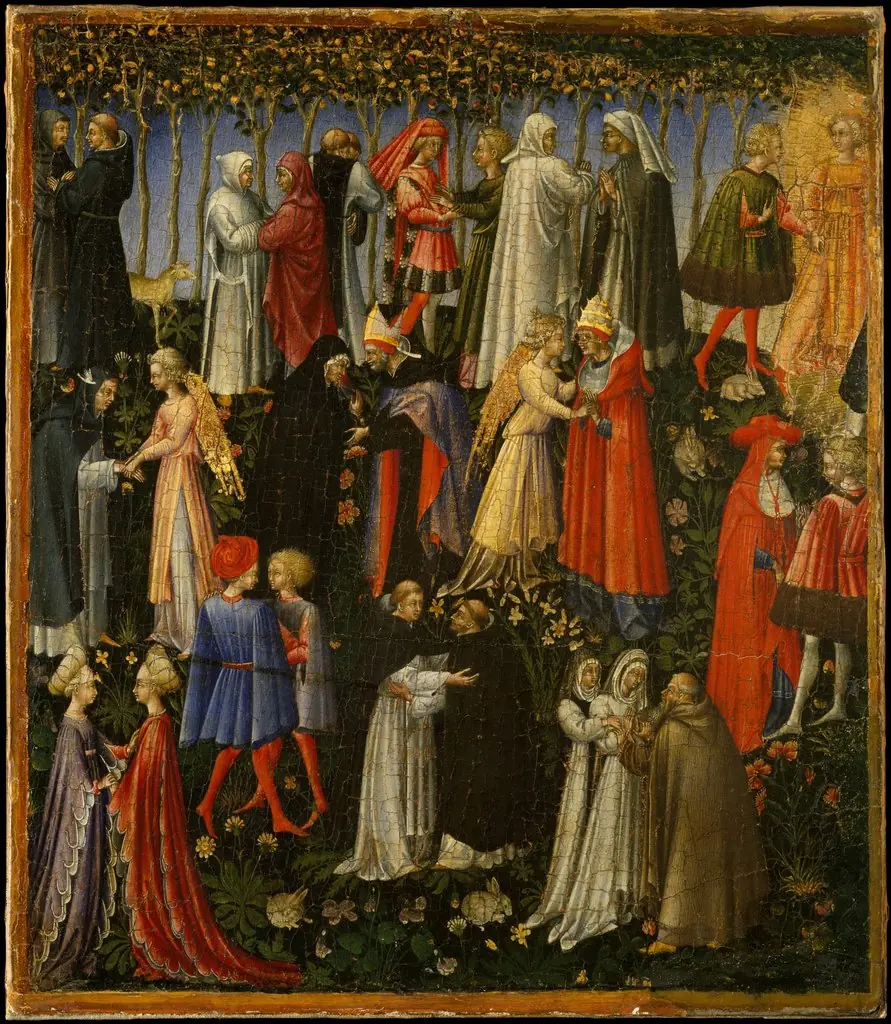 Paradise
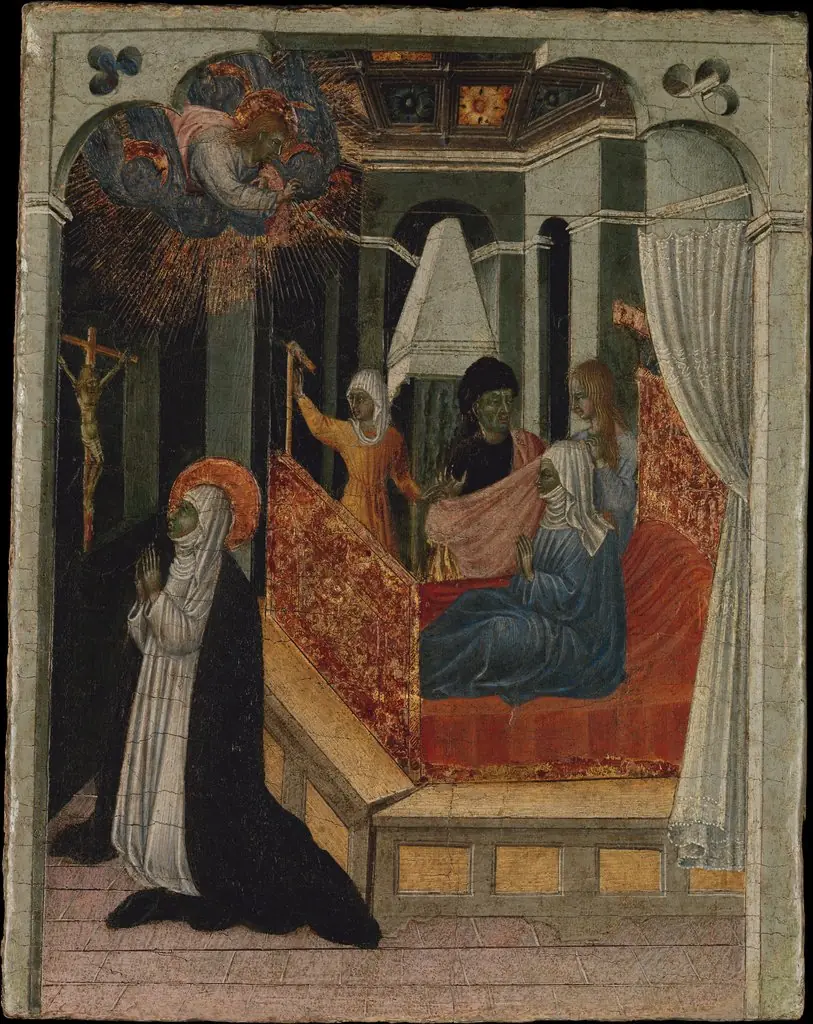 Saint Catherine of Siena Beseeching Christ to Resuscitate Her Mother
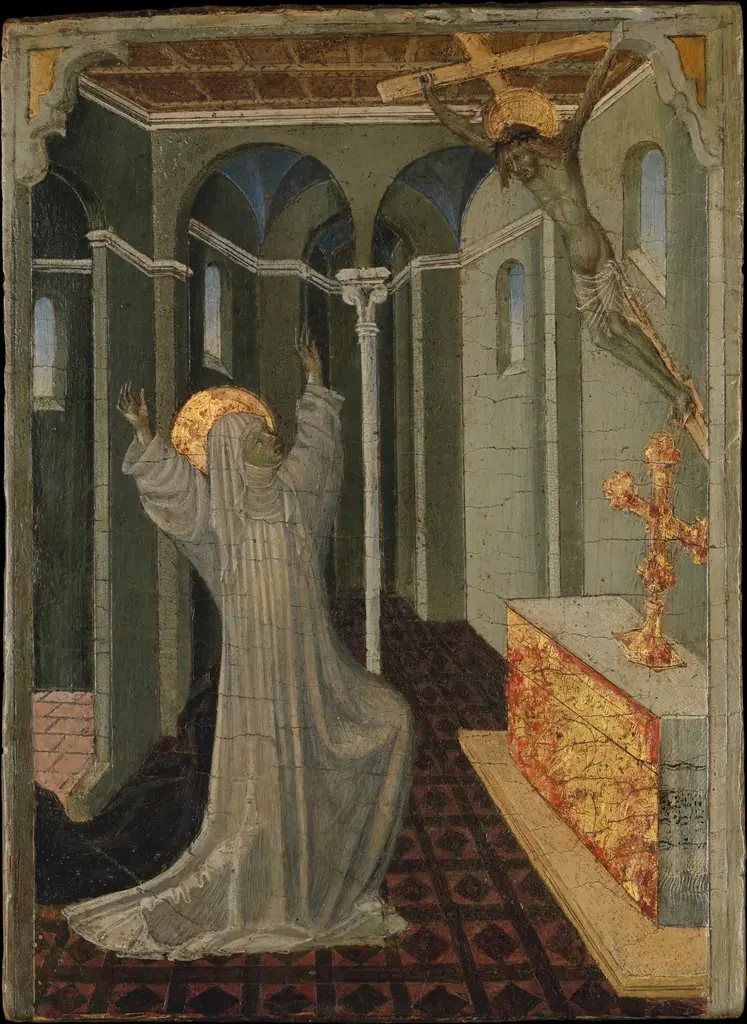 Saint Catherine of Siena Receiving the Stigmata
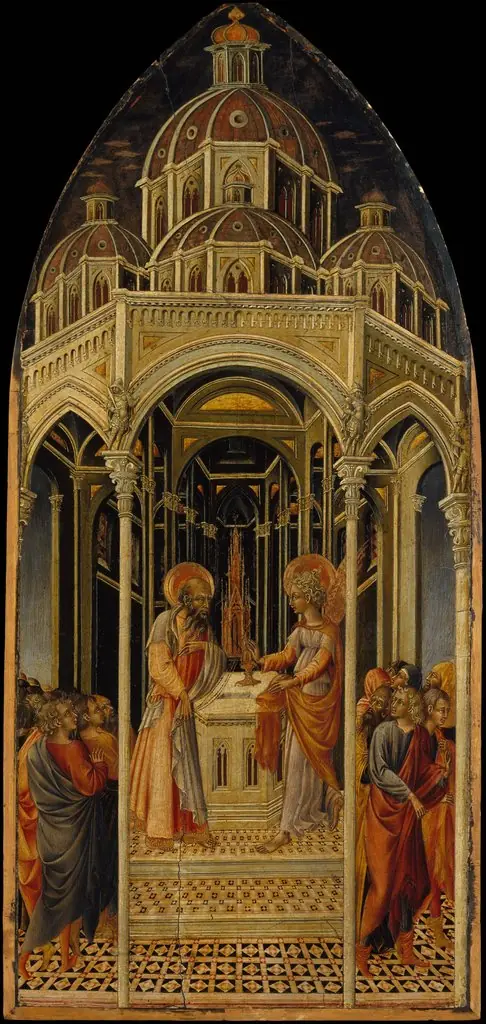 The Annunciation to Zacharias; (verso) The Angel of the Annunciation
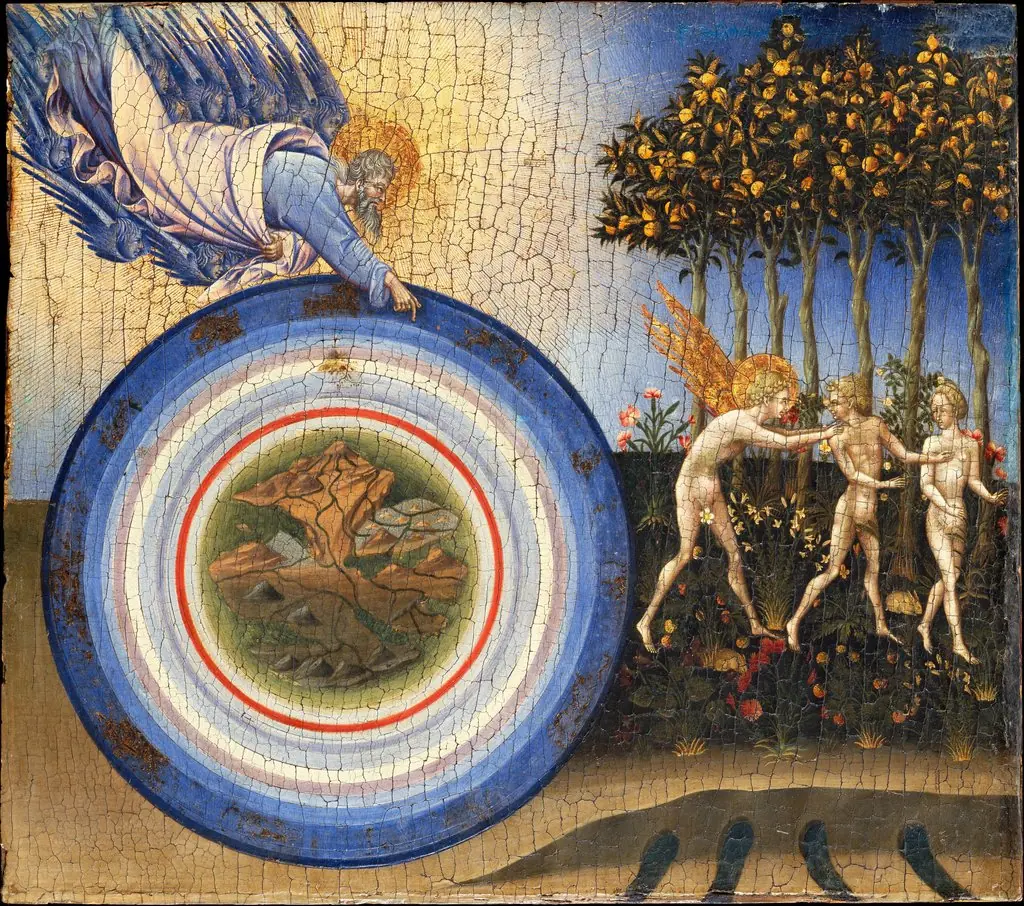 The Creation of the World and the Expulsion from Paradise