Artwork
Saint Clare Rescuing a Child Mauled by a Wolf
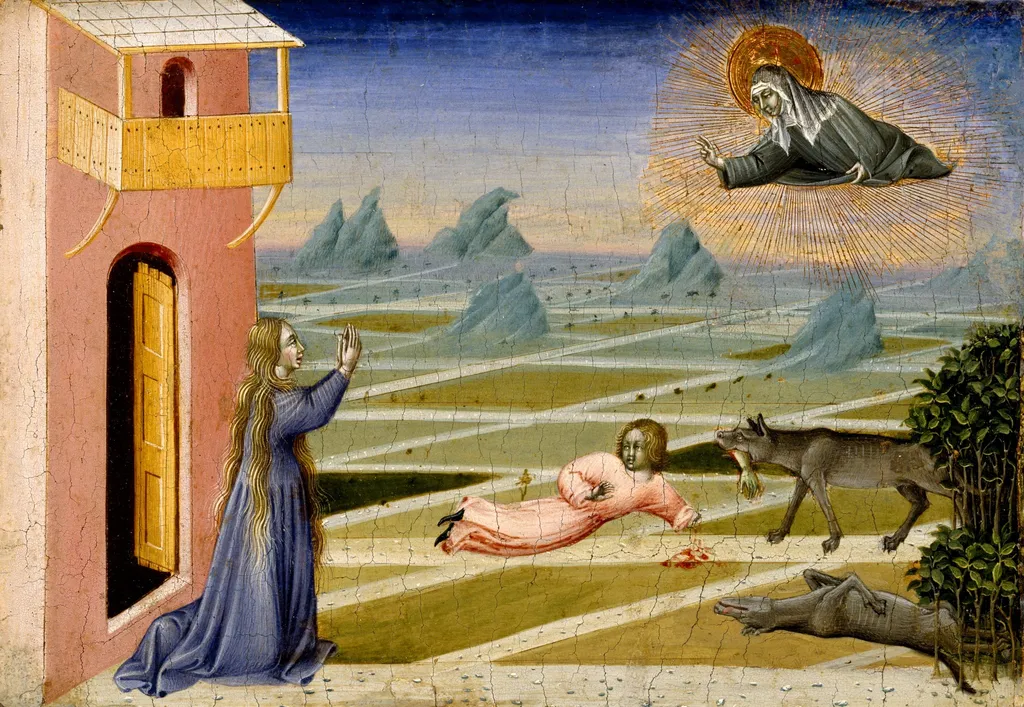
Saint Clare Rescuing a Child Mauled by a Wolf is an unspecified painting by the Sienese School artist Giovanni di Paolo. It dates from 1452 and is held in the collection of the Museum of Fine Arts, Houston.
About this work
Overview
Painted around 1452 by Giovanni di Paolo, this work illustrates a miraculous event from the life of Saint Clare of Assisi. Executed in tempera and gold on panel, it was likely part of a devotional altarpiece. The painting is now in the collection of the Museum of Fine Arts, Houston, where it remains a rare example of Sienese religious narrative from the mid-15th century.
Subject & Meaning
Though the wolf is shown biting one child, Clare’s outstretched hands and upward gaze suggest divine intervention rather than physical struggle.
The scene depicts Saint Clare intervening as a wolf attacks a child. Though the wolf is shown biting one child, Clare’s outstretched hands and upward gaze suggest divine intervention rather than physical struggle. A radiant figure above, likely an angel or Christ, confirms the miracle’s spiritual nature. The story, drawn from hagiographic tradition, emphasizes Clare’s sanctity and the power of prayer to avert harm.
Technique & Style
Giovanni di Paolo employs vivid, non-naturalistic colors, deep blues, soft pinks, and luminous golds, to structure the composition and convey sacredness. The figures are elongated and stylized, typical of Sienese Gothic tradition, while the background features a dreamlike landscape with distant hills and architecture. Light radiates from above, isolating the holy figures and heightening the scene’s otherworldly tone.
History & Provenance
The painting was likely commissioned for a Franciscan convent or private chapel in Siena, where devotion to Saint Clare was strong. It entered the Museum of Fine Arts, Houston’s collection in the 20th century, having passed through private European hands. Its survival in good condition is uncommon, as many panel paintings from this period were lost to damage or repurposing.
Context
In mid-15th-century Tuscany, religious imagery served both devotional and didactic purposes. Scenes of saints performing miracles reinforced faith in divine intercession. Giovanni di Paolo, working in Siena, maintained a distinctive style rooted in medieval traditions even as Florence embraced Renaissance naturalism. His work reflects a spiritual intensity favored by mendicant orders like the Franciscans.
Legacy
Though less known than Florentine contemporaries, Giovanni di Paolo’s paintings preserve a unique regional aesthetic. This work exemplifies how Sienese artists sustained symbolic, emotionally charged narratives long after the rise of linear perspective. Its continued presence in a major museum underscores its value as a witness to late medieval piety and artistic diversity in Italy.
Own this work as a print
Artist & collection

Artist
Giovanni di Paolo di Grazia was an Italian painter, working primarily in Siena, becoming a prolific painter and illustrator of manuscripts, including Dante's texts.

 The Adoration of the Magi
 The Presentation of Christ in the Temple
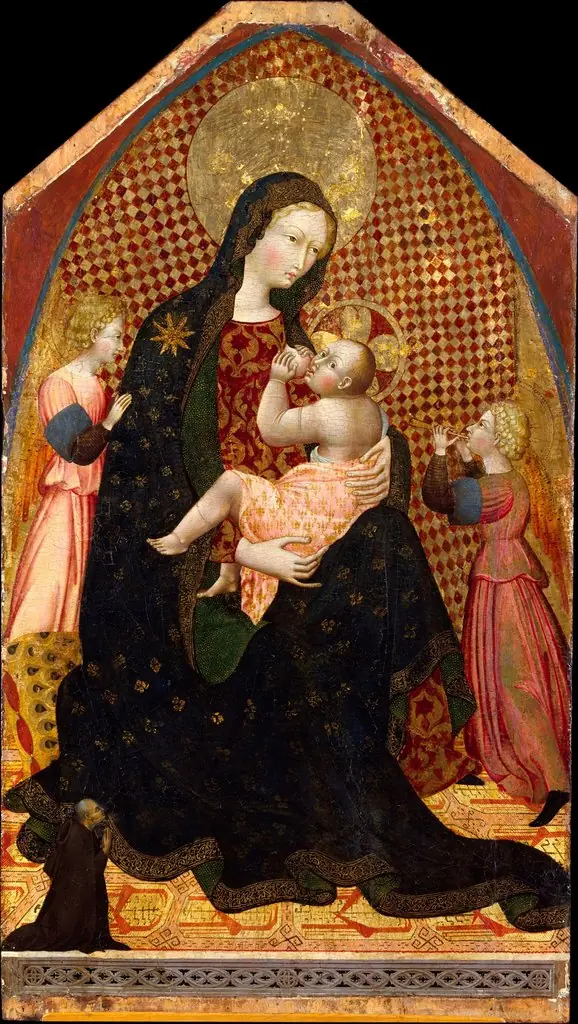 Madonna and Child with Two Angels and a Donor
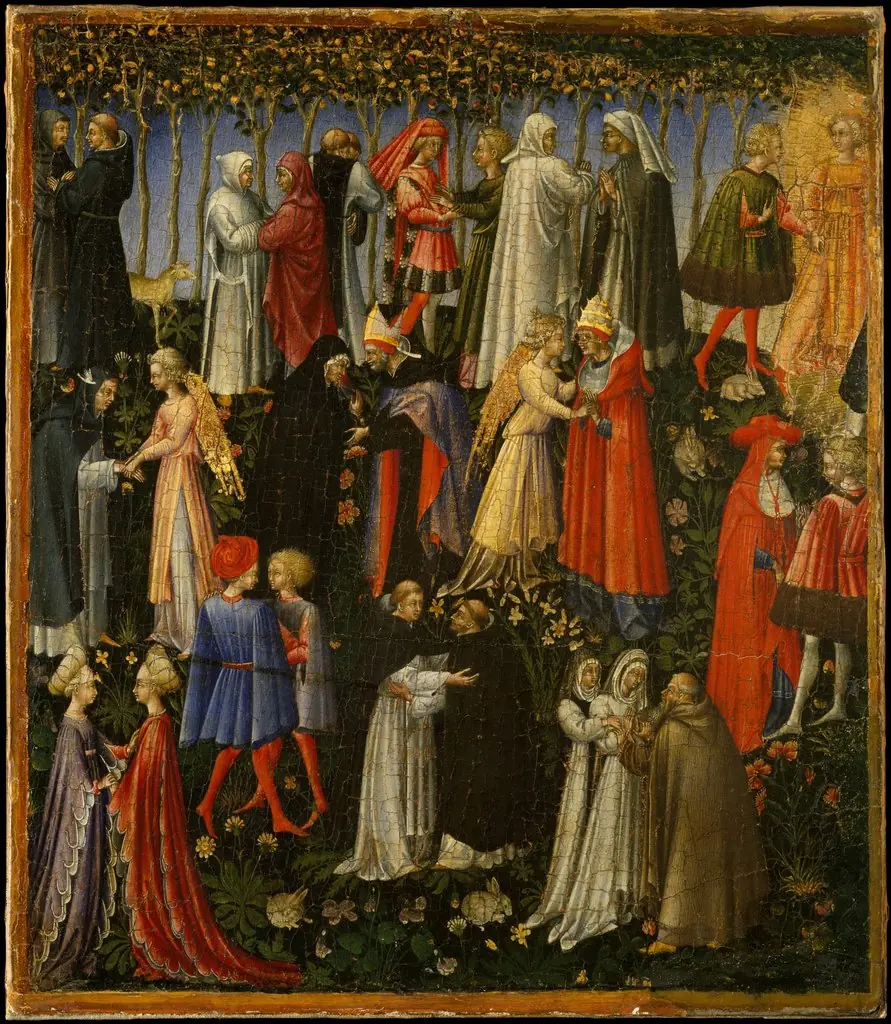 Paradise
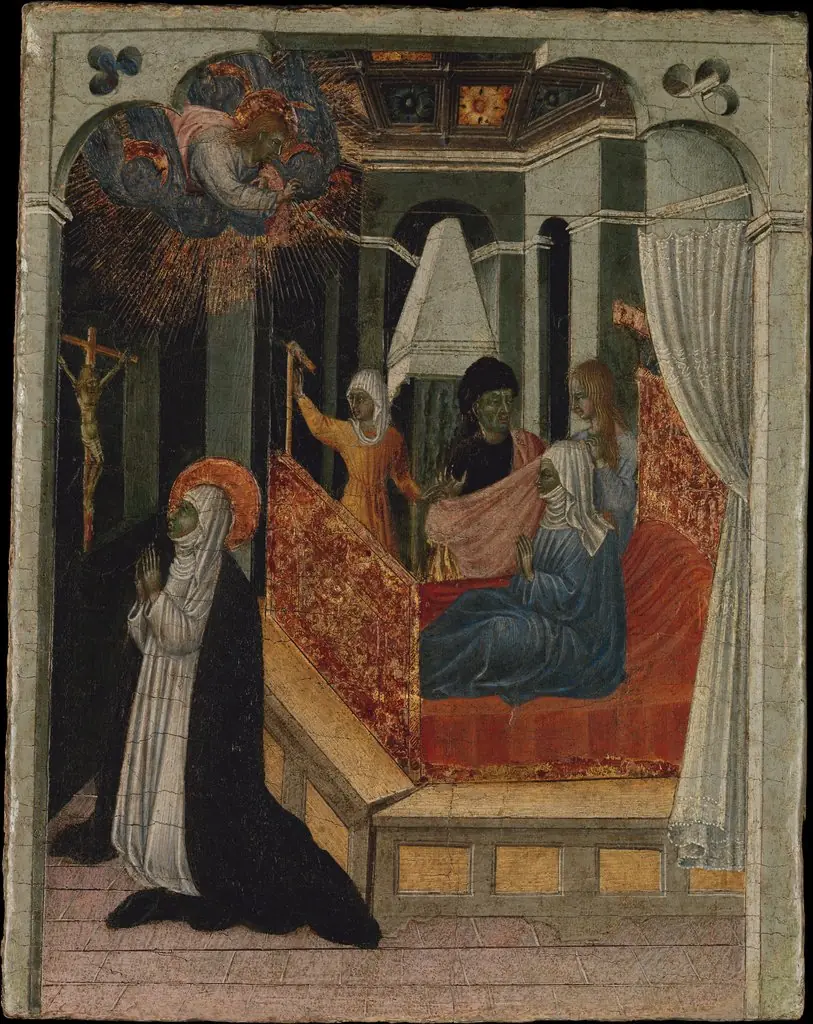 Saint Catherine of Siena Beseeching Christ to Resuscitate Her Mother
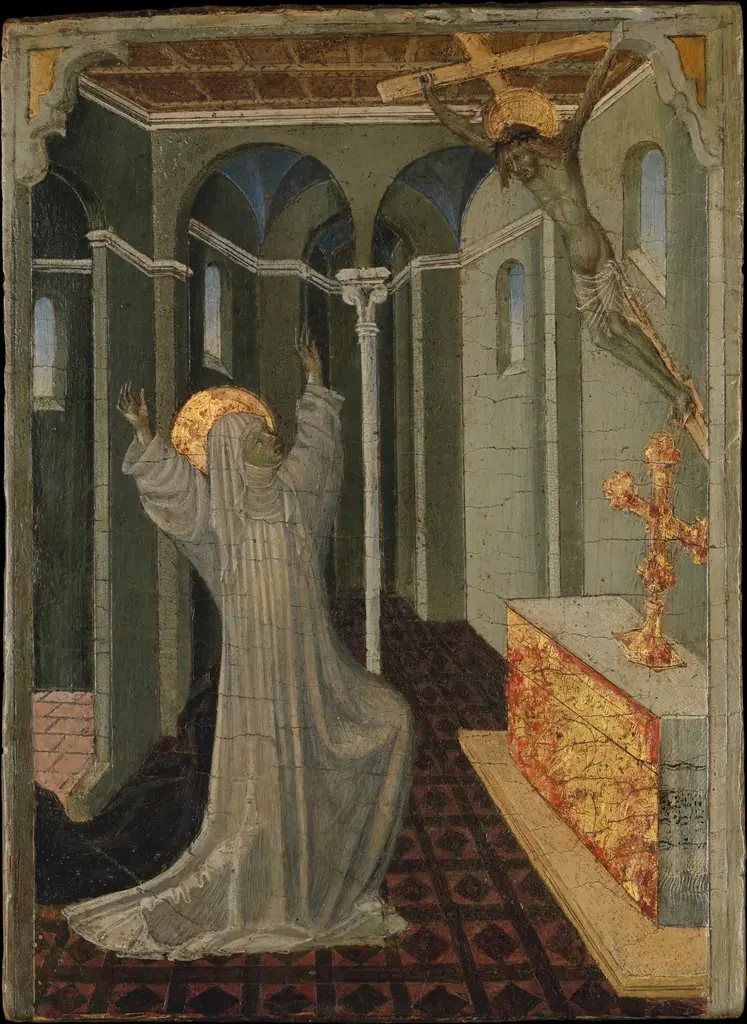 Saint Catherine of Siena Receiving the Stigmata
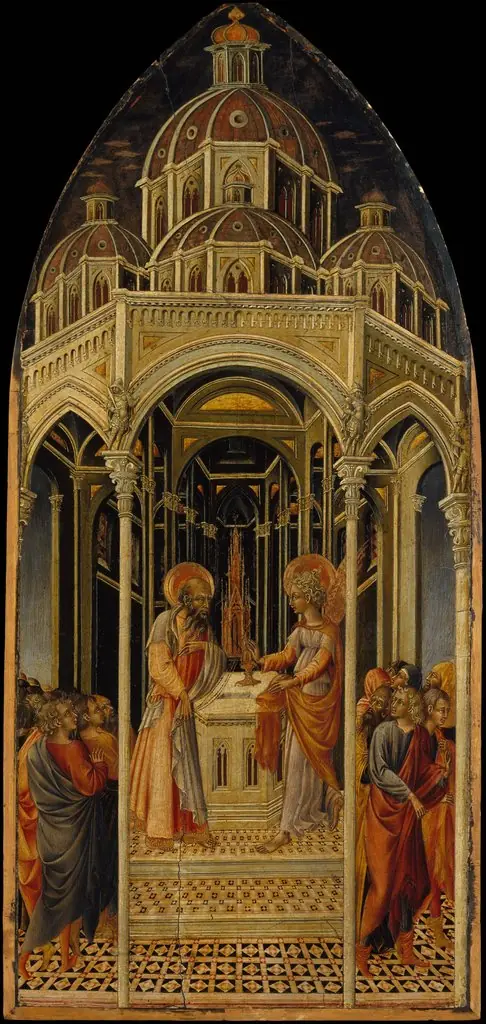 The Annunciation to Zacharias; (verso) The Angel of the Annunciation
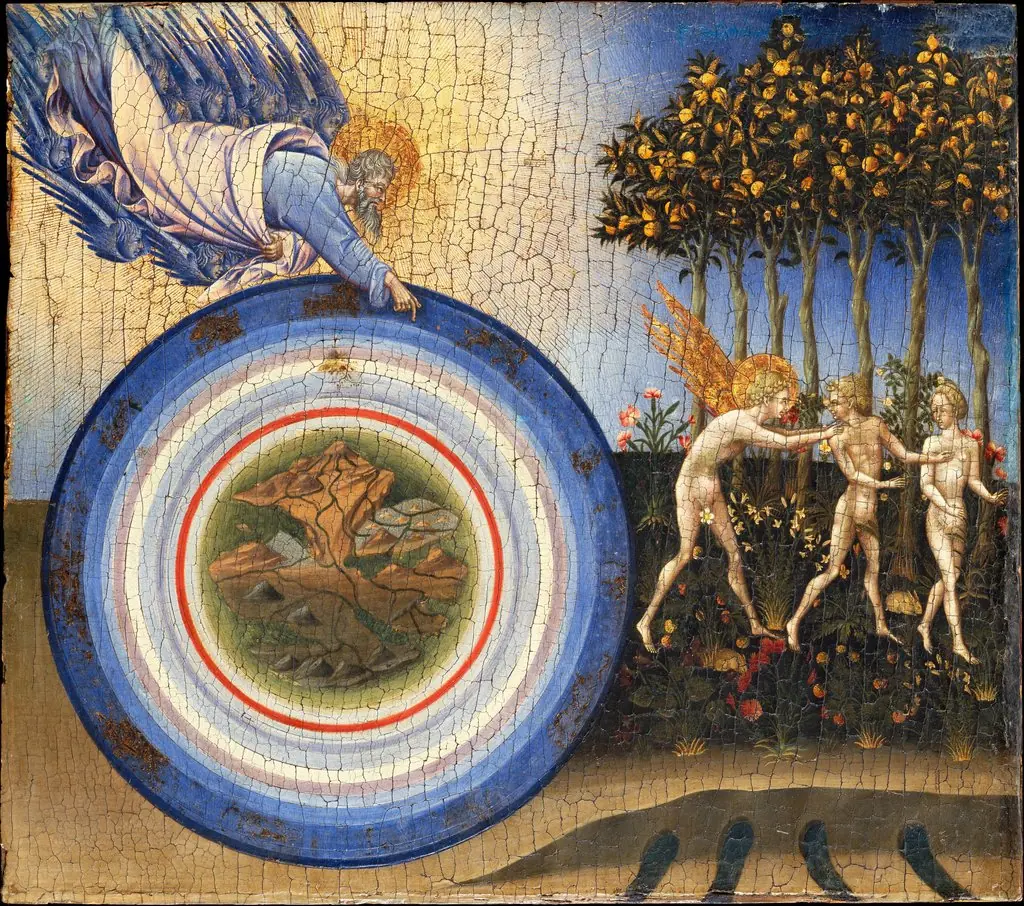 The Creation of the World and the Expulsion from Paradise
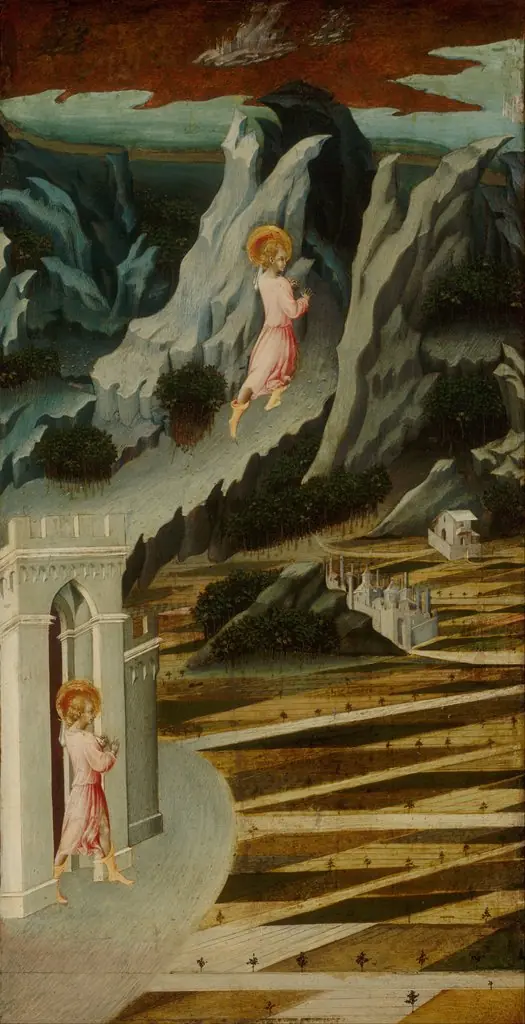 Saint John the Baptist Entering the Wilderness
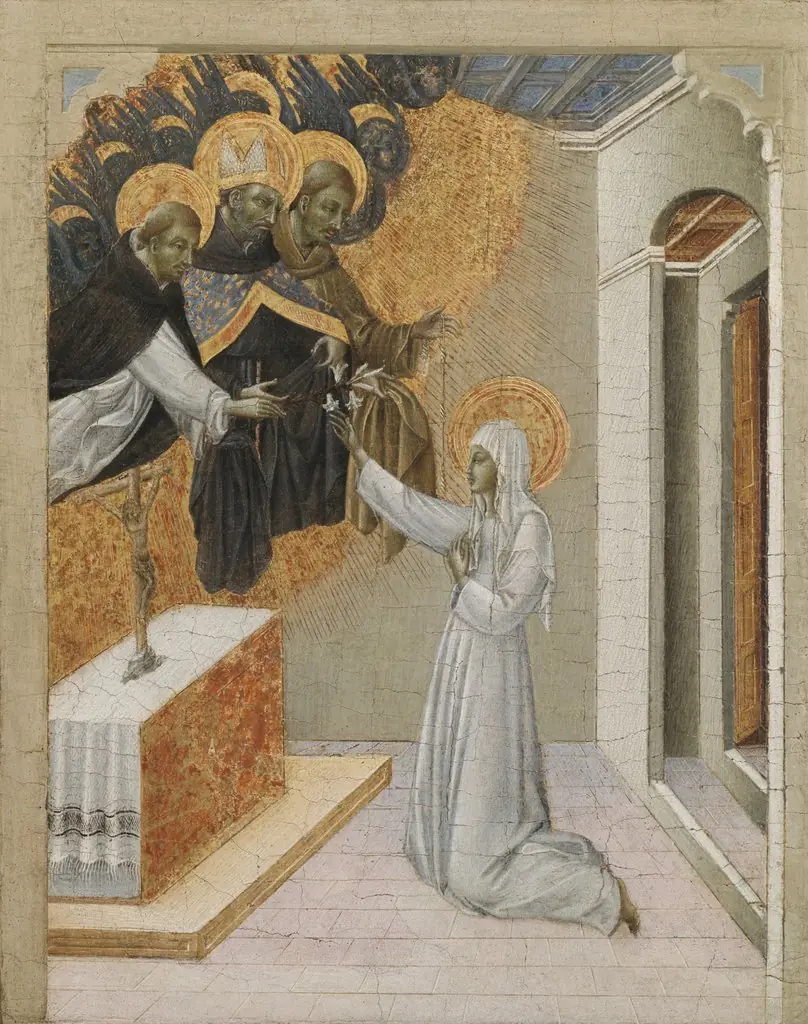 Predella Panel from an Altarpiece: St. Catherine of Siena Invested with the Dominican Habit
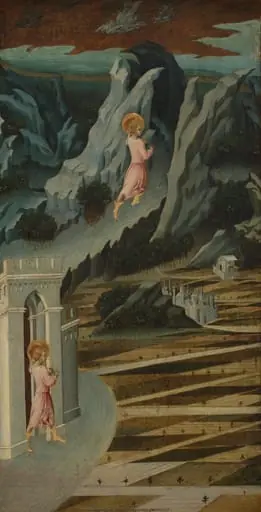 Saint John the Baptist Entering the Wilderness
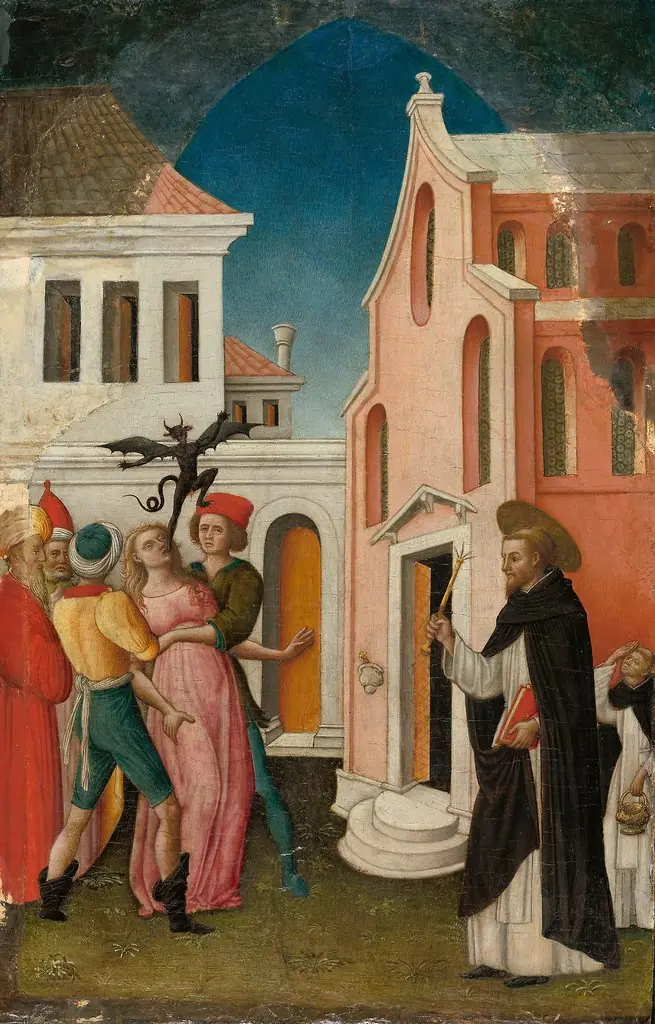 Saint Peter Martyr Exorcizing a Woman Possessed by a Devil
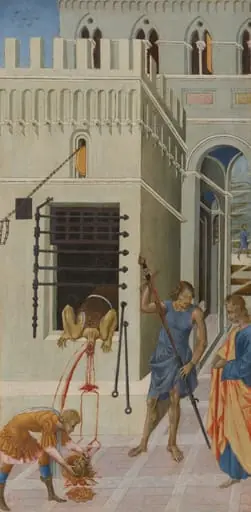 The Beheading of Saint John the Baptist
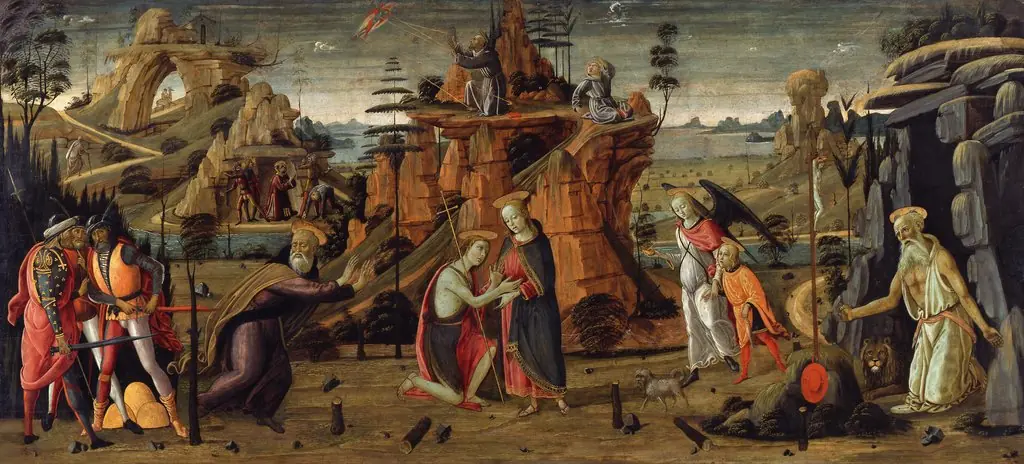 Landscape with biblical scenes and scenes from the legends of saints
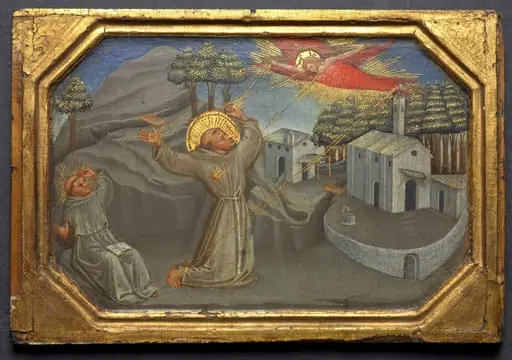 St. Francis of Assisi Receiving the Stigmata
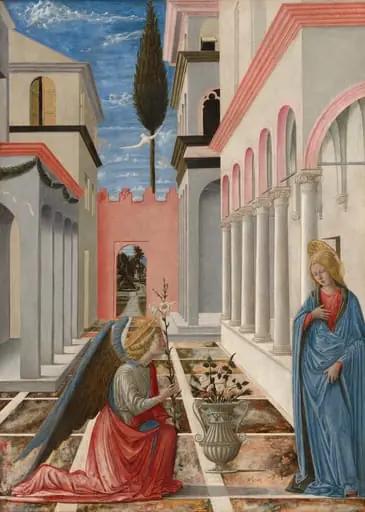 The Annunciation