Artwork
Saint John the Baptist Entering the Wilderness
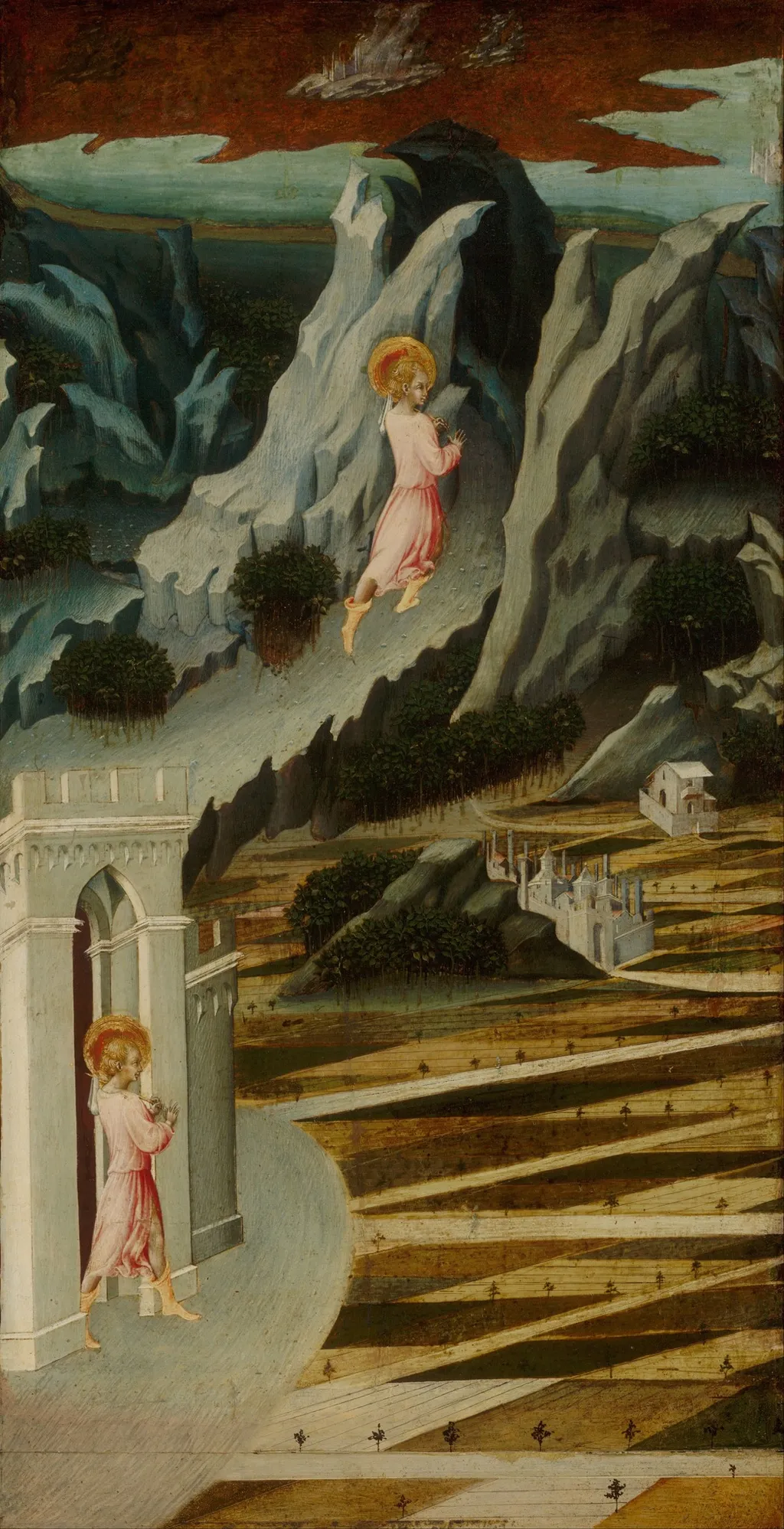
Saint John the Baptist Entering the Wilderness is a tempera painting by the Sienese School artist Giovanni di Paolo. It dates from 1457 and is held in the collection of the Art Institute of Chicago.
About this work
Overview
In the lower left foreground, a smaller figure of John stands in the doorway of a stone structure, representing his life in the city before his ascetic retreat.
Giovanni di Paolo's 'Saint John the Baptist Entering the Wilderness,' executed in 1457 in tempera, illustrates the biblical narrative of the prophet's departure from civilization to live in the desert. The composition employs a continuous narrative technique, depicting the saint twice within a single landscape to signify the passage of time and spiritual progression. In the lower left foreground, a smaller figure of John stands in the doorway of a stone structure, representing his life in the city before his ascetic retreat.
The primary figure, clad in a distinctive pink robe and surrounded by a golden halo, ascends a rugged, rocky hillside toward the upper right, symbolizing his journey into the wilderness. The background features a stylized, jagged terrain rendered with the artist's characteristic Sienese Gothic sensibility, emphasizing spiritual intensity over naturalistic perspective. Created during the mid-15th century, this work reflects Giovanni di Paolo's mature style, blending traditional iconography with expressive, elongated forms and vibrant coloration.
The painting serves as a testament to the artist's enduring commitment to the Sienese tradition even as the Renaissance style gained prominence in Florence, maintaining a focus on linear rhythm and decorative detail.
Subject & Meaning
The composition centers on the biblical forerunner of Christ, emphasizing his withdrawal into the wilderness, a motif that underscores themes of asceticism and prophetic preparation. The dual presence of the saint, both in the open terrain and within an architectural niche, may suggest the transition from worldly confines to spiritual solitude.
Technique & Style
Executed in egg tempera, the painting achieves fine linear detail and a luminous surface characteristic of mid‑Quattrocento Sienese art. The medium allows for precise brushwork that renders the rocky hillside, foliage, and reflective water with a subtle gradation of tones, creating a sense of depth without the softness of later oil techniques.
History & Provenance
Created in the mid‑15th century, the panel entered the Art Institute of Chicago’s holdings through acquisition in the early 20th century, though earlier ownership records remain sparse. Its attribution to Giovanni di Paolo has been affirmed by stylistic comparison with other documented works by the Sienese master.
Context
The work reflects the devotional climate of 15th‑century Italy, when depictions of saints in isolated, natural settings were popular for personal contemplation. Giovanni di Paolo, active in Siena, often blended narrative clarity with ornamental richness, situating holy figures within richly imagined landscapes that invite meditative viewing.
Artist & collection

Artist
Giovanni di Paolo di Grazia was an Italian painter, working primarily in Siena, becoming a prolific painter and illustrator of manuscripts, including Dante's texts.

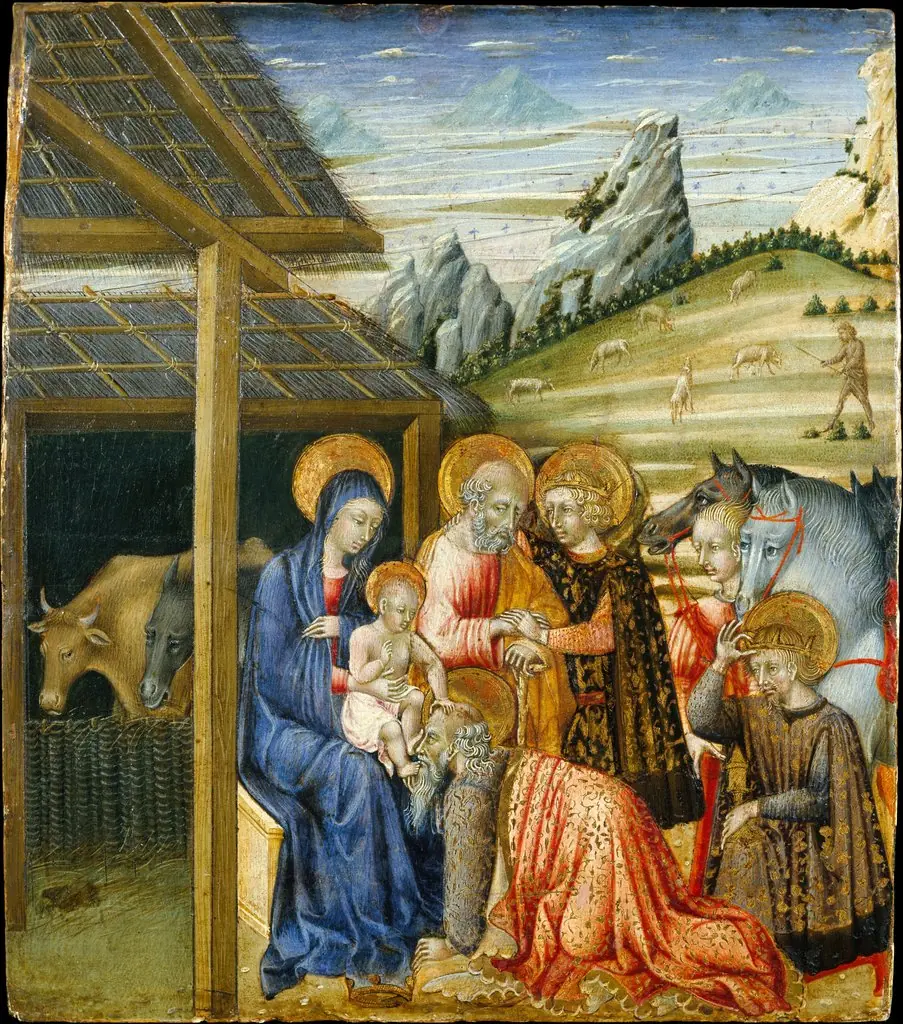 The Adoration of the Magi
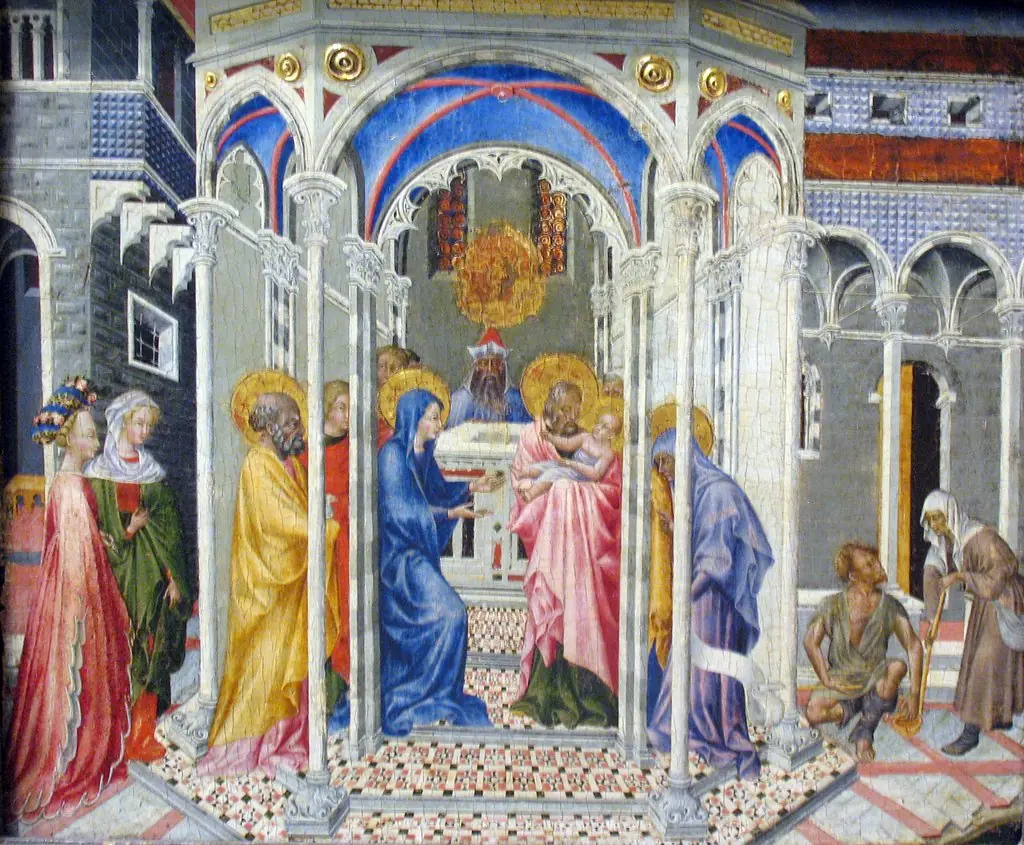 The Presentation of Christ in the Temple
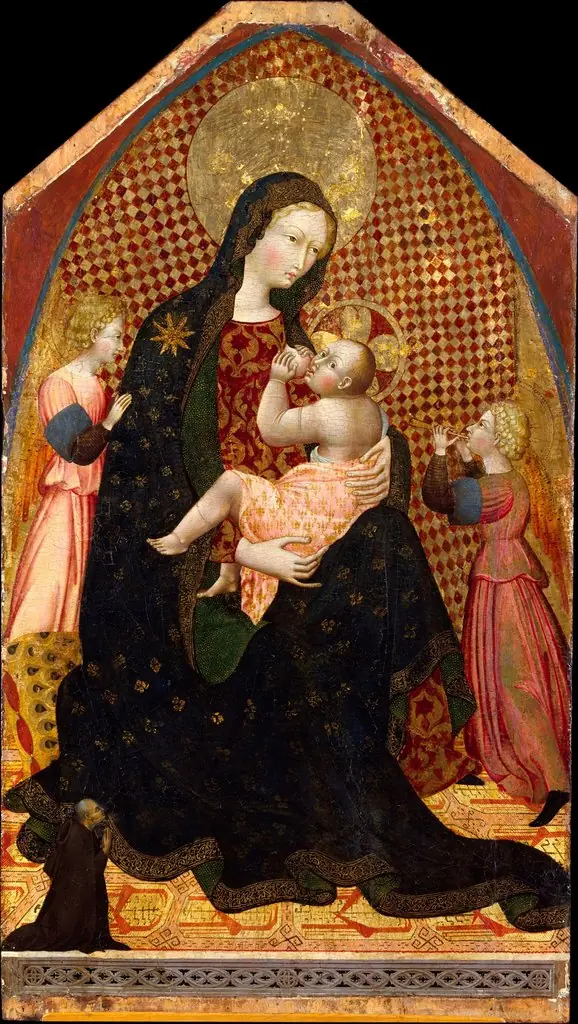 Madonna and Child with Two Angels and a Donor
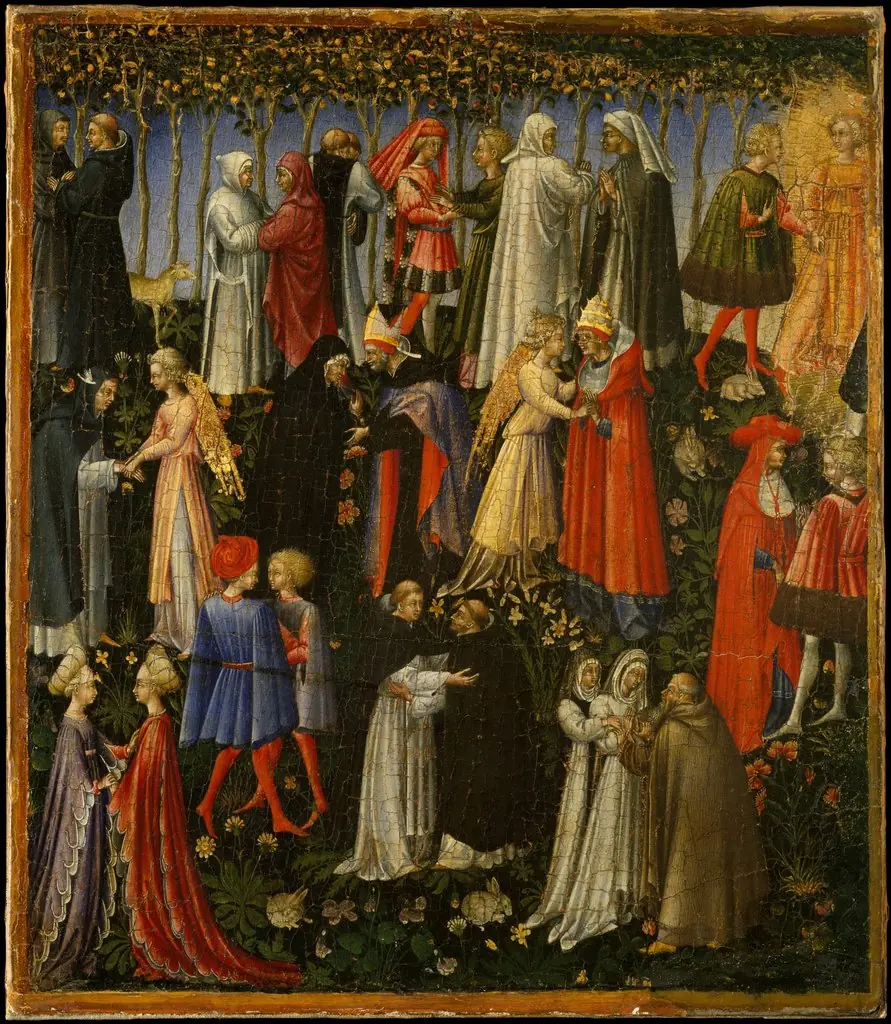 Paradise
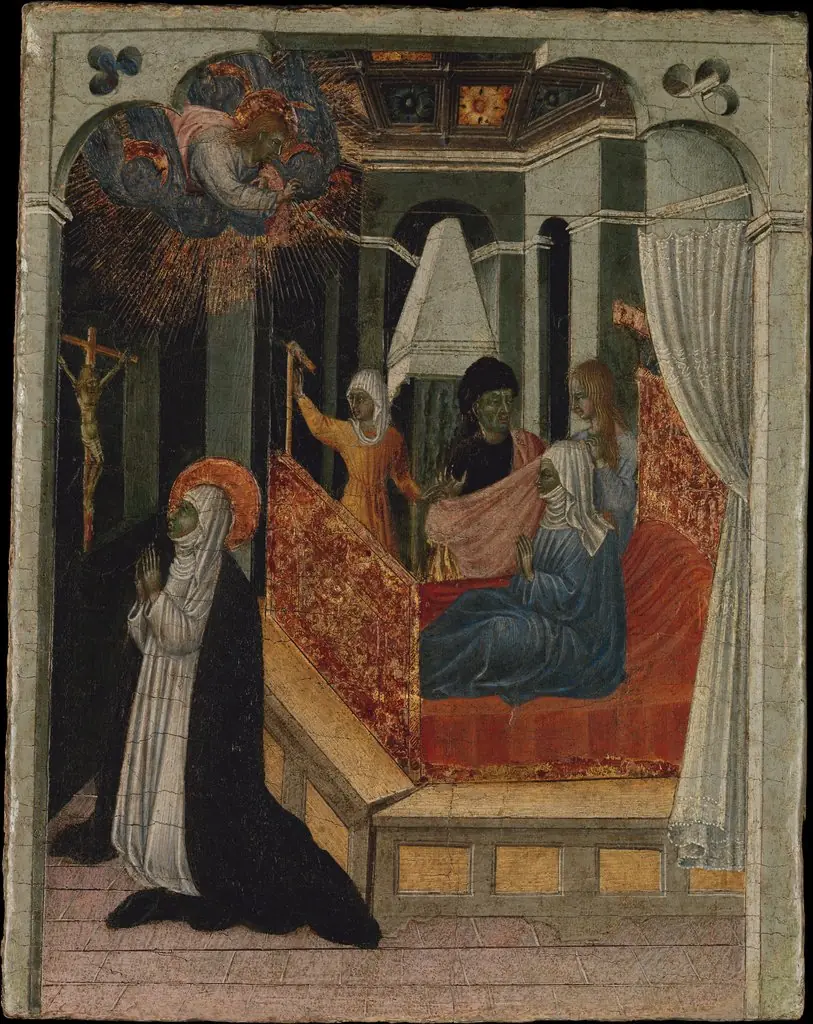 Saint Catherine of Siena Beseeching Christ to Resuscitate Her Mother
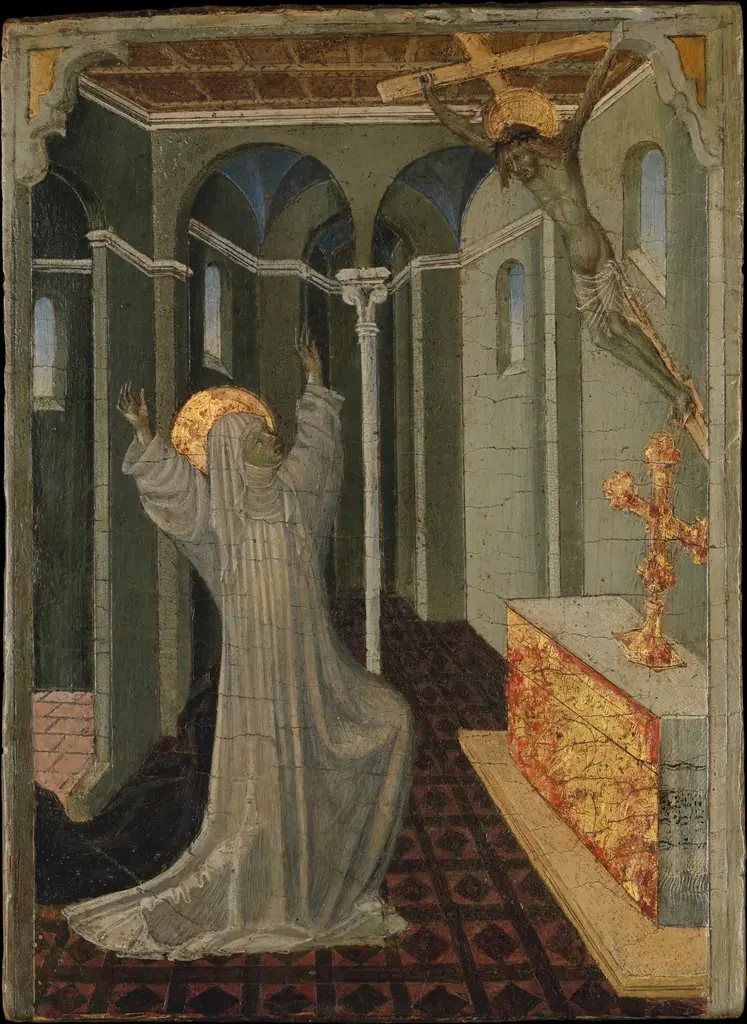 Saint Catherine of Siena Receiving the Stigmata
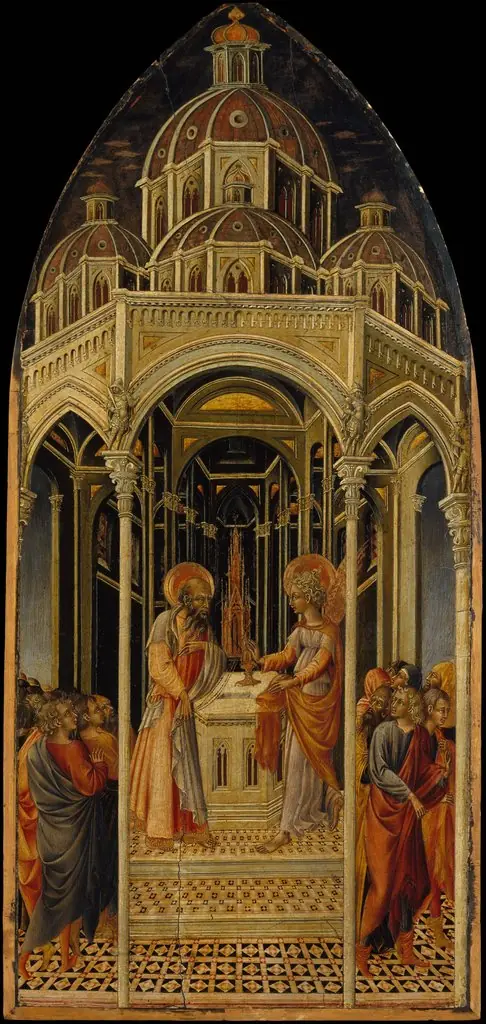 The Annunciation to Zacharias; (verso) The Angel of the Annunciation
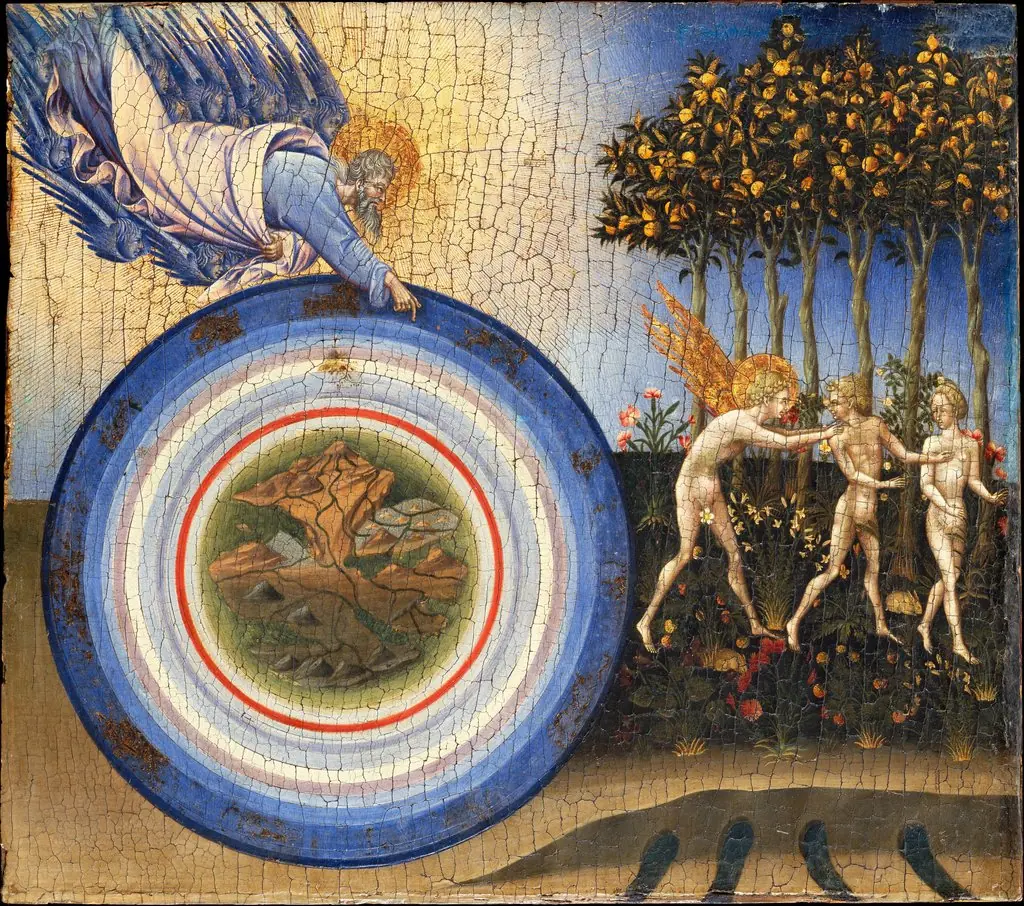 The Creation of the World and the Expulsion from Paradise
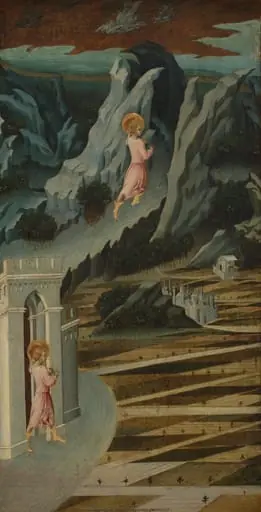 Saint John the Baptist Entering the Wilderness
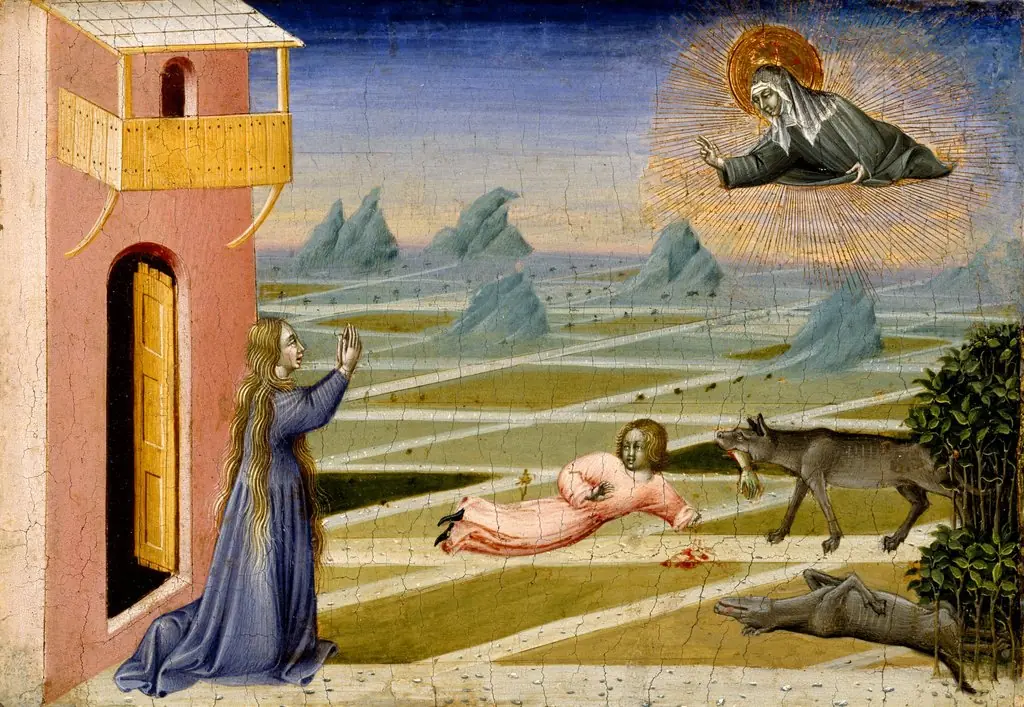 Saint Clare Rescuing a Child Mauled by a Wolf
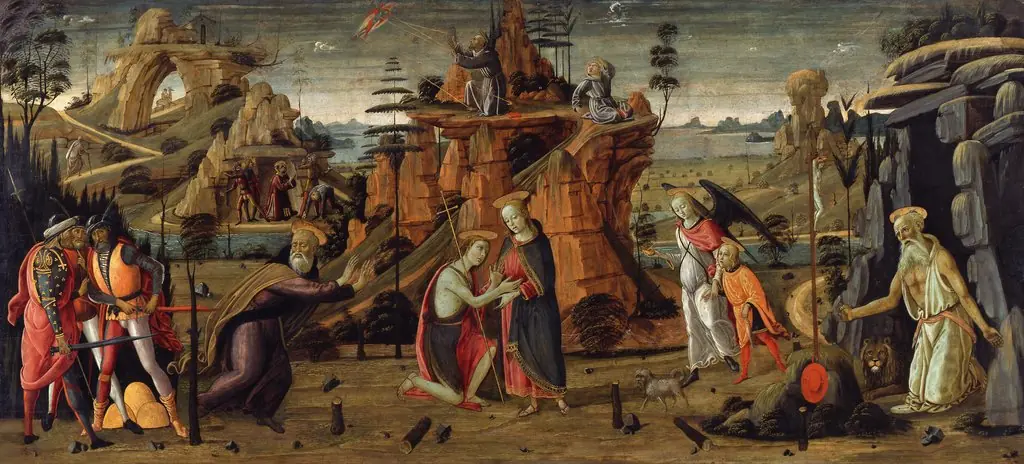 Landscape with biblical scenes and scenes from the legends of saints
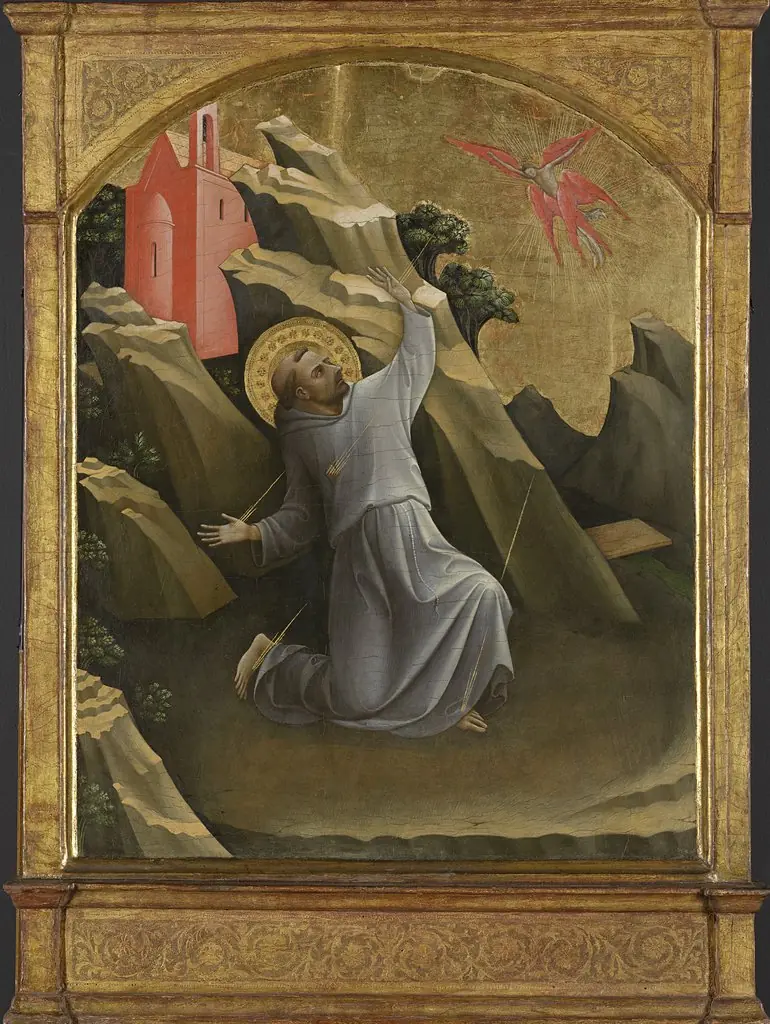 Saint Francis Receiving the Stigmata
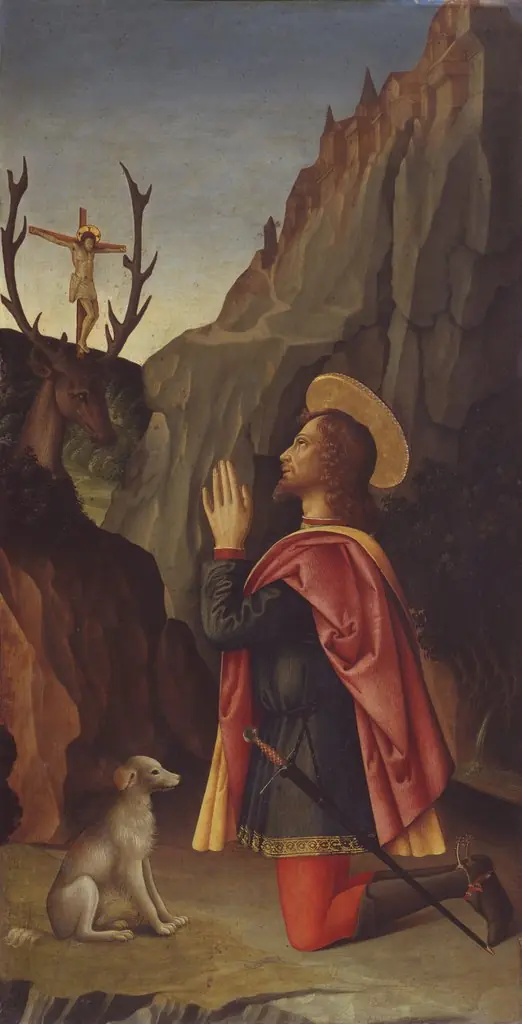 St. Eustace
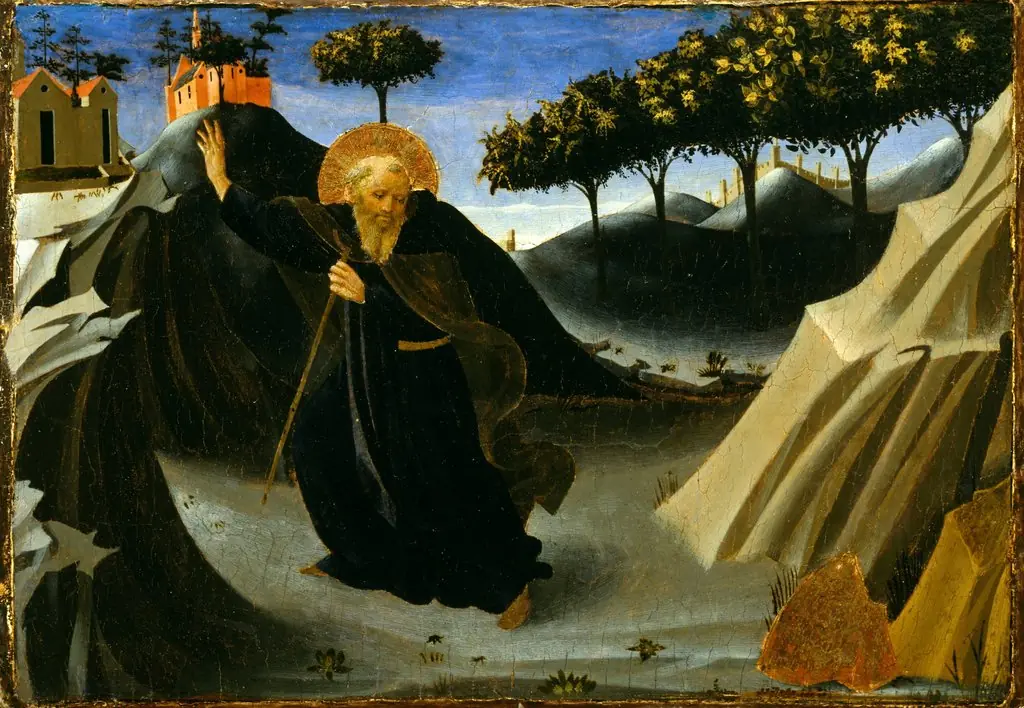 Saint Anthony Abbot Shunning the Mass of Gold
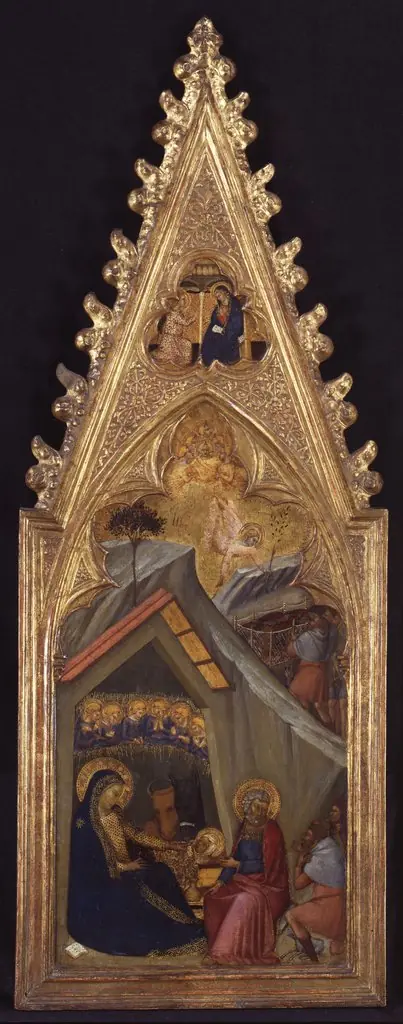 Nativity of Christ
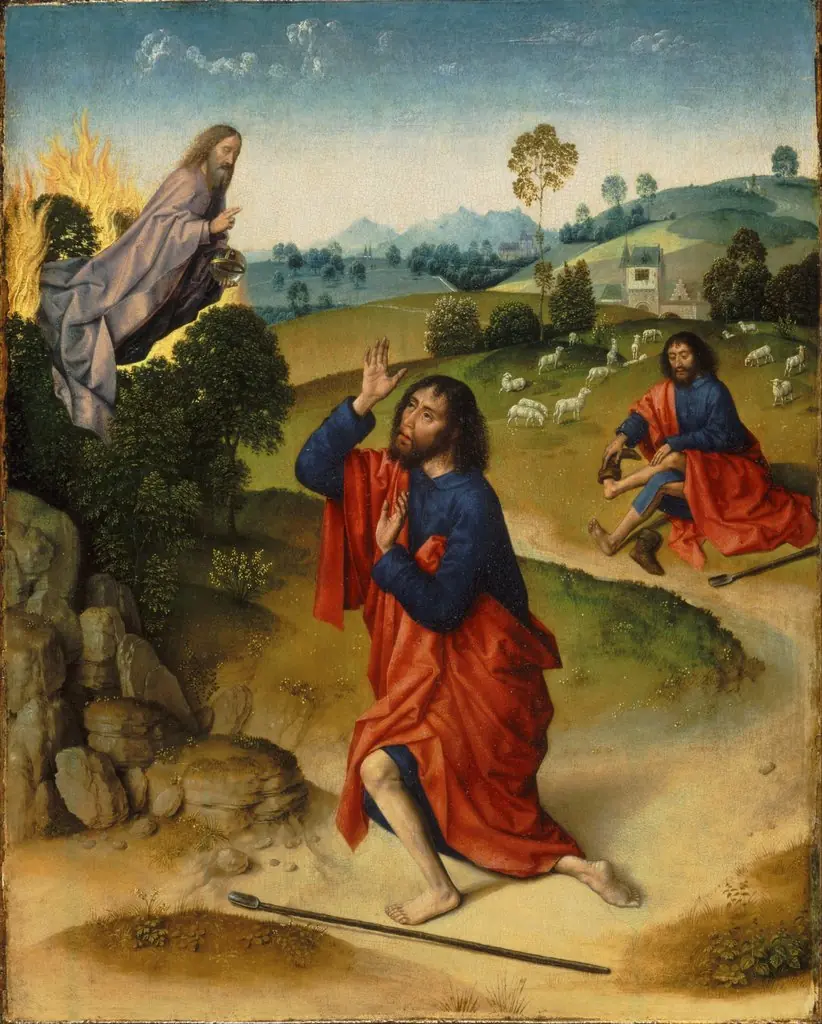 Moses and the Burning Bush, with Moses Removing His Shoes
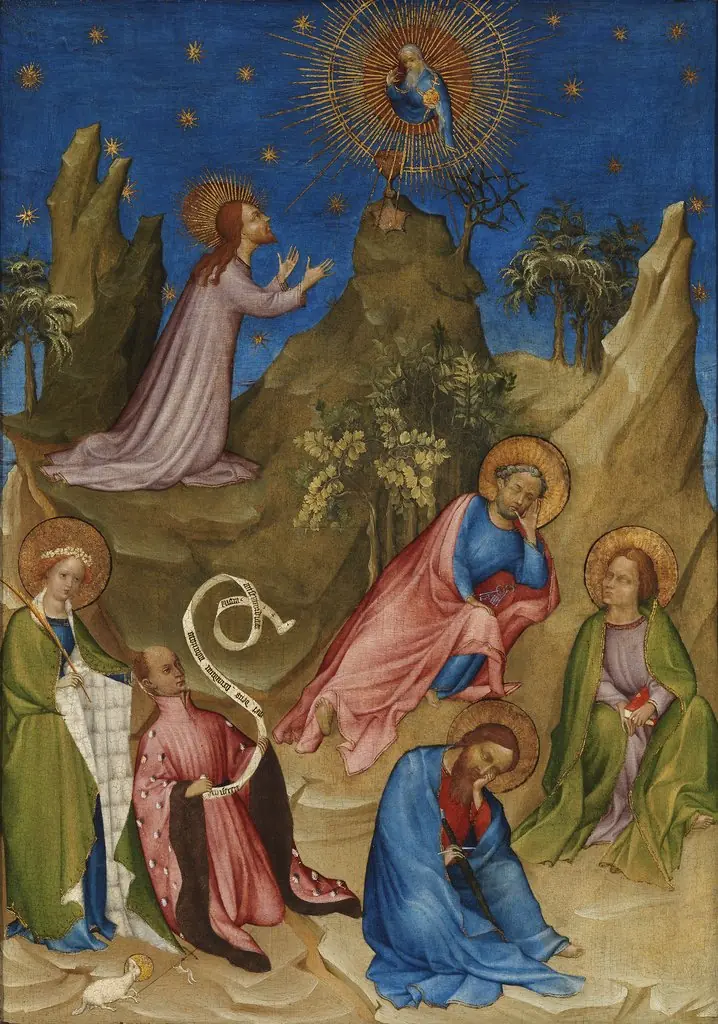 Agony in the Garden with donor Louis I of Orléans
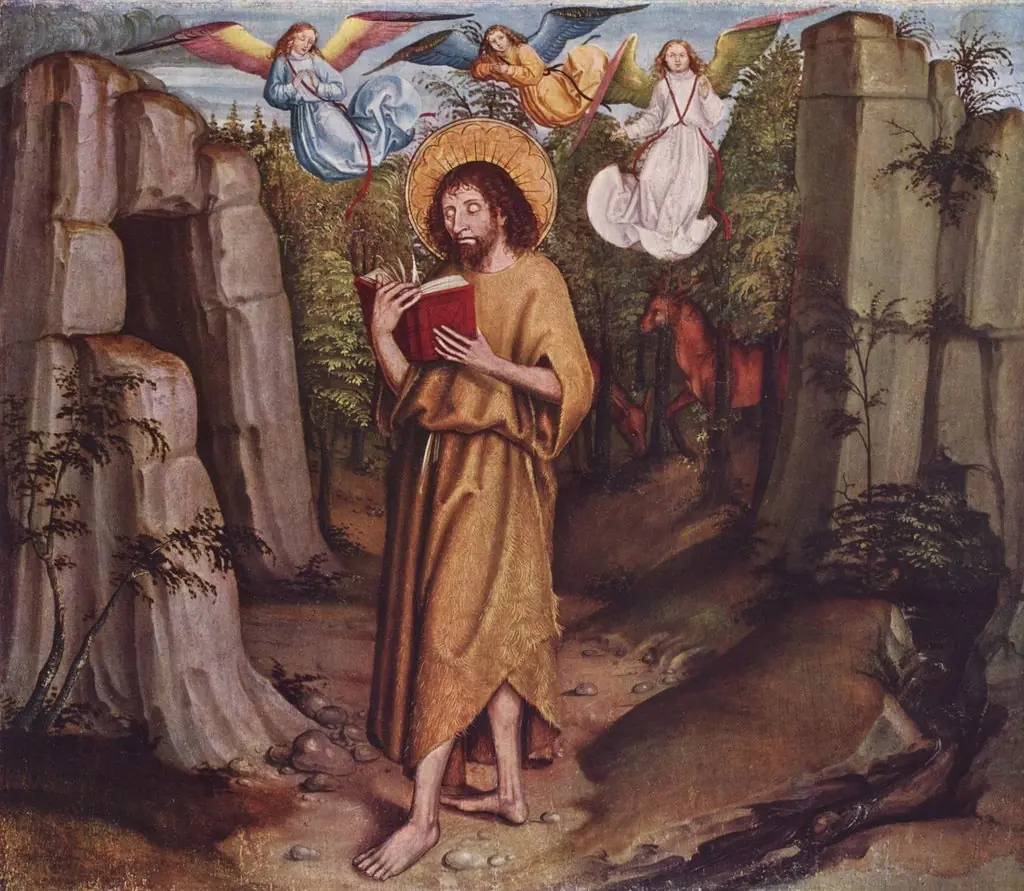
- John the Baptist in the Wilderness