Artwork
The Blessed Ambrogio Sansedoni (1220–1286)
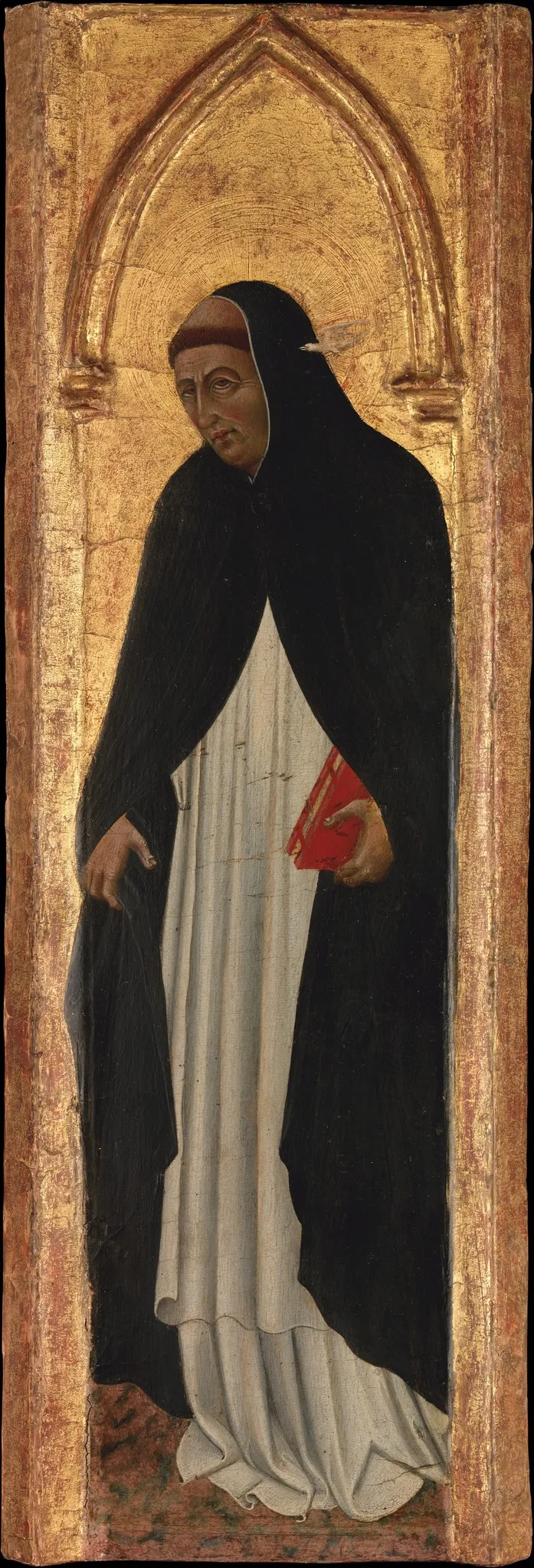
The Blessed Ambrogio Sansedoni (1220–1286) is a tempera painting by the Early Renaissance artist Giovanni di Paolo. It dates from 1450 and is held in the collection of the Metropolitan Museum of Art.
About this work
Subject & Meaning
Giovanni di Paolo renders him as a male figure, his calm expression and modest stance highlighting his sanctity and role as a spiritual intercessor.
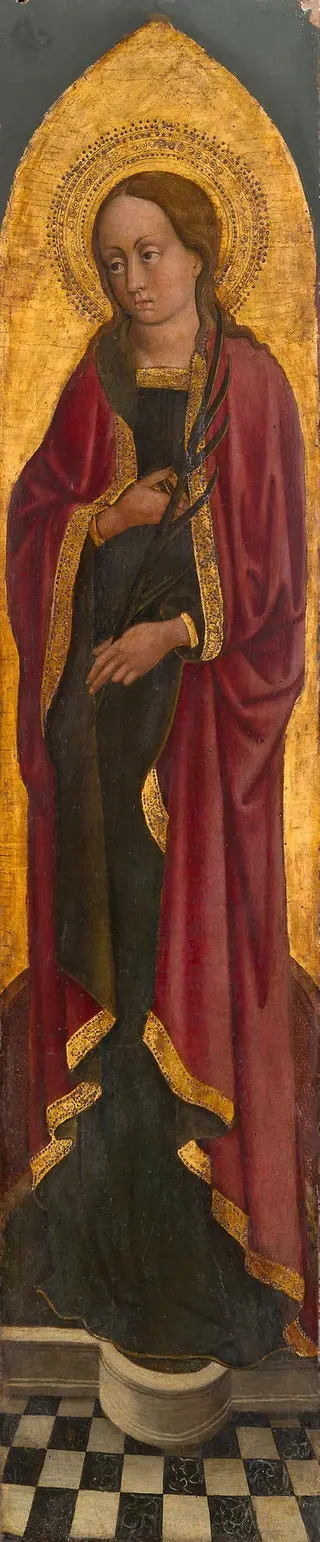
The work portrays the Blessed Ambrose Sansedoni, a 13th‑century Sienese preacher venerated for his charitable deeds, in a devotional format typical of mid‑15th‑century Sienese religious painting. Giovanni di Paolo renders him as a male figure, his calm expression and modest stance highlighting his sanctity and role as a spiritual intercessor. Created in 1450 and now part of the Metropolitan Museum of Art’s collection, the tempera panel functions as an icon of Franciscan devotion, communicating the moral virtue attributed to the blessed figure.
Technique & Style
Executed in tempera on panel, Giovanni di Paolo's small devotional panel adheres to the conventions of mid-Quattrocento Sienese painting. Its narrow vertical format, measuring 48.9 by 12.4 centimeters, suits an intimate private devotional function, with the elongated proportions directing the viewer's attention upward toward the standing figure of the Blessed Ambrogio Sansedoni. The use of egg tempera on a wooden support allowed for the meticulous layering of fine, linear brushwork typical of Sienese practice, producing crisp contours and carefully modeled drapery.
The work is housed in Gallery 956 of the Metropolitan Museum of Art, dedicated to Fifteenth-Century Sienese Paintings, indicating its preservation within a controlled museum environment.
History & Provenance
The Blessed Ambrose Sansedoni, painted by Giovanni di Paolo around 1450, is an early Sienese tempera work on panel measuring roughly 48.9 × 12.4 cm. The piece entered the Metropolitan Museum of Art as part of the Robert Lehman collection and is displayed in Gallery 956 among the fifteenth‑century Sienese paintings. Its subject depicts the saint Ambrose of Siena, reflecting the devotional focus of Sienese religious art in the mid‑15th century. The work is catalogued as a religious painting created in 1450, consistent with Giovanni di Paolo’s activity in Siena during that period.
Overview
Giovanni di Paolo created The Blessed Ambrogio Sansedoni around 1450. This tempera painting portrays Ambrogio Sansedoni, also known as Ambrose of Siena, a Dominican friar who lived in the 13th century. The work is currently part of the collection at The Metropolitan Museum of Art, representing a significant example of Italian religious art from the early Renaissance period.
Artist & collection

Artist
Giovanni di Paolo di Grazia was an Italian painter, working primarily in Siena, becoming a prolific painter and illustrator of manuscripts, including Dante's texts.

 The Adoration of the Magi
 The Presentation of Christ in the Temple
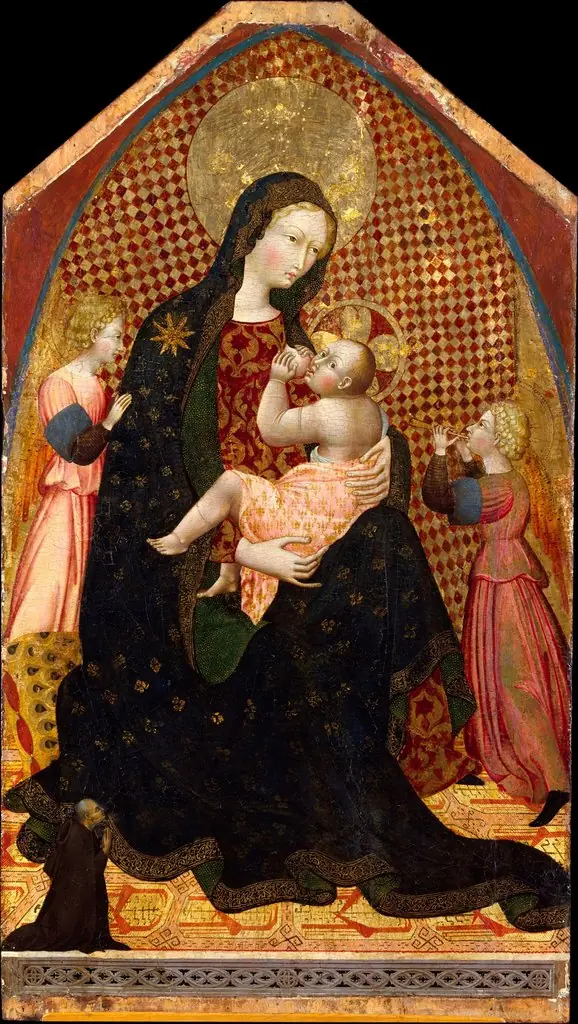 Madonna and Child with Two Angels and a Donor
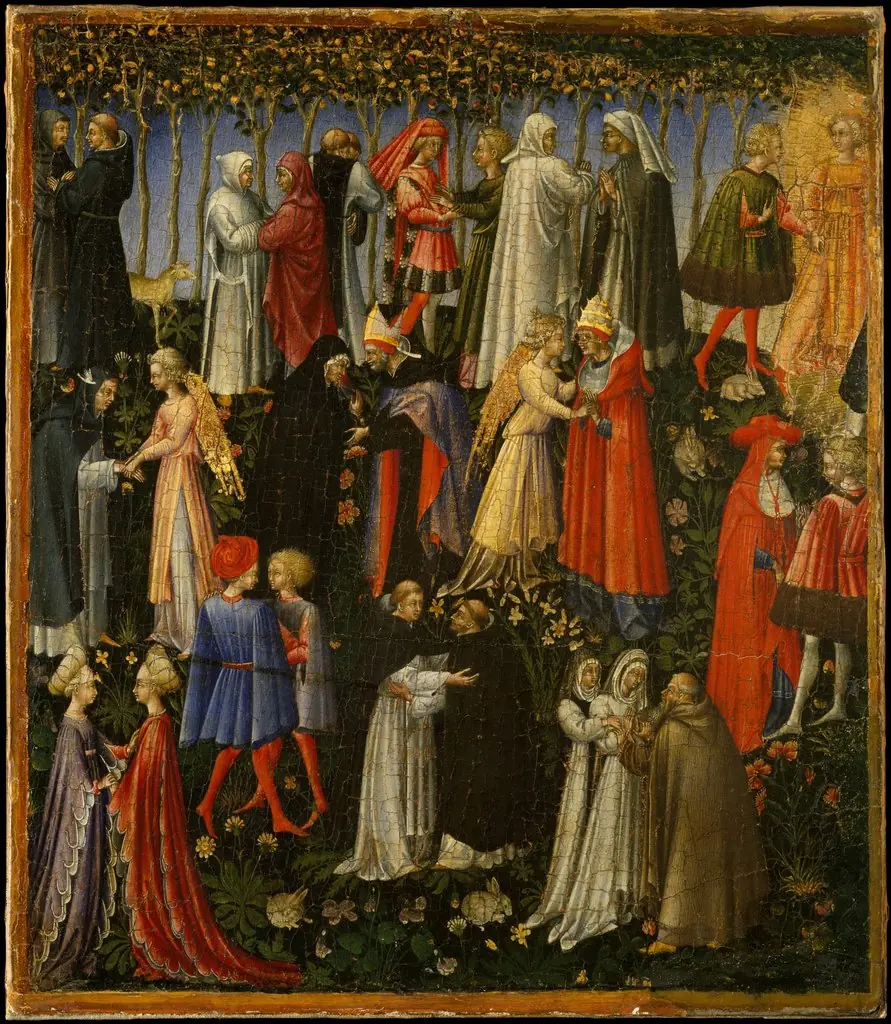 Paradise
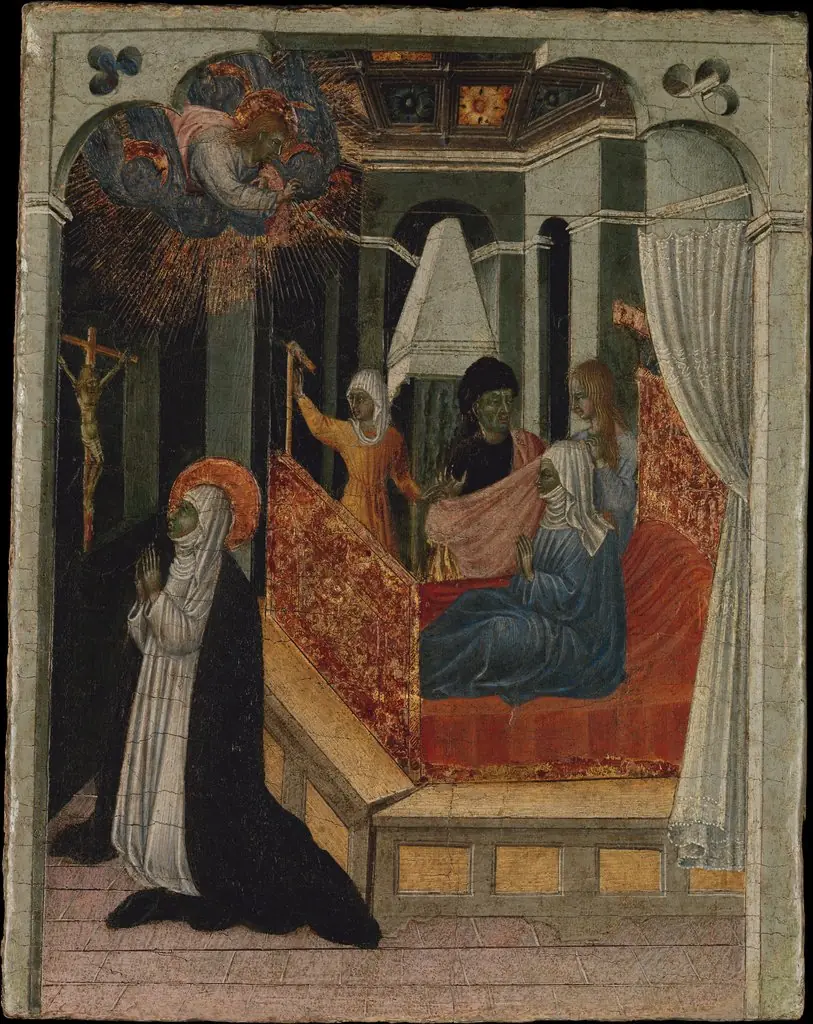 Saint Catherine of Siena Beseeching Christ to Resuscitate Her Mother
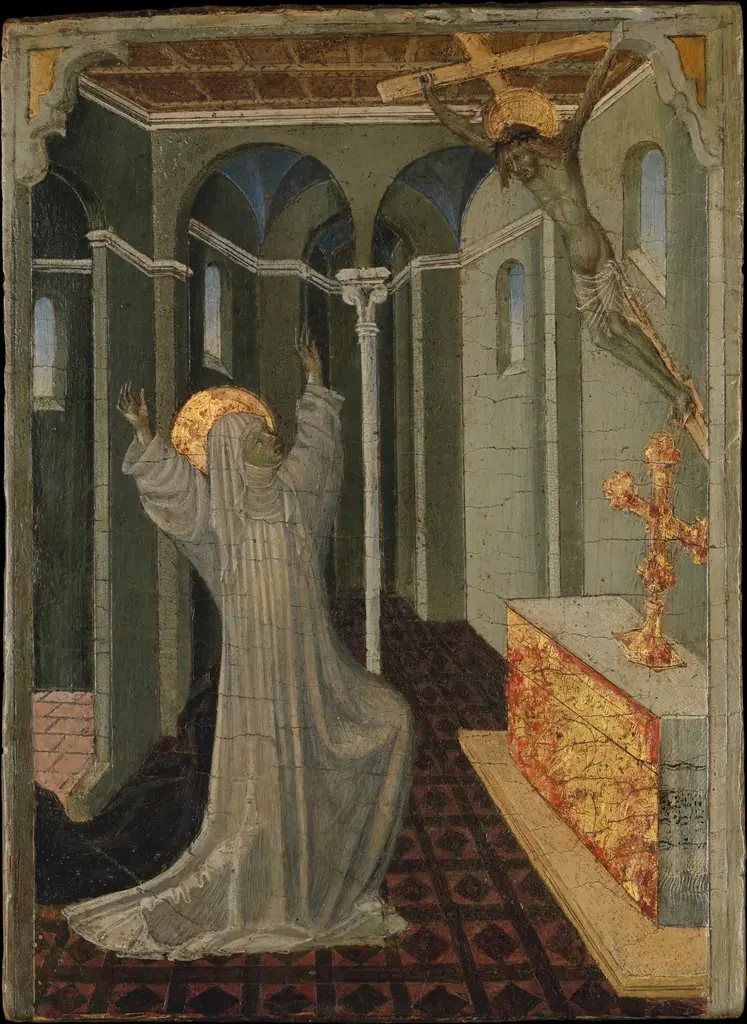 Saint Catherine of Siena Receiving the Stigmata
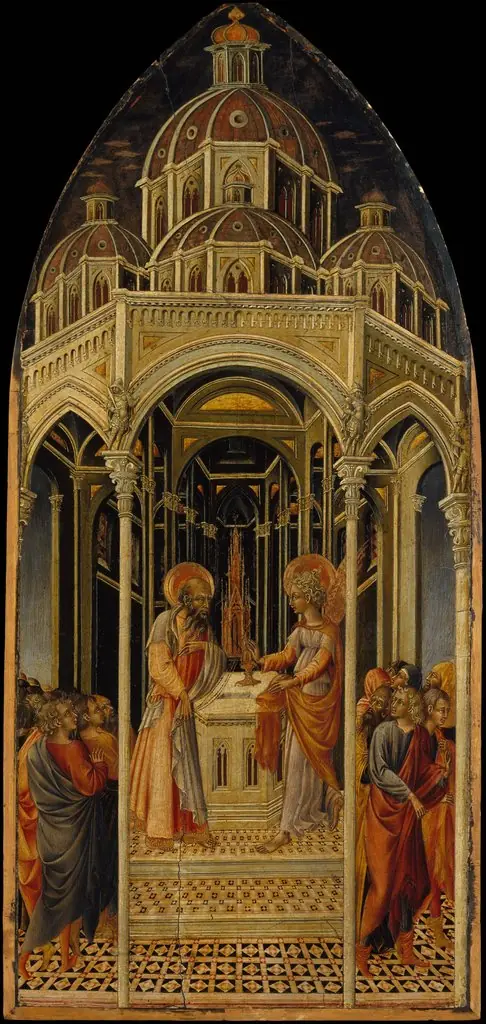 The Annunciation to Zacharias; (verso) The Angel of the Annunciation
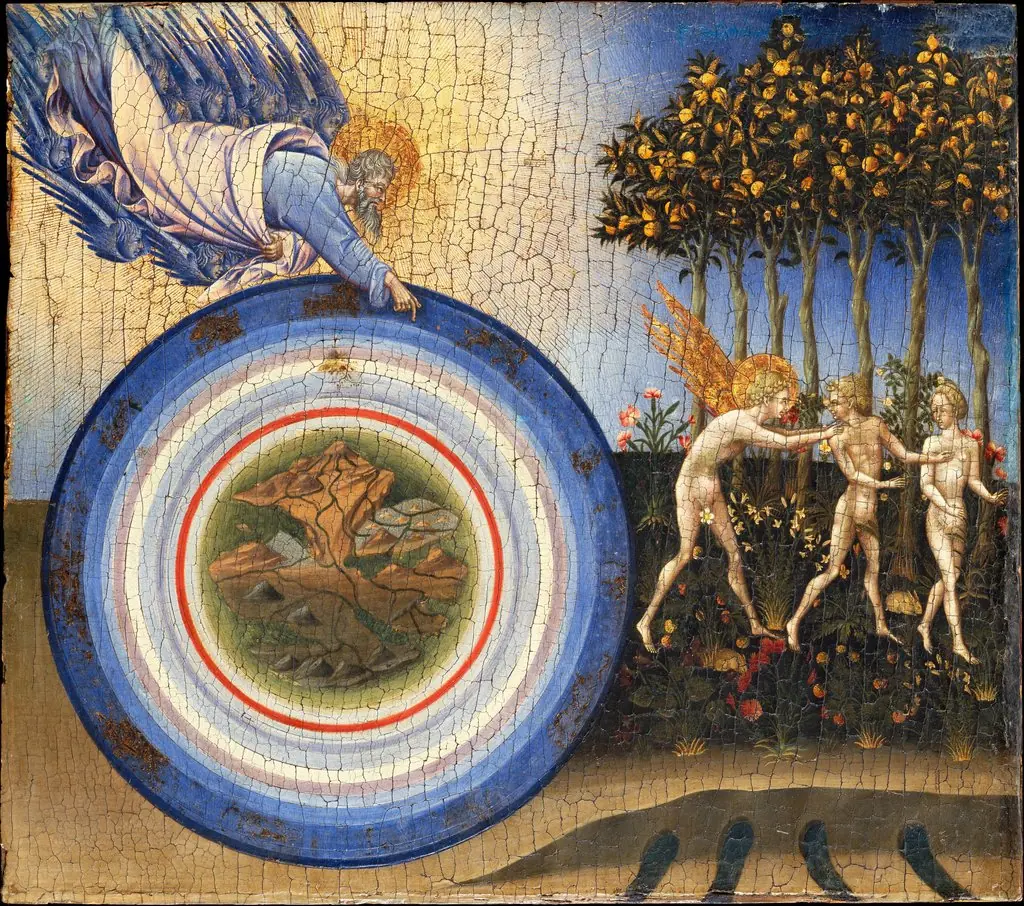 The Creation of the World and the Expulsion from Paradise
- Saint Francis of Assisi
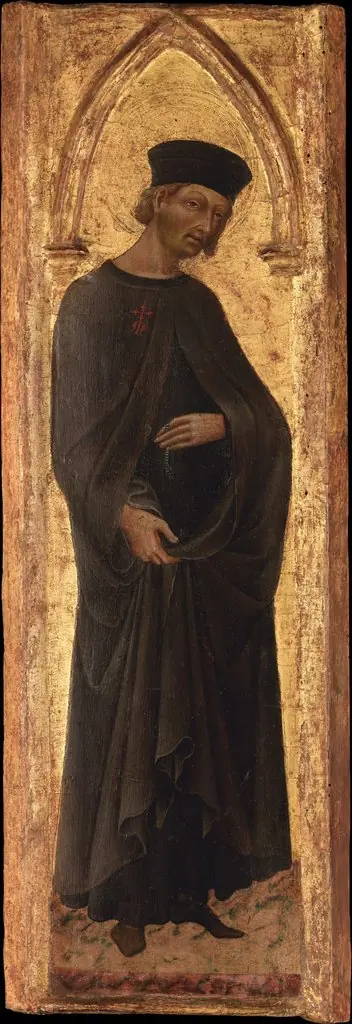 The Blessed Andrea Gallerani (died 1251)
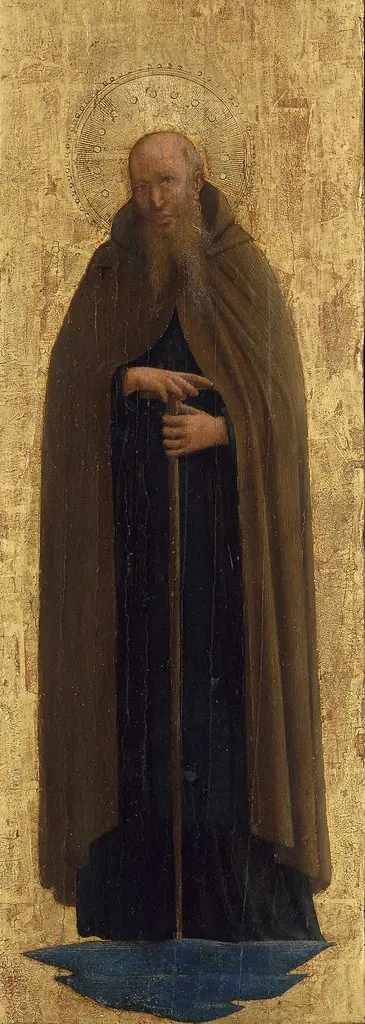 Saint Anthony Abbot
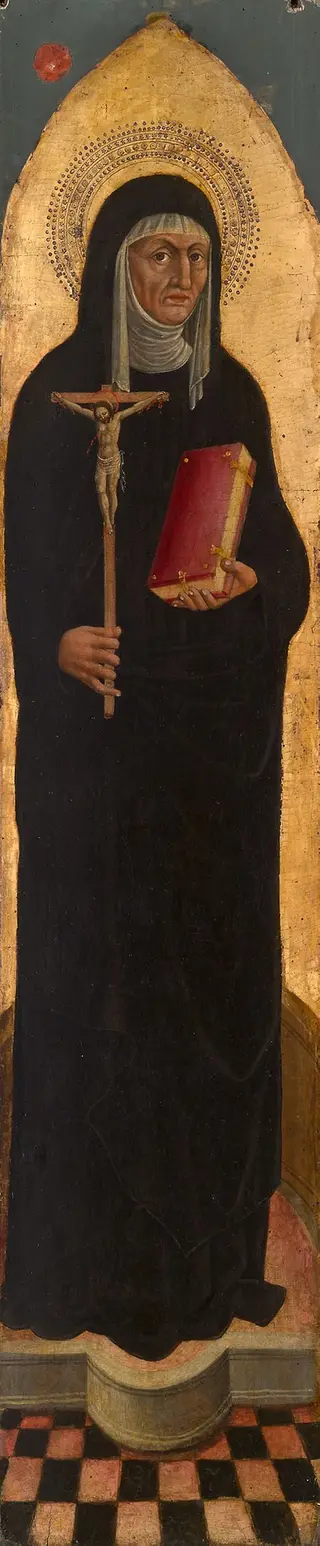 Saint Monica from an Augustinian altarpiece
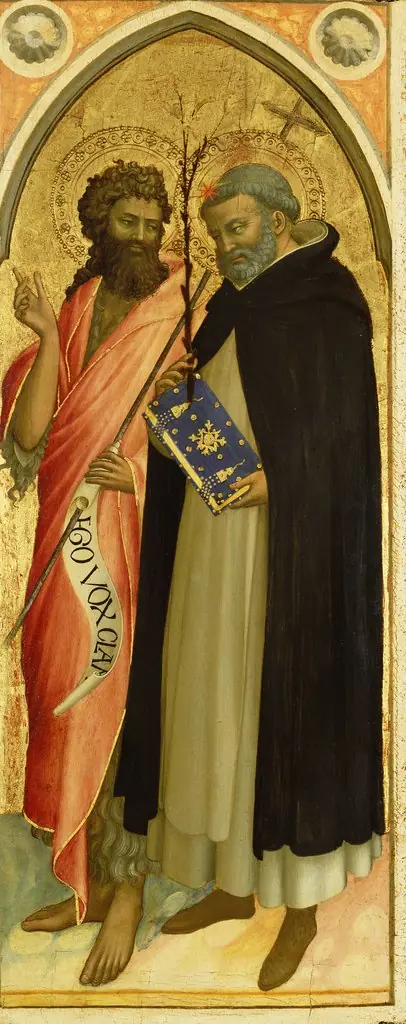 Saint John the Baptist and Saint Dominic
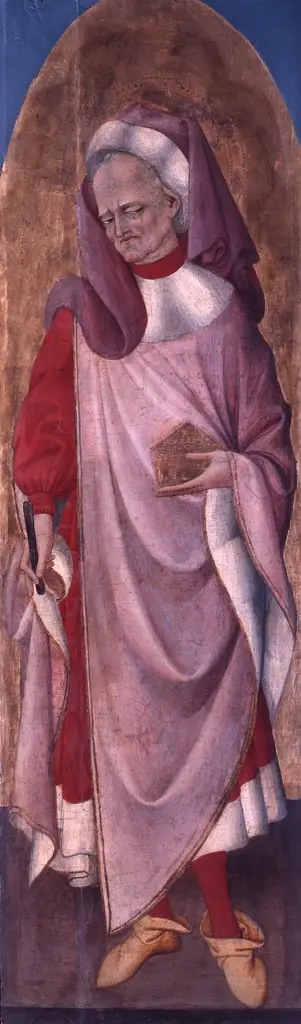 Saint Cosma
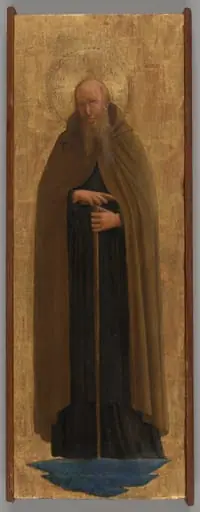 Saint Anthony Abbot
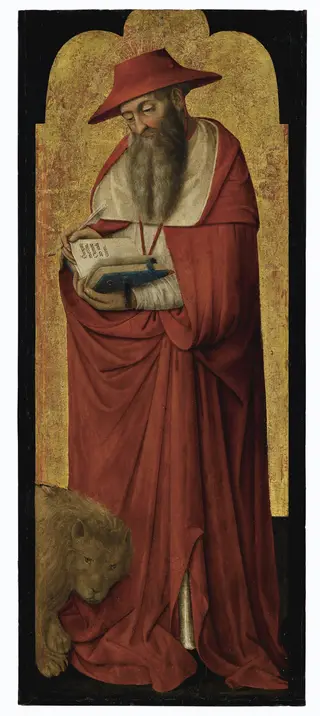 Saint Jerome, part of an altarpiece
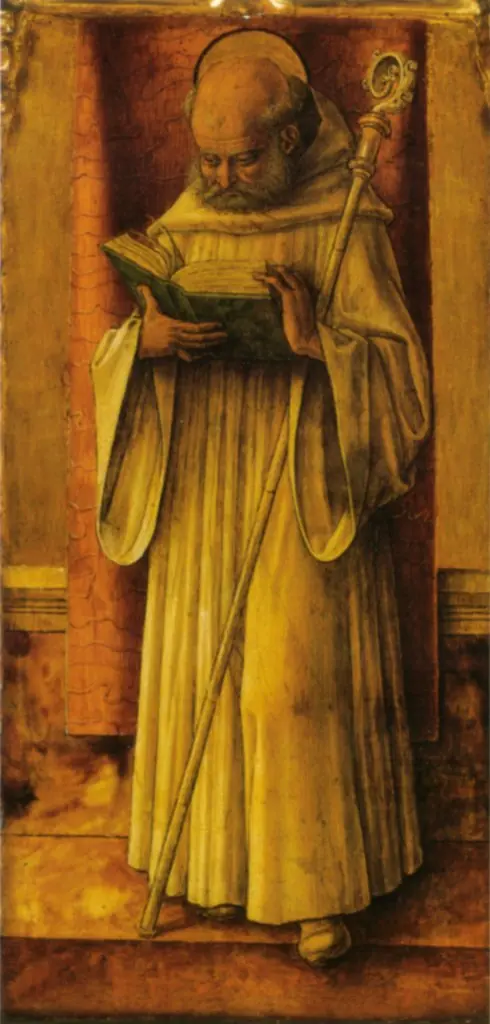 Saint Benedict
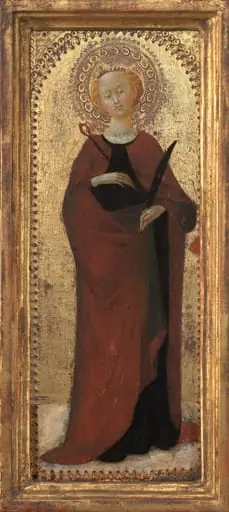 Saint Apollonia
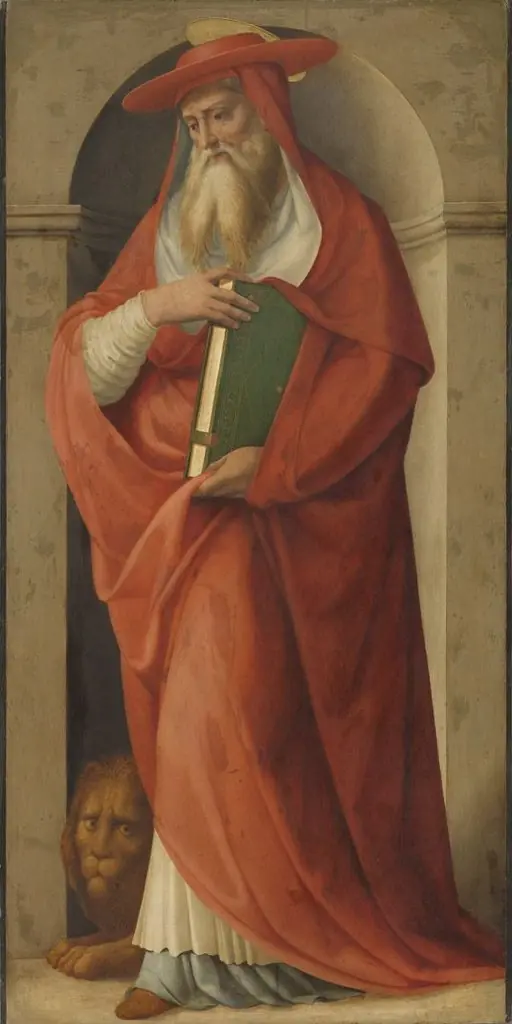 Saint Jerome
 Saint Giustina of Padua from an Augustinian altarpiece