Artwork
The Virgin and Child in Glory
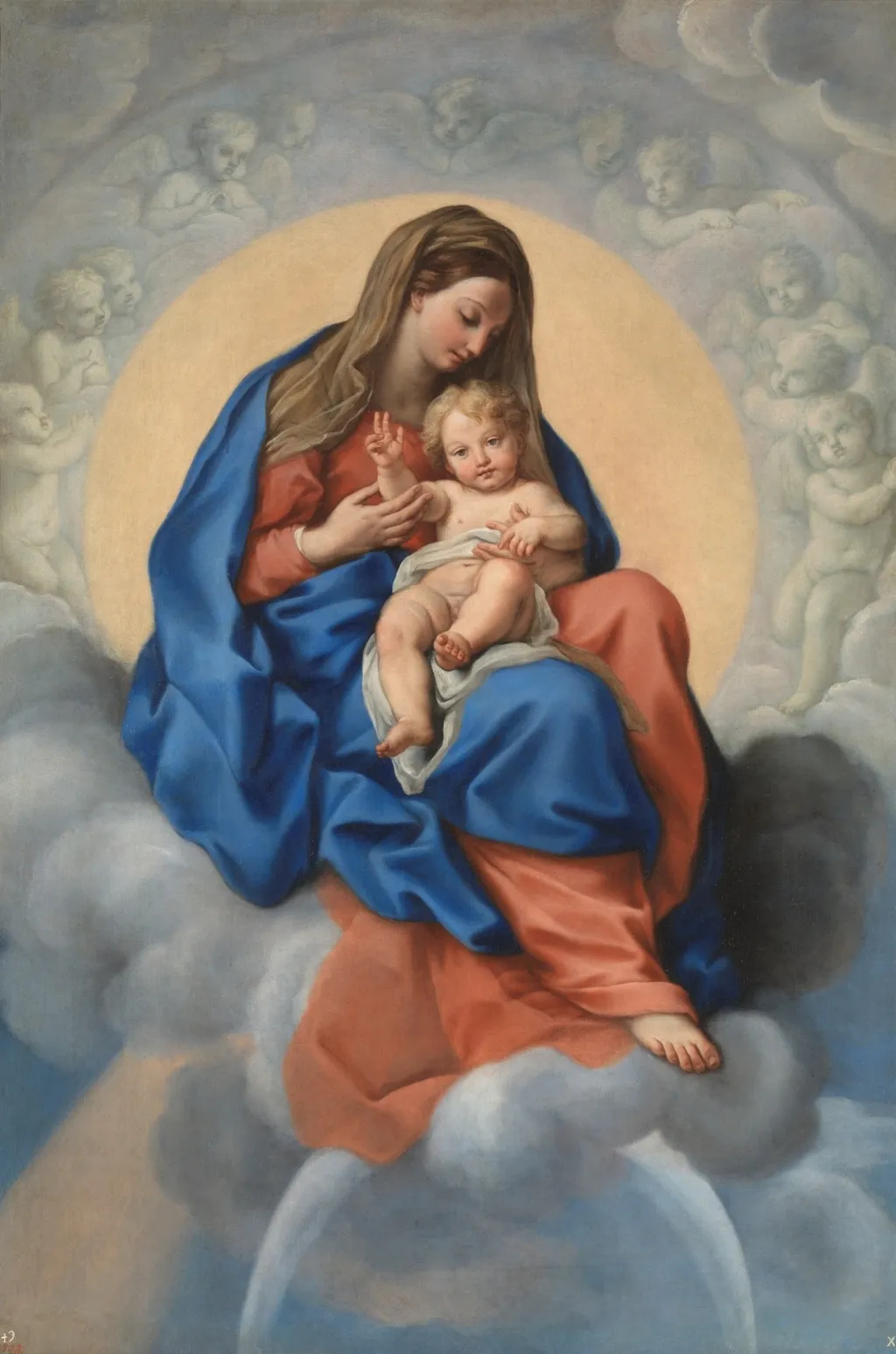
The Virgin and Child in Glory is an oil painting by the High Baroque Italian artist Carlo Maratta. It dates from 1690 and is held in the collection of the Museo del Prado.
About this work
Subject & Meaning
As a religious artwork, the subject matter focuses on the veneration of Mary as the mother of Jesus, emphasizing their divine connection.
The work depicts the Virgin Mary and the Christ Child, a composition classified within the religious genre as a Madonna and Child. Created by Carlo Maratta in 1680, the painting presents these central figures of Christian theology in a glorified state, consistent with the title's reference to a heavenly setting. As a religious artwork, the subject matter focuses on the veneration of Mary as the mother of Jesus, emphasizing their divine connection.
The depiction serves to illustrate the theological concept of the holy family elevated in glory, a common theme in Baroque religious art intended to inspire devotion.
Technique & Style
Executed in 1680, this religious painting by Carlo Maratta utilizes oil paint applied to a canvas support. The work measures 221 cm in height and 150 cm in width, presenting a substantial vertical format typical of altarpieces or large devotional images. The composition focuses on the Madonna and Child, depicting the Virgin Mary holding the Christ Child in a glorified setting.
As a piece housed in the Museo del Prado, the artwork represents Maratta's mature style within the Baroque tradition, characterized by its specific handling of oil media to render sacred figures.
History & Provenance
The painting was created in 1680 by Carlo Maratta as an oil on canvas work portraying the Madonna and Child. It entered the Spanish royal collection under Charles III and remained in the custody of his successors Philip V and Ferdinand VII before being placed in the Museo del Prado, where it is presently housed.
The Virgin and Child in Glory is held in the collection of the Museo del Prado. The painting entered the Spanish royal collection, where it was owned successively by Philip V, Charles III, and Ferdinand VII before becoming part of the museum's holdings. While the work dates to 1680, the provided sources do not list specific inventory numbers or detail any public exhibitions in which the painting has appeared.
Overview
Carlo Maratta’s Virgin and Child in Glory was painted in 1690 using oil on canvas. The work presents the Virgin Mary cradling the infant Jesus, both suspended amid a luminous sky. Currently the painting belongs to the collection of the Museo del Prado, where it is displayed as part of the museum’s Baroque holdings.
Context
Maratta’s career unfolded in a Rome dominated by Counter‑Reformation art, where religious subjects were rendered with clarity and devotional appeal. Virgin and Child in Glory reflects this climate, combining Baroque theatricality with a measured classicism that appealed to both ecclesiastical and aristocratic audiences of the period.
Own this work as a print
Artist & collection
Artist
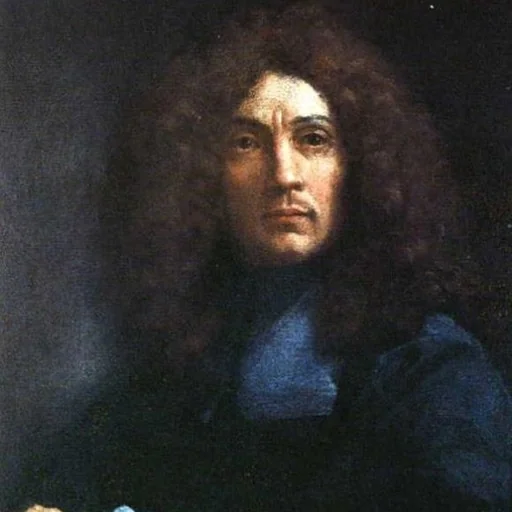
Carlo Maratta or Maratti (18 May 1625 – 15 December 1713) was an Italian Baroque painter and draughtsman, active principally in Rome where he was the leading painter in the second half of the 17th century.

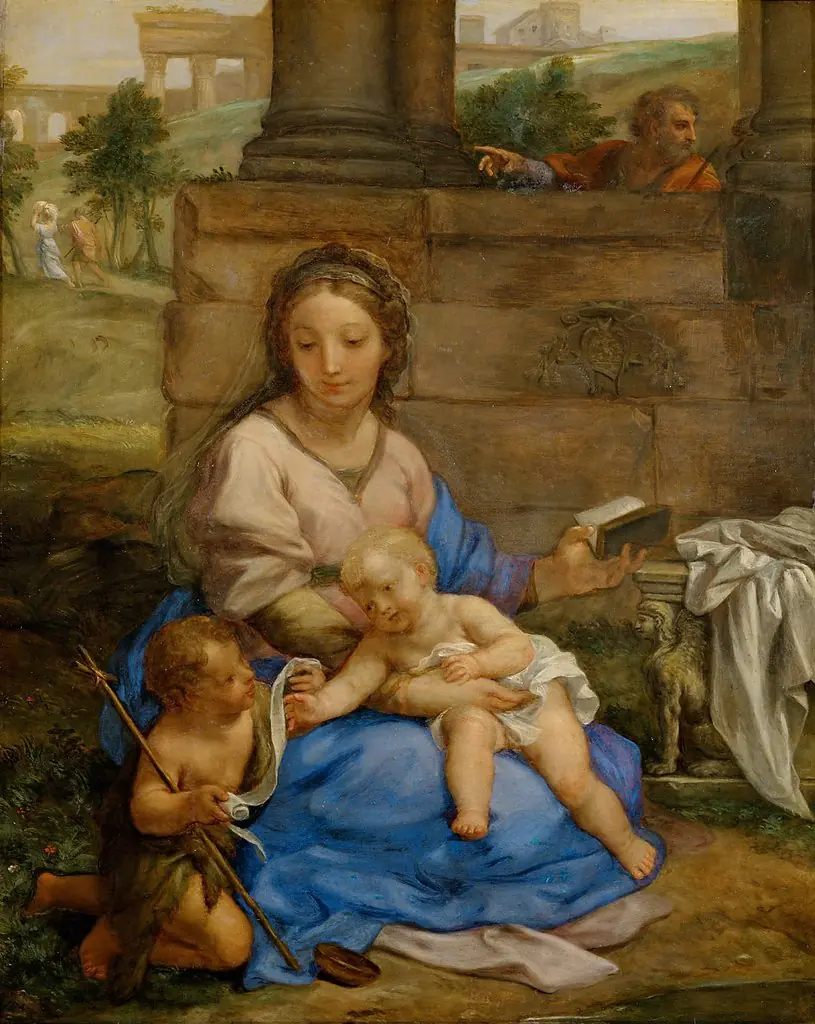
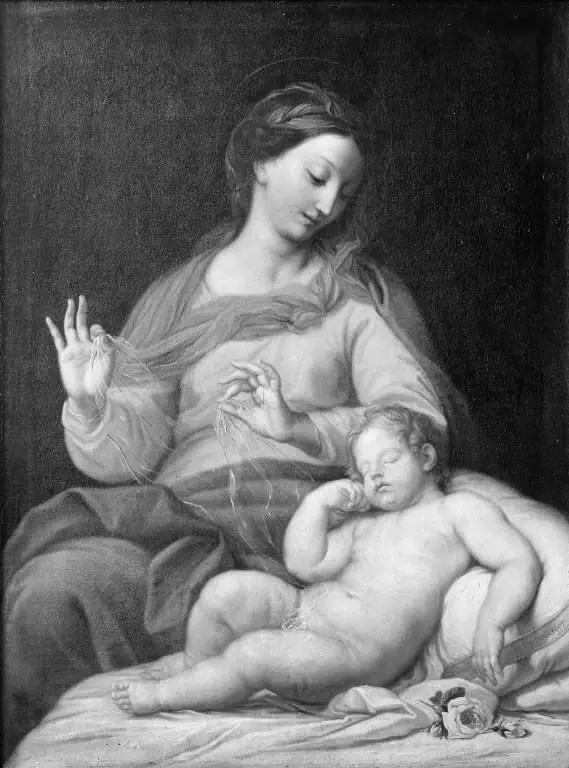
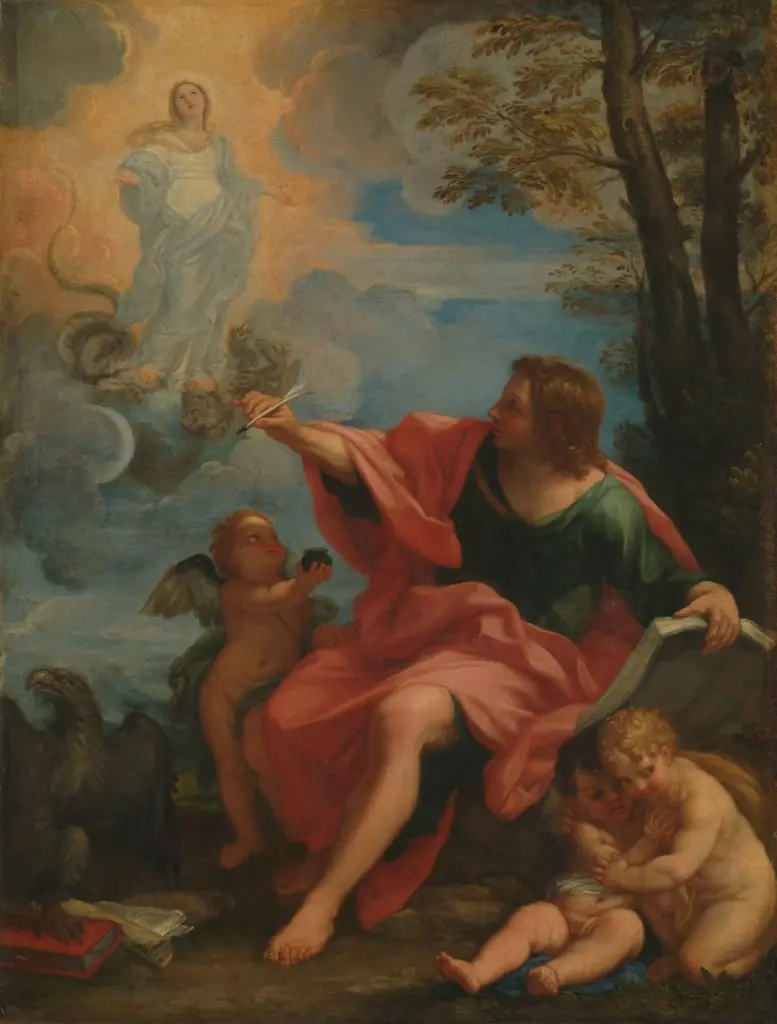
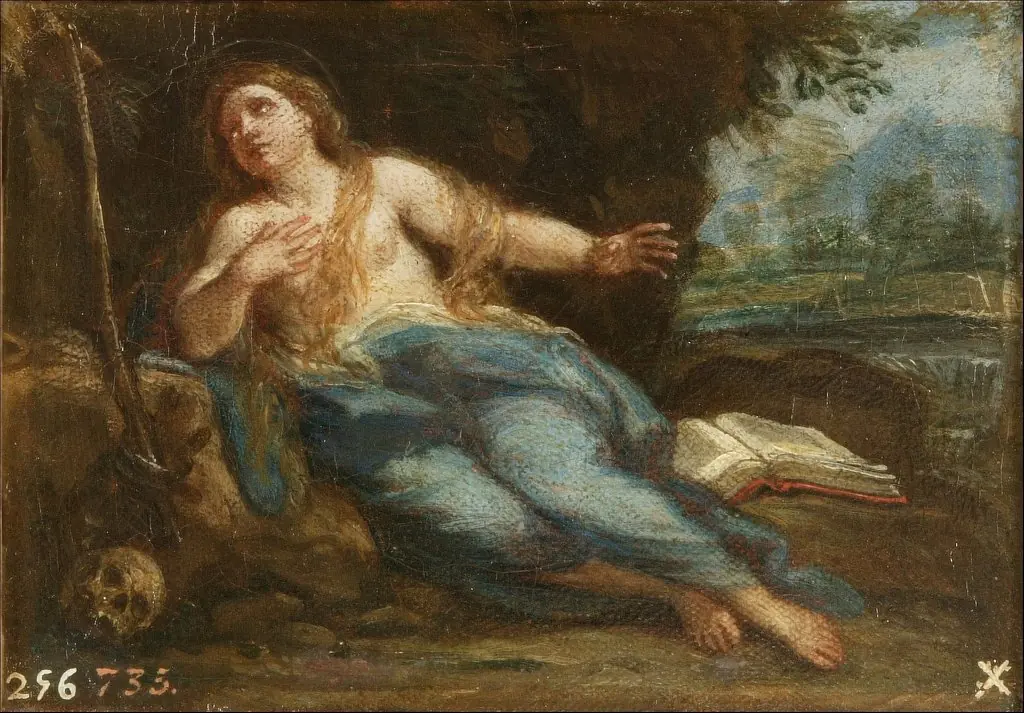
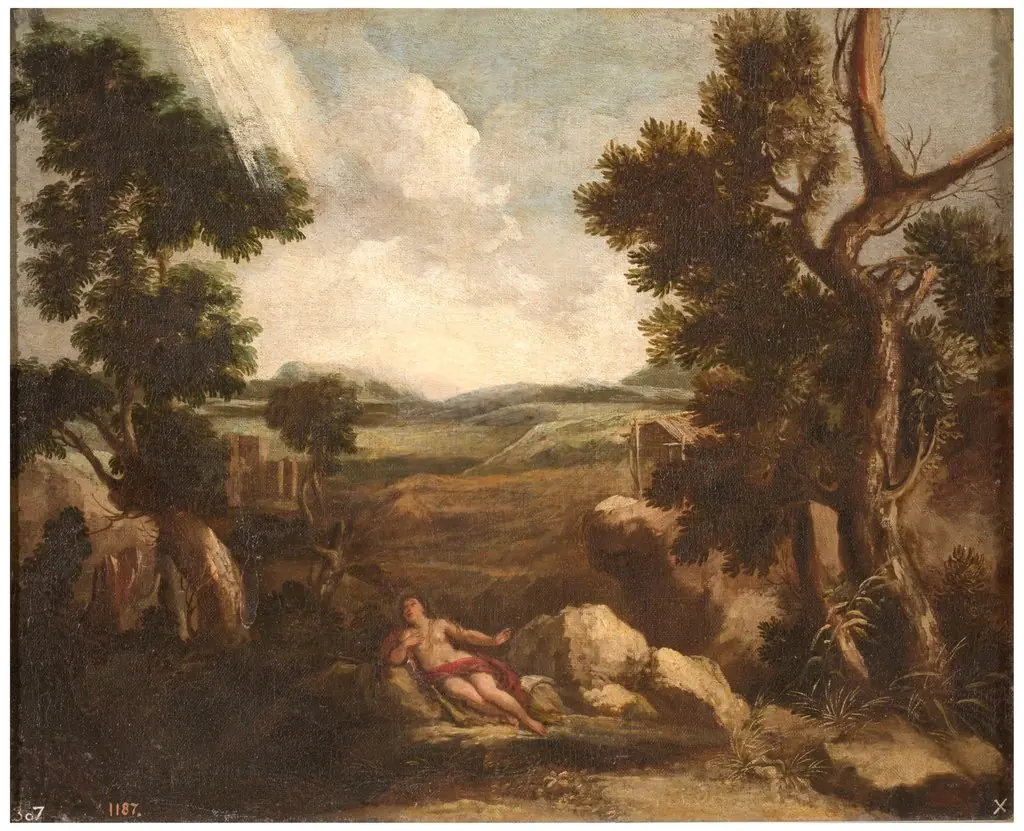
- The Virgin and Child
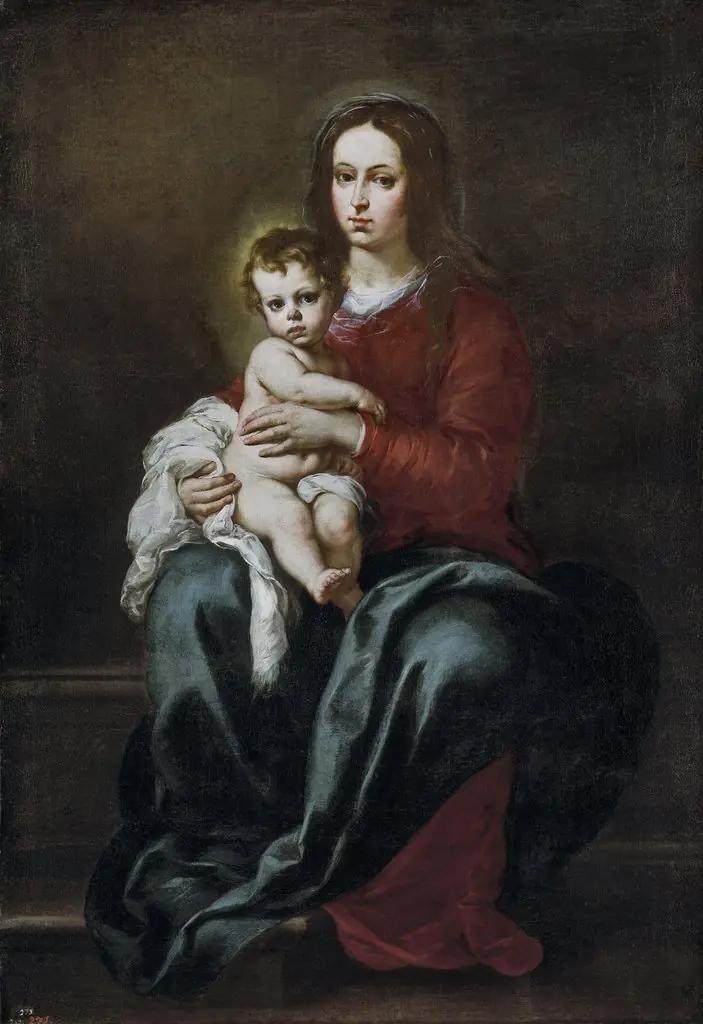 The Virgin and Child
 Madonna and Child in Glory
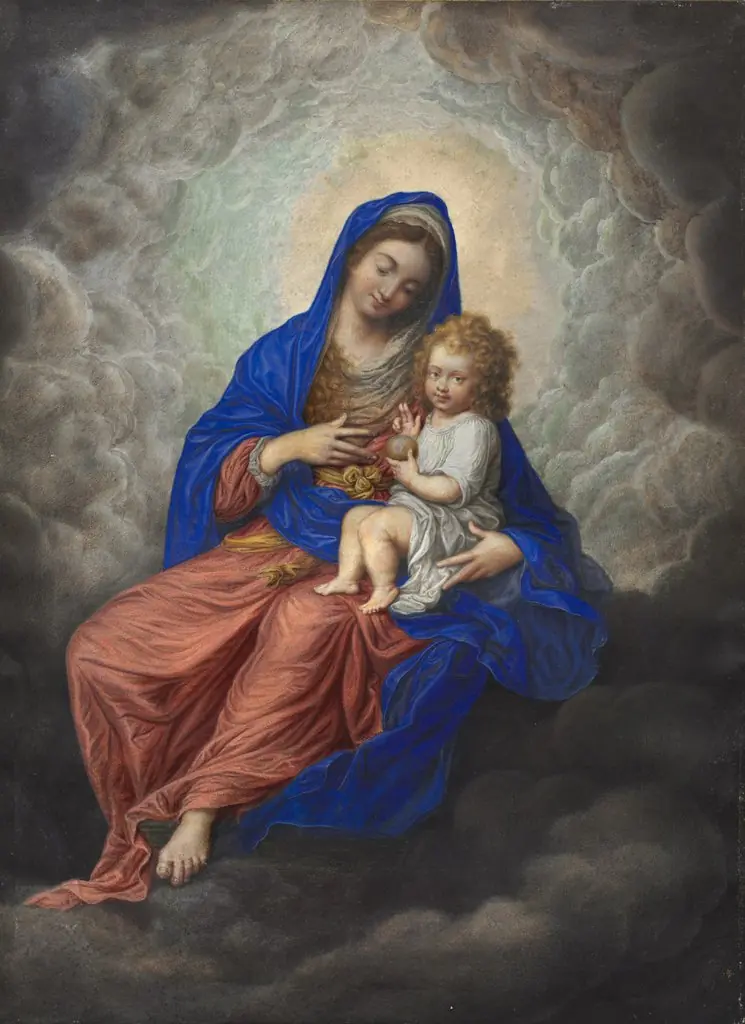 Madonna and Child in Glory
 The Virgin and Child Seated in Clouds
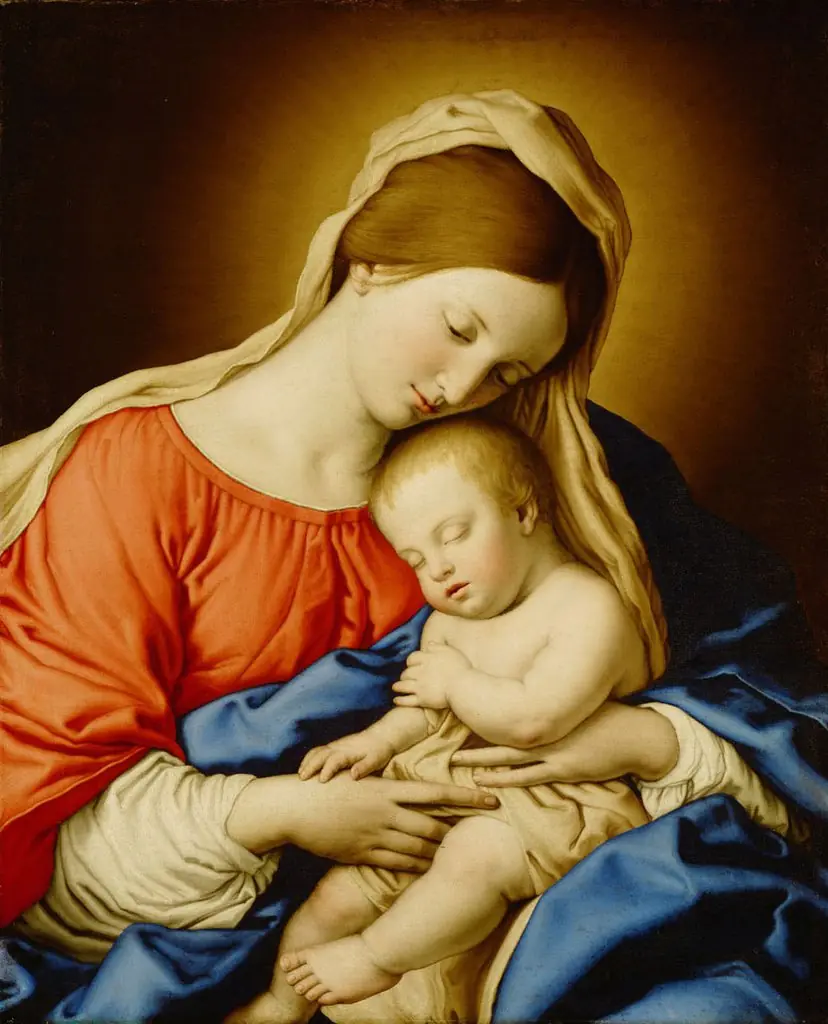 Maria mit Kind
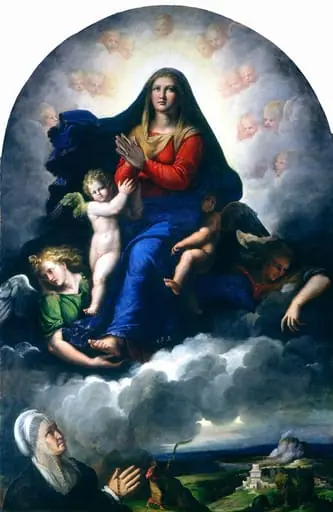 The Apparition of the Virgin
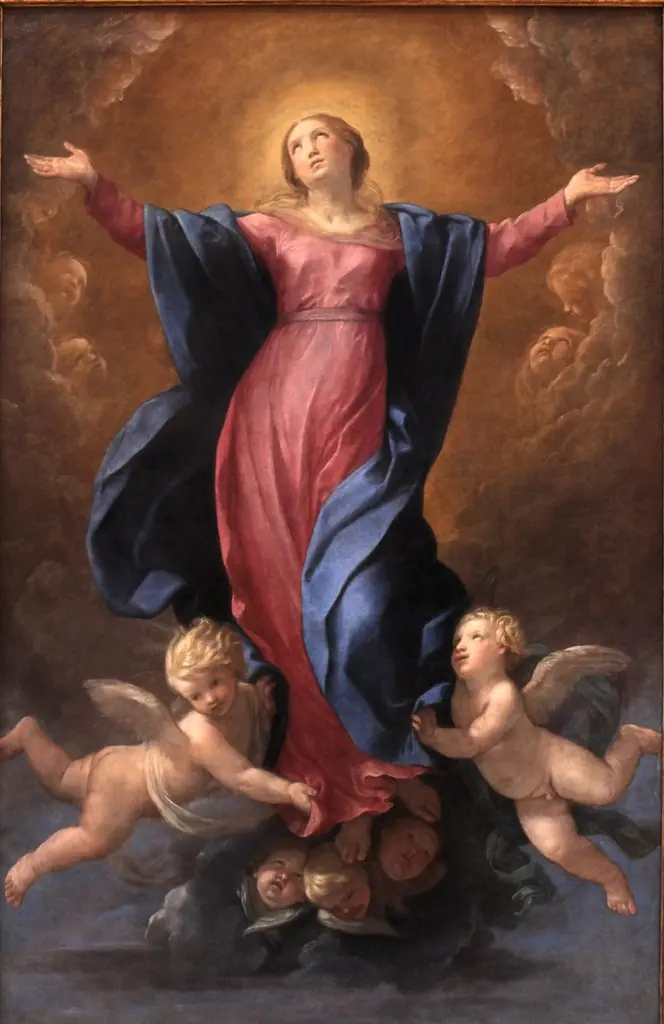 Assumption of the Virgin
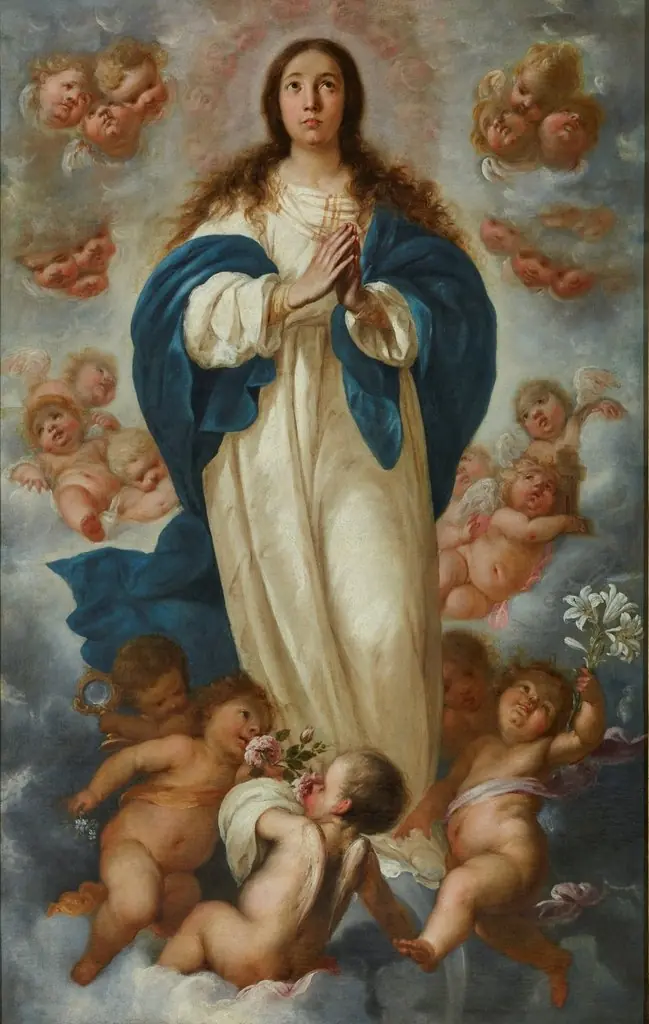 The Immaculate Conception
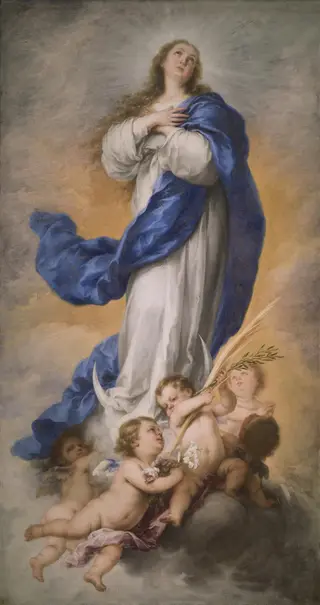 The Aranjuez Immaculate Conception
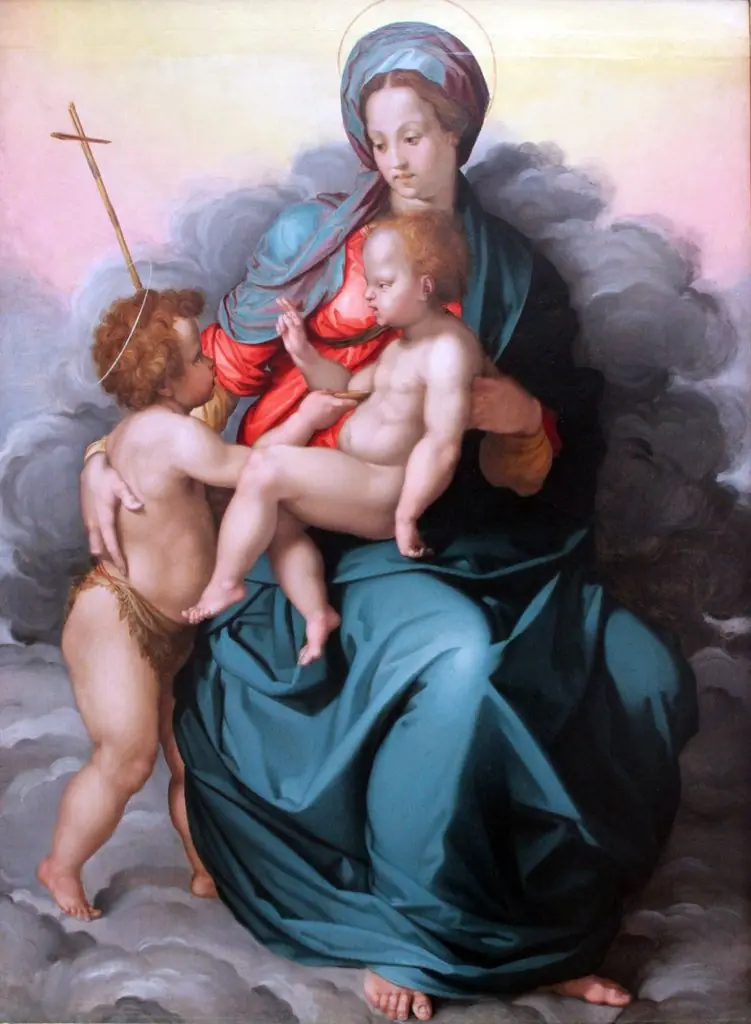 Madonna with Child and Saint John the Baptist on clouds
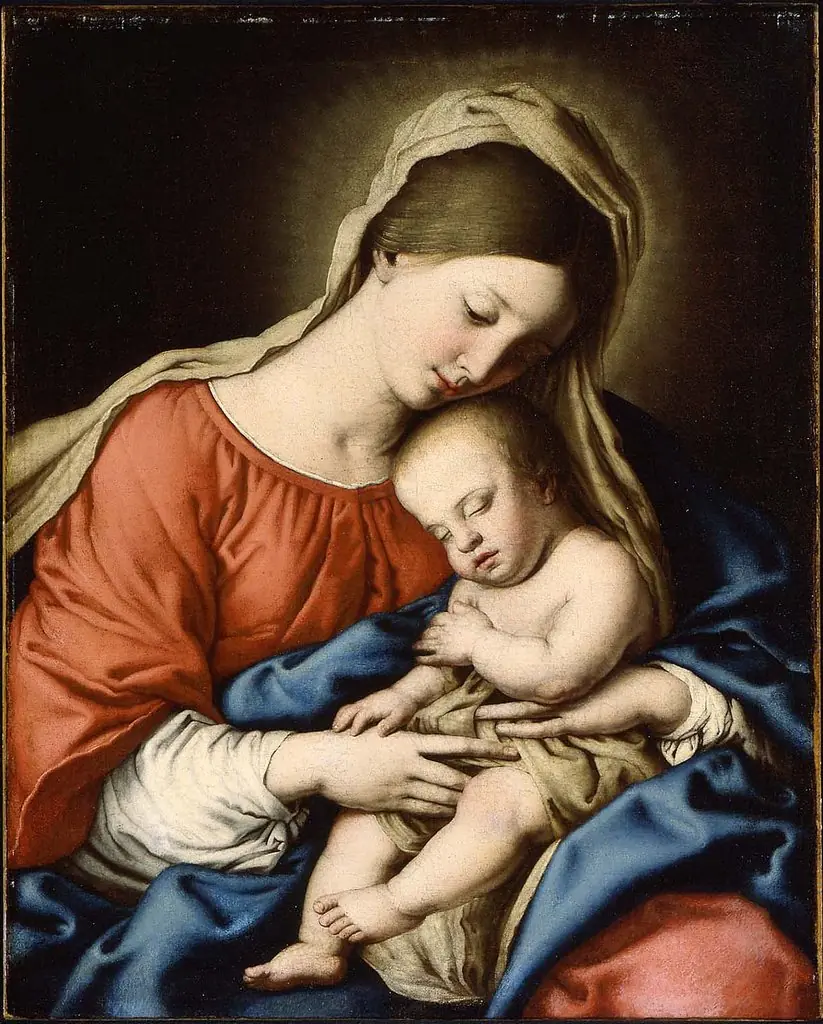 Virgin and Child