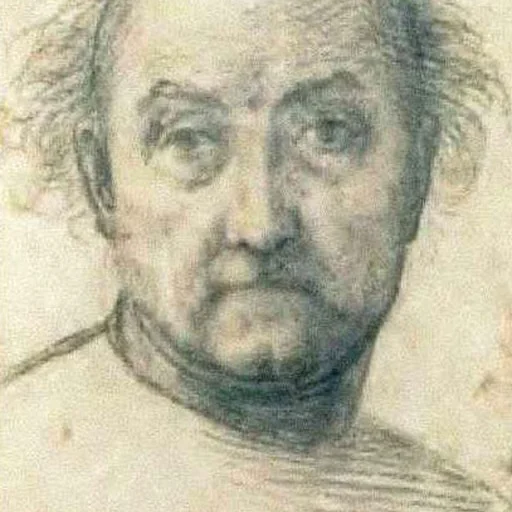
Subject
Rosary
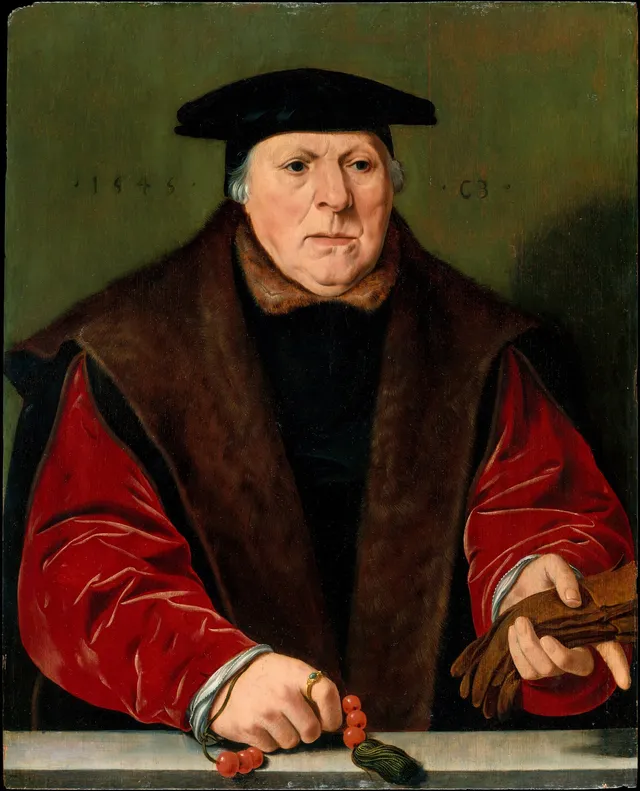
Rosary is a subject in art. The gallery holds 55 works in this subject in art, including works by Fra Bartolomeo, Joos van Cleve and Hans Memling.
The Rosary (; Latin: rosarium, in the sense of "crown of roses" or "garland of roses"), formally known as the Psalter of Jesus and Mary (Latin: Psalterium Jesu et Mariae), also known as the Dominican Rosary (as distinct from other forms of rosary such as the Franciscan Crown, Bridgettine Rosary, Rosary of the Holy Wounds, etc.), refers to a set of prayers used primarily in the Catholic Church, and to the physical string of knots or beads used to count the component prayers.
Key artists
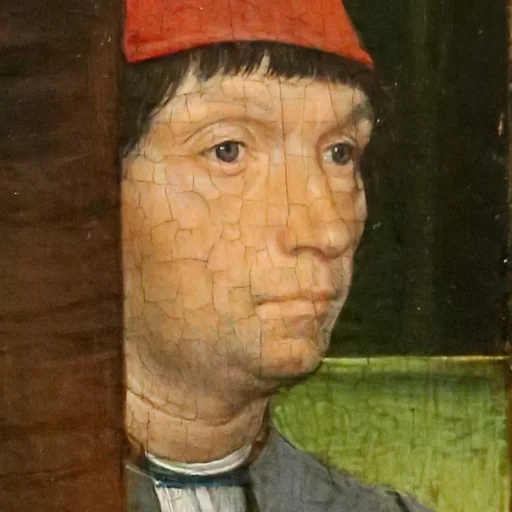

Overview
The rosary is a set of prayers used primarily in the Catholic Church, as well as the physical string of knots or beads used to count those component prayers. Formally known as the Psalter of Jesus and Mary, and often called the Dominican Rosary to distinguish it from other forms like the Franciscan Crown or Bridgettine Rosary, it serves as both a vocal and contemplative devotion. The term derives from the Latin rosarium, meaning a crown or garland of roses. In art, the rosary recurs as a potent symbol of Marian devotion and Christological meditation, visually linking the faithful to the veneration of Mary and the life of Christ.
Iconography & meaning
The name rosarium connects the object to Christian symbolism where roses represent the Virgin Mary, such as the Madonna in a rose garden (Hortus conclusus) signifying virginity, or Mary as the mystic rose (Rosa mystica) invoked in the Litany of Loreto. Historically, the term referred to a garland of roses placed on statues of Mary, which was later transferred to the prayer beads. The object typically features 59 beads or knots: five sets of ten small beads (Aves) separated by larger beads (Paters), plus a short strand with a crucifix. Each set of ten Hail Marys, called a decade, is preceded by an Our Father and followed by a Glory Be. The prayers are meditations on the Mysteries of the Rosary, events in the lives of Jesus and Mary. Pope Pius V standardized 15 mysteries in the 16th century, grouped into the Joyful, Sorrowful, and Glorious, and Pope John Paul II added the Luminous Mysteries in 2002, bringing the total to 20. The devotion emphasizes participation in the life of Mary, whose focus was Christ, encapsulating the theme of going to Christ through Mary.
Across movements & periods
The representation of the rosary in art shifted alongside its historical development. The prayer's origins lie in the monastic practice of reciting 150 psalms, which lay brothers and the general public replaced with 150 Ave Marias, using pebbles or knotted cords as counting tools. During the Crusades in the Middle Ages, reduced formats like ring rosaries or bracelets emerged, allowing soldiers to easily carry and pray the devotion. By the 15th century, through the preaching of the Dominican Alain de la Roche, the rosary acquired its modern structural and devotional form, and its visual representation in art became increasingly standardized. Over four centuries, popes consistently promoted the rosary, cementing its presence in Catholic visual culture from the late medieval period through the Renaissance and into the modern era, where it remains the most widespread Catholic devotional form.
Notable depictions
Canonical depictions of the rosary often center on the Virgin Mary, who is frequently shown holding or presenting the beads, as seen in the collection's Virgin and Child with a Rosary. The motif is also closely tied to Saint Dominic, who is historically associated with receiving the rosary from the Virgin to combat heresy, a narrative popularized by Alain de la Roche. Portraiture frequently employs the rosary as an attribute of the sitter's devoutness, exemplified by works like Portrait of a Man with a Rosary. In scenes of hermits, monks, or figures facing spiritual trials, such as Praying hermit or The Temptations of Saint Anthony Abbot, the rosary serves as a visual anchor of faith and divine protection.
Legacy
The rosary has maintained a profound cultural and religious afterlife, extending beyond the Catholic Church. Some Evangelical Lutherans and Anglicans have adopted the rosary, occasionally using modified forms like the pre-Trent version of the Hail Mary. The 2002 addition of the Luminous Mysteries by Pope John Paul II, which focus on the public ministry of Jesus, demonstrates the ongoing evolution of the devotion and its iconographic potential. As the most widespread Catholic devotion, the rosary continues to function not merely as a counting tool, but as a profound meditative summary of the Gospel, ensuring its persistent depiction in both traditional and contemporary religious art.
Works
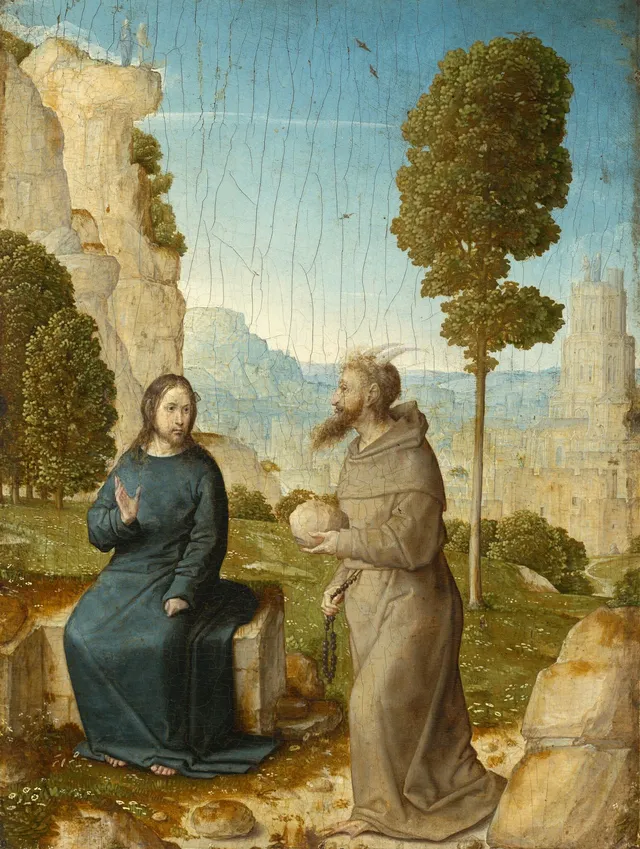
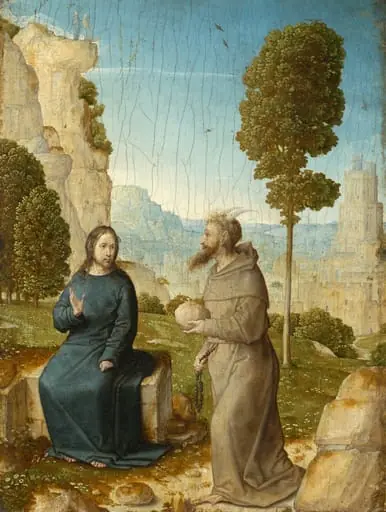 The Temptation of Christ
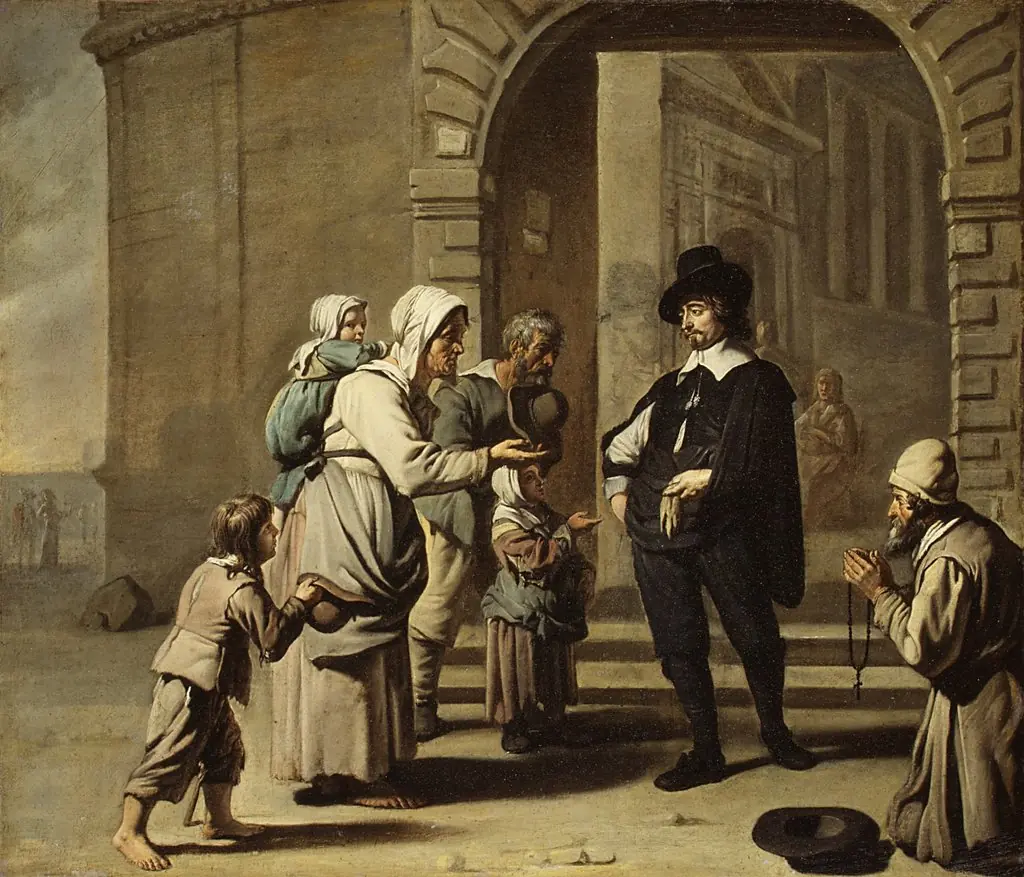 Beggars at a Doorway
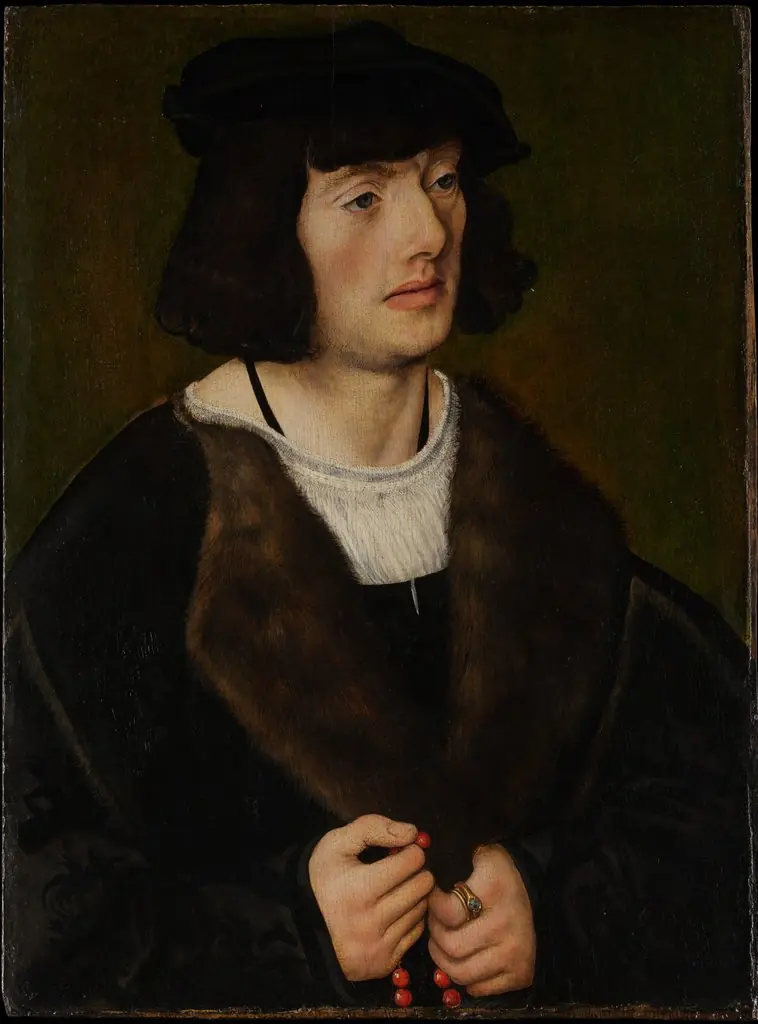 Portrait of a Man with a Rosary
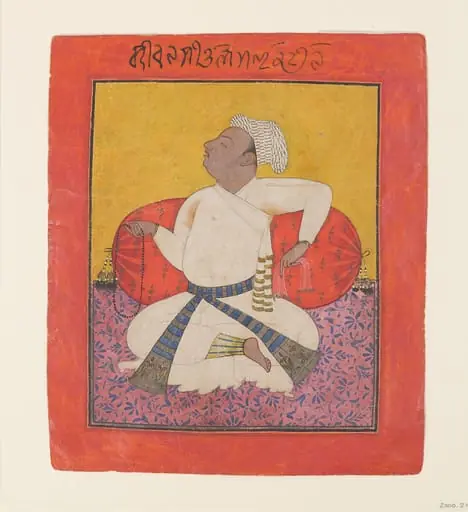 Untitled
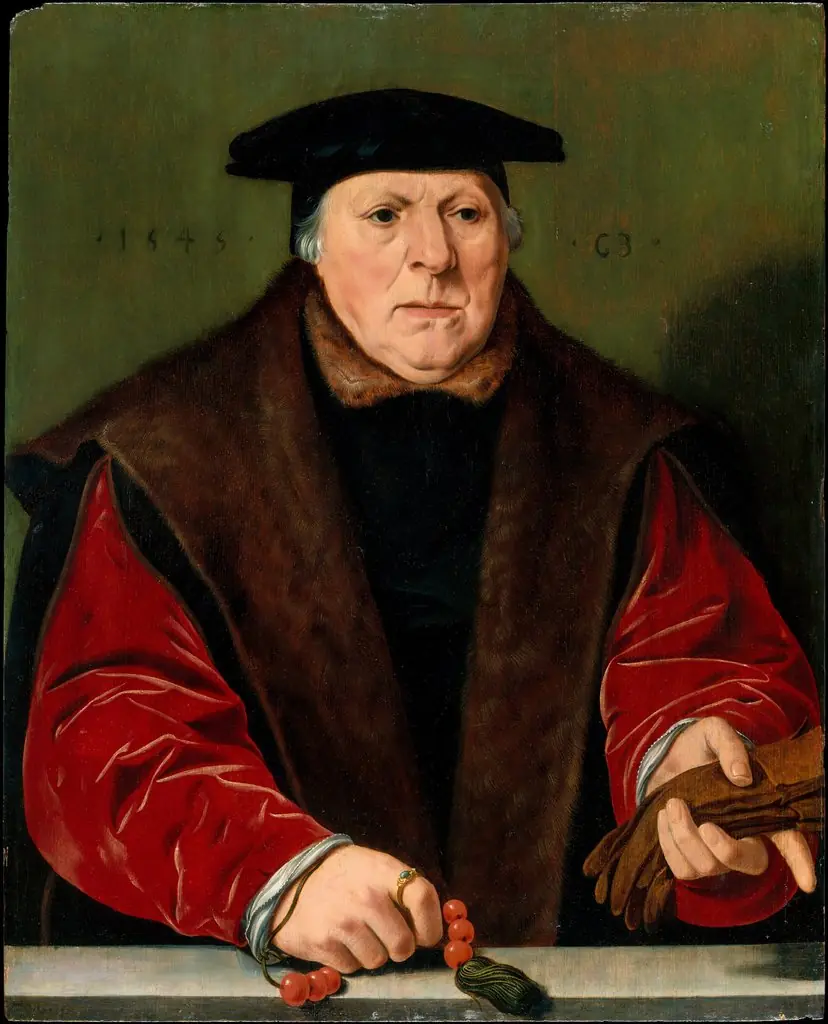 Portrait of a Man with a Rosary
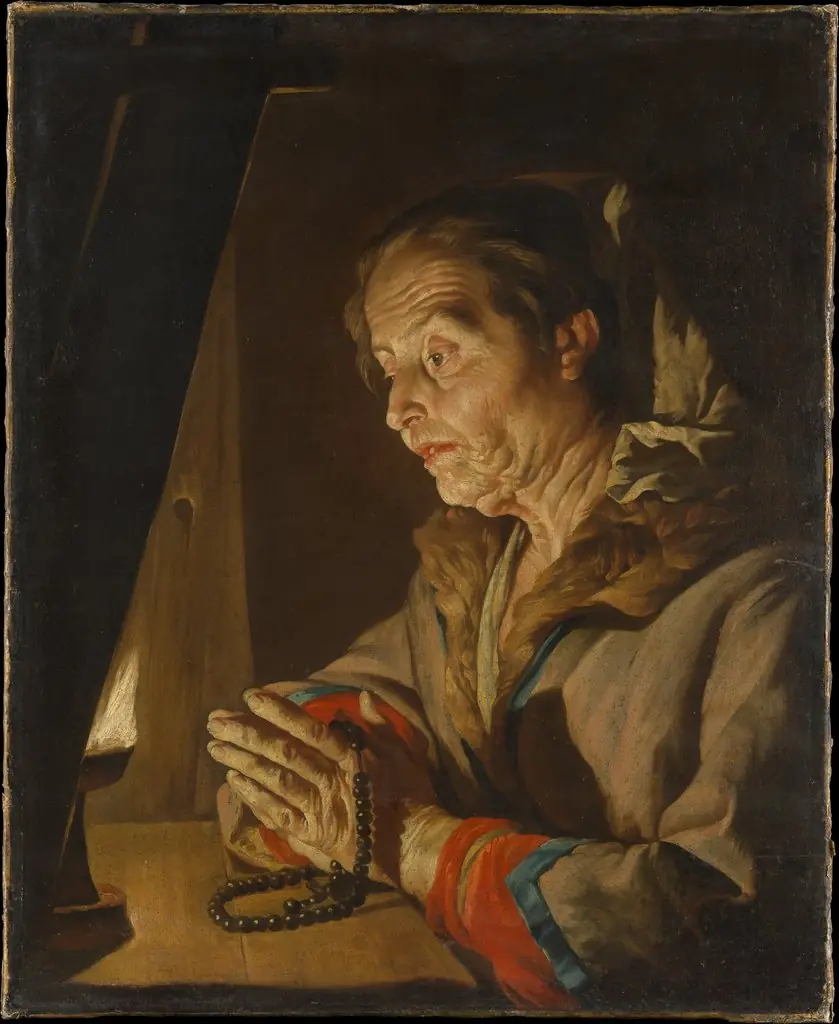 Old Woman Praying
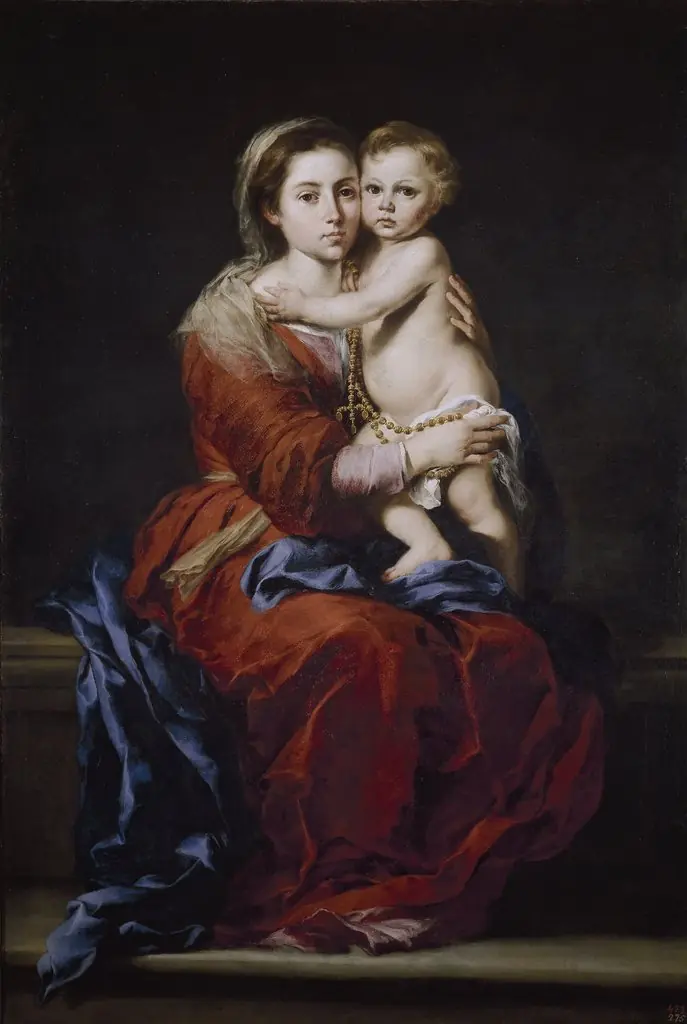 Virgin and Child with a Rosary
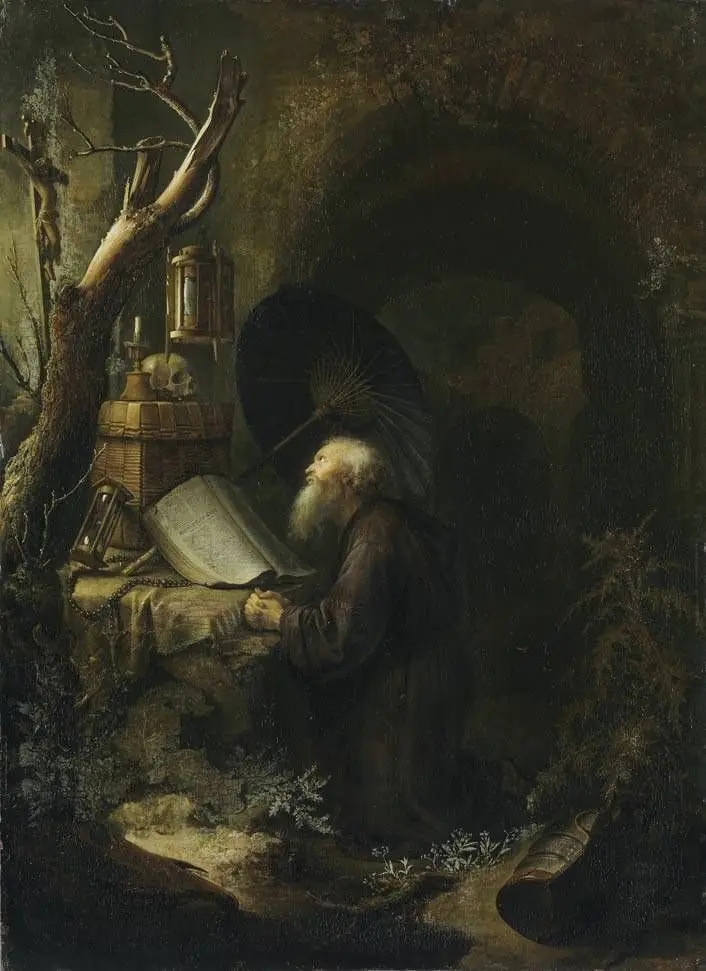 Praying hermit
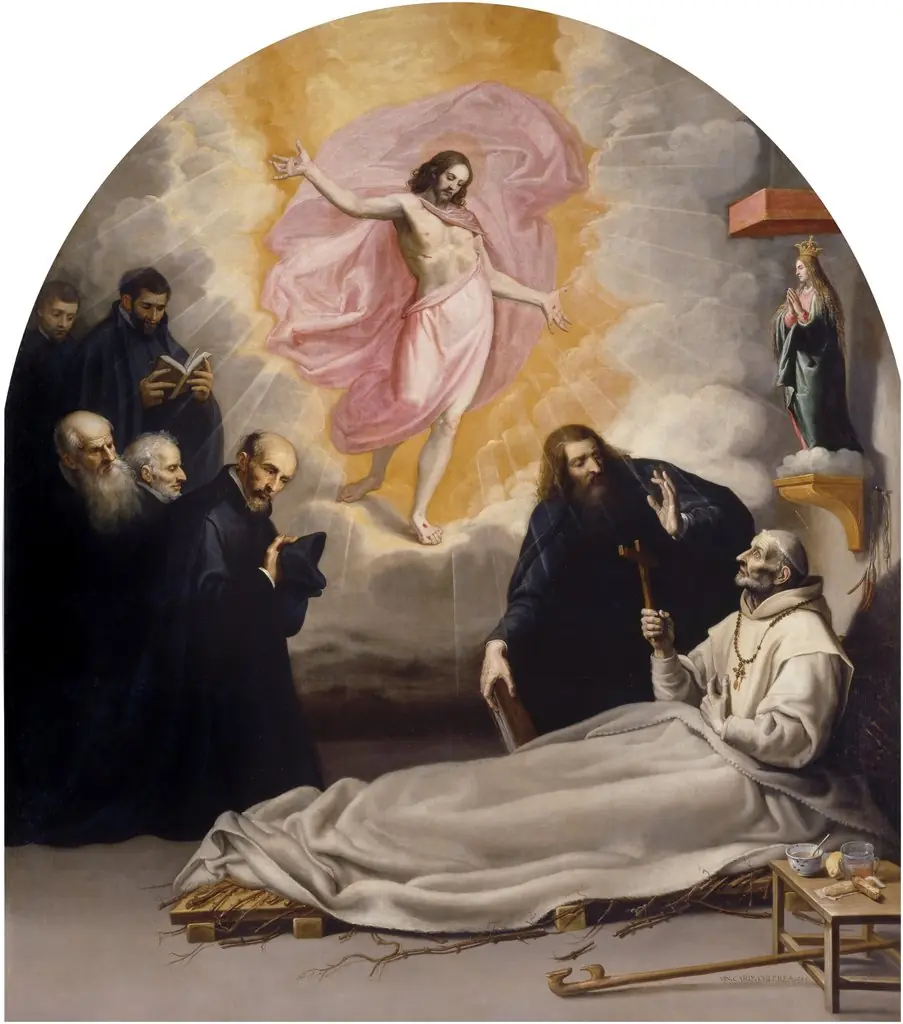 The Death of the Venerable Odón de Novara
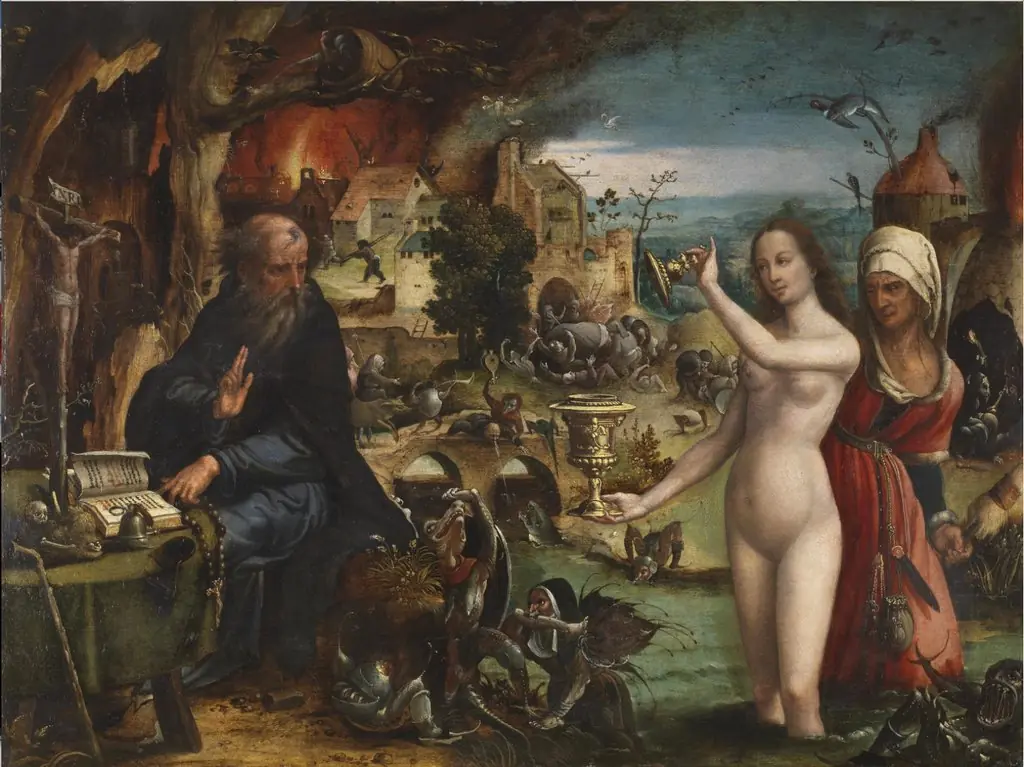 The Temptations of Saint Anthony Abbot
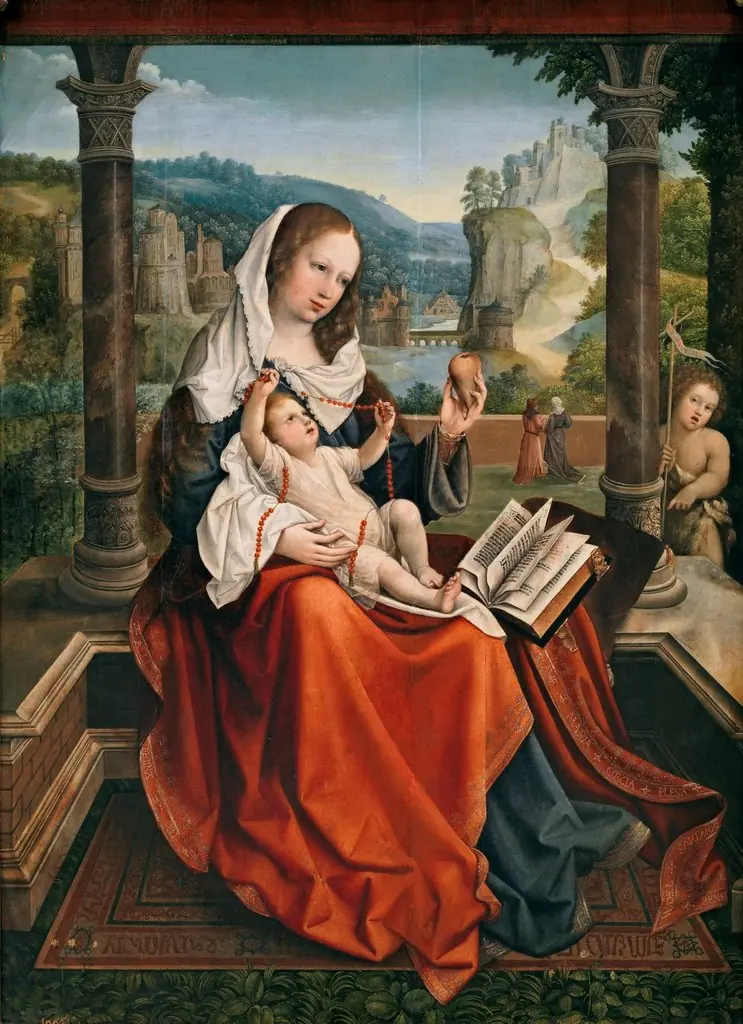 The Virgin and Child with the Infant Saint John the Baptist
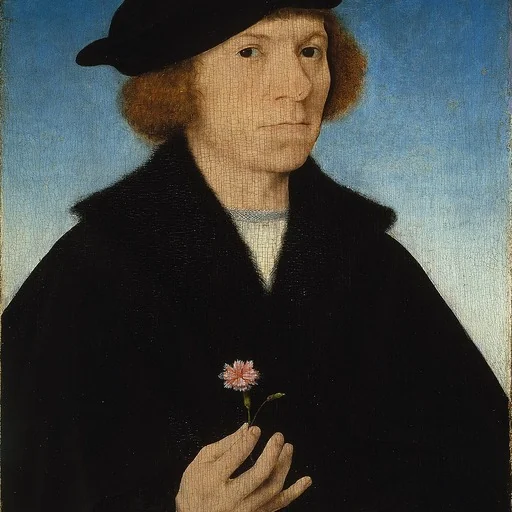
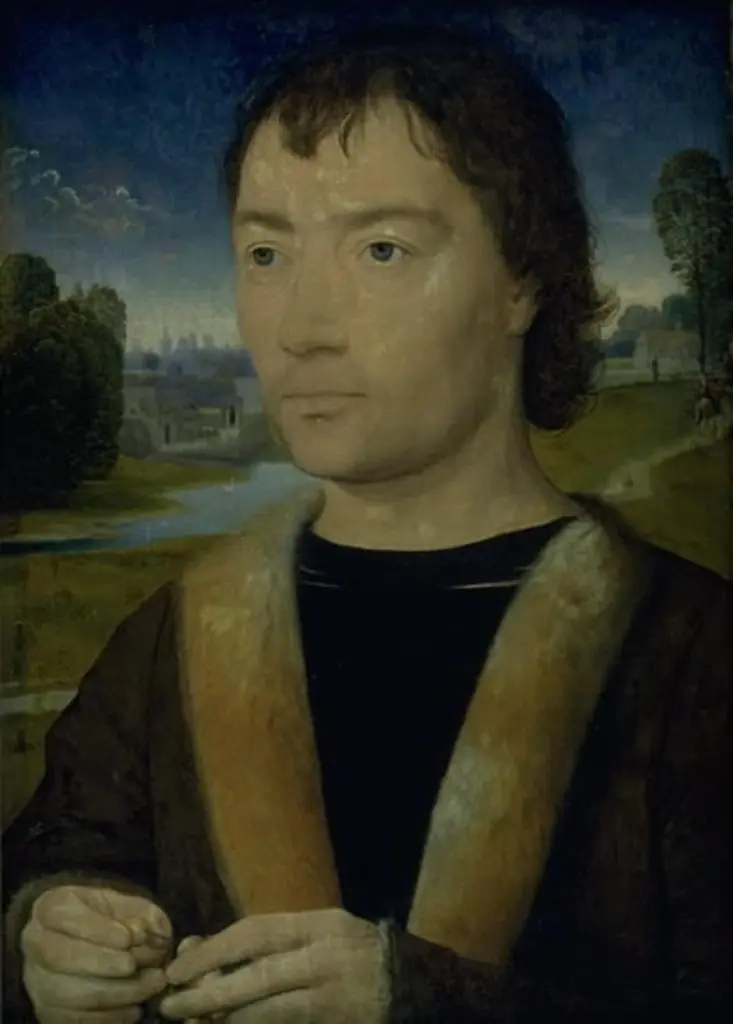 Portrait of a Young Man with a Rosary
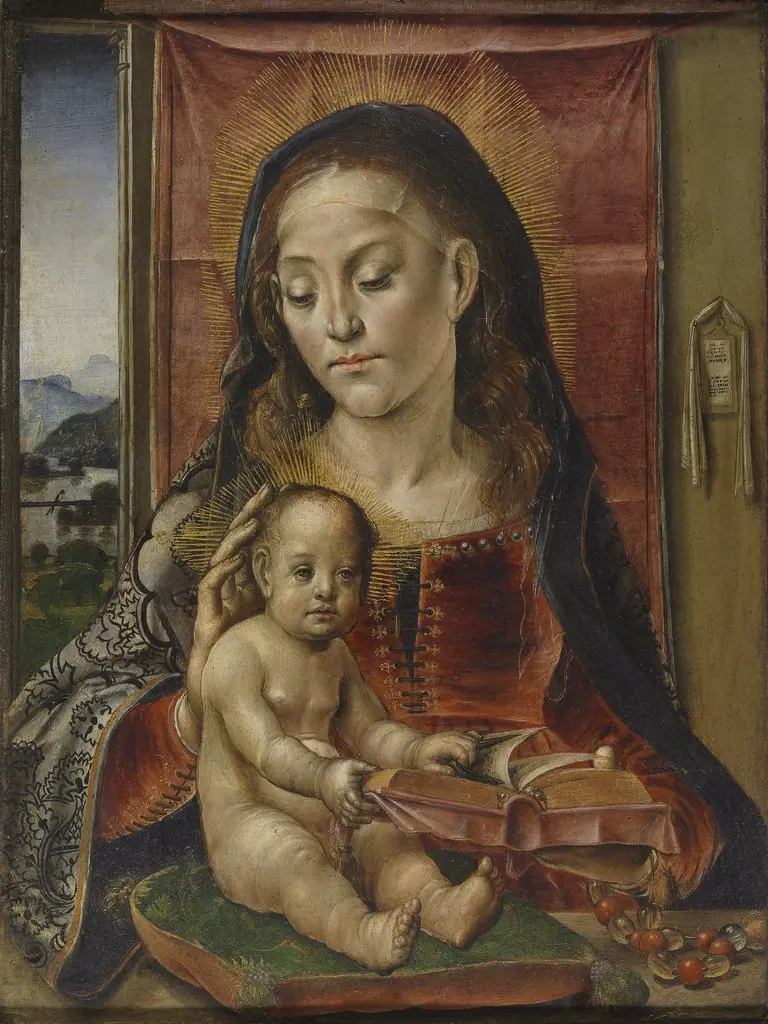 The Virgin and Child
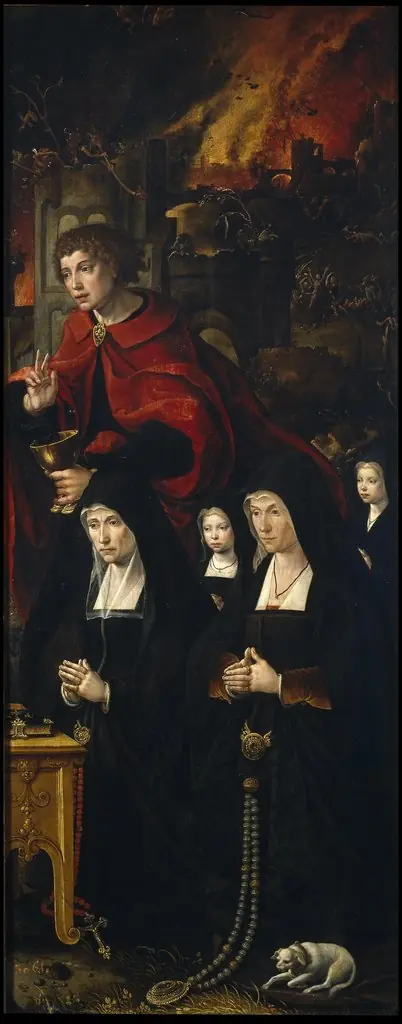 Saint John the Evangelist with Two Ladies and Two Girls (front). Saint Hadrian (reverse)
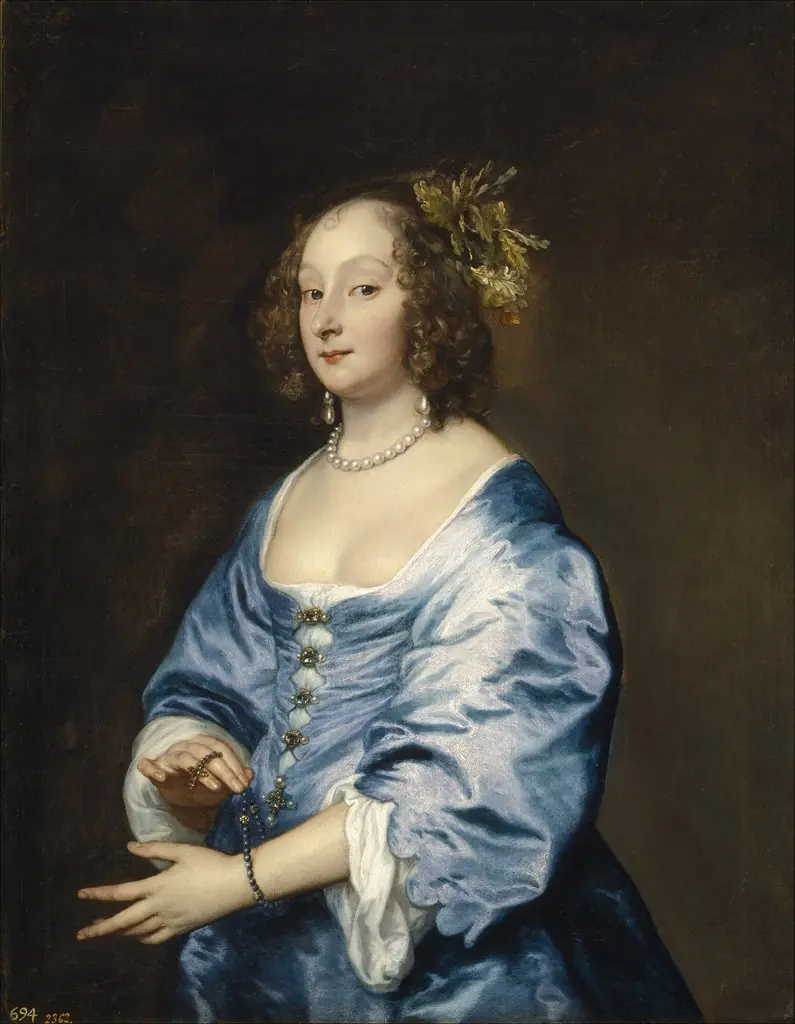 Mary, Lady Van Dyck
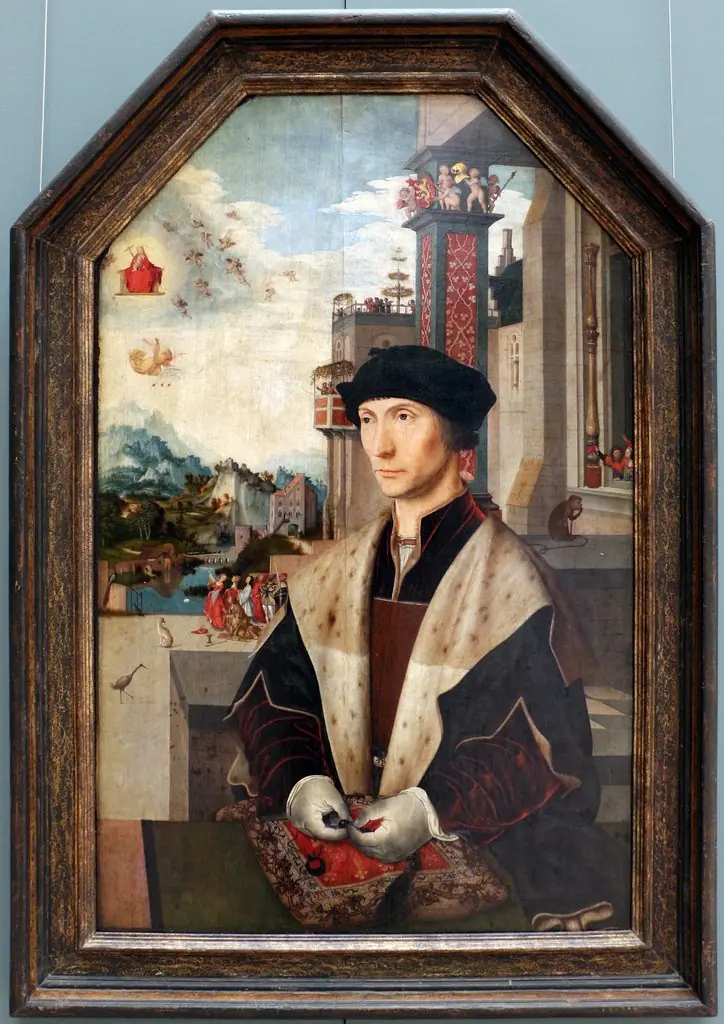 Portrait of the knight Abel van Coulster (1477-1548), representative to the Hof van Holland in 1512
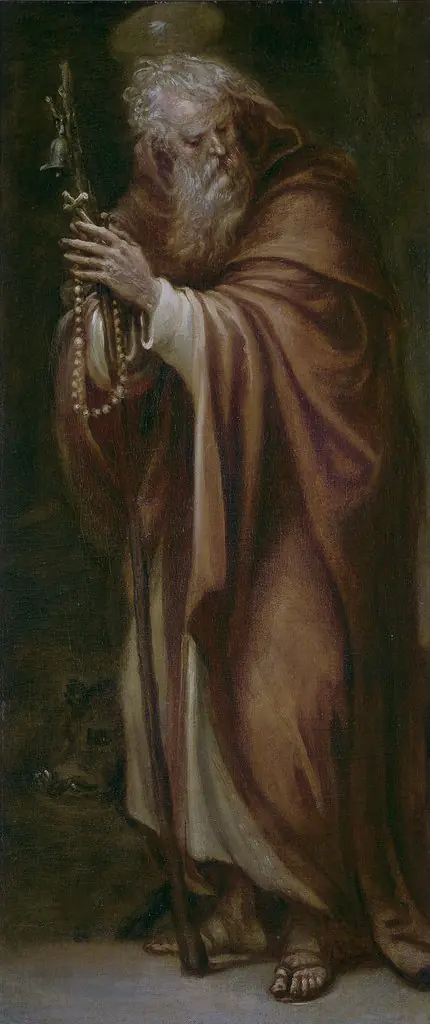 San Antonio Abad
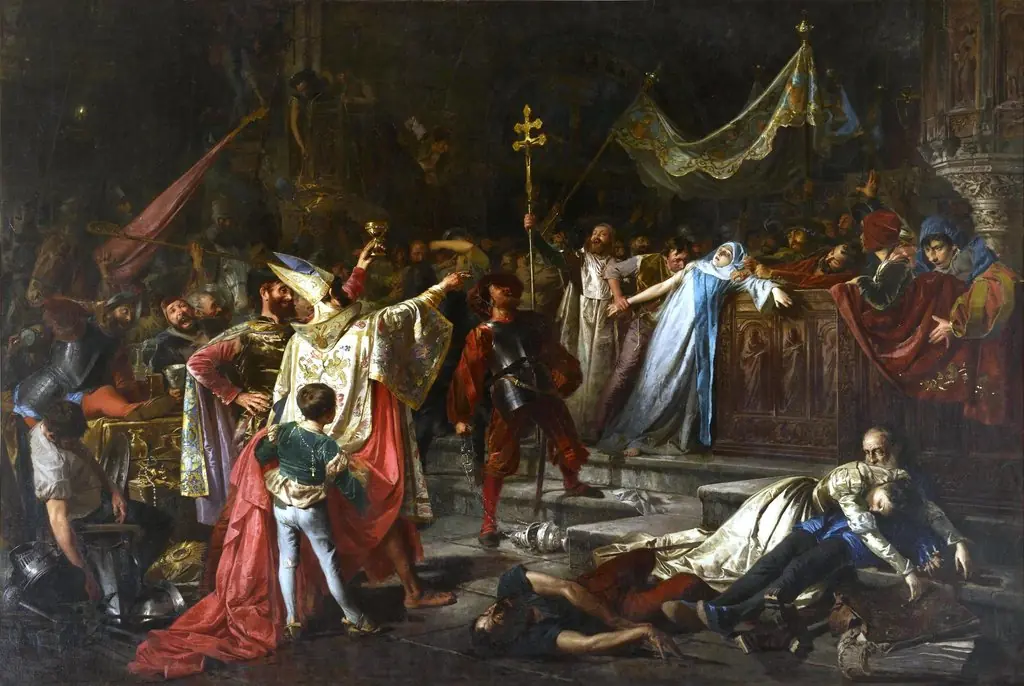 The Sack of Rome
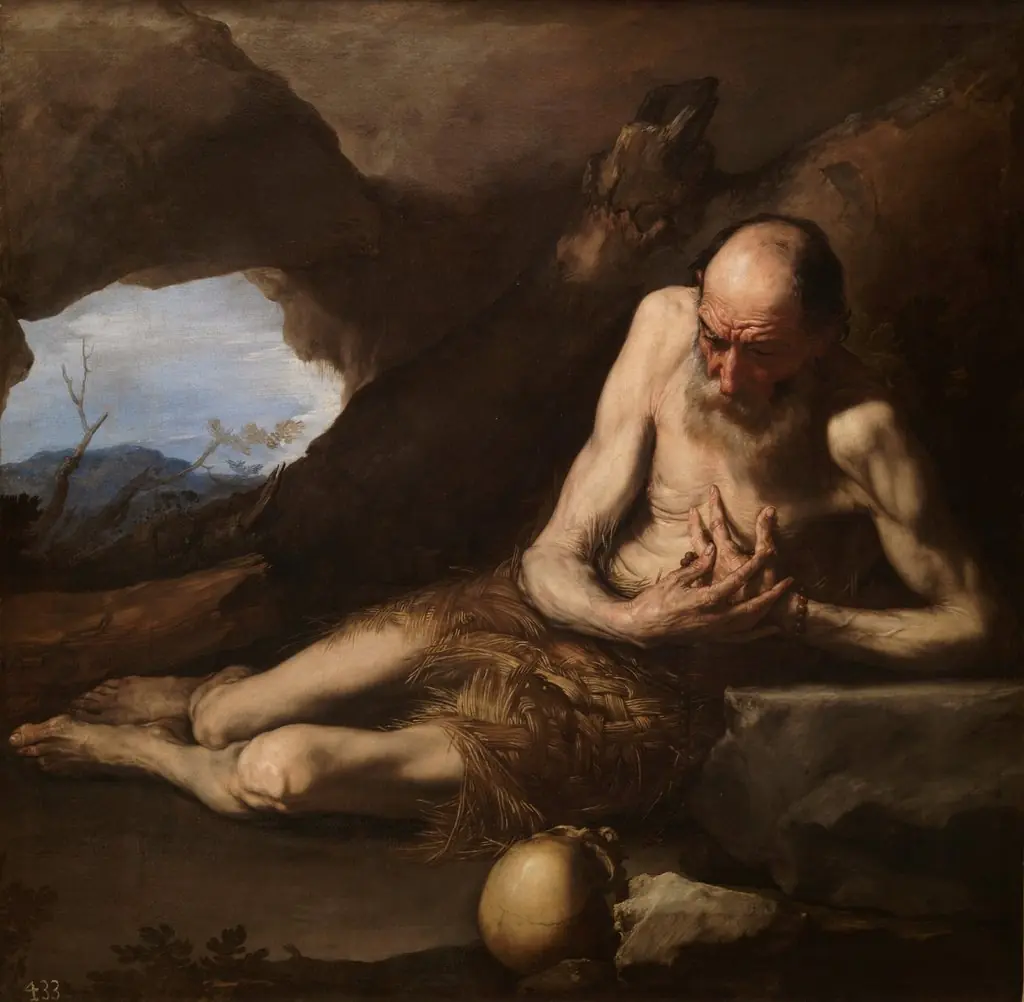 Saint Paul the Hermit
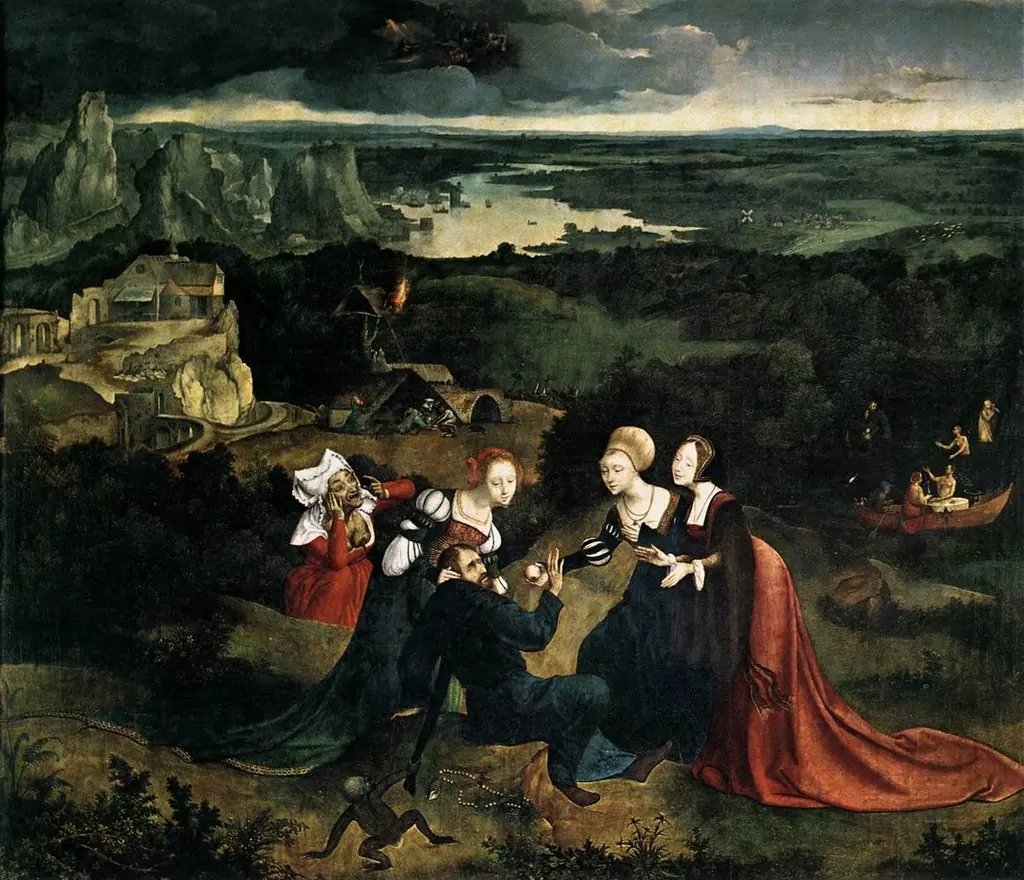 The Temptations of Saint Anthony the Abbot
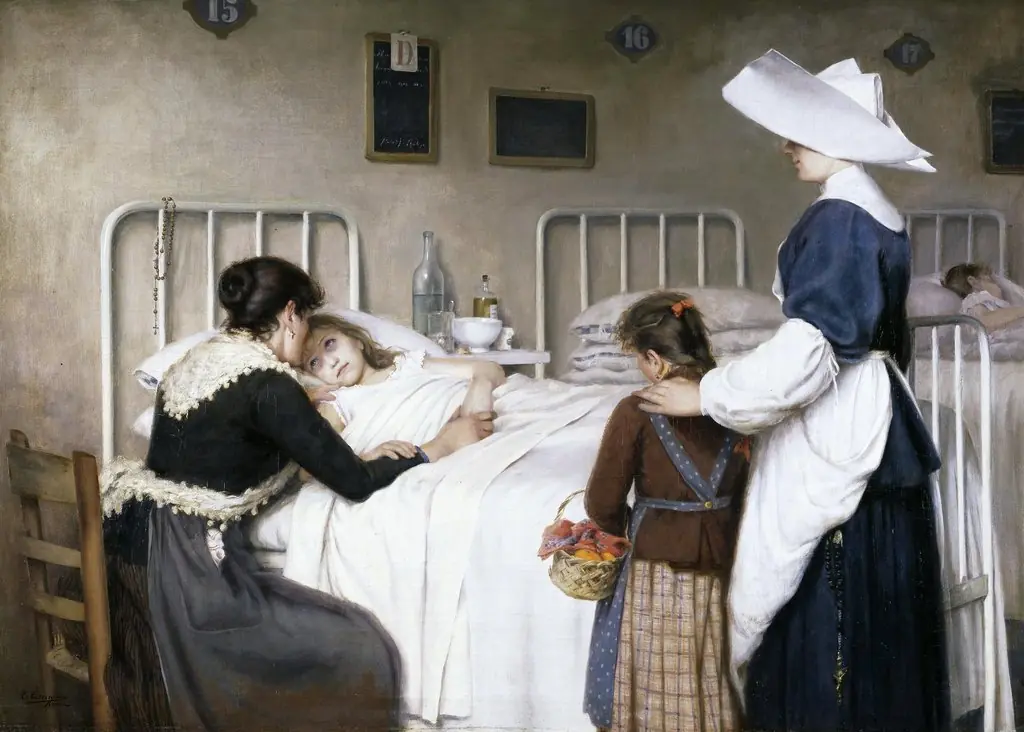 La visita de la madre al hospital
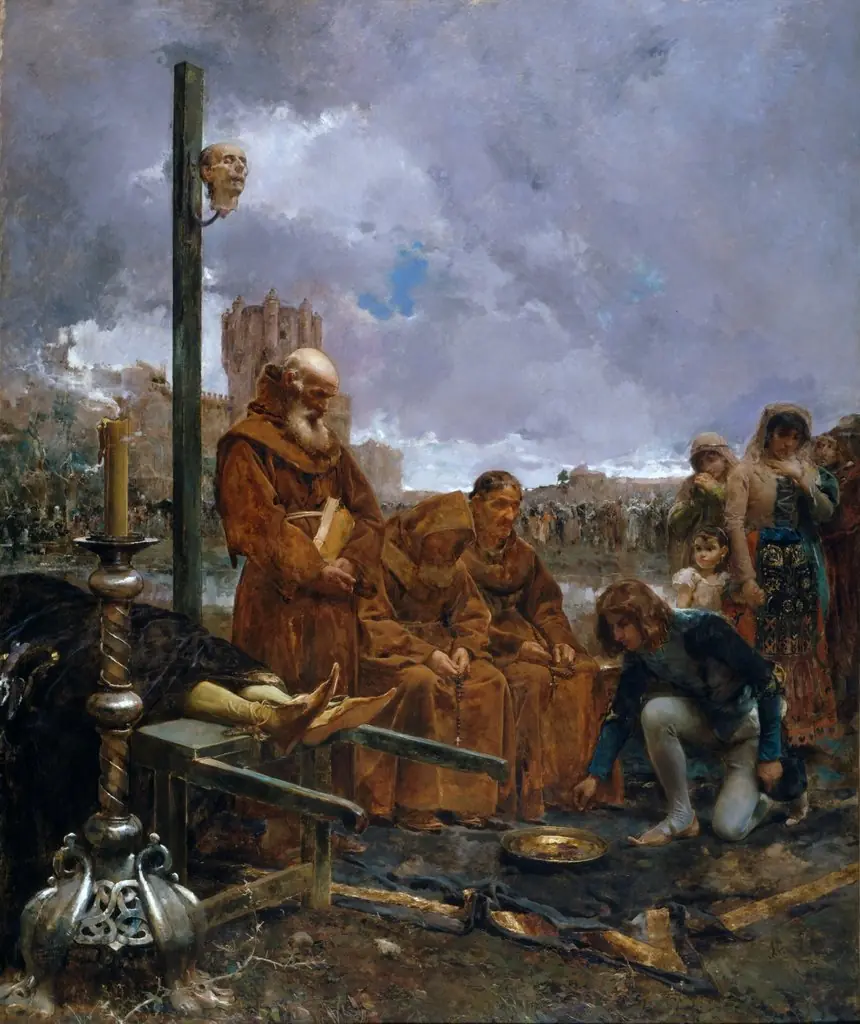 Pedir limosna para enterrar a don Álvaro de Luna
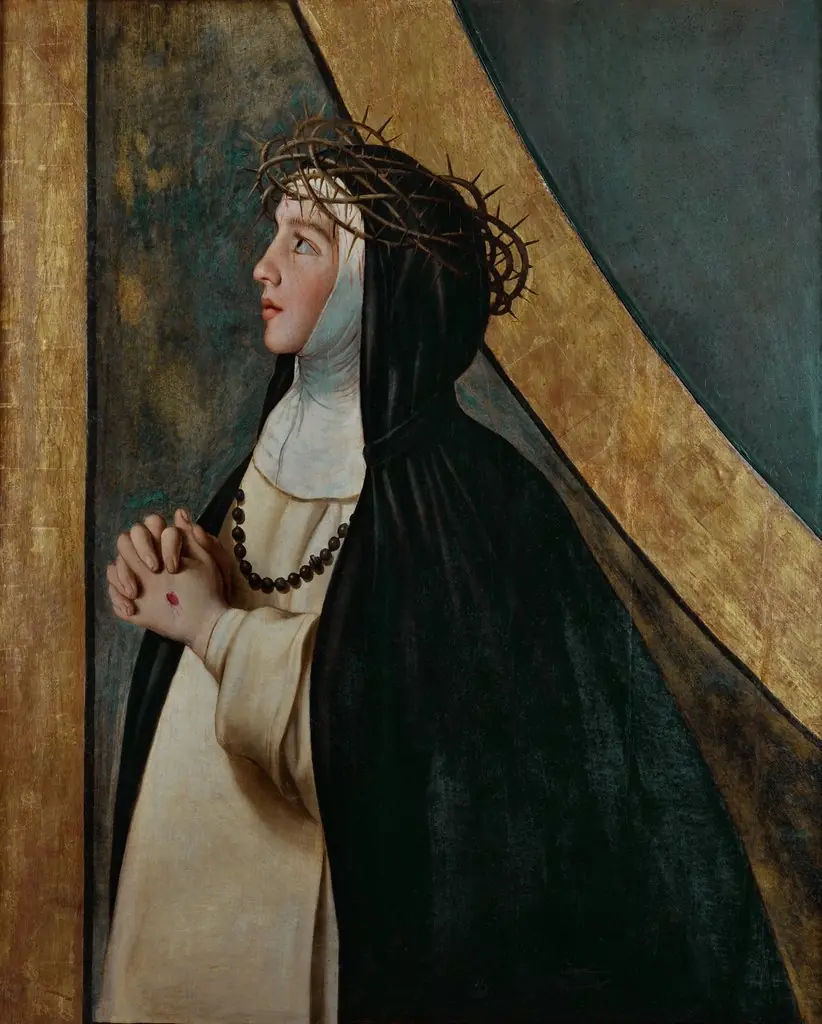 Saint Catherine of Siena
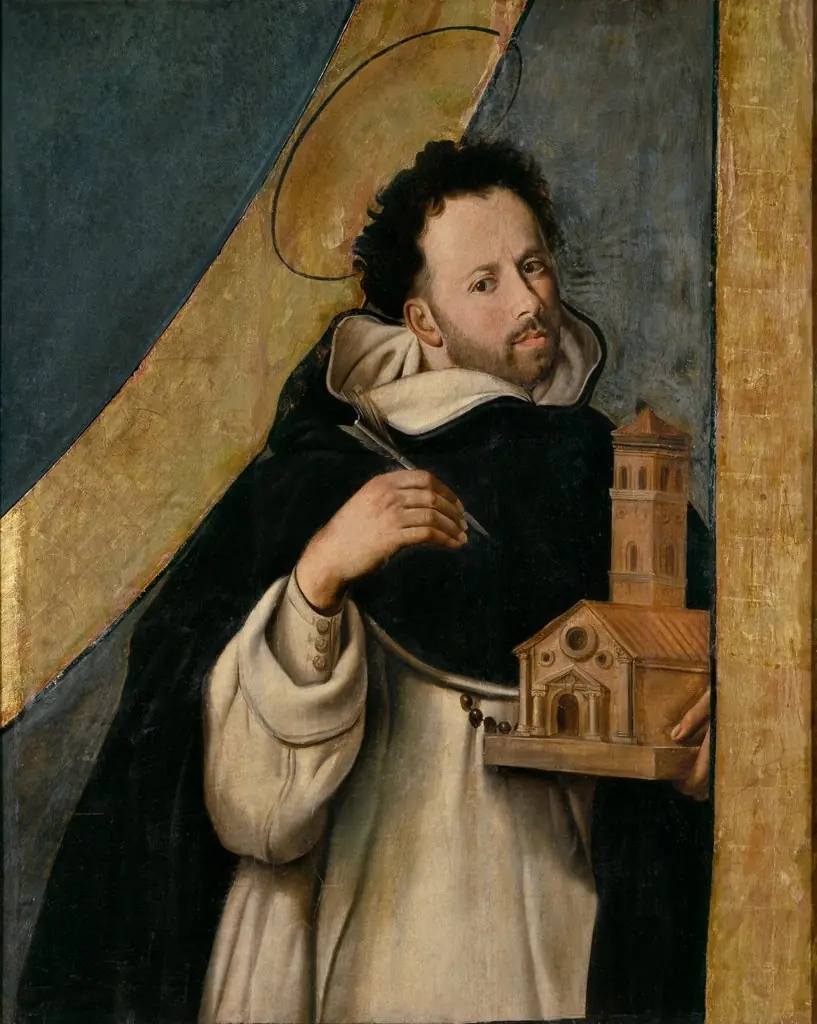 Saint Dominic of Guzmán
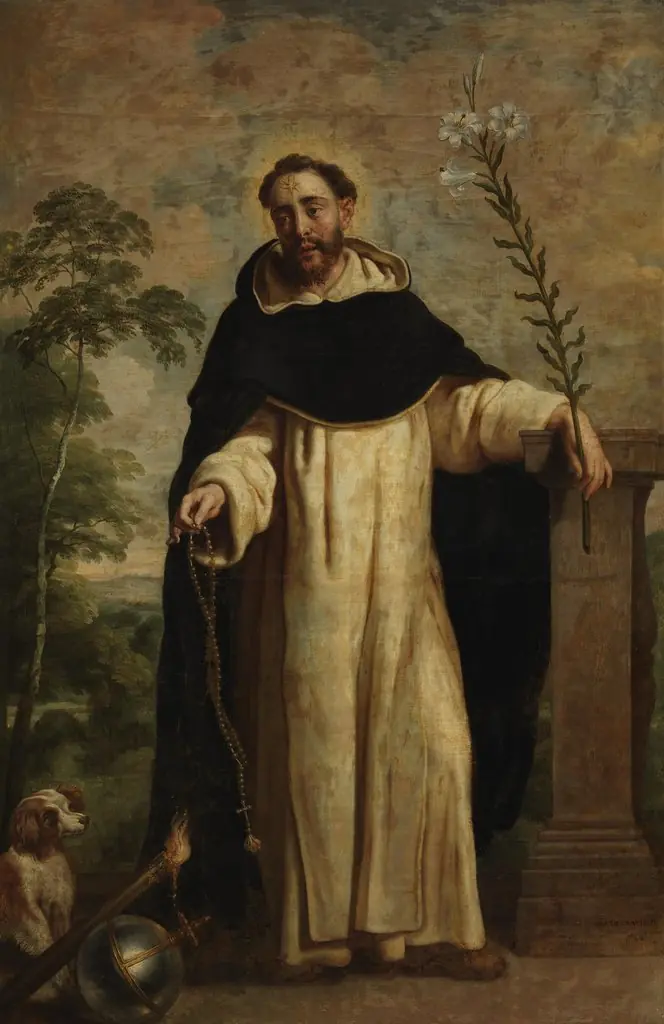 Saint Dominic of Guzmán
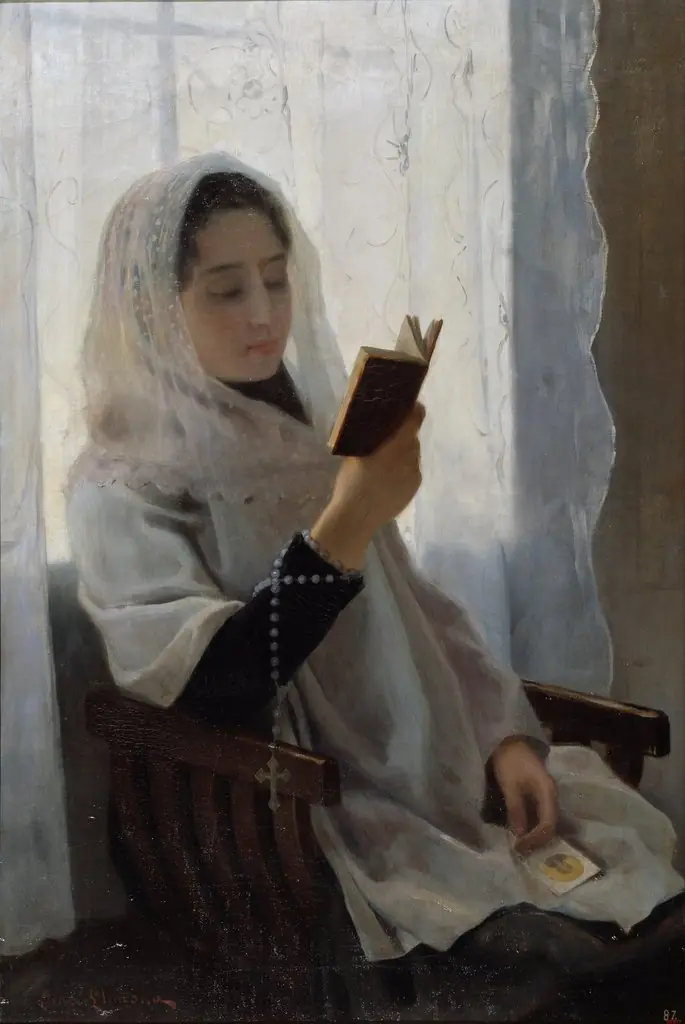 Reading
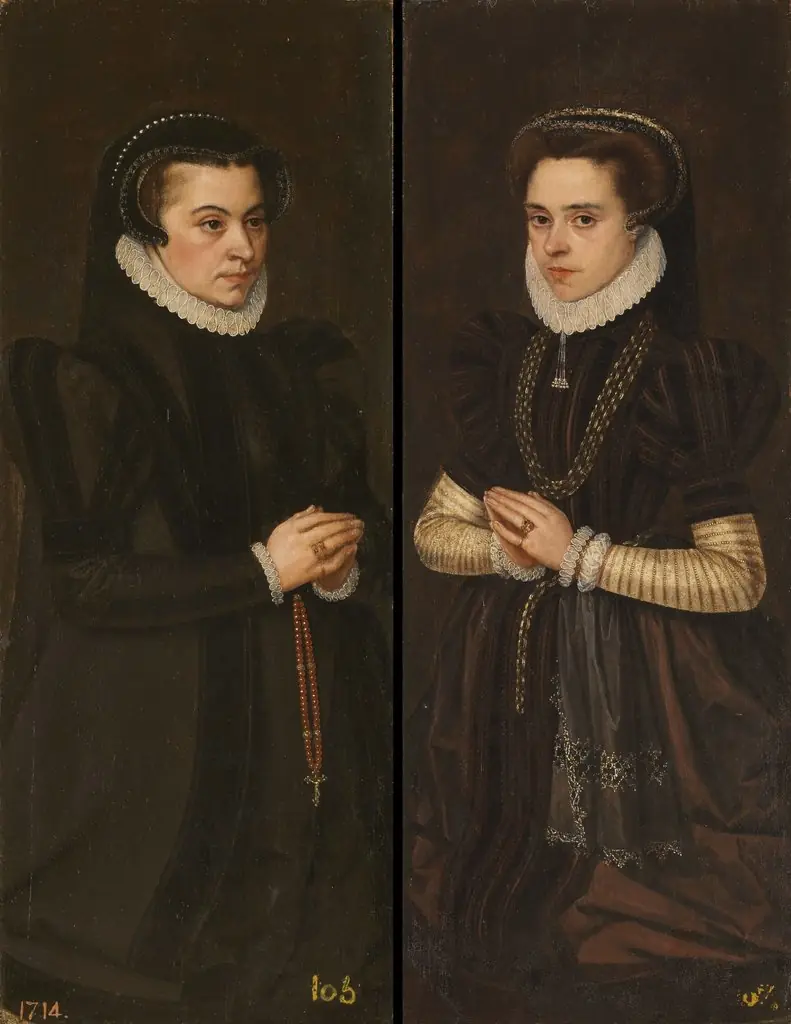 Margaret Duchess of Parma
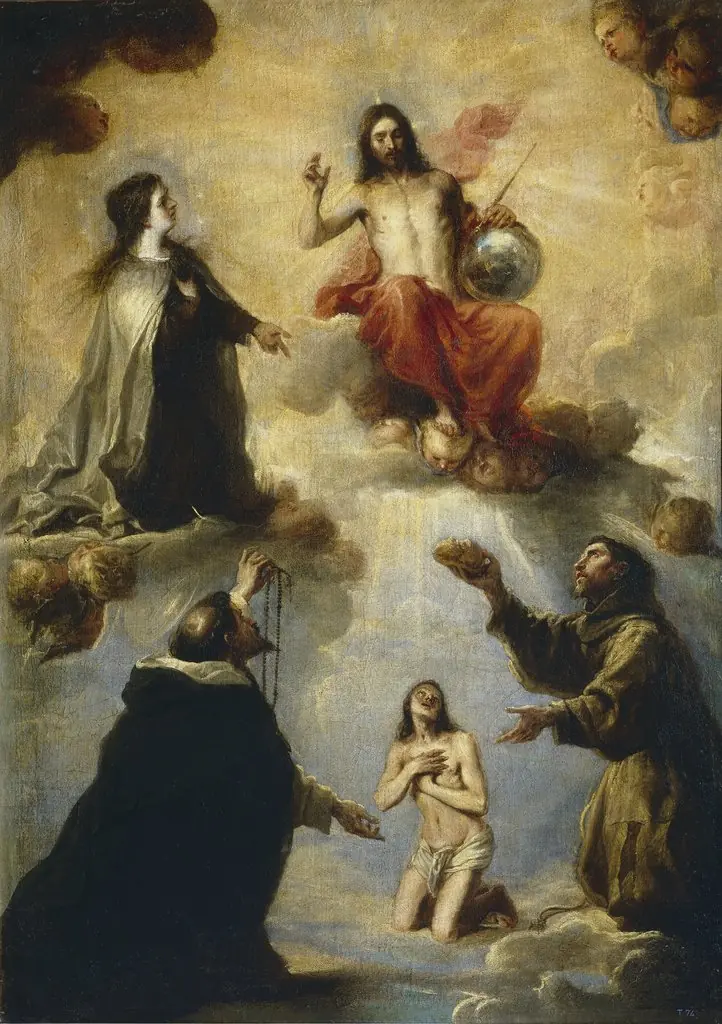 The Judgement of a Soul
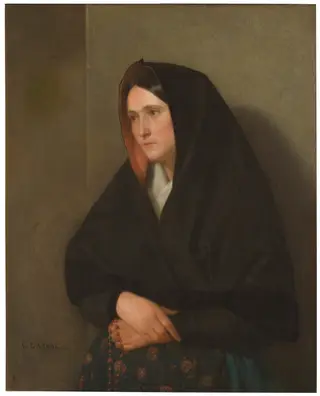 Woman with a rosary
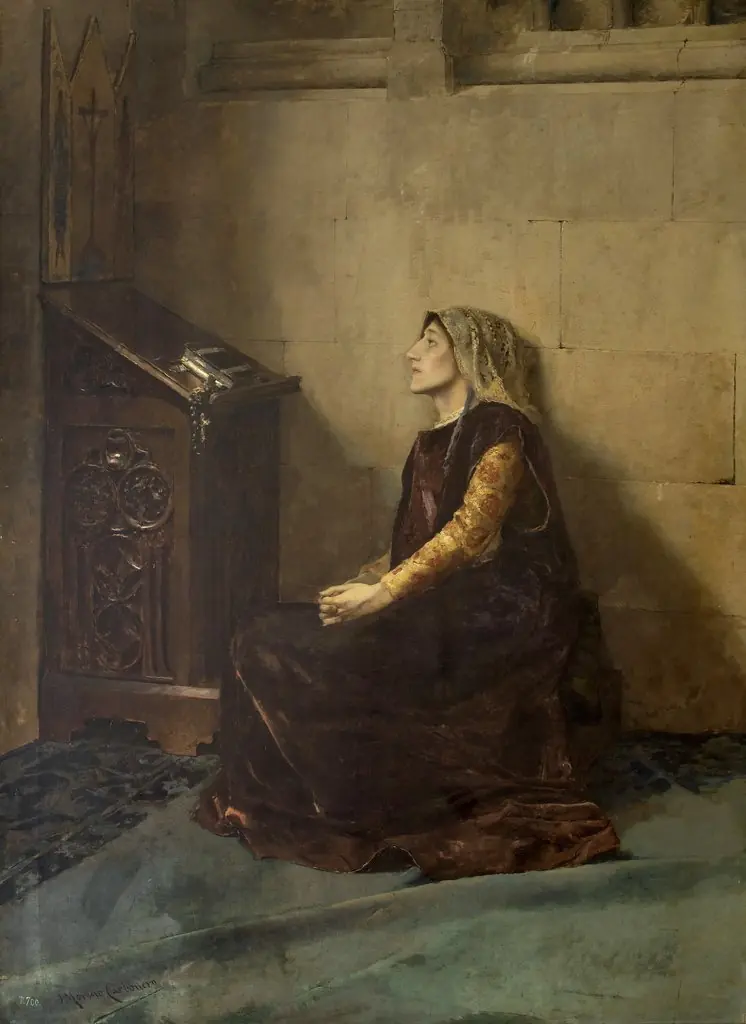 Doña Blanca de Navarra
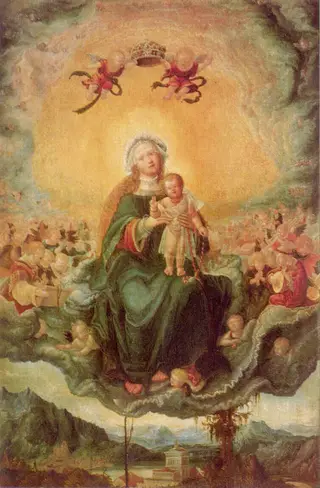 Maria mit dem Kinde in der Glorie; (Rückseite: Maria Magdalena am Grab Christi)
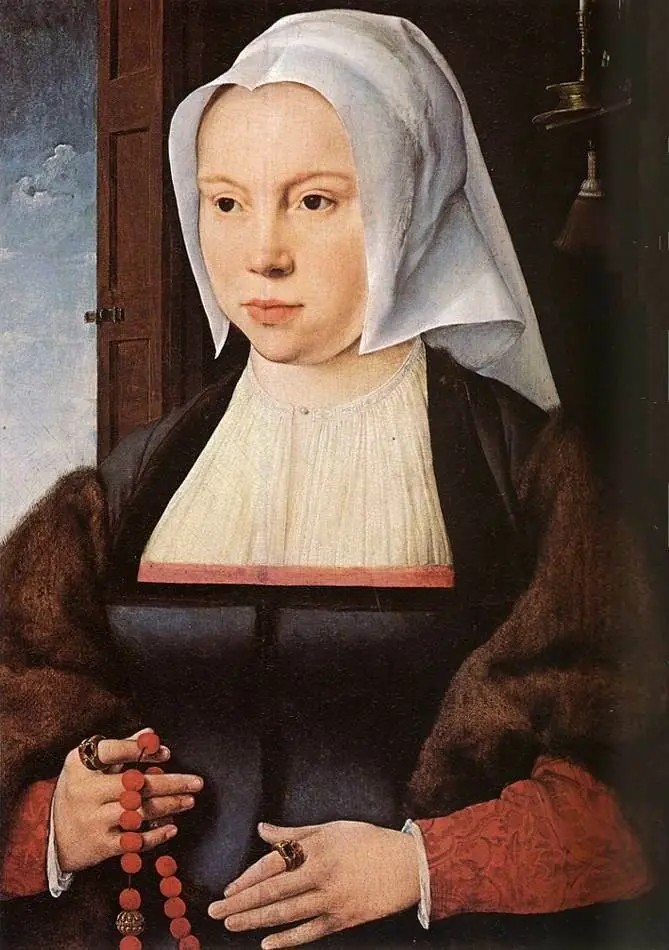 Portrait of a woman with a rosary
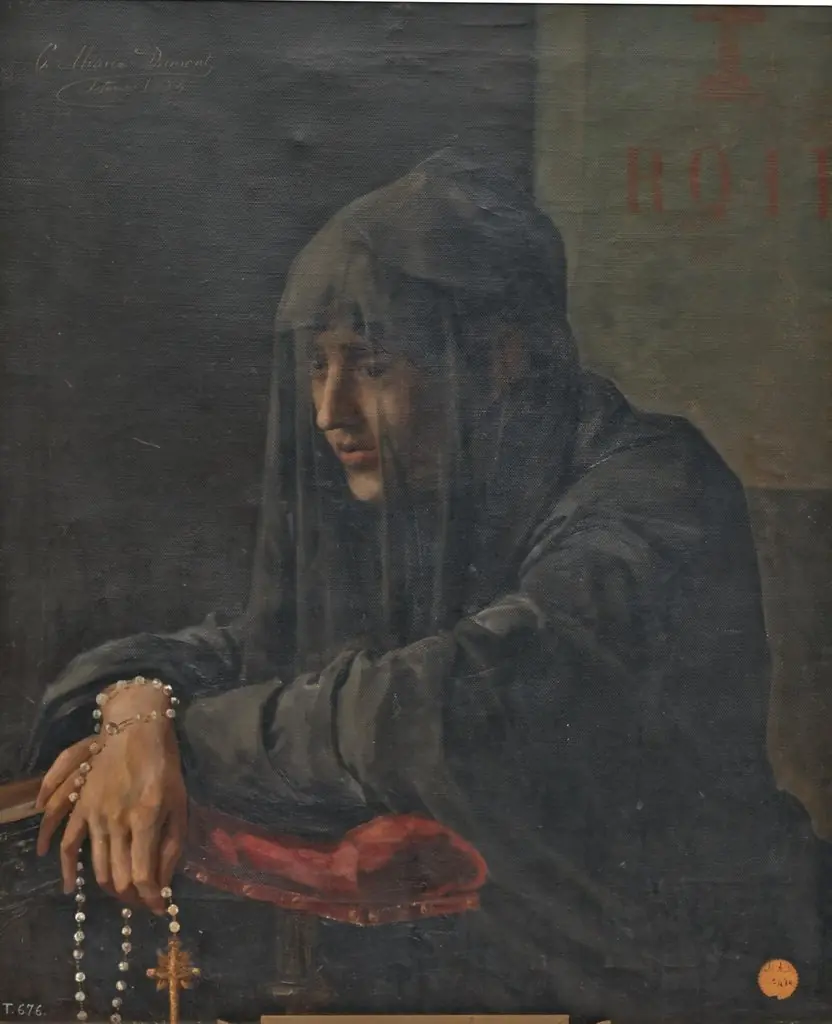 La oración
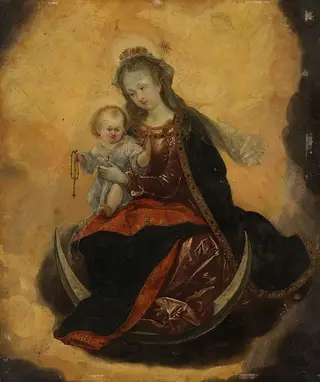 Madonna auf der Mondsichel
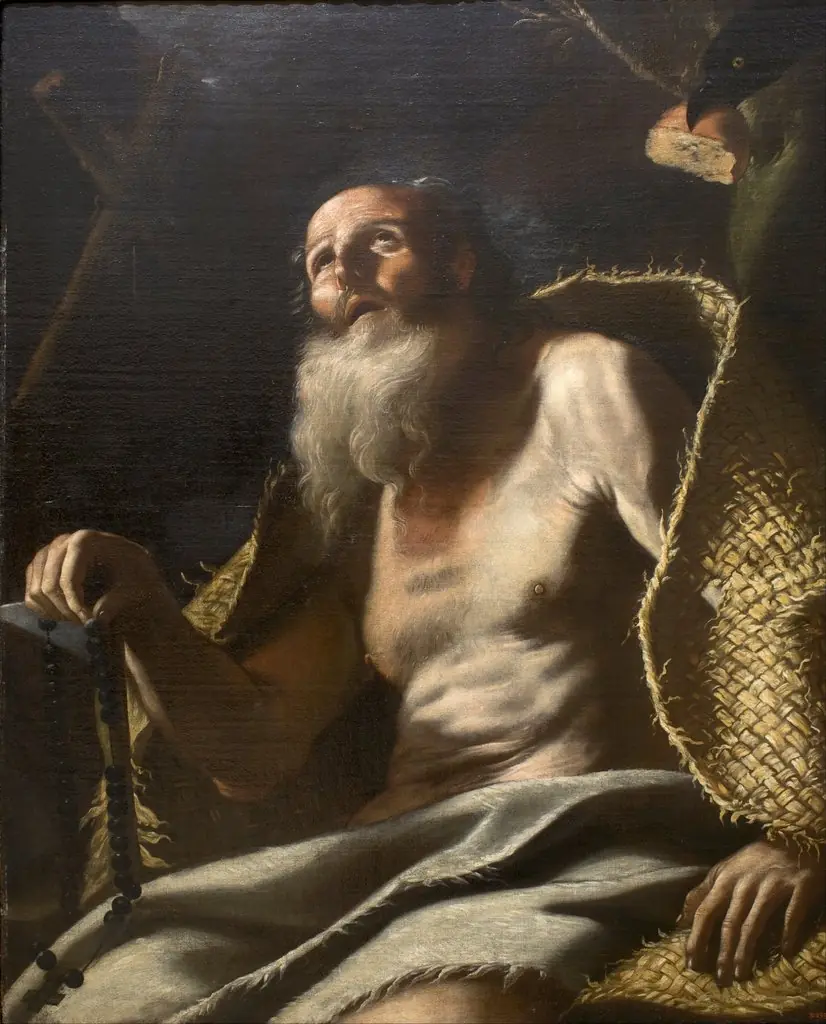 Saint Paul the Hermit
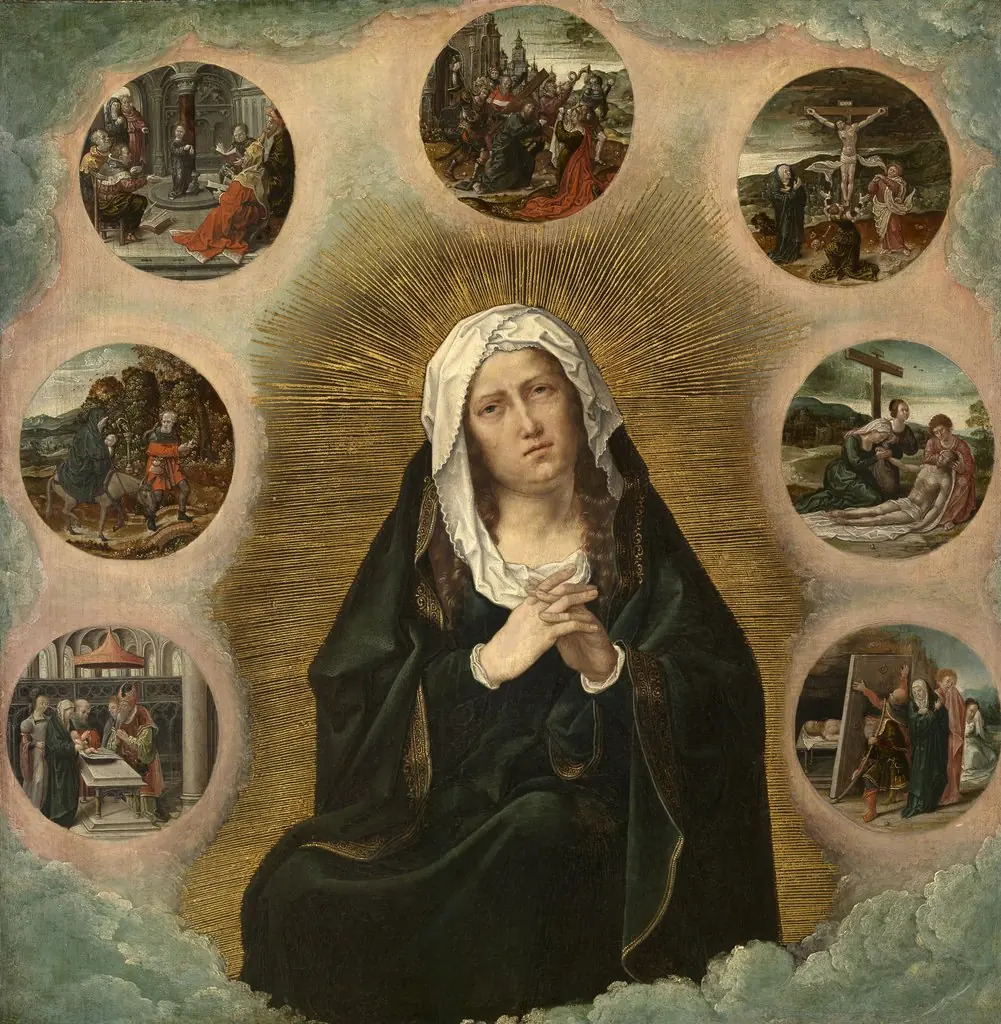 The Seven Sorrows of Mary
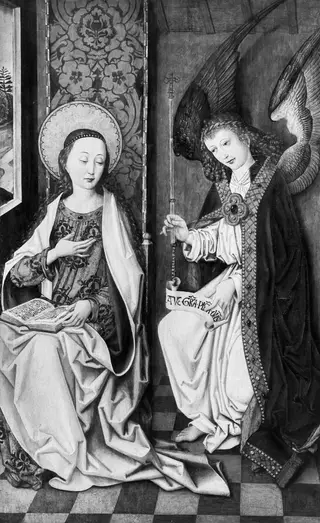 Annunciation to Mary
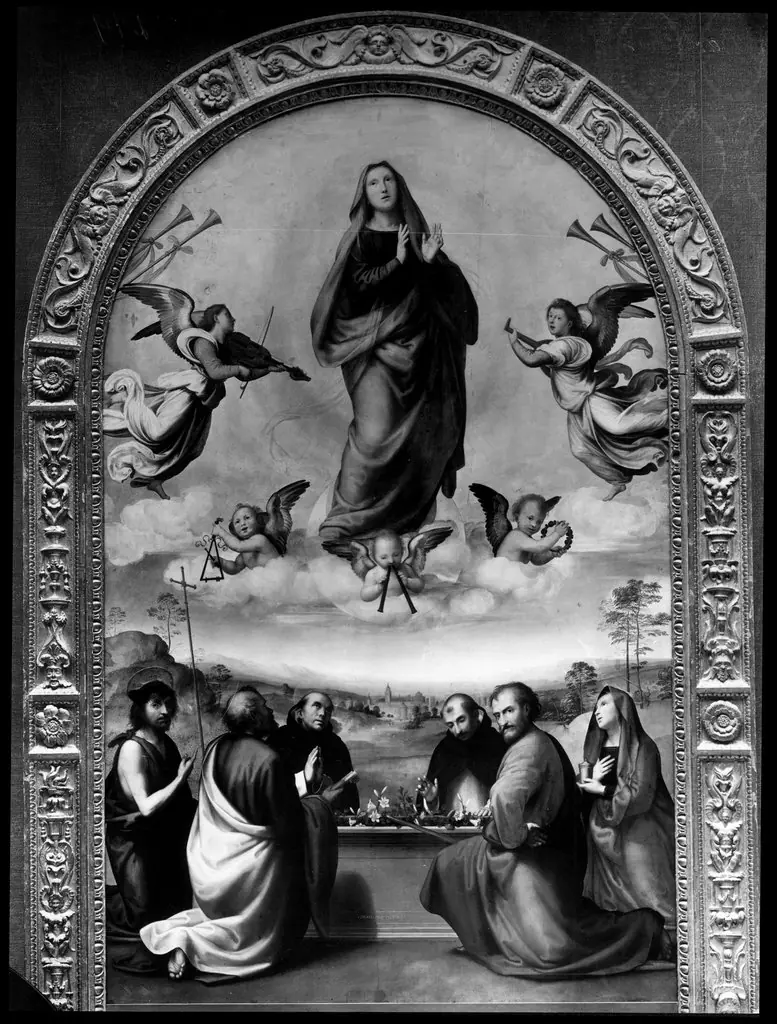 Himmelfahrt Mariae
 Assumption
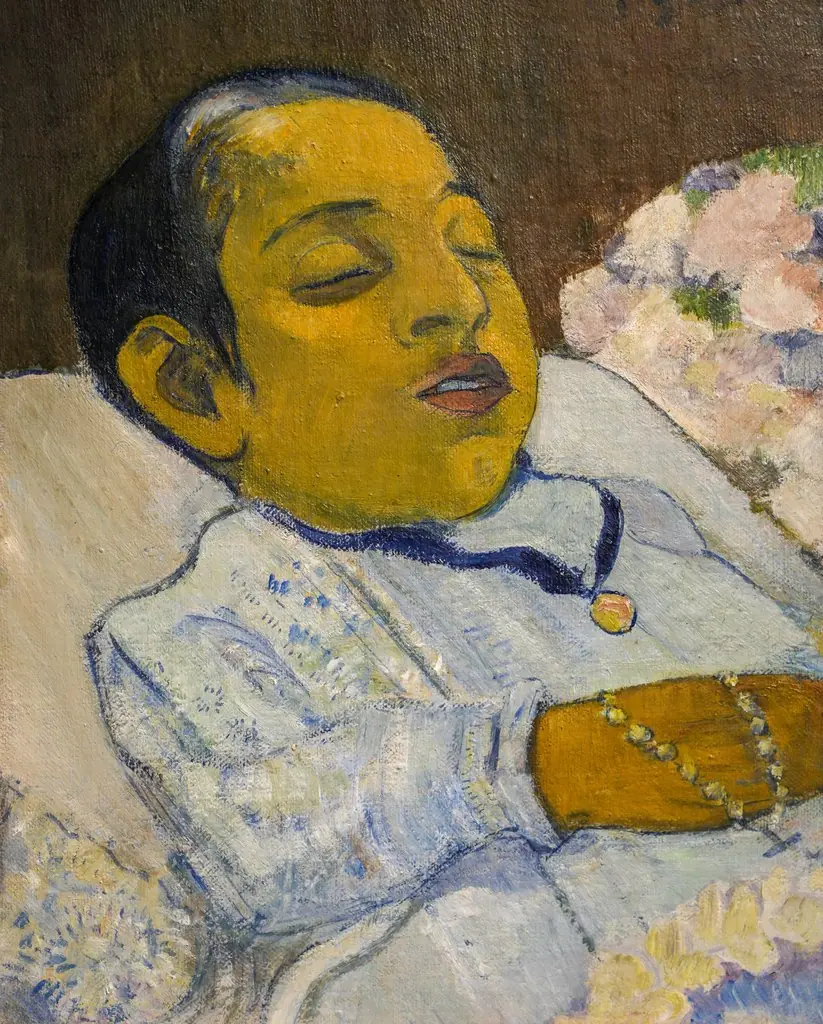 Deathbed portrait of Aristide 'Atiti' Suhas, died 5 March 1892, 1.5 years old
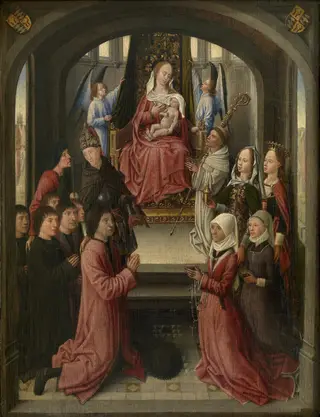 Lactatio of Saint Bernard of Clairvaux with Donors
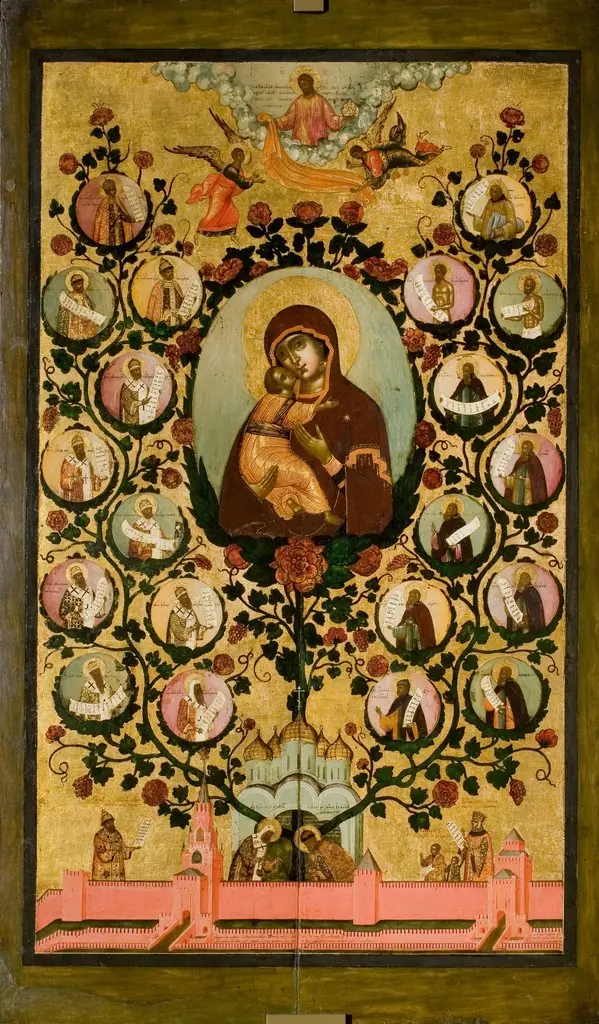 Genealogy of the state of Muscovy
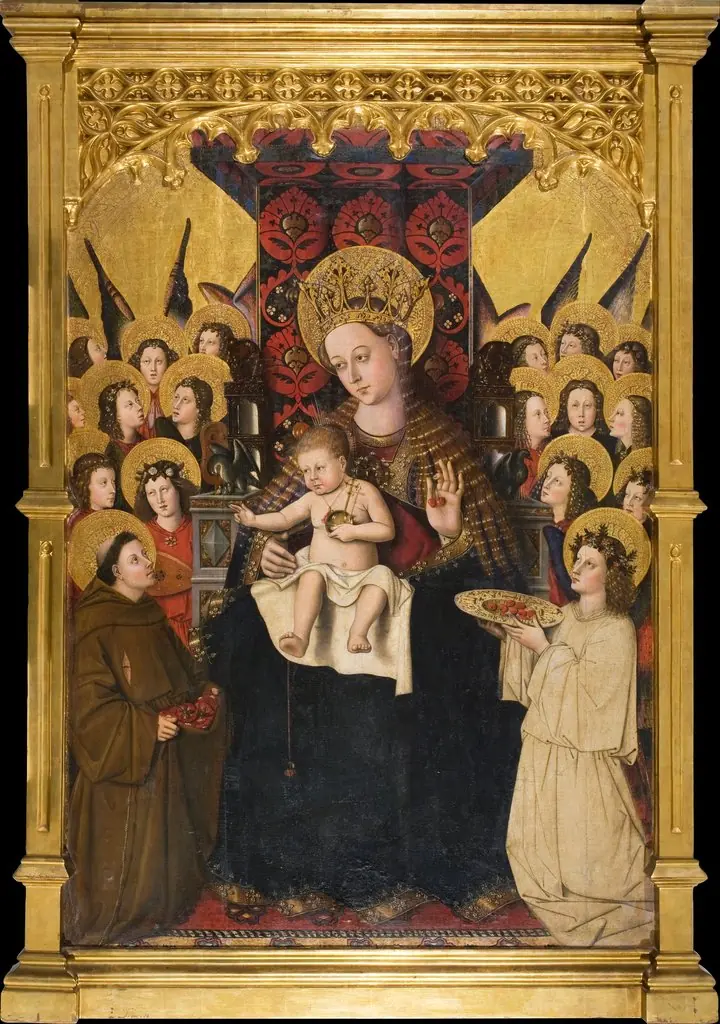 Virgin of the Porziuncola
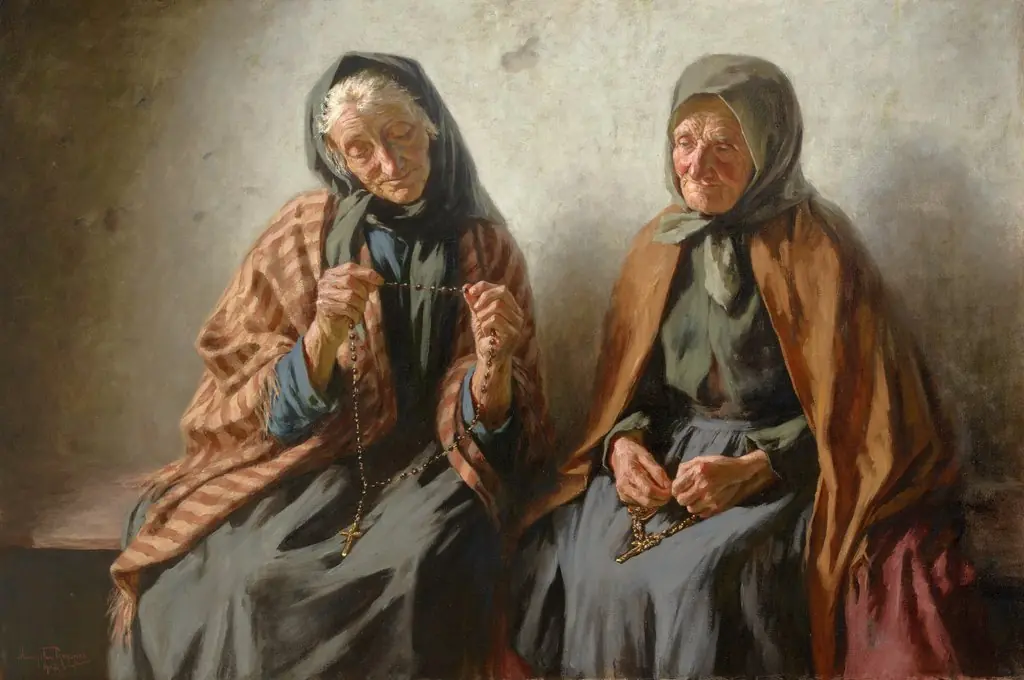 Women Praying in the Porch
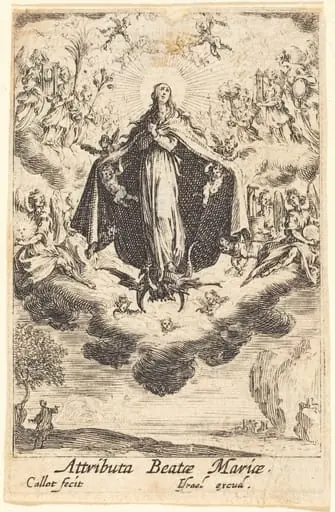 Attributes of the Virgin
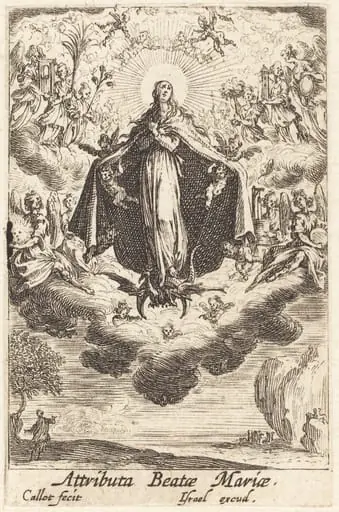 Attributes of the Virgin
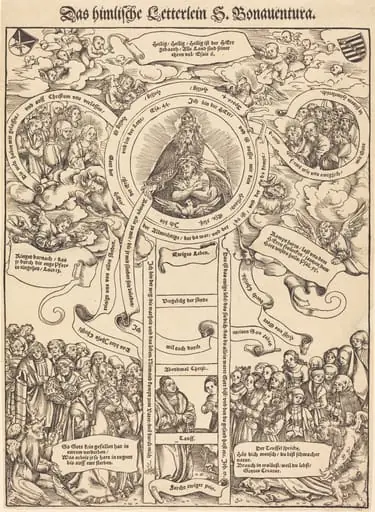 The Celestial Ladder of Saint Bonaventura
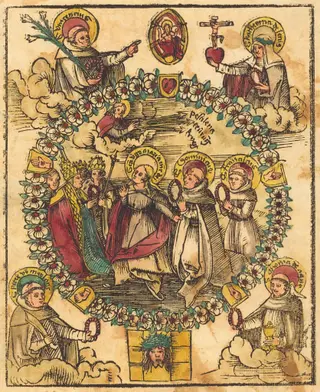 Madonna in a Rosary with Saints
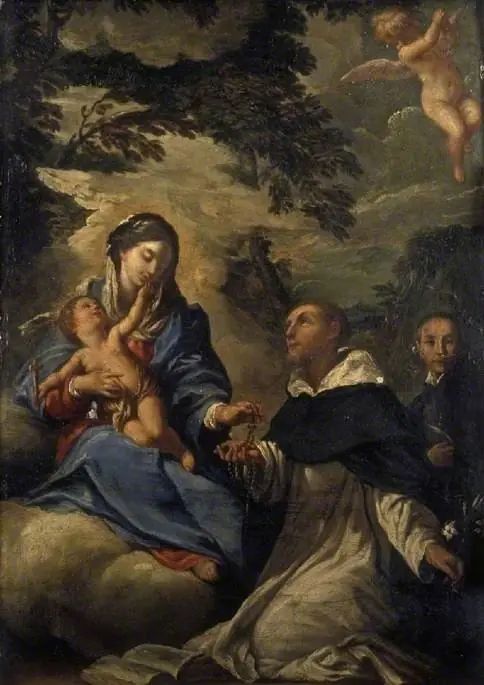 Saint Dominic Receiving the Rosary from the Virgin Mary
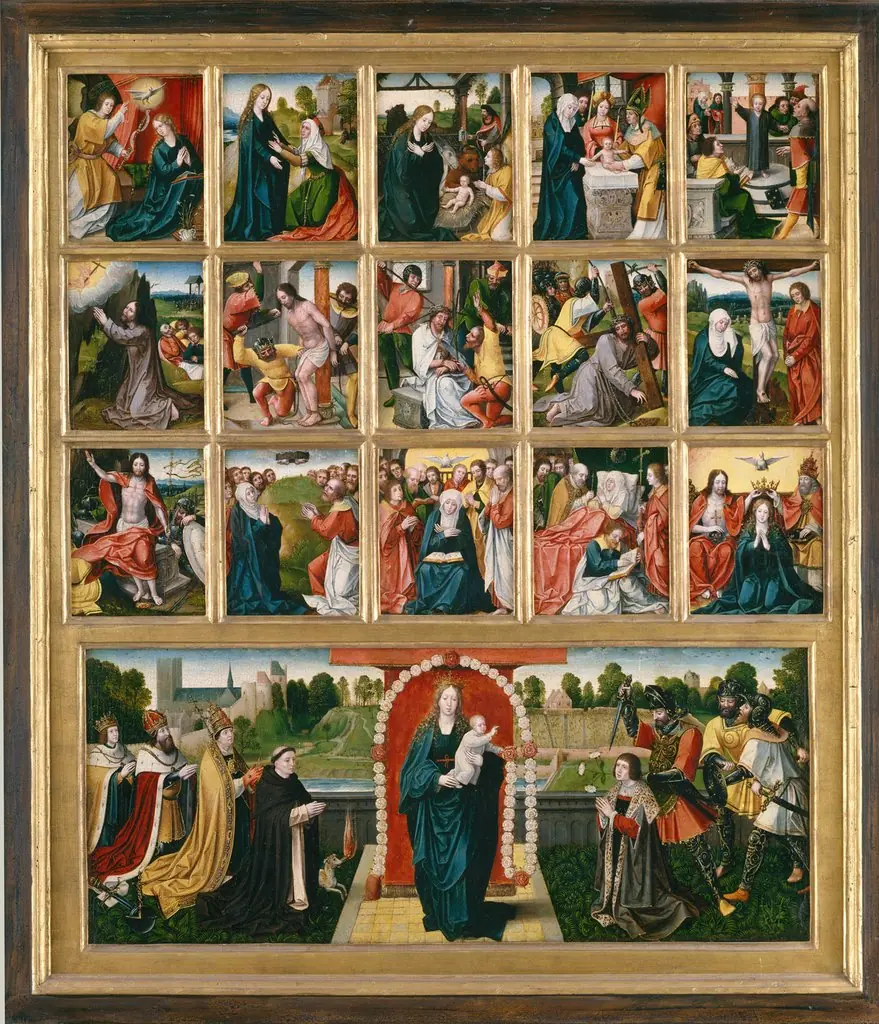 The Fifteen Mysteries and the Virgin of the Rosary
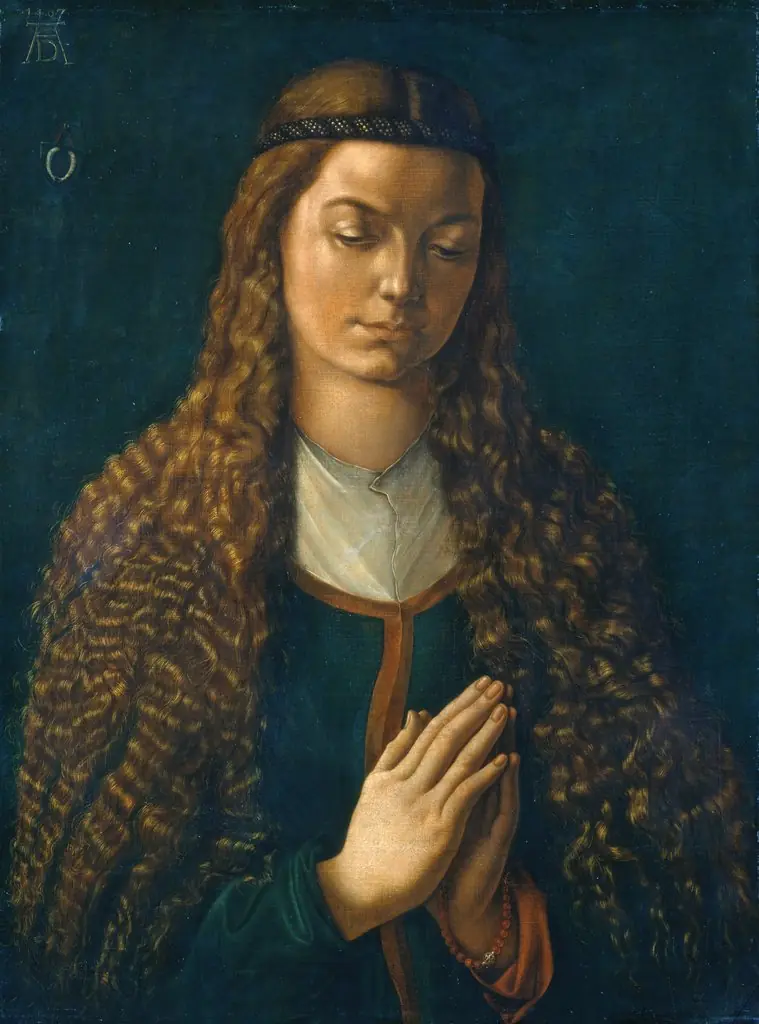 Portrait of a Young Fürleger with Loose Hair
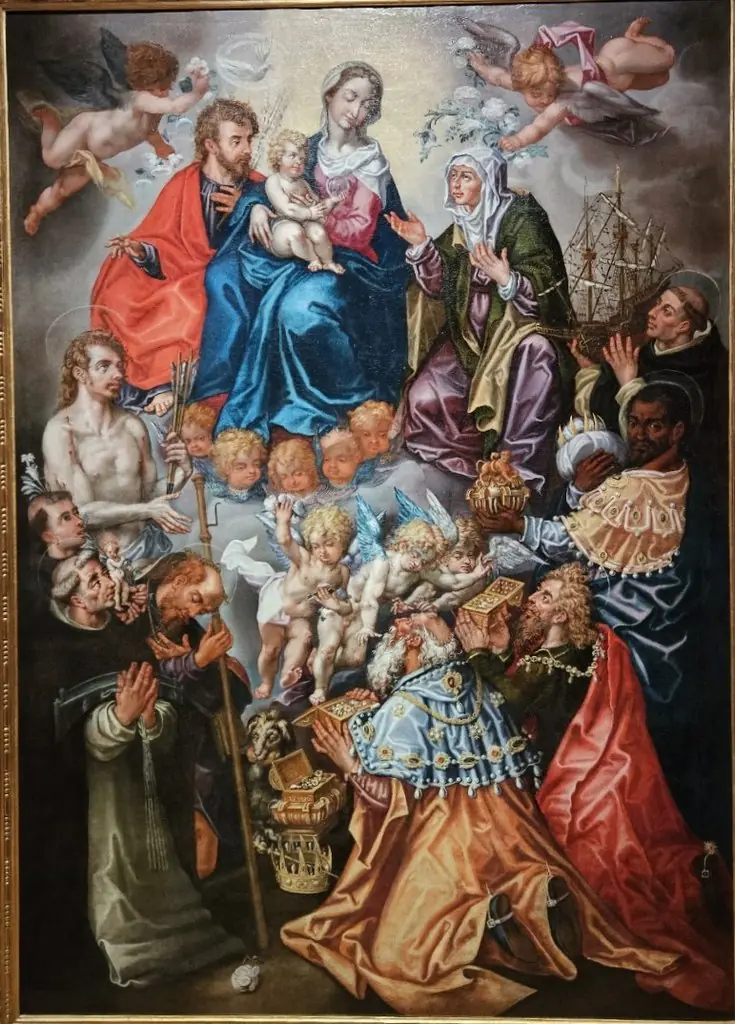 Virgem do Buen Aire
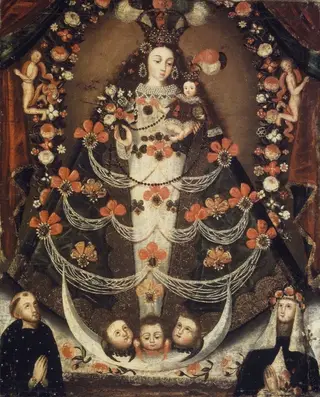 Virgin of Pomata with St. Nicholas Tolentino and St. Rose of Lima
 Travelling Scroll depicting the Virgin of Carmel with Saints Michael, Gabriel, Joseph, Anthony of Padua, Francis of Assisi, Nicholas Tolentino
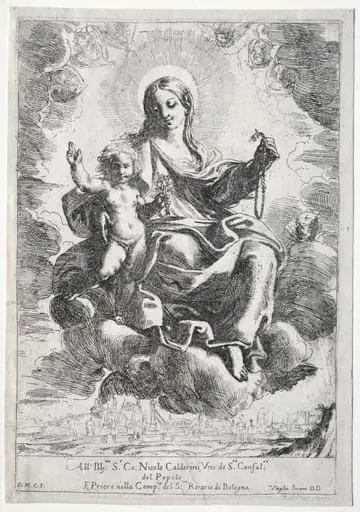 Madonna of the Rosary
Frequently asked questions
What is Rosary?
Rosary is a subject in art. The Rosary (; Latin: rosarium, in the sense of "crown of roses" or "garland of roses"), formally known as the Psalter of Jesus and Mary (Latin: Psalterium Jesu et Mariae), also known as the Dominican Rosary (as distinct from other forms of rosary such as the Franciscan Crown, Br…
How many Rosary works does Artifact World Gallery have?
Artifact World Gallery holds 55 public-domain Rosary works, all free to view and download.
Who are the key Rosary artists?
Key Rosary artists in the collection include Fra Bartolomeo, Joos van Cleve and Hans Memling.
Where can I see Rosary works?
Rosary works in the collection are held by Museo del Prado, Metropolitan Museum of Art and National Gallery of Art.