Artwork
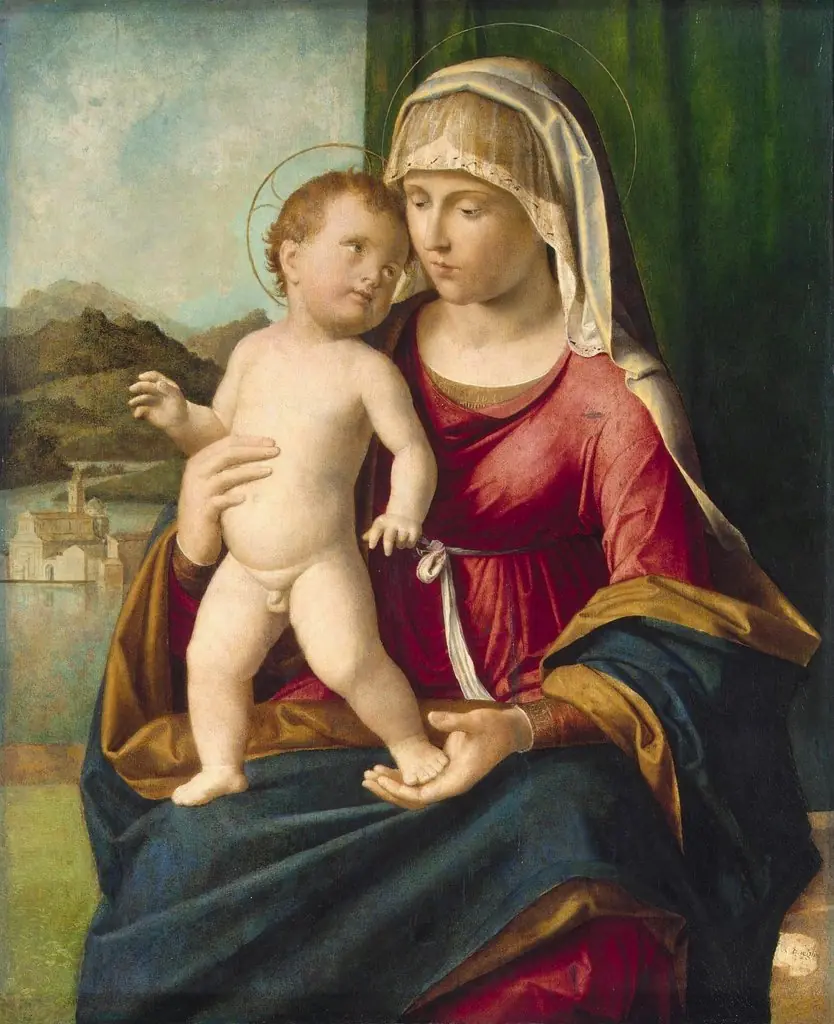
Virgin and Child Enthroned
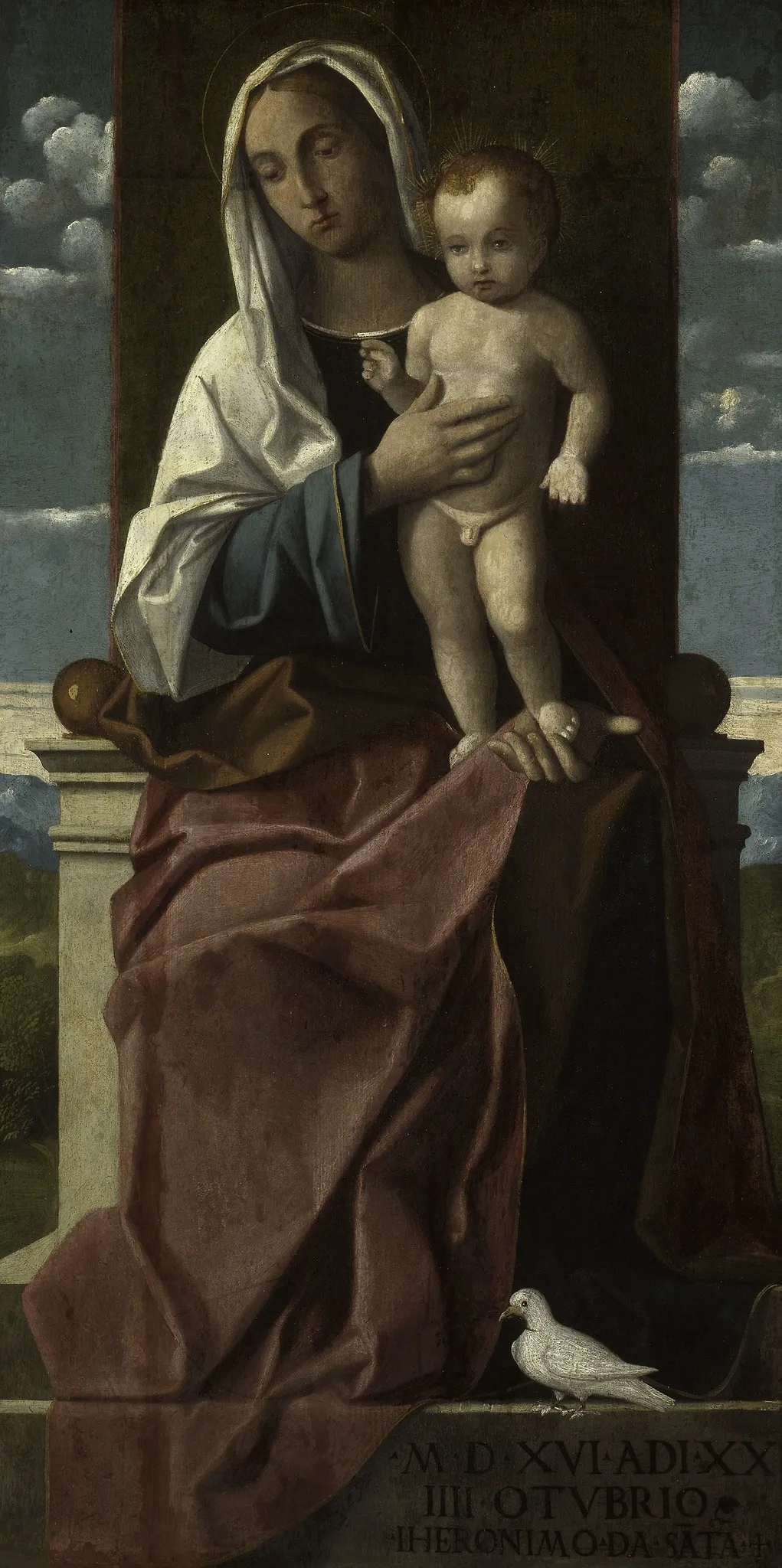
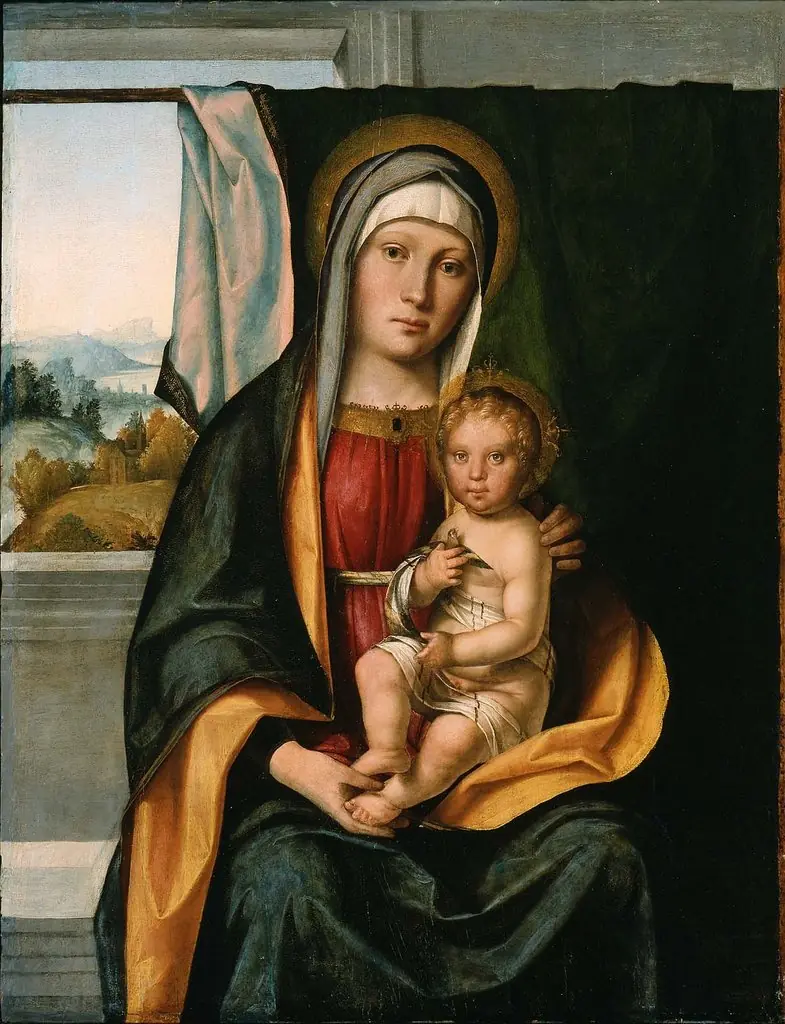
Virgin and Child Enthroned is an unspecified painting by the High Renaissance artist Girolamo da Santacroce. It dates from 1516 and is held in the collection of the Art Institute of Chicago.
About this work
Subject & Meaning
The enthroned presentation emphasizes their spiritual authority and the theological significance of the Incarnation.
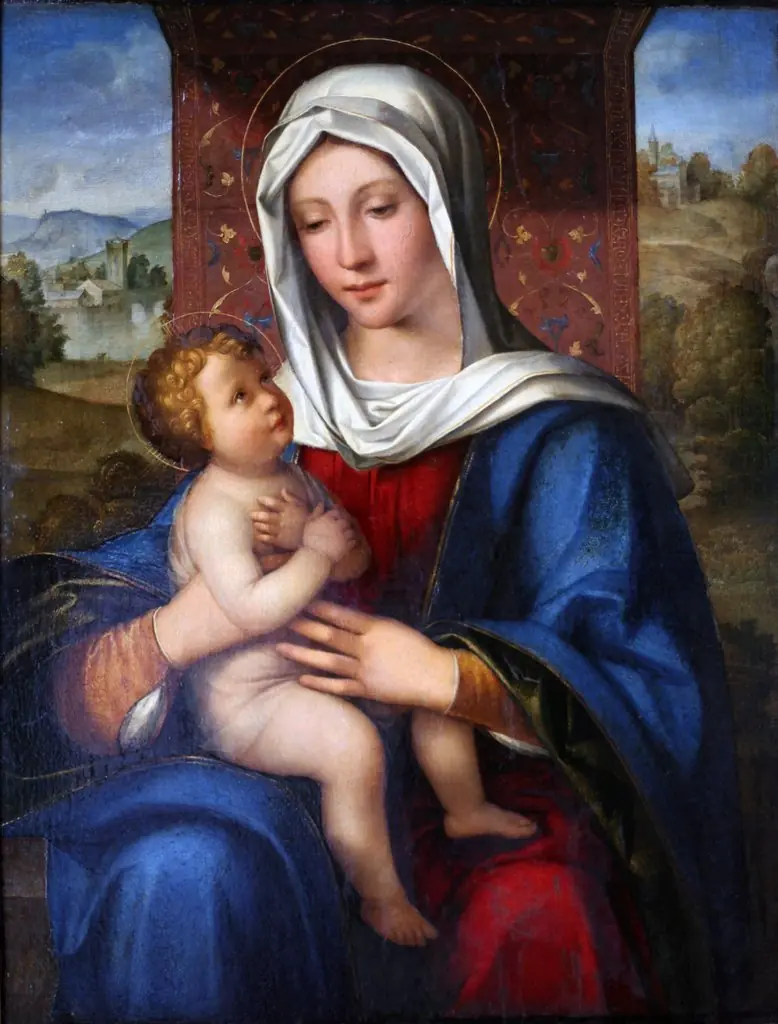
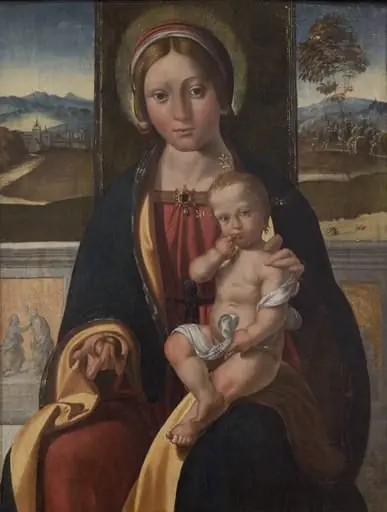
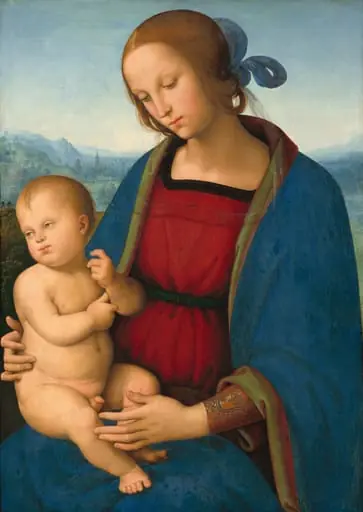
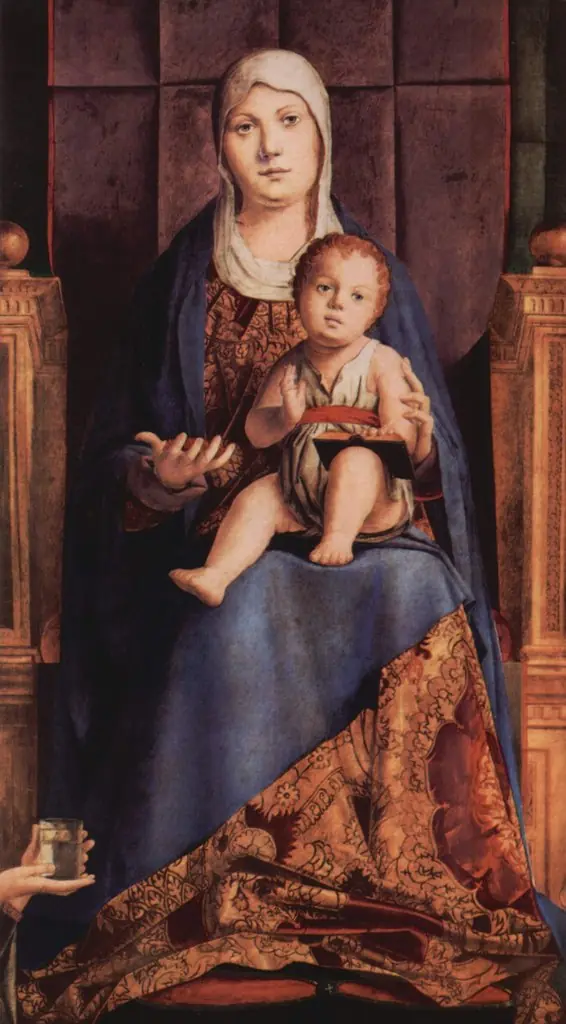
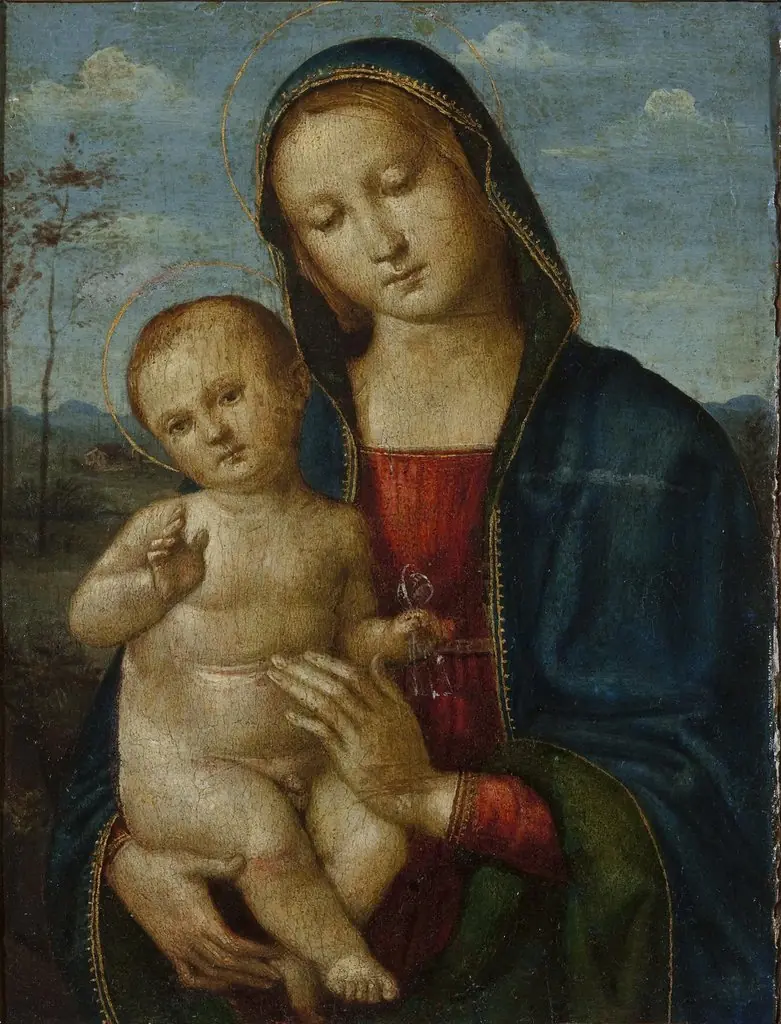
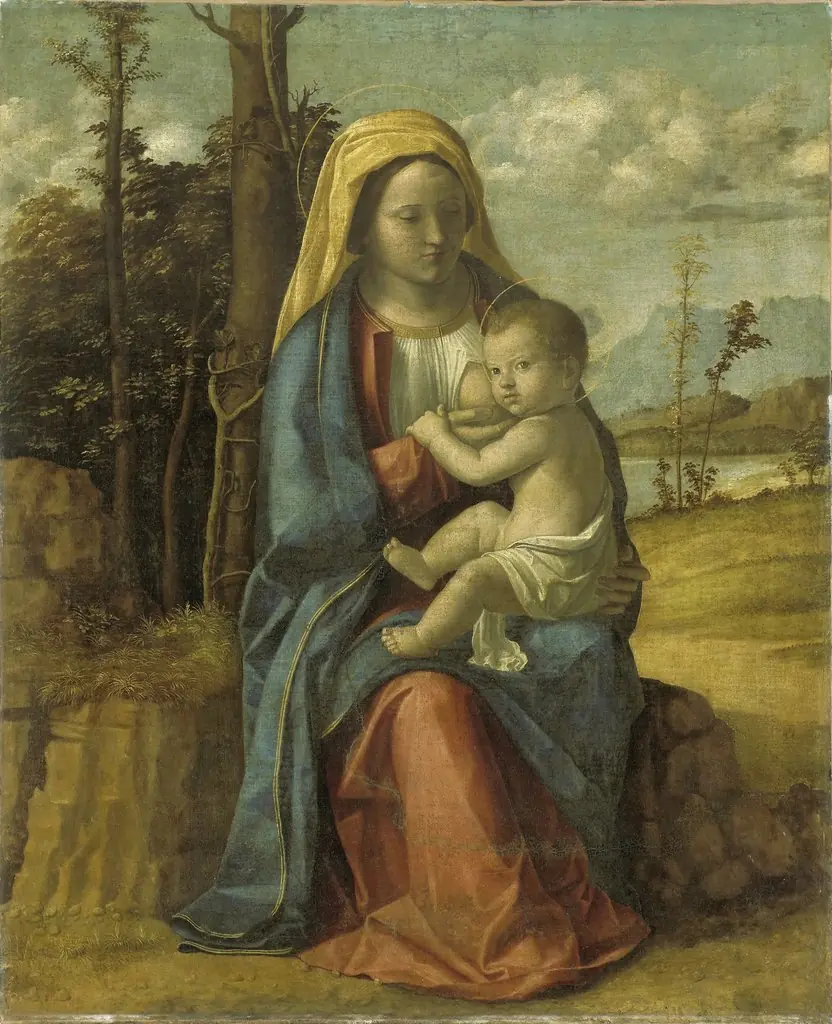
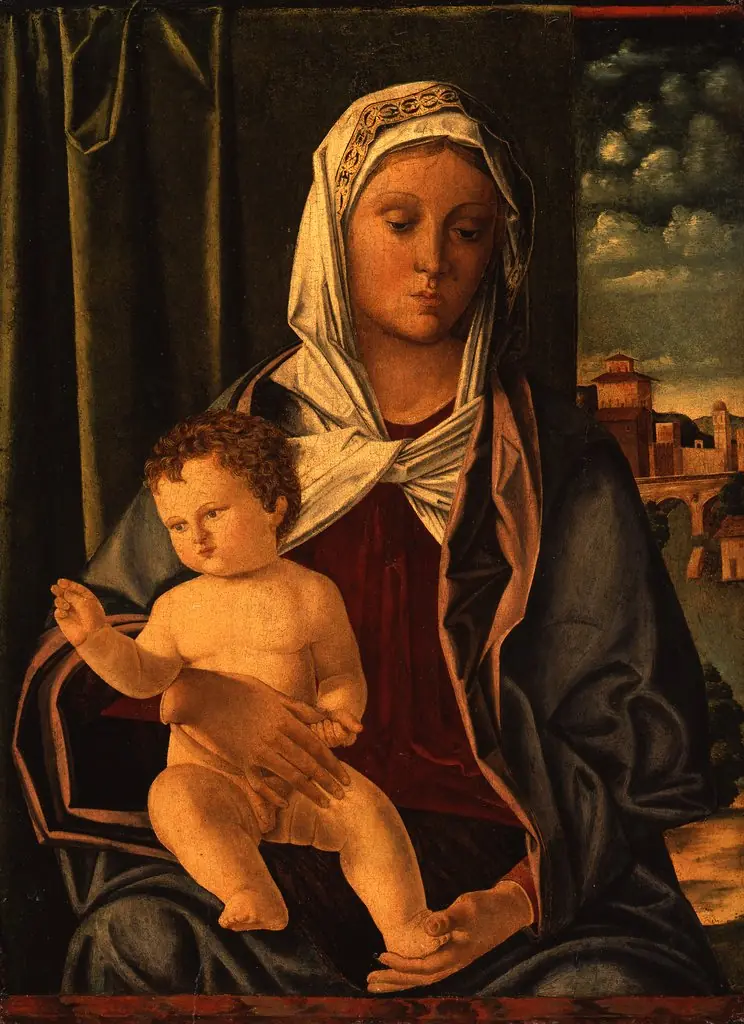
The work is a religious painting that depicts the Madonna and Child as its main subject. Specifically, the composition features the Virgin Mary holding the Christ Child, a standard iconographic arrangement in Christian art representing the central figures of the faith. Created by Girolamo da Santacroce in 1516, the piece falls within the genre of religious art, focusing on the sacred relationship between the mother and her divine son. The enthroned presentation emphasizes their spiritual authority and the theological significance of the Incarnation.
History & Provenance
The Virgin and Child Enthroned is dated 1516 by internal documentation and is attributed to Girolamo da Santacroce. The painting entered the collection of the Art Institute of Chicago, where it remains in the museum’s holdings. Its documented provenance begins with the institution’s acquisition, and no earlier ownership or commission details are provided in the cited sources.
The painting is held by the Art Institute of Chicago, where it is recorded with accession number 1931.527.
It has been exhibited at the Art Institute of Chicago in the 1931 Annual Exhibition of Early Italian Art (accession no. 1931.527).
Context
Created in 1516 by Girolamo da Santacroce, the Virgin and Child Enthroned stands as a significant example of early sixteenth-century religious art within the Venetian tradition. The work depicts the Madonna and Child, reflecting the artist's engagement with devotional themes prevalent during this period. Currently held by the Art Institute of Chicago, the painting measures 86.9 cm in height and 44.7 cm in width.
As a documented creation from 1516, it contributes to the scholarship on Santacroce's output, illustrating the continuity of religious iconography in his oeuvre. The piece remains a key reference for understanding the artist's contribution to the broader context of Renaissance painting.
Overview
Girolamo da Santacroce's Virgin and Child Enthroned, created in 1516, is a High Renaissance religious painting featuring Mary and the Christ Child. Characterized by classical composition and devotional themes typical of its era, the work is part of the Art Institute of Chicago's collection.
Technique & Style
The work employs strong chiaroscuro, contrasting light and dark to define the figures. The Christ Child's glowing skin, set against the shadowed folds of Mary's robe, creates a visually striking effect, drawing the viewer's attention to the central figures.
Legacy
As part of a prominent museum collection, Virgin and Child Enthroned contributes to the broader understanding and appreciation of High Renaissance art, specifically the Venetian school's interpretation of traditional Christian subjects.
Artist & collection
Artist
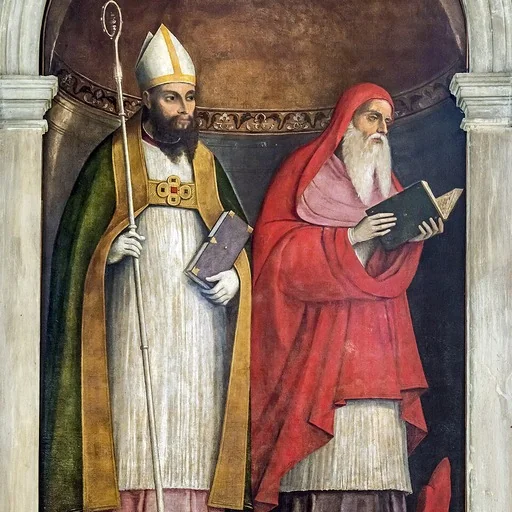
Girolamo da Santacroce (c. 1480/85 – c. 1556) was a 16th-century Italian painter of the Renaissance period, active mainly in Venice and the Venetian mainland.