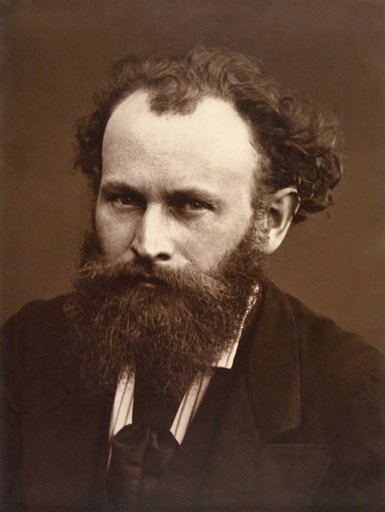
Artist
Subject
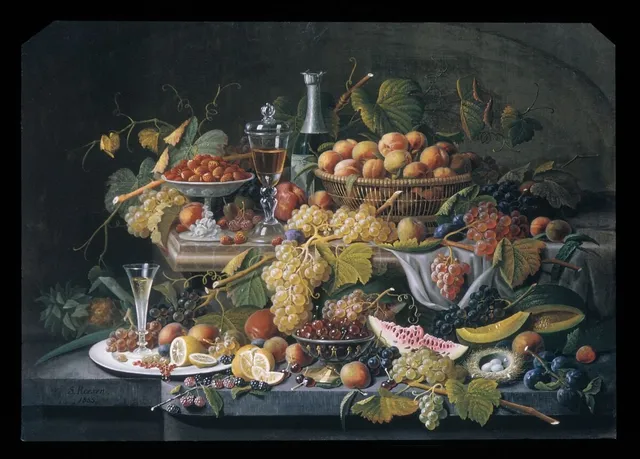
Lemon is a subject in art. The gallery holds 88 works in this subject in art, including works by Édouard Manet, Pieter Claesz and Vincent van Gogh.
Few humble objects carry as much weight in Western painting as the lemon, which became a defining motif of seventeenth-century Dutch still life. In the Northern Netherlands the fruit was an exotic, costly import, shipped north from Mediterranean groves and unavailable from local orchards. Its presence on a table therefore signalled access to global trade at the height of the Dutch Golden Age, when Amsterdam's merchant wealth fuelled an unprecedented appetite for pictures. Studies of the period find lemons astonishingly common in Netherlandish painting—appearing in roughly half of surveyed works between 1500 and 1650, far more than in contemporary Italian art—as artists returned again and again to the fruit's luminous skin and acidic interior.
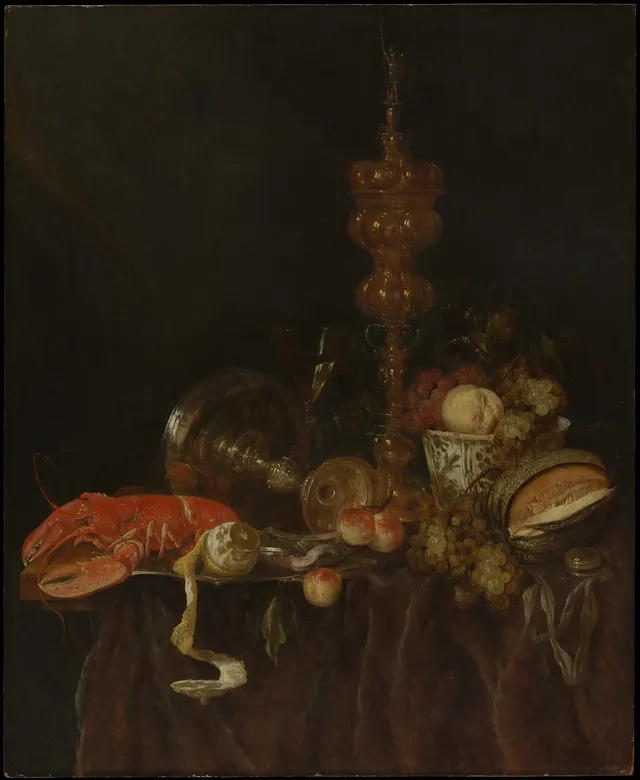
The signature treatment was the half-peeled lemon, its rind pared in a single continuous spiral that dangles over the edge of a table or pewter plate. This device let painters display bravura technique: the matte, dimpled exterior set against the glistening, translucent pulp, the curling peel casting delicate shadows. The art historian Svetlana Alpers observed that Dutch painters subjected both the outer and inner surfaces of such objects to a scrutiny that made viewers feel they had "never seen a lemon in this way before." In the lavish pronkstilleven, or ostentatious still life, the lemon nestled among Venetian glass, silver tazze, oysters and porcelain as a centrepiece of conspicuous luxury.
The motif also carried moral freight. Beautiful to behold yet sour to taste, the peeled lemon became a vanitas emblem—a reminder that earthly riches are seductive on the surface but bitter beneath, and that abundance, like cut fruit, swiftly decays.
The genre's masters are well represented in this collection. Pieter Claesz and Willem Claesz Heda pioneered the restrained "monochrome banketje," seen in Still Life with Peacock Pie and Banquet Piece with Mince Pie. Jan Davidsz. de Heem, a founder of the pronkstilleven, raised the form to opulent heights in works such as Still Life with a Glass and Oysters, while Abraham van Beijeren brought it sumptuous colour.
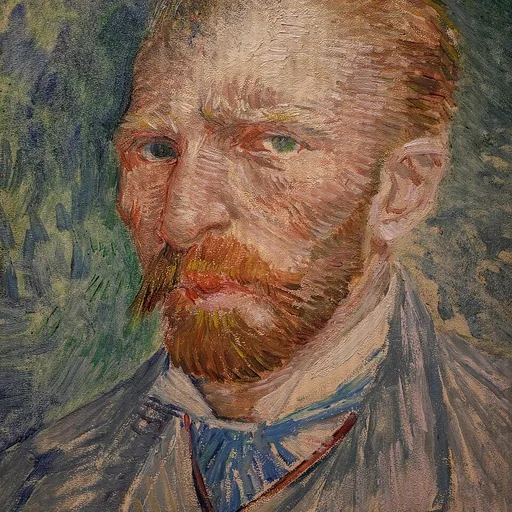
The lemon outlived its Baroque heyday. Severin Roesen carried Dutch profusion into nineteenth-century America, and Vincent van Gogh, painting Still Life of Oranges and Lemons with Blue Gloves in Arles in January 1889, reinvented the citrus study through expressive colour and impasto—an "air of chic," as he told his brother Theo.
Artist
Artist

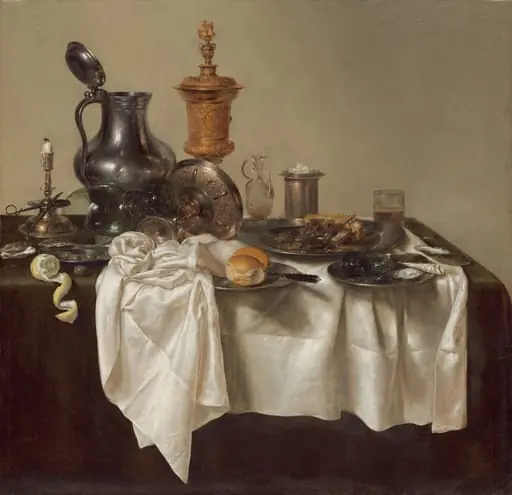 Banquet Piece with Mince Pie
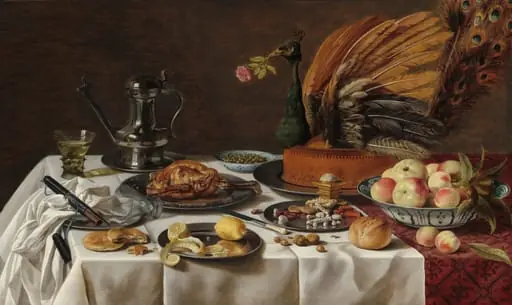 Still Life with Peacock Pie
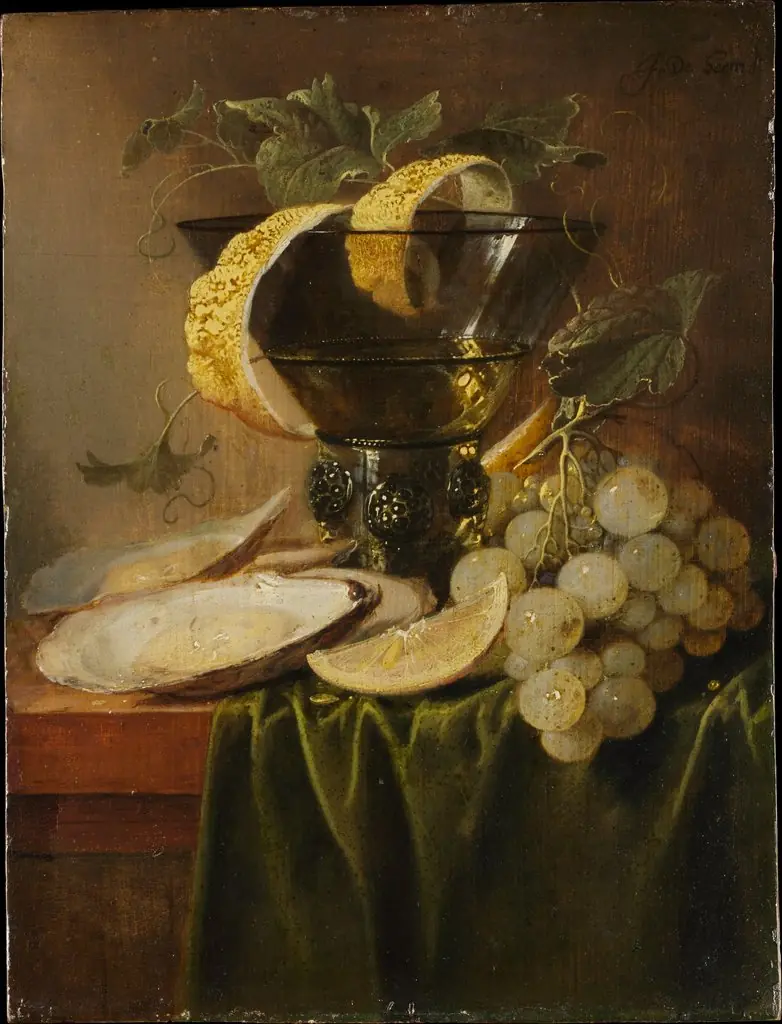 Still Life with a Glass and Oysters
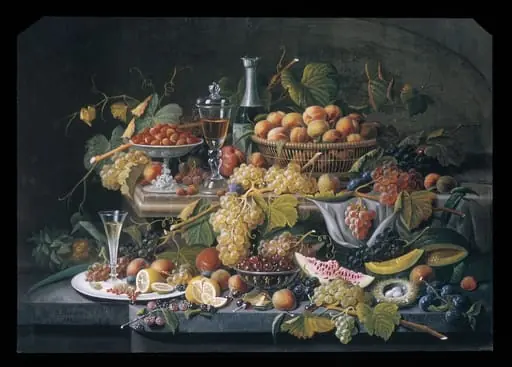 Still Life: Fruit
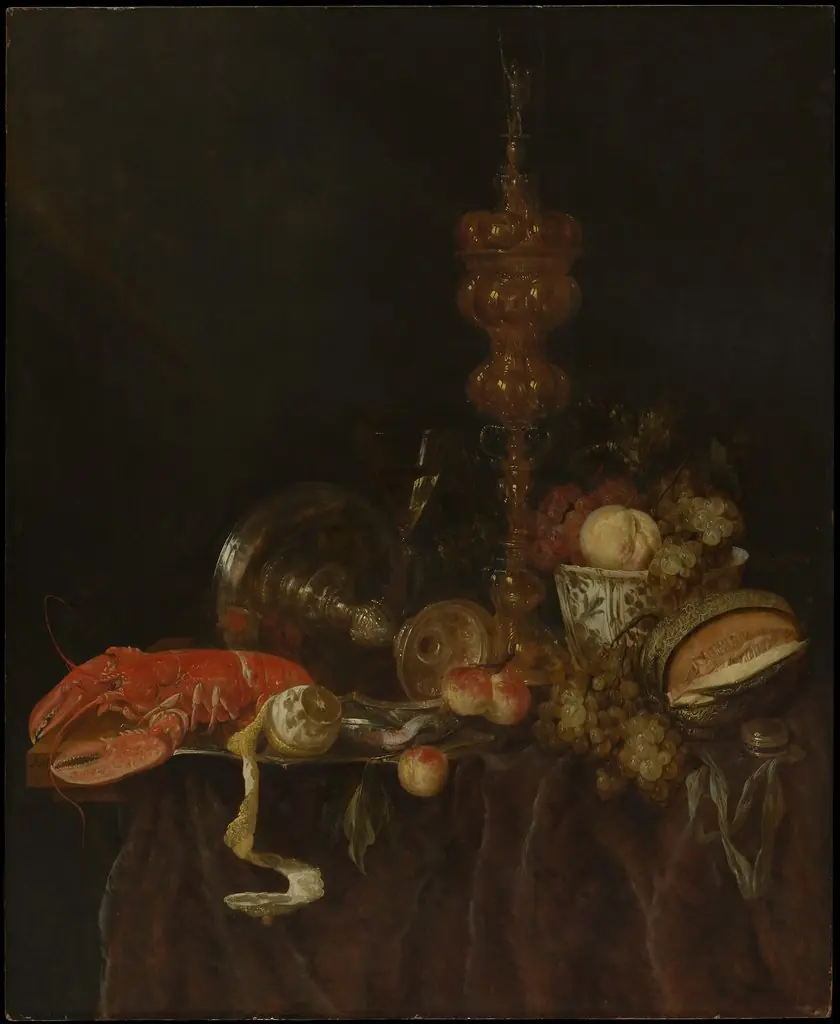 Still Life with Lobster and Fruit
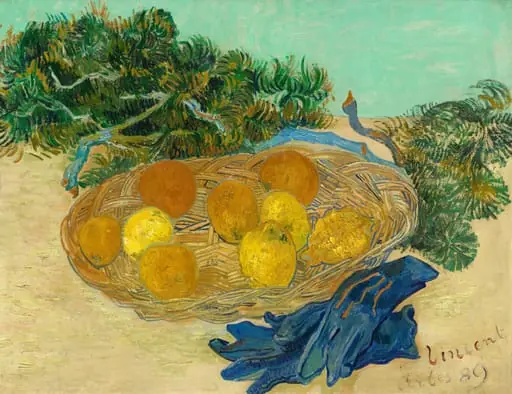 Still Life of Oranges and Lemons with Blue Gloves
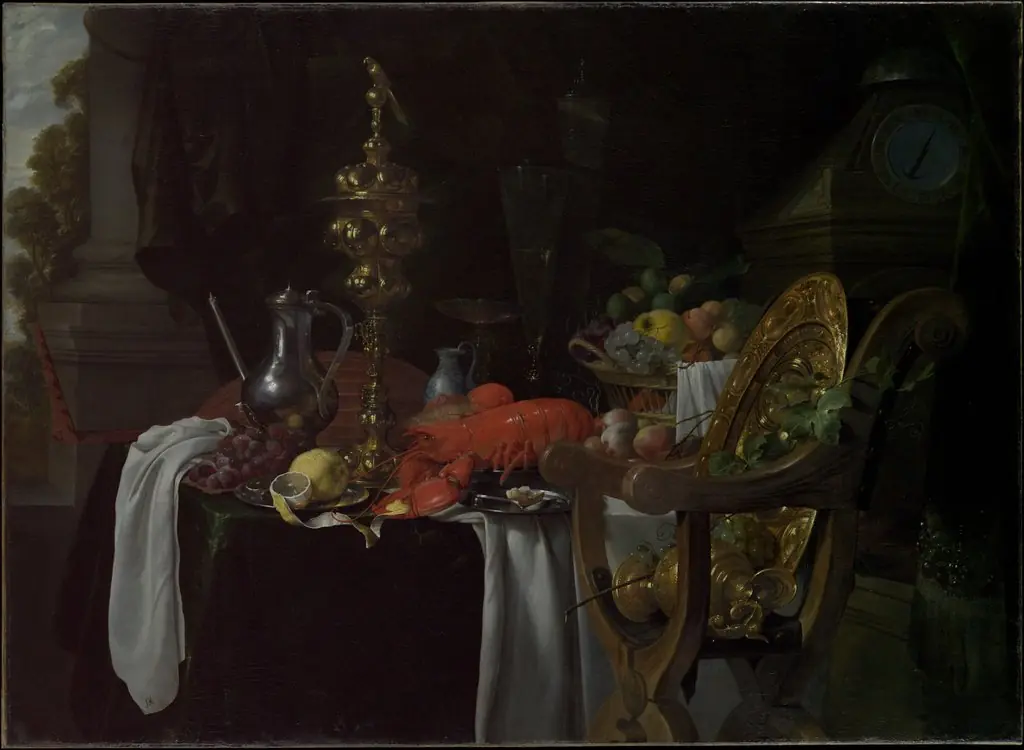 Still Life: A Banqueting Scene
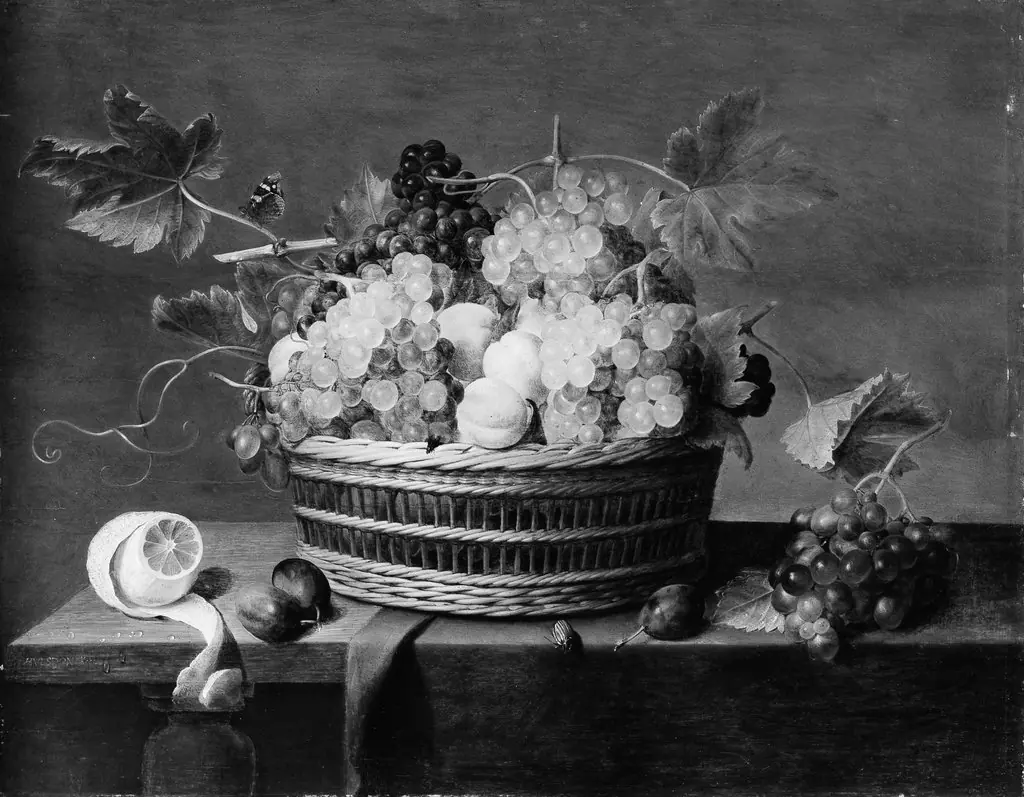 Still Life: A Basket of Grapes and Other Fruit
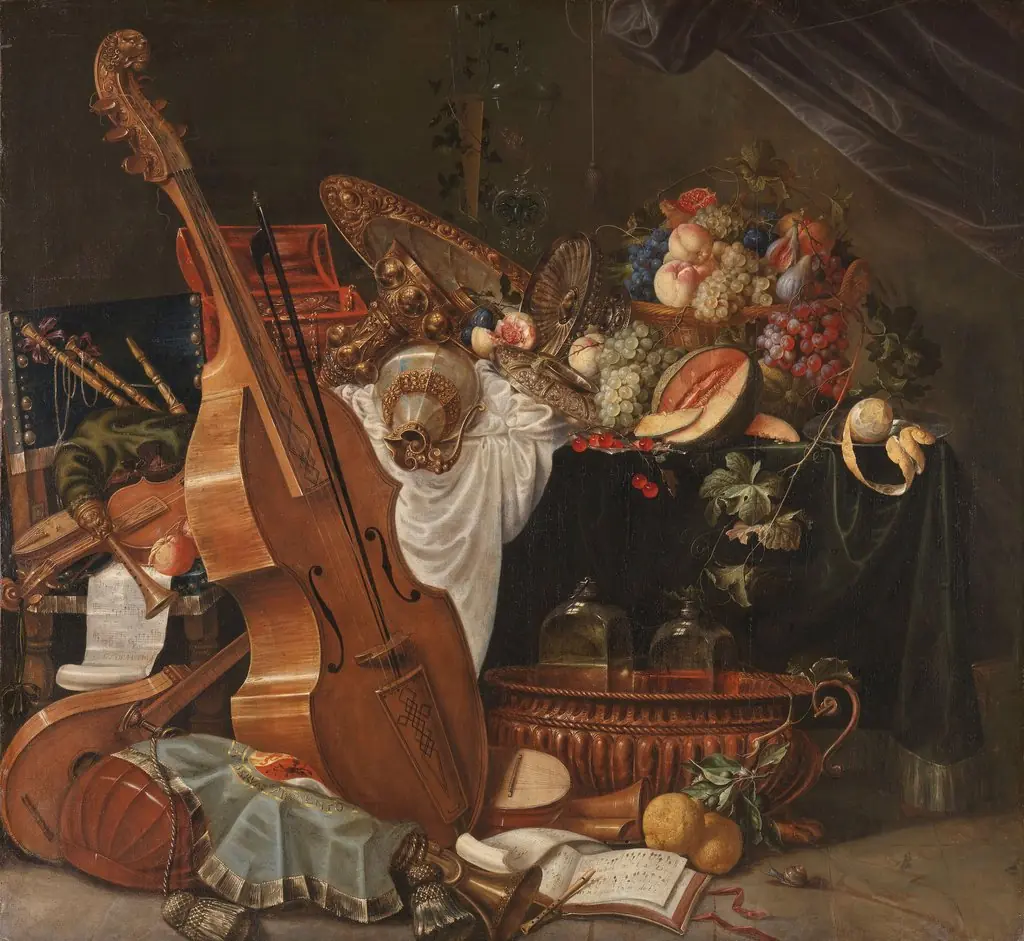 Still life
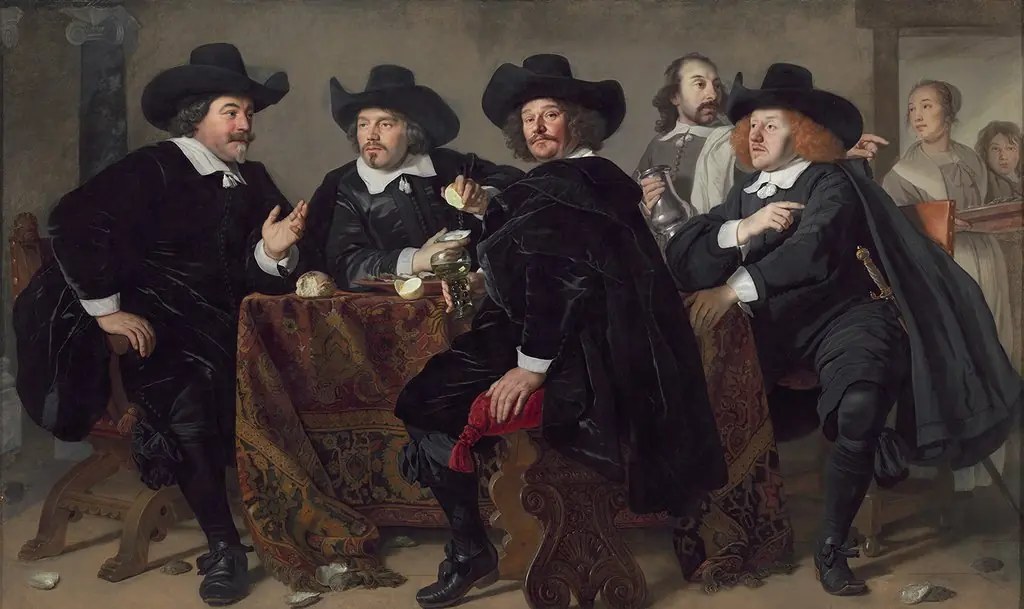 Four directors of the arquebusier's guild, Amsterdam, 1655
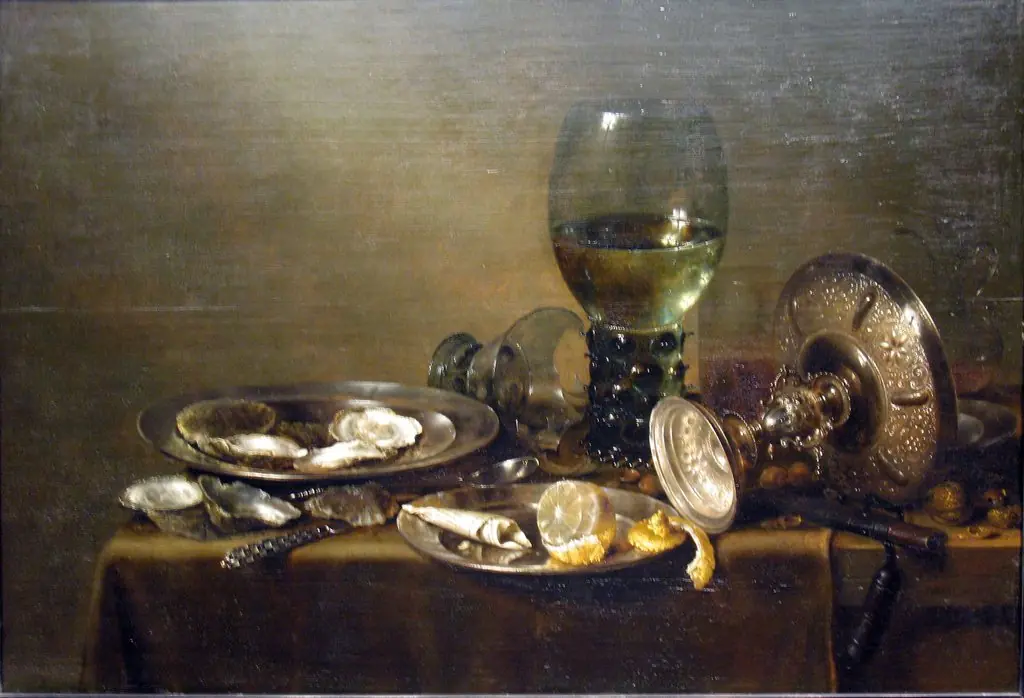 Still Life with Oysters, a Silver Tazza, and Glassware
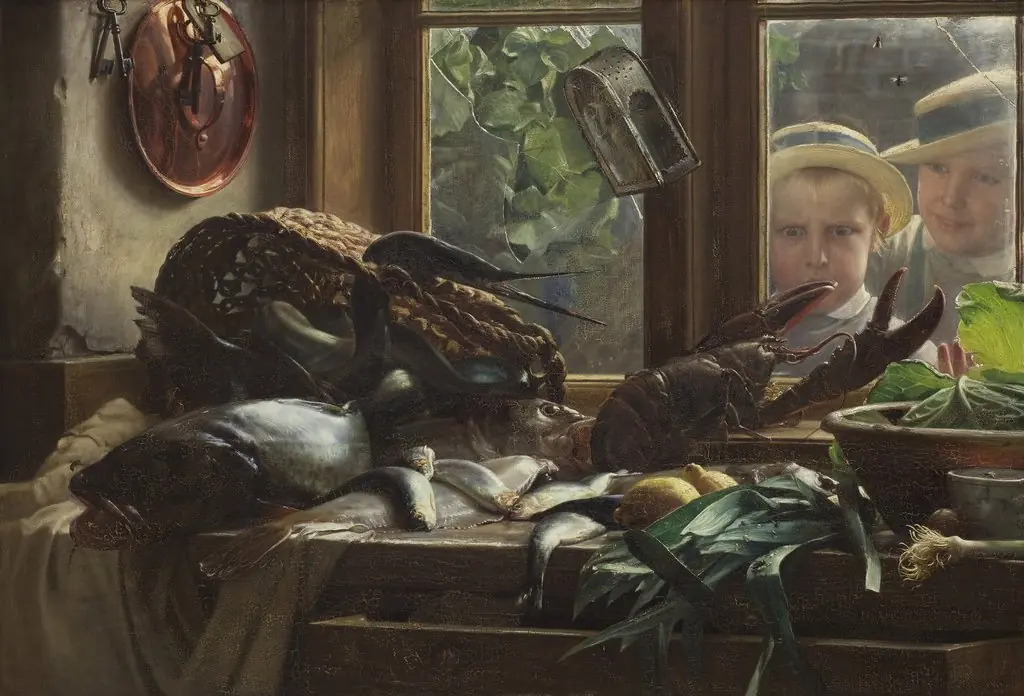 Still Life with Fish
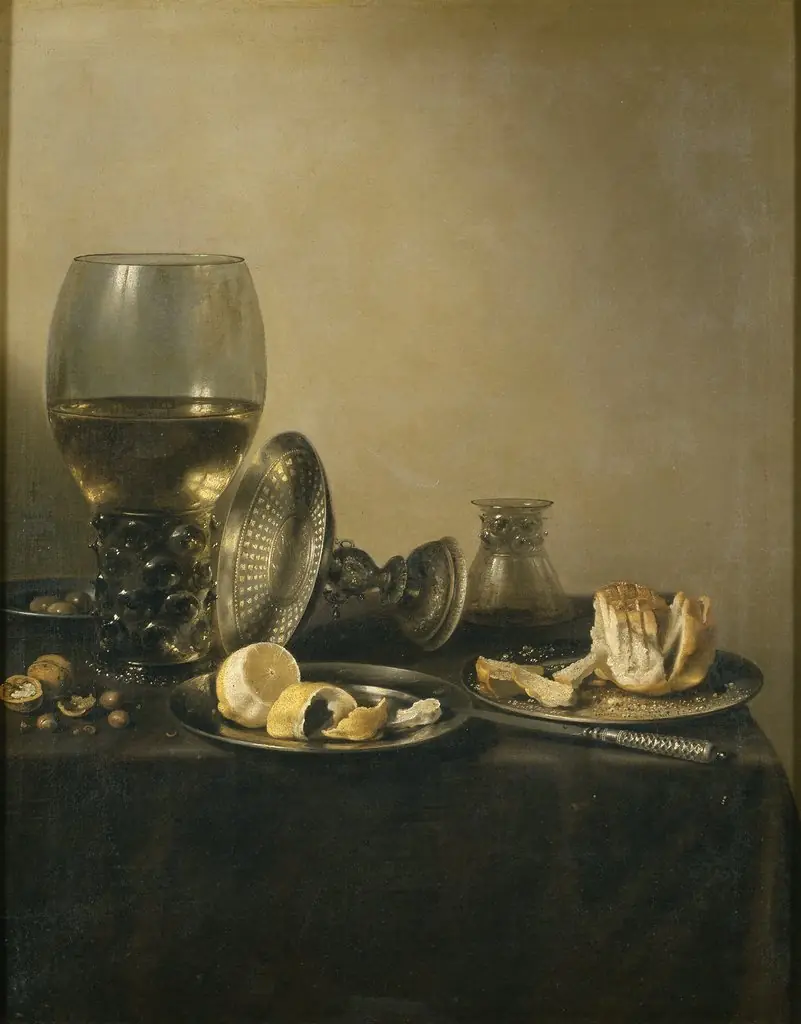 Still Life
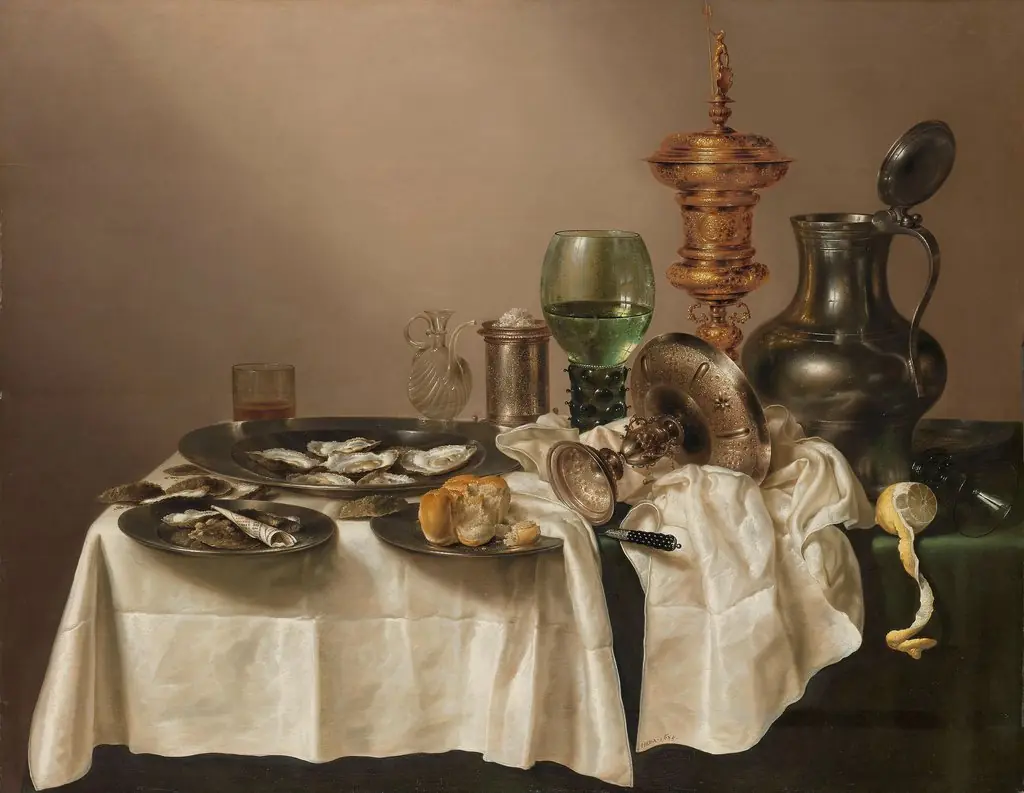 Still Life with a Gilt Cup
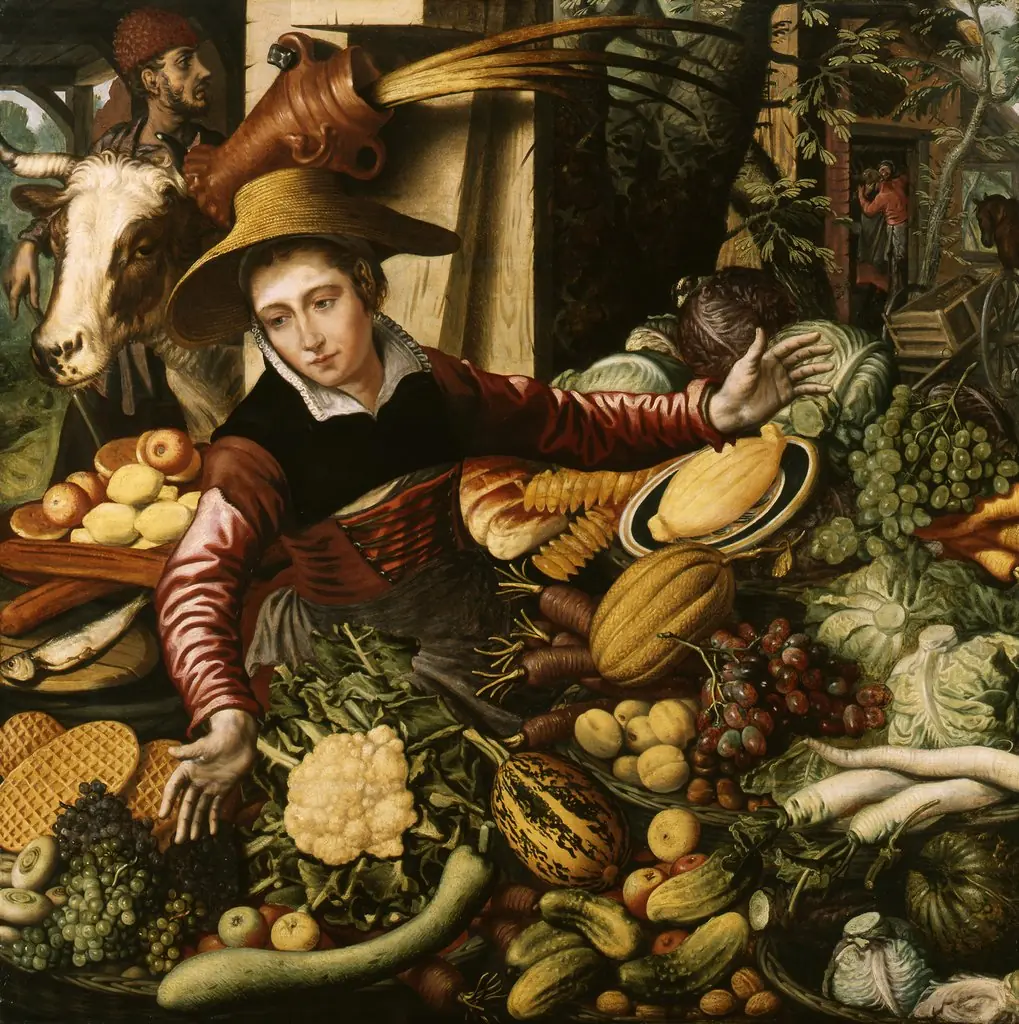 Market Woman at the Vegetable Stall
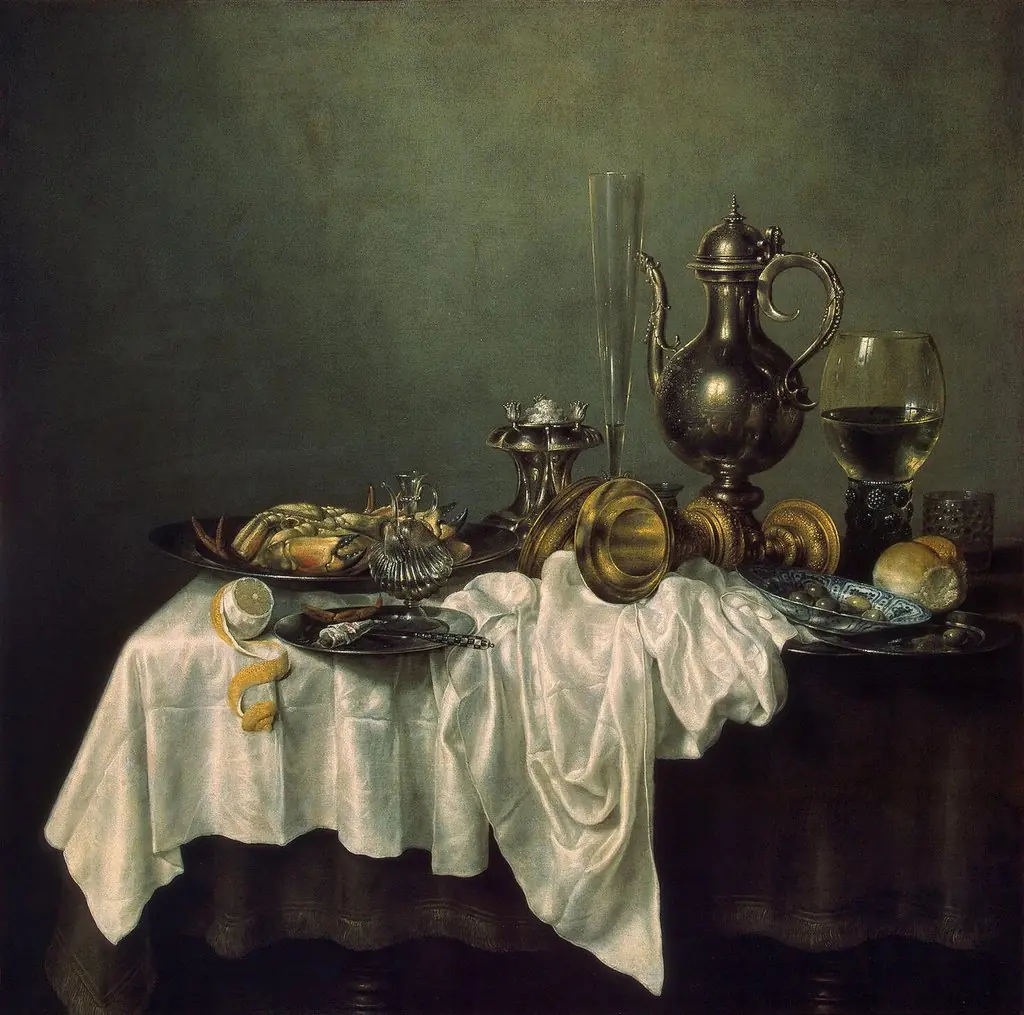 Breakfast with a Crab
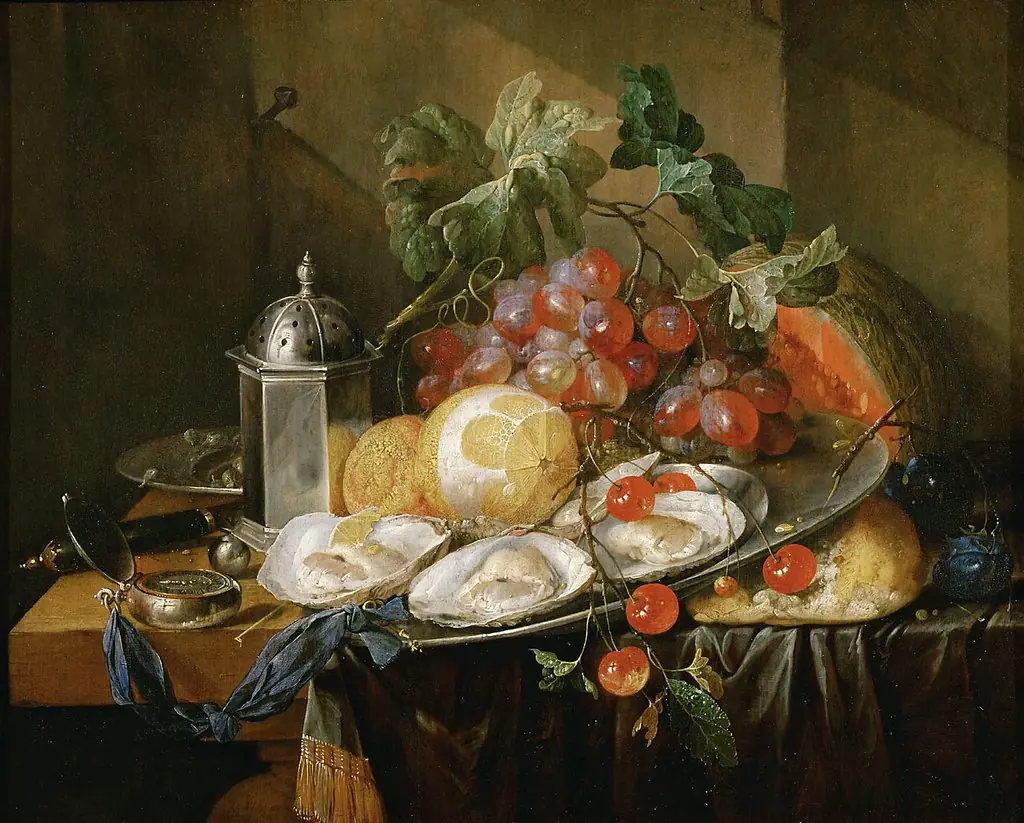 Fruit Still Life with Oysters
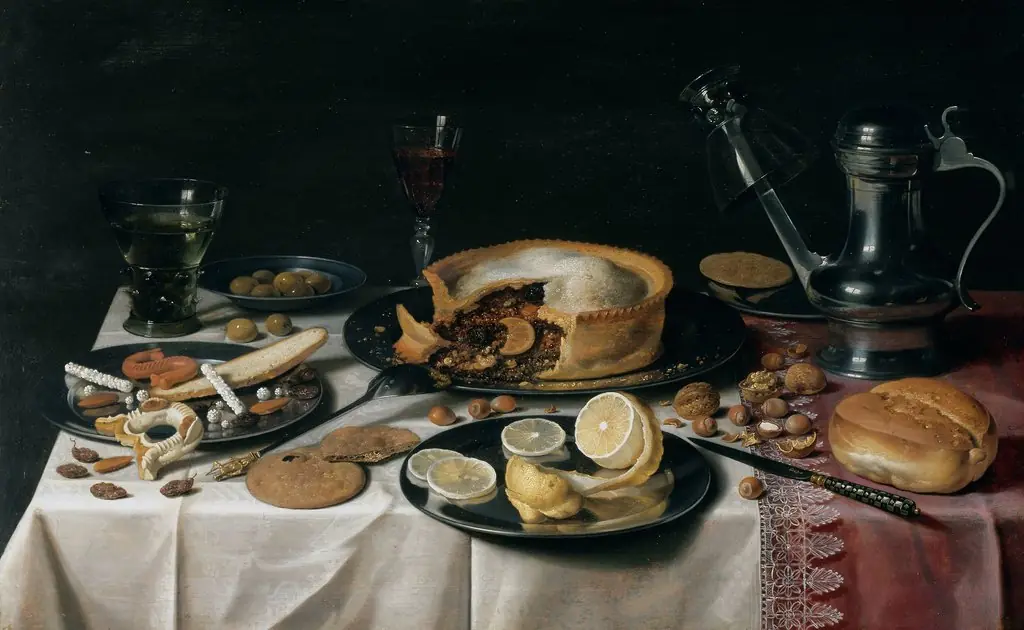 Still Life
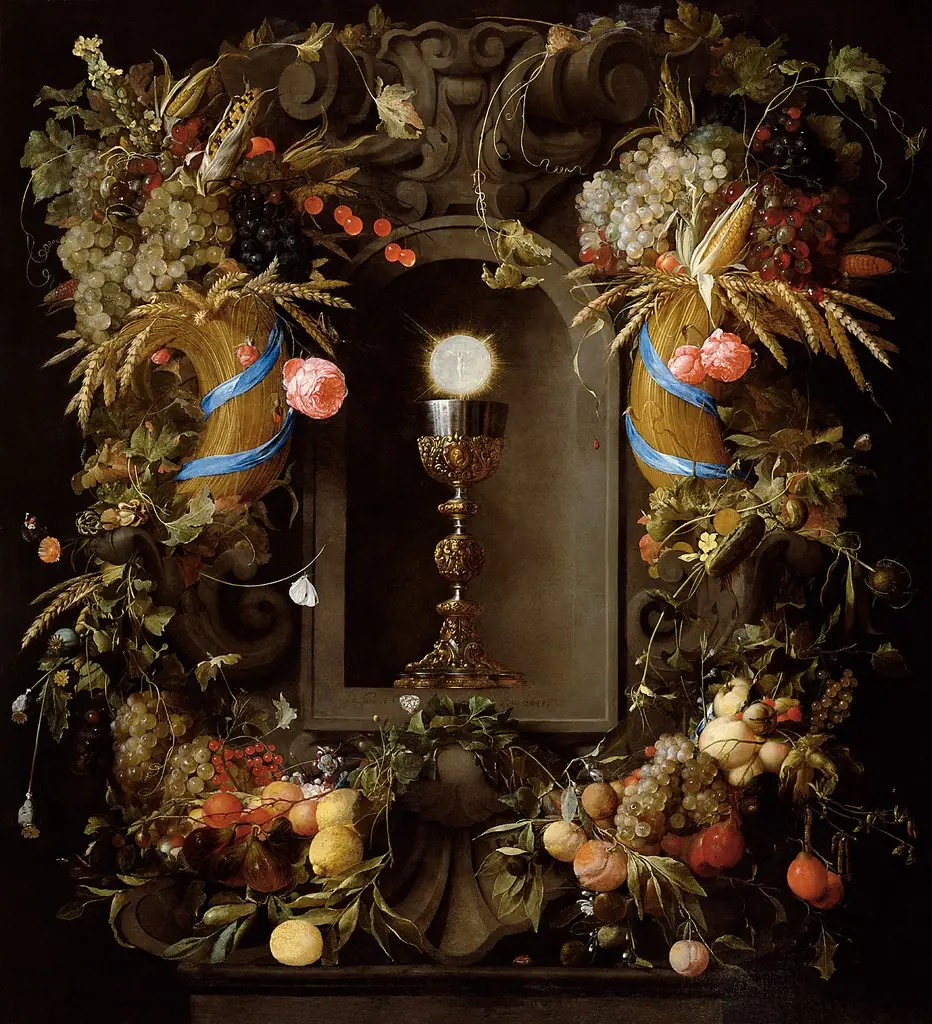 Chalice and Host in a Niche, within a Cartouche of Roses and Fruit
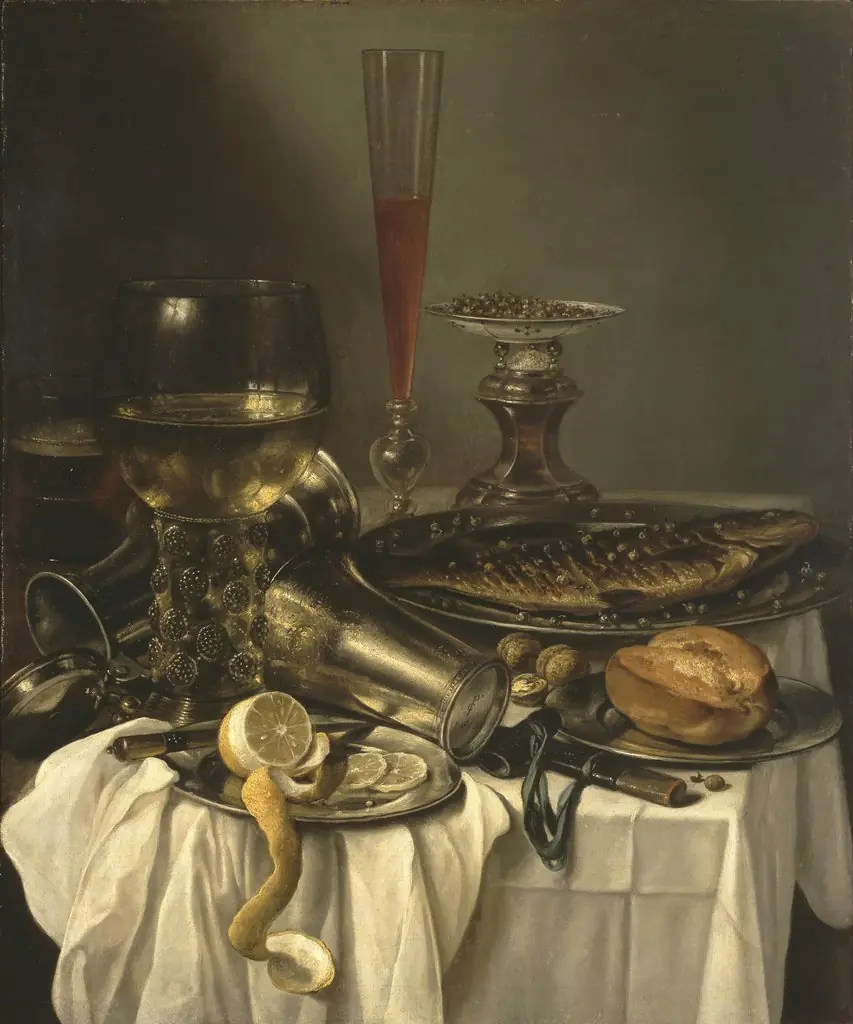 Breakfast with Fish
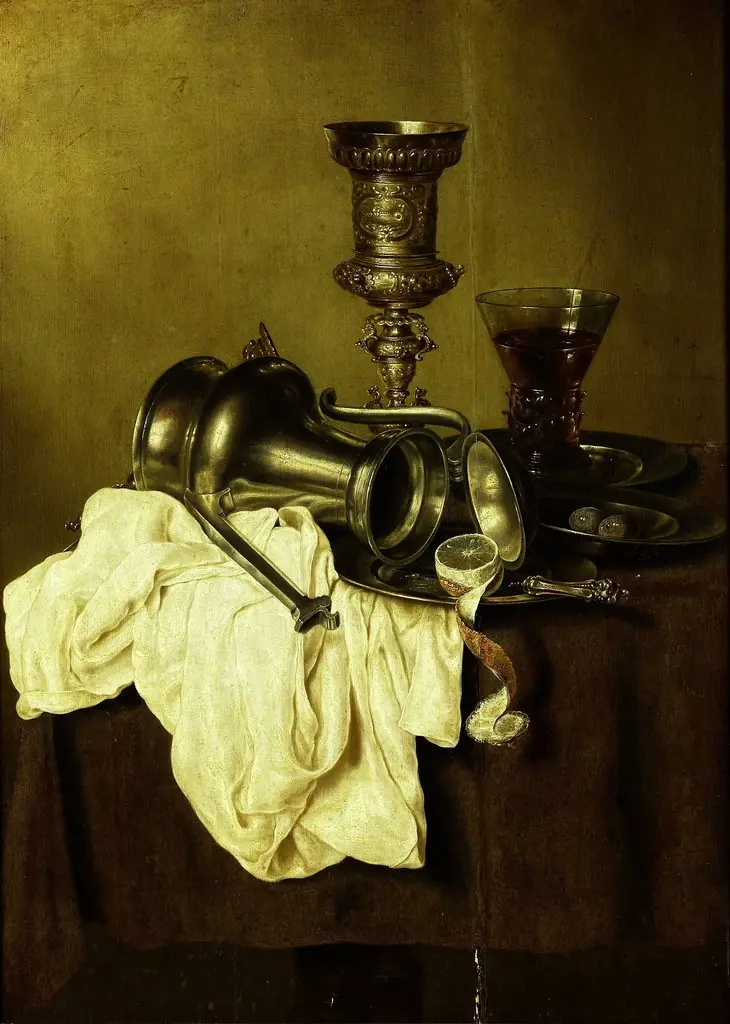 Still life
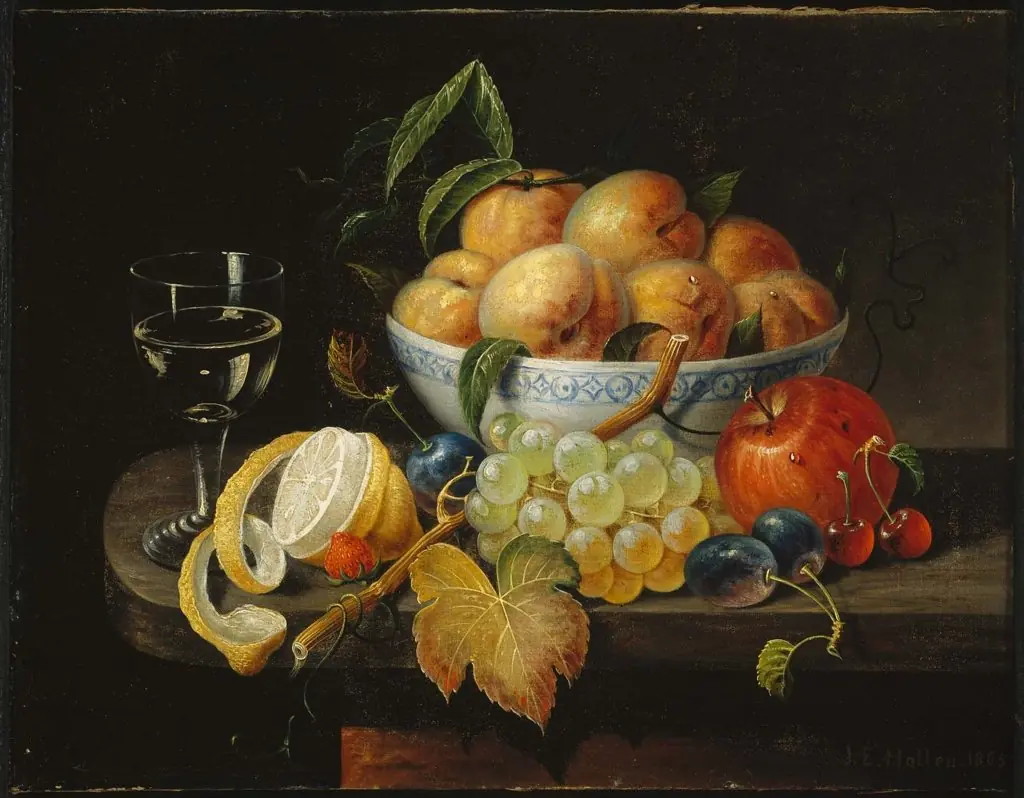 Still Life: Bowl with Fruit and Wine Glass
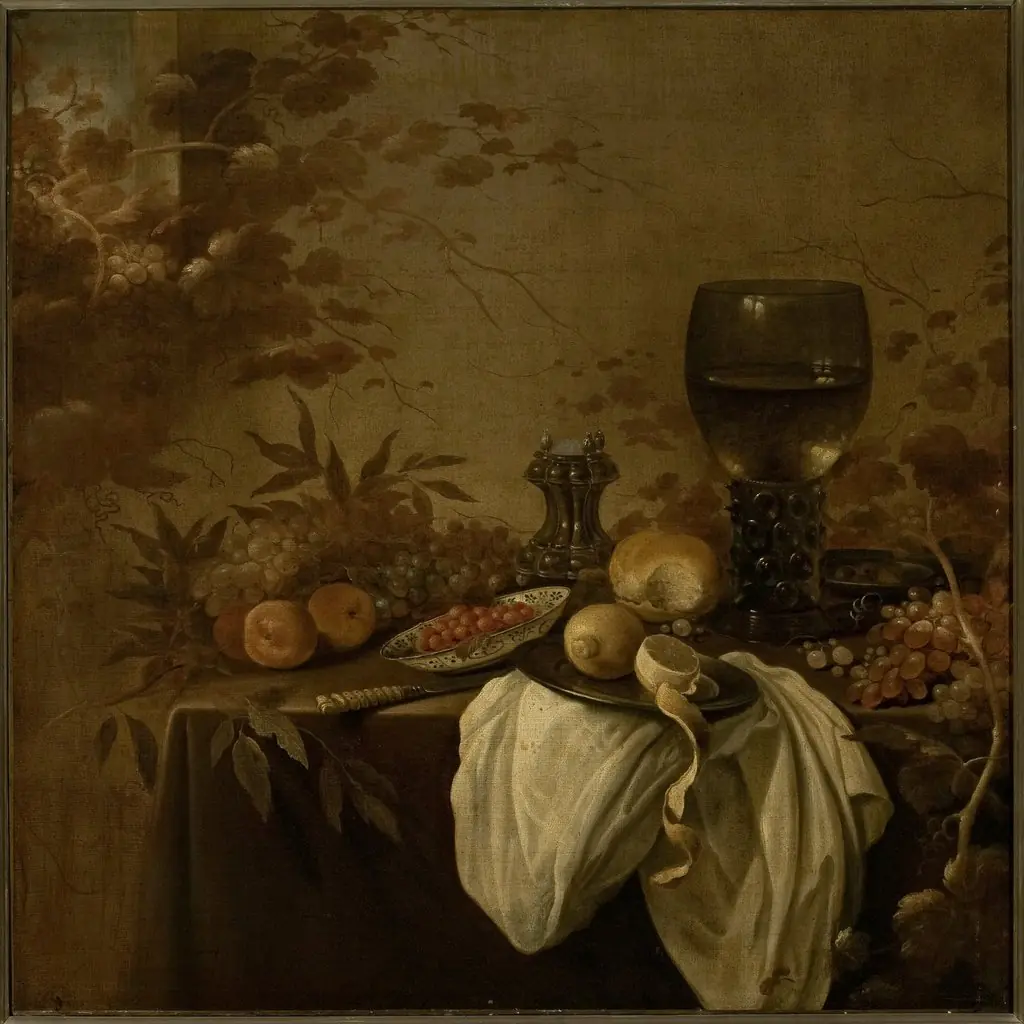 Still life
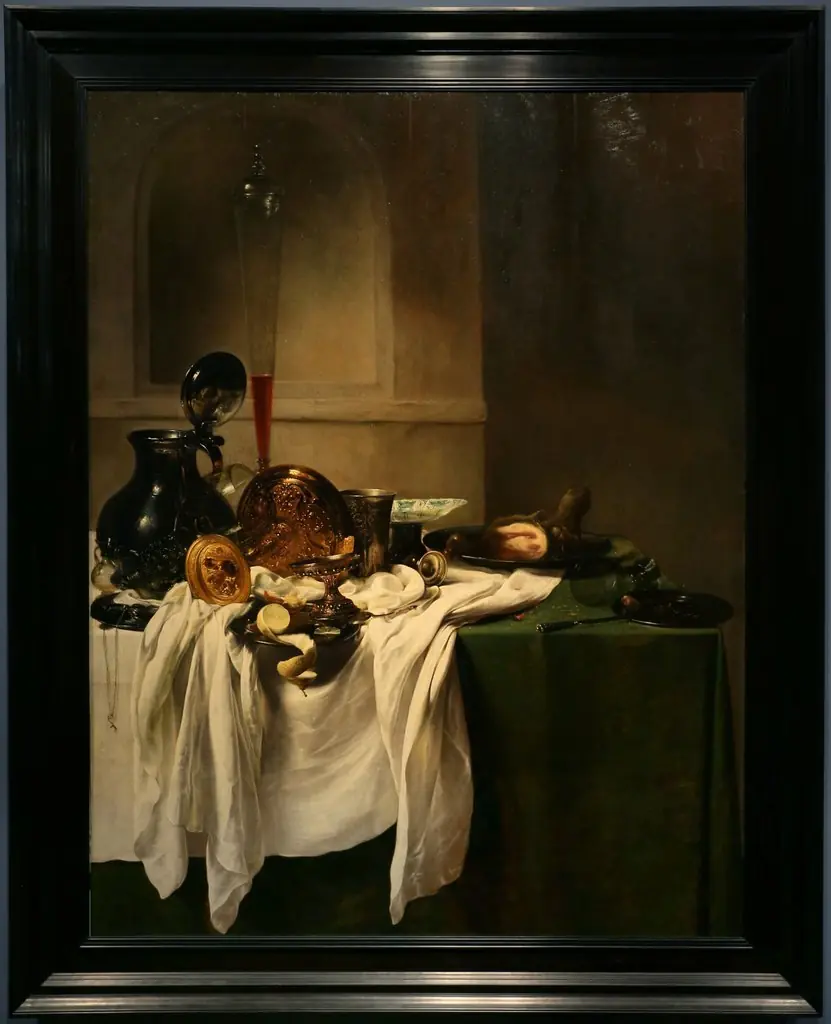 Still life of a laid table with ham and a view of a niche
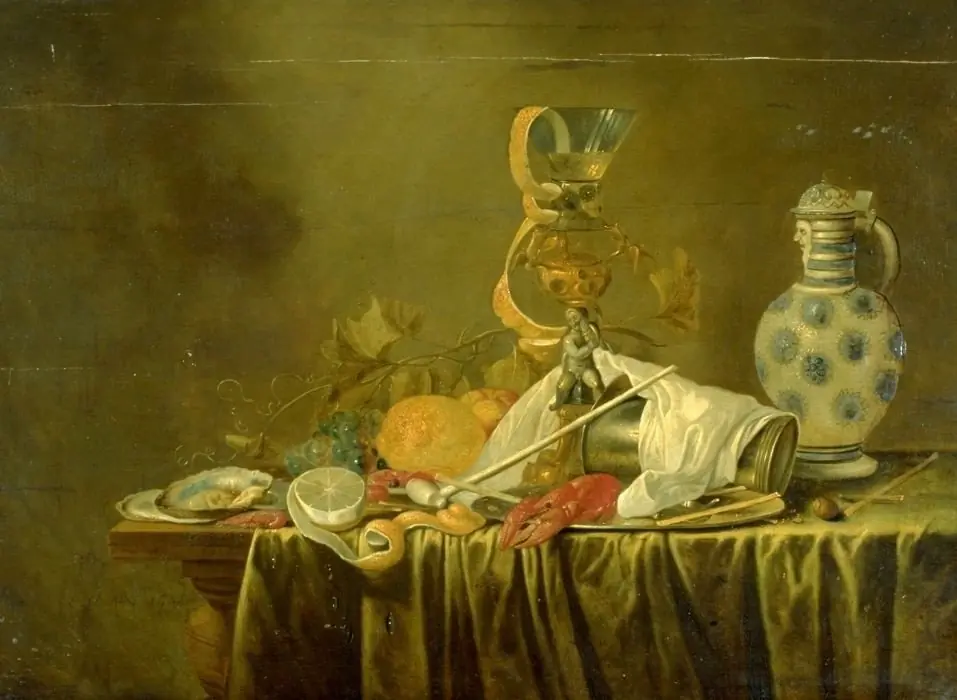 Still life with wine glass and stoneware jug
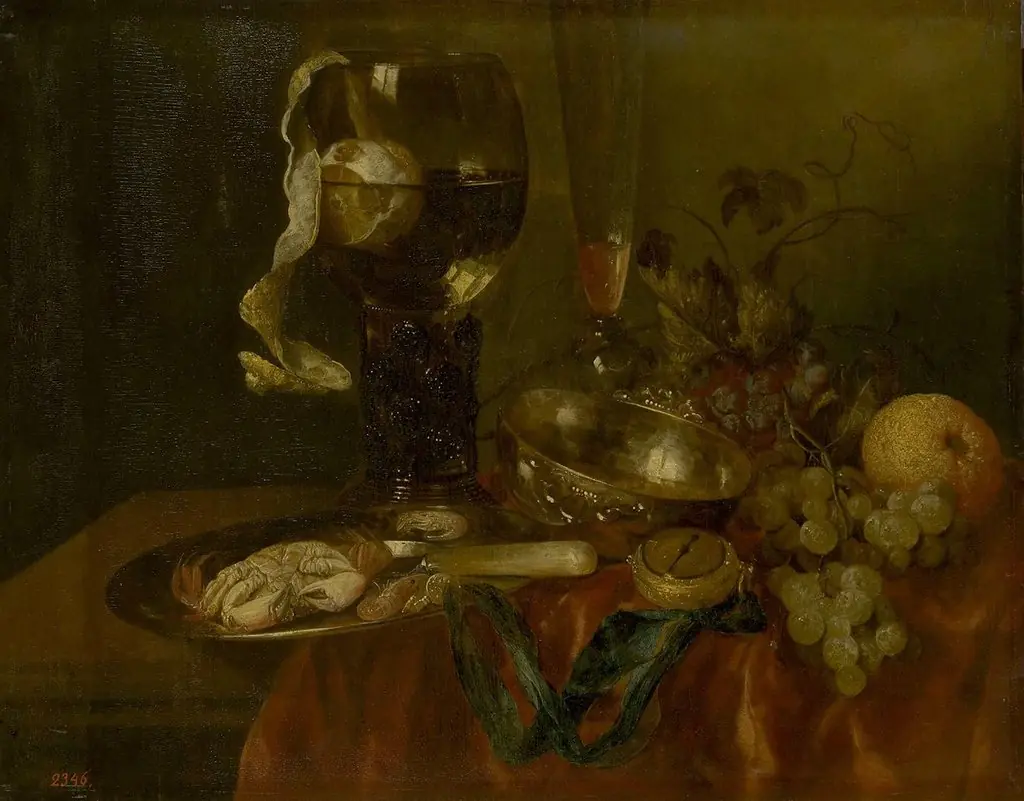 Snack (Still Life with Crab, Fruit and Clock)
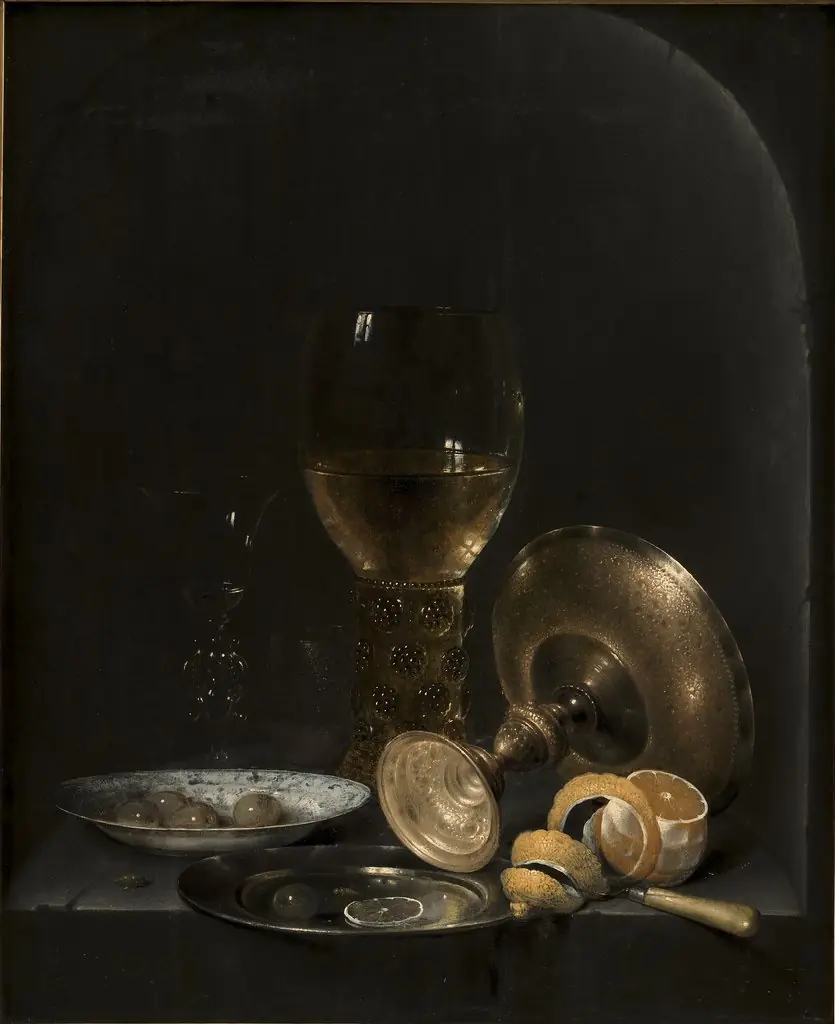 Still life. Breakfast Piece in a Stone Niche
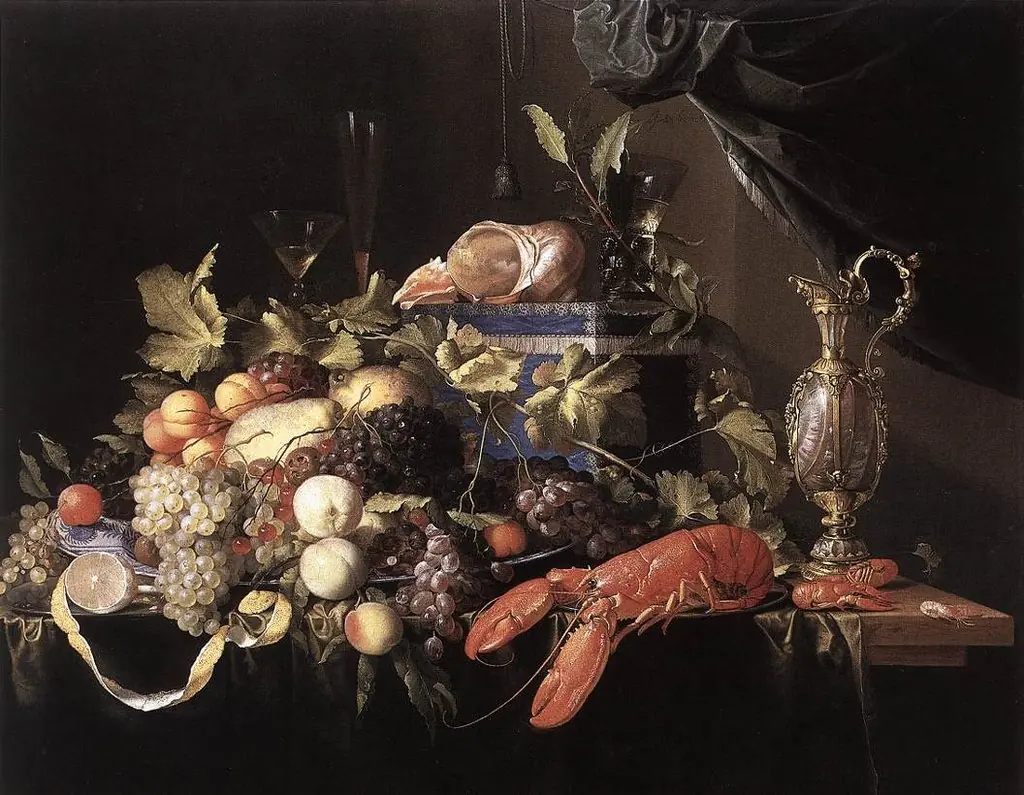 Still Life with Fruit and Lobster
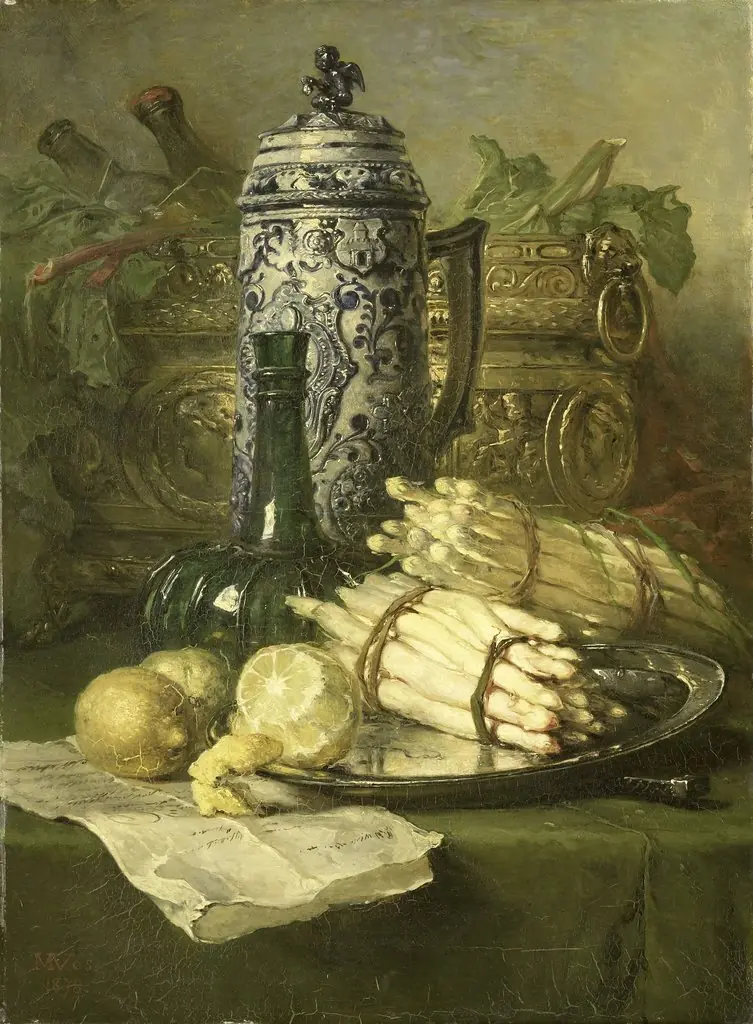 Still-life with Asparagus, Lemon, Covered Beaker, and Wine Cooler
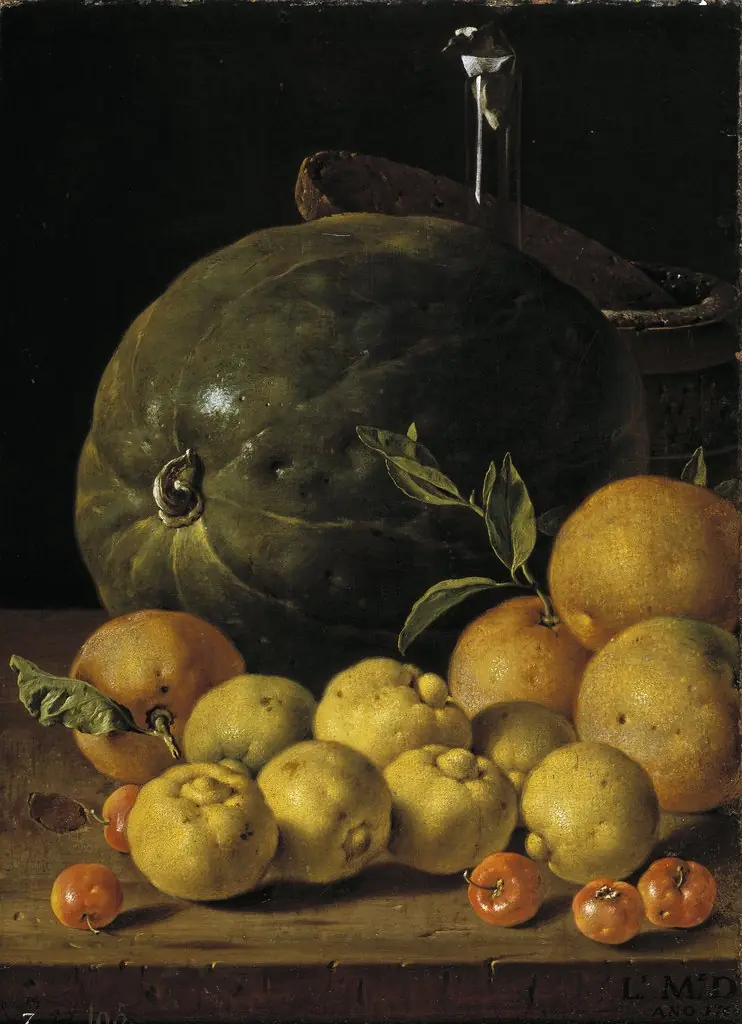 Still Life with Limes Oranges Haw Berries and Watermelon
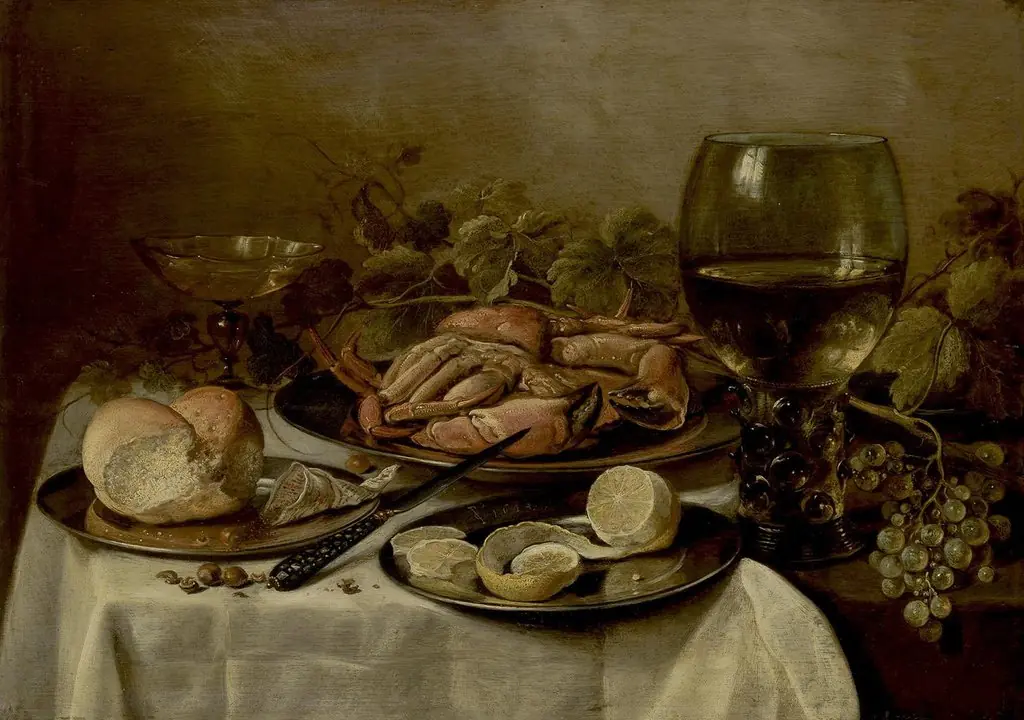 Still Life with Crab, Rummer and Grape
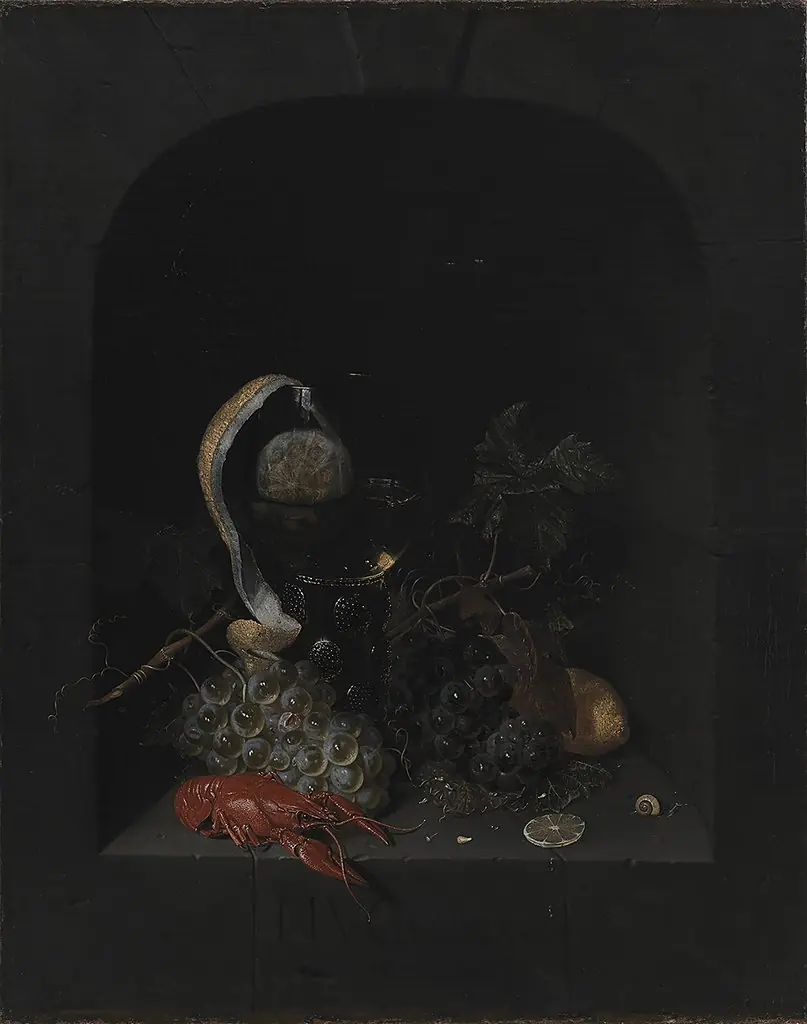 Still Life
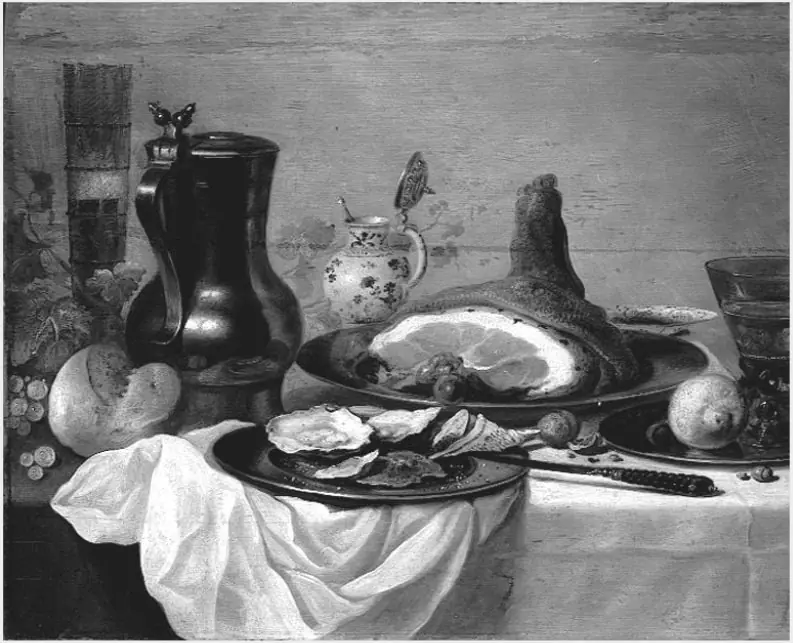 A Breakfast-piece
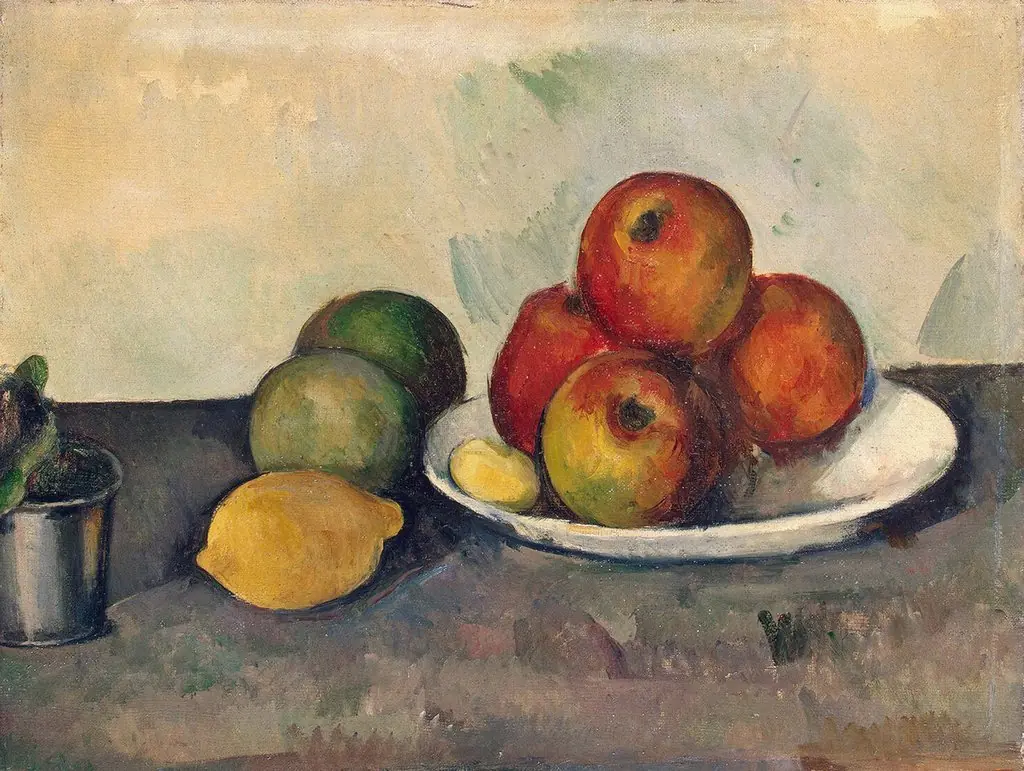 Still Life with Apples
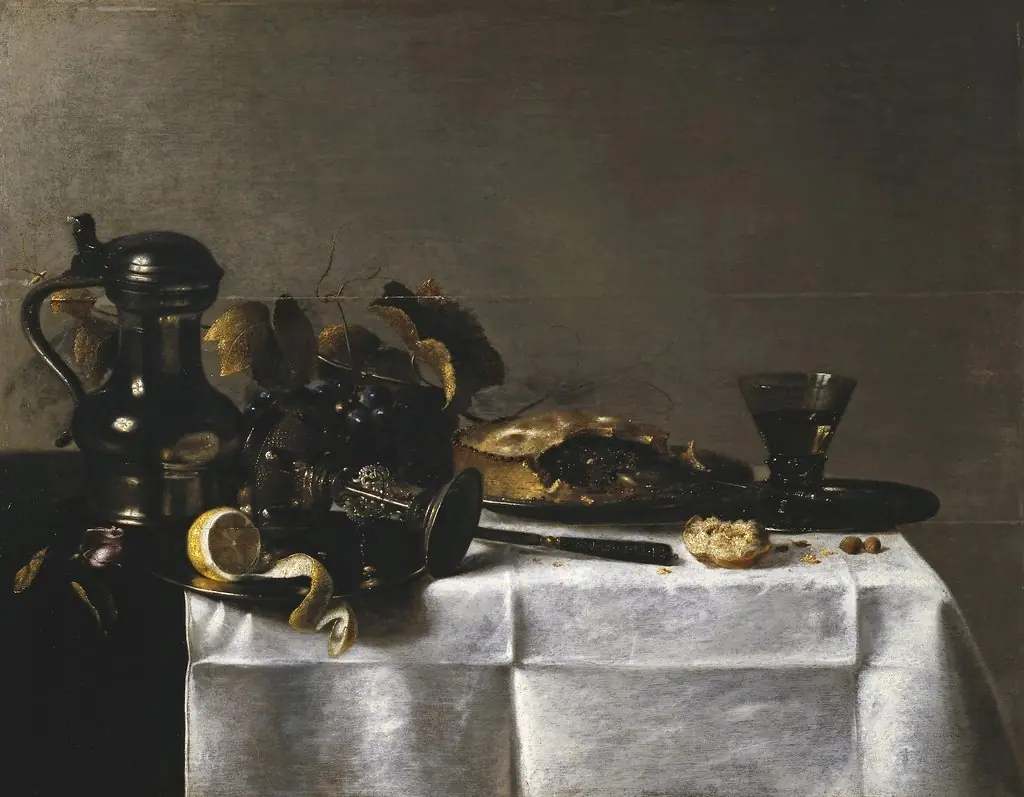 Breakfast
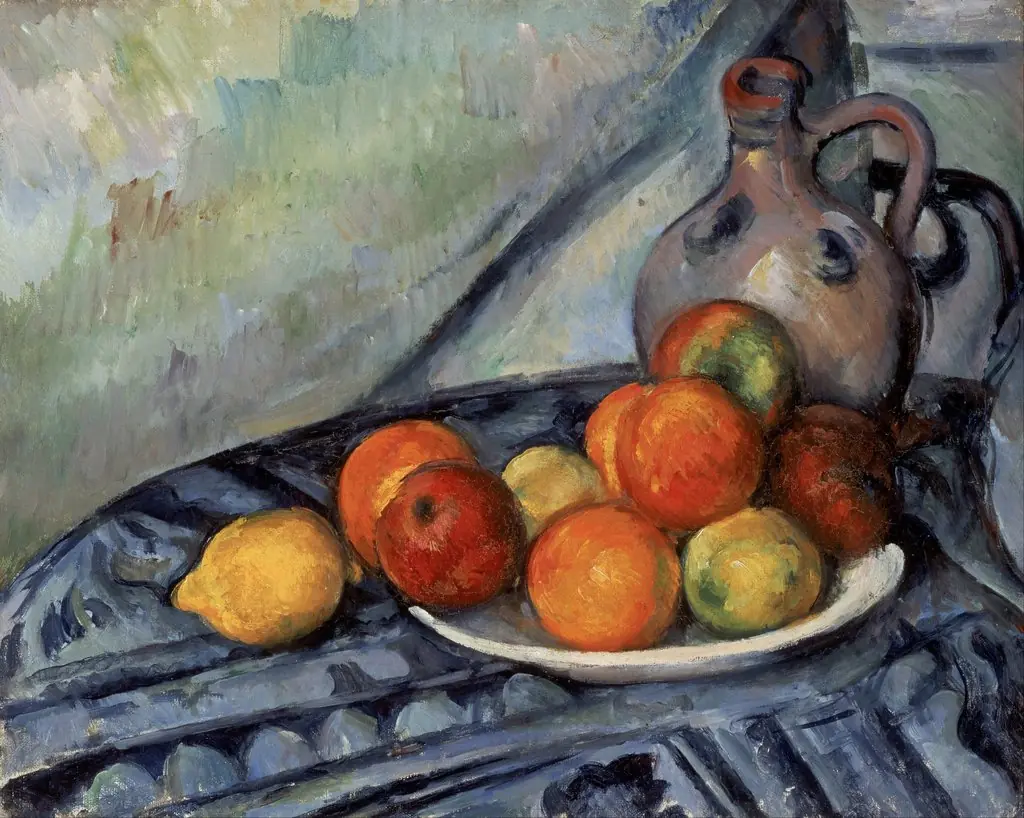 Fruit and a Jug on a Table
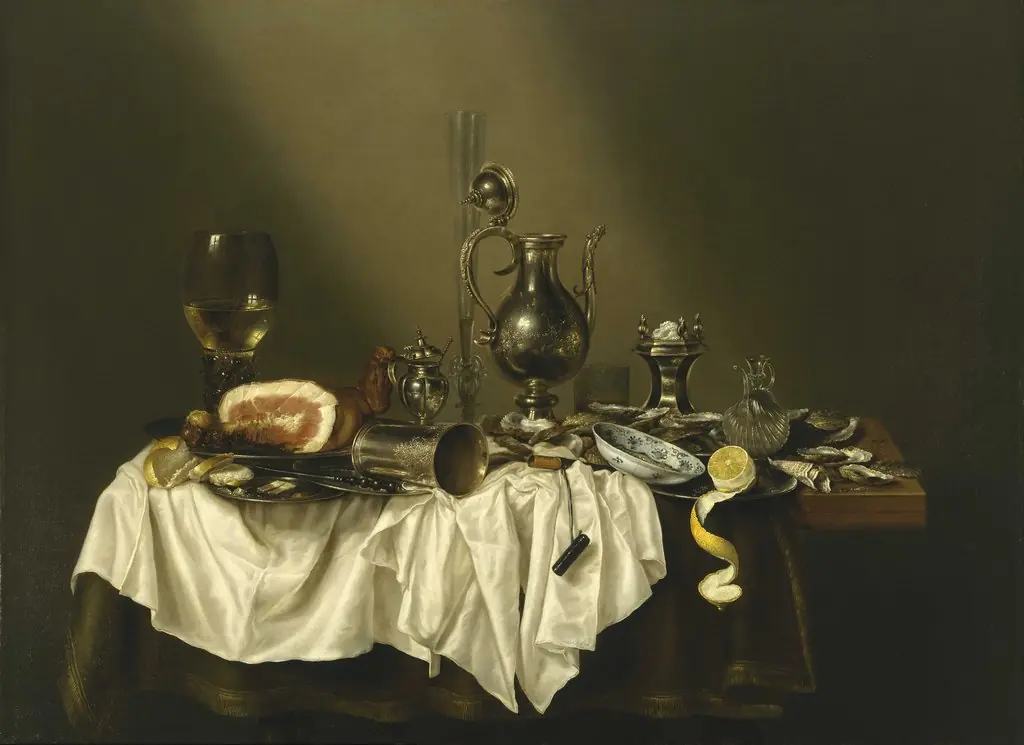 Banquet Piece with Ham
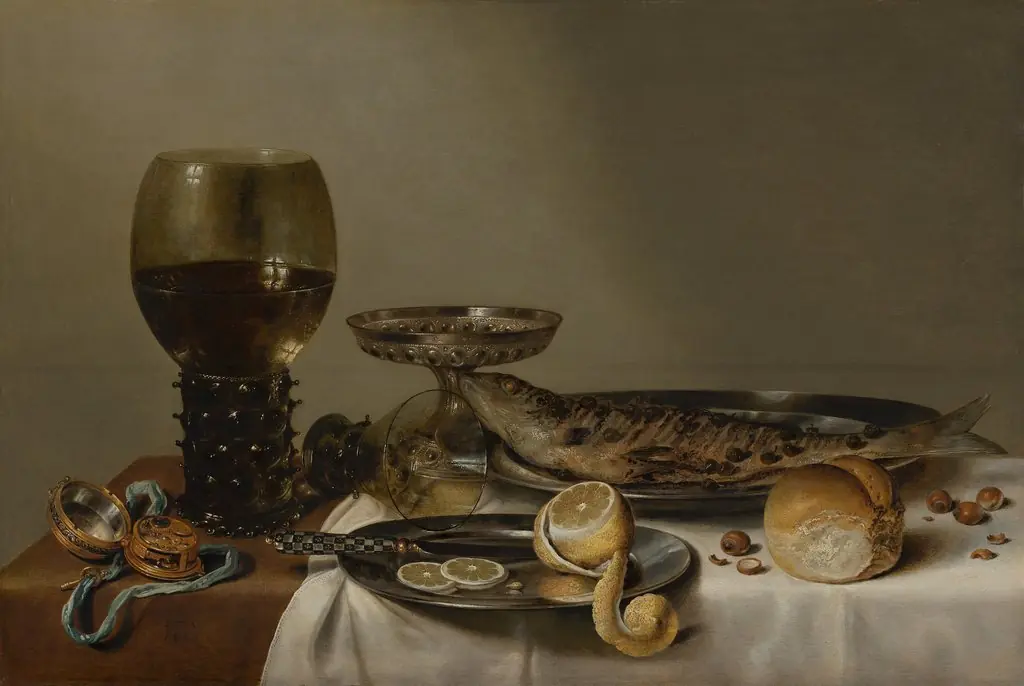 Still Life with a Roemer and a Watch
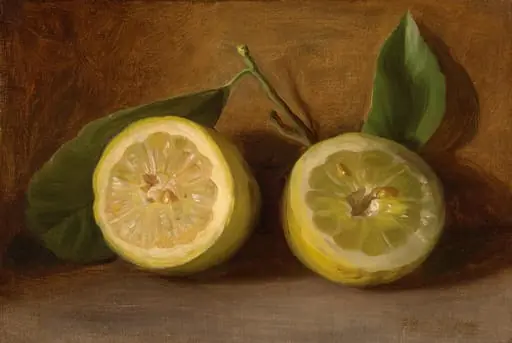 Lemons
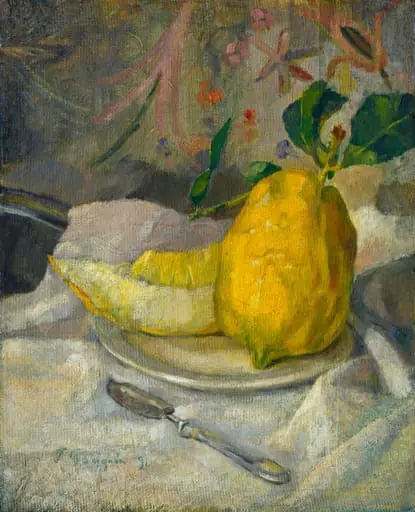 Melon and Lemon
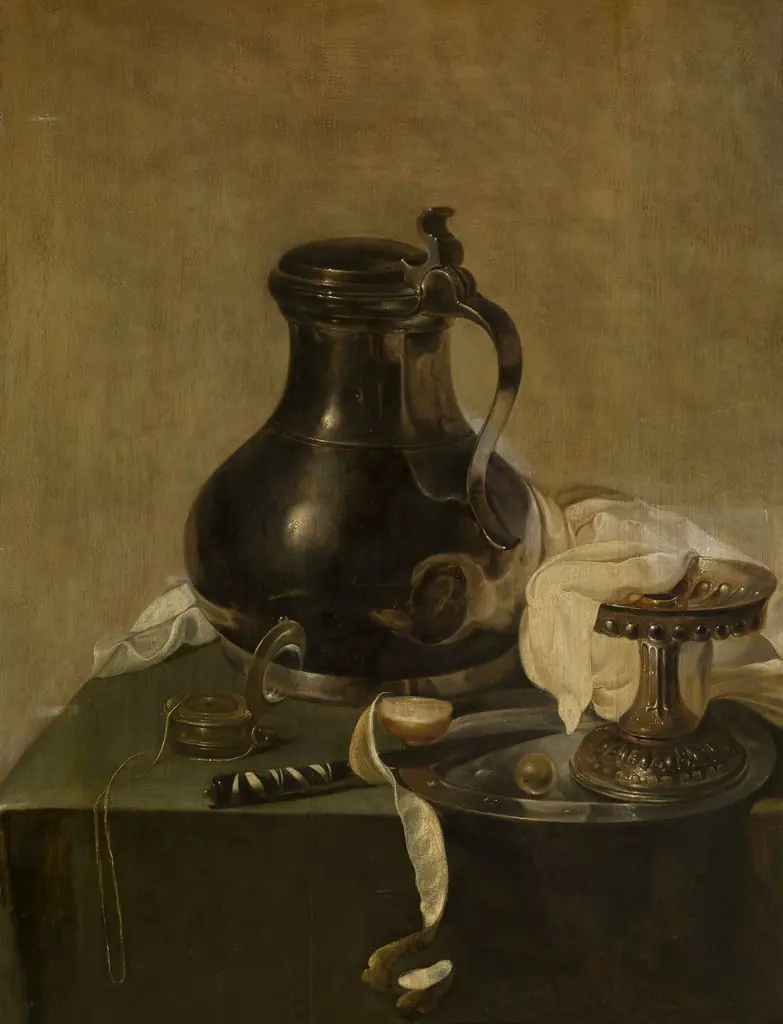 Still life with pewter jug
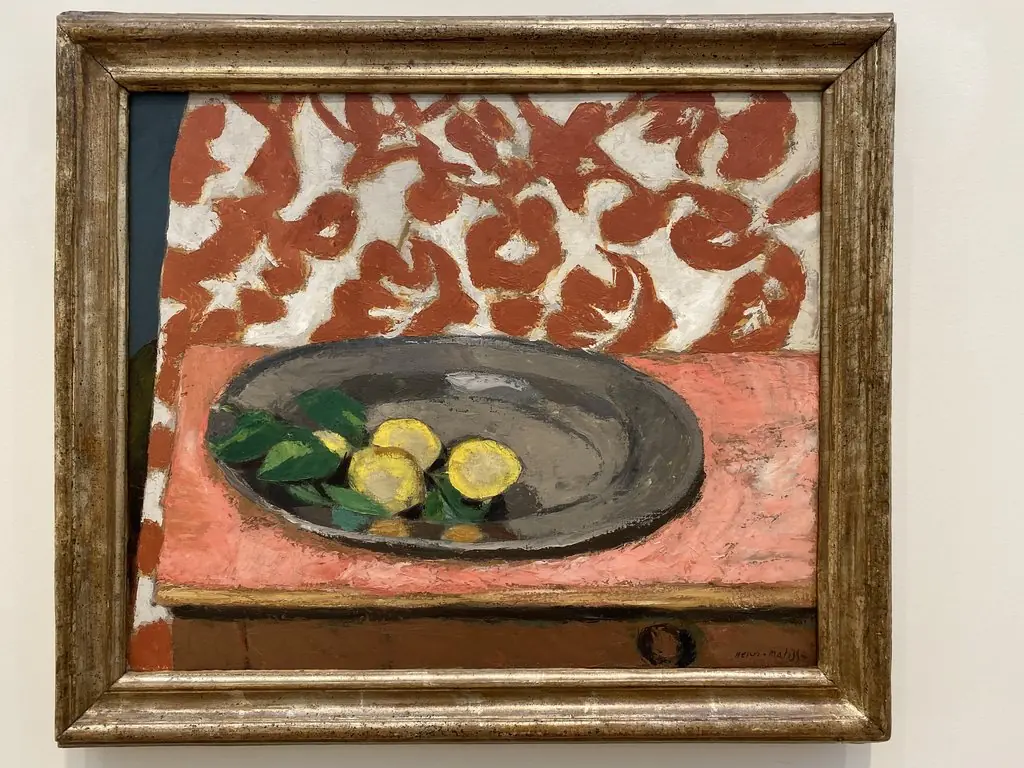 Lemons on a Pewter Plate
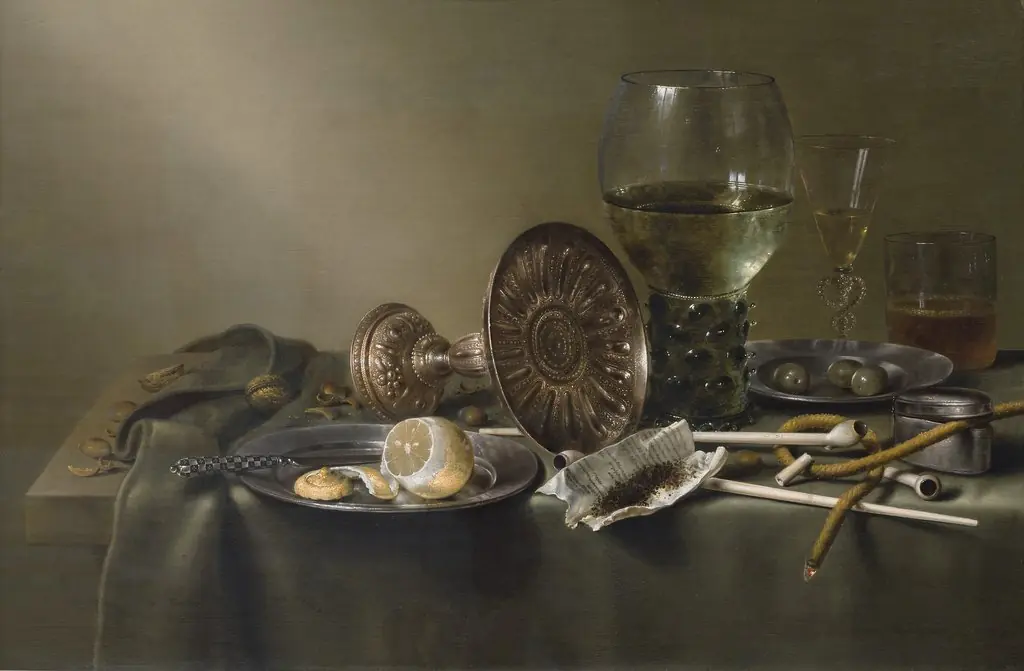 Still Life with Glasses and Tobacco
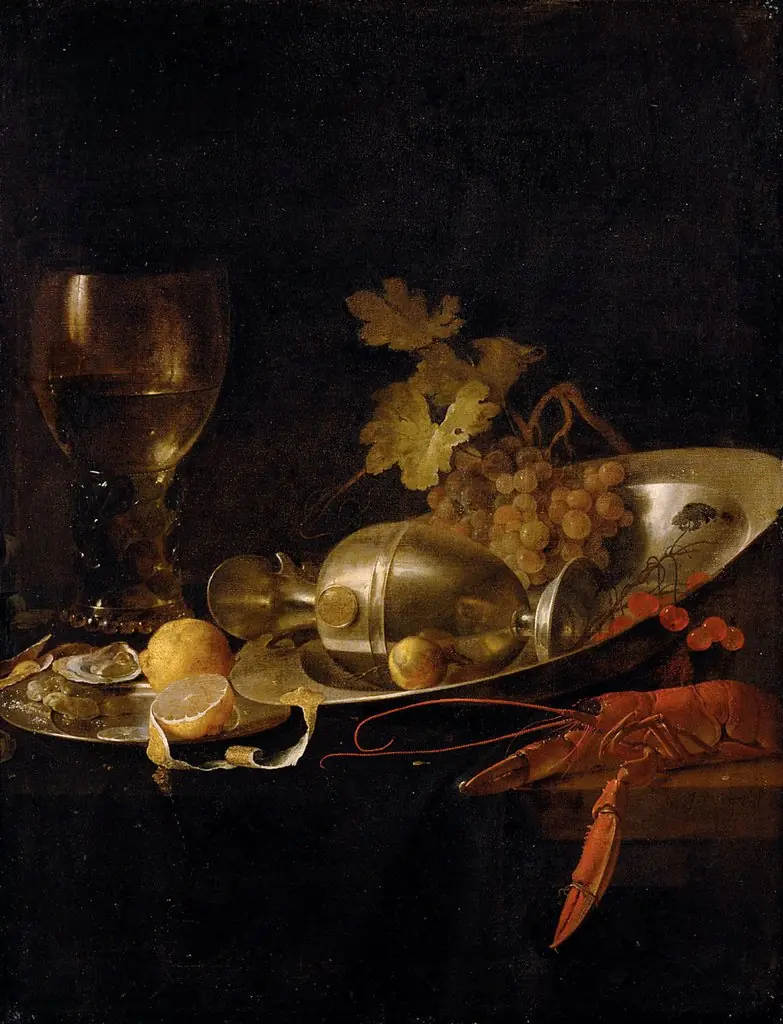 Still life with a "roemer", a fallen jug and a lobster
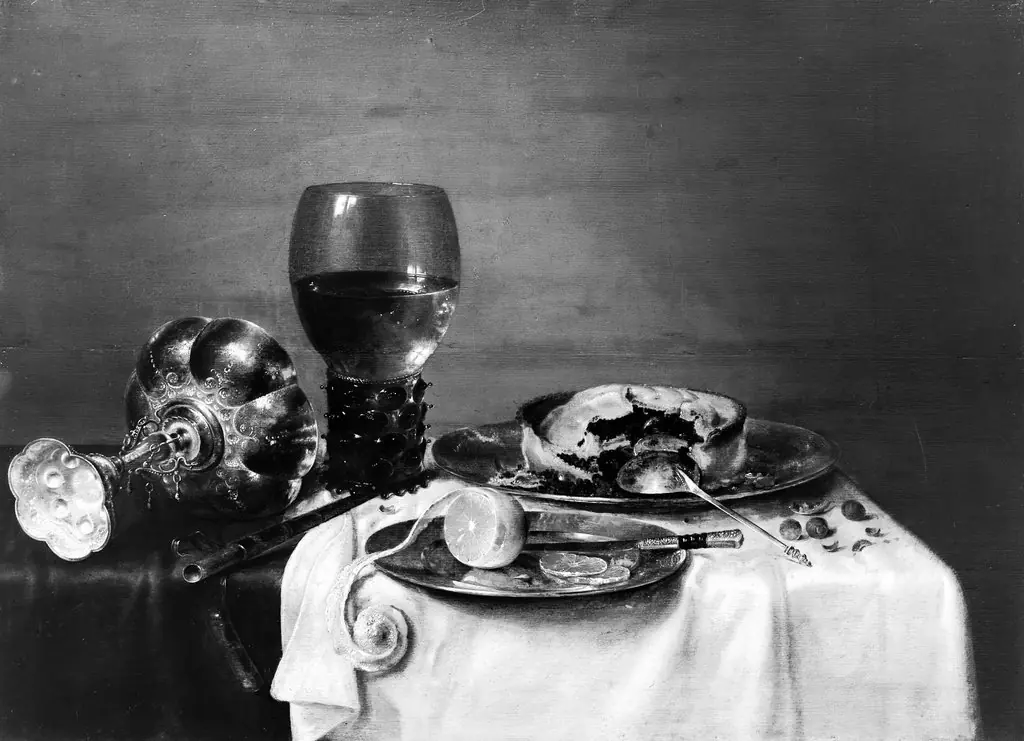 Stilleben mit Römer
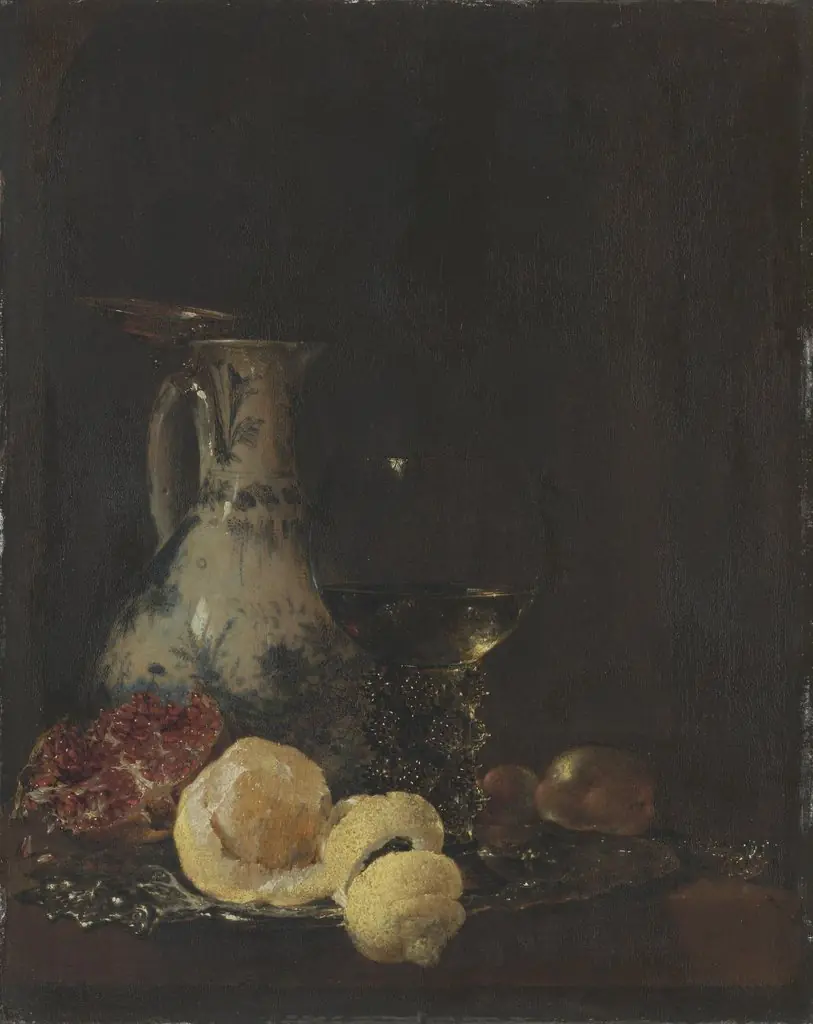 Still Life with a Ming Jug
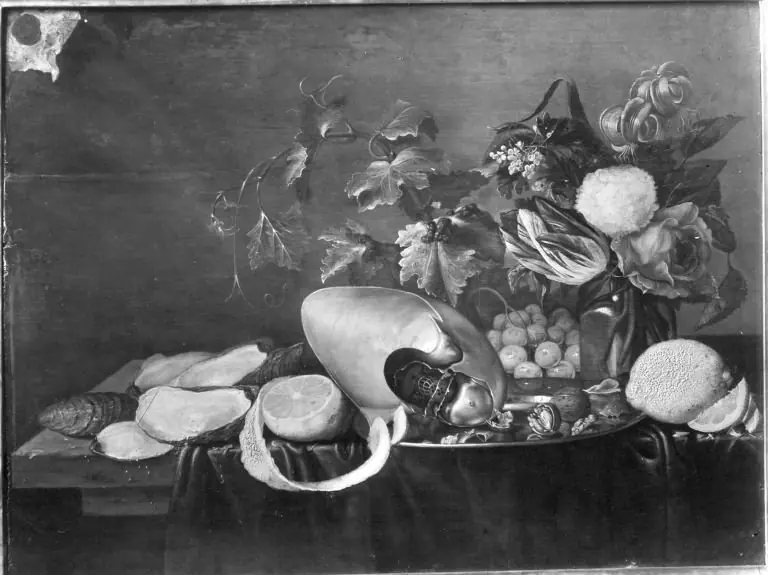 Still Life with Nautilus Shell
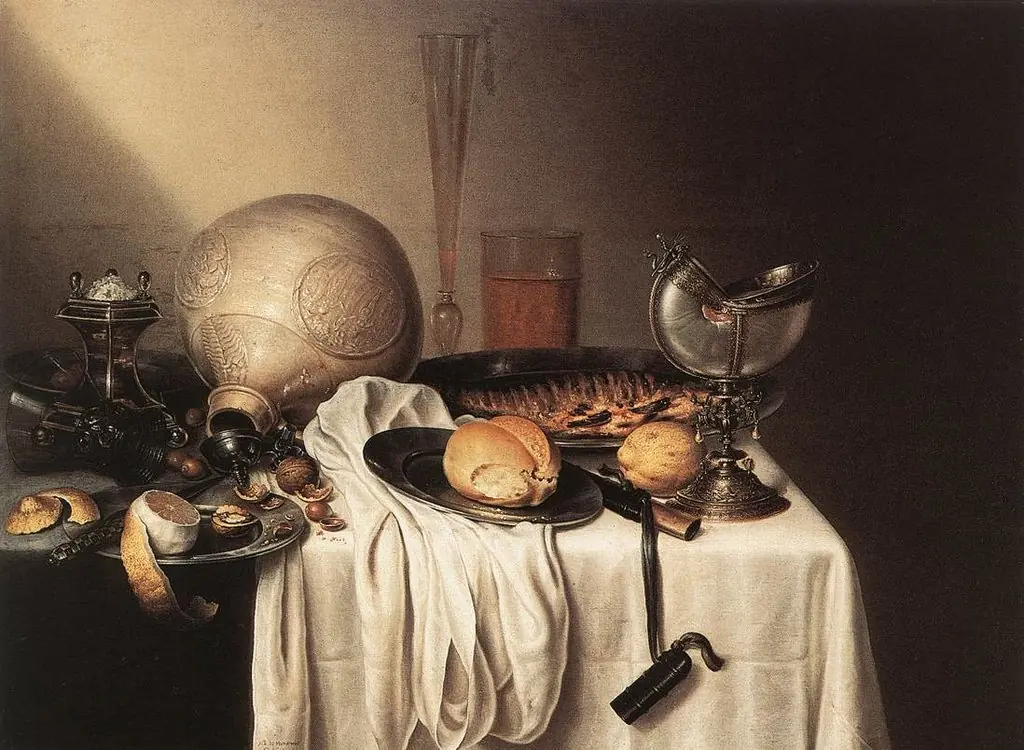 Still-Life with a Bearded Man Crock and a Nautilus Shell Cup
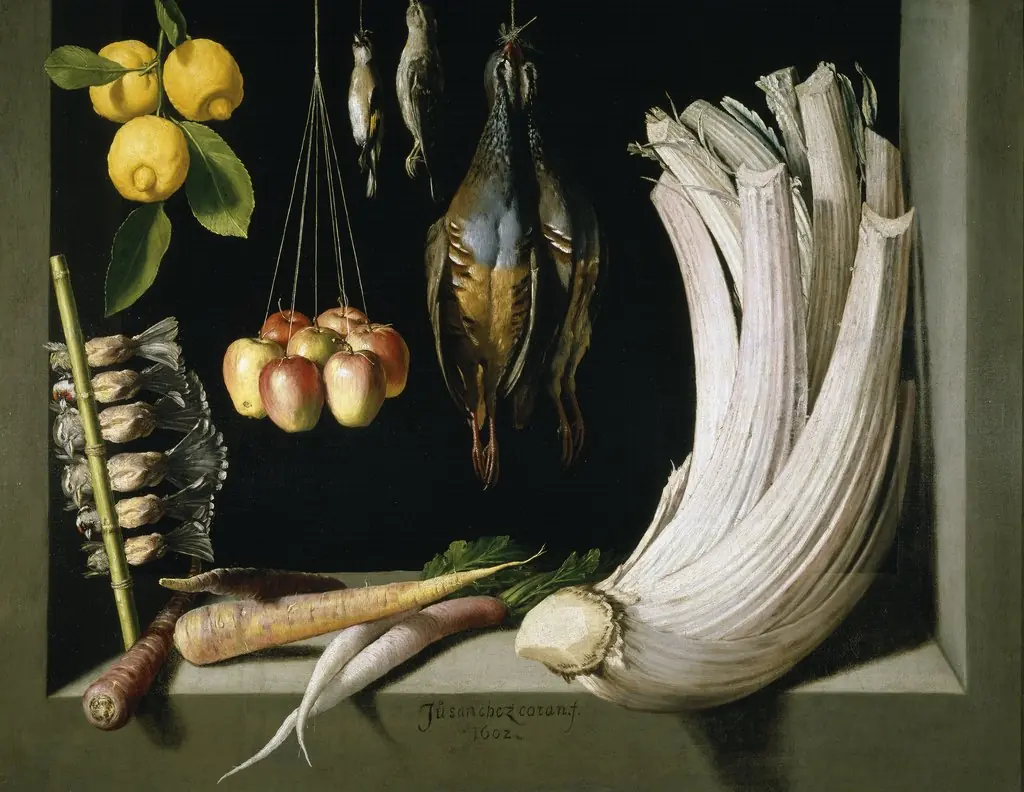 Still Life with Game Fowl,Vegetables and Fruits
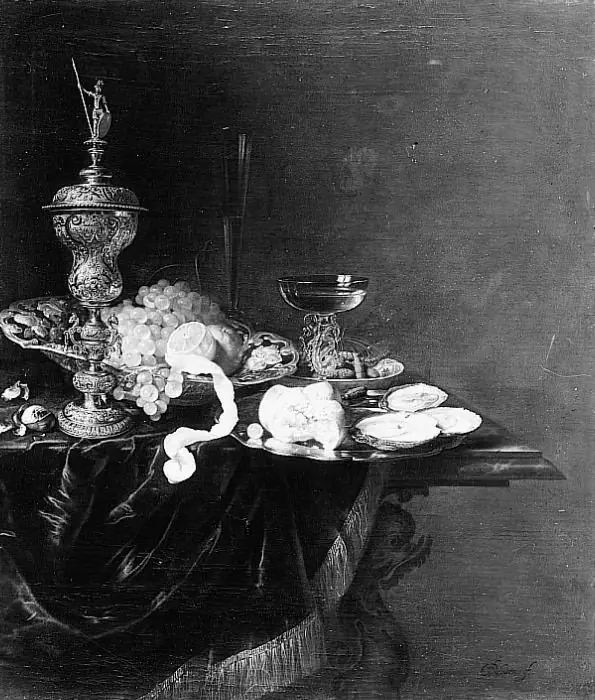 Still life with Akelei covered beaker dish of grapes, lemon and wine glasses
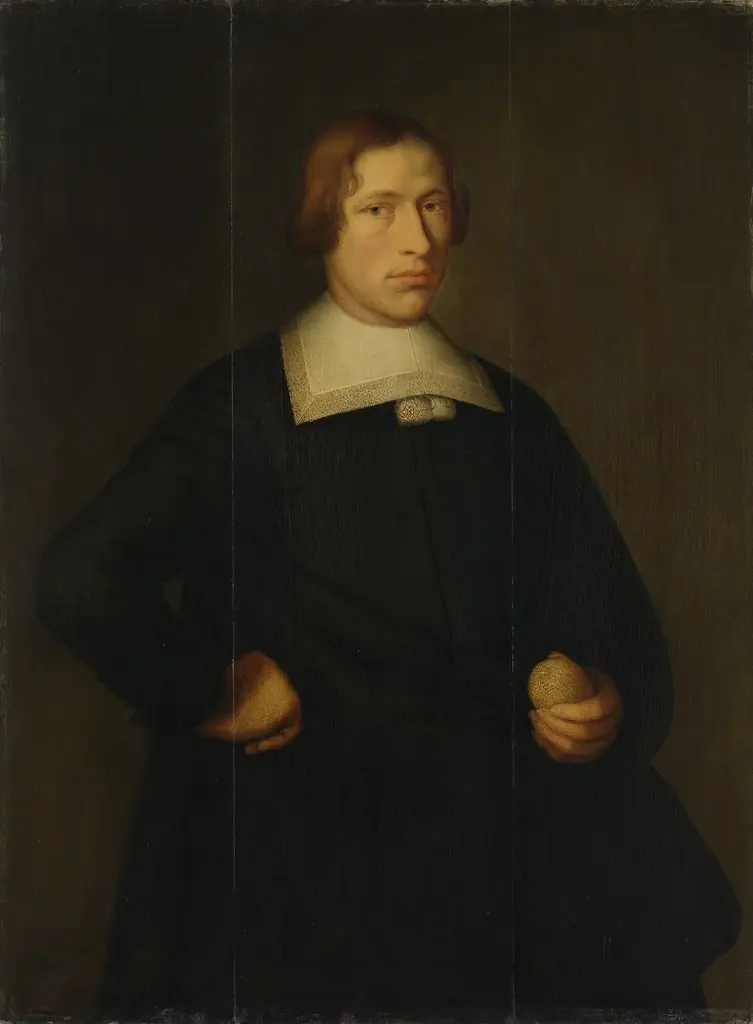 Portrait of a Young Man with a Lemon
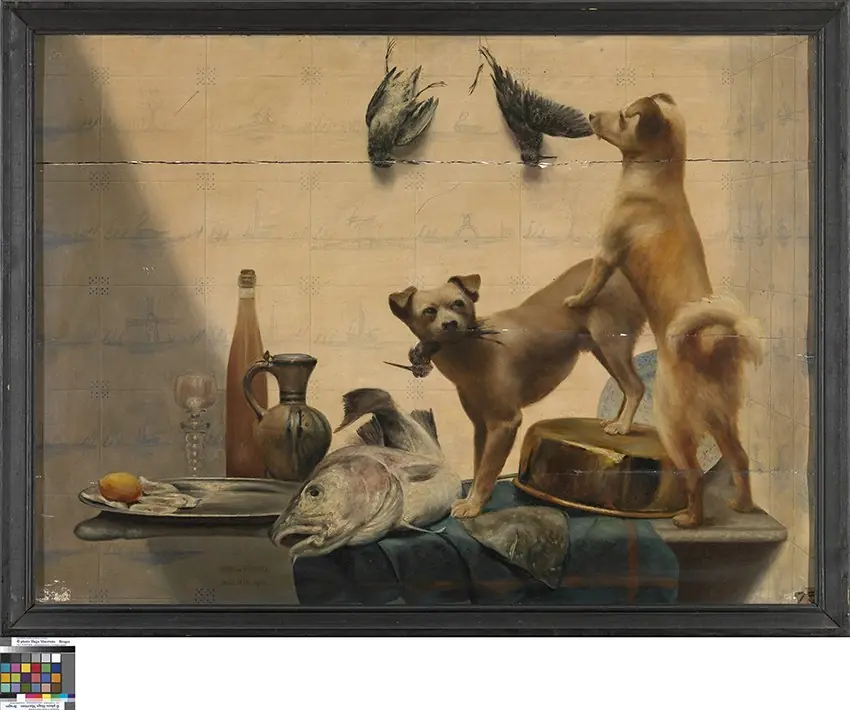 Stilleven met honden
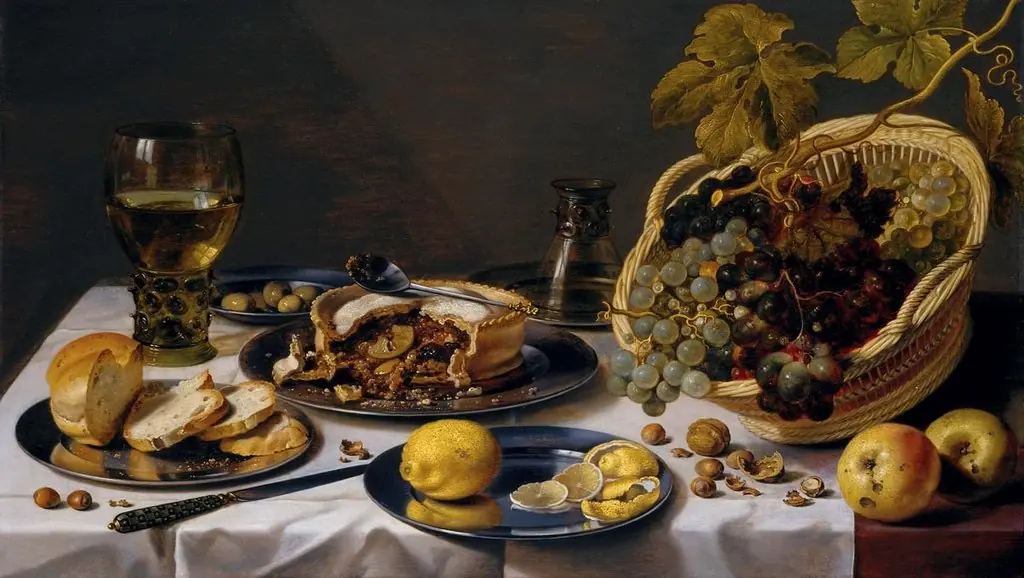 Tabletop Still Life with Mince Pie and Basket of Grapes
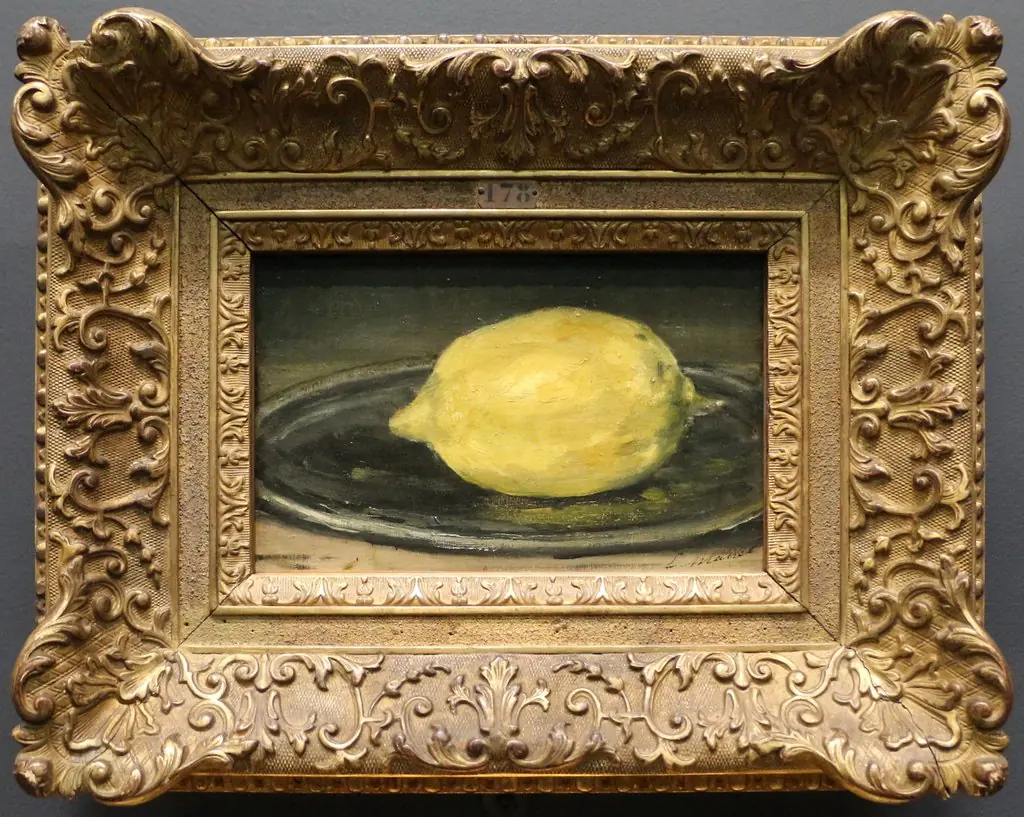 The Lemon
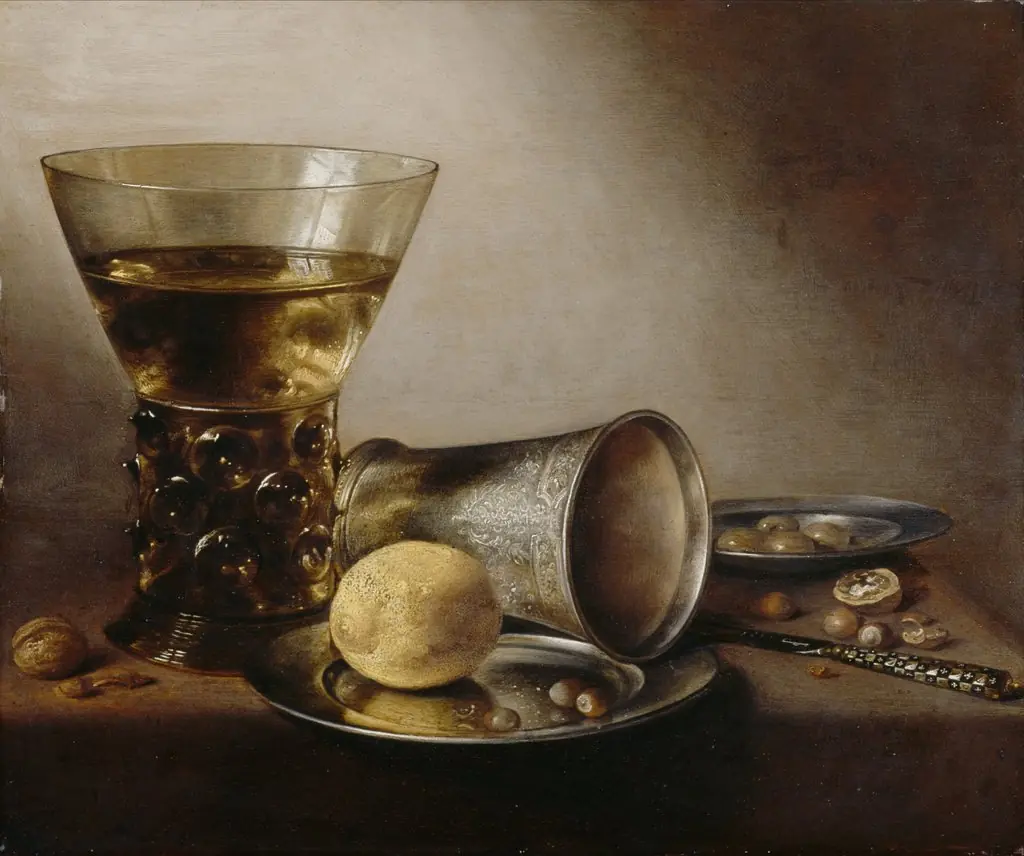 Still Life with Roemer
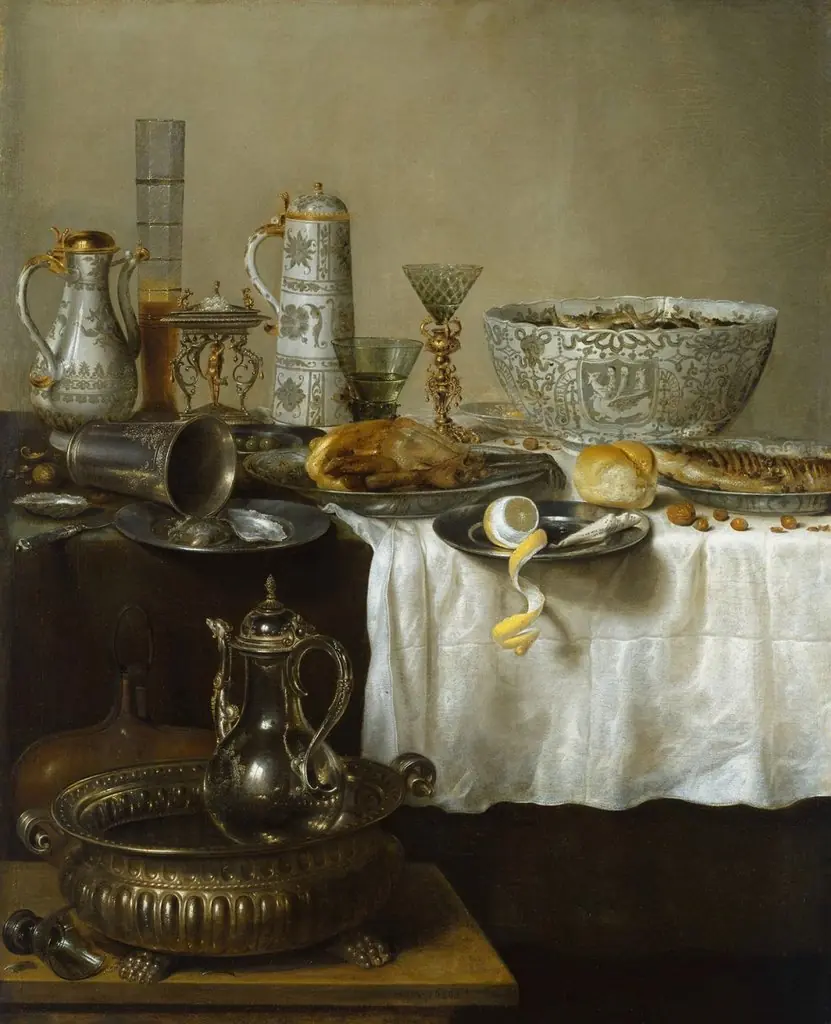 Sumptuous still life
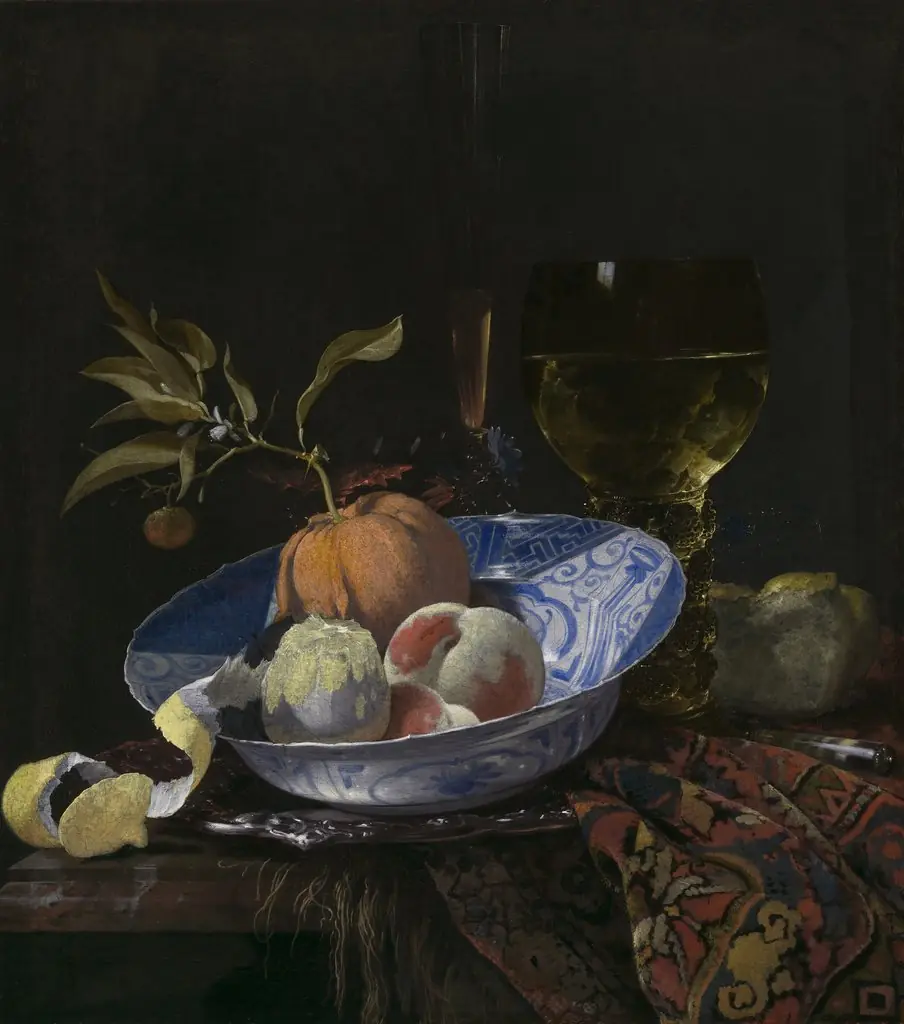 Still Life with Lemon Peel
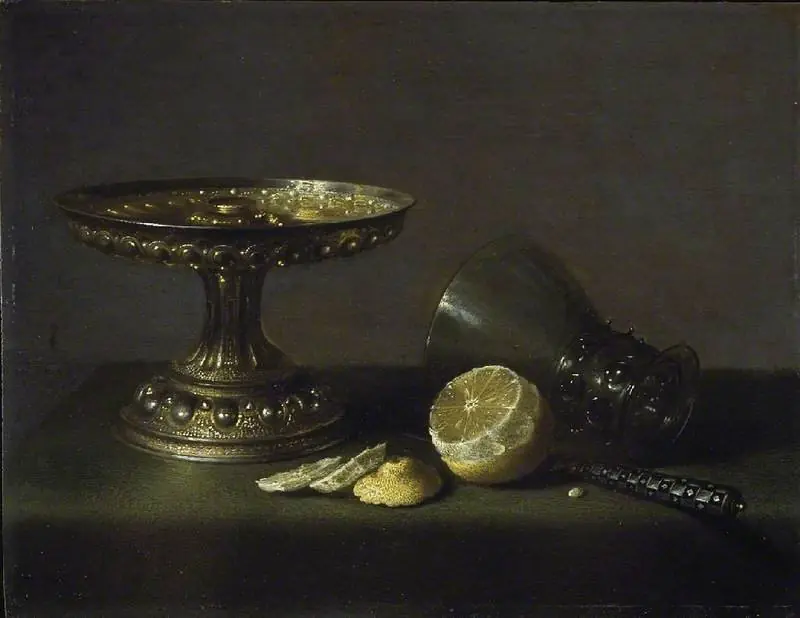 Still-life
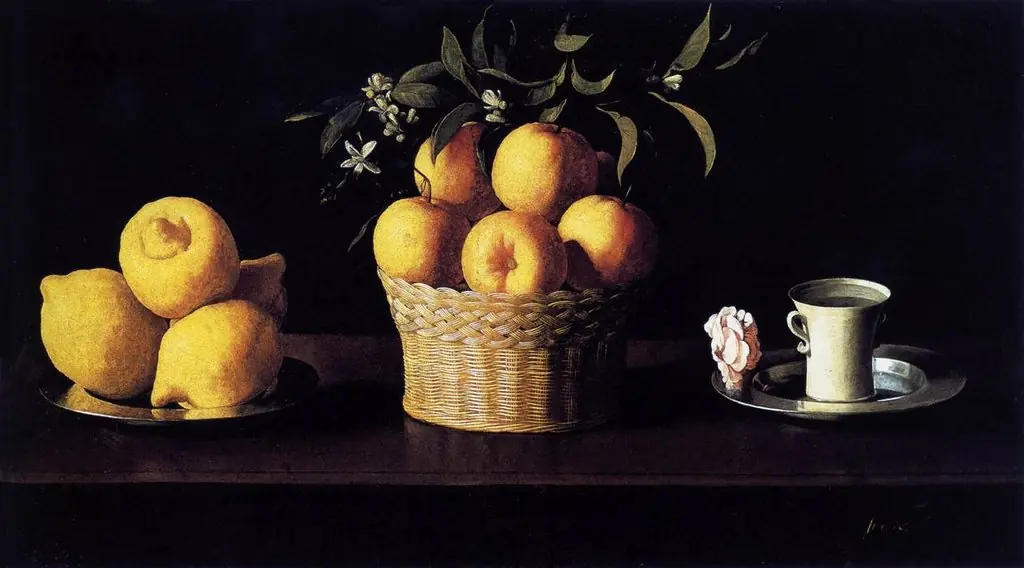 Still Life with Lemons, Oranges and a Rose
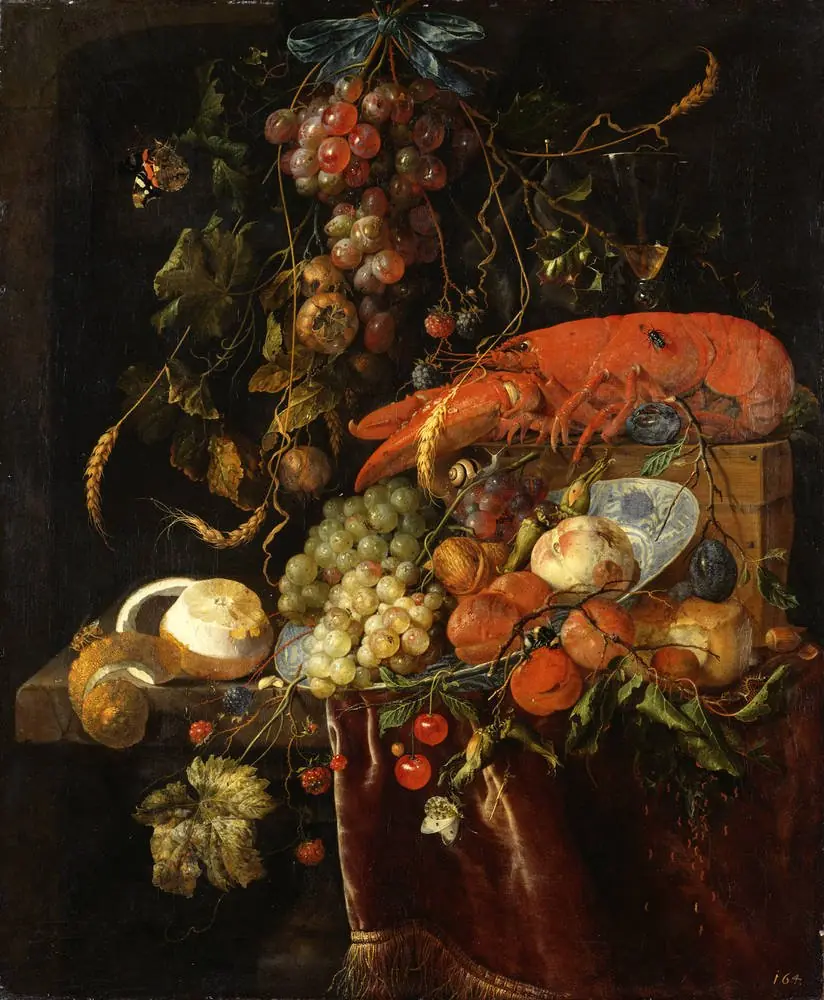 Still Life with a Lobster
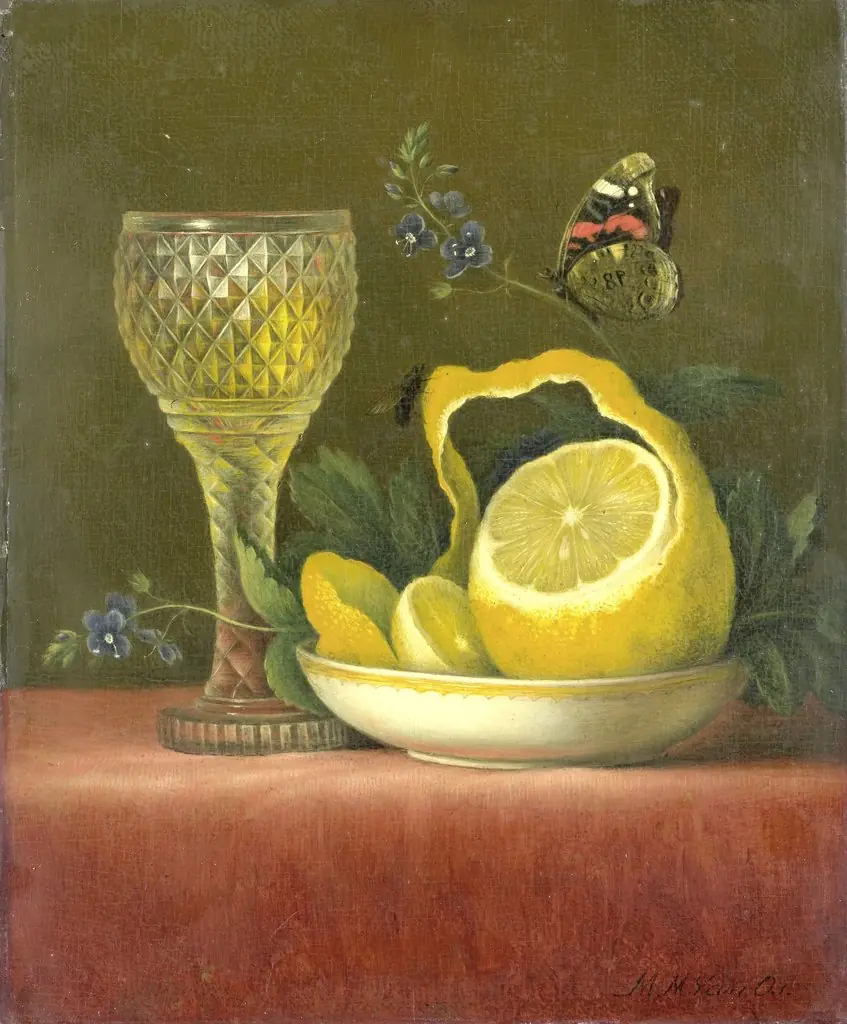 Still Life with Lemon and Cut-glass Wine Goblet
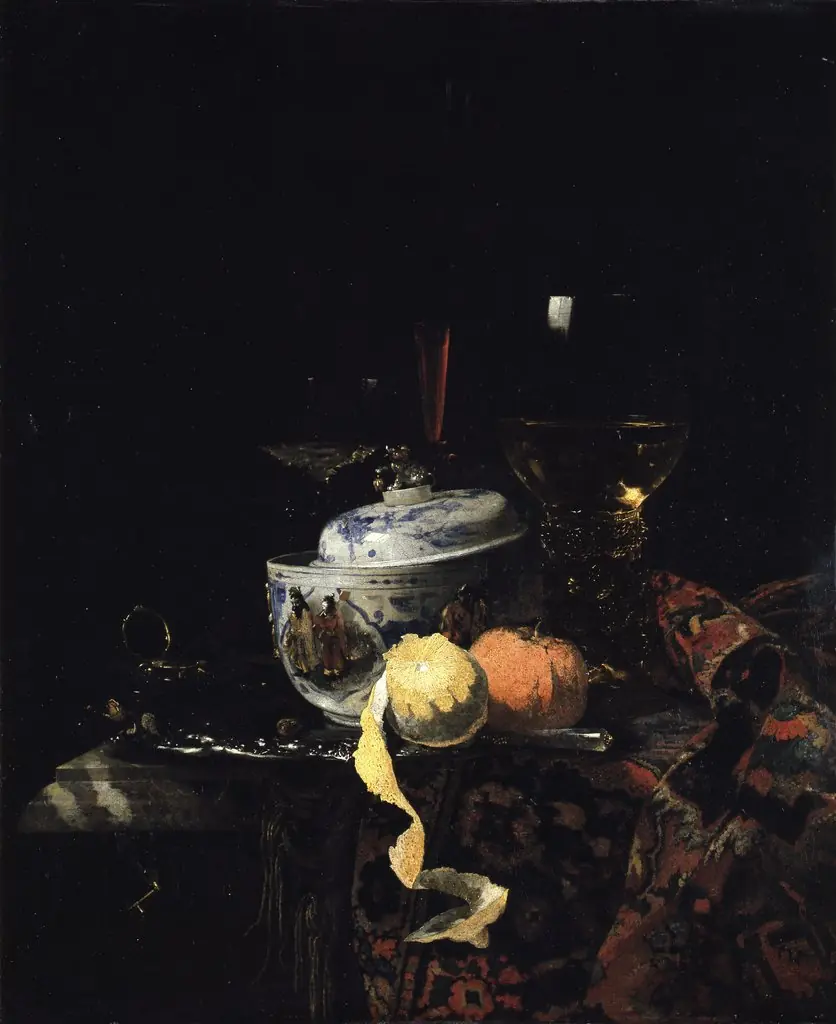 Still-Life with Chinese Porcelain Bowl
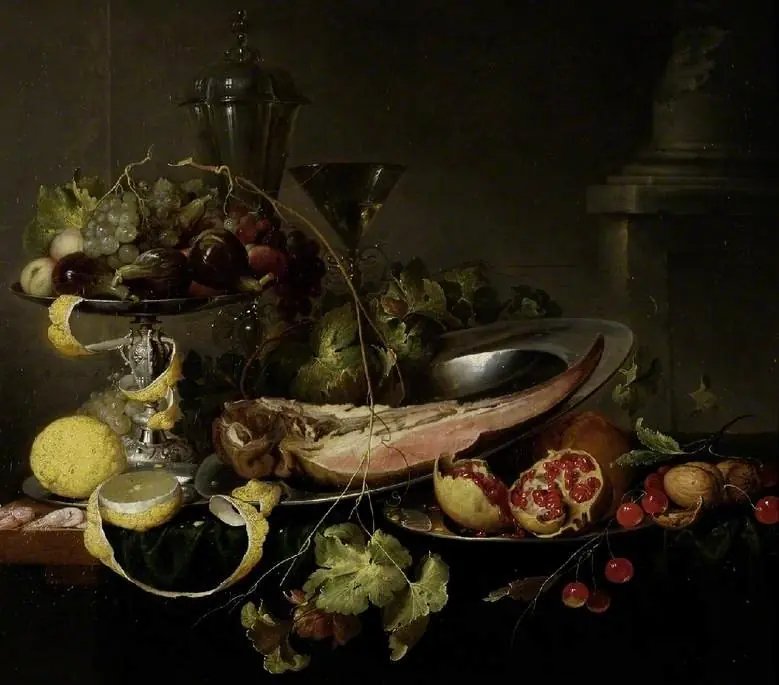 Still-life with fruit
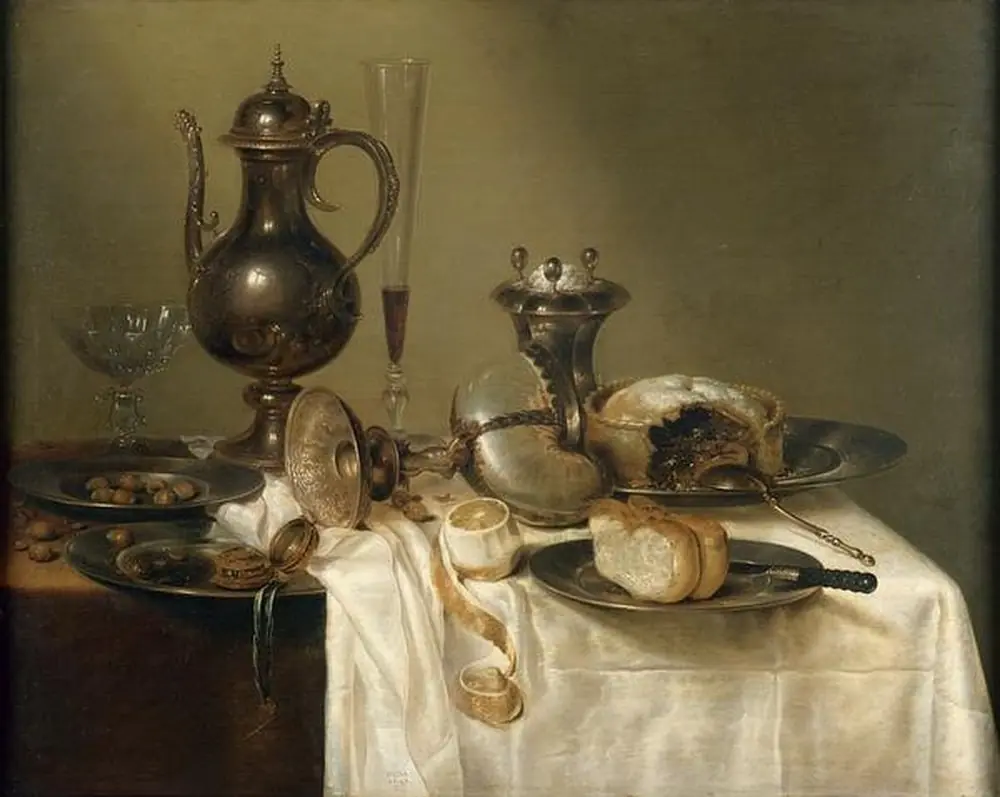 Still life with decanter, nautilus cup, wine glasses and pie
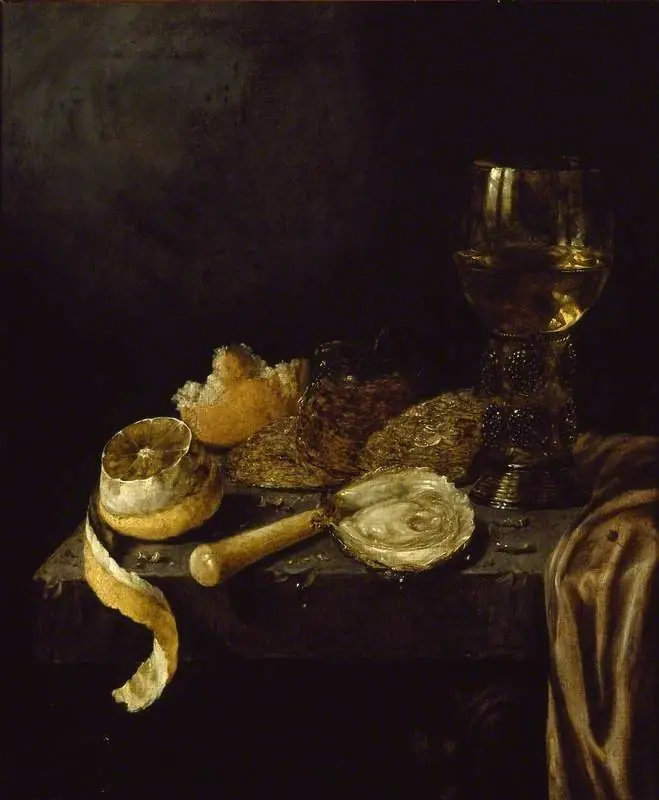 Still Life with Oysters
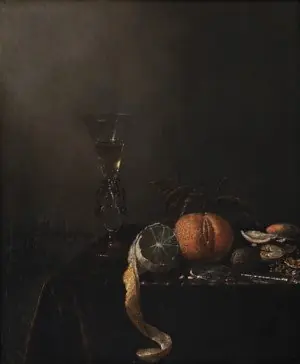 Still life with fruit and wine glass
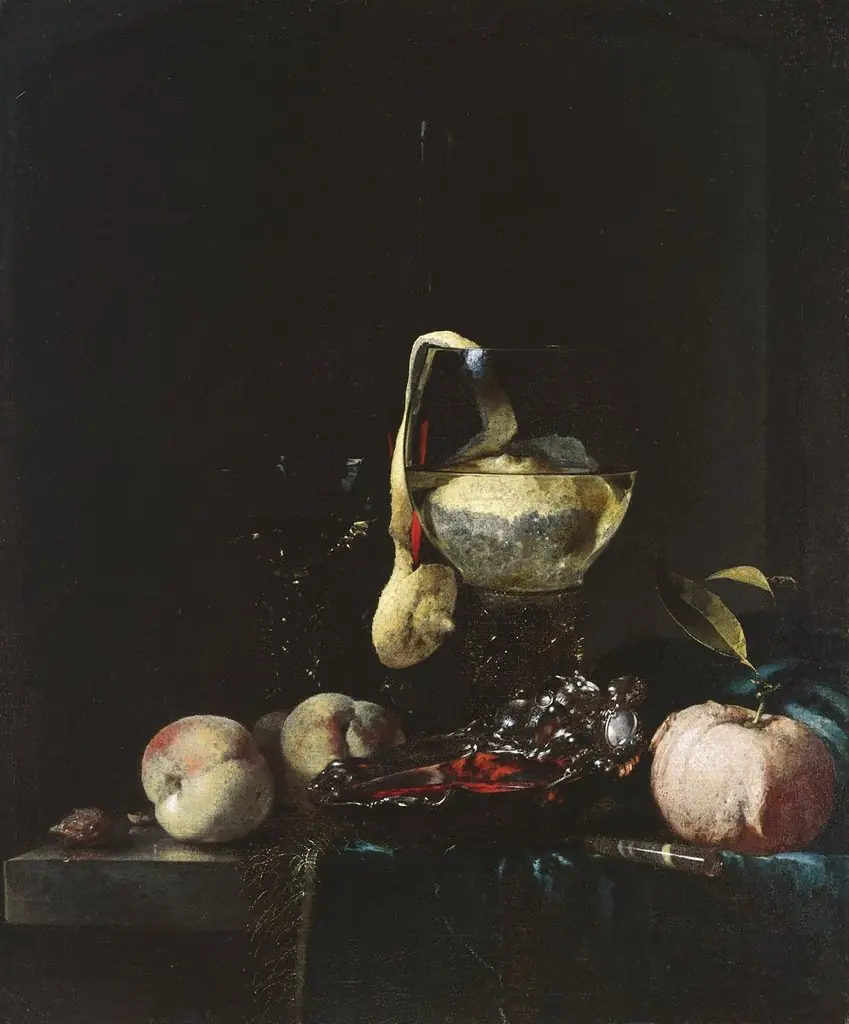 Still Life with Glasses and a Silver Bowl
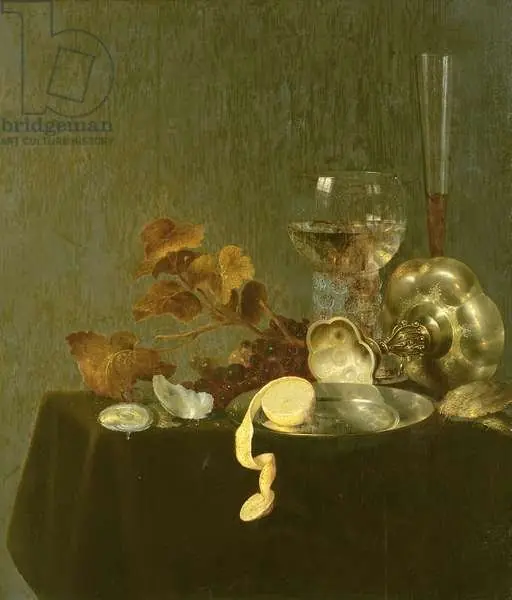 Still life with roemer and tazza
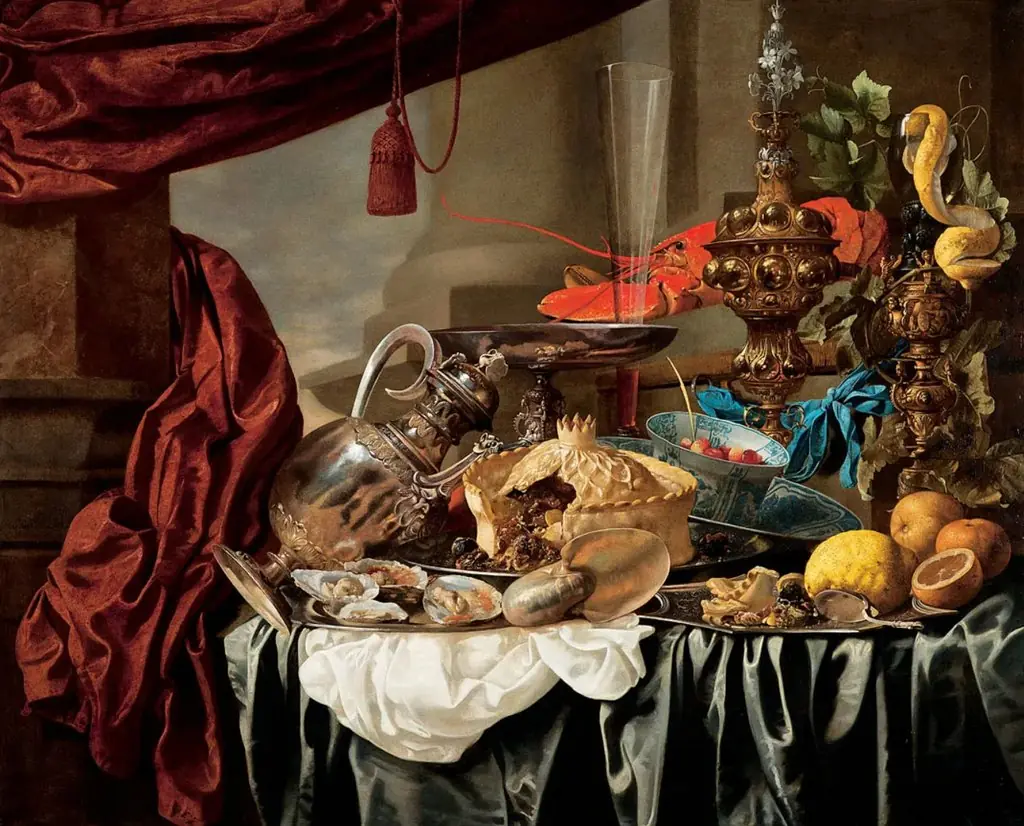 Opulent Still-Life with Silvergilt objects, Nautilus Shell, Porcelain, Pie, Fruit and Fish on a Draped Table
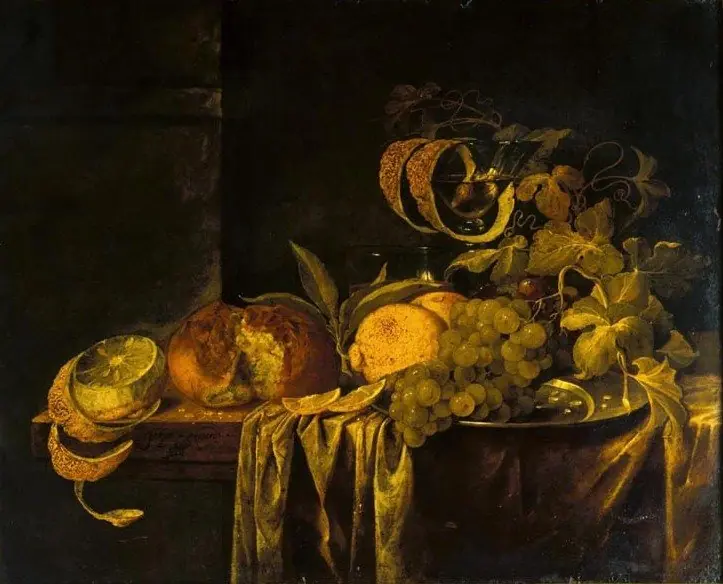 Still life with fruit, bread, and glassware
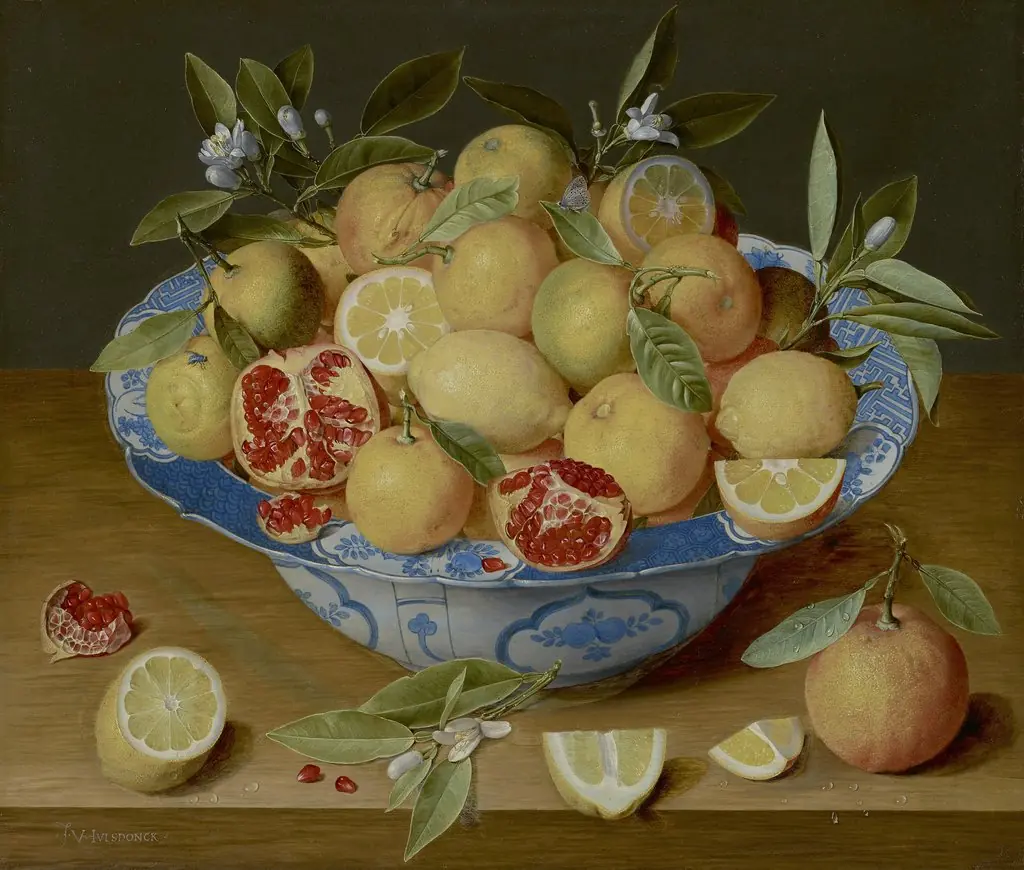 Still Life with Lemons, Oranges and a Pomegranate
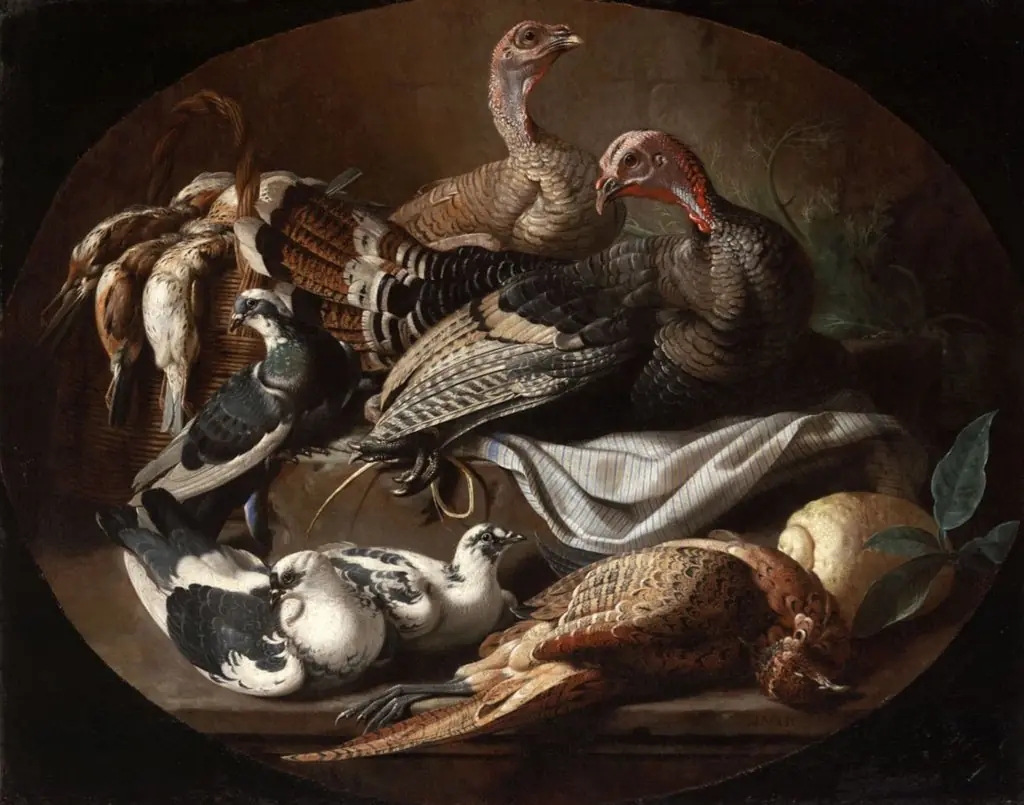 Still Life with Dead and Living Fowl
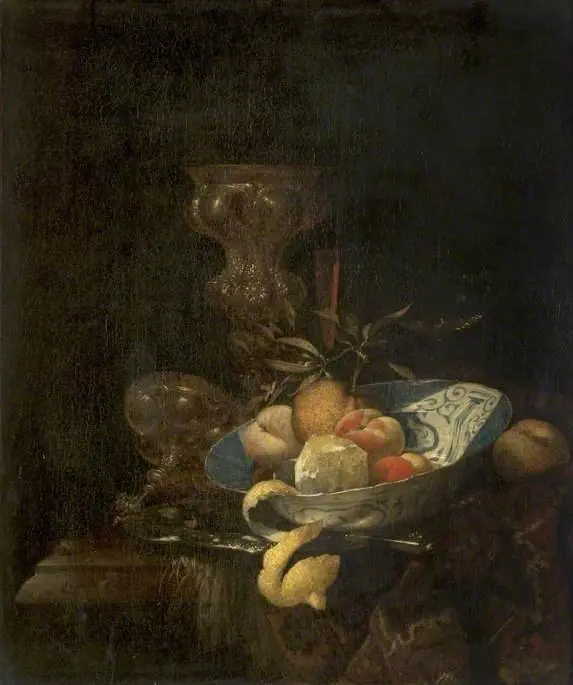 Still Life of Silver-Gilt Goblet, Porcelain Bowl, Glassware and Peeled Orange
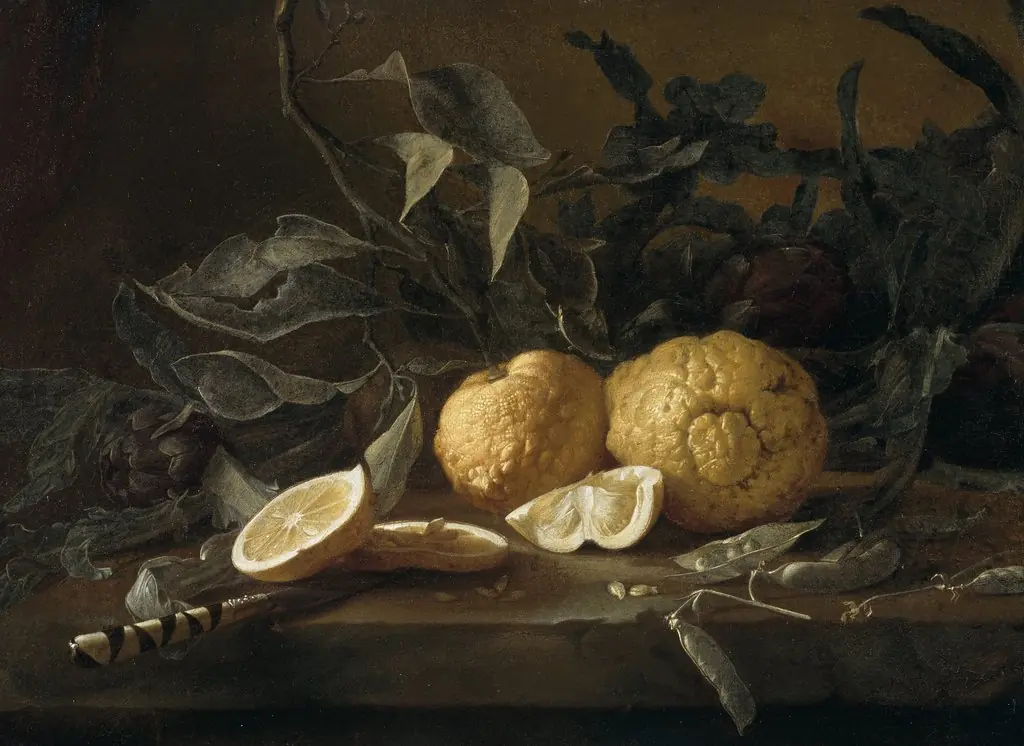 A Still Life with Citrons, a Knife and Peapods on a Stone Ledge
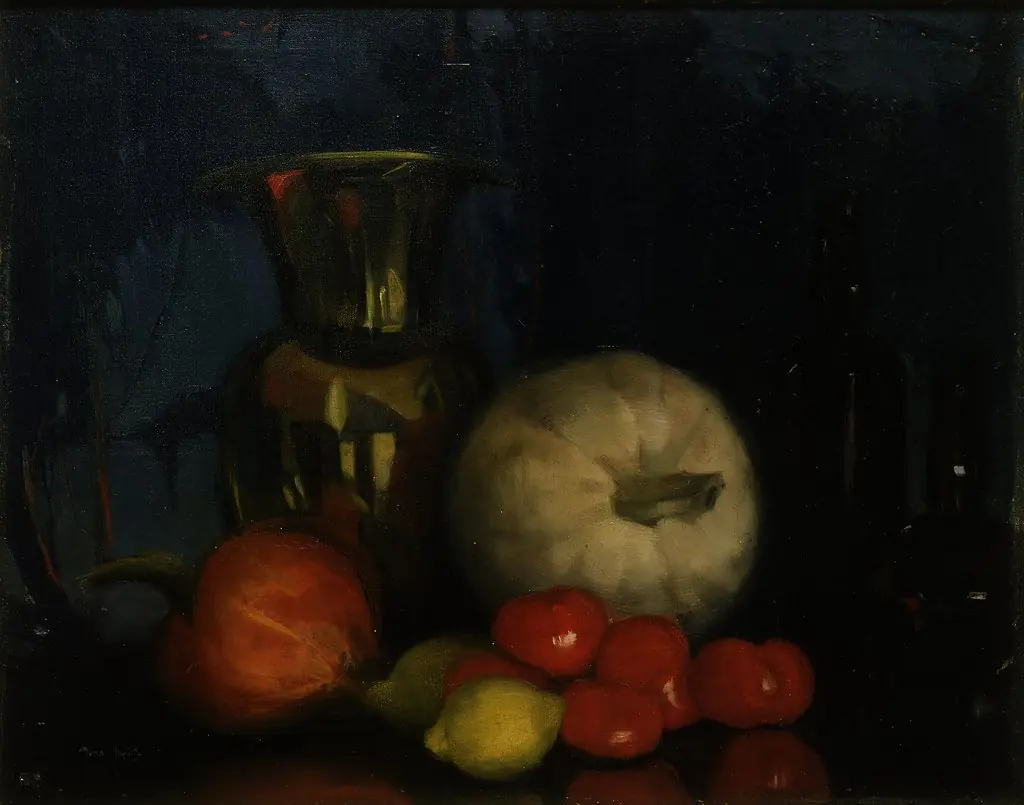 Decorative group
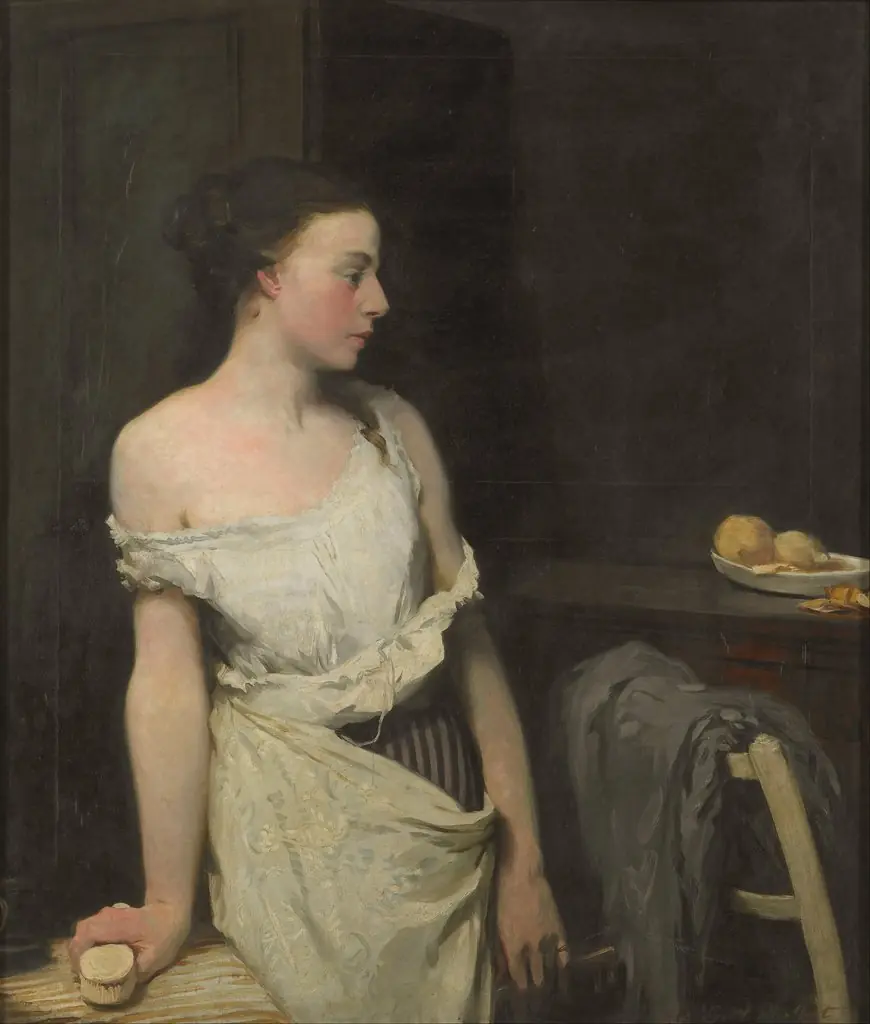 Girl at her toilet
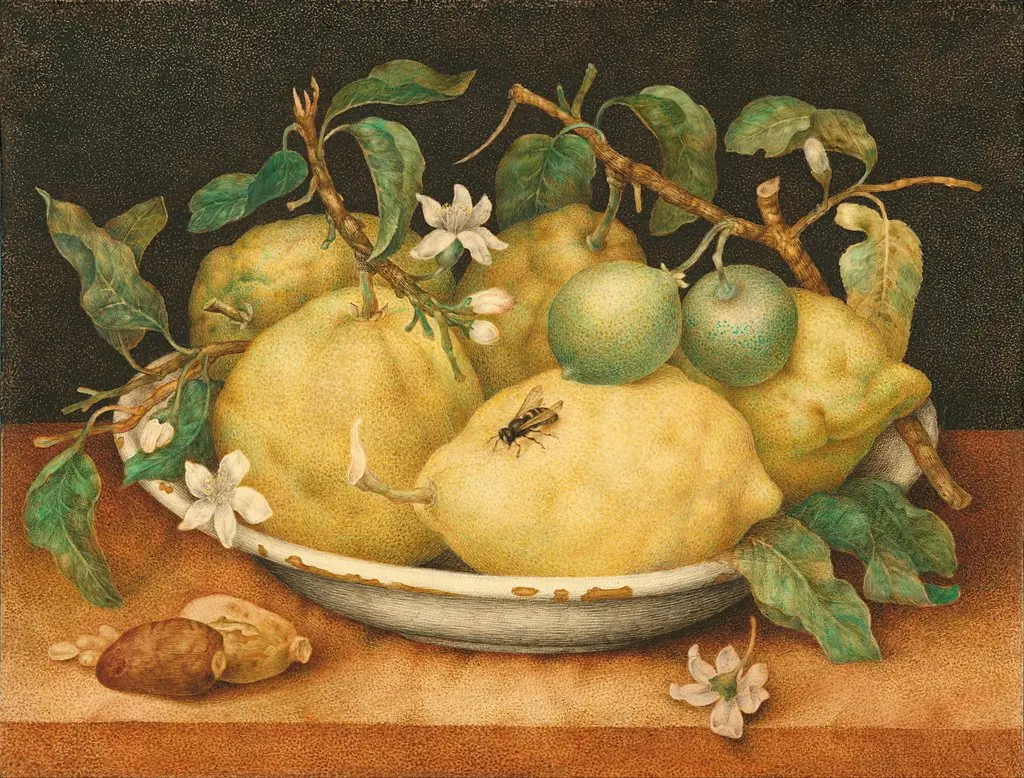 Still Life with Bowl of Citrons
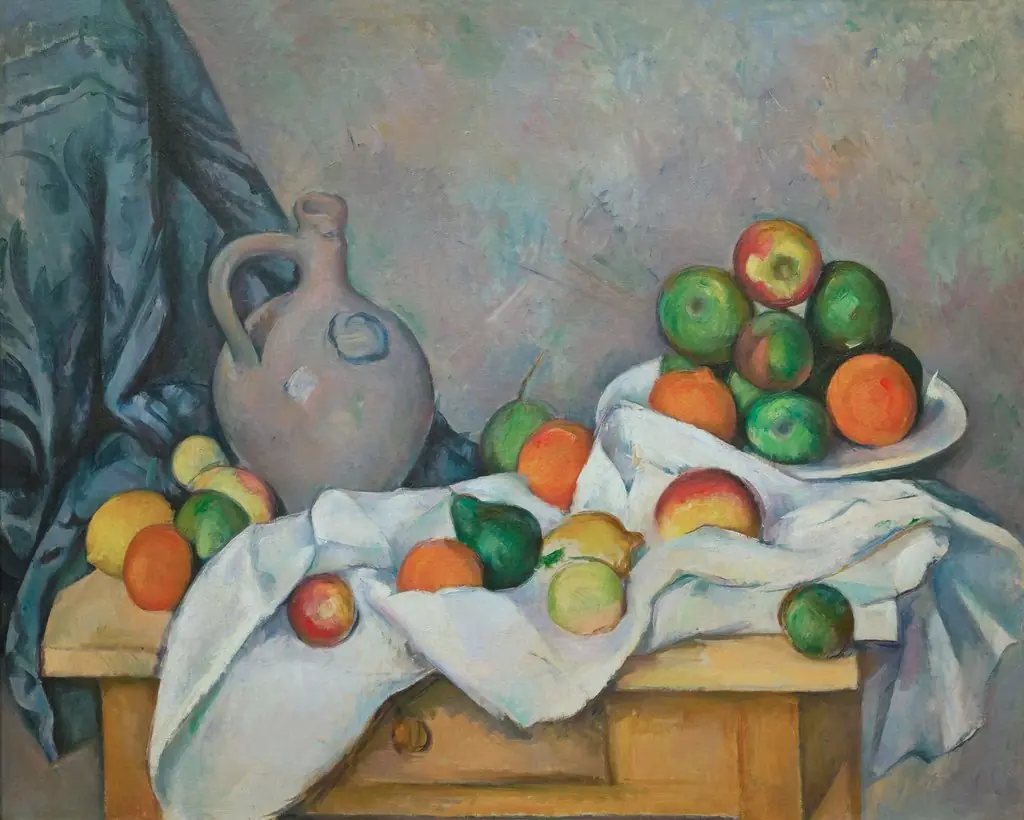 Rideau, Cruchon et Compotier
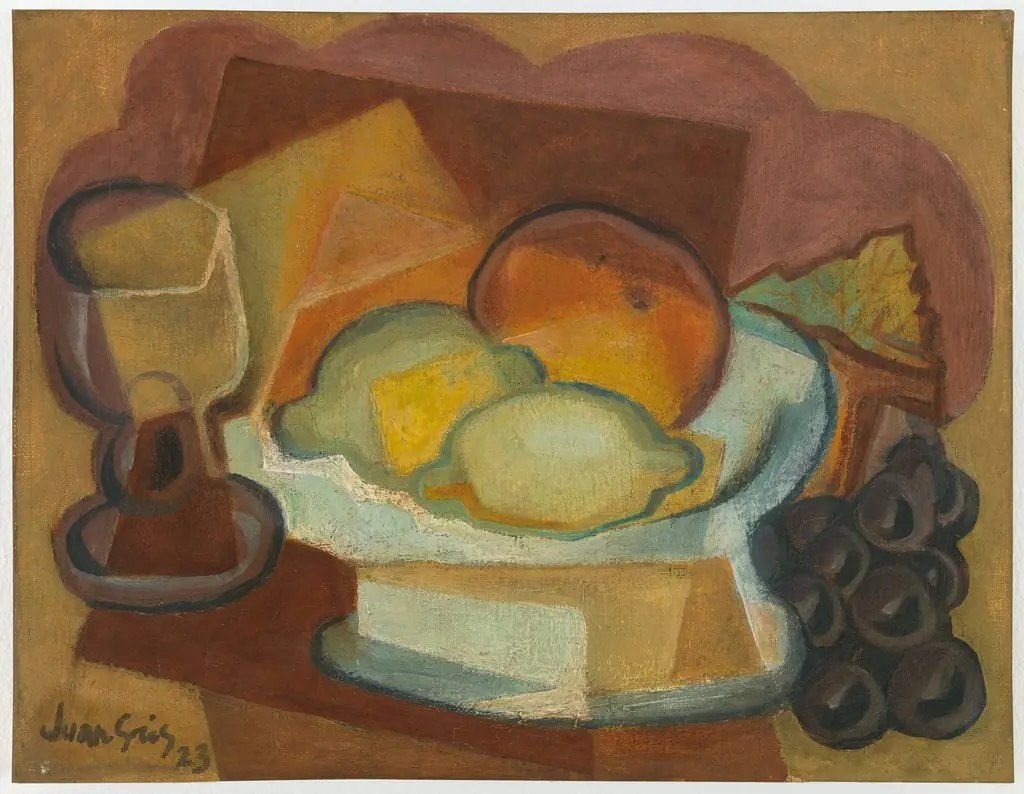 Fruit Dish and Glass (Still Life with Lemons)
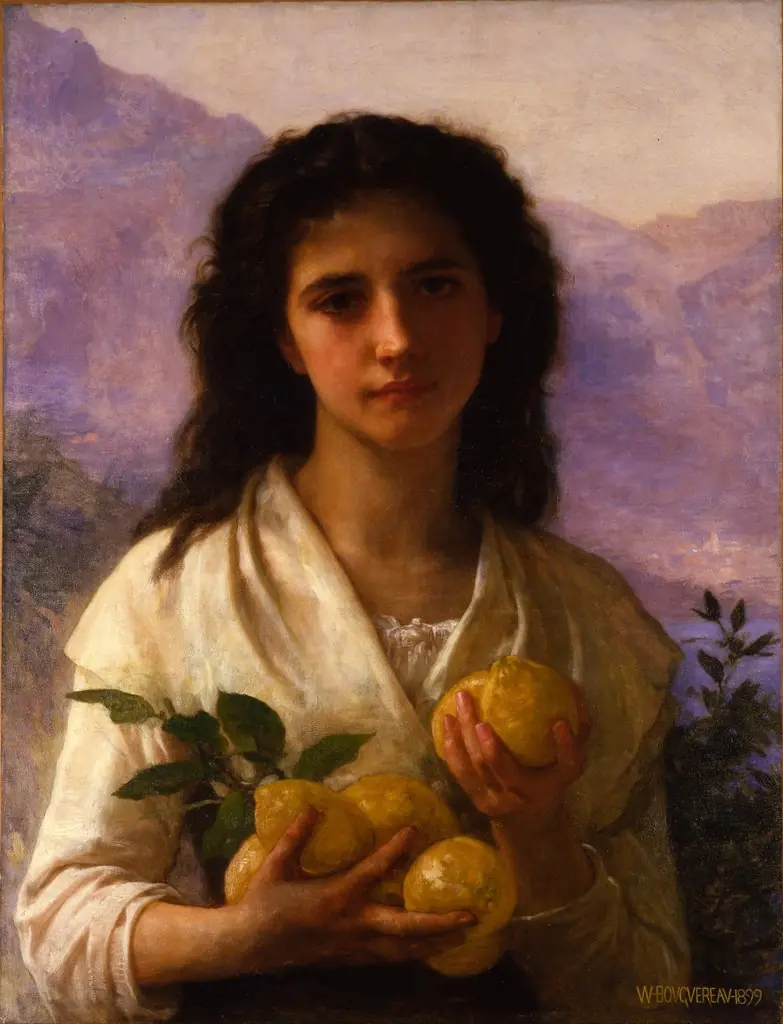 Girl Holding Lemons
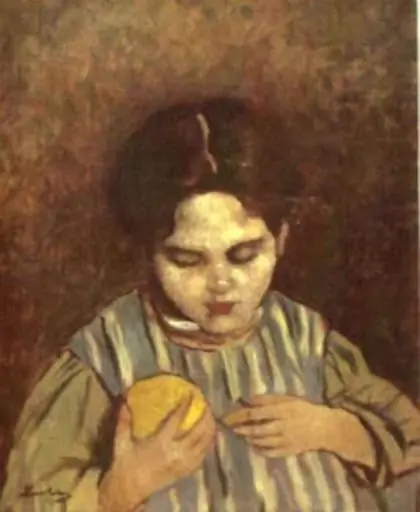 Lica cu portocala
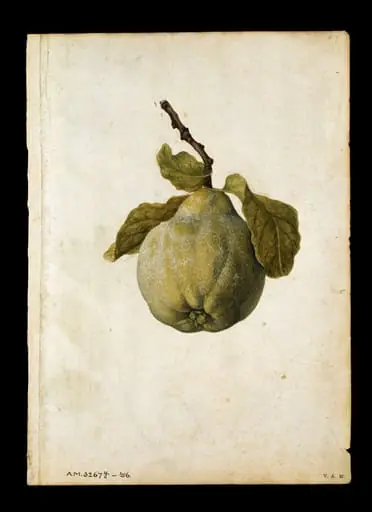 Quince; Apple
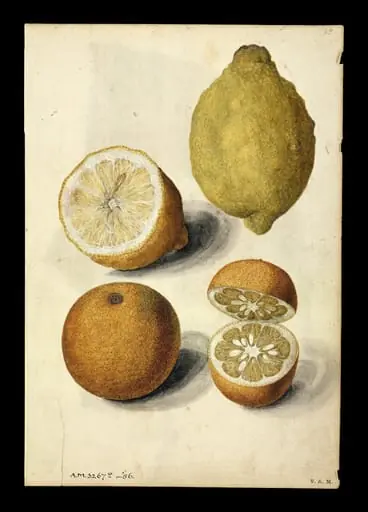 Lemon and orange; Mulberry branch
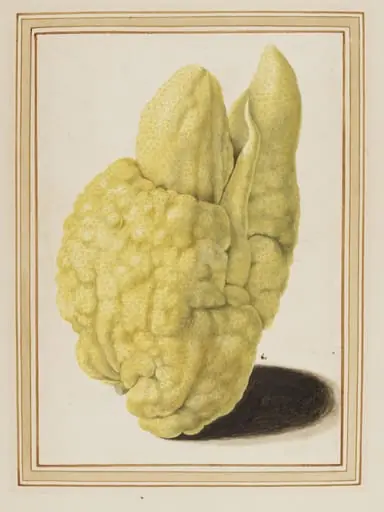 Citron
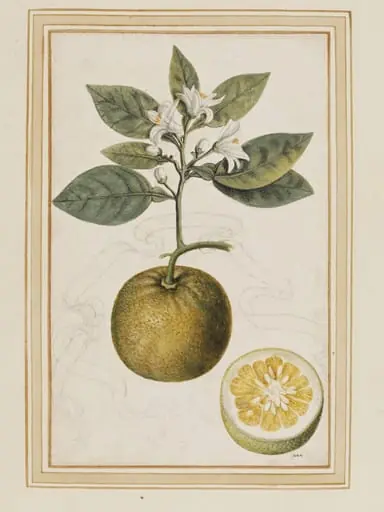 Sour orange
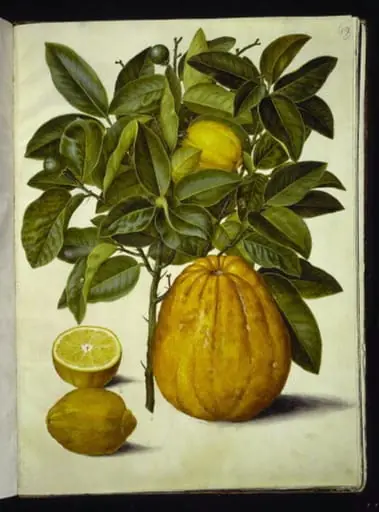 Citrus limon (almindelig citron); Citrus maxima (pompelmus)
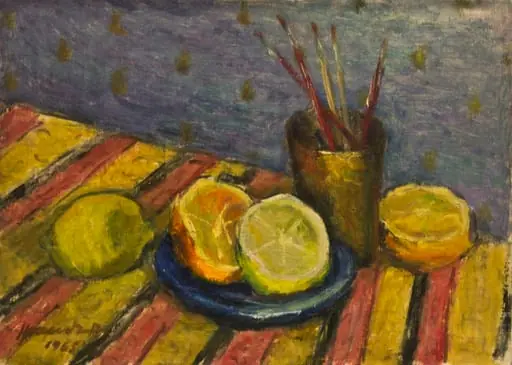 Natură statică cu citrice
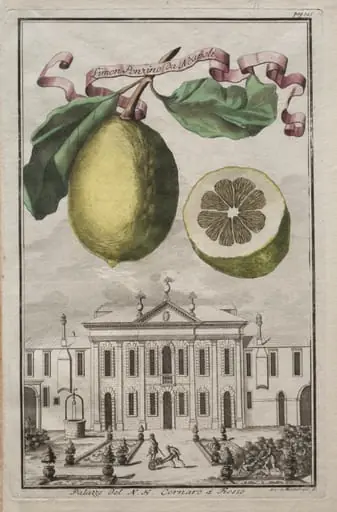 Nurnbergische Hesperides: No. 125 - Limon Ponzino da Neapoli. Palazzo del N. H. Cornaro à Fiesso
Lemon is a subject in art. Polish rock band
Artifact World Gallery holds 88 public-domain Lemon works, all free to view and download.
Key Lemon artists in the collection include Édouard Manet, Pieter Claesz and Vincent van Gogh.
Lemon works in the collection are held by Rijksmuseum, Metropolitan Museum of Art and Hermitage Museum.
Your cart is empty
Browse artworks →