Artwork
Françoise van Egmond
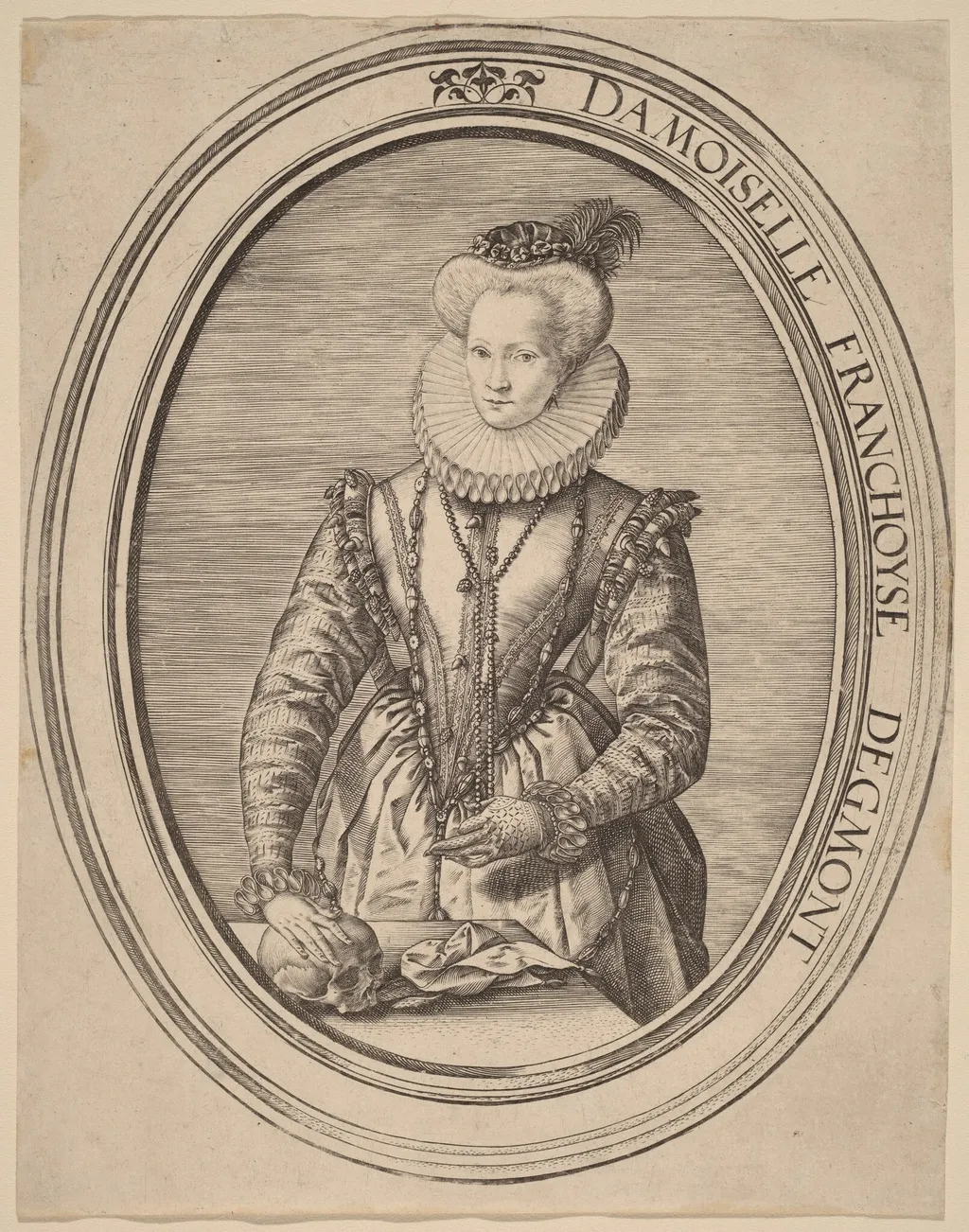
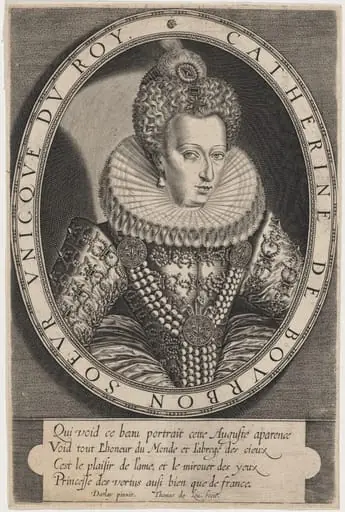
Françoise van Egmond is an ink print by the Renaissance artist Hendrick Goltzius. It dates from 1580 and is held in the collection of the National Gallery of Art.
About this work
Overview
Created in 1580 by Hendrick Goltzius, this engraving depicts Françoise van Egmond, a noblewoman of the Dutch elite. Executed in fine line work on paper, the piece belongs to a series of portrait engravings Goltzius produced during his early career. It reflects his mastery of the medium and his interest in capturing individual identity through precise, controlled mark-making.
Subject & Meaning
The composition merges portraiture with memento mori, a common theme in Northern European art of the period.
The sitter, identified as Françoise van Egmond, is portrayed with symbols of status and reflection: a feathered headdress, a small crown, and elaborate clothing denote her aristocratic rank. A skull rests on the table beside her, paired with a draped cloth, suggesting contemplation of mortality. The composition merges portraiture with memento mori, a common theme in Northern European art of the period.
Technique & Style
Goltzius employed a highly refined engraving technique, using fine, controlled lines to render texture in fabric, hair, and metal. The oval format and smooth gradations of tone demonstrate his command of chiaroscuro within the constraints of black-and-white printmaking. His style, rooted in Northern Mannerism, emphasizes intricate detail and sculptural form over naturalistic space.
History & Provenance
The engraving was made during Goltzius’s formative years in Haarlem, when he was establishing his reputation as a printmaker. It likely served as a commissioned portrait for the van Egmond family, a prominent Dutch noble lineage. Early impressions survive in major European collections, indicating its circulation among educated patrons interested in portraiture and moral symbolism.
Context
In late 16th-century the Netherlands, engraved portraits of nobility were both status objects and vehicles for moral reflection. The inclusion of a skull aligns with broader cultural preoccupations with death and virtue, influenced by Reformation thought and humanist ideals. Goltzius’s work contributed to a tradition where personal identity and existential themes coexisted in printed images.
Legacy
This engraving exemplifies Goltzius’s role in elevating printmaking to a respected artistic medium. His technical precision and symbolic depth influenced generations of Northern European engravers. Though not widely exhibited today, the work remains a key reference in studies of early modern portraiture and the intersection of social identity with allegorical imagery.
Own this work as a print
Artist & collection
Artist
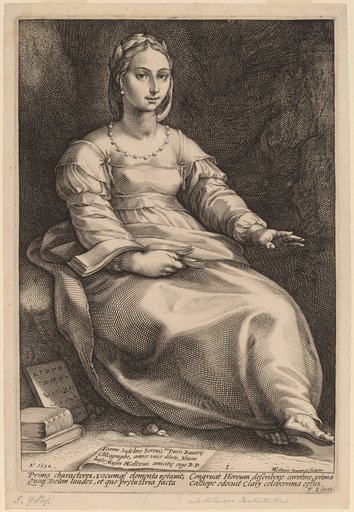
Hendrick Goltzius (German: , Dutch: ; né Goltz; January or February 1558 – 1 January 1617) was a German-born Dutch printmaker, draftsman, and painter.

 Catherine de Bourbon
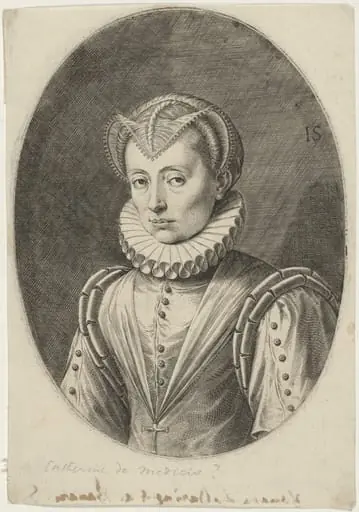 Catherine de Medici (?)
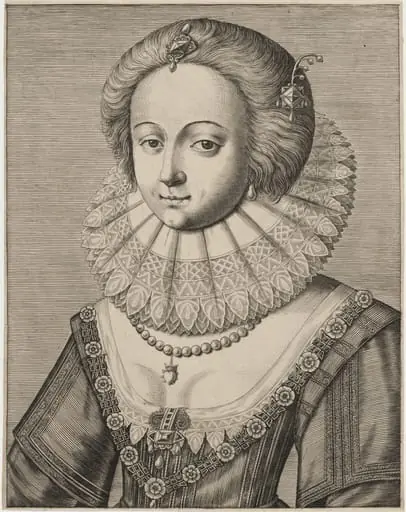 Elizabeth, Queen of Bohemia (?)
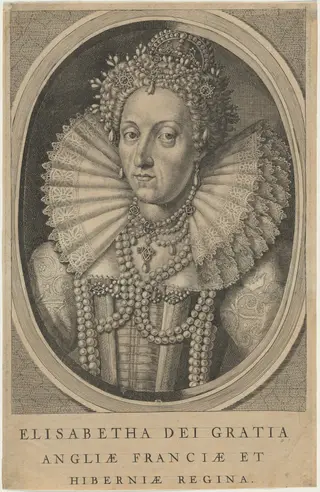 Queen Elizabeth
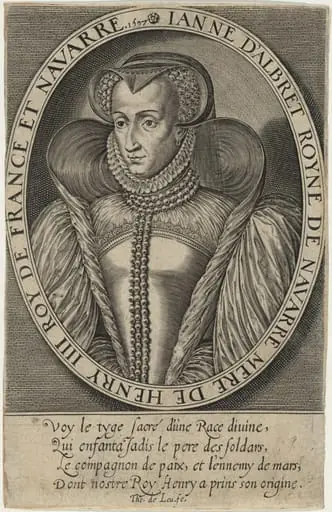 Jeanne D'Albret, Queen of Navarre, Mother of Henry IV of France
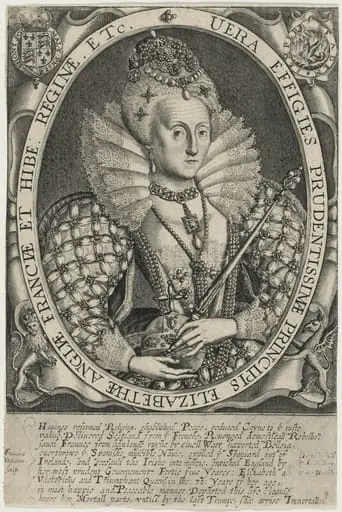 Elizabetha Anglia et Francae et Hibe. Reginae(Queen Elizabeth)
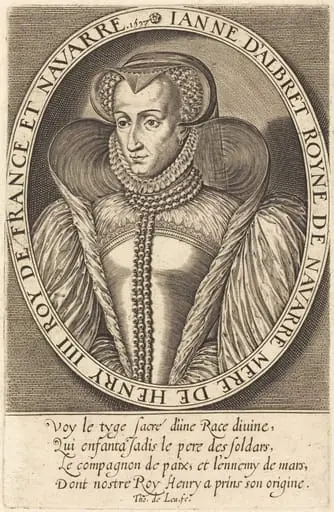 Jeanne d'Albret, Queen of Navarre
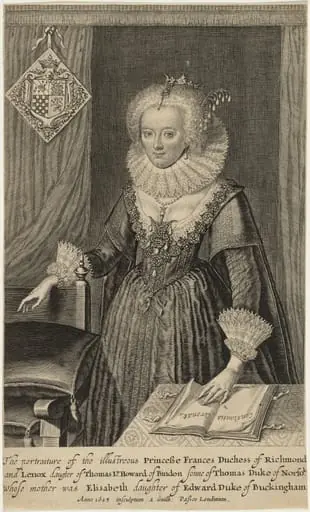 Frances Howard, Duchess of Richmond
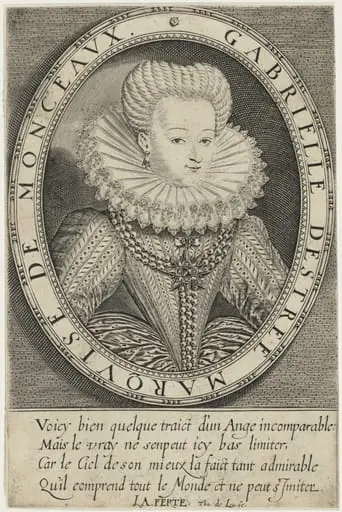 Gabrielle D'Estrees, Marquise de Monceaux
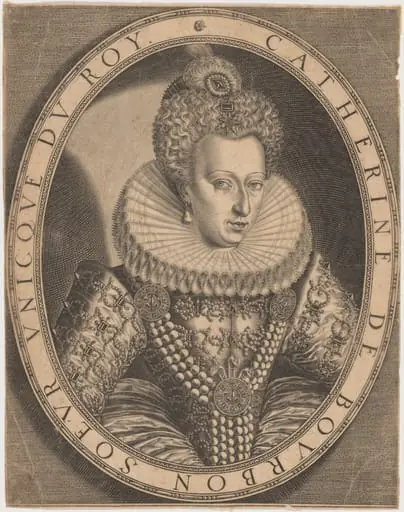 Catherine de Bourbon
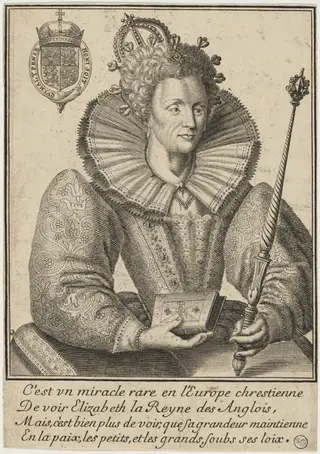 Queen Elizabeth
- Françoise van Egmond