Artwork
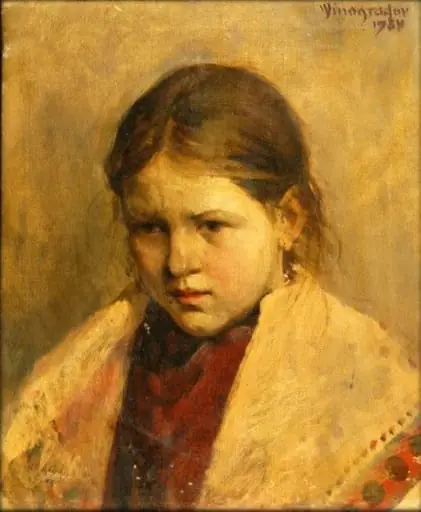
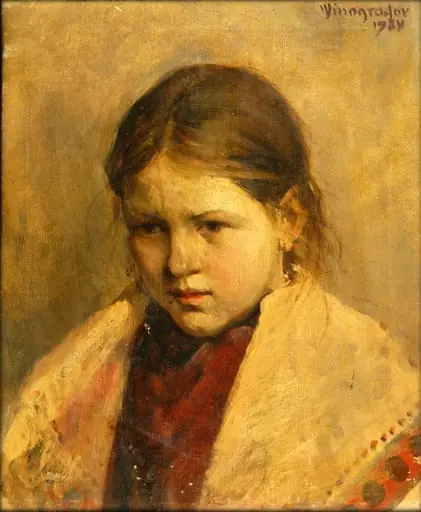
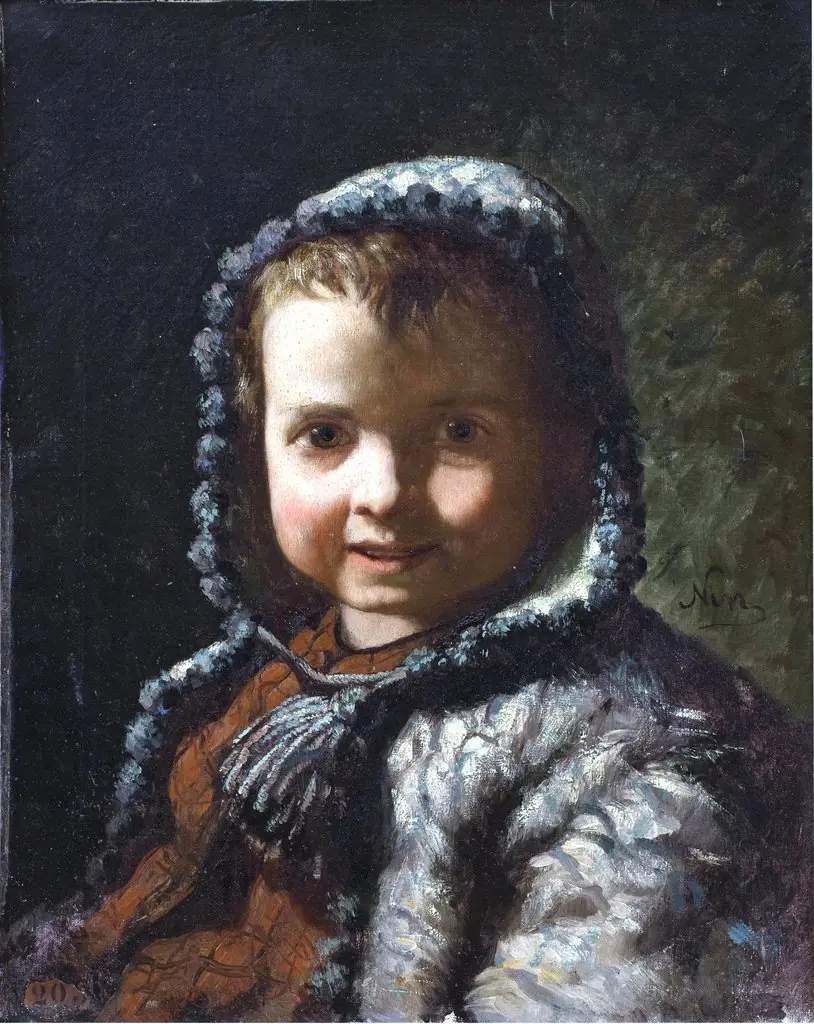
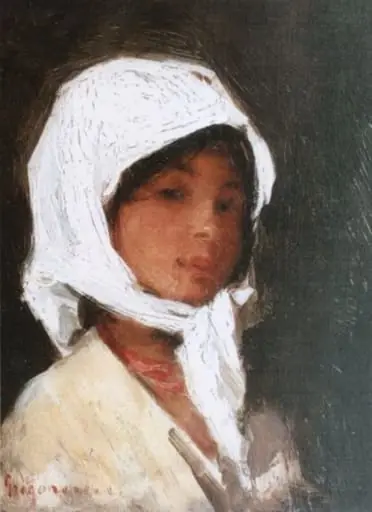
Fetiță în roșu
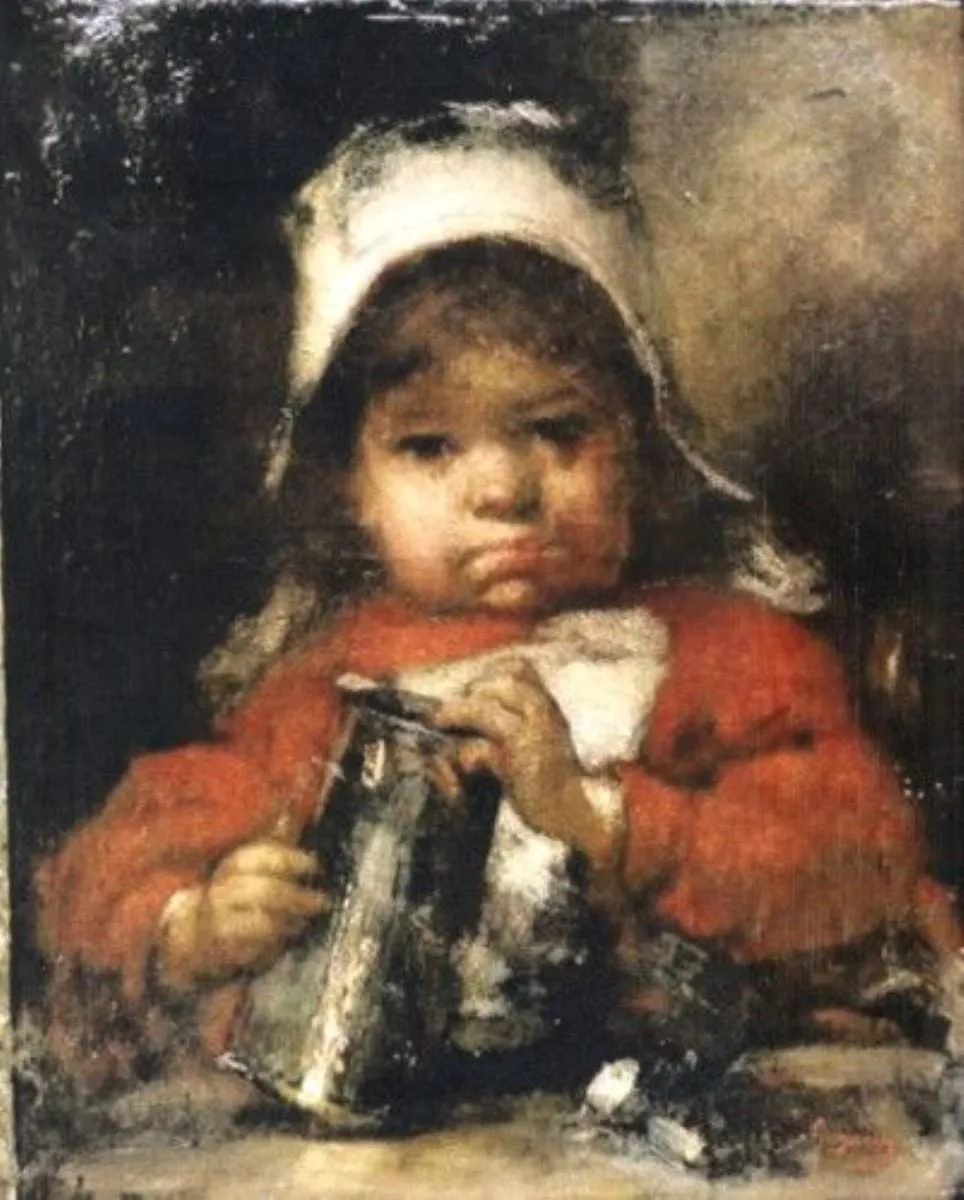
Fetiță în roșu is an unspecified painting by the Impressionist artist Nicolae Grigorescu. It dates from 1867 and is held in the collection of the Colecție particulară - București.
About this work
Overview
Fetiță în roșu, painted by Nicolae Grigorescu in 1867, is a quiet portrait of a young girl in a modest interior. Executed in oil, the work captures an unposed, intimate moment rather than a formal composition. It resides in the Museum of Ethnography, reflecting the artist’s interest in ordinary Romanian life during a period when academic art favored historical or mythological themes.
Subject & Meaning
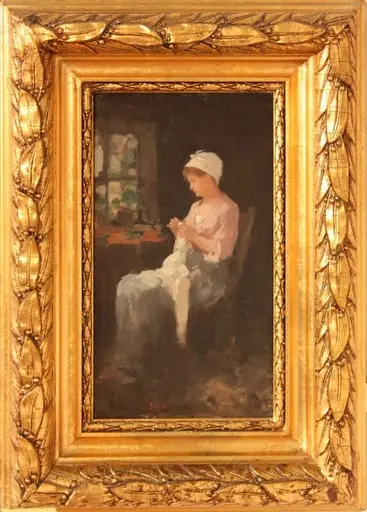
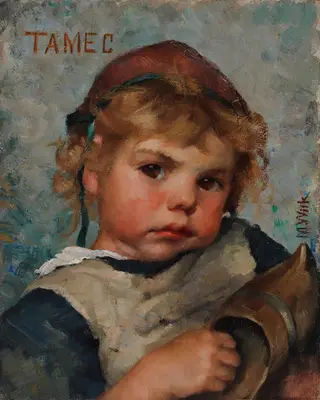
The subject is a child seated alone, dressed in a vivid red jacket and white cap, holding a polished metal cup. Her downward gaze suggests introspection or quiet concentration, not performance. The absence of narrative context emphasizes the dignity of daily existence. Grigorescu presents childhood not as idealized innocence but as a tangible, unadorned reality, rooted in rural domesticity.
Technique & Style
The red jacket gains intensity through contrast, while the cup’s metallic sheen is rendered with minimal detail, enhancing realism.
Grigorescu employs subtle chiaroscuro to model the child’s form against a dark, indistinct background. The brushwork is loose yet deliberate, with textured strokes suggesting worn walls and dim light. The red jacket gains intensity through contrast, while the cup’s metallic sheen is rendered with minimal detail, enhancing realism. The composition avoids symmetry, favoring naturalism over theatricality.
History & Provenance
Painted in 1867, the work emerged during Grigorescu’s early career, shortly after his return from Paris. It was acquired by the Museum of Ethnography in the late 19th century, aligning with its mission to document folk life. Unlike his later landscapes, this piece reflects his engagement with domestic scenes, possibly influenced by French Realism and the growing interest in ethnographic representation.
Context
In mid-19th century Romania, art institutions favored grand historical subjects. Grigorescu’s focus on a solitary child in a humble setting challenged these norms. His attention to everyday details, clothing, lighting, posture, aligned with broader European shifts toward realism, while remaining grounded in local customs and material culture, offering a quiet counterpoint to academic conventions.
Legacy
Fetiță în roșu contributed to a shift in Romanian art toward intimate, socially grounded imagery. It influenced later generations of painters who sought to depict rural life without sentimentality. Though not widely exhibited, its quiet authenticity has secured its place as a touchstone in discussions of national identity and the aesthetic value of the ordinary.
Artist & collection

Artist
Nicolae Grigorescu was one of the founders of modern Romanian painting. He is considered by Romanians the greatest Romanian painter, and one of the founders of modern Romanian art. He is most known for paintings…