Artwork
清 顧澐 懷素蕉林午睡圖 扇面|Huaisu in the Banana Grove
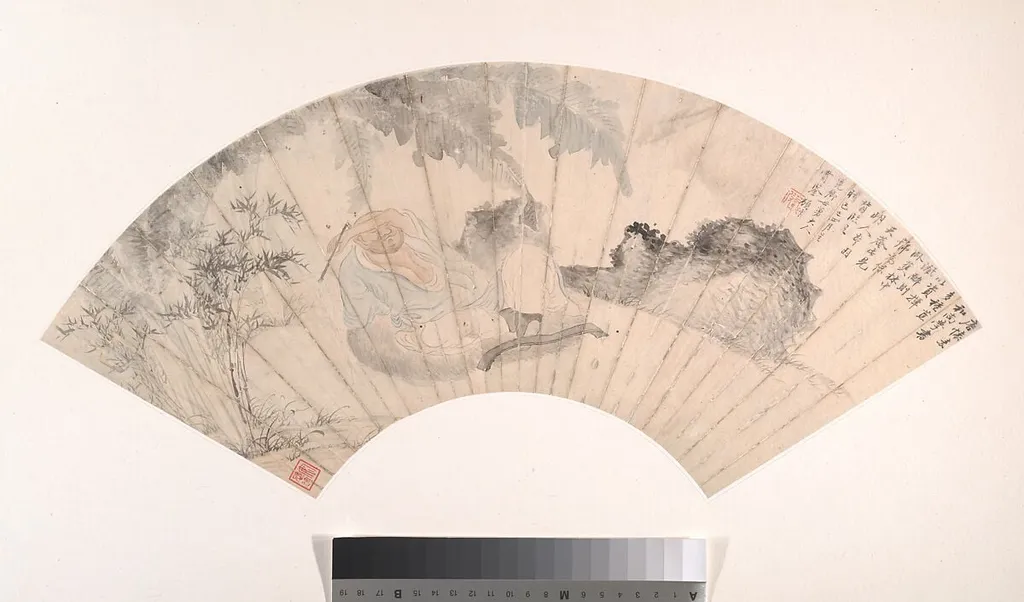
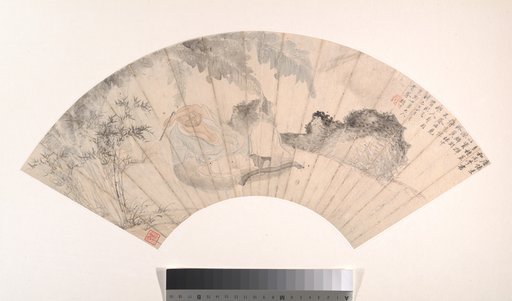
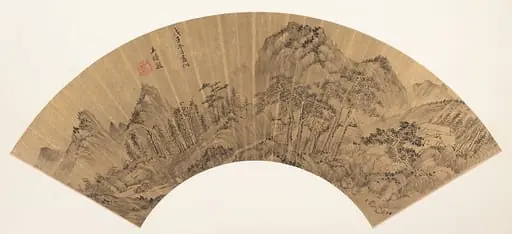
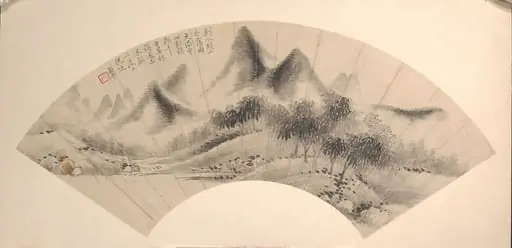
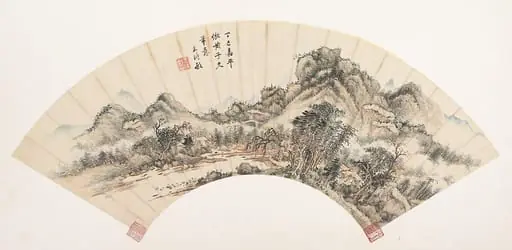
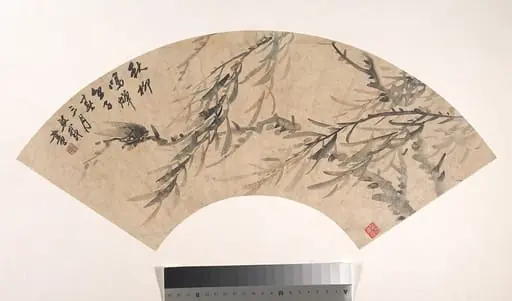
清 顧澐 懷素蕉林午睡圖 扇面|Huaisu in the Banana Grove is an ink painting by the Impressionist artist Gu Yun. It dates from 1869 and is held in the collection of the Metropolitan Museum of Art.
About this work
This isn’t just a quiet moment, it’s a nod to Huaisu, a wild Tang-dynasty monk who scribbled calligraphy drunk.
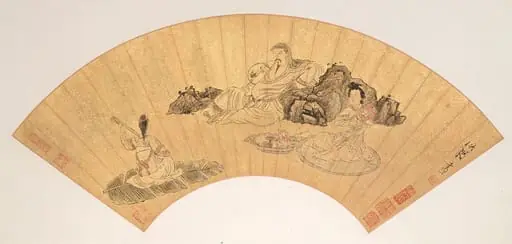
A man naps under a banana tree, ink leaves curling around him like a dream. The fan’s paper is thin, so the brushstrokes feel light, almost weightless.
This isn’t just a quiet moment, it’s a nod to Huaisu, a wild Tang-dynasty monk who scribbled calligraphy drunk. Gu Yun painted it in 1869, long after Huaisu lived, as if to say: even centuries later, rest looks the same.
Want to see how other artists painted sleepy scholars? Look up men, china, man.
Subject & Meaning
The work depicts a solitary man, identified by the title as the Tang dynasty calligrapher Huaisu, situated within a banana grove. The scene illustrates the subject taking a midday nap, a specific moment of repose that serves as the central narrative action.
Iconographically, the banana plants function as the primary setting, framing the figure and establishing the natural environment associated with the historical anecdote. The composition focuses on this interaction between the scholar and the foliage, representing a theme of scholarly retreat and tranquility found in Chinese landscape painting.
Technique & Style
The work is a Qing‑period folding fan that was later mounted as an album leaf. It is executed in ink with subtle color washes on alum‑treated paper, a support typical of Chinese fan paintings of the mid‑19th century. The composition depicts a solitary figure amid a bananas grove, rendered in a loose landscape style that emphasizes atmospheric depth over precise detail.
The fan’s dimensions measure approximately 17.1 cm in height and 51.1 cm in width, reflecting the elongated format of album leaves. The handling preserves the fan’s original creases, and the surface shows only minor wear consistent with its age.
History & Provenance
Created in 1869 by the Qing dynasty artist Gu Yun, the work titled Huaisu in the Banana Grove depicts a man within a landscape setting. The piece was executed on alum paper using ink and color, originally formatted as a folding fan before being remounted as an album leaf. It was produced in China and is currently held in the collection of the Metropolitan Museum of Art. The physical dimensions of the mounted leaf measure 17.1 cm in height and 51.1 cm in width.
Overview
Gu Yun’s 1869 work, titled Huaisu in the Banana Grove, is executed on a folding‑fan leaf of alum‑paper. Rendered in ink and color, the composition presents a solitary figure reclining beneath a banana tree, the foliage rendered in delicate, curling strokes that suggest a tranquil, dream‑like atmosphere.
Context
The work belongs to a broader tradition of literati artists who referenced historic figures to convey moral or aesthetic ideals. By portraying a scene reminiscent of Huaisu’s legendary vigor, Gu Yun aligns his own scholarly pursuits with the enduring cultural memory of Tang artistic spontaneity.
Artist & collection