Artwork
Hl. Hieronymus
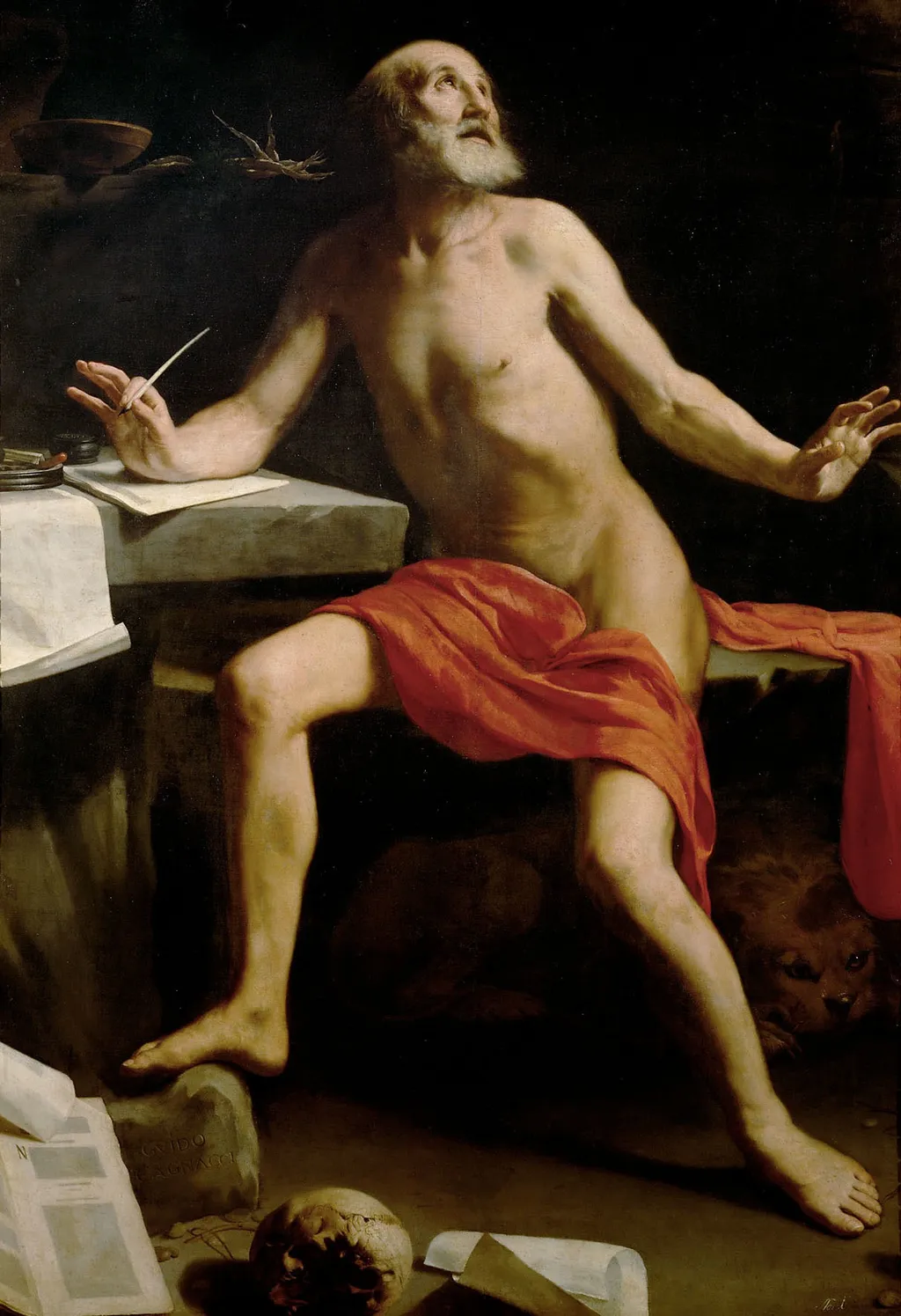
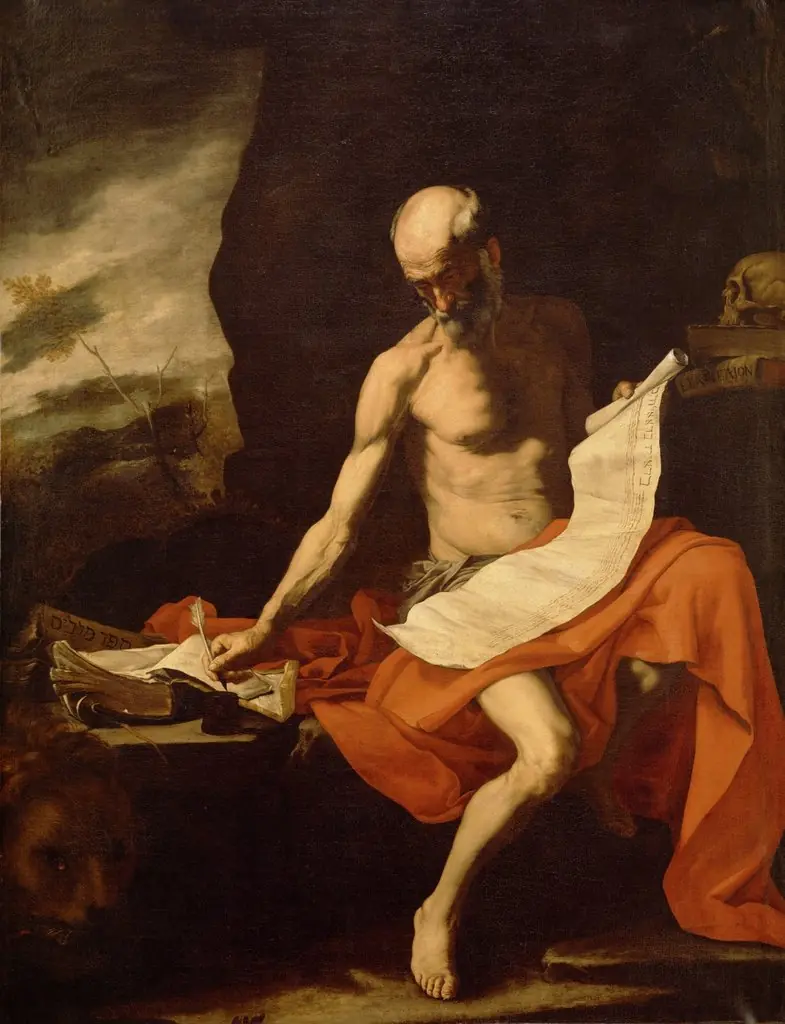
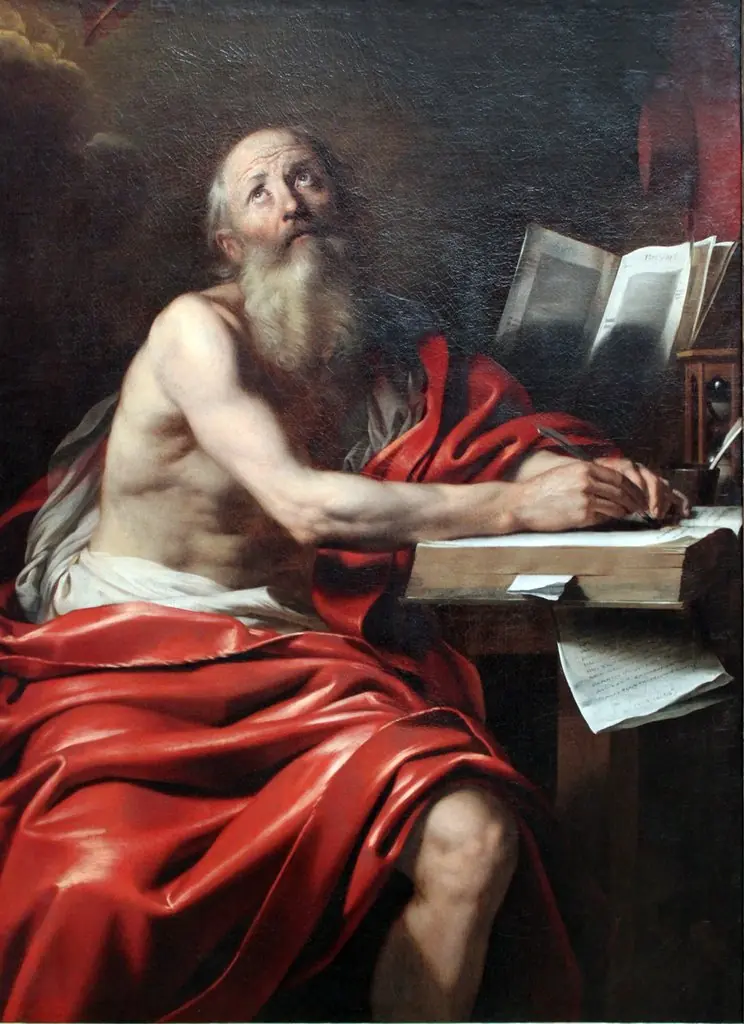
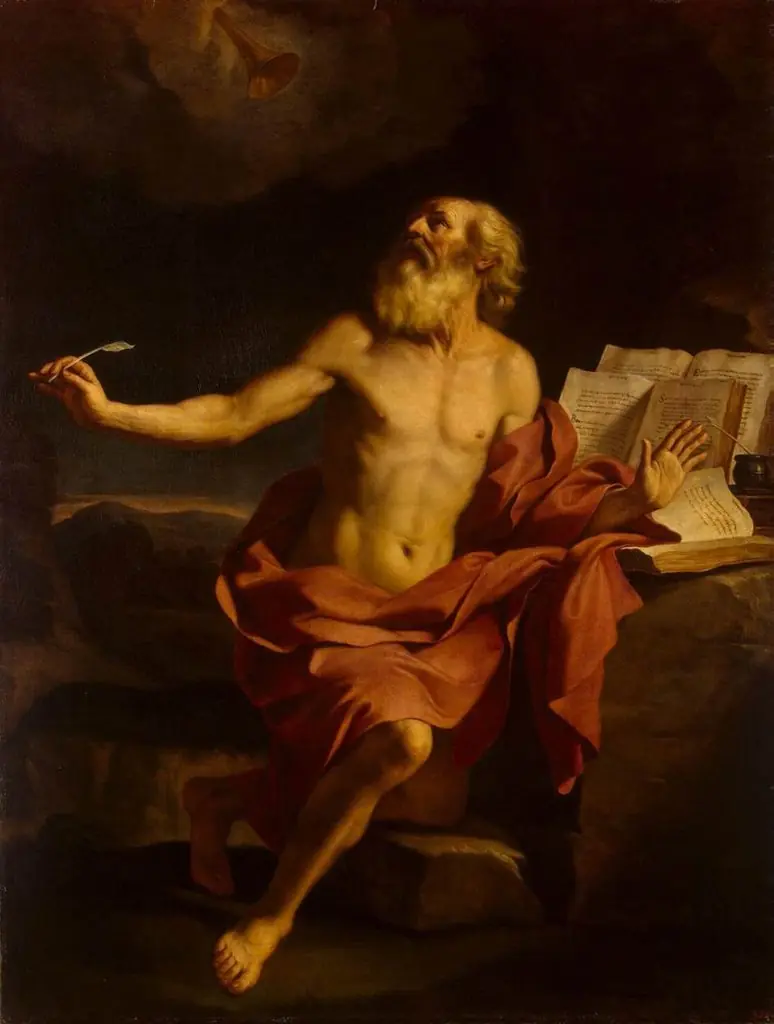
Hl. Hieronymus is an oil painting by the Early Baroque Italian artist Guido Cagnacci. It dates from 1642 and is held in the collection of the Kunsthistorisches Museum. Hl.
About this work
Subject & Meaning
The composition serves as a devotional representation, isolating the subject to emphasize his spiritual significance and scholarly contributions to the faith.
The painting depicts Jerome, a central figure in Christian hagiography and one of the four great Doctors of the Church. As a work of religious art, the image focuses entirely on this saint, who is historically venerated for his translation of the Bible into Latin, known as the Vulgate. The composition serves as a devotional representation, isolating the subject to emphasize his spiritual significance and scholarly contributions to the faith.
By portraying Jerome as the sole figure, the artwork functions as a visual meditation on his life and legacy within the Catholic tradition.
Technique & Style
Executed in oil paint on canvas, this religious work depicts Saint Jerome. The painting measures 160 cm in height and 110.5 cm in width. As a piece by Guido Cagnacci, it adheres to the conventions of religious art through its chosen medium and subject matter.
History & Provenance
The painting Hl. Hieronymus by Guido Cagnacci is held in the collection of the Kunsthistorisches Museum. The work, executed in oil on canvas, depicts the religious figure Jerome and measures 160 cm in height by 110.5 cm in width.
While the artwork's current location is established, the provided records do not contain specific inventory numbers or details regarding its exhibition history.
Context
Guido Cagnacci's 'Hl. Hieronymus' occupies a distinctive position within 17th-century religious painting through its intense emotional realism and compositional complexity. Contemporary scholarship emphasizes the work's dramatic portrayal of Saint Jerome, diverging from classical ideals to convey visceral physicality and psychological depth characteristic of Bolognese-trained artists active in Rome circa 1650.
The painting's presence in the Kunsthistorisches Museum collection situates it within a broader network of ecclesiastical patronage that commissioned works blending Counter-Reformation fervor with Baroque dynamism. Art historians note its influence on later interpretations of saintly penitence, particularly through the artist's signature fusion of anatomical precision and spiritual abstraction. This context reflects wider shifts in 17th-century devotional art where tactile engagement with sacred narratives became paramount.
Overview
Hl. Hieronymus is a circa 1642 oil painting by Italian Baroque artist Guido Cagnacci, depicting Saint Jerome in a contemplative, emotionally charged scene.
Own this work as a print
Artist & collection
Artist
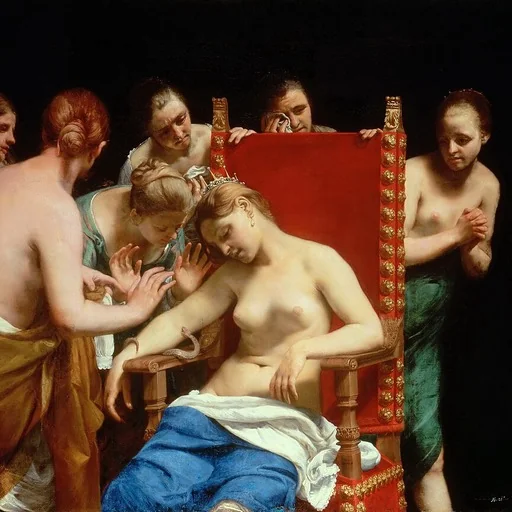
Guido Cagnacci (Italian:; 13 January 1601 – 1663) was an Italian Baroque painter originally from Santarcangelo di Romagna.