Artwork
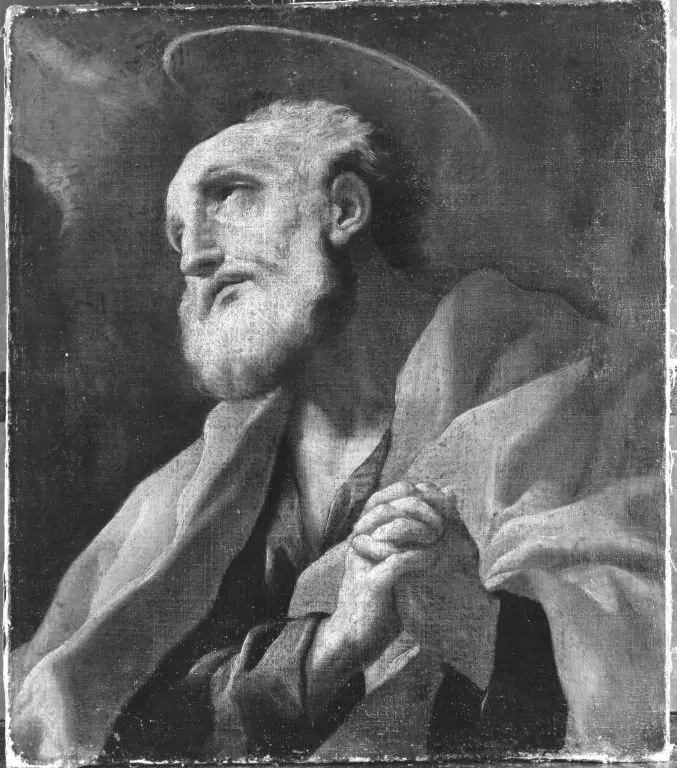
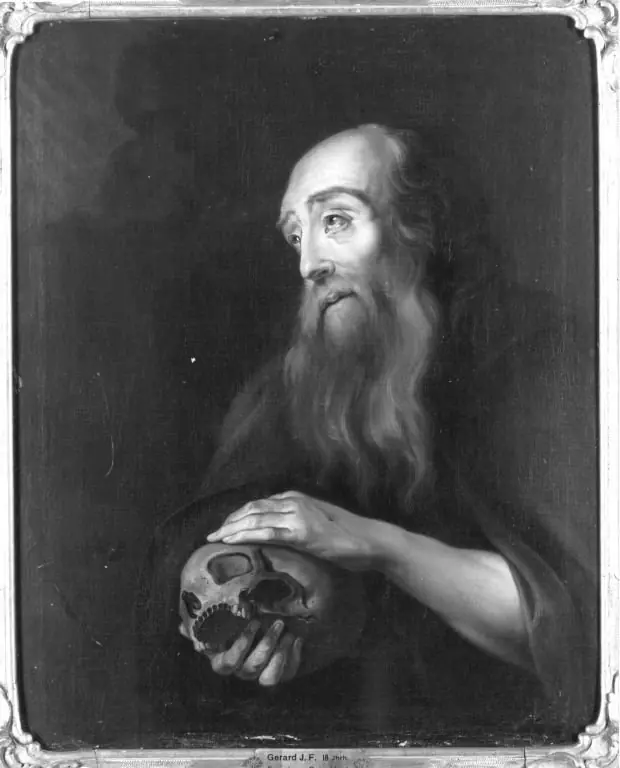
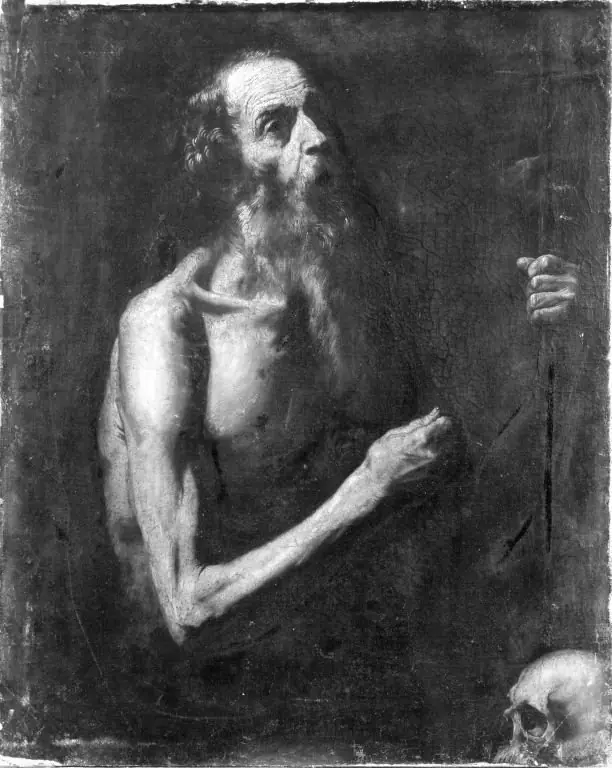
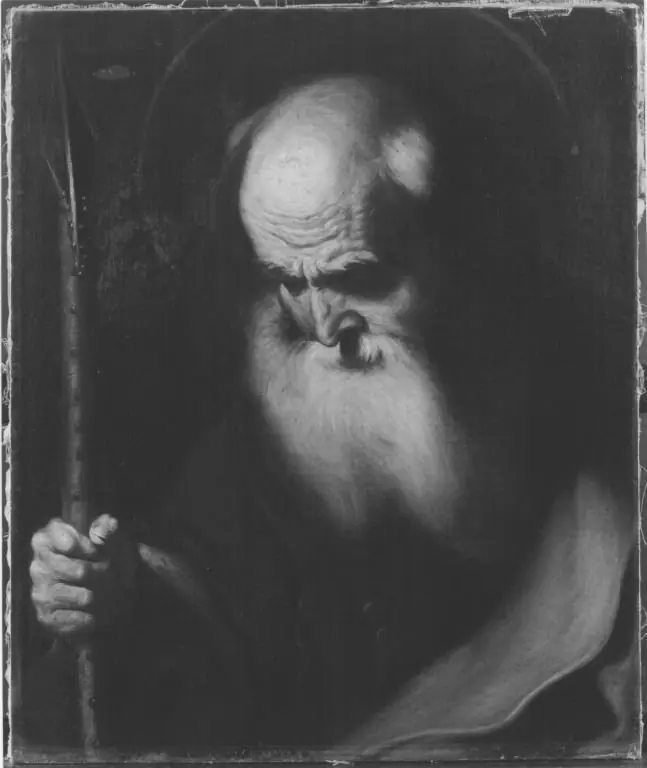
Der hl. Hieronymus (Kopie nach)
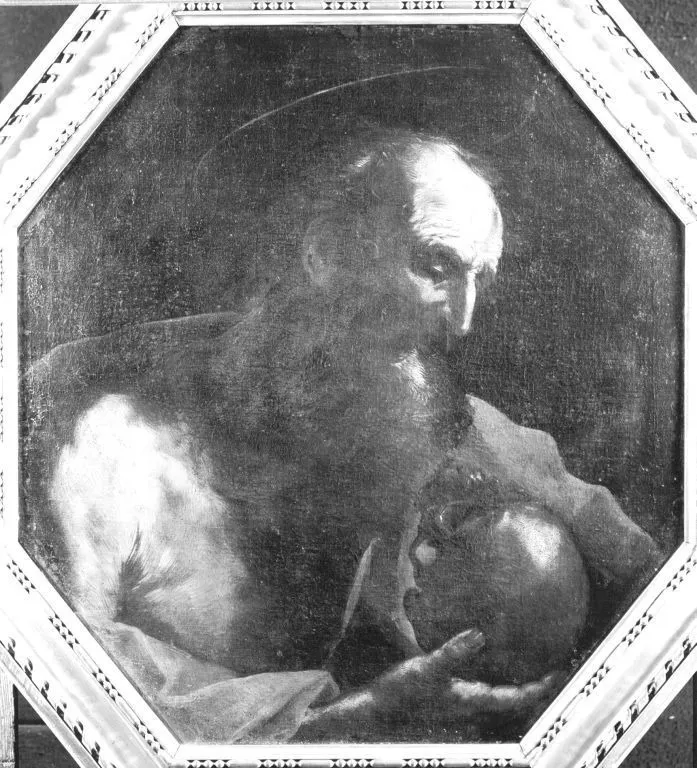
Der hl. Hieronymus (Kopie nach) is an unspecified painting by the Early Baroque Italian artist Guido Reni. It dates from 1618 and is held in the collection of the Bavarian State Painting Collections.
About this work
Subject & Meaning
The painting functions as a devotional image within the religious art tradition, highlighting Jerome's role as a biblical translator and ascetic figure.
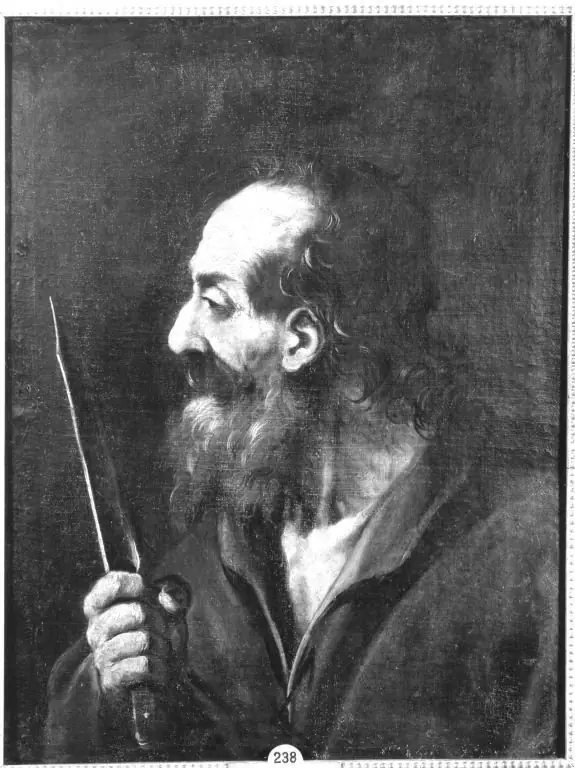
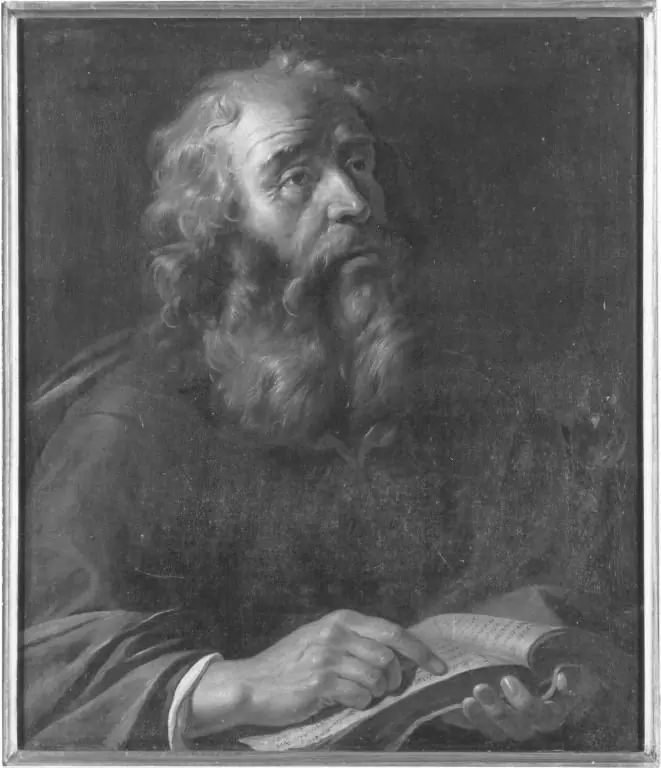
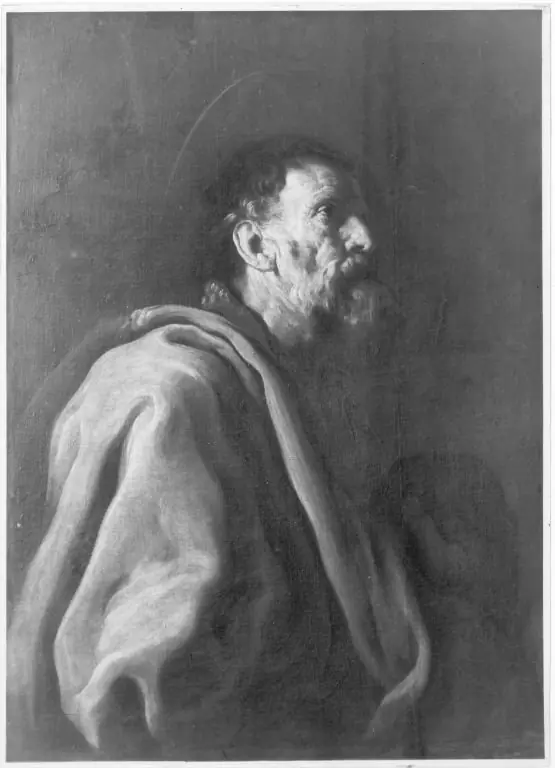
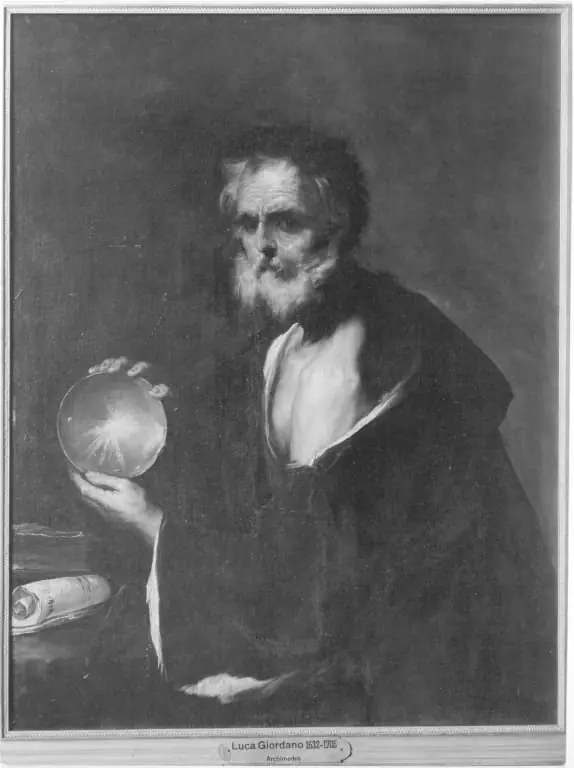
The work portrays Jerome, a cardinal and hermit recognized as one of the four Doctors of the Church, shown in traditional penitential attire with a lion at his side. This iconography emphasizes his scholarly devotion and compassionate care for animals, reflecting his hagiographic attributes of penitence and scholarly contemplation. The painting functions as a devotional image within the religious art tradition, highlighting Jerome's role as a biblical translator and ascetic figure.
Technique & Style
The painting is executed in oil on wood panel, a common support for 17th-century religious works. Its composition shows Jerome in penitential contemplation, rendered with fine brushwork and delicate glazes that emphasize the texture of his worn robes and the subtle play of light across his aged skin. The handling of chiaroscuro and the naturalistic rendering of facial expression reflect Reni's characteristic soft modeling and graceful figure style.
The work measures 71.5 cm in height and 65.8 cm in width, typical dimensions for a devotional half-length portrait from this period.
History & Provenance
The work is held by the Bavarian State Painting Collections and is accessioned under the inventory number for the Alte Pinakothek in Munich, though the specific accession identifier is not provided in the documentation. It has been part of the permanent collection displays at the Alte Pinakothek, contributing to exhibitions focused on Baroque religious painting and Guido Reni’s oeuvre.
Legacy
The influence of Der hl. Hieronymus (Kopie nach) is rooted in its role as a faithful reproduction of Guido Reni's compositional approach to saintly figures, particularly evident in its adoption by later artists seeking to emulate Reni's refined draftsmanship and devotional tone. Its presence in the Bavarian State Painting Collections has ensured continued scholarly attention, reinforcing its reputation as a significant example of 17th-century religious painting within academic discourse.
Overview
This painting is a 17th-century copy after an original by Guido Reni, dated around 1618. It portrays Saint Jerome, a Church Father known for translating the Bible into Latin. The work resides in the Alte Pinakothek in Munich, where it is displayed as part of a collection of early modern religious art. The composition is restrained, focusing intently on the figure without extraneous detail.
Context
In early 17th-century Italy, depictions of Saint Jerome were common among Counter-Reformation artists seeking to inspire personal piety. Reni’s style, blending classical harmony with emotional restraint, aligned with Church ideals of dignified devotion. Copies like this one circulated widely, helping disseminate his compositional approach beyond major centers, particularly in German-speaking regions where devotional imagery was highly valued.
Artist & collection
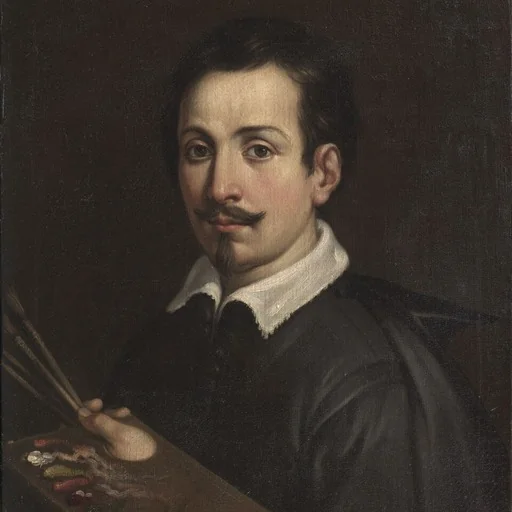
Artist
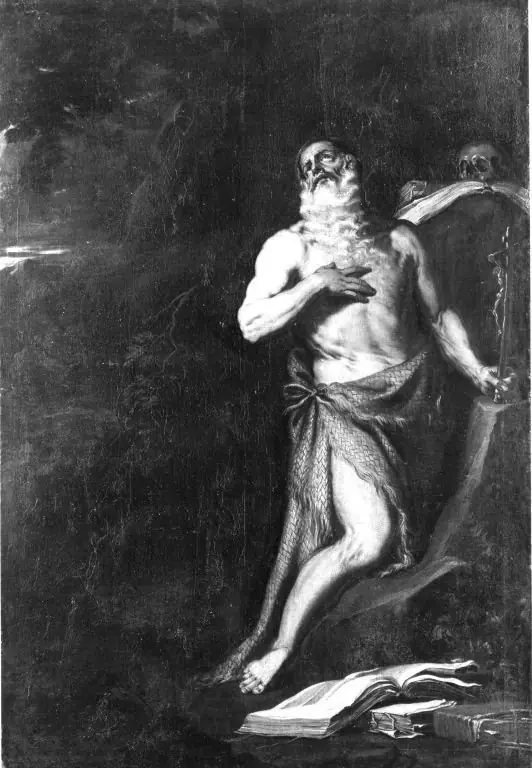
Guido Reni was an Italian Baroque painter, although his works showed a classical manner, similar to Simon Vouet, Nicolas Poussin, and Philippe de Champaigne.