Artwork
Spring
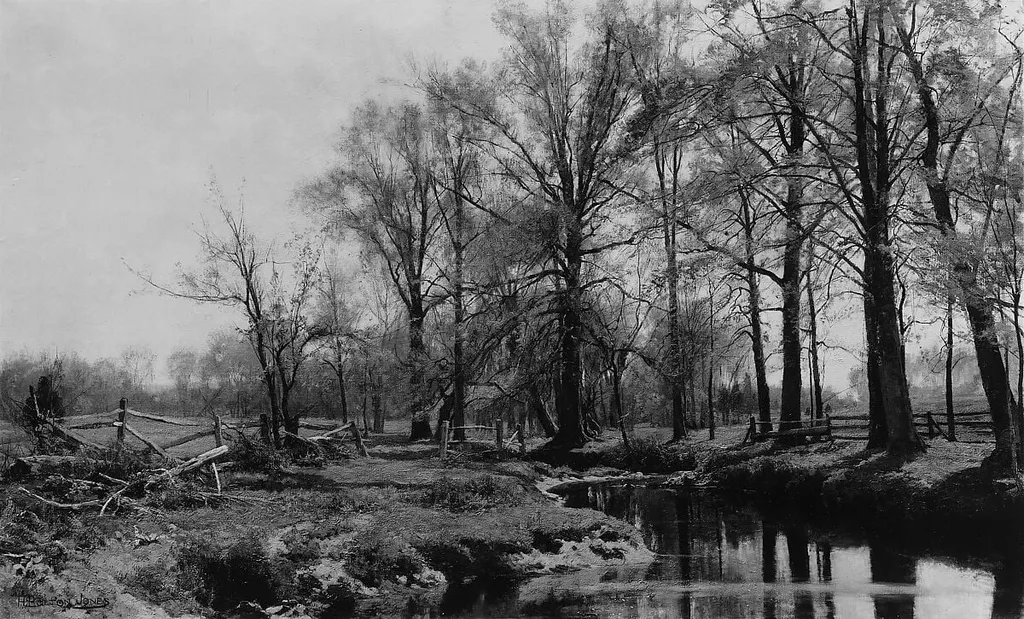
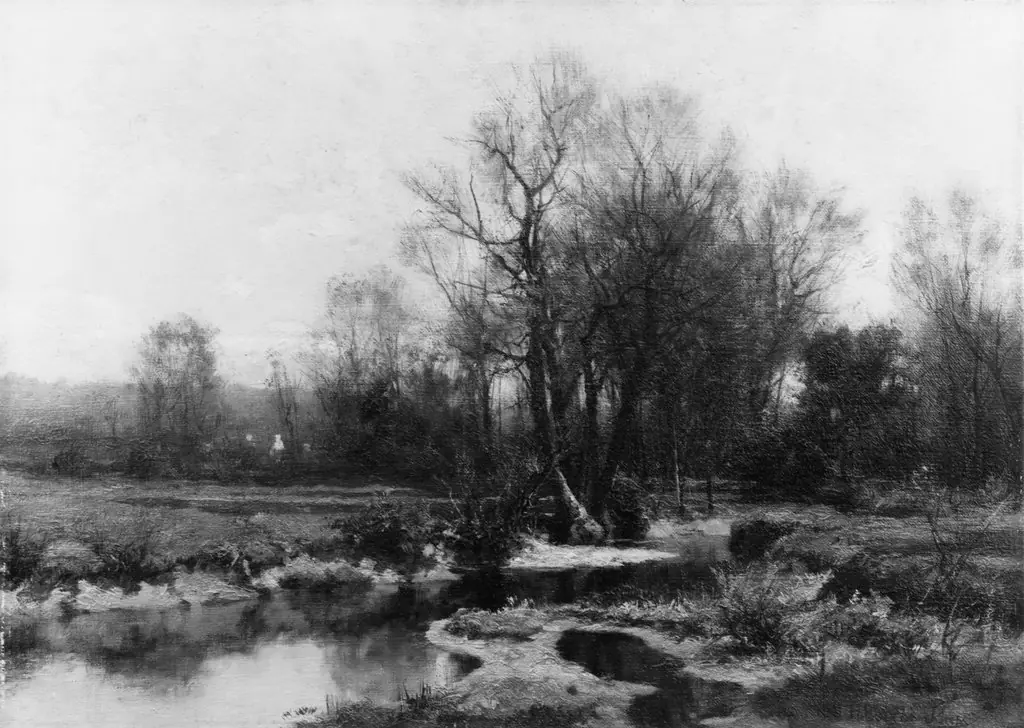
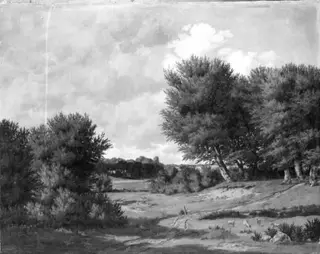
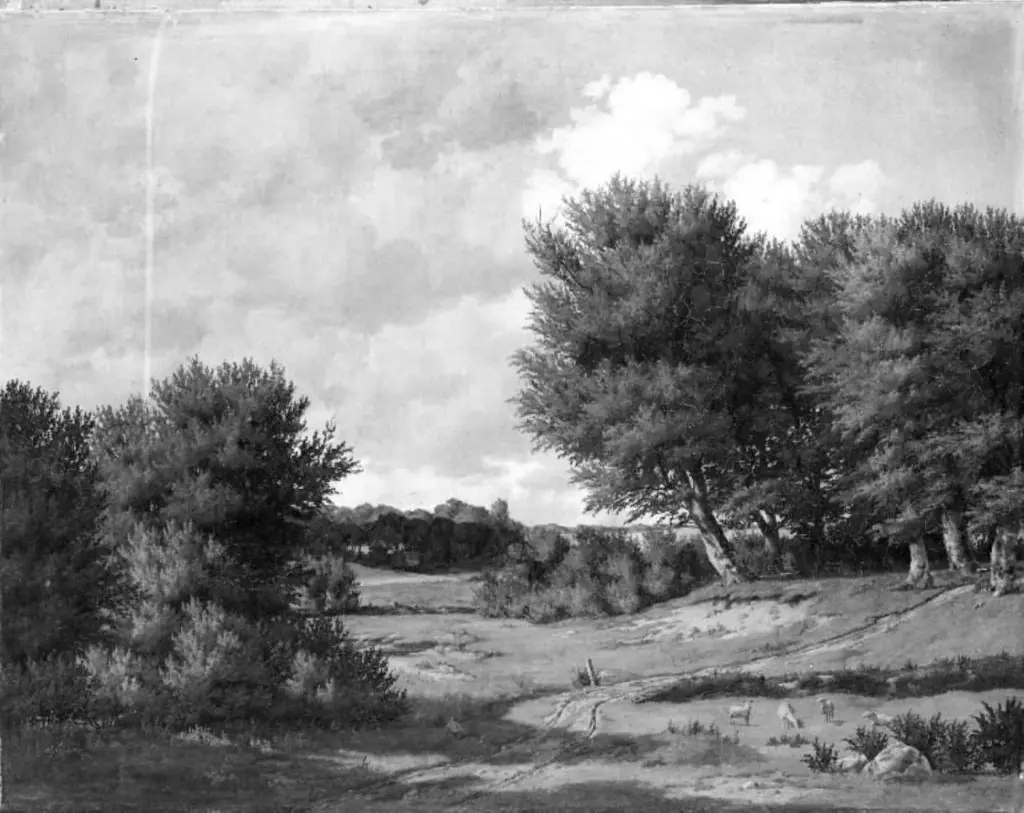
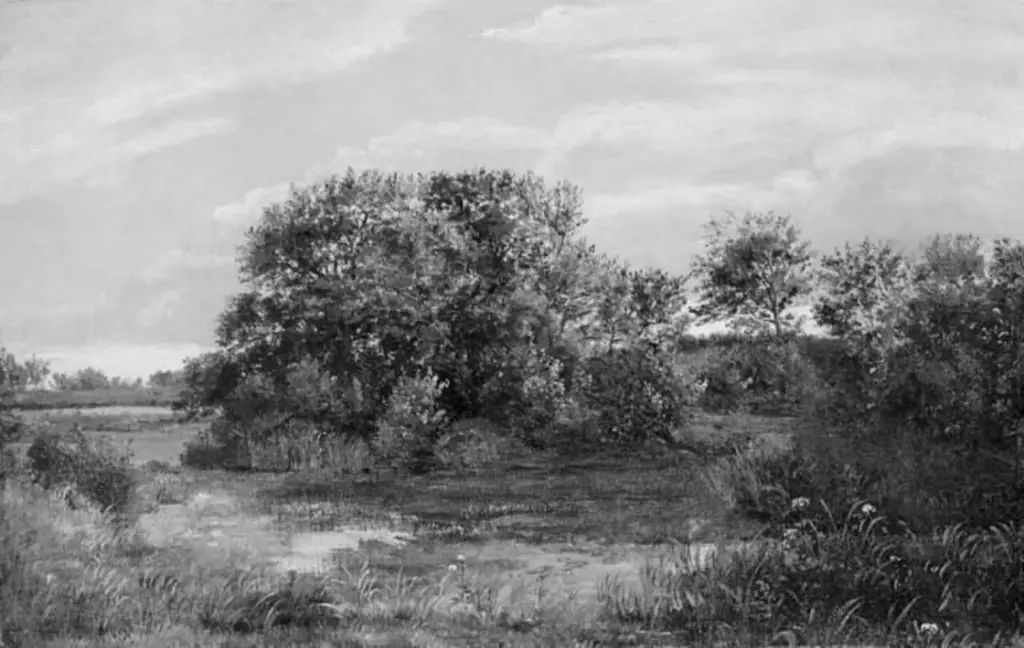
Spring is an oil painting by the American Impressionist artist Hugh Bolton Jones. It dates from 1886 and is held in the collection of the Metropolitan Museum of Art.
- Accession no.
- 87.8.9
- Credit line
- Gift of George I. Seney, 1887
About this work
Technique & Style
Spring is executed in oil on canvas, a support typical of late-19th-century American landscape painting.
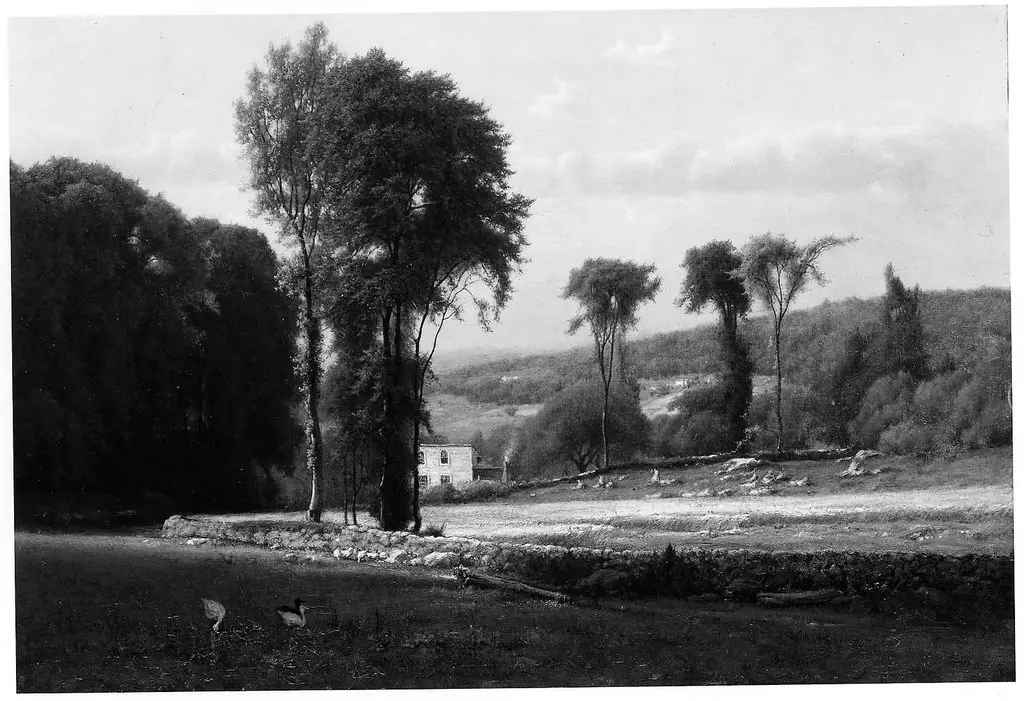
Spring is executed in oil on canvas, a support typical of late-19th-century American landscape painting. The work measures approximately 61.6 × 101.9 cm and portrays a solitary tree within a broader landscape, reflecting the genre's emphasis on naturalistic scenery and careful handling of light and atmosphere. The painter's technique involves layered brushwork that renders foliage and terrain with subtle tonal variation, while the composition balances detailed foreground foliage against a more impressionistic background.
As an oil painting, the piece demonstrates the material conventions of the period, employing pigment-laden oil medium on a sturdy canvas substrate to achieve depth and texture characteristic of Hugh Bolton Jones's style.
History & Provenance
Spring is a landscape painting by Hugh Bolton Jones dated to 1886, executed in oil on canvas. The work is held in the collection of the Metropolitan Museum of Art, classified within the institution's American Wing. The painting measures 61.6 by 101.9 centimeters.
No information is available regarding its commission, earlier ownership history, or chain of custody prior to its acquisition by the Metropolitan Museum of Art. The available sources do not specify an accession number or document a specific exhibition history.
Overview
Hugh Bolton Jones's 1886 oil on canvas, Spring, captures a tranquil rural landscape characteristic of his work. The painting depicts a quiet meadow under late afternoon light, centered by a tall tree and featuring grazing cows. This piece reflects the artist's commitment to realistic, serene depictions of the eastern United States, aligning with the atmospheric qualities often associated with American Impressionism.
Subject & Meaning
This artwork presents a serene view of an American meadow, bathed in the soft glow of late afternoon. A prominent tree anchors the composition, with a few grazing cows suggesting gentle life without human intervention. Jones aimed to convey the inherent peace and quiet vibrancy found within the natural, uncultivated landscapes of the eastern United States, often depicting scenes devoid of human presence.
Context
Hugh Bolton Jones, trained in Baltimore and New York, chose to dedicate his practice to rural landscapes during the 1880s, a period when many artists were shifting their focus to urban environments. This decision allowed him to consistently explore the subtle beauty and inherent tranquility of the American countryside, offering a distinct perspective on the nation's natural scenery.
Artist & collection
Artist
Hugh Bolton Jones (20 October 1848 – 24 September 1927) was an American landscape painter.