Artwork
Frankfurt Dominican Altarpiece: Lineage of the Dominican Order (upper part)
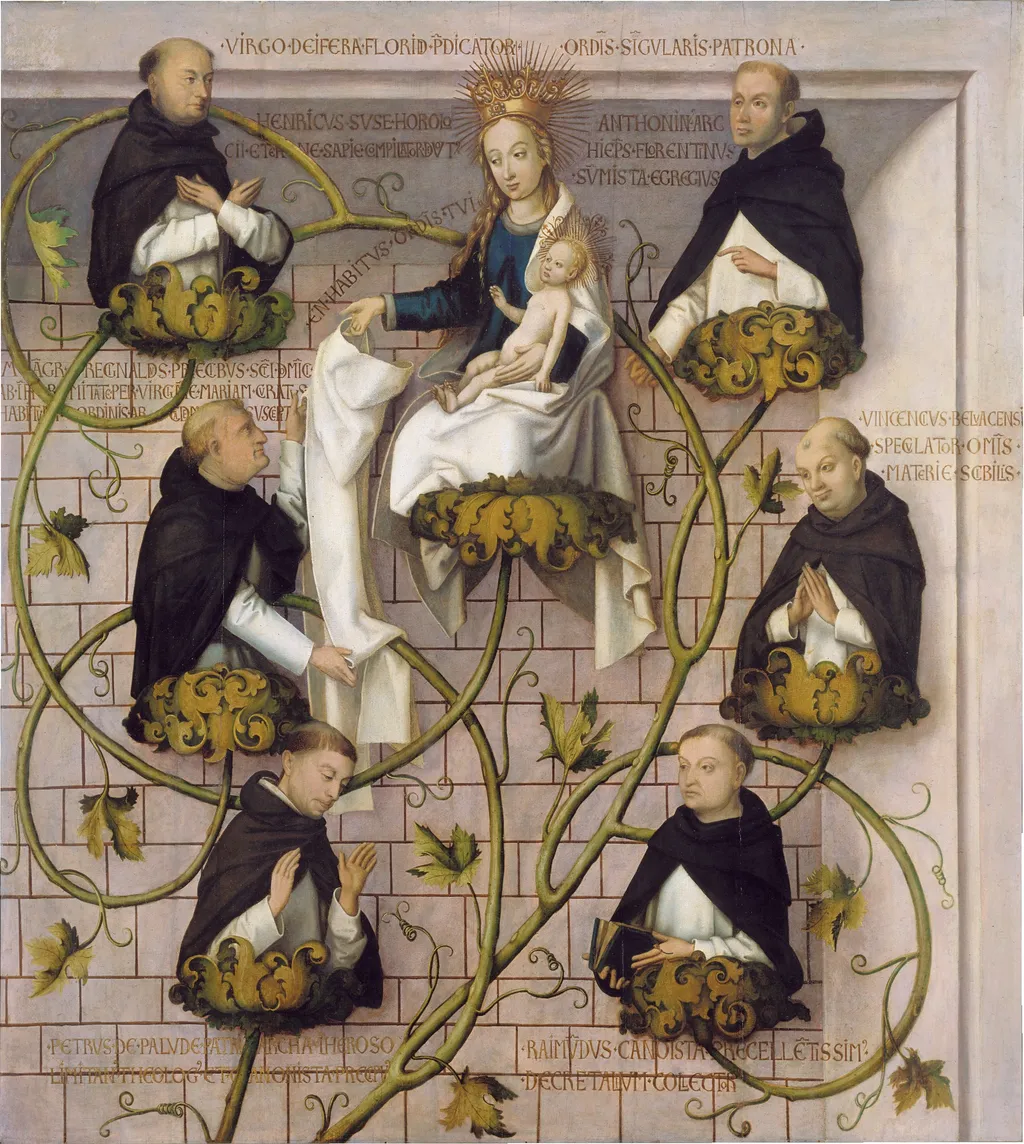
Frankfurt Dominican Altarpiece: Lineage of the Dominican Order (upper part) is a mixed painting by the Northern Renaissance artist Hans Holbein the Elder. It dates from 1501 and is held in the collection of the Städel Museum.
About this work
Overview
Created in 1501 by Hans Holbein the Elder, this panel forms the upper section of a larger altarpiece commissioned for the Dominican convent in Frankfurt.
Created in 1501 by Hans Holbein the Elder, this panel forms the upper section of a larger altarpiece commissioned for the Dominican convent in Frankfurt. Executed in tempera on spruce wood, it belongs to the Northern Renaissance tradition, reflecting devotional practices of the time. The work is now held in the Städel Museum’s collection, where it remains one of the few surviving fragments of its original multi-panel structure.
Subject & Meaning
The composition centers on the Virgin Mary, seated with the Christ Child, surrounded by seven Dominican friars in prayer. The figures represent the early leaders and spiritual progenitors of the Dominican Order, emphasizing continuity between the Virgin’s divine role and the Order’s founding mission. The vine beneath them, with yellow leaves, symbolizes the Tree of Life, linking Marian devotion to the Order’s theological roots.
Technique & Style
Holbein employed fine brushwork and layered tempera to achieve rich textures in fabric and skin tones. The figures are arranged in a shallow, architectural space defined by a pale wall marked with red lines and Latin inscriptions, suggesting a sacred niche. Attention to detail in drapery folds and facial expressions reflects Northern Renaissance realism, while the gold-leaf accents and vibrant pigments enhance the devotional intensity.
History & Provenance
The altarpiece was commissioned for the Dominican church in Frankfurt, likely to honor the Order’s spiritual lineage. After the dissolution of monastic communities in the 16th century, the panels were dispersed. This upper section was later acquired by the Städel Museum in the 19th century, where it was identified and reconstructed as part of the original ensemble through comparative study of surviving fragments.
Context
In early 16th-century Germany, religious art often served to reinforce institutional identity. The Dominicans, emphasizing preaching and scholarship, used imagery to assert their legitimacy through apostolic succession. Holbein’s depiction aligns with broader trends in Swabian art, where devotional panels combined theological symbolism with naturalistic detail to engage lay viewers in contemplative practice.
Legacy
Though the full altarpiece no longer survives, this fragment remains a key example of Holbein’s early style and the devotional art of German Dominican communities. It informs scholarly understanding of how religious orders visualized their spiritual genealogies. The work also highlights the transition from medieval iconography to Renaissance humanism in regional German painting.
Own this work as a print
Artist & collection
Artist
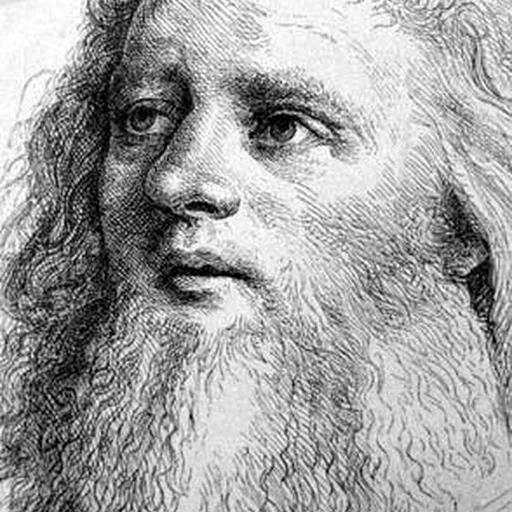
Hans Holbein the Elder (c. 1460/65 – 1524) was a German painter of the early German Renaissance. He was the father of painters Ambrosius and Hans the Younger.

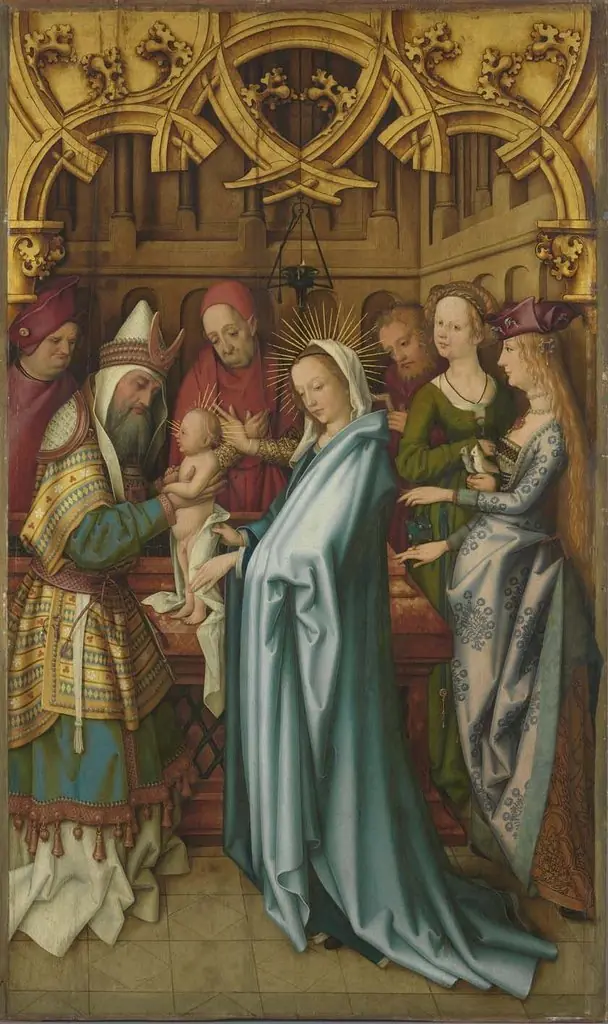 Kaisheimer Altar: Darbringung im Tempel
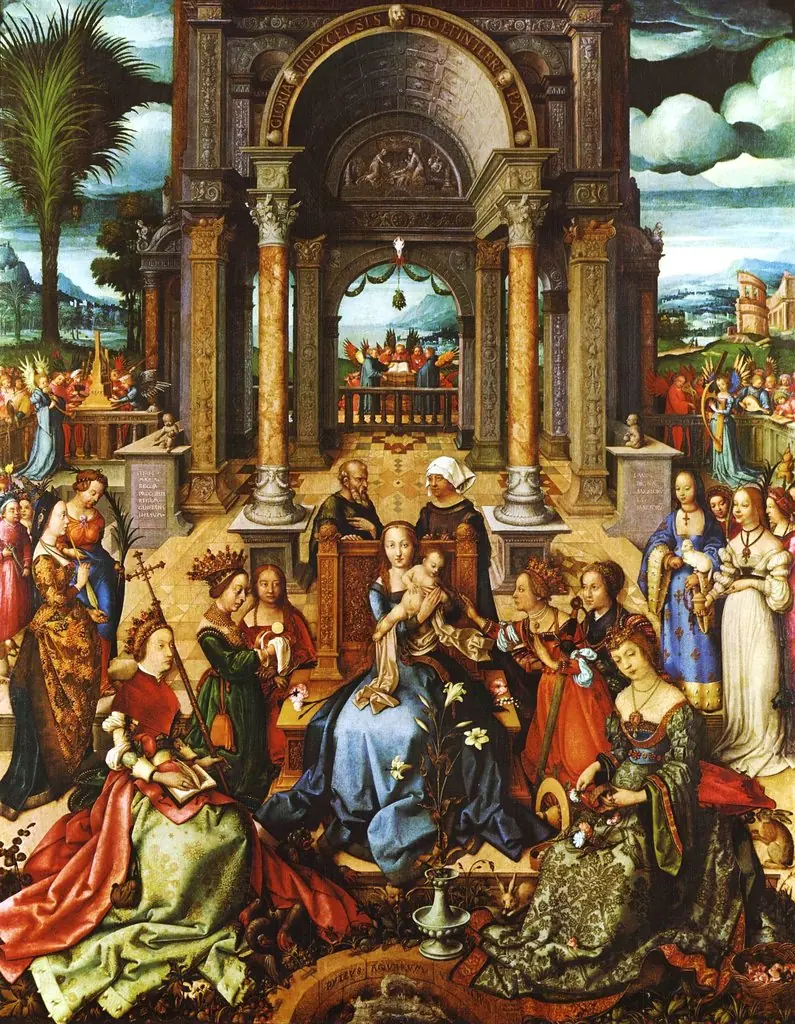 Virgin with Child by Hans Holbein the Elder, Museu Nacional de Arte Antiga
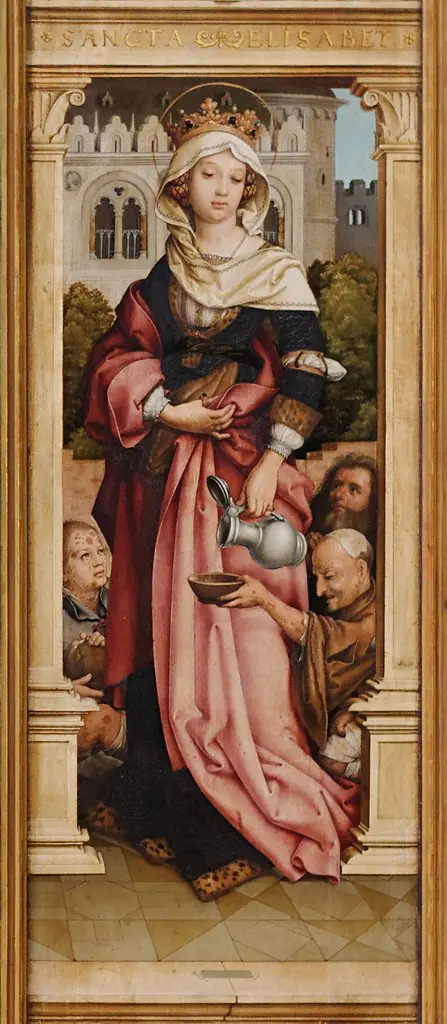 St. Sebastian Altar: St. Elizabeth of Hungary
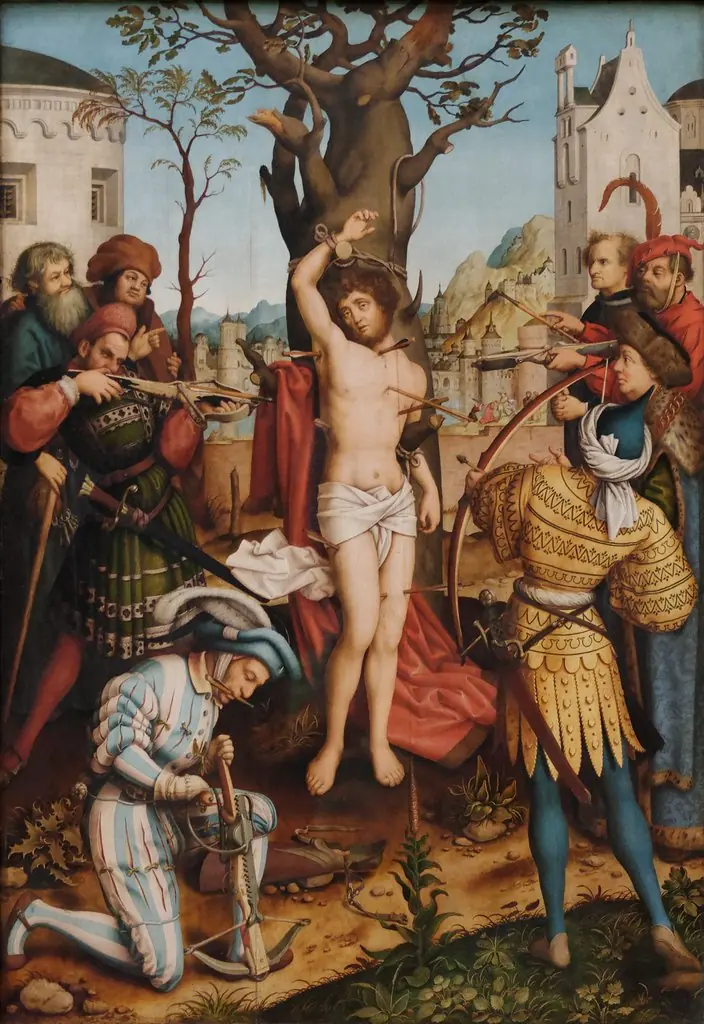 St. Sebastian Altar: The Martyrdom of St. Sebastian
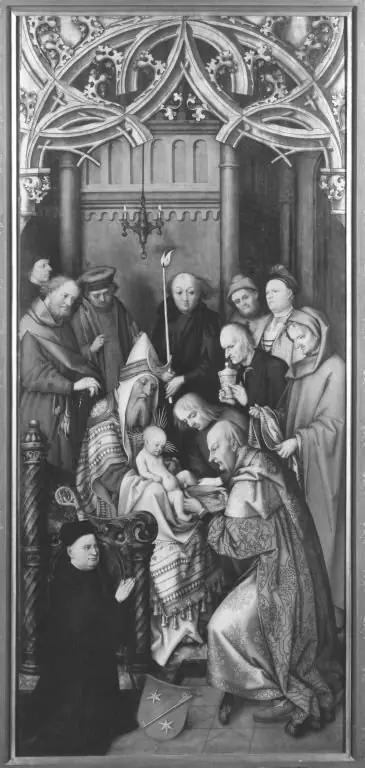 Kaisheimer Altar: Beschneidung Christi
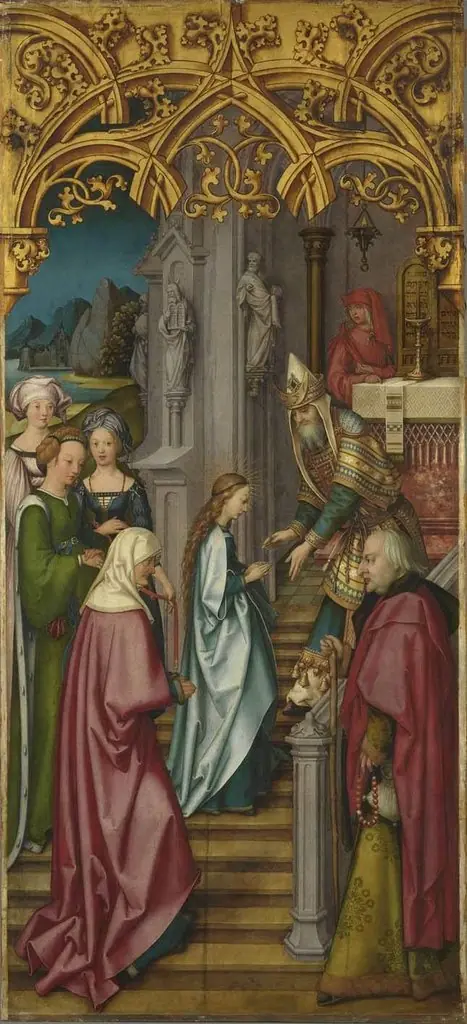 Kaisheimer Altar: Tempelgang Mariens
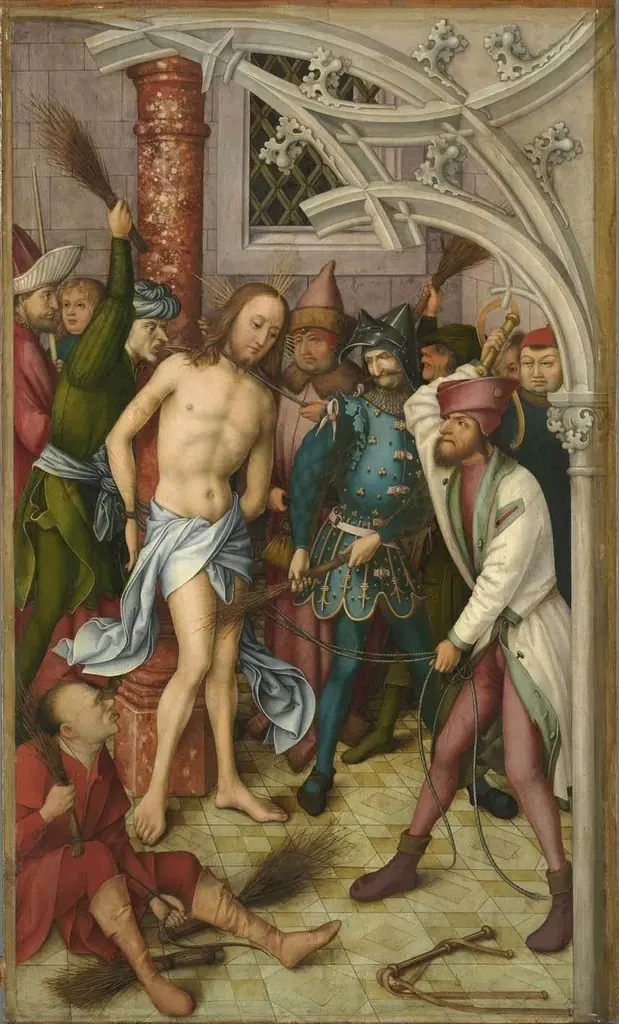 Kaisheimer Altar: Geißelung Christi
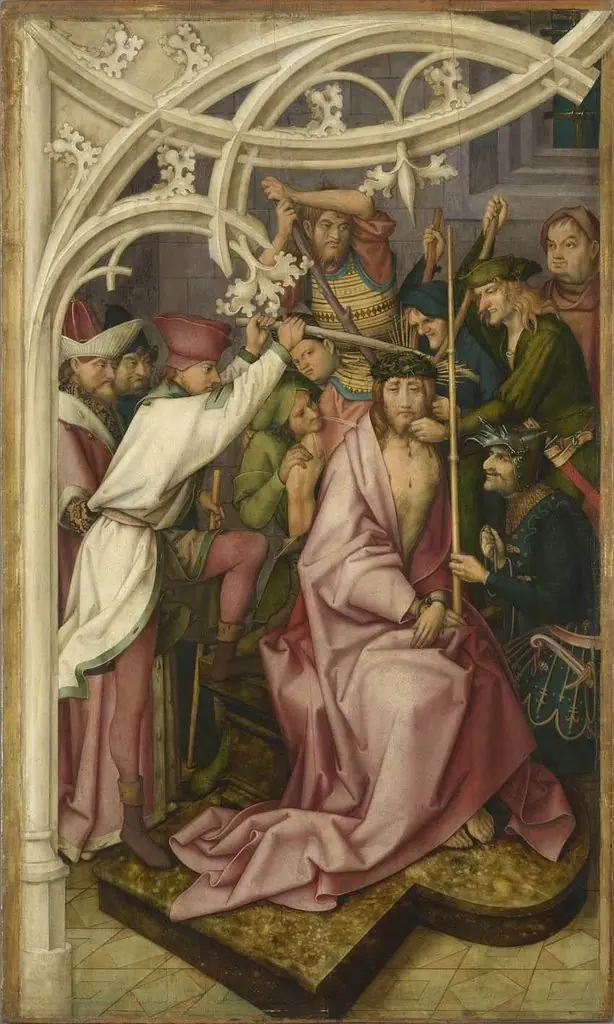 Kaisheimer Altar: Dornenkrönung Christi
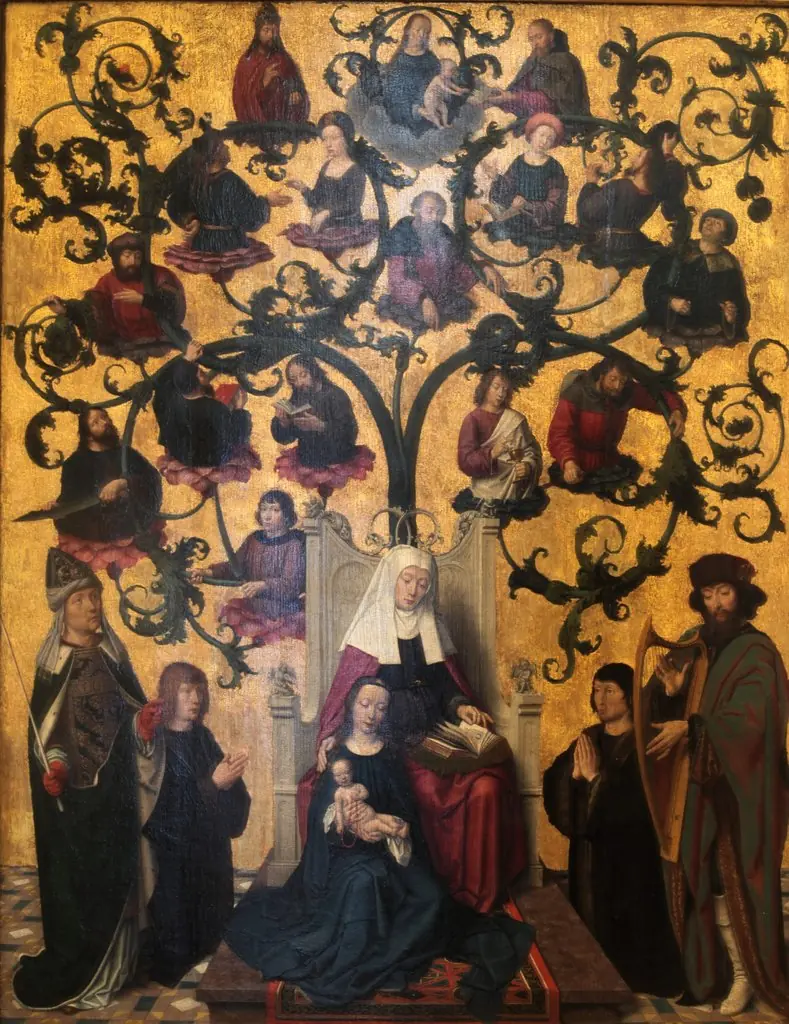 The Line of Saint Anne
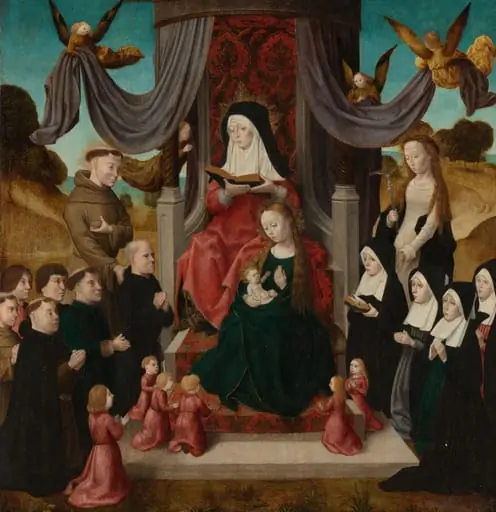 Virgin and Child with Saint Anne and Saints Francis and Lidwina, with Donors (Anna Selbdritt)
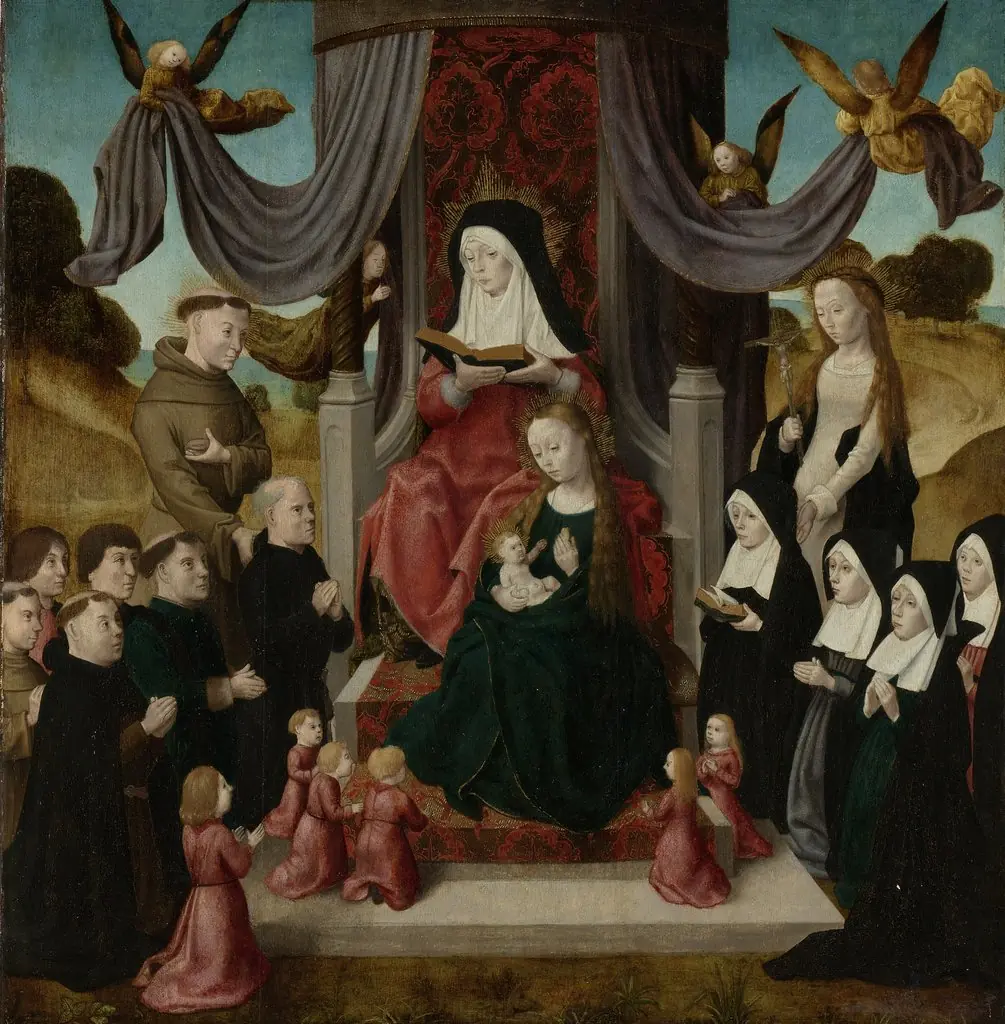 The Virgin and Child with St Anne, donors and Sts Francis and Lidwina
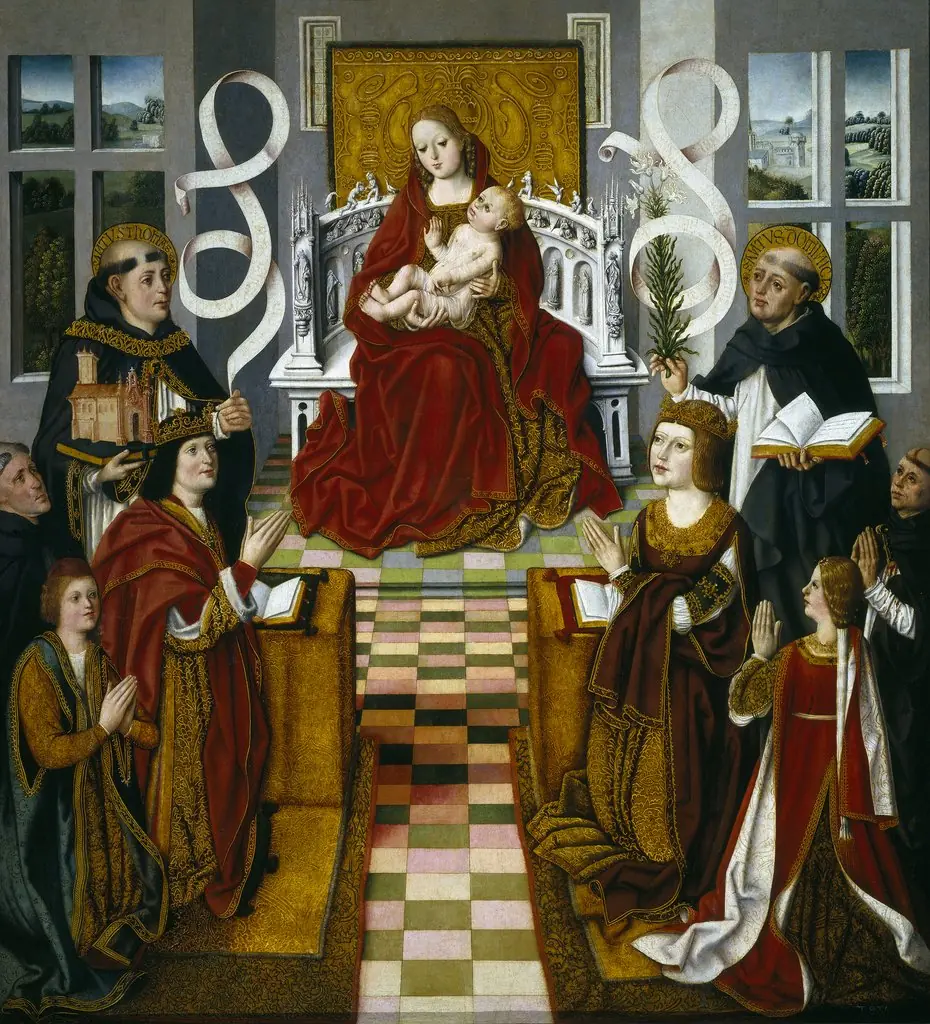 Madonna of the Catholic Monarchs
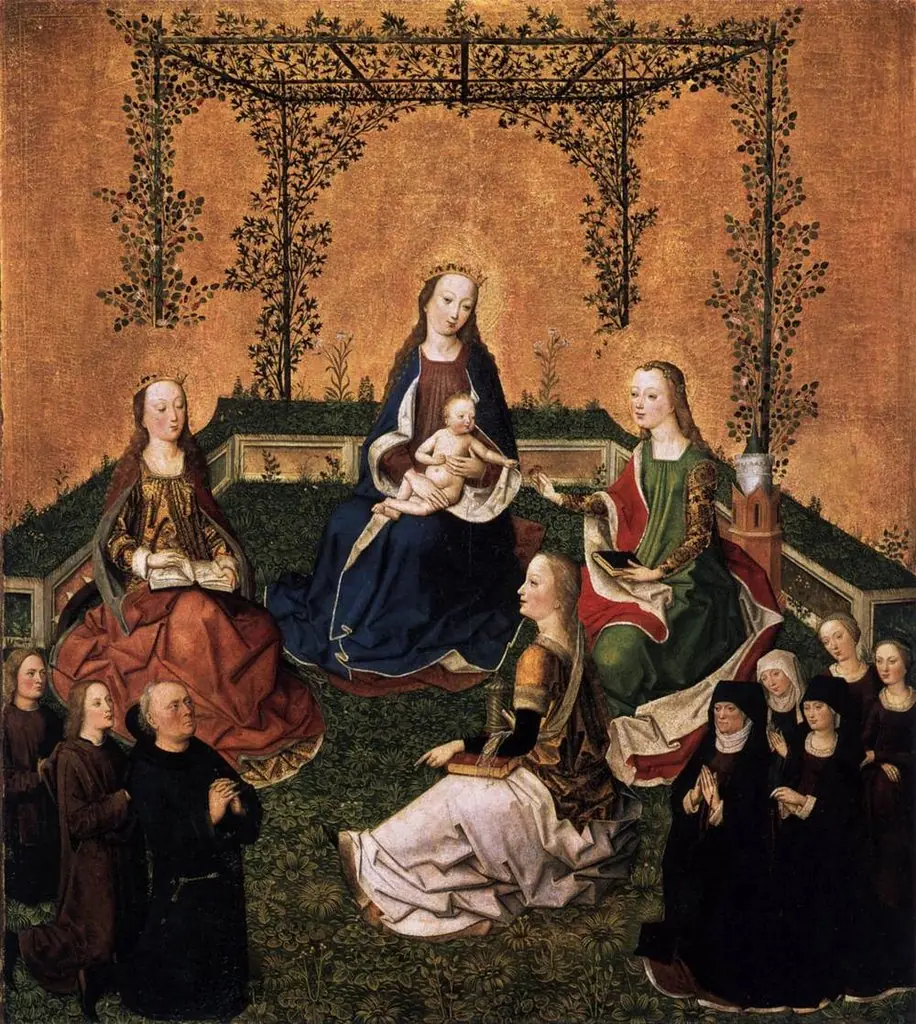 Virgin and Child with Three Saints
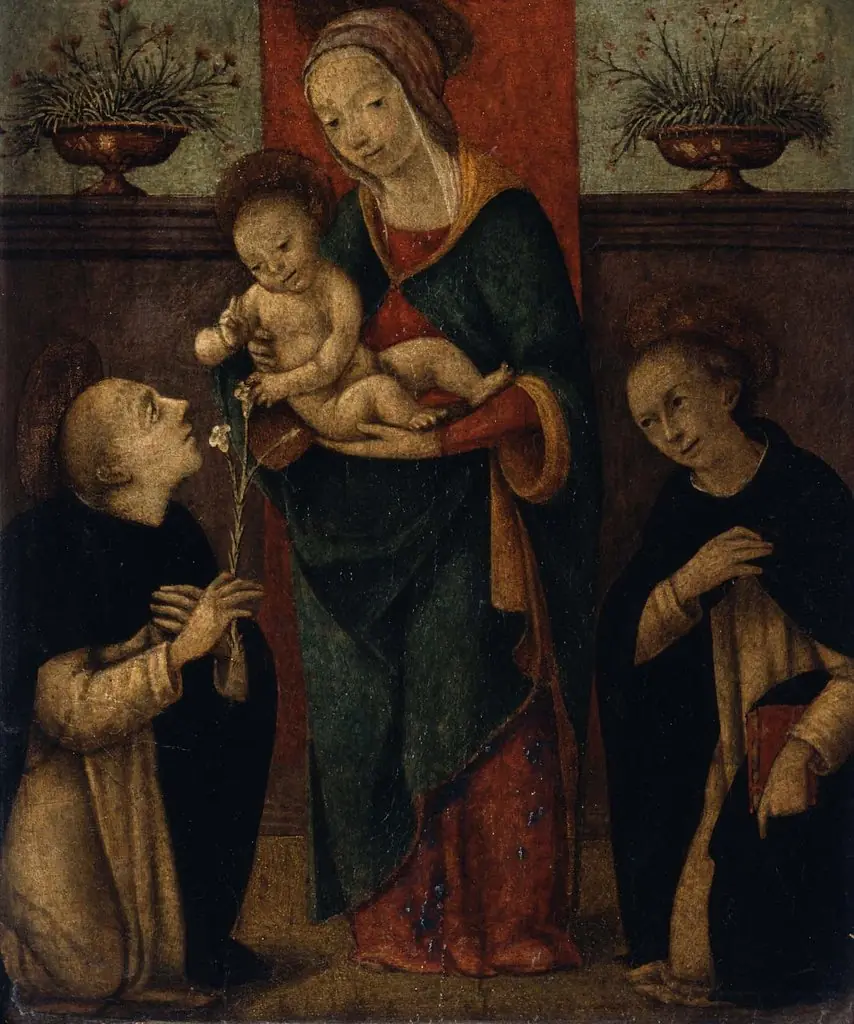 Virgin and Child with Saints Dominic and Thomas Aquinas (?)
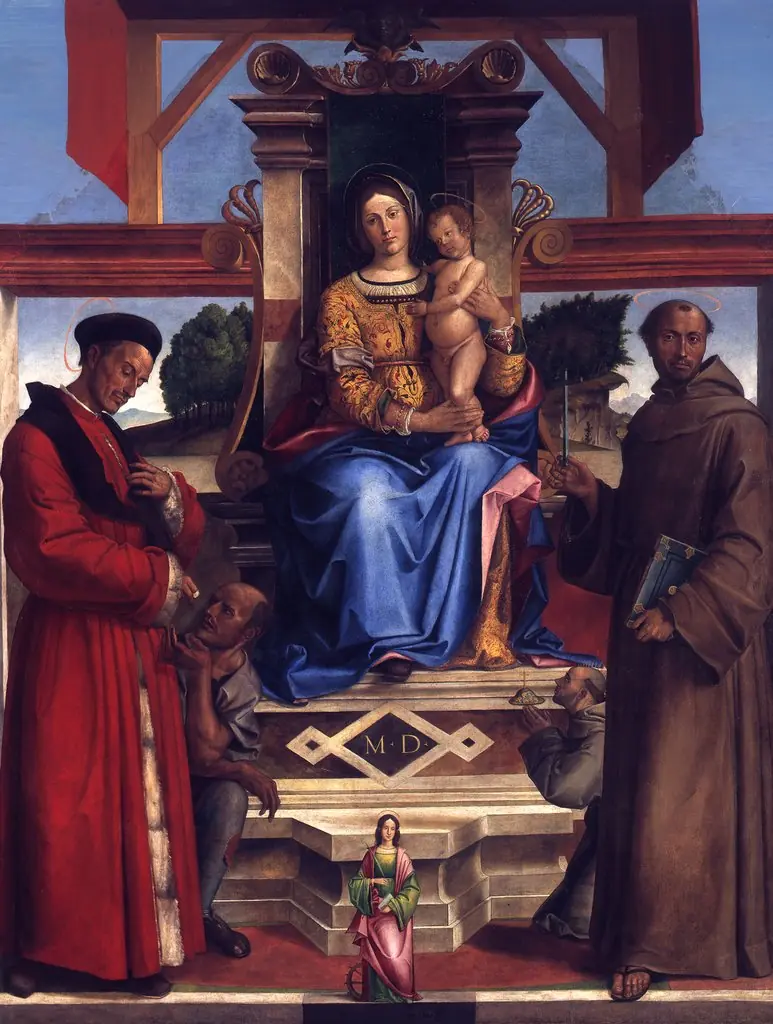 The Virgin and Child Enthroned and St. Homobonus, Francis of Assisi, Catherine of Alexandria and the Donor Bernadino da Feltre (Death 1494)
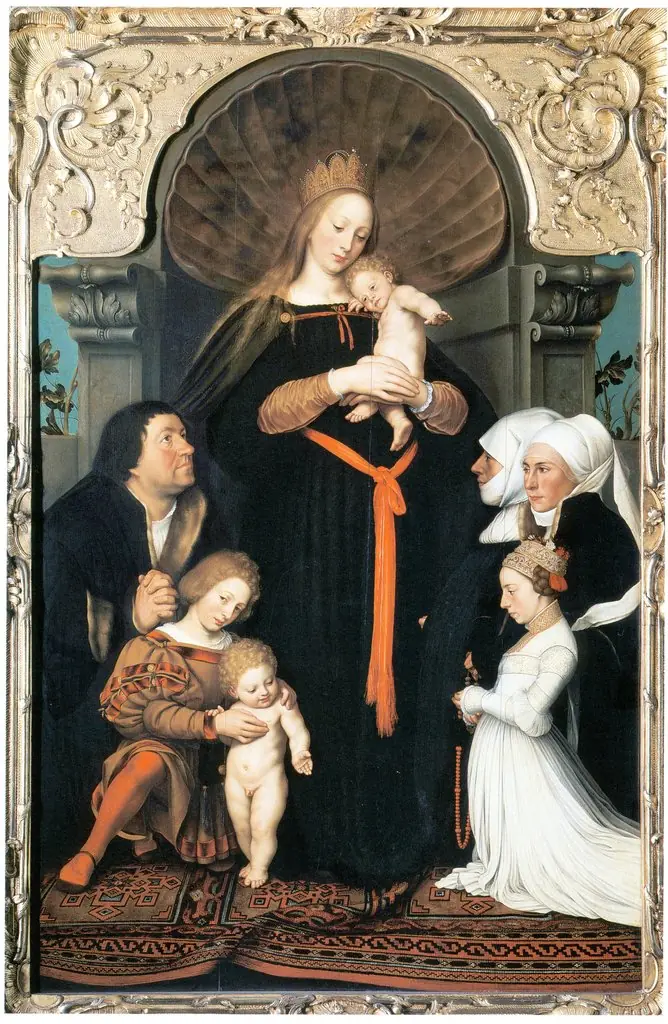 Madonna des Bürgermeisters Meyer (Kopie)