Artwork
Deshabille
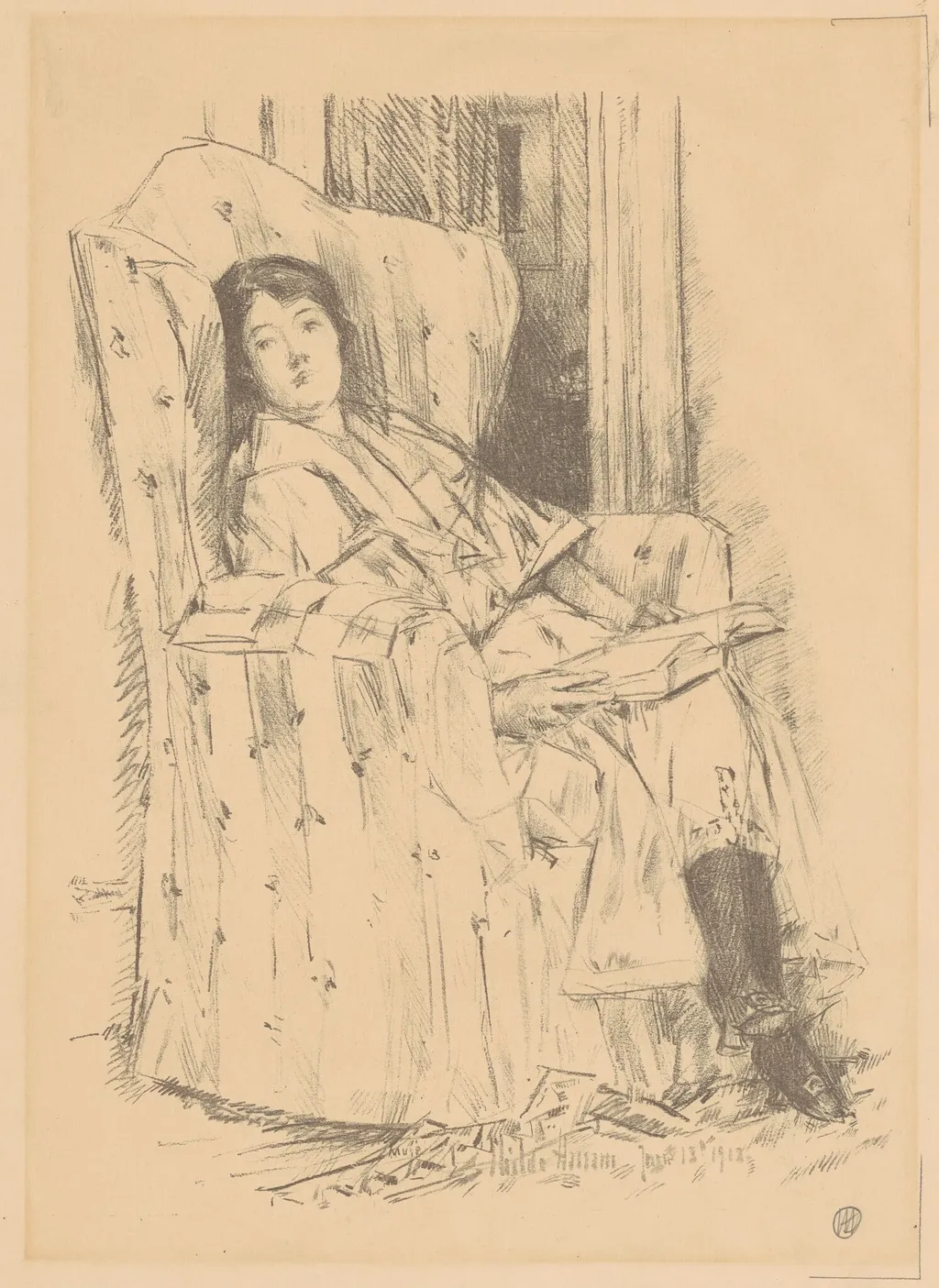
Deshabille is an ink print by Childe Hassam. It dates from 1918 and is held in the collection of the National Gallery of Art.
- Inscription
- Inscribed:lower center on stone: Muse Childe Hassam June 18th 1918; lower right in graphite: [the artist's monogram]; lower left edge in green colored pencil by unknown hand: 235 [circled]; lower left edge in graphite by unknown hand: Deshabille Deshabille; lower right edge in graphite by unknown hand: 15 5/8; upper left verso in graphite by unknown hand: #9; lower center verso in graphite by unknown hand: [not deciphered and circled] / KI.; lower right verso in graphite by unknown hand: HY
About this work
Overview
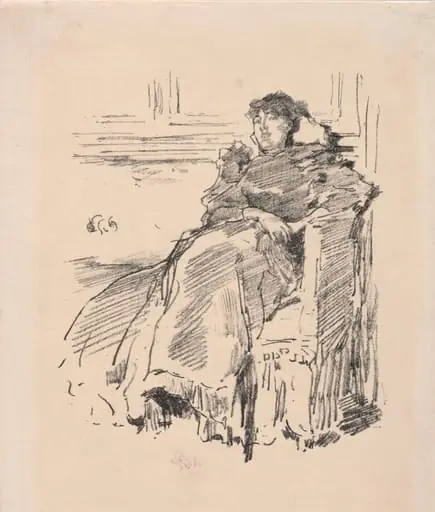
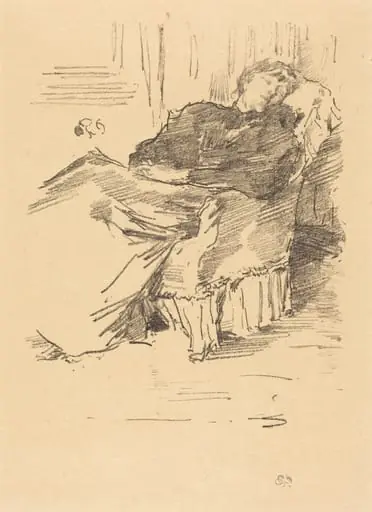
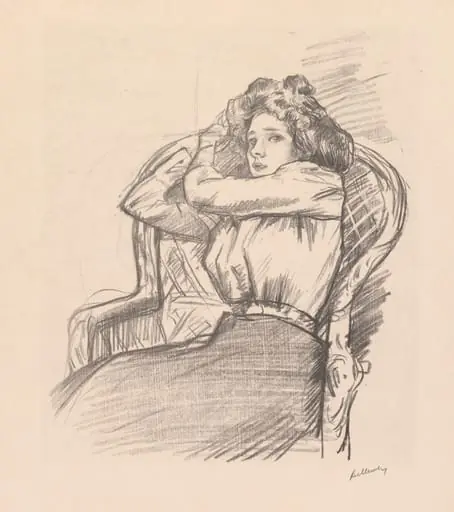
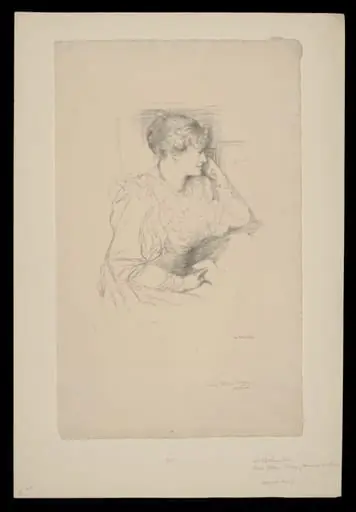
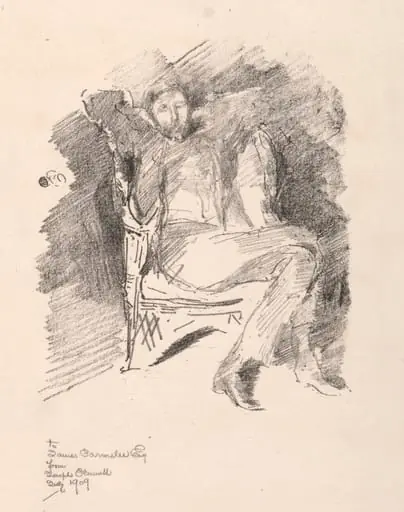
Deshabille is a 1918 lithograph by Childe Hassam depicting a serene, reclining figure in a cushioned armchair, conveying comfort and tranquility.
Subject & Meaning
The subject, a man with calm, softly rendered facial features, lounges with a loose throw over one arm and a hand on his chest. The scene emphasizes intimacy and personal space, characteristic of Hassam's focus on quiet, everyday moments.
Technique & Style
Executed in black lithograph on wove paper, the work features subtle, nuanced shading, with light accenting the subject's forehead while the rest of the face and body are gently shadowed, enhancing the sense of relaxation.
History & Provenance
Created in 1918, Deshabille is part of Hassam's prolific output of lithographs during the 1910s, reflecting his penchant for capturing serene, personal scenes during this period.
Context
This piece aligns with Hassam's thematic interest in depicting quiet, introspective moments, often in domestic settings, highlighting his ability to find beauty in simplicity and solitude.
Own this work as a print
Artist & collection

Artist
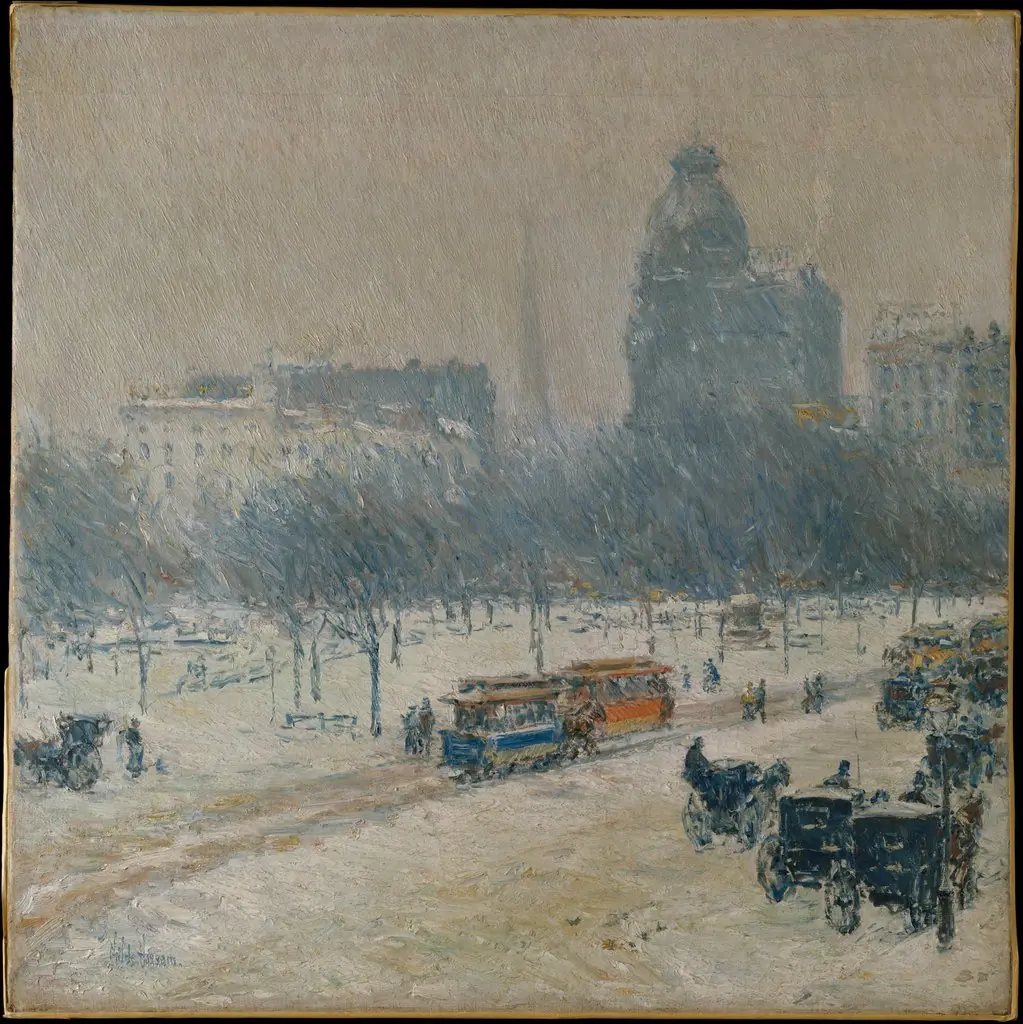
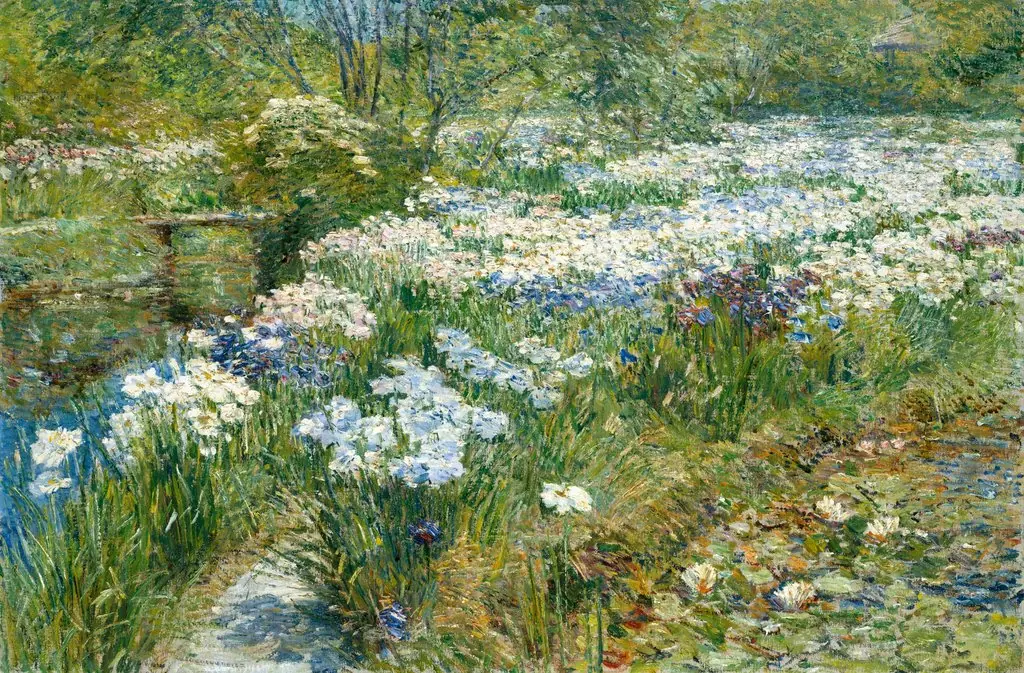
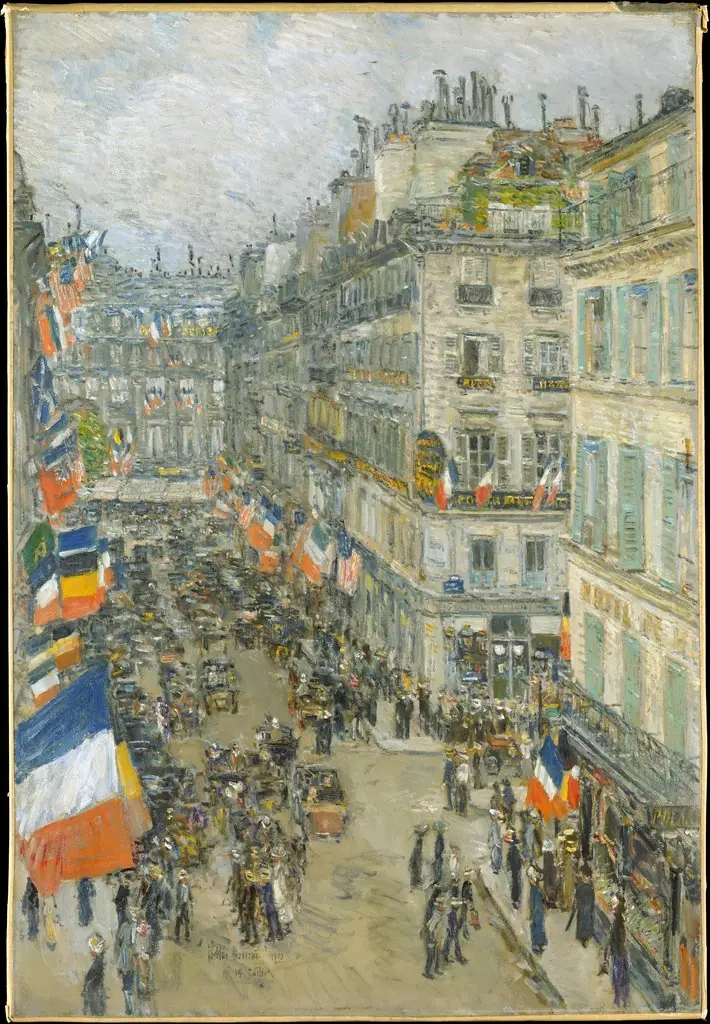
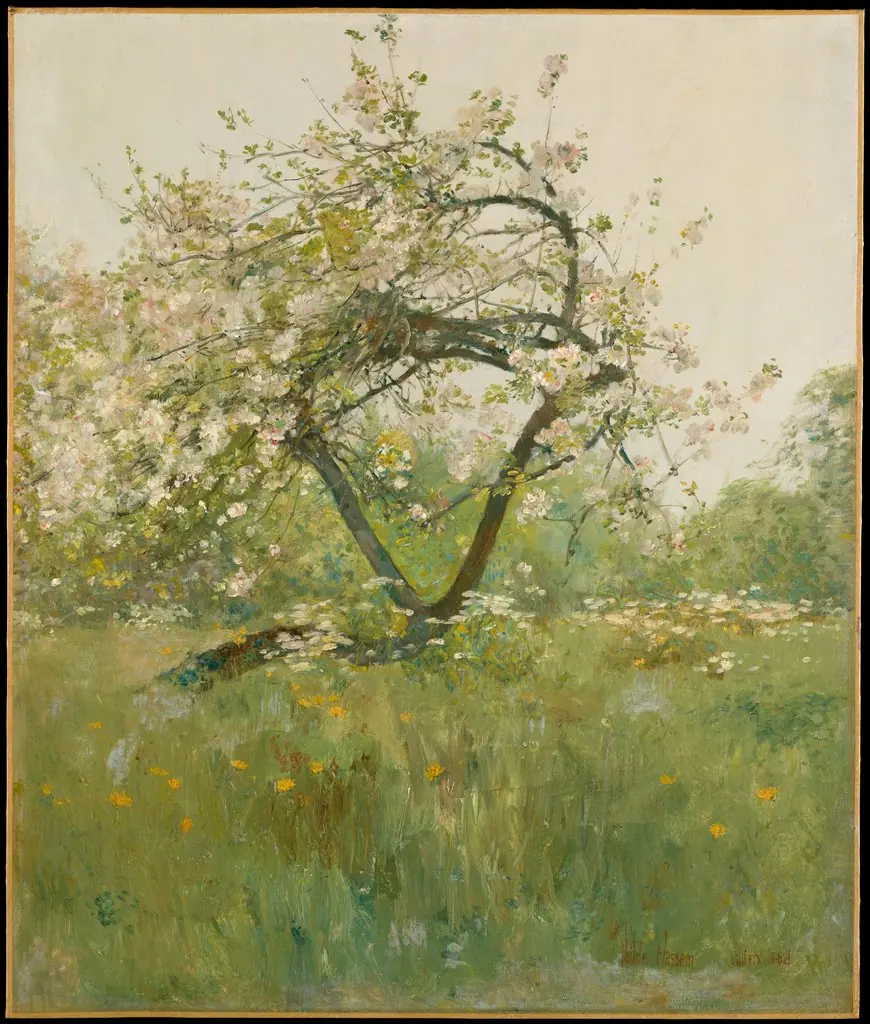
Frederick Childe Hassam (; October 17, 1859 – August 27, 1935) was an American Impressionist painter, noted for his urban and coastal scenes.