Artwork
Portrait of a Naval Officer
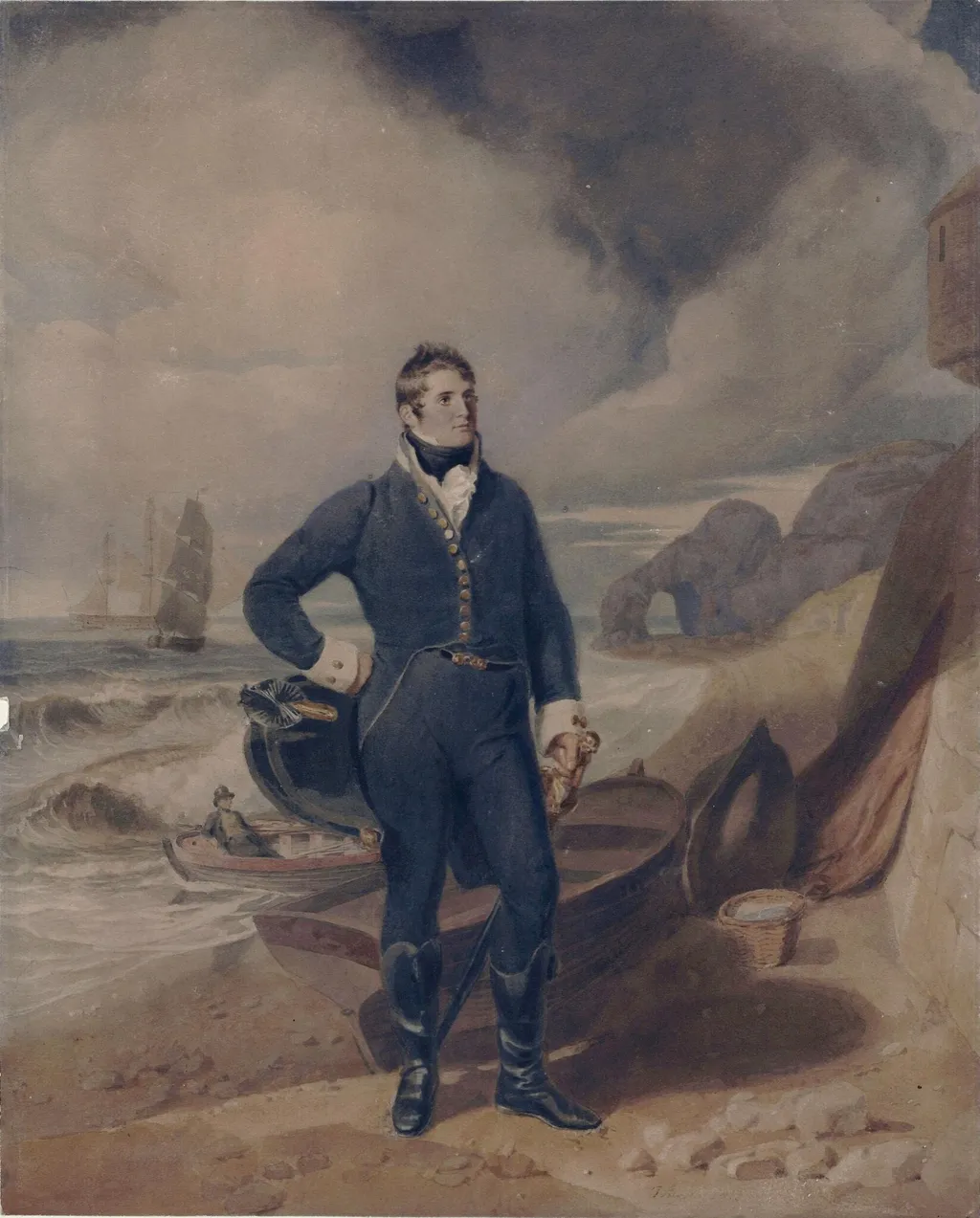
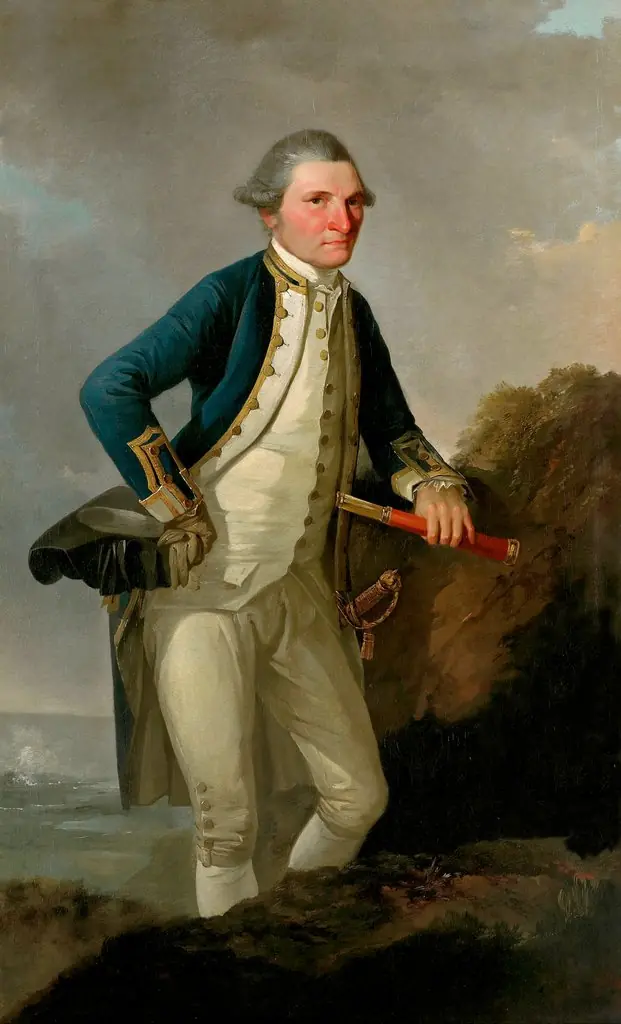
Portrait of a Naval Officer is a watercolor work on paper by the British Romanticist artist Thomas Heaphy. It dates from 1813 and is held in the collection of the Victoria and Albert Museum.
About this work
Overview
Thomas Heaphy’s watercolour portrait captures a naval officer in full length, standing on a rugged shoreline. The work is signed and dated by the artist, confirming its authorship and temporal context. Rendered in delicate washes, the piece balances intimate detail with atmospheric breadth, reflecting Heaphy’s skill in translating naval identity into quiet, personal imagery.
Subject & Meaning
The officer, dressed in a dark blue uniform with gold trim and a white cravat, holds a sword at his side, suggesting rank and readiness. His stance, hand on hip, gaze fixed on the horizon, conveys quiet resolve rather than triumph. The storm-lit sea behind him mirrors an internal tension, implying duty amid uncertainty, a common theme among naval figures of the era.
Technique & Style
Heaphy employs watercolour with restrained precision, layering translucent washes to build depth in the uniform and sky. Chiaroscuro is subtly used to model the figure against the turbulent backdrop, enhancing volume without heavy shadow. The texture of the rocks and waves is suggested through loose, wet-in-wet strokes, preserving the medium’s luminous qualities while evoking natural force.
History & Provenance
The painting’s early ownership is undocumented, but its subject and style align with British naval portraiture of the early 19th century. Heaphy, known for military and civilian portraits, often worked from life, suggesting this may depict a real officer. Its survival in private collections until modern times reflects its enduring, if understated, appeal.
Context
Created during the Napoleonic Wars, the portrait reflects a cultural moment when naval officers were celebrated as national figures. Unlike grand ceremonial depictions, this work emphasizes solitude and introspection, capturing the psychological weight of command. The coastal setting may reference specific naval stations or personal associations of the sitter.
Legacy
Heaphy’s portrait stands as a modest yet resonant example of early 19th-century British watercolour portraiture. It avoids theatricality, instead offering a restrained vision of naval identity. While not widely exhibited, it contributes to the broader understanding of how personal dignity and professional duty were visually negotiated in civilian media.
Own this work as a print
Artist & collection
Artist
Thomas Heaphy the Elder (1775–1835) was a British watercolourist, known also for his portraits.

 Captain Charles Stewart
 James, Lord Ruthven
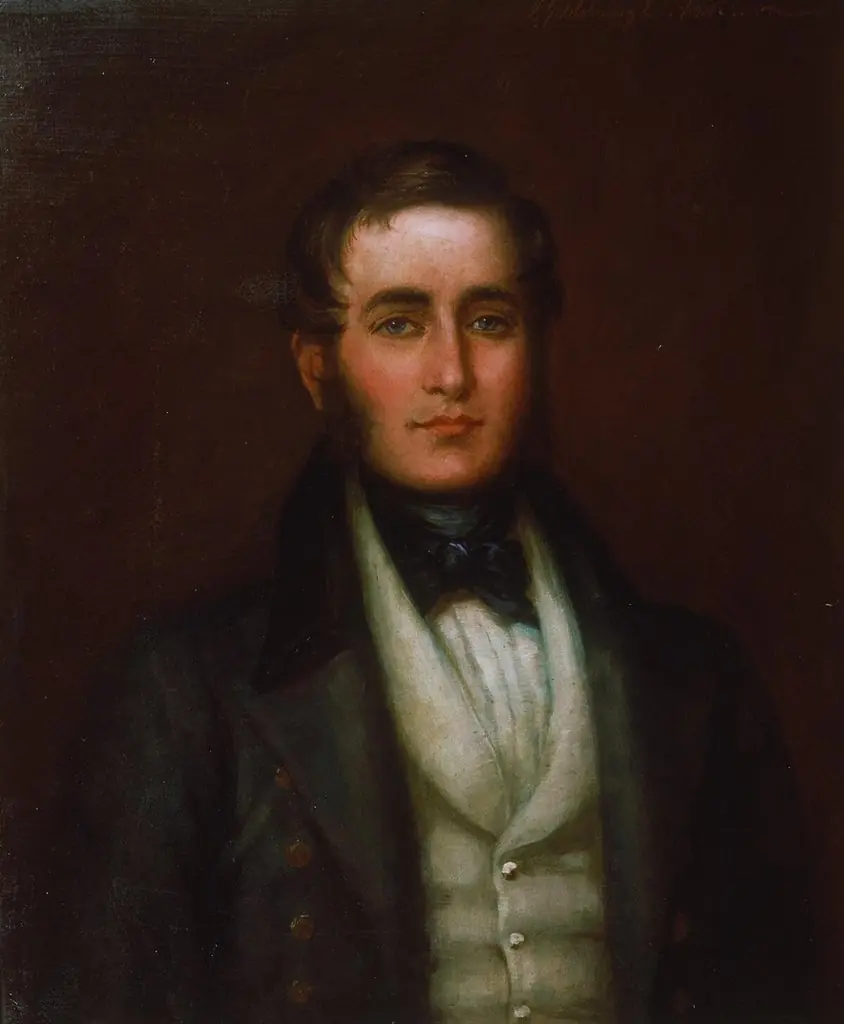 Pryse Loveden 1815-1855 (copy)
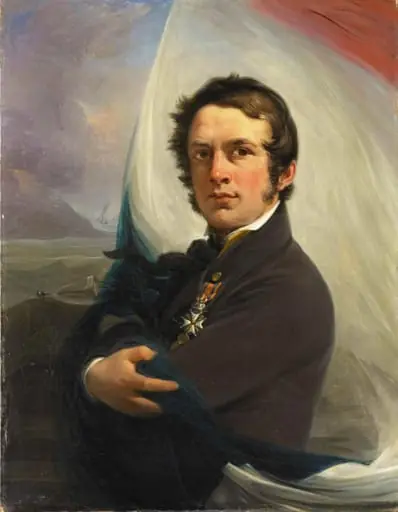 Portrait of Jacob Hobein, Rescued the Dutch Flag under Enemy Fire, 18 March 1831
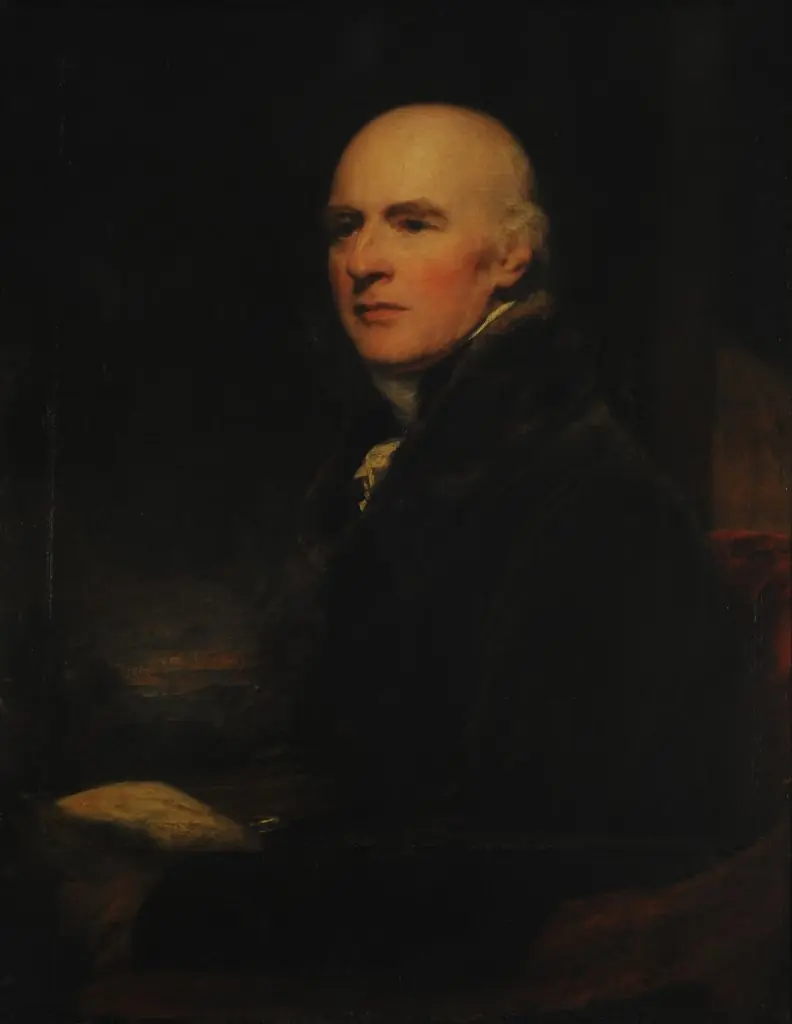 Portrait of Joseph Farington, R.A.
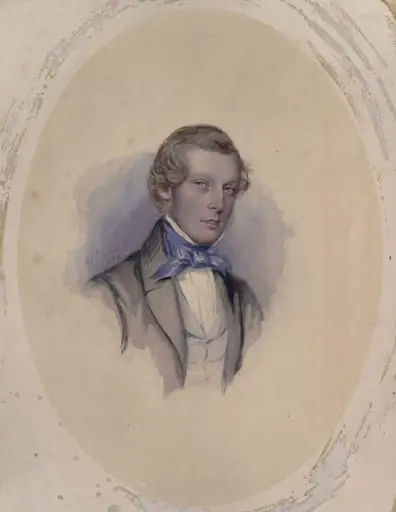 Henry Thornely
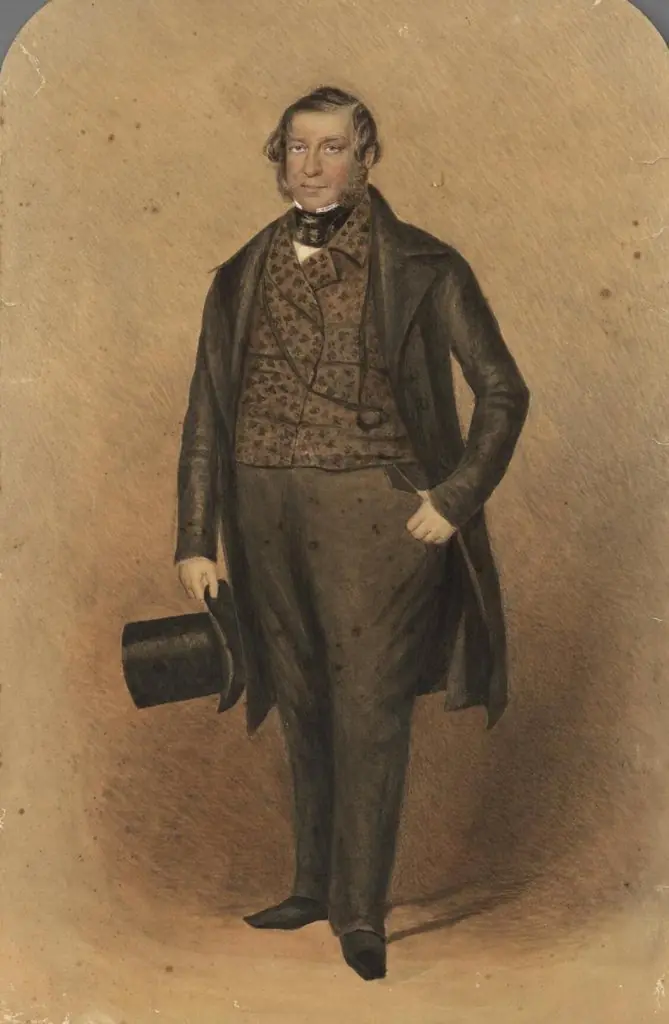 Frederick Augustus Jones
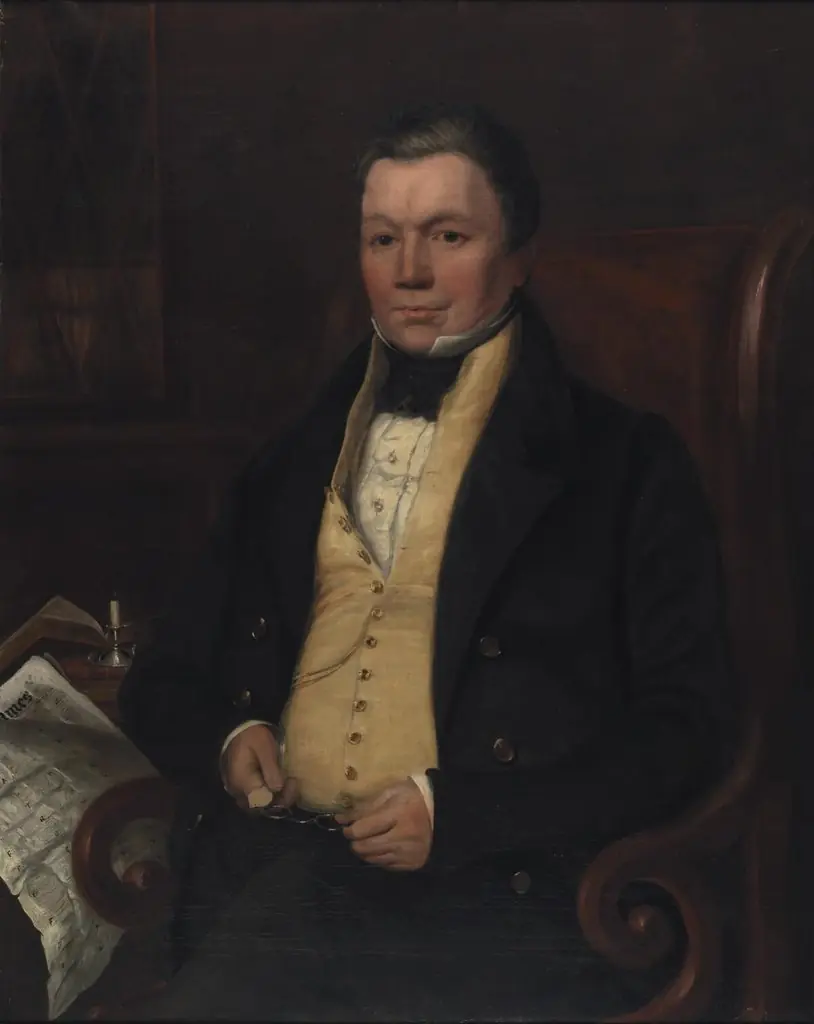 John Davies, Fronheulog, Llandderfel
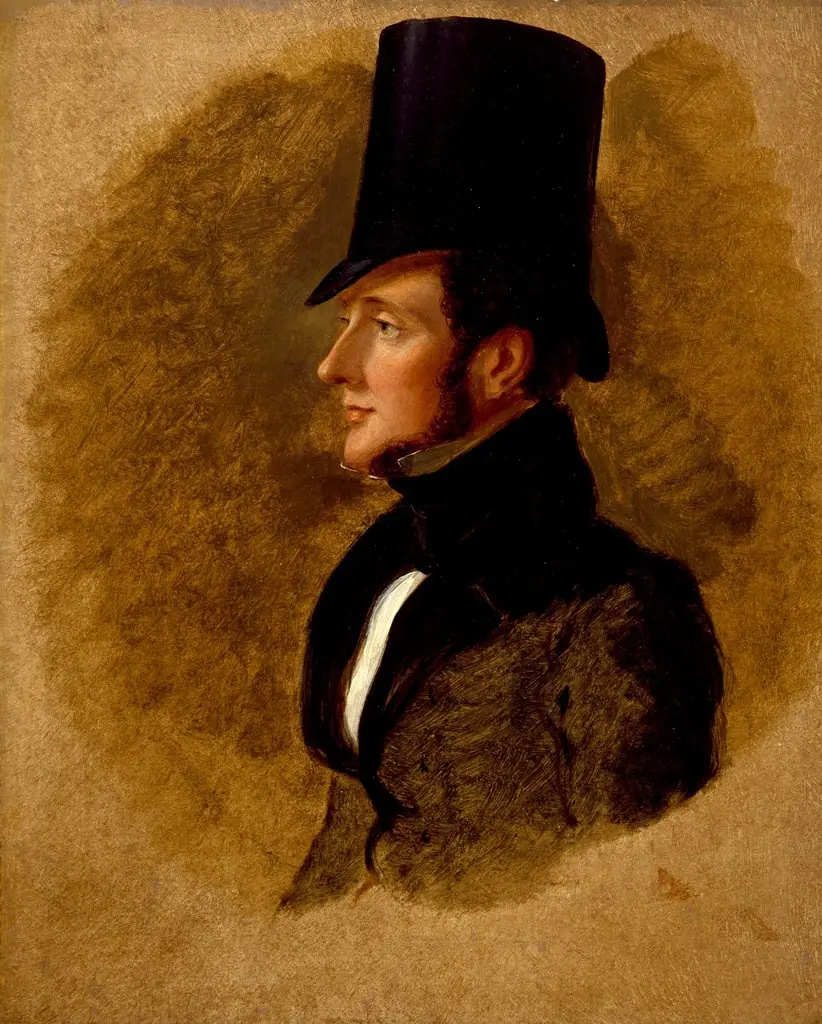 Fitzstephen French, M.P.
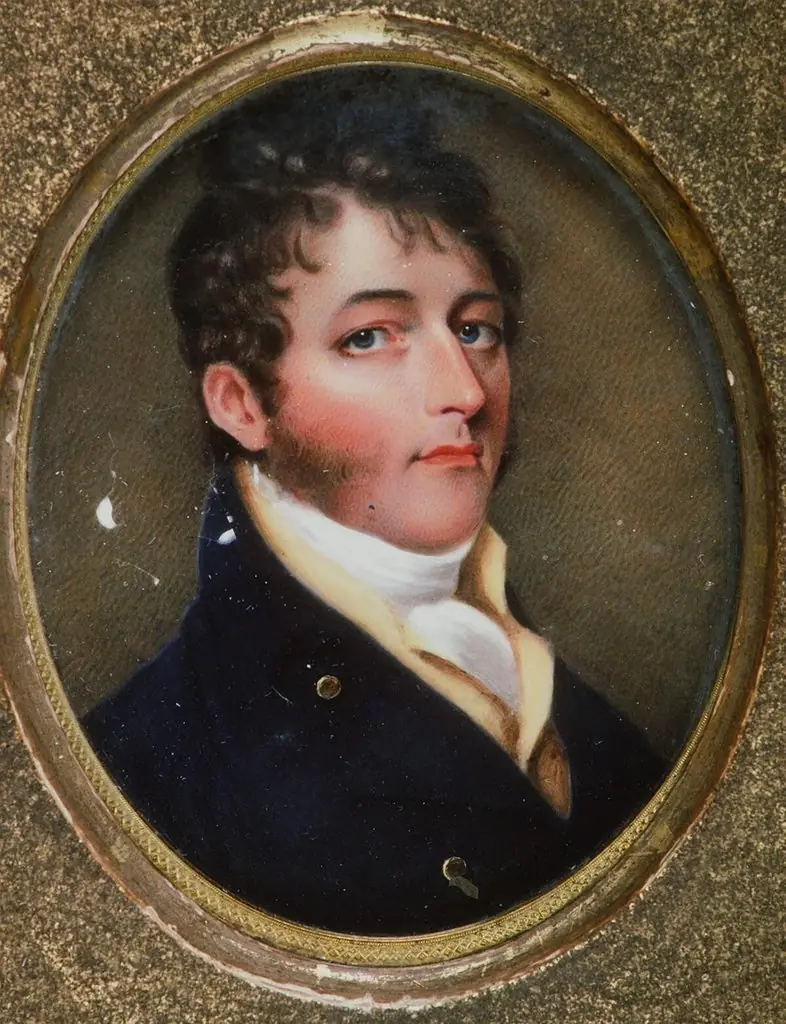 Pryse Pryse, Gogerddan
 Portrait of Captain James Cook
- Watercolour portrait of a military officer