Artwork
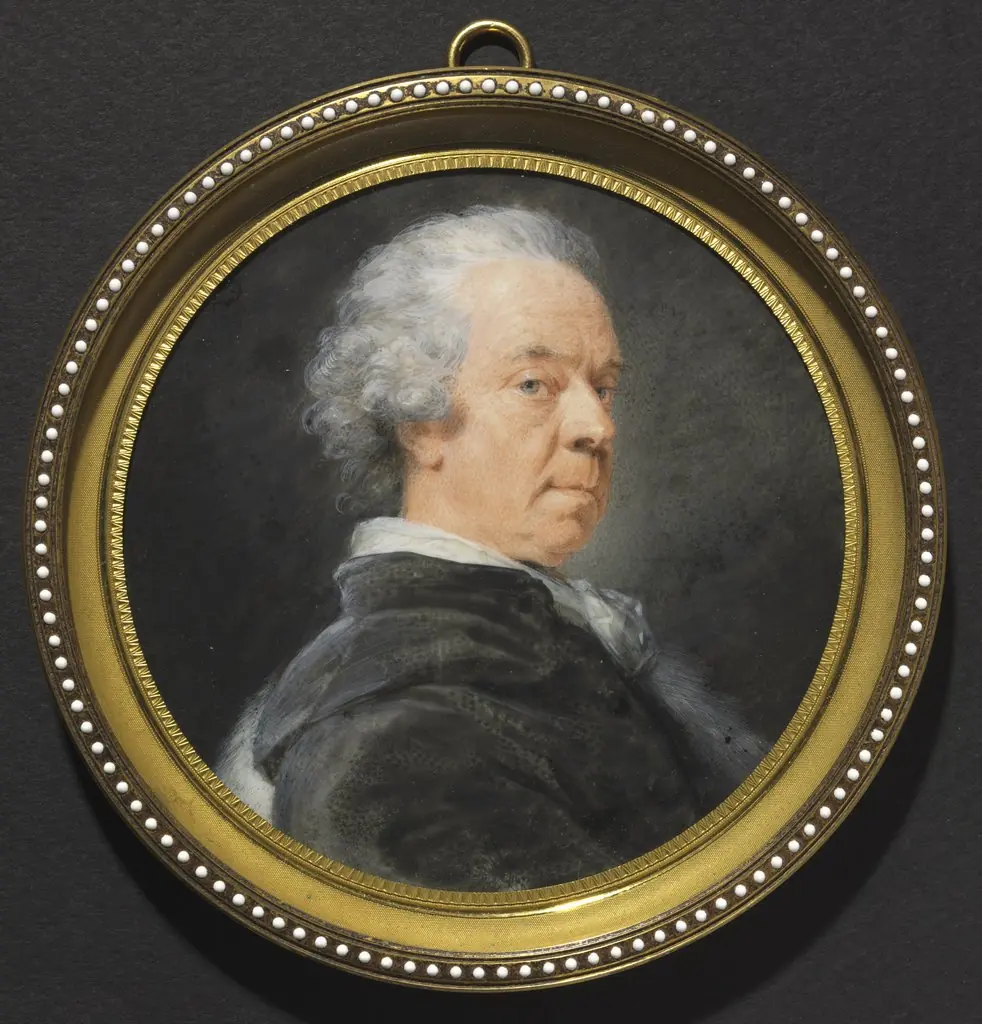
Portrait of a Man with a White Ruff
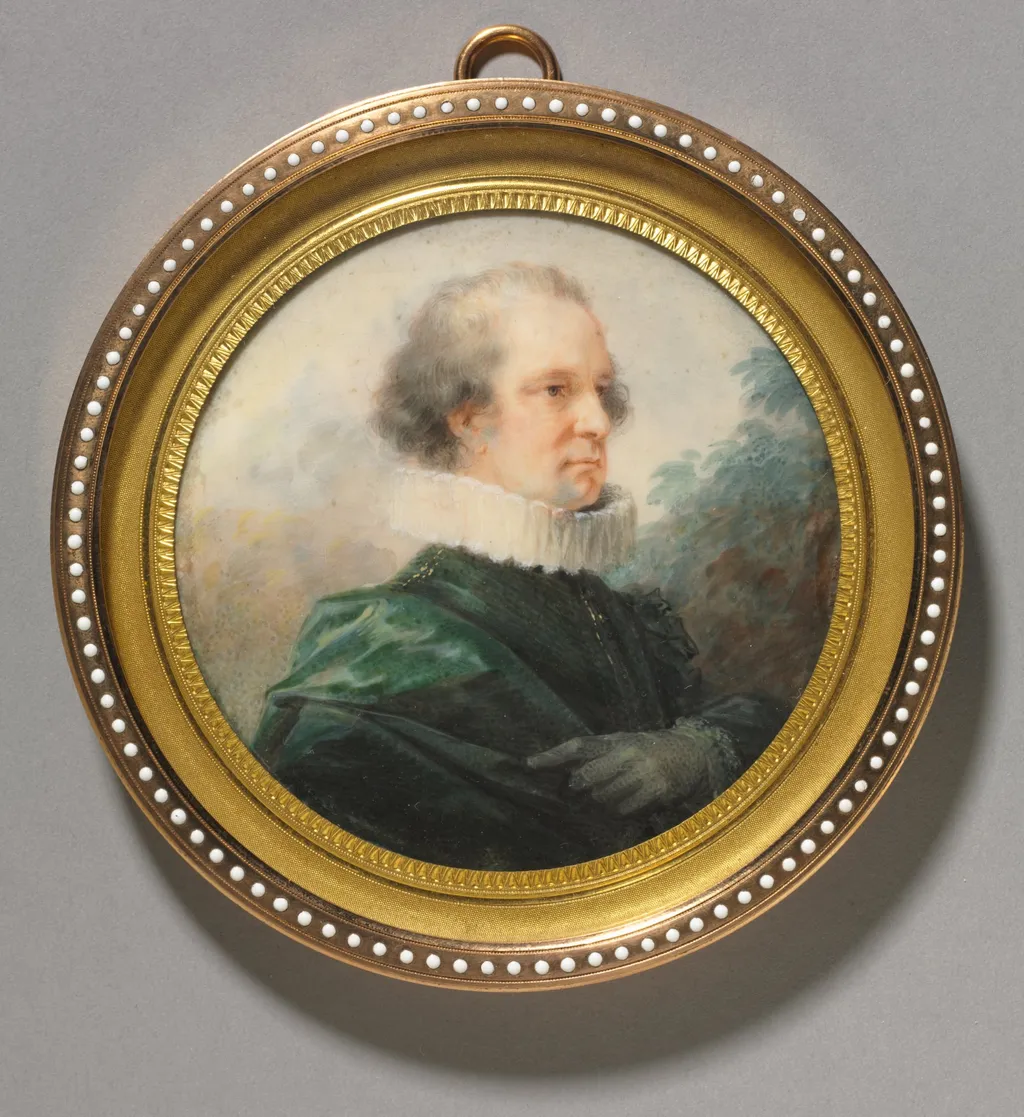
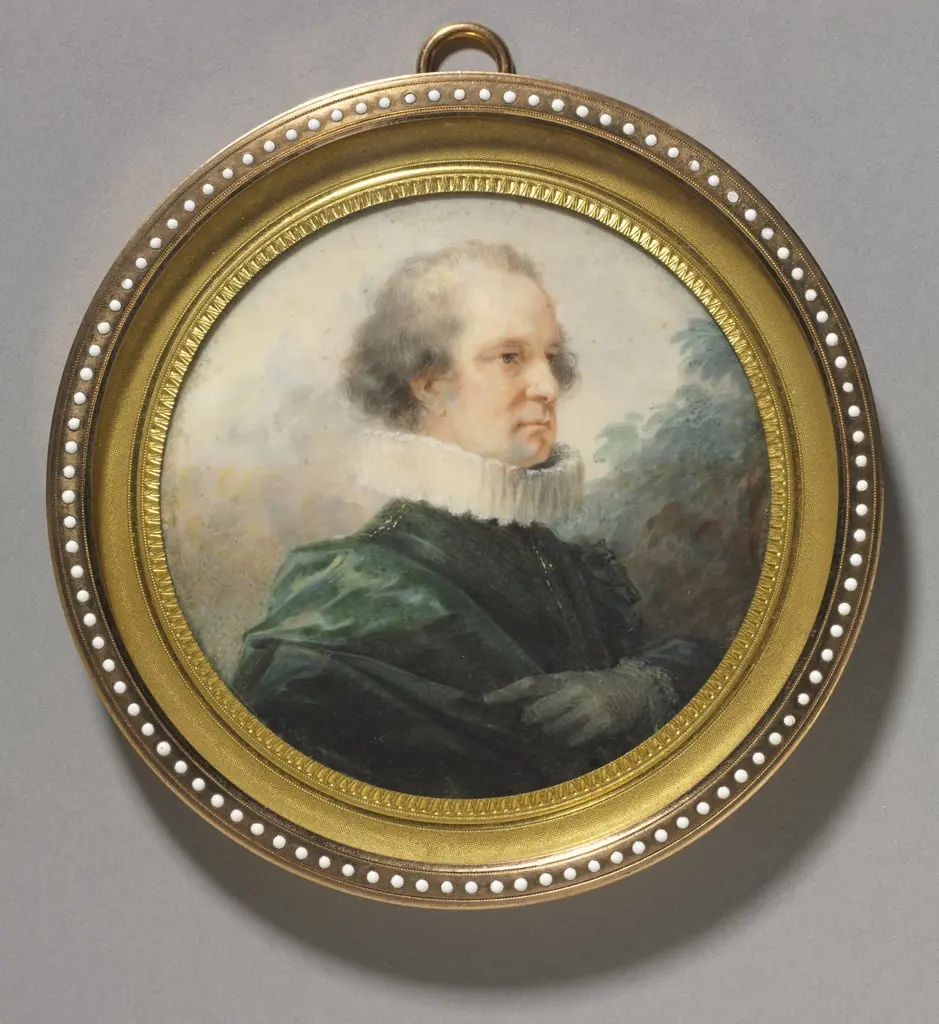
Portrait of a Man with a White Ruff is an unspecified portrait miniature by the Rococo painting artist Heinrich Füger. It dates from 1790 and is held in the collection of the Cleveland Museum of Art. This small oval portrait, dated around 1790, depicts an older man in profile, rendered in watercolor on ivory.
- Accession no.
- 1940.1208
- Credit line
- The Edward B. Greene Collection
About this work
Overview
The composition emphasizes quiet dignity through restrained color and precise detail, typical of late 18th-century miniature portraiture.
This small oval portrait, dated around 1790, depicts an older man in profile, rendered in watercolor on ivory. It is attributed to Heinrich Friedrich Füger and resides in The Cleveland Museum of Art. The composition emphasizes quiet dignity through restrained color and precise detail, typical of late 18th-century miniature portraiture. The work’s intimate scale invites close observation, characteristic of personal keepsakes from the period.
Subject & Meaning
The sitter, an elderly man, presents a composed, solemn expression, his gaze directed outward with quiet intensity. His attire, a high white ruff and dark green coat lined with fur, suggests status and formality, possibly indicating civic or professional standing. The absence of symbolic objects or elaborate setting focuses attention on the individual’s presence, reflecting a shift toward psychological realism in portraiture of the era.
Technique & Style
Füger employed delicate watercolor on ivory to achieve subtle tonal transitions, particularly in the rendering of skin and fabric. Light falls softly across the face, enhancing the smoothness of the complexion while deepening shadows beneath the eyes and jawline. This use of chiaroscuro creates volume without overt drama, aligning with the refined aesthetic of Viennese miniature painting and emphasizing naturalism over ornamentation.
History & Provenance
The portrait entered The Cleveland Museum of Art’s collection through established channels, though its earlier ownership history remains undocumented. Its preservation in good condition suggests careful handling over time. As a work by Füger, a noted Austrian painter and director of the Vienna Academy, it reflects the artistic networks of Central Europe in the late 1700s, though its specific commissioning context is unknown.
Context
Created during the Enlightenment, this miniature aligns with a broader European trend favoring restrained, introspective portraiture. Unlike grand formal paintings, such small-scale works were often kept privately, exchanged among families or used as tokens of remembrance. The emphasis on facial detail and dignified bearing reflects contemporary ideals of rationality and personal decorum.
Legacy
Füger’s portrait exemplifies the technical precision and emotional restraint characteristic of late 18th-century miniature art. While not widely reproduced, it contributes to the understanding of how personal identity was visually articulated in an age before photography. Its presence in a major museum underscores the enduring value placed on intimate, handcrafted portraiture within Western art traditions.
Artist & collection
Artist
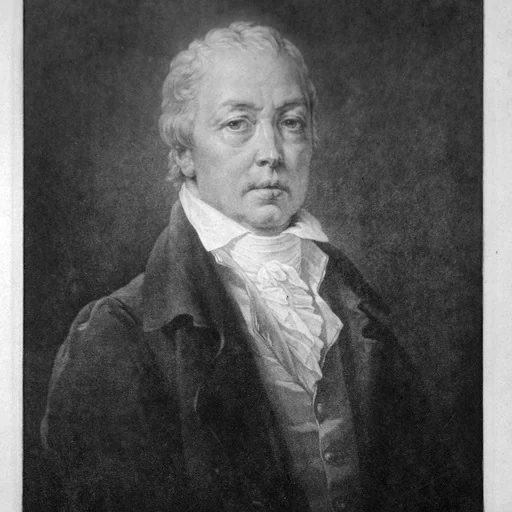
Heinrich Friedrich Füger (8 December 1751 – 5 November 1818) was a German portrait and historical painter and one of the most important German representatives of classicism.

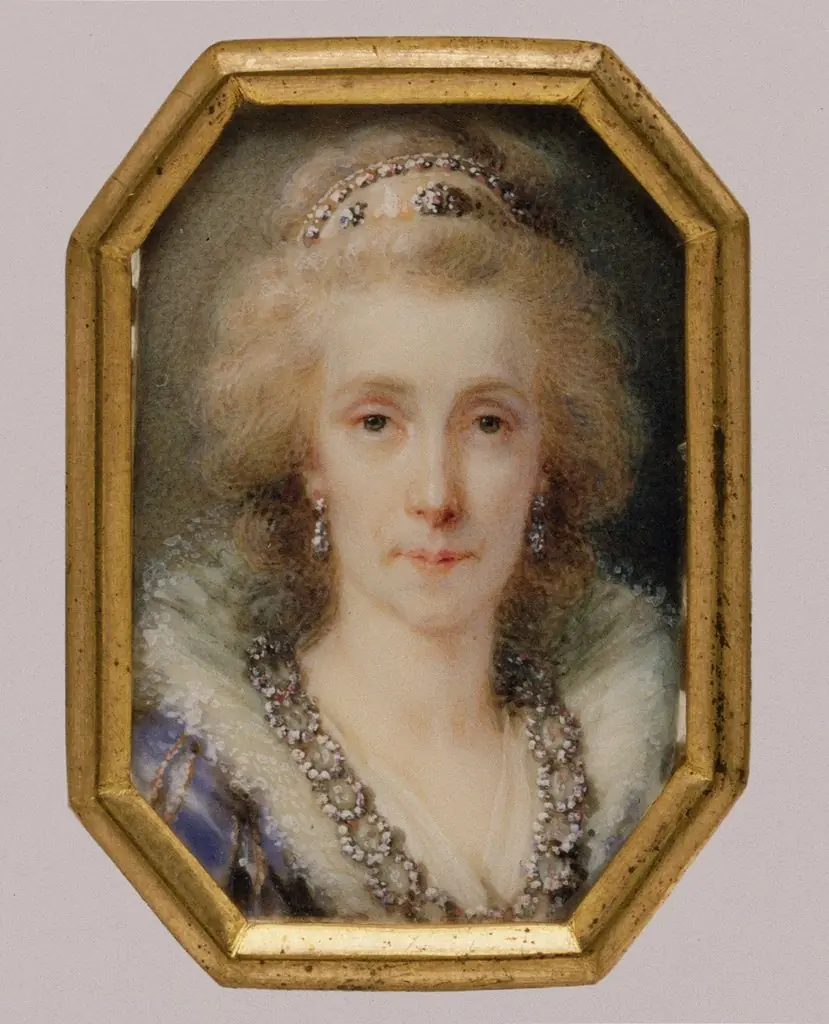 Maria Louisa (1745–1792), Empress of Austria
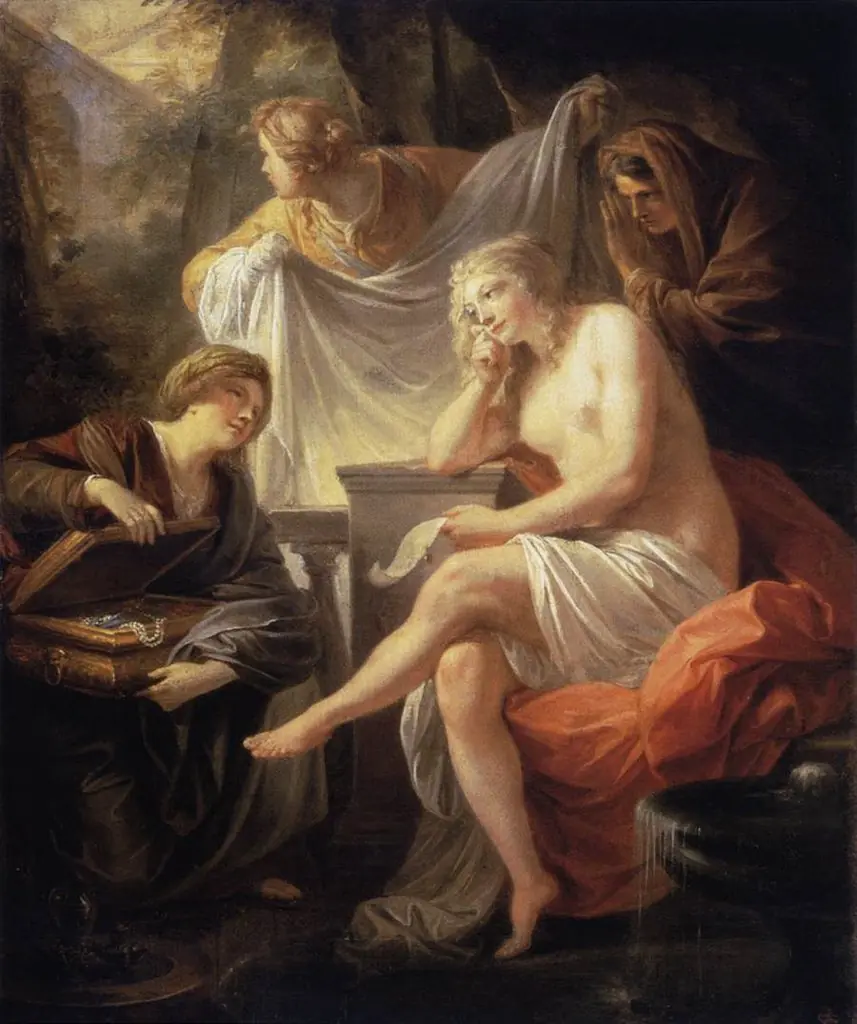 Bathsheba at her bath
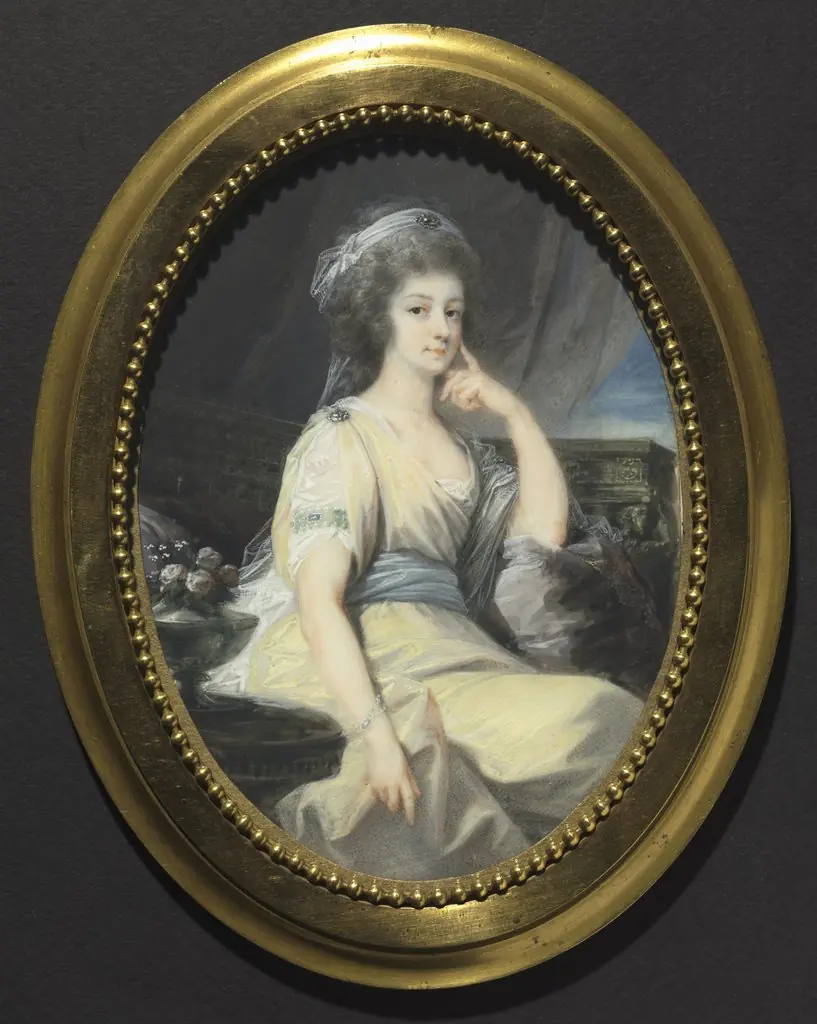 Portrait of Marie Karolina Anna, Countess Thun
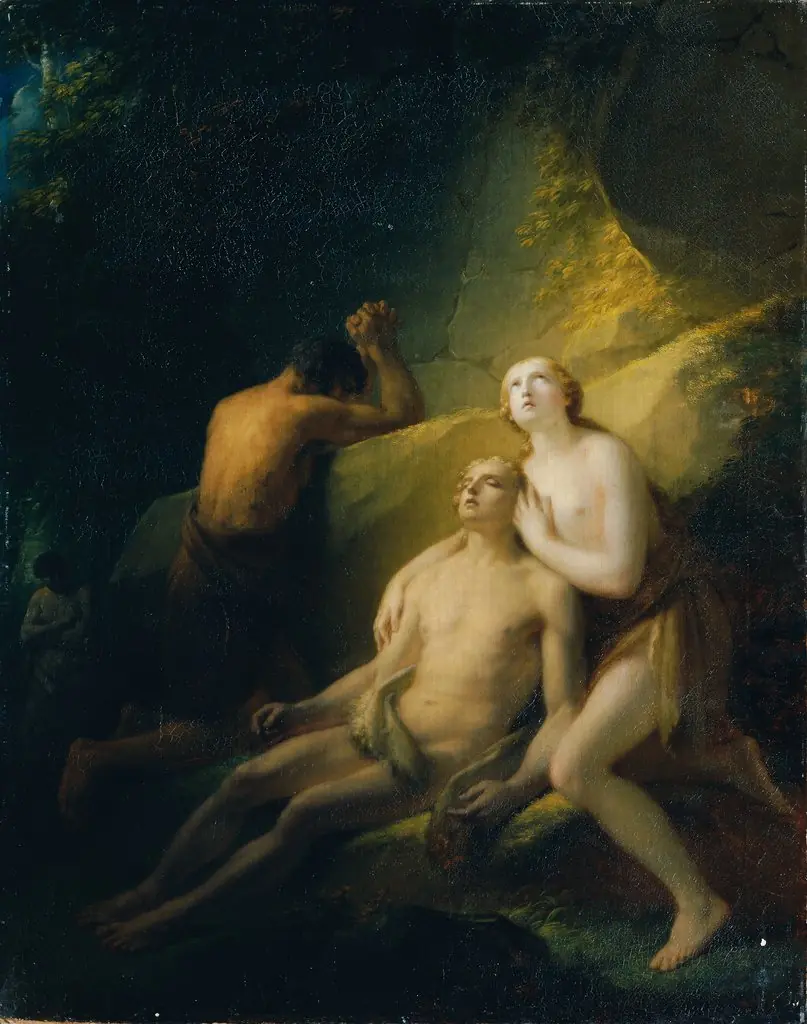 Adam and Eve Mourn the Dead Abel
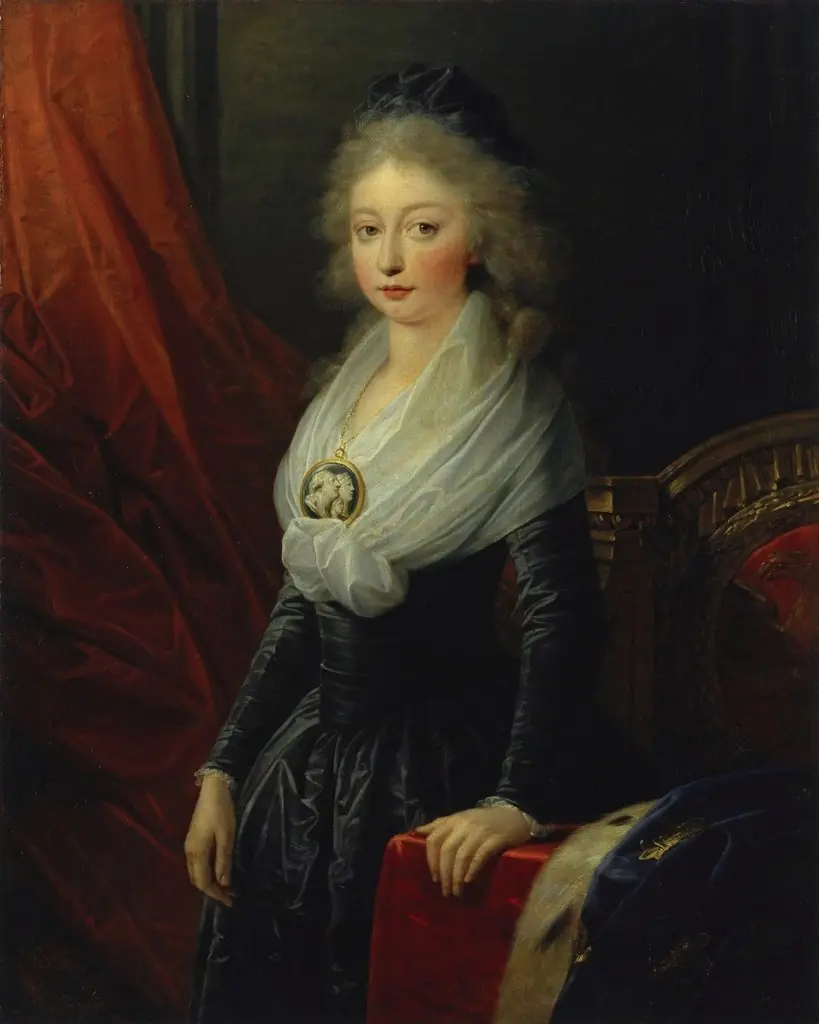 Portrait of Maria Theresia Charlotte of Bourbon
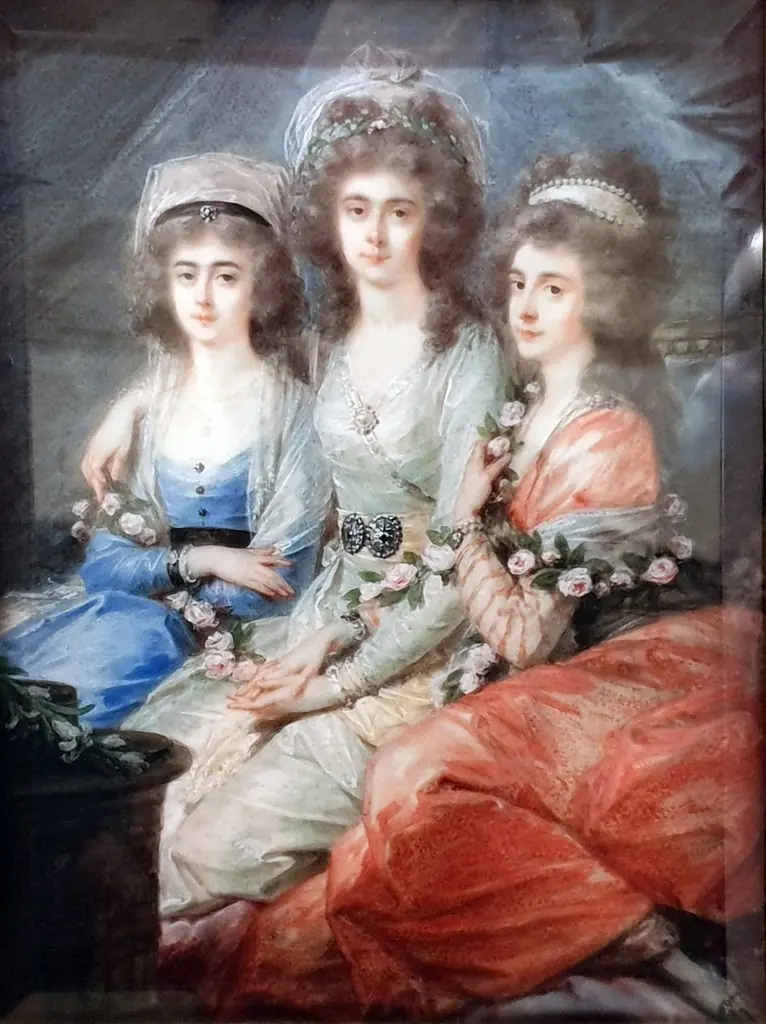 The countesses Elisabeth, Christiane and Marie Karoline Thun-Hohenstein-Klösterle
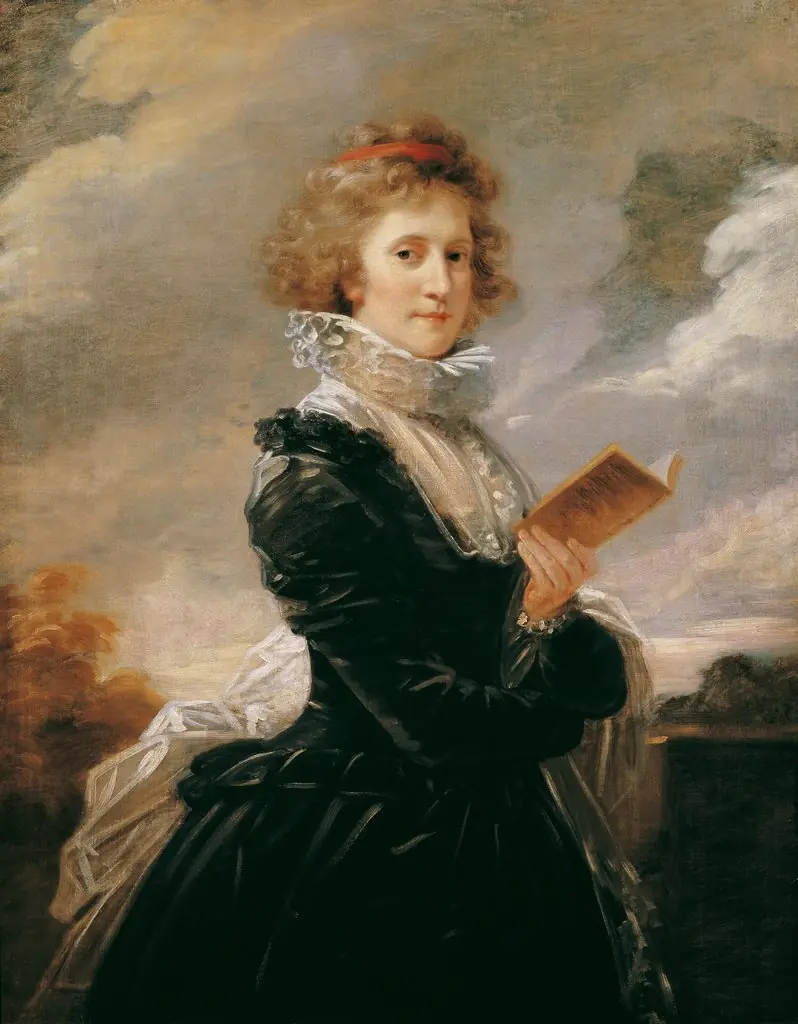 The actress Josefa Hortensia Füger, the wife of the artist
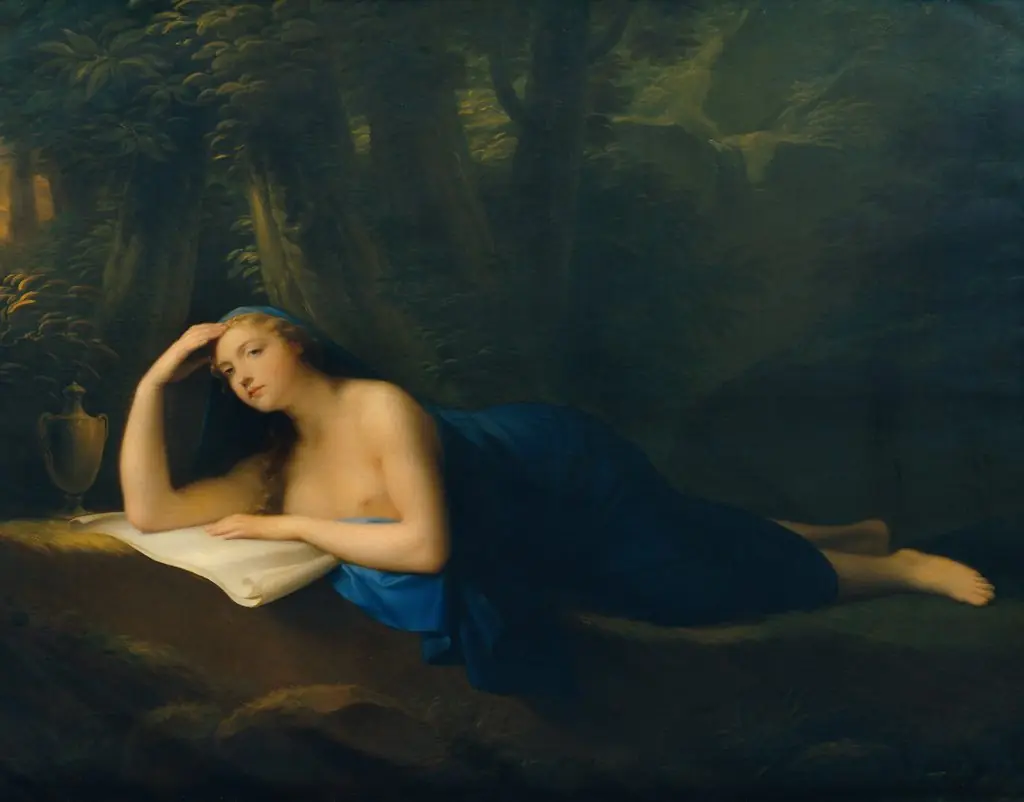 The Penitent Magdalene
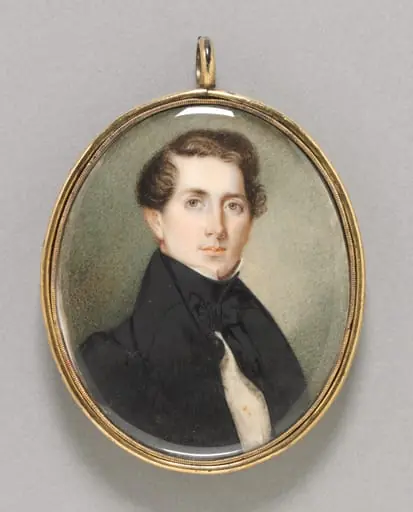 Portrait of a Man
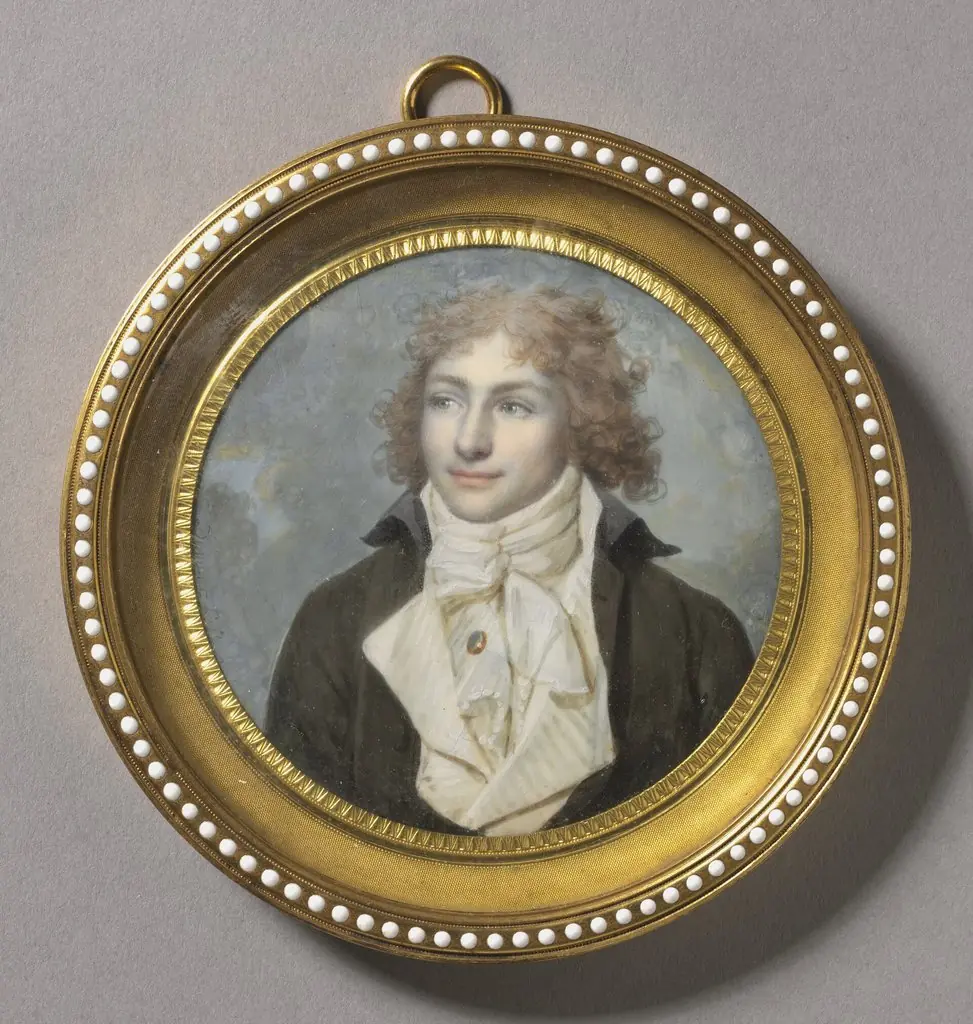 Portrait of a Man
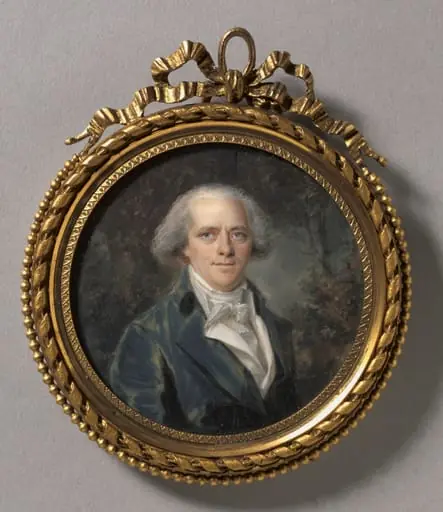 Portrait of Noël-François Charles Caille des Fontaines
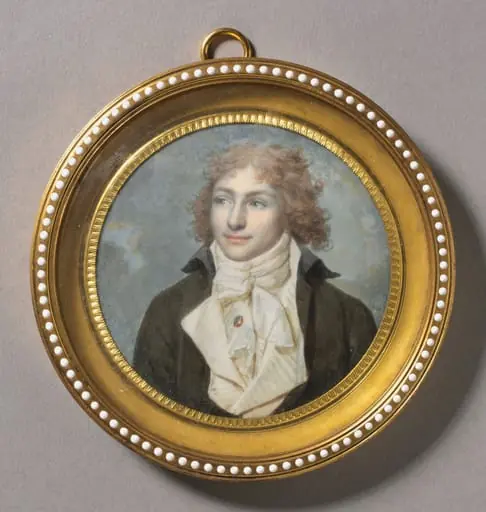 Portrait of a Man
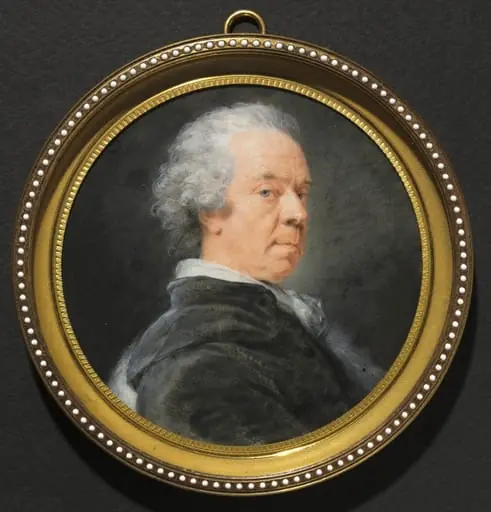 Portrait of Ivan Grigorevich, Count Chernyshev
 Portrait of Ivan Grigorevich, Count Chernyshev
 Portrait of a Man
 Self-portrait
 Portrait of a Man
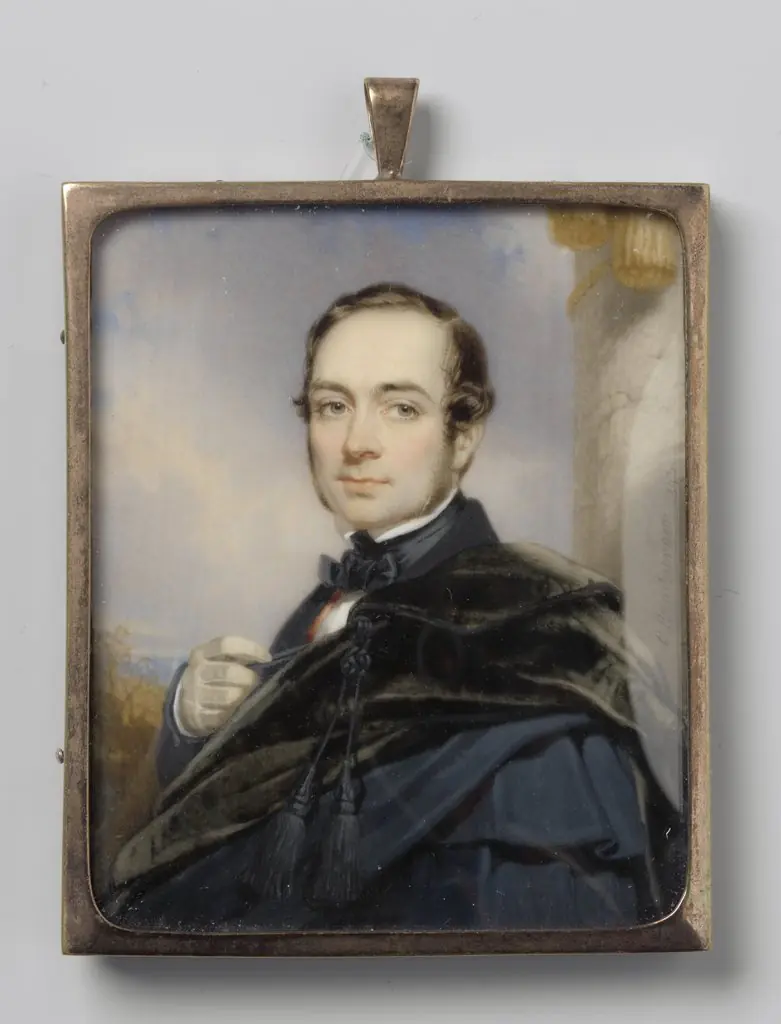 Portrait of a man
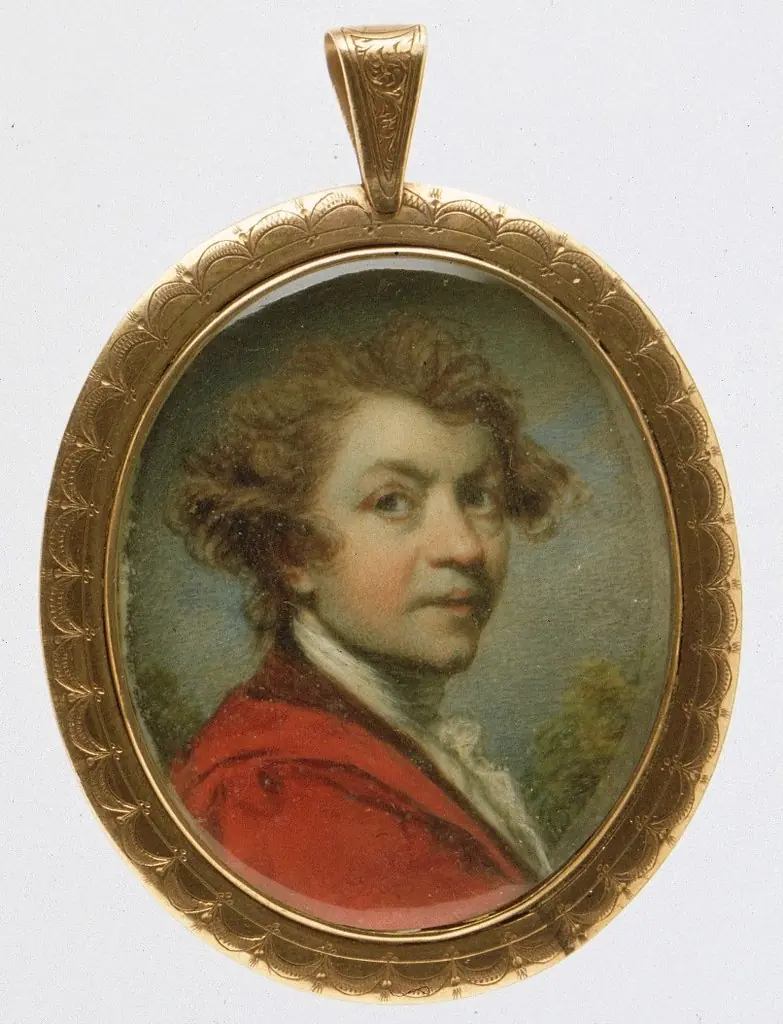 Sir Joshua Reynolds (1723–1792)
- Portrait of a Man with a White Ruff