Artwork
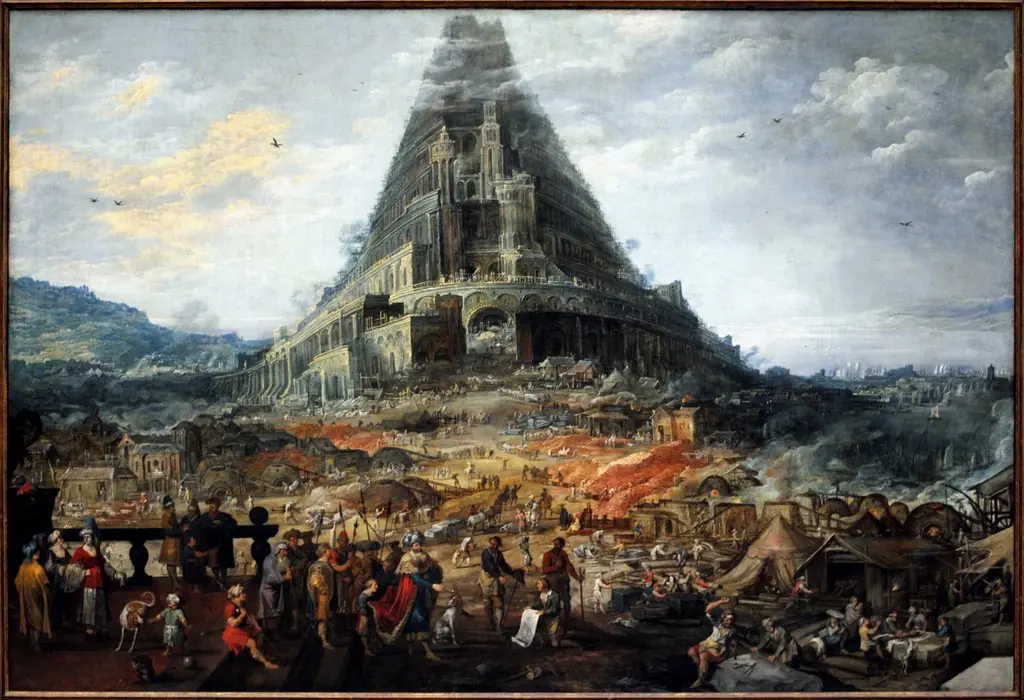
Building of the Tower of Babel
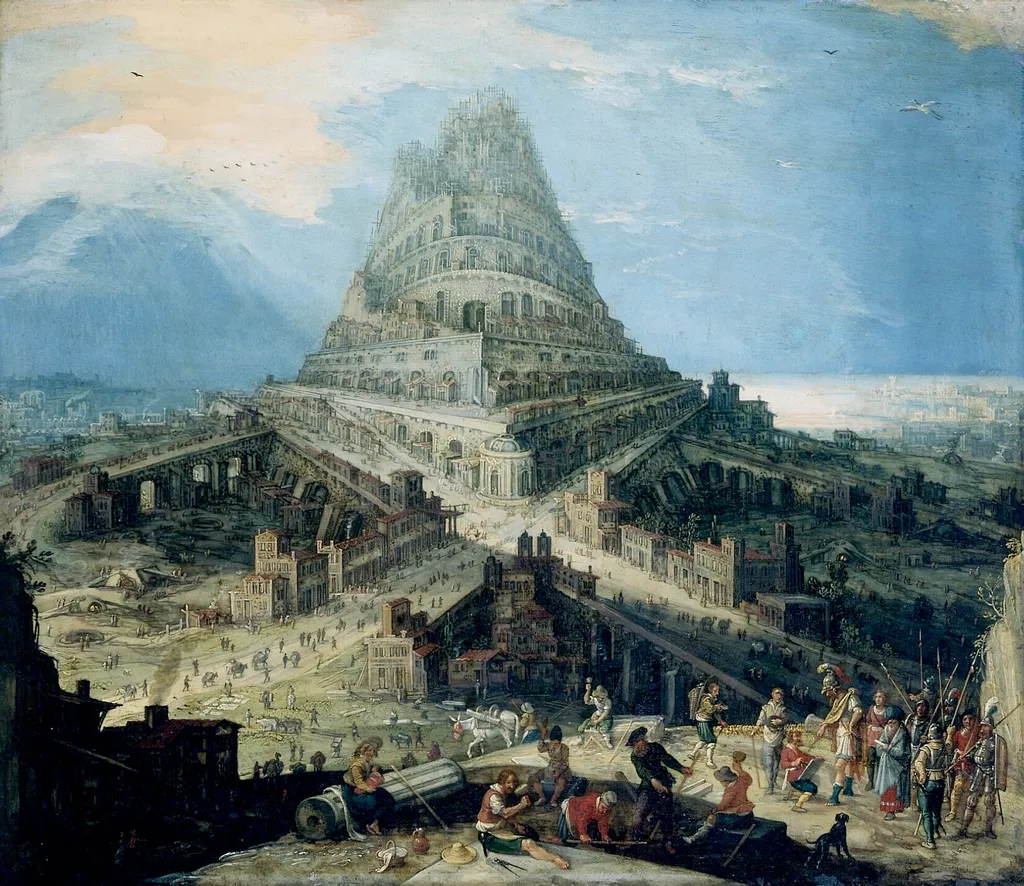
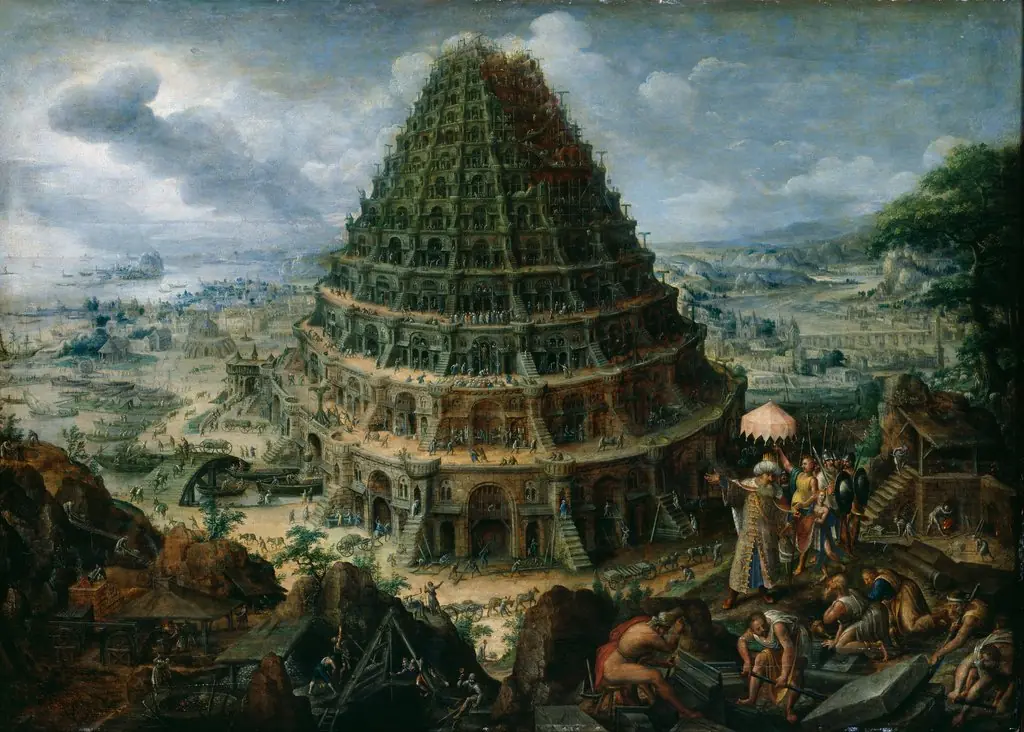
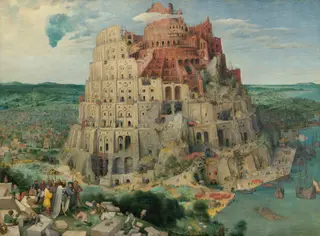
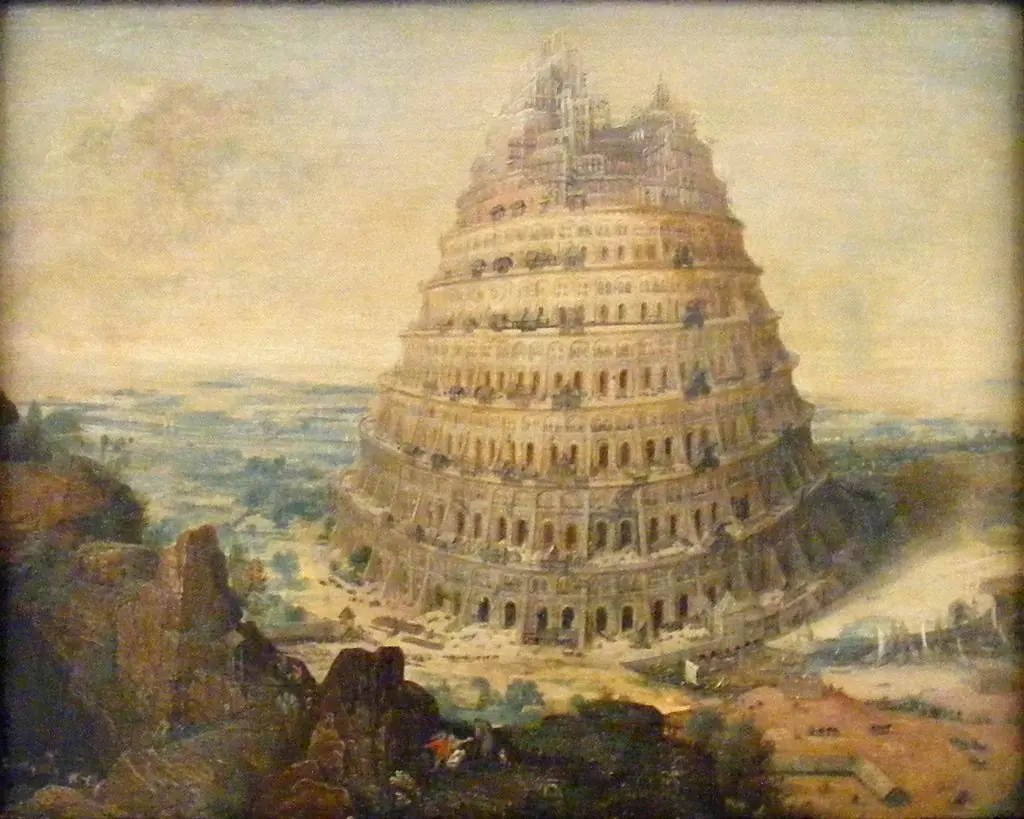
Building of the Tower of Babel is an oil painting by the Late Mannerist artist Hendrick van Cleve III. It dates from 1550 and is held in the collection of the Kröller-Müller Museum.
About this work
Overview
Hendrick van Cleve III painted Building of the Tower of Babel around 1550 on a copper panel, a support favored for its smooth surface and durability.
Hendrick van Cleve III painted Building of the Tower of Babel around 1550 on a copper panel, a support favored for its smooth surface and durability. The work reflects his interest in elaborate architectural scenes and human activity within vast landscapes. Though rooted in biblical narrative, the painting emphasizes the physical labor and organizational scale of construction, aligning with his broader focus on imagined yet meticulously rendered environments.
Subject & Meaning
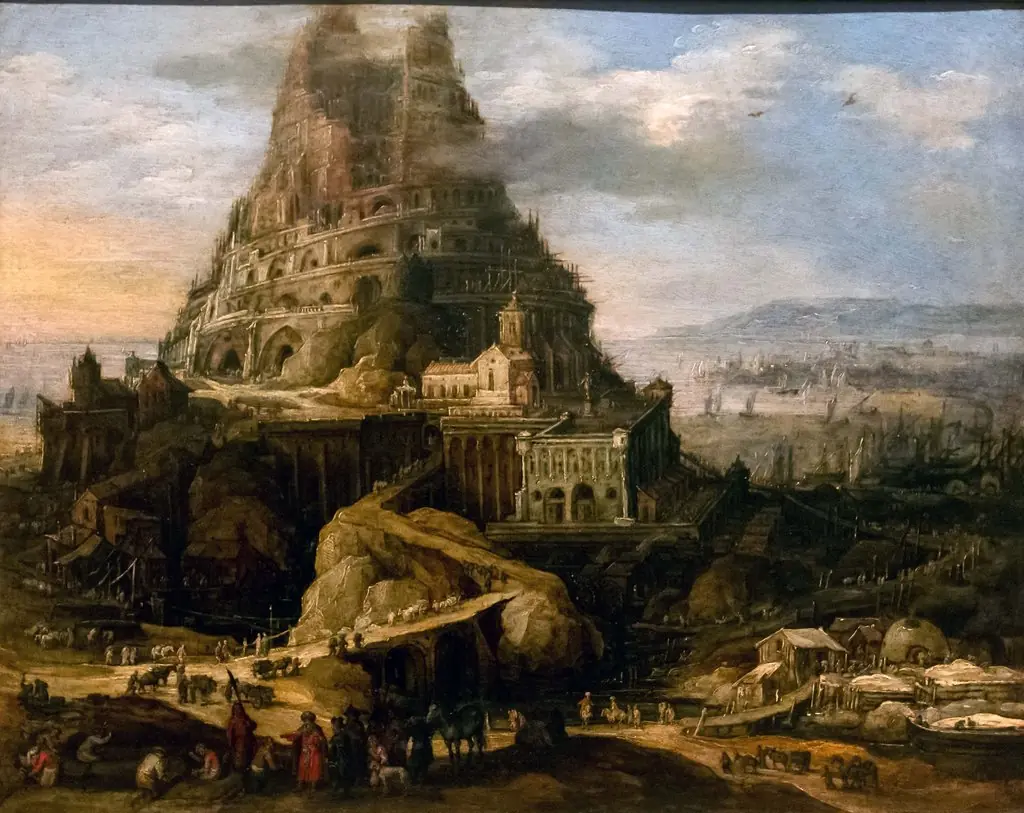
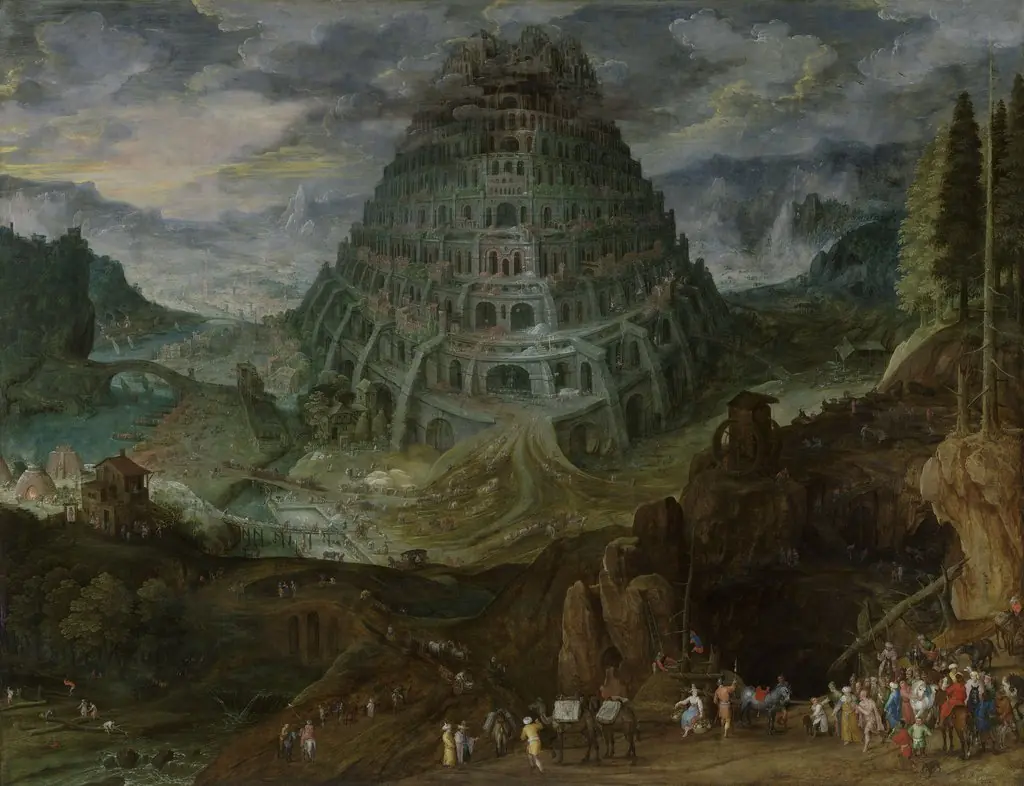
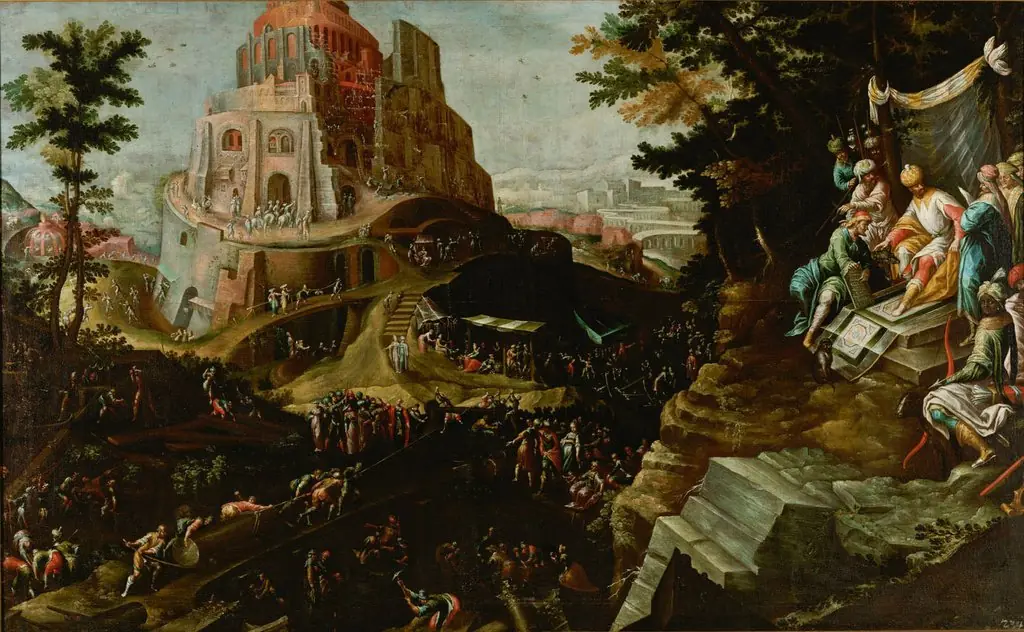
The painting illustrates the biblical story of humanity’s attempt to build a tower reaching heaven, a tale of ambition and divine intervention. Van Cleve avoids overt moralizing, instead presenting the tower as a sprawling, ongoing project. Figures are engaged in varied tasks, carrying stone, climbing scaffolds, directing labor, suggesting a society consumed by collective effort, with the tower’s scale implying both human aspiration and impending fragility.
Technique & Style
Executed in fine detail on copper, the painting showcases precise brushwork and a controlled palette of earth tones against a pale sky. Architectural elements, arches, staircases, and layered platforms, are rendered with geometric clarity, while hundreds of tiny figures are individually articulated. The style blends realism with a sense of ordered chaos, characteristic of late Mannerism, where complexity and visual density replace naturalistic harmony.
History & Provenance
The painting has been in the collection of the Kröller-Müller Museum since the early 20th century, acquired through the estate of Helene Kröller-Müller, a noted collector of Northern Renaissance and Mannerist works. Its attribution to Hendrick van Cleve III is supported by stylistic parallels with his other known works, particularly in the treatment of landscape and crowd dynamics, though documentation from the 16th century remains sparse.
Context
In mid-16th-century Antwerp, where van Cleve worked, there was growing interest in biblical subjects rendered with contemporary architectural and social detail. The Tower of Babel resonated as a metaphor for urban ambition and the limits of human endeavor, themes echoed in prints and paintings of the period. Van Cleve’s focus on labor and infrastructure reflects broader cultural fascination with engineering, trade, and the visible signs of progress.
Legacy
Van Cleve’s Building of the Tower of Babel remains a key example of how Northern Mannerist painters translated religious narratives into complex, human-centered scenes. His approach influenced later artists interested in depicting large-scale construction and collective labor. Though not widely exhibited outside specialized collections, the painting continues to be studied for its technical precision and its quiet commentary on ambition and order.
Own this work as a print
Artist & collection
Artist
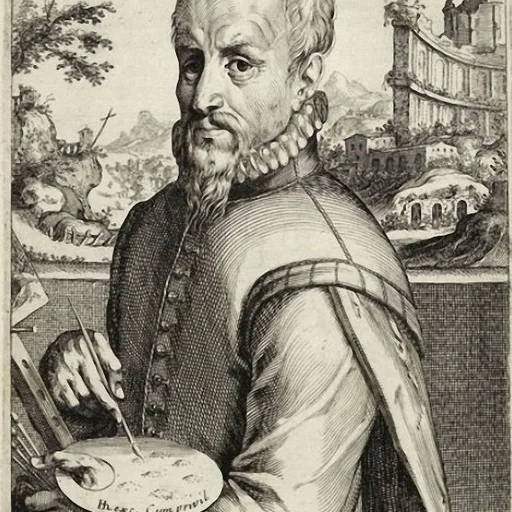
Hendrick van Cleve or Hendrik van Cleve III (c. 1525 in Antwerp – between 1590 and 1595) was a Flemish painter, draughtsman and designer of prints. He is known for topographical views, including views of Rome and the…