Artwork
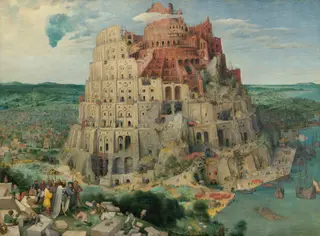
Pieter Brueghel de Oude. De Toren van Babel
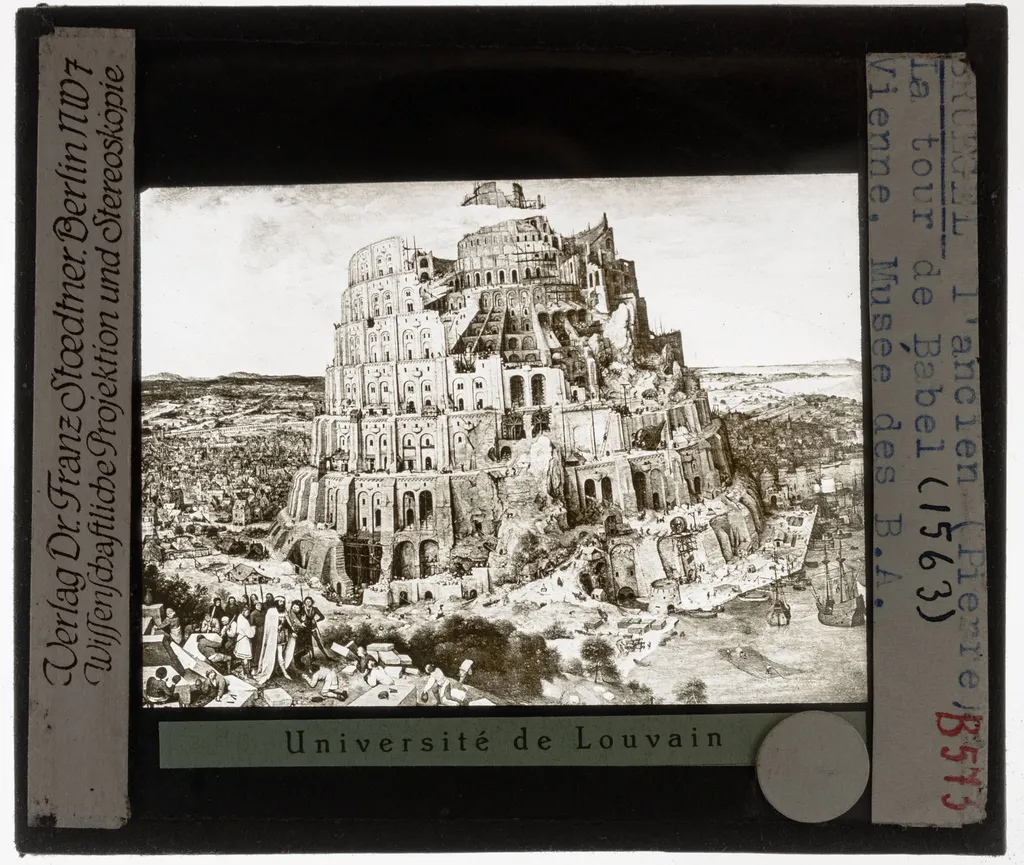
Pieter Brueghel de Oude. De Toren van Babel is an unspecified painting by the Northern Renaissance artist Pieter Brueghel I. It dates from 1563 and is held in the collection of the Catholic University of Leuven. The Tower of Babel is a 1563 oil-on-panel painting by Pieter Brueghel the Elder, depicting the biblical story of the tower's construction.
About this work
Overview
The Tower of Babel is a 1563 oil-on-panel painting by Pieter Brueghel the Elder, depicting the biblical story of the tower's construction. Characteristic of Brueghel's detailed style, the work showcases a massive, chaotically constructed tower amidst a stormy landscape, with numerous tiny workers engaged in its building.
Subject & Meaning
The painting illustrates the biblical narrative of the Tower of Babel, symbolizing hubris and divine punishment. Brueghel's interpretation highlights the futility of human ambition through the contrast between the tower's grandeur and the minute, industrious figures below.
Technique & Style
Executed in oil on panel, the work exemplifies Brueghel's Northern Renaissance style, marked by meticulous attention to detail. Intricate elements, such as scattered bricks, tools, ropes, and workers' personal items (including their lunch), demonstrate his penchant for realism and storytelling through minutiae.
History & Provenance
Created in 1563, the painting is now housed at the Kunsthistorisches Museum Wien in Vienna, Austria. Its provenance prior to this is less detailed, with archival references noting its inclusion in a collection of glass slides from the Université de Louvain, dated between 1839 and 1939.
Context
One of Brueghel's larger works based on ancient tales, The Tower of Babel reflects the Renaissance interest in biblical themes and allegorical representations. Its depiction of a 'realistic ruin' may also allude to the artist's observation of contemporary architectural styles and his ability to blend the mythical with the familiar.
Legacy
The Tower of Babel remains a significant example of Brueghel's oeuvre, appreciated for its thematic depth and technical mastery. It continues to be studied for its insights into Northern Renaissance artistic values and Brueghel's unique narrative approach.
Own this work as a print
Artist & collection

Artist
Pieter Bruegel (also Brueghel or Breughel) the Elder ( BROY-gəl, US also BROO-gəl; Dutch: ; c.
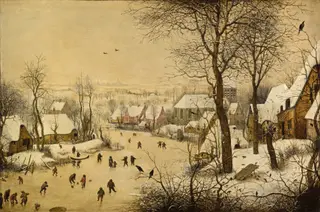
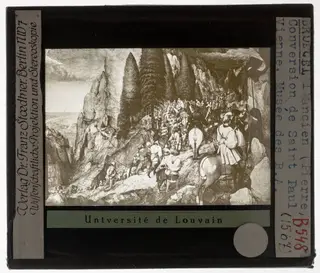
- Pieter Brueghel the Elder. Conversion of Paul
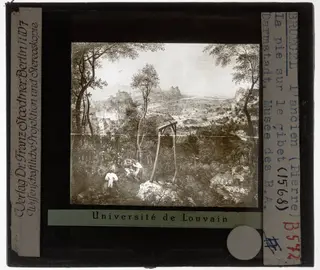 Pieter Brueghel the Elder. Magpie on the Gallows
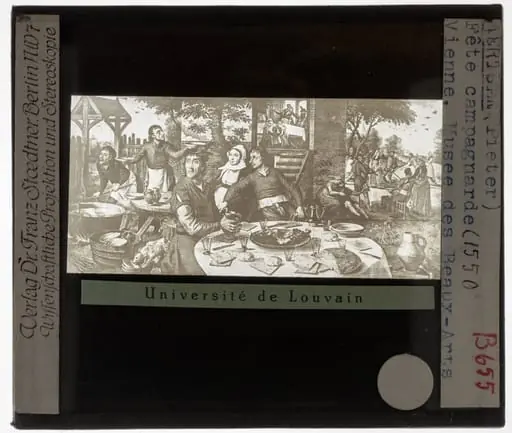 Pieter Aertsen. Boerenfeest
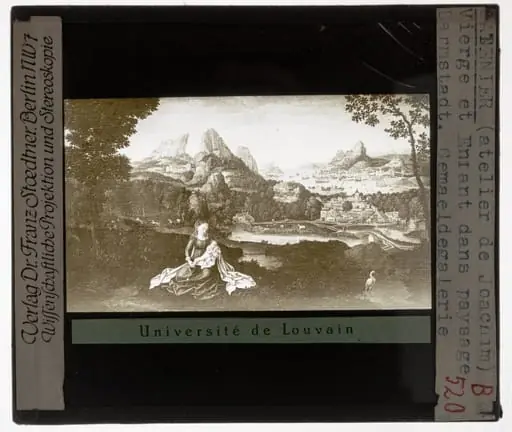 Joachim Patinir (studio). Rest on the flight into Egypt
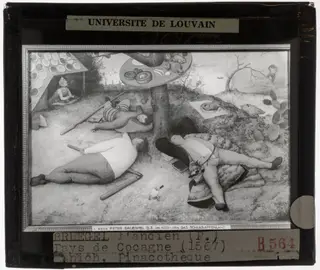 Pieter Brueghel de Oude. Luilekkerland
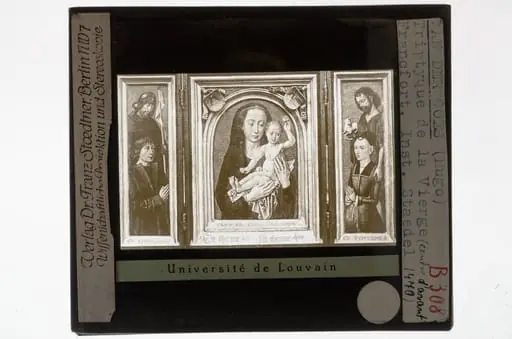 Hugo van der Goes. Triptych
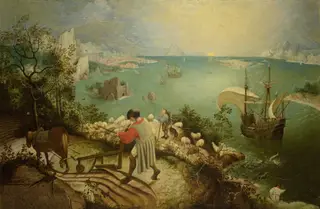
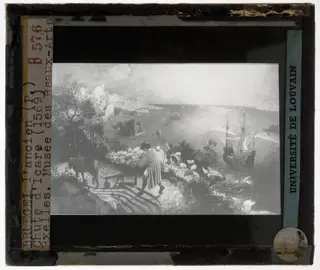 Pieter Brueghel de Oude. De val van Icarus
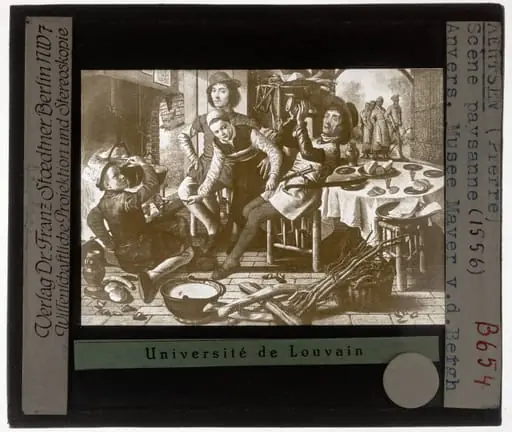 Pieter Aertsen. Boerengezelschap bij de haard
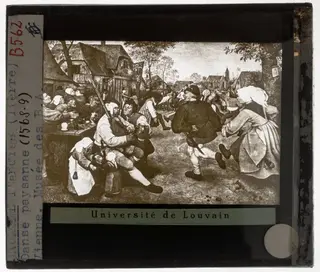 Pieter Brueghel de Oude. Boerendans
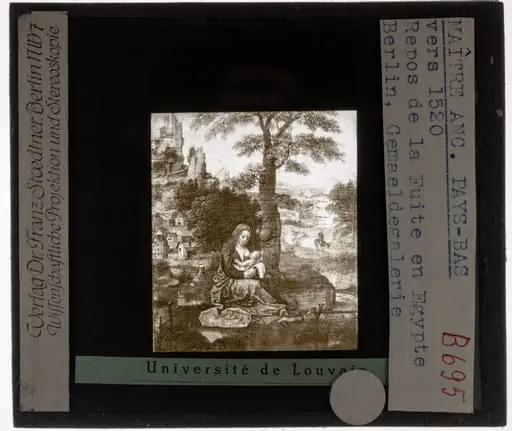 Anoniem (naar Joachim Patinir). Rust op de vlucht naar Egypte