Artwork
The Tower of Babel
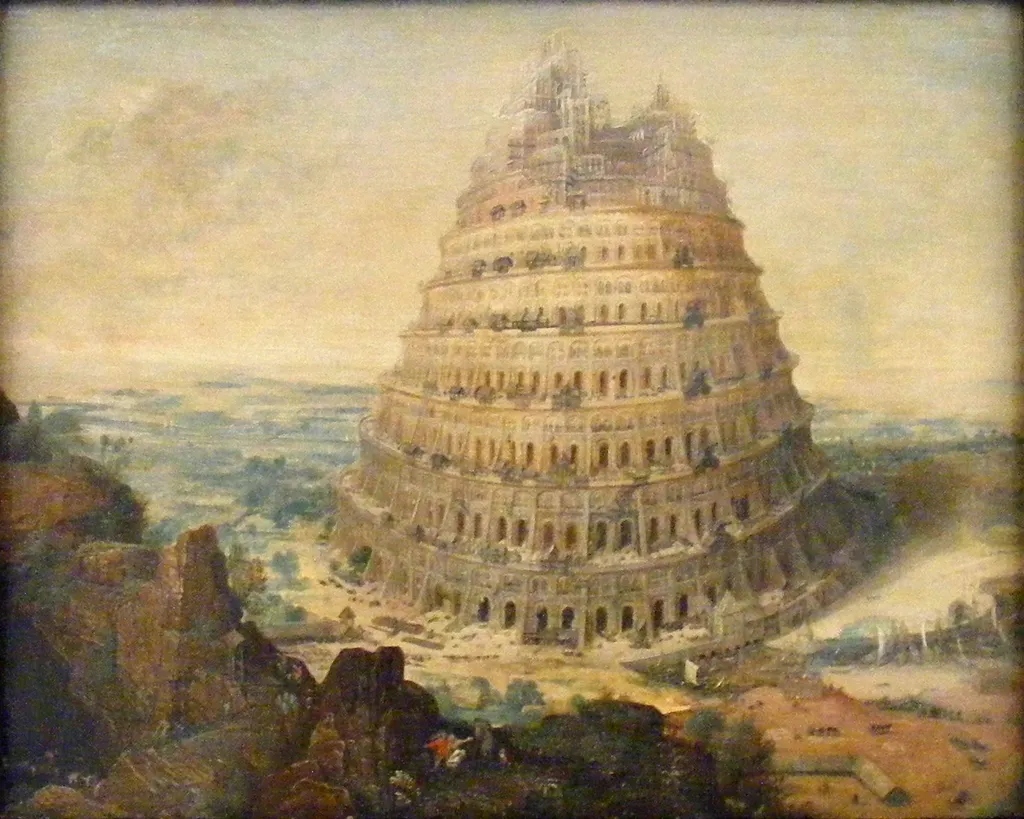
The Tower of Babel is an unspecified painting by the Northern Renaissance artist Lucas van Valckenborch. It dates from 1550 and is held in the collection of the Bavarian State Painting Collections.
About this work
Subject & Meaning
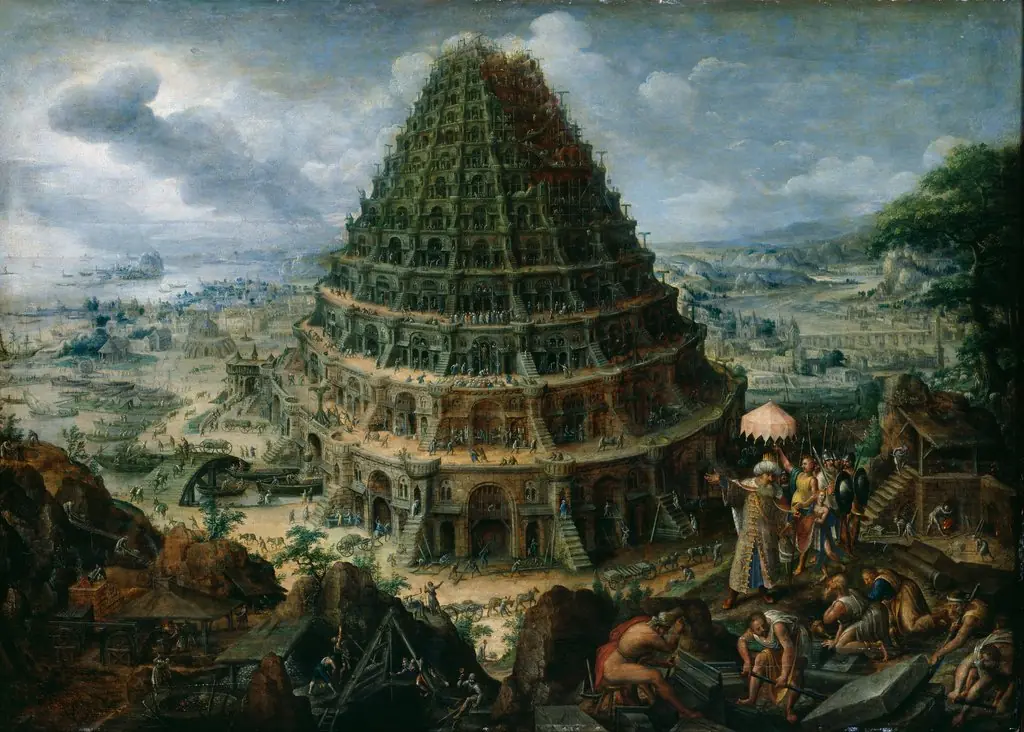
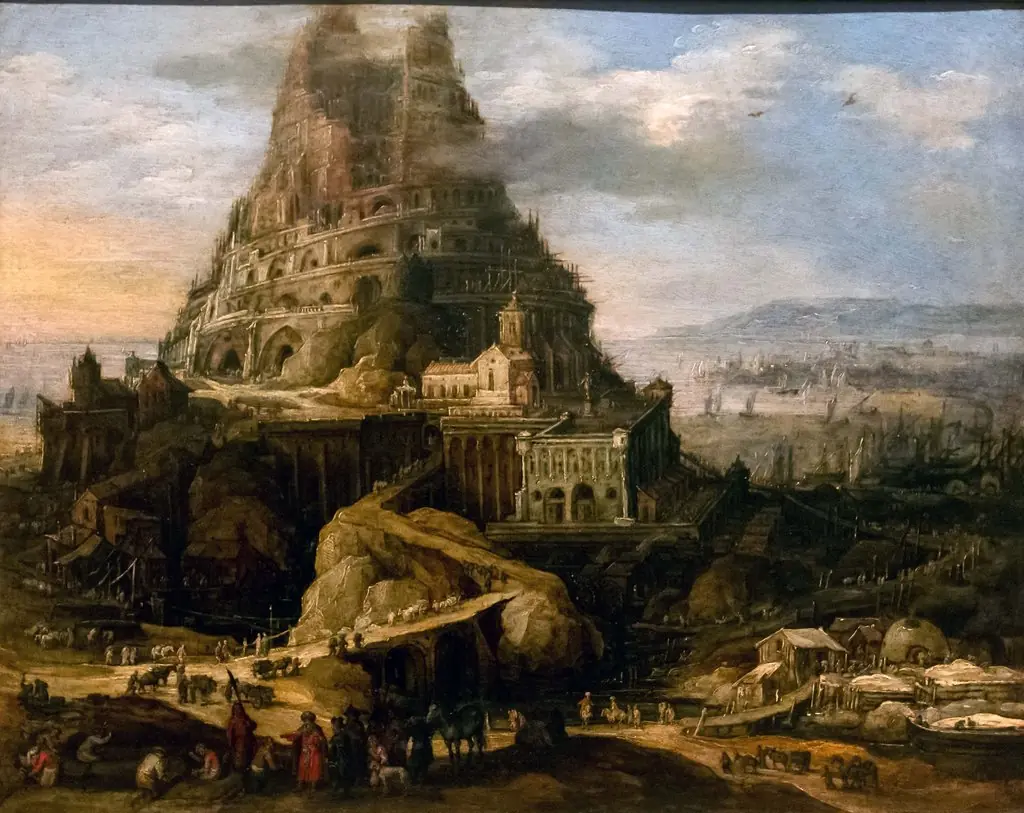
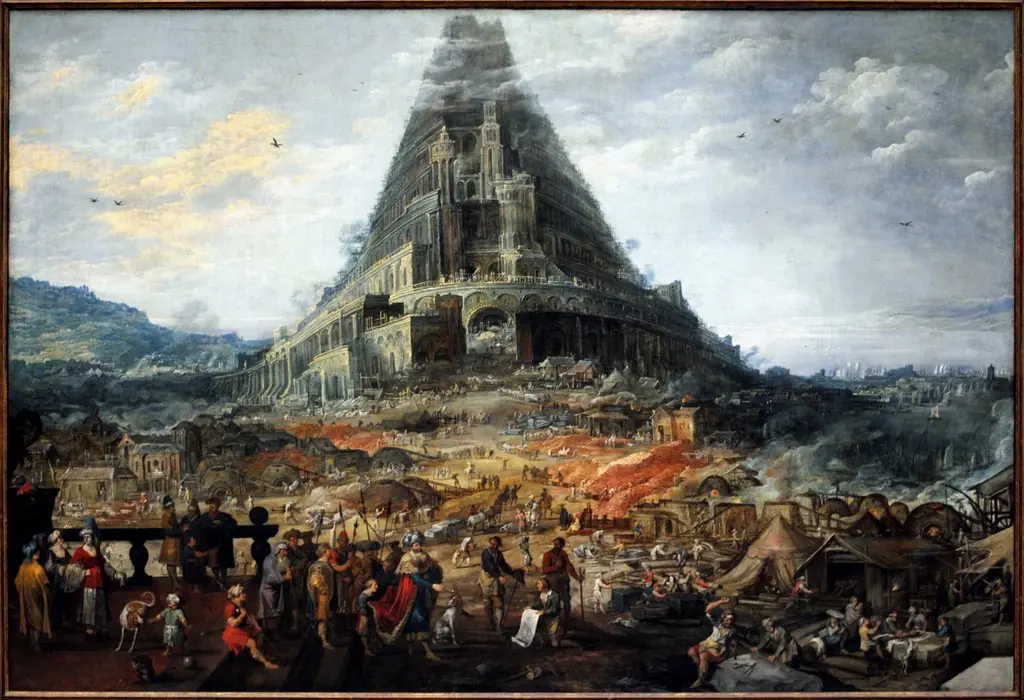
The painting depicts the biblical narrative of humanity's hubris in constructing a tower reaching toward heaven, a subject drawn from the Book of Genesis.
The painting depicts the biblical narrative of humanity's hubris in constructing a tower reaching toward heaven, a subject drawn from the Book of Genesis. Van Valckenborch presents the tower as a monumental, spiraling structure encircled by chaotic scaffolding and human activity, emphasizing the futility of defying divine order. The composition incorporates symbolic elements such as a crowded base of laborers and scholars, reflecting themes of collective ambition and divine intervention.
This work exemplifies Northern Renaissance religious art, blending narrative clarity with intricate architectural detail to convey moral and theological commentary on human overreach.
History & Provenance
The painting known as The Tower of Babel was created by Lucas van Valckenborch in 1550. Classified as a religious work, the piece depicts the biblical subject of the Tower of Babel. It is currently held within the collection of the Bavarian State Painting Collections, specifically located at the Alte Pinakothek. The work measures 22.3 cm in height and 29.2 cm in width.
Specific details regarding the original commission, the identity of the first patron, or the precise chain of ownership prior to its arrival at the Alte Pinakothek are not provided in the available records. The inception date is recorded as January 1, 1550.
Context
Lucas van Valckenborch's 1550 painting The Tower of Babel, housed in the Alte Pinakothek, represents a Northern Renaissance interpretation of the biblical narrative. Its composition and thematic focus on divine judgment reflect the religious anxieties of the Late Renaissance period in Northern Europe. Scholarship emphasizes its significance within van Valckenborch's oeuvre as a precursor to later Baroque depictions of architectural grandeur and moral allegory.
Overview
The Tower of Babel is a painting by Lucas van Valckenborch, a Flemish artist active during the Northern Renaissance. Created around 1550, it is a representative work of the artist's landscape style.
Technique & Style
The work showcases the artist's skill in landscape painting, with a focus on intricate details and a layered composition. The tower's multiple levels and architectural features are meticulously rendered.
Artist & collection
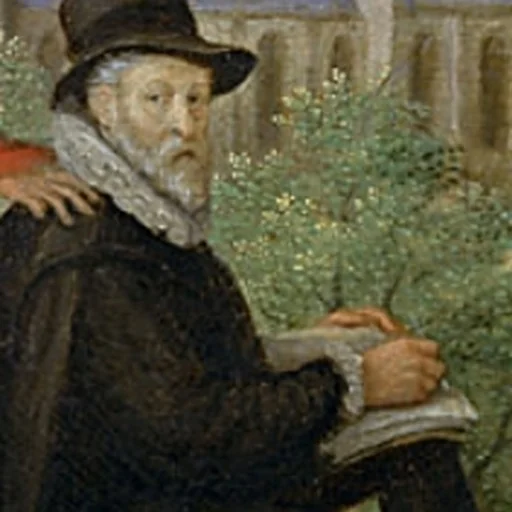
Artist
Lucas van Valckenborch or Lucas van Valckenborch the Elder (c. 1535 in Leuven – 2 February 1597 in Frankfurt am Main) was a Flemish painter, mainly known for his landscapes. He also made contributions to portrait…

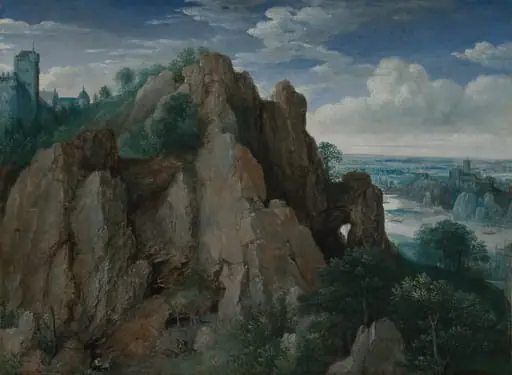 Untitled
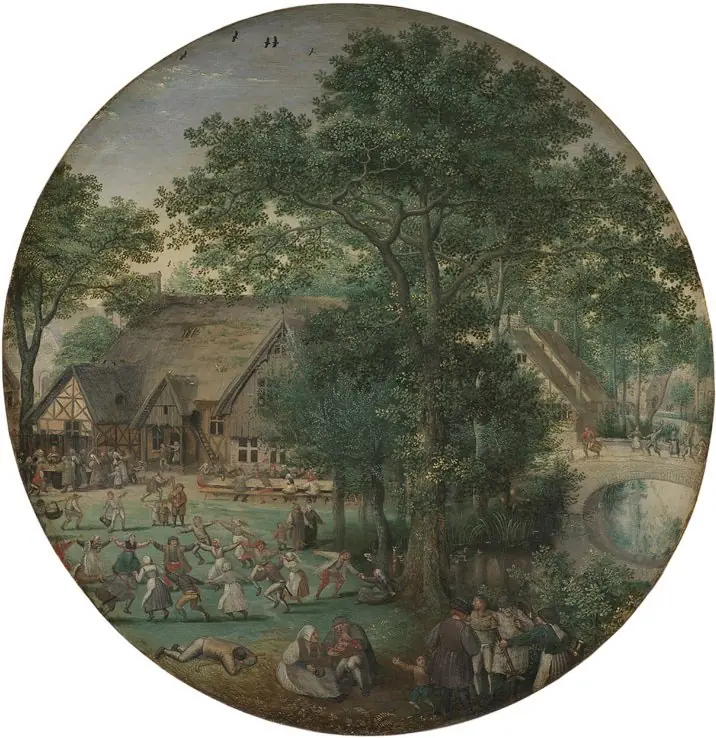 Peasant Wedding. The Wedding Dance in the open Air
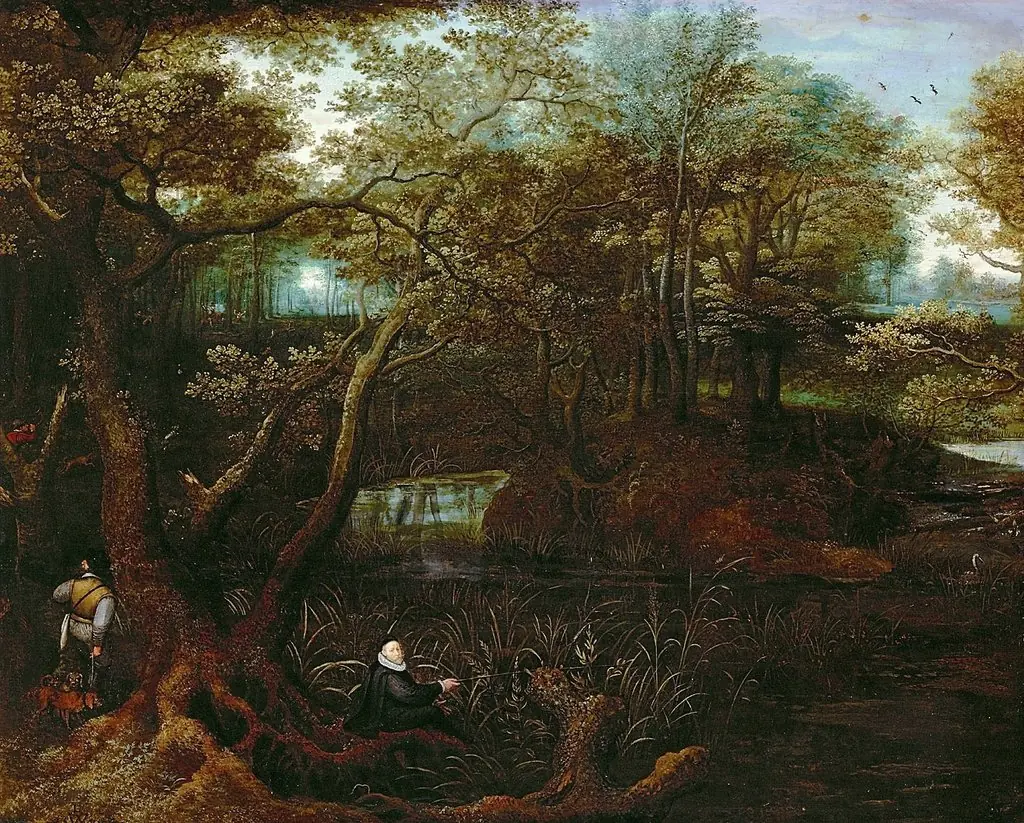 Fisherman at the forest pond (with self portrait)
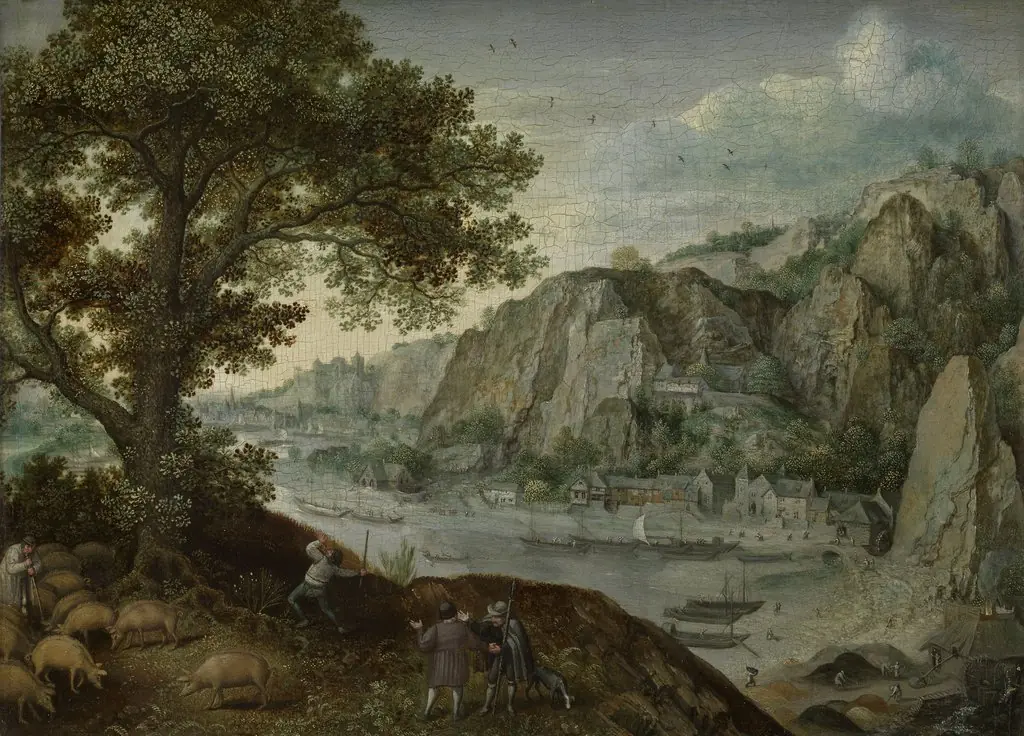 Huy, Seen from Ahin
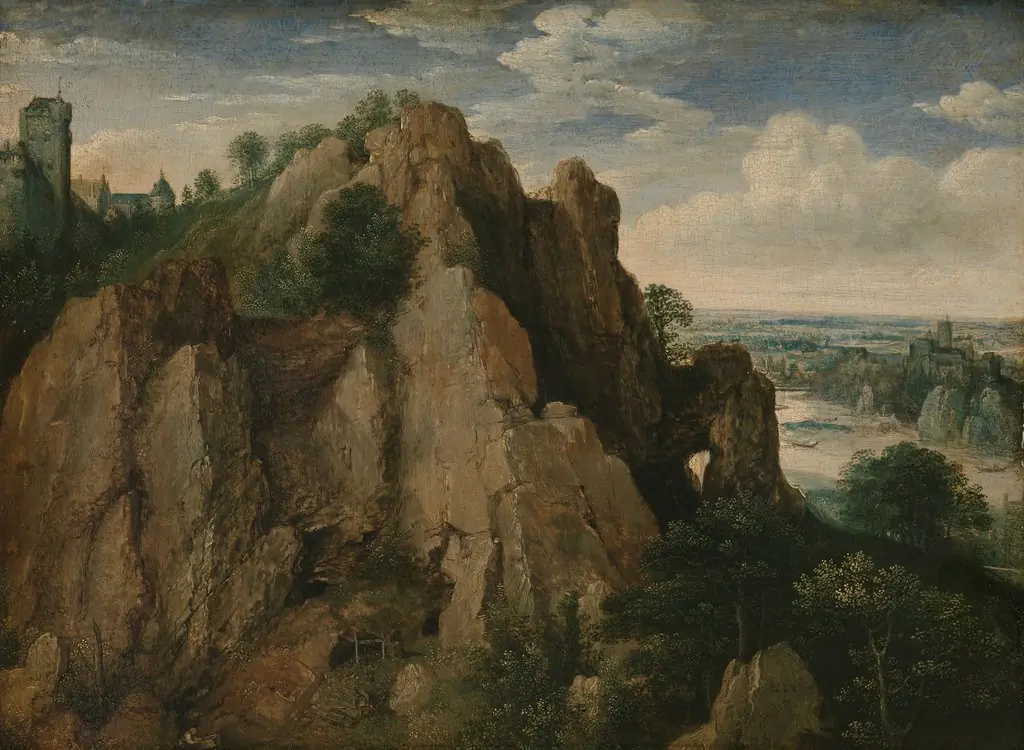 Mountainous landscape
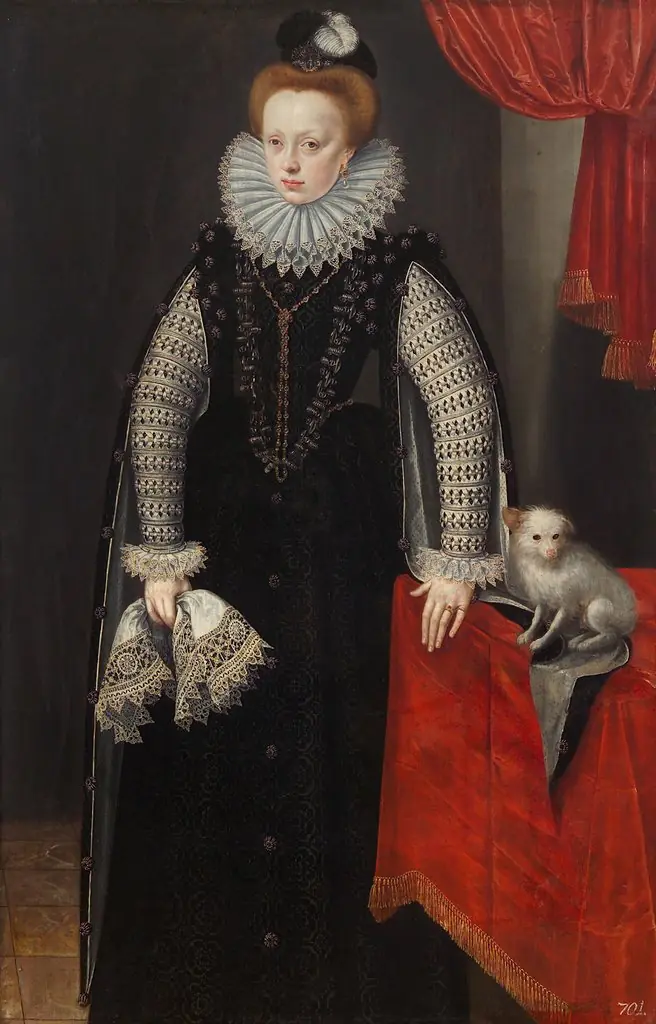 Duchess Sibylle (1557-1627) von Jülich-Cleve-Berg
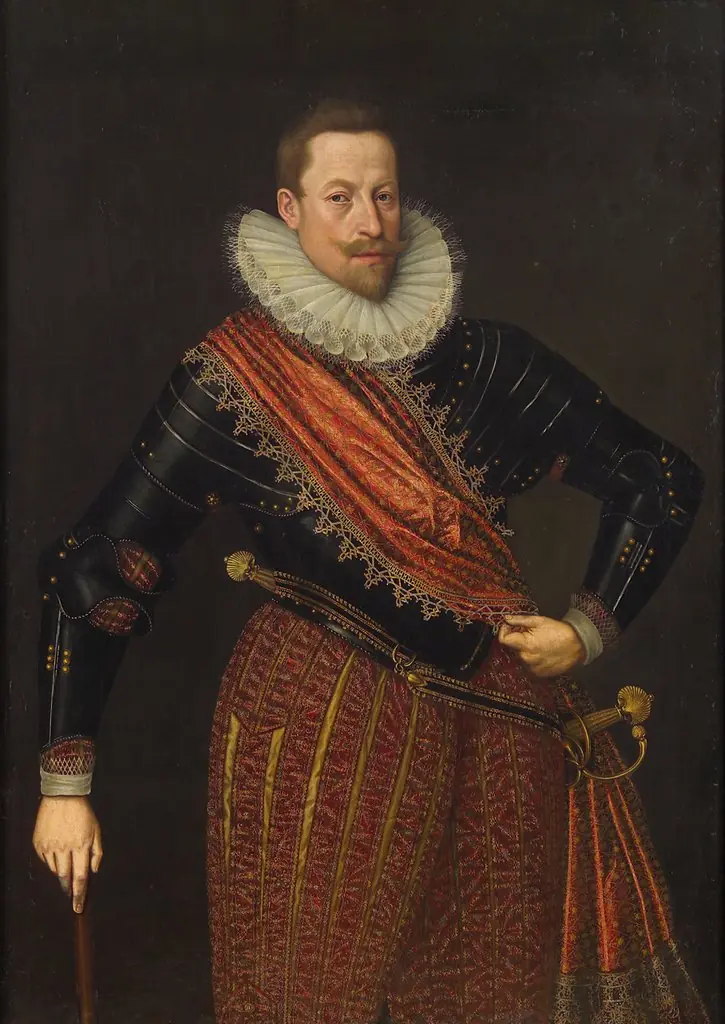 Portrait of Matthias II of Habsburg (1557-1619), the future Holy Roman Emperor
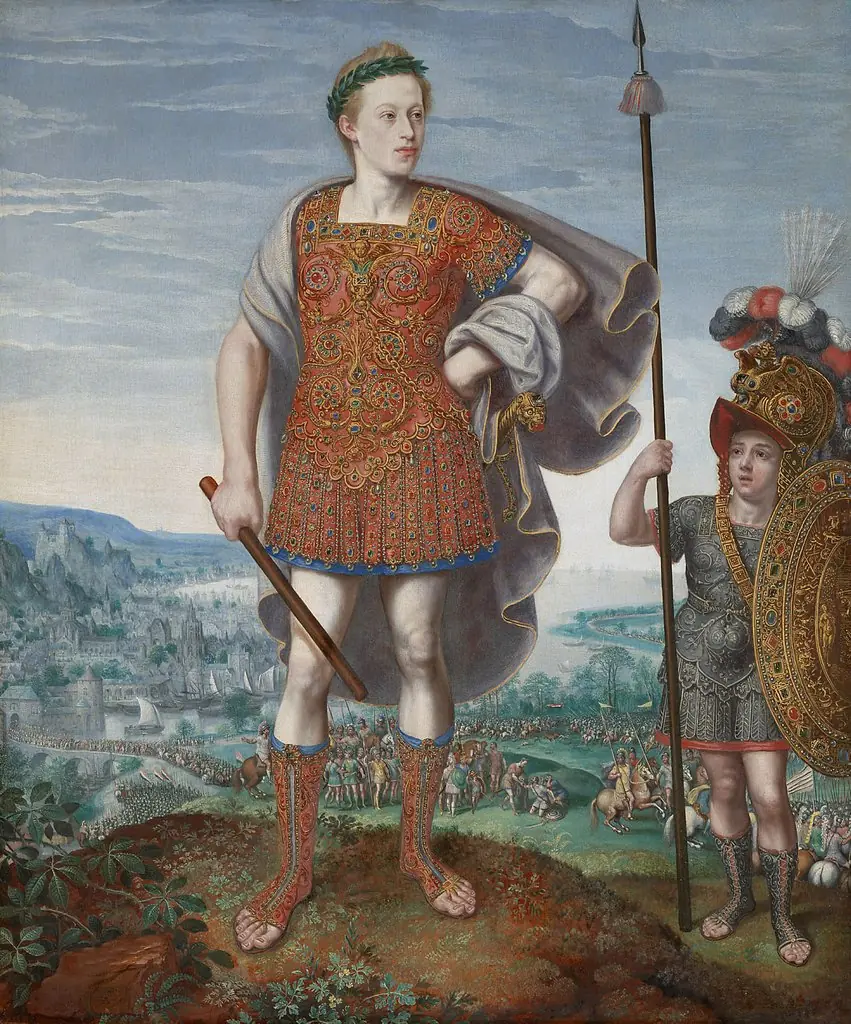 Portrait of Emperor Matthias (1557-1619) when Archduke, in the guise of P. Cornelius Scipio Major