Artwork
The Jockey
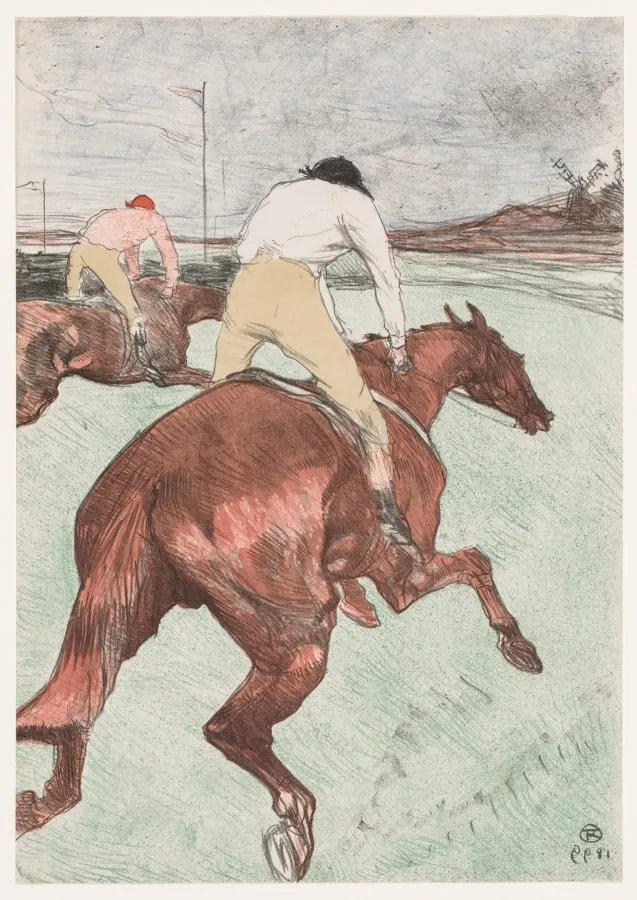
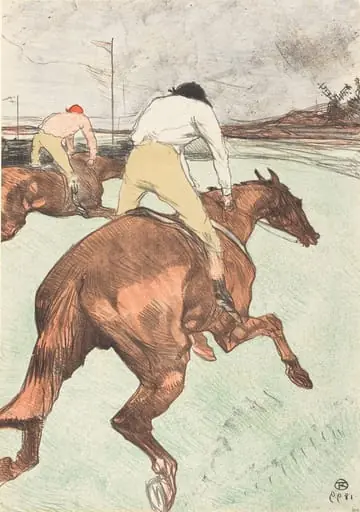
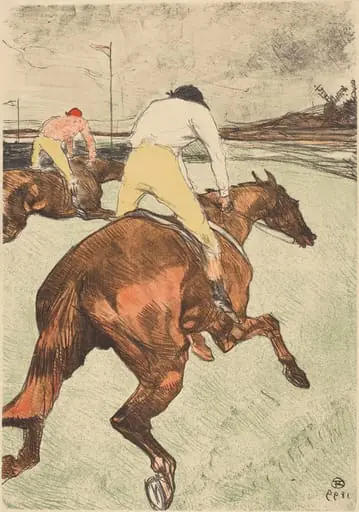
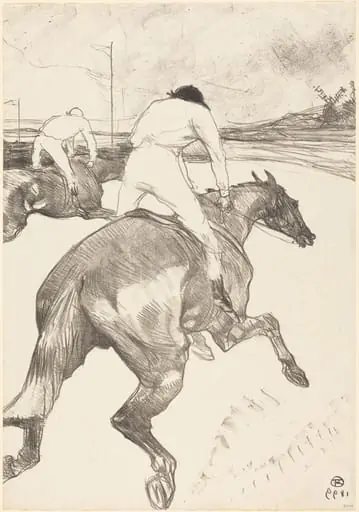
The Jockey is a print by the Impressionist artist Henri de Toulouse-Lautrec. It dates from 1899 and is held in the collection of the Cleveland Museum of Art.
- Accession no.
- 1967.234
- Credit line
- Mr. and Mrs. Charles G. Prasse Collection
About this work
Overview
The Jockey is a lithograph by Henri de Toulouse-Lautrec, created in multiple versions, including a color edition. It depicts a jockey on a galloping horse, showcasing the artist's fascination with horse racing.
Subject & Meaning
The print captures a dynamic moment in a horse race, with the jockey leaning forward and the horse in motion. The artist's representation of the horse and rider in a 'flying-gallop' position conveys a sense of energy and movement.
Technique & Style
Toulouse-Lautrec's lithograph reflects the influence of Japanese ukiyo-e woodblock prints in its flatness, bold color, and dramatic perspective. The artist's use of color and composition creates a sense of tension and dynamism, characteristic of his unique visual style.
History & Provenance
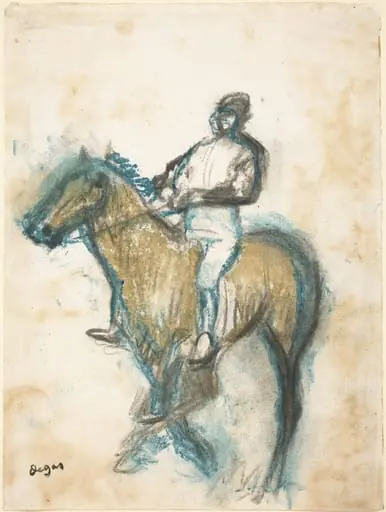
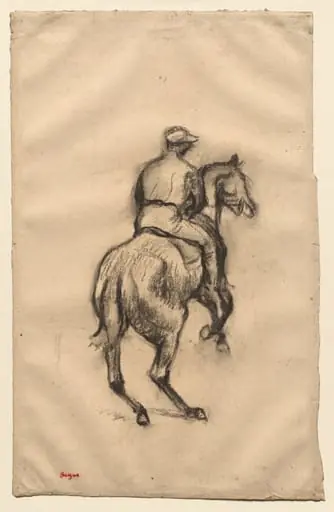
The Jockey was originally intended for a portfolio of horse-racing subjects, but it was published as a standalone print. Toulouse-Lautrec's work was influenced by Edgar Degas's horse-racing pictures, although he diverged from Degas's approach by not referencing Eadweard Muybridge's photographic studies.
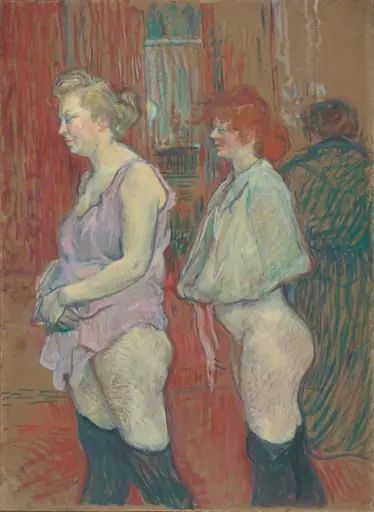
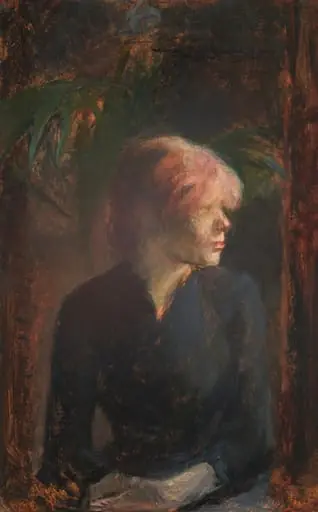
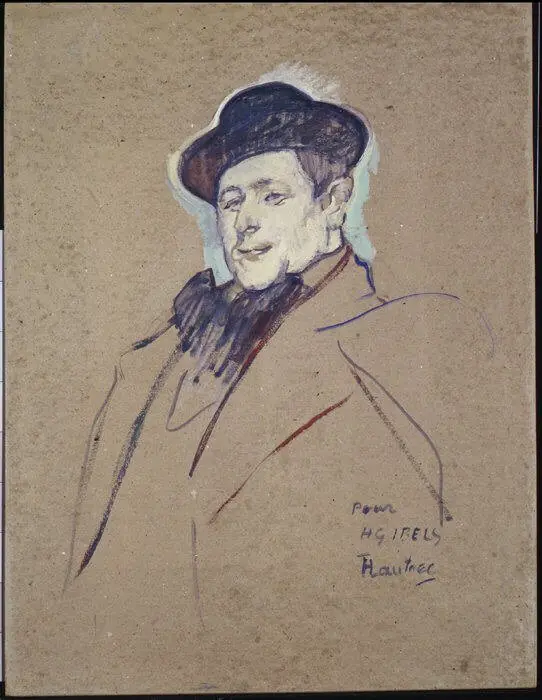
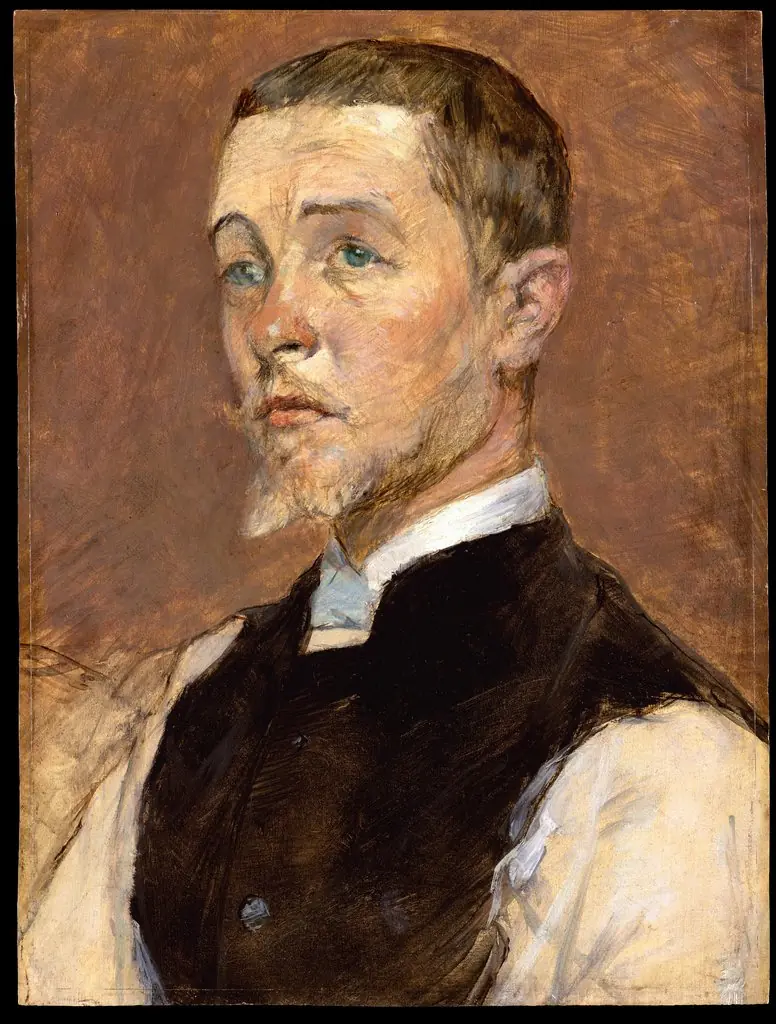
Artist & collection
Artist
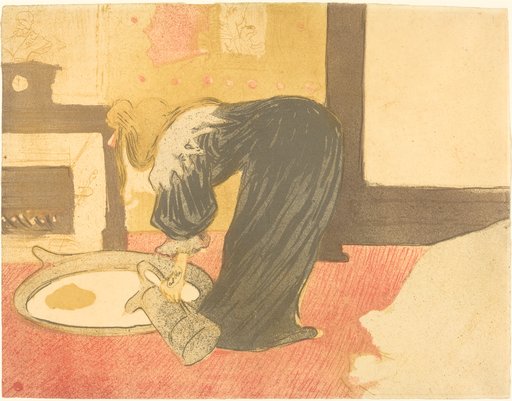
Comte Henri Marie Raymond de Toulouse-Lautrec-Montfa (24 November 1864 – 9 September 1901), known as Toulouse-Lautrec (French: ), was a French painter, printmaker, draughtsman, caricaturist, and illustrator.