Artwork
Édouard Manet
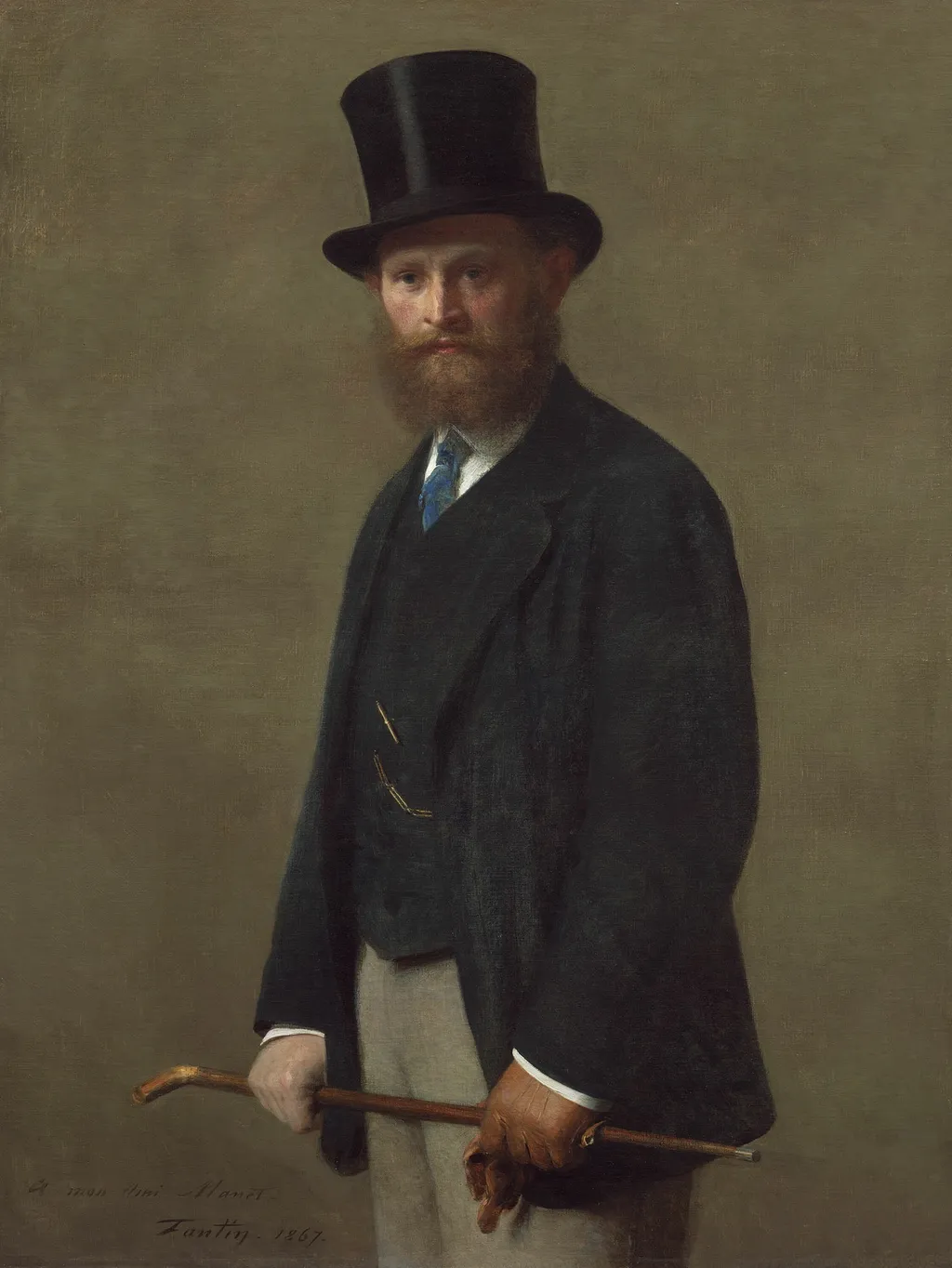
Édouard Manet is an oil painting by the Realist artist Henri Fantin-Latour. It dates from 1867 and is held in the collection of the Art Institute of Chicago.
About this work
" The man’s name is written on the painting too, Édouard Manet, but we don’t know who he was.
This painting shows a man in a dark suit, top hat, and thick beard. He holds a walking stick in one hand and wears a striped tie and light gloves. The background is plain and dark, keeping all focus on him.
The painting is signed in the corner: "Henri Fantin-Latour, 1867." The man’s name is written on the painting too, Édouard Manet, but we don’t know who he was.
Check out Édouard Manet to see why he might have been important.
Overview
Édouard Manet is an oil-on-canvas portrait painted in 1867 by the French artist Henri Fantin-Latour (1836-1904). Measuring 117.5 × 90 cm (46 1/4 × 35 7/16 in.), the work depicts the eponymous painter Édouard Manet at three-quarter length against a plain, muted background. The painting is held by the Art Institute of Chicago, where it is on view in Gallery 225, and bears the inscription in the lower left: "A mon Ami Manet. / Fantin. 1867." The portrait matters as a deliberate reframing of Manet's public identity by a close friend and fellow artist, offering a counter-image to the controversial figure known for provocative modern subjects. It stands as a significant document of artistic friendship in nineteenth-century Paris and as a work that bridges traditional portraiture with the emerging concerns of the modern painter.
Subject & Meaning
The portrait presents Manet as a bearded gentleman of urban refinement rather than as a radical artistic provocateur. He wears a tall black top hat, dark coat over a lighter waistcoat, pale trousers, white shirt, and blue tie, with a gold watch chain across his chest. His left hand, covered by a tan leather glove, grips a riding crop, while his ungloved right hand holds the crop near its curved wooden handle. This elegant walking stick and riding crop signal bourgeois status and man-about-town sophistication. The figure turns slightly toward the viewer with a direct gaze, asserting confident self-possession. The stark, muted brown background evokes both Manet's own paintings and the photographic portraits of the era. Fantin-Latour's depiction consciously opposed the public perception of Manet as a bohemian painter of coarse and confrontational compositions, instead revealing the genteel social identity that lay behind the controversial artist. The restrained palette of blacks, browns, and subdued blues reinforces this aura of cultivated restraint.
History & Provenance
The painting was created in 1867, a significant year in Manet's career. It was acquired by the Art Institute of Chicago through the Stickney Fund, with the accession number 1905.207, indicating it entered the collection in 1905. The work is currently on publicly viewable display in Gallery 225. A related drawing, titled Portrait of Édouard Manet and executed in black crayon with touches of charcoal on cream wove paper, is also held by the Art Institute (Clarence Buckingham Collection, 1967.595, 39.9 × 31.1 cm). This drawing reproduces the identical composition and was produced as a souvenir of the painting to accompany an article devoted to sub>Manet at the time of the exhibition of his paintings and pastels at the galleries of La Vie Moderne. The drawing's controlled and finished appearance is characteristic of Fantin-Latour's practice of making drawings after paintings for reproduction in the illustrated press.
Context
Fantin-Latour moved within the most advanced artistic circles of mid-nineteenth-century Paris. His friends included James Abbott McNeill Whistler, Jean-Baptiste-Camille Corot, Eugène Delacroix, Gustave Courbet, and Édouard Manet himself. Despite these associations with innovators, Fantin-Latour's own manner and subjects remained conventional. He later commemorated this milieu in group portraits compositions, most notably Manet's Studio in the Batignolles (1870), which gathered Manet, Renoir, Bazille, Monet, Zola, and others. The 1867 portrait of Manet emerged from this network of artistic friendship and mutual regard. The dedication "A mon Ami Manet" signals personal affection alongside professional respect. The portrait participated in a broader cultural project of defining the modern artist's social identity, countering the sensational reception of works such as Manet's Jesus Mocked by the Soldiers with an image of propriety and cultivation.
Legacy
The portrait has become a canonical image of Édouard Manet, widely reproduced and referenced as a primary visual document of the artist's appearance. Its afterlife extends through the related drawing made for press reproduction, which disseminated the image to a broader public through La Vie Moderne. The work's residence in the Art Institute of Chicago, a major American encyclopedic museum, has ensured its continued visibility and scholarly attention. As a public domain image, it has been made freely available for educational and research purposes through digital platforms. The portrait endures as evidence of Fantin-Latour's role as a portraitist of the artistic avant-garde and as a testament to the personal bonds that sustained experimental art in nineteenth-century Paris. It remains significant for understanding how artists constructed and controlled their public images through the medium of portraiture, and how friendship networks shaped the reception of modern art.
Own this work as a print
Artist & collection
Artist
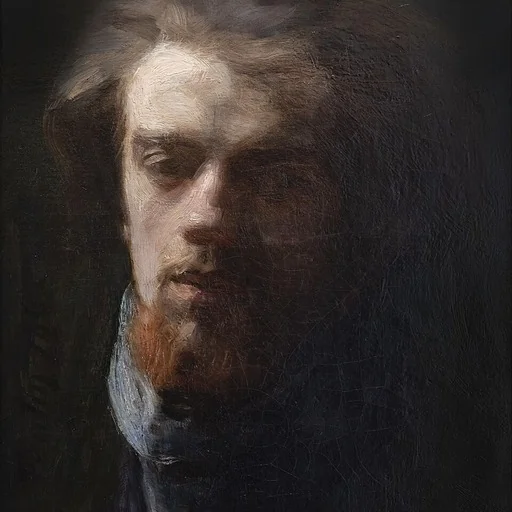
Ignace Henri Jean Theodore Fantin-Latour (French pronunciation:; 14 January 1836 – 25 August 1904) was a French painter and lithographer best known for his flower paintings and group portraits of Parisian artists and writers.

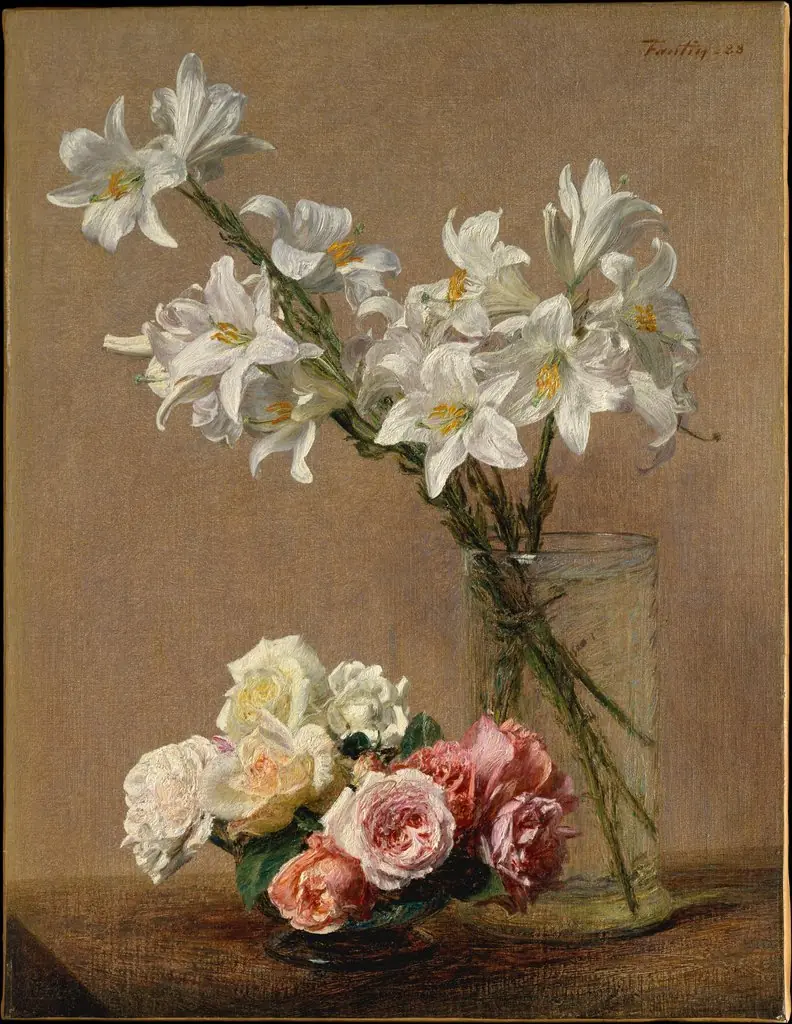
- Portrait of Stanisław Czachórski (1853–1904), artist’s brother
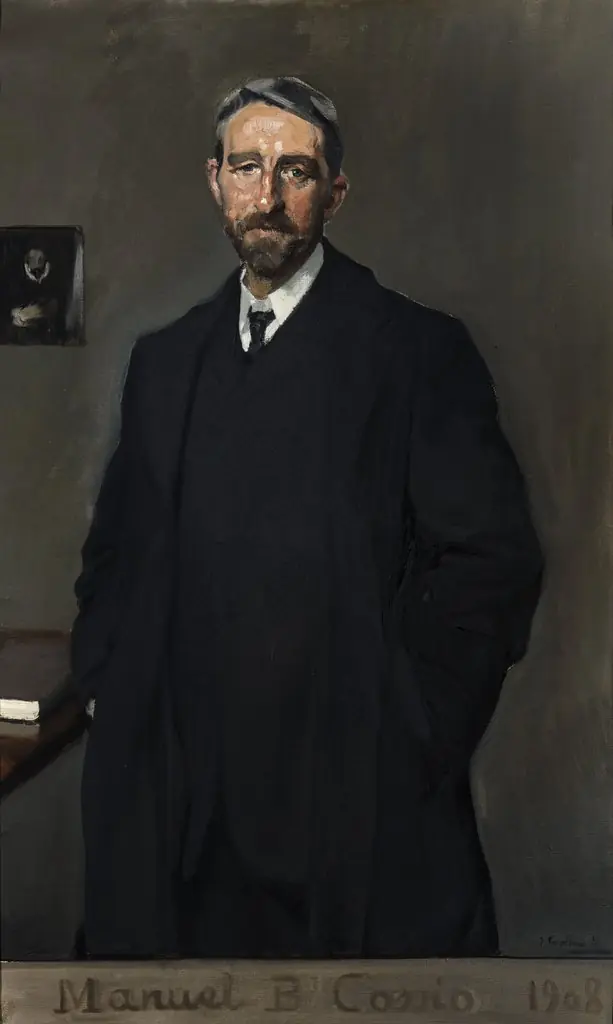 Manuel Bartolomé Cossío
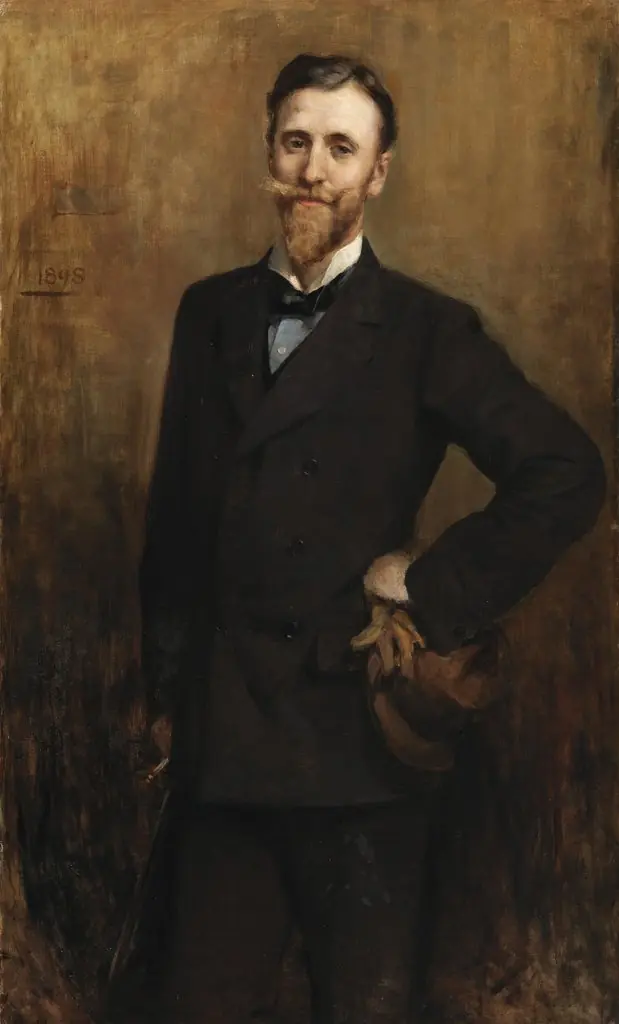 Portrait of T.P. Gill, Journalist, Secretary, Department of Agriculture and Technical Instruction
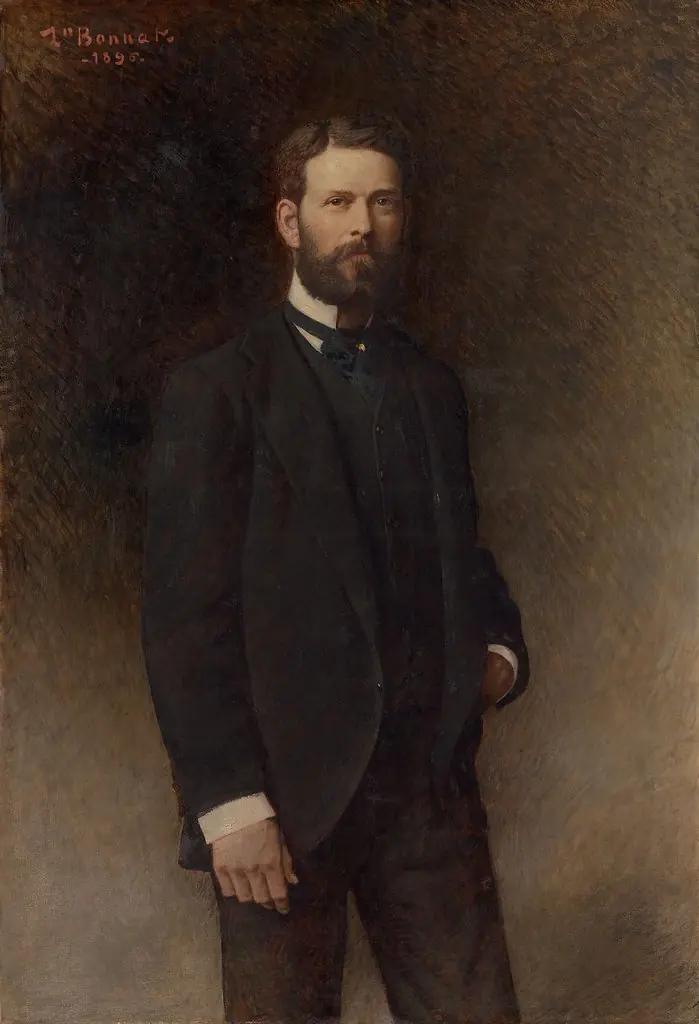 Portrait of Henry Field
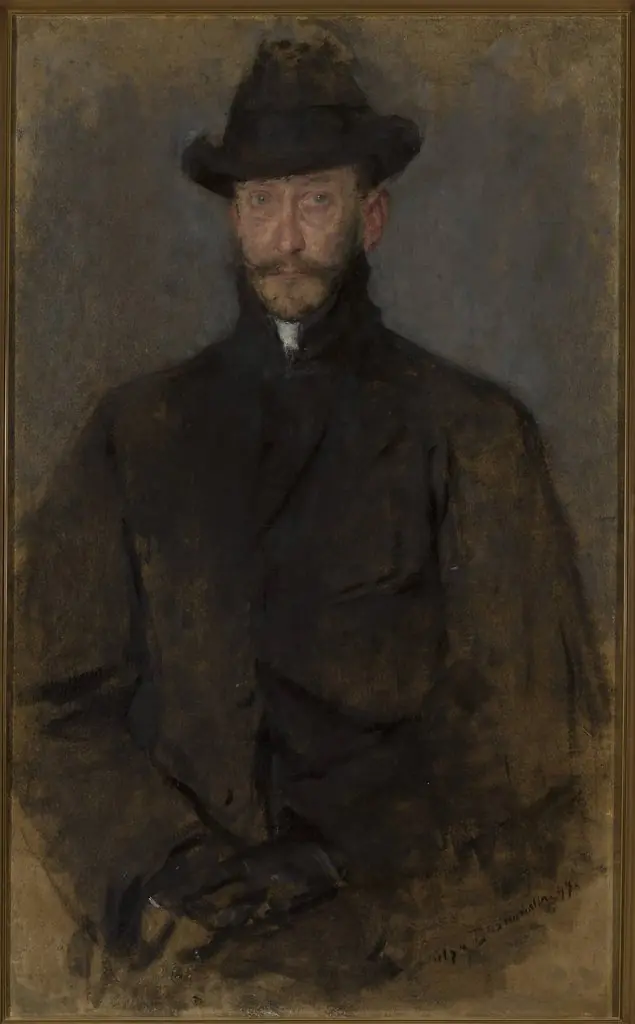 Portrait of Antoni Kamieński (1860/1861–1933), painter
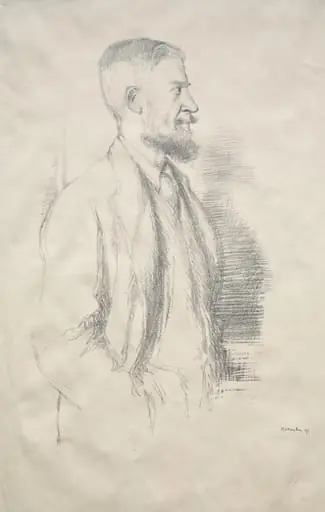 George Bernard Shaw
 Worthington Whittredge
 Retrat de Joan Baptista Parés (1847-1926) (Museu Nacional d'Art de Catalunya, inv 010150-000)
 Zelfportret
 The painter Ricardo Arredondo
 Portrait of Pál Szinyei Merse
 William M. Chase, N. A.