Artwork
William M. Chase, N. A.
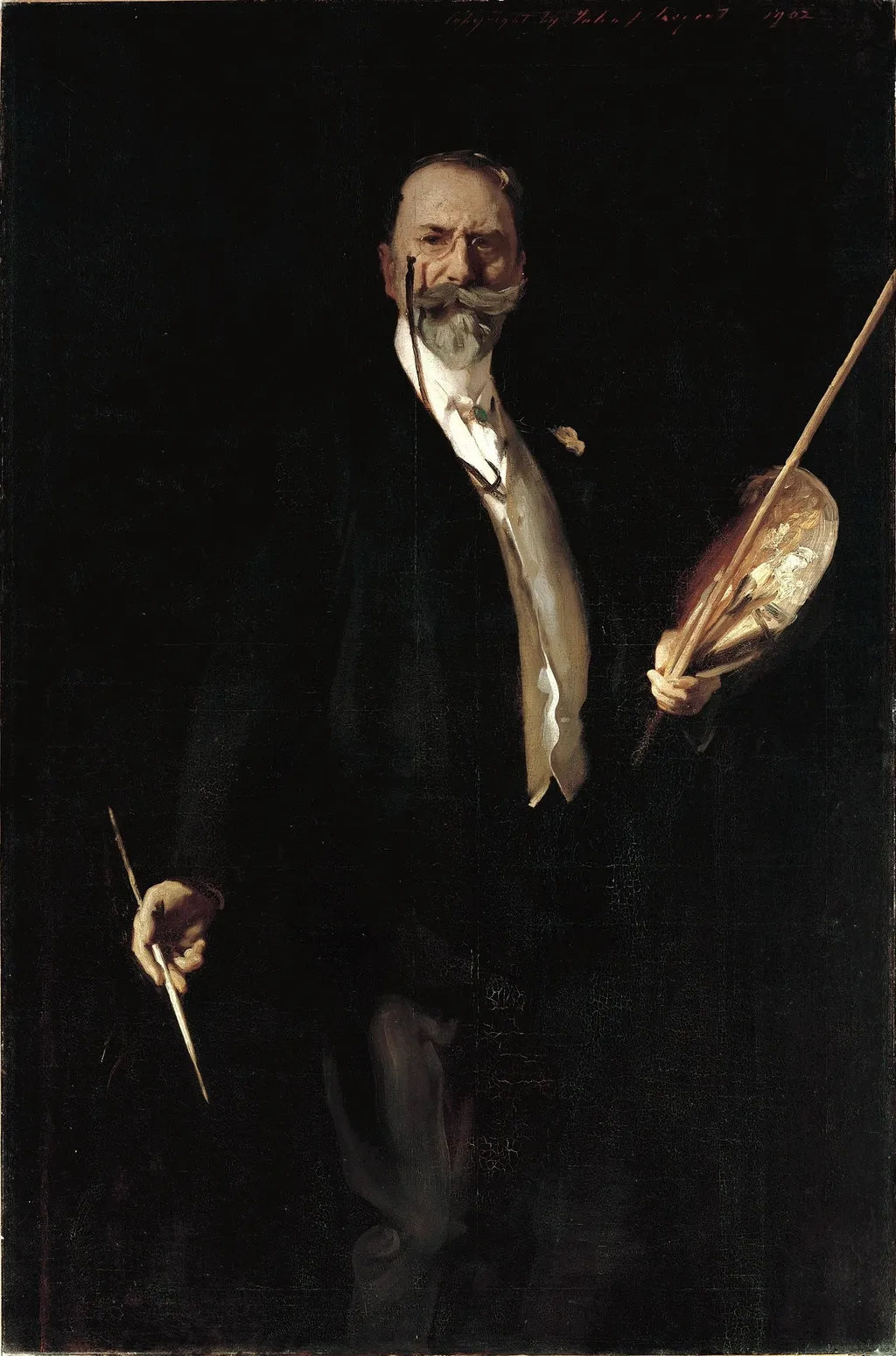
William M. Chase, N. A. is an oil painting by the Impressionist artist John Singer Sargent. It dates from 1902 and is held in the collection of the Metropolitan Museum of Art.
About this work
Subject & Meaning
The painting portrays William Merritt Chase, an American painter and influential art teacher, in a three-quarter-length pose against a dark, neutral background.
The painting portrays William Merritt Chase, an American painter and influential art teacher, in a three-quarter-length pose against a dark, neutral background. He holds a palette and paintbrushes in his left hand and a poised brush in his right, pausing as though scrutinizing his canvas. Chase wears his "old blue studio coat" rather than the formal frock coat he preferred, a deliberate choice by Sargent that presents him in his identity as a practicing painter rather than a gentleman.
A carnation adorns his buttonhole, and his upright stance conveys confidence and professionalism. According to the Metropolitan Museum's catalogue description, Chase's working attire, palette, poised brush, and assured stance suggest his dual persona as a painter and a gentleman. A 2023 master's thesis further argues that by depicting Chase engaged in the mental labor of observation, staring intently at the viewer, Sargent emphasized the intellectual work of portrait painting, asserting its value over photography.
Technique & Style
Executed in oil paint on canvas, the portrait measures 158.8 cm in height by 105.1 cm in width. Sargent rendered Chase in a three-quarter-length pose against a dark, neutral background, with the subject standing upright in his preferred working attire, an old blue studio coat chosen by the artist over a formal frock coat. Chase is shown holding a palette and paintbrushes in his left hand while a brush is poised in his right, as though pausing mid-stroke to scrutinize his canvas; a carnation accents his buttonhole.
The handling emphasizes Chase's assured stance and contemplative gaze, presenting him simultaneously as a practicing painter and a gentleman. The Metropolitan Museum's catalogue notes that the working attire, palette, poised brush, and confident bearing convey this dual identity.
History & Provenance
The portrait was commissioned in 1902 by a group of William Merritt Chase’s students, who intended to donate it to the Metropolitan Museum of Art in his honor. Executed by John Singer Sargent in his London studio during a visit by Chase, the painting was first exhibited in New York, Philadelphia, and Chicago to raise funds for Sargent’s fee. It entered the museum’s collection in 1905 as a gift from Chase’s pupils, accessioned as 05.33.
William M. Chase, N. A. is held by the Metropolitan Museum of Art in New York, where it has resided since 1905. The work entered the institution's collection as a gift from the pupils of William Merritt Chase, who had originally commissioned the portrait and raised funds for it through exhibitions in New York, Philadelphia, and Chicago prior to the donation. The museum assigns the painting the accession number 05.33.
Before its final presentation to the museum, the portrait was displayed in these three cities to generate the necessary capital to pay John Singer Sargent's fee. The posthumous gift was intended to honor Chase, reflecting his status as a beloved instructor and leading American artist at the time of the portrait's creation in 1902.
Context
Created during the height of William Merritt Chase's reputation as a leading American art instructor and Impressionist, this 1902 portrait by John Singer Sargent underscores the close professional friendship between two pivotal figures of late nineteenth-century American art. Commissioned by Chase's students for the Metropolitan Museum of Art, the work serves as a testament to Chase's influence as a teacher at institutions like the Art Students League and the Shinnecock Hills Summer School. Recent scholarship, specifically a 2023 master's thesis, interprets the painting as a strategic assertion of the intellectual labor inherent in painting against the rising prominence of photography.
By depicting Chase in his studio coat rather than formal wear, Sargent emphasized the subject's identity as a practicing artist, aligning the commission with the Metropolitan Museum's focus on connoisseurship and the enduring value of original creative work.
Legacy
William M. Chase, N. A. cemented Chase’s standing as a leading figure in American art education and portraiture. The 1902 portrait, commissioned by his students and donated to the Metropolitan Museum of Art, highlighted his dual identity as a practicing painter and influential teacher. Contemporary accounts note that the work reinforced his reputation as a mentor to a generation of modernists, including Georgia O'Keeffe, Edward Hopper, and George Bellows.
The painting’s display in major venues before acquisition underscored the high regard for Chase within the art establishment. Its legacy persists in scholarly discussions of turn‑of‑the‑century portraiture and the evolving status of artists’ studios as sites of intellectual labor.
Overview
John Singer Sargent completed this oil portrait of his contemporary, the American painter William Merritt Chase, in 1902. Titled William M. Chase, N. A., the artwork is now part of the collection at the Metropolitan Museum of Art in New York City. It captures Chase in a formal pose, reflecting his professional status within the art world of the early 20th century.
Own this work as a print
Artist & collection
Artist
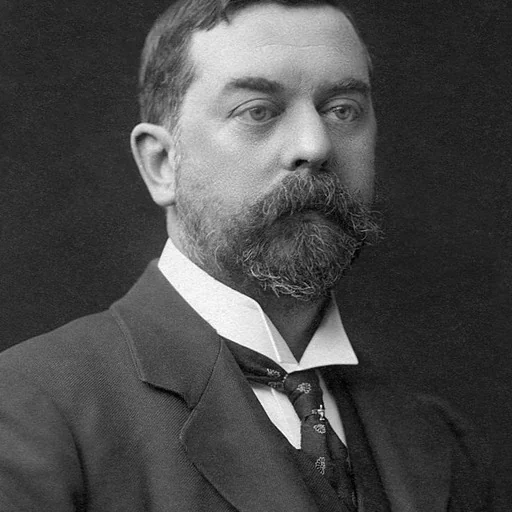
John Singer Sargent (; January 12, 1856 – April 15, 1925) was an American expatriate artist, considered the "leading portrait painter of his generation" for his evocations of Belle Époque and Edwardian-era luxury.

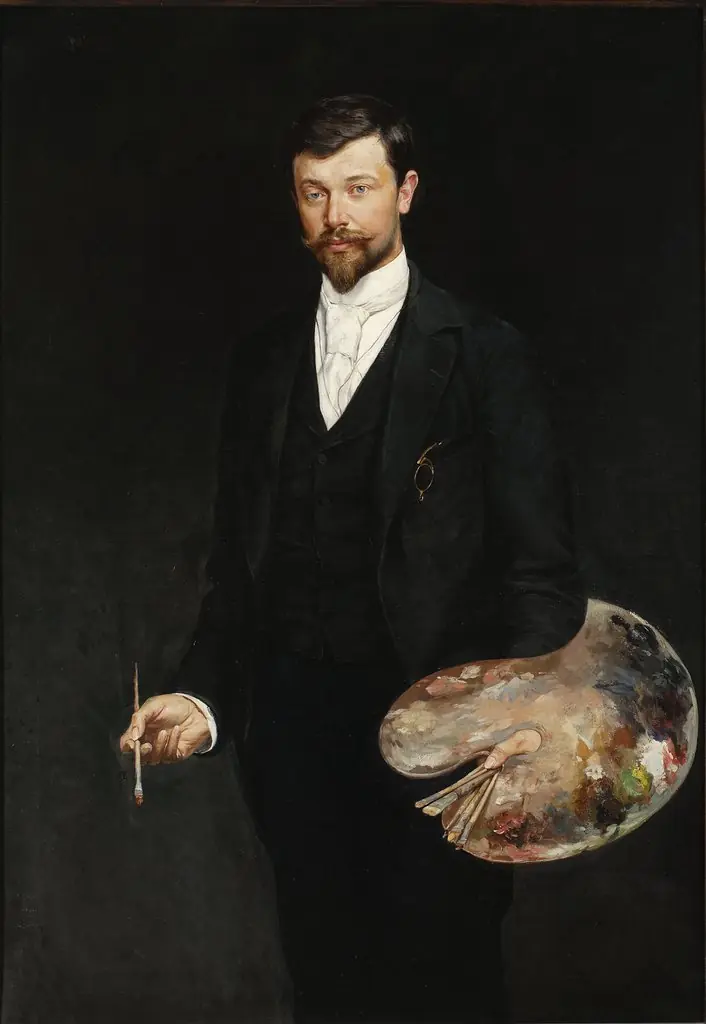
 Portrait of Pál Szinyei Merse
 Self-portrait with palette
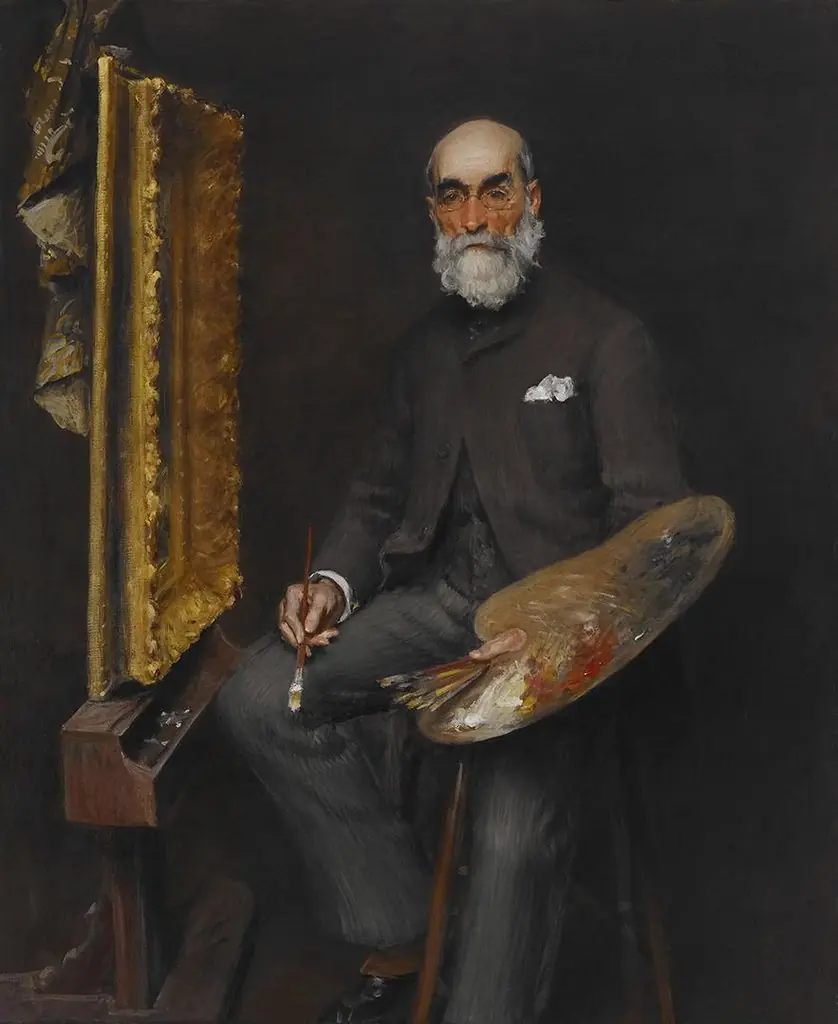 Worthington Whittredge
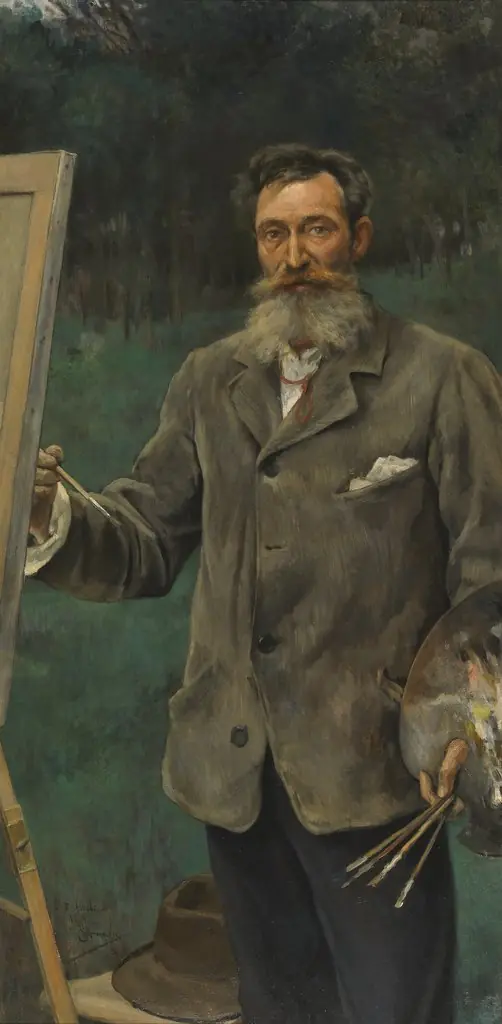 The painter Ricardo Arredondo
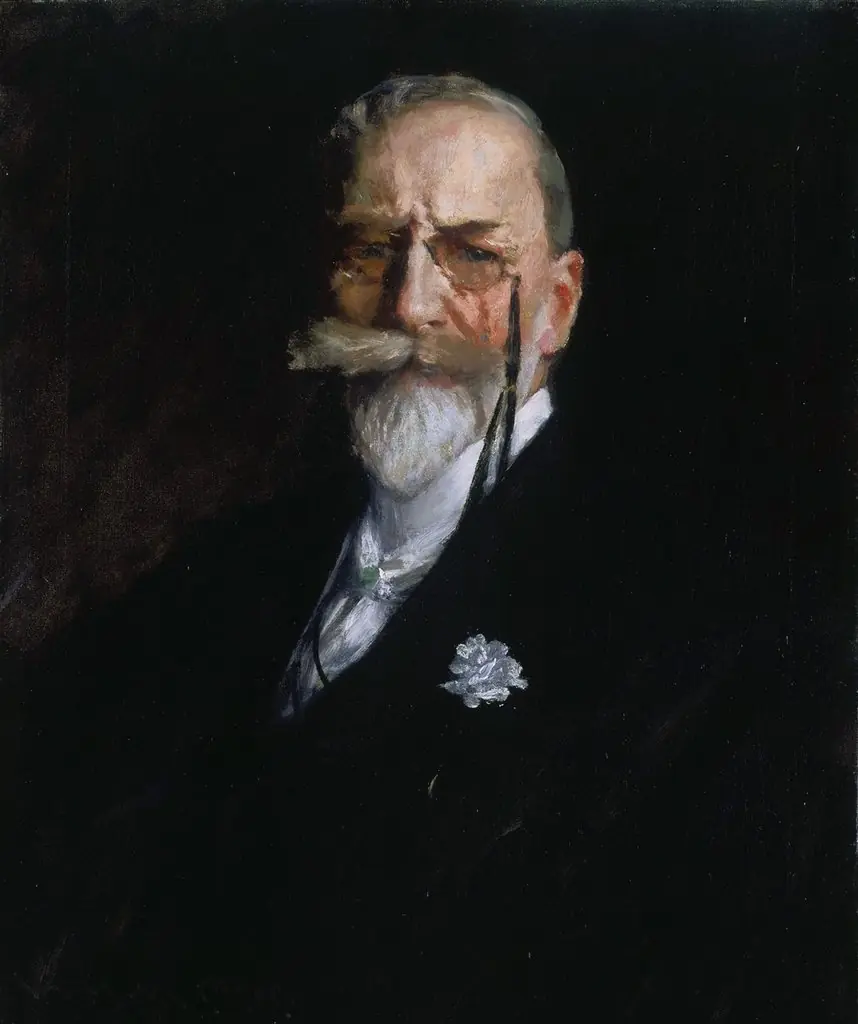 Self Portrait
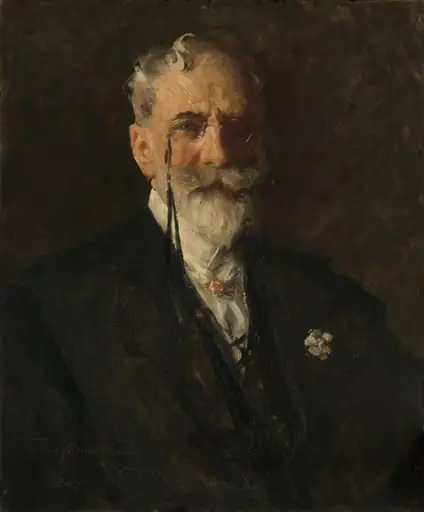 Self-Portrait
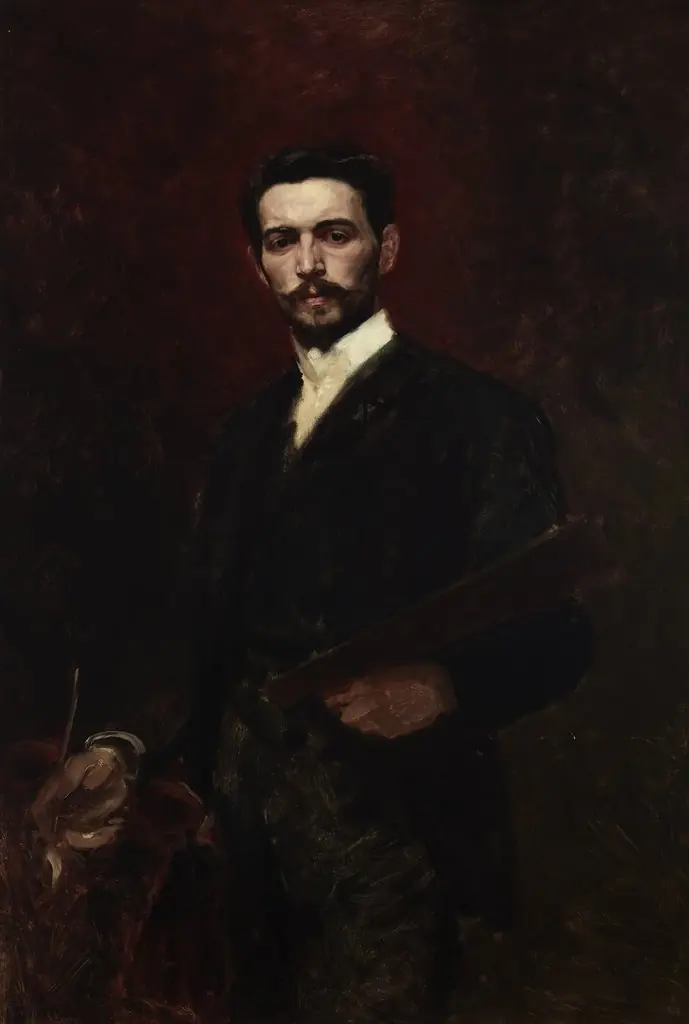 Portrait of Józef Unierzyski
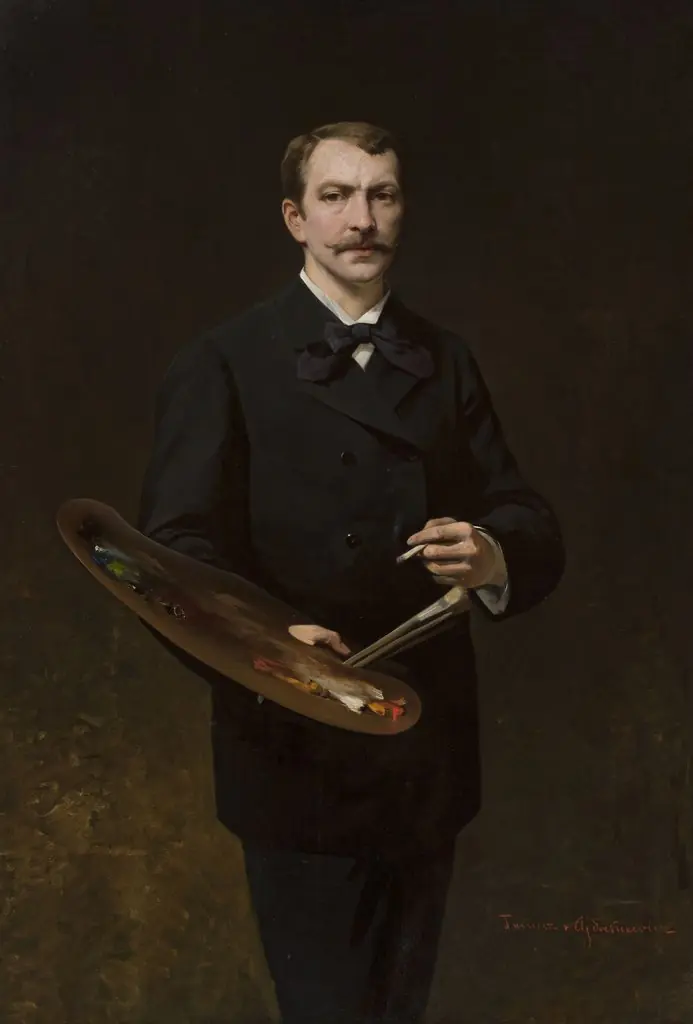 Self-portrait with palette
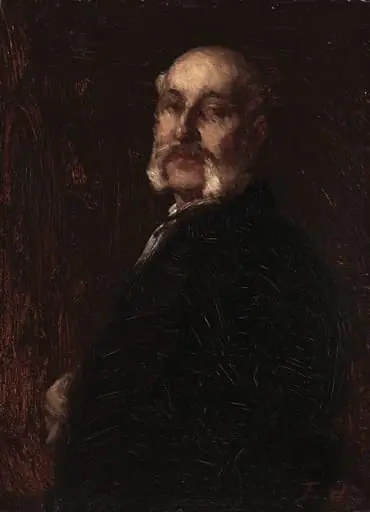 Portrait of Franklin H. Delano
 Portrait of Franklin H. Delano
 Artist's self-portrait with a palette
- William Merritt Chase