Artwork
Untitled
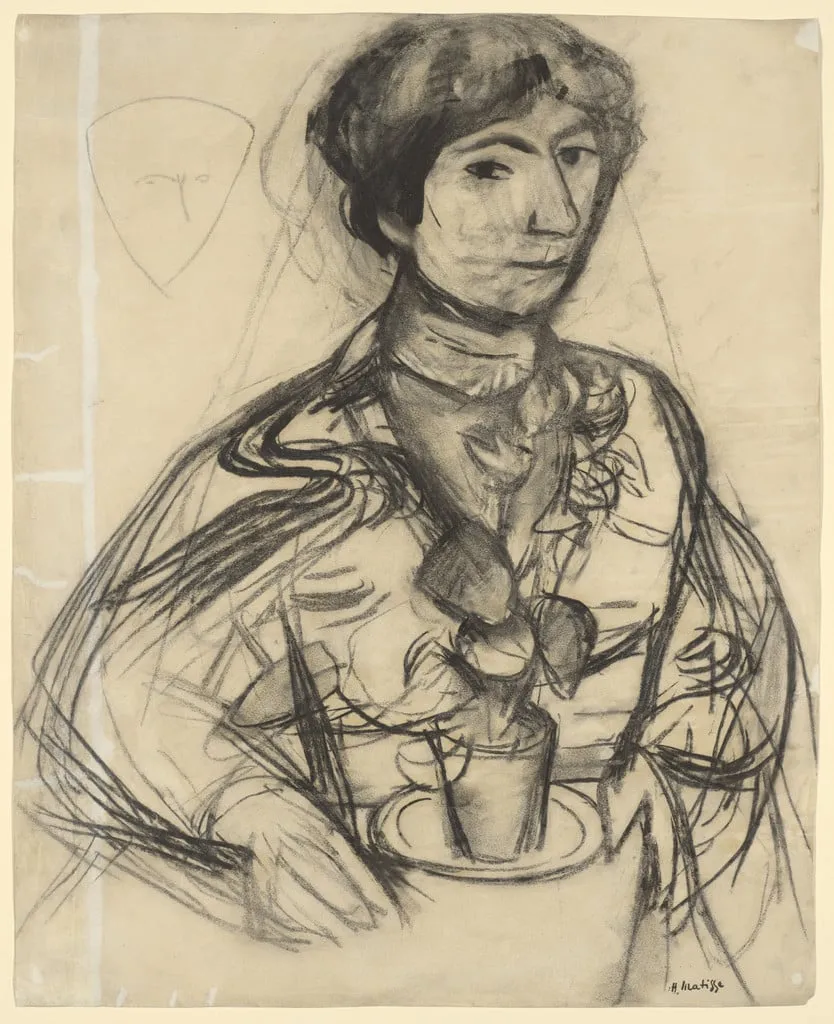
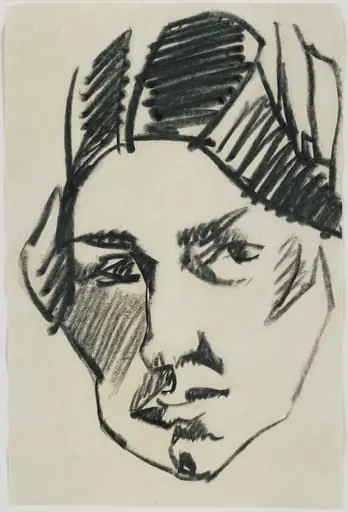
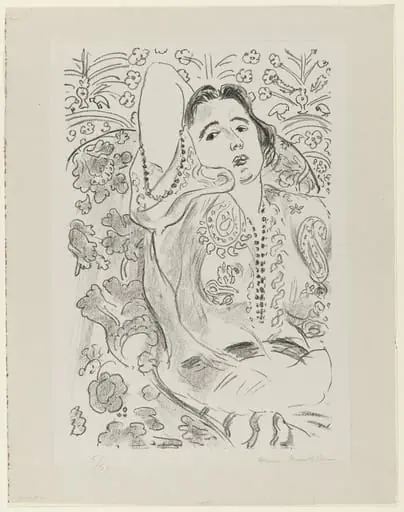
Untitled is a charcoal drawing by Henri Matisse. It dates from 1910 and is held in the collection of the Museum of Modern Art.
About this work
Her gaze is directed to the right, and her right hand rests on a table or ledge, with her left hand positioned near a cup on a saucer.
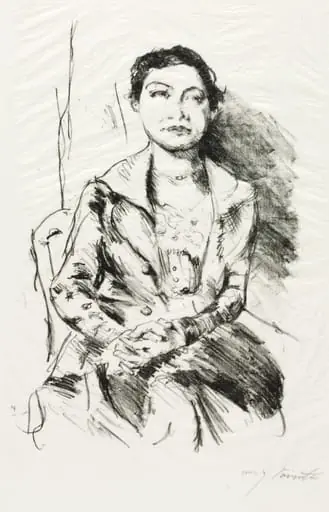
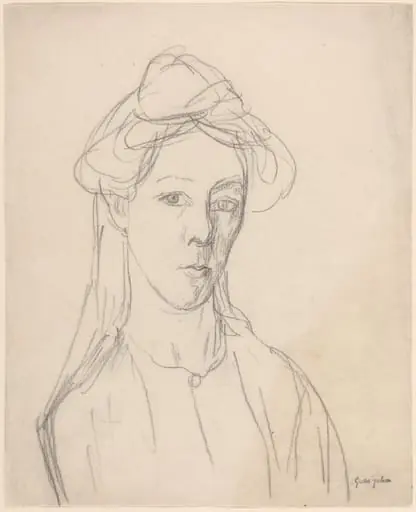
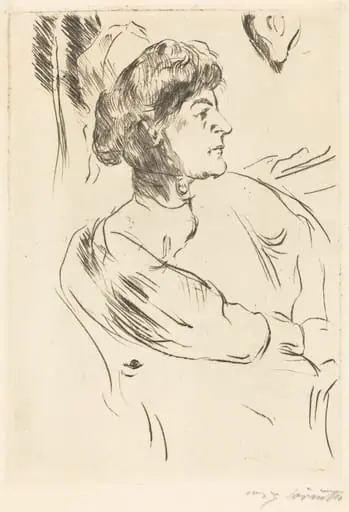
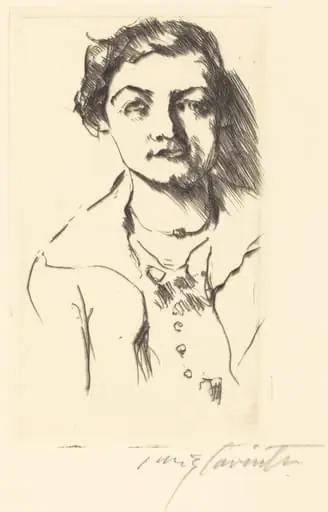
This charcoal drawing on paper presents a woman with dark hair, wearing a light-colored top and a darker jacket or shawl. Her gaze is directed to the right, and her right hand rests on a table or ledge, with her left hand positioned near a cup on a saucer. The background is a light tan color, with a few faint lines and shapes visible.
The woman's attire and hairstyle suggest a style from the early 20th century. The artist's use of charcoal creates a sense of softness and subtlety in the drawing.
For more works by this artist, explore the art of Henri Matisse.
Overview
Henri Matisse produced this untitled charcoal drawing on paper in 1910. Though best known for his vibrant paintings, Matisse consistently engaged with drawing as a core practice. This work exemplifies his ability to convey form and presence with minimal means, using the expressive potential of charcoal to capture a quiet, introspective moment. It resides in the collection of The Museum of Modern Art.
Subject & Meaning
The drawing depicts a woman seated at a surface, her gaze turned to the right, one hand resting lightly on the edge, the other near a cup. Her attire, a light top with a darker wrap, hints at domestic stillness. The composition avoids narrative, focusing instead on posture and atmosphere.
The figure’s stillness and unadorned setting suggest an intimate, private moment, characteristic of Matisse’s interest in everyday contemplation.
Technique & Style
Matisse employed charcoal to achieve a range of tonal softness, from smudged shadows to crisp, deliberate lines. The background is lightly rendered, allowing the figure to emerge through contrast rather than detail. His lines are economical yet confident, suggesting volume and gesture without outlining. The absence of heavy shading preserves a sense of airiness, reinforcing the quiet mood of the scene.
History & Provenance
Created in 1910, this drawing emerged during a period when Matisse was refining his approach to line and form, prior to his more radical experiments with color. It entered The Museum of Modern Art’s collection in the decades following its creation, likely through acquisition or donation. Its preservation reflects the institution’s early recognition of Matisse’s drawings as significant works in their own right.
Context
In 1910, Matisse was navigating the tensions between Fauvism’s chromatic intensity and a growing interest in structural clarity. While his paintings grew bolder, his drawings often returned to restraint. This work aligns with his contemporaneous studies of figures in interior spaces, reflecting a broader modernist turn toward psychological presence over decorative flourish.
Legacy
This drawing contributes to the understanding of Matisse’s sustained commitment to drawing as a mode of inquiry. Its simplicity and sensitivity influenced later artists who valued line over color, and it remains a quiet testament to his ability to convey depth through economy. It stands as an example of how drawing functioned as both preparation and independent expression in his practice.
Artist & collection
Artist
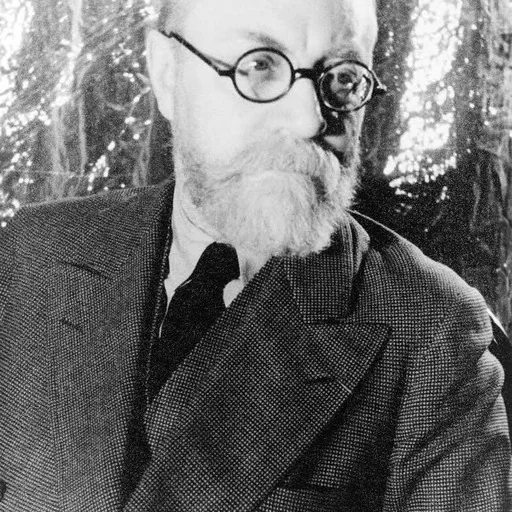
Henri Émile Benoît Matisse (French:; 31 December 1869 – 3 November 1954) was a French visual artist, known for both his use of colour and his fluid and original draughtsmanship.