Artwork
View of the back of a Palace
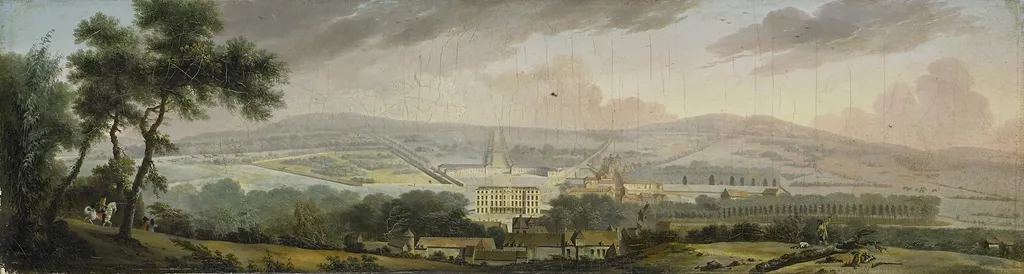
View of the back of a Palace is an oil painting by the Empire Style artist Henri Salembier. It dates from 1800 and is held in the collection of the Rijksmuseum.
About this work
Subject & Meaning
The composition combines these built elements with organic forms, specifically the tree, to create a serene, observational view of the property's exterior.
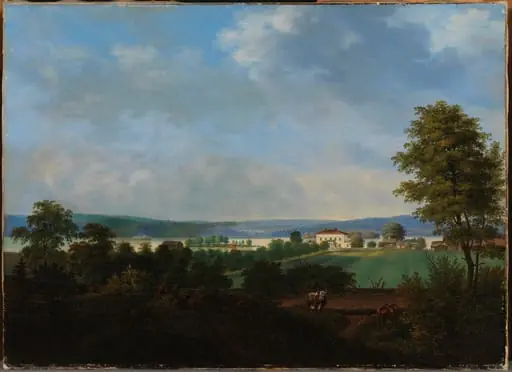
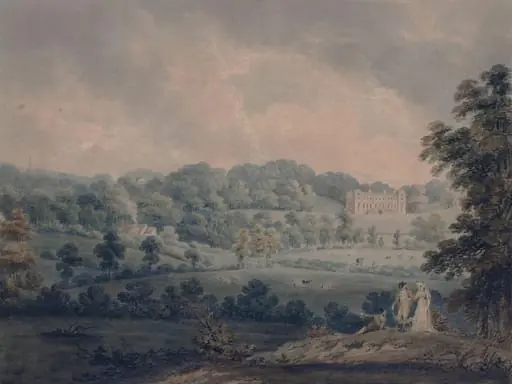
Henri Salembier's 1800 oil painting, View of the back of a Palace, depicts a landscape scene featuring a house, a bridge, and a tree. The work focuses on the rear elevation of a domestic or palatial structure, presenting it within a natural setting rather than emphasizing formal architectural grandeur. The composition combines these built elements with organic forms, specifically the tree, to create a serene, observational view of the property's exterior.
As a depiction of a house and its immediate surroundings, the painting represents a quiet moment in the daily life or physical environment of the location, prioritizing the visual arrangement of the structure and nature over complex narrative or allegorical symbolism.
Technique & Style
View of the back of a Palace is an oil painting executed by Henri Salembier in 1800. The work is created on a canvas support, utilizing oil paint as the primary medium. It measures 17 cm in height and 61 cm in width.
The composition depicts architectural elements, specifically a house, alongside natural features such as a tree and a bridge. The painting is currently held in the collection of the Rijksmuseum.
History & Provenance
The painting View of the back of a Palace was created by Henri Salembier in 1800. Executed in oil on canvas, the work measures 17 cm in height and 61 cm in width. The piece depicts a scene featuring a house, a bridge, and a tree. It is currently held in the collection of the Rijksmuseum.
Overview
Henri Salembier’s oil painting, dated 1800, presents a tranquil vista of a palace’s rear façade set within a broad, level landscape. A straight hedge leads the eye toward a modest bridge spanning a waterway, while trees frame the left side and small structures occupy the lower foreground. The sky is light, dotted with gentle clouds, contributing to the composition’s calm atmosphere.
Context
The composition reflects the period’s interest in idealized landscape representations of aristocratic estates, aligning with contemporary Dutch and French traditions that highlighted harmonious integration of built and natural elements. Such works often served to document property and convey the owner’s taste.
Artist & collection