Movement
Empire Style
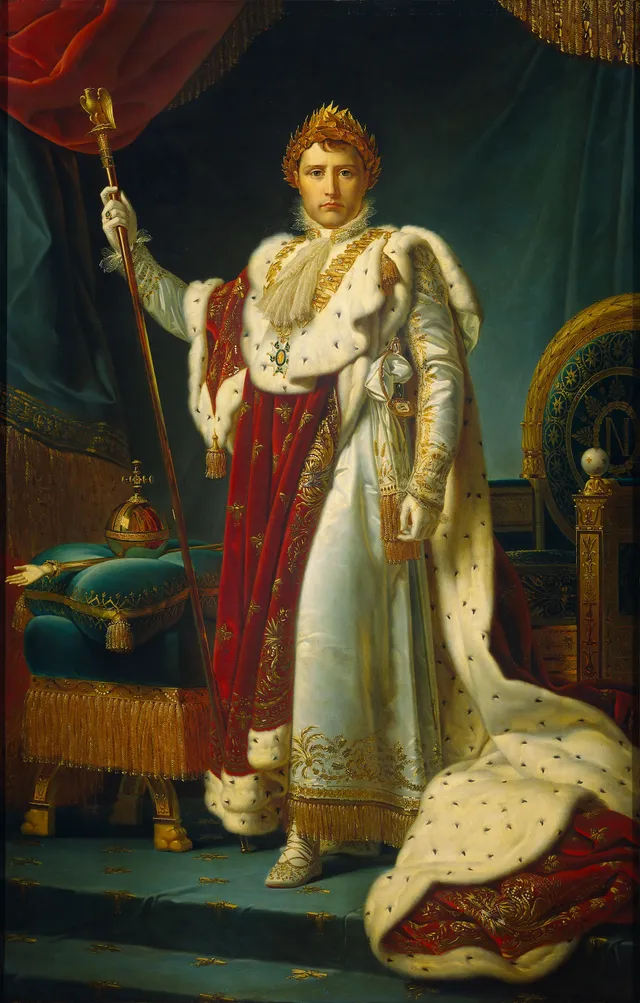
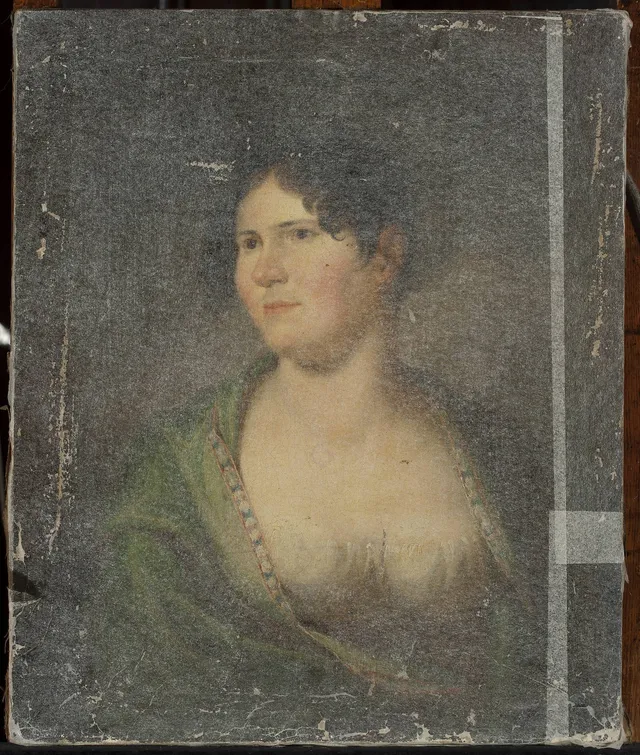
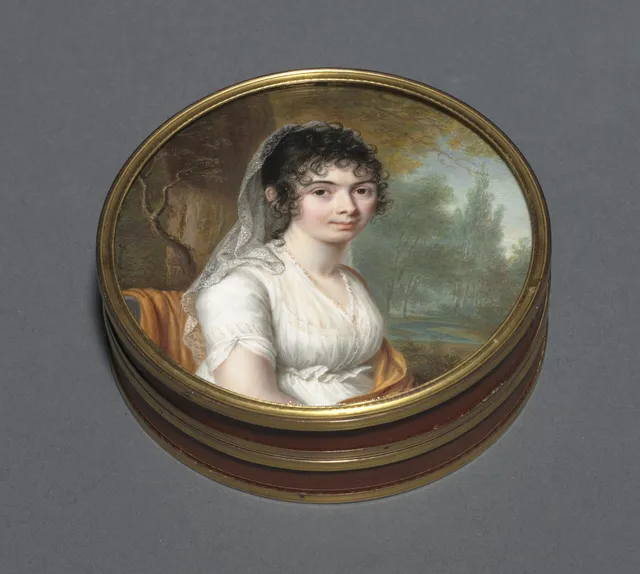
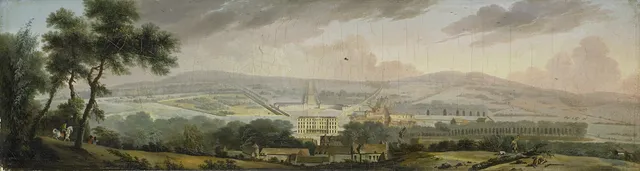
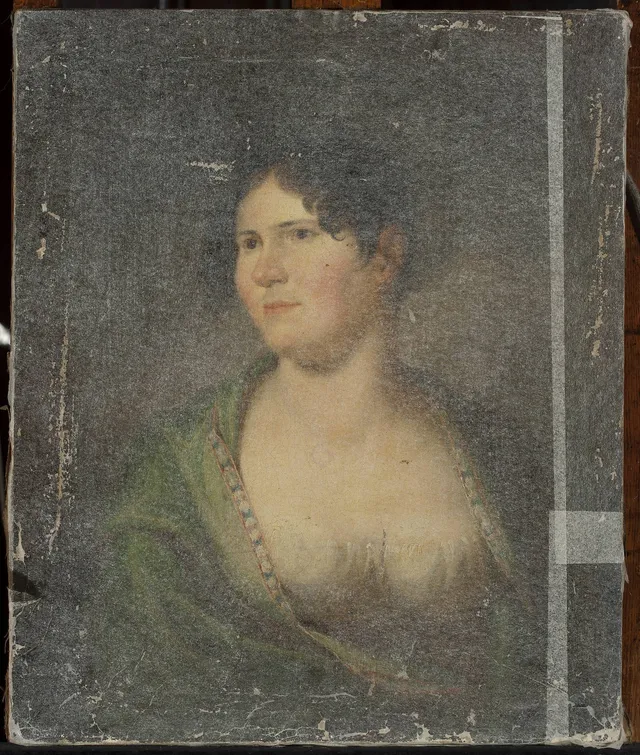
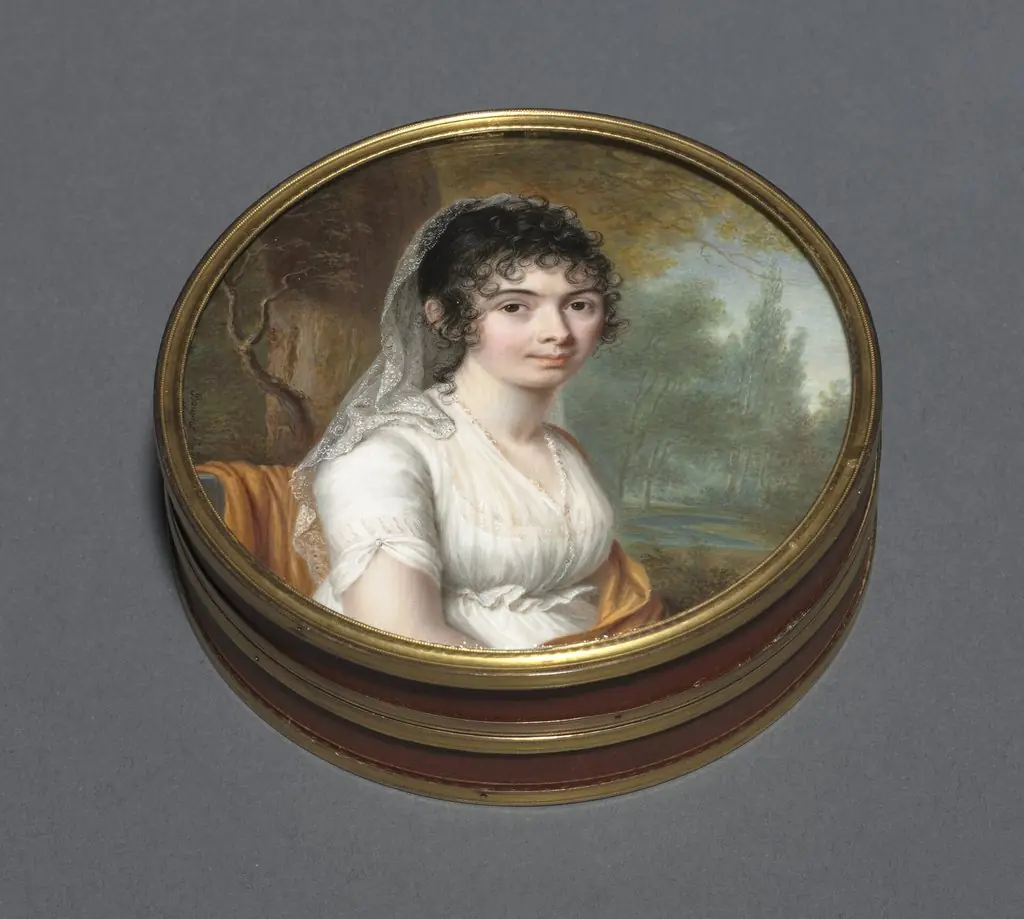
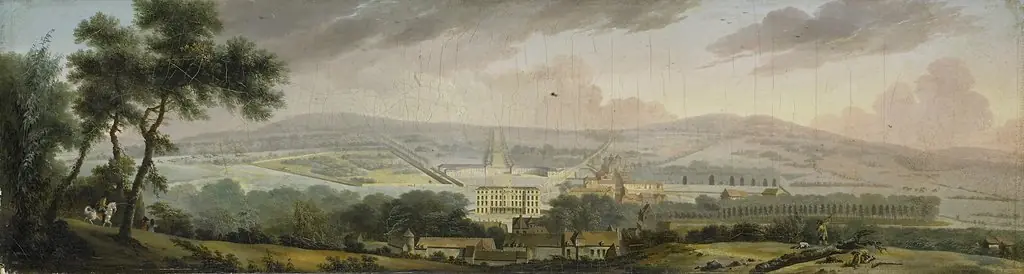
Empire Style is an art movement. The gallery holds 4 works in this movement, including works by Henri Salembier. Browse Empire Style paintings, portraits, pictures and artworks from the world's public-domain museum collections.
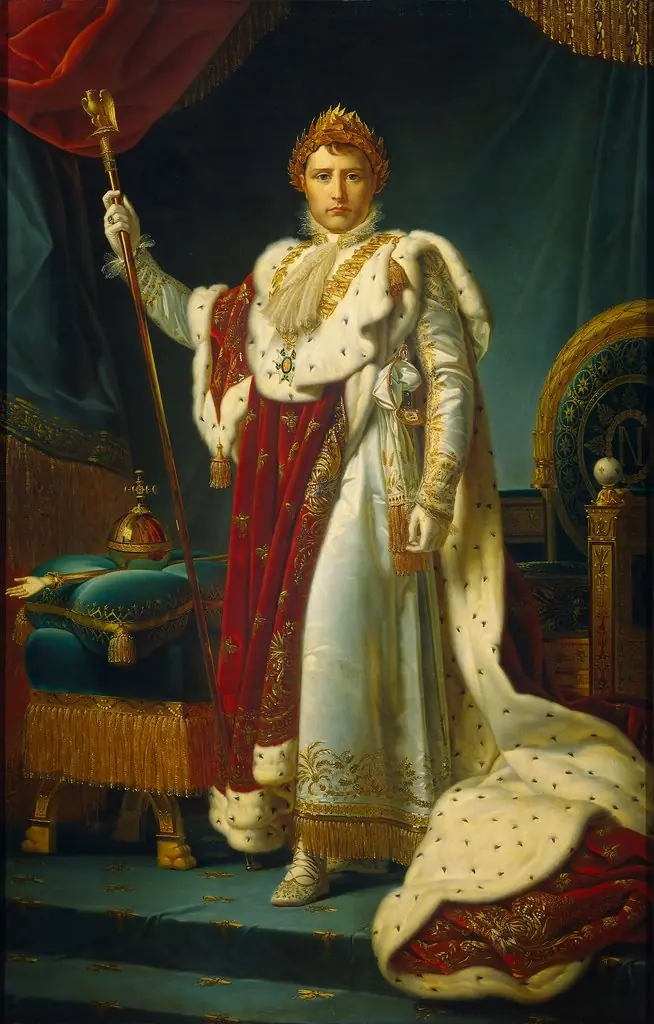
Empire style was the official artistic language of Napoleonic France, flourishing roughly between the proclamation of the First French Empire in 1804 and Napoleon's fall in 1815, though its roots reach back to the restrained Directoire and Consulate years of the late 1790s and its echoes lingered into the 1820s. It is the second, grander phase of Neoclassicism: where the earlier Louis XVI taste had drawn delicately on classical antiquity, the Empire turned to the monumental authority of imperial Rome and, after Napoleon's 1798 campaign, to ancient Egypt. The style was deliberately political, conceived to clothe a new dynasty in the borrowed prestige of the Caesars and to idealize Napoleon's victories and the power of the French state.
Its visual character was codified by two architects, Charles Percier and Pierre Fontaine, who renovated Empress Joséphine's Château de Malmaison (1800–02) and published their designs in the hugely influential Recueil de décorations intérieures (1801, expanded 1812). The hallmarks are archaeological correctness, rigorous symmetry, and rich materials: mahogany and ebony, ormolu (gilded-bronze) mounts, and hardstones such as malachite and marble. Saturated upholstery in deep red, blue, or green was set against white walls and gilded ornament, while a fixed vocabulary of imperial emblems—the bee, the eagle, laurel wreaths, the crowned letter N, winged victories, sphinxes, and Egyptian hieroglyphic motifs—proclaimed dynastic ambition on furniture, textiles, and metalwork alike.
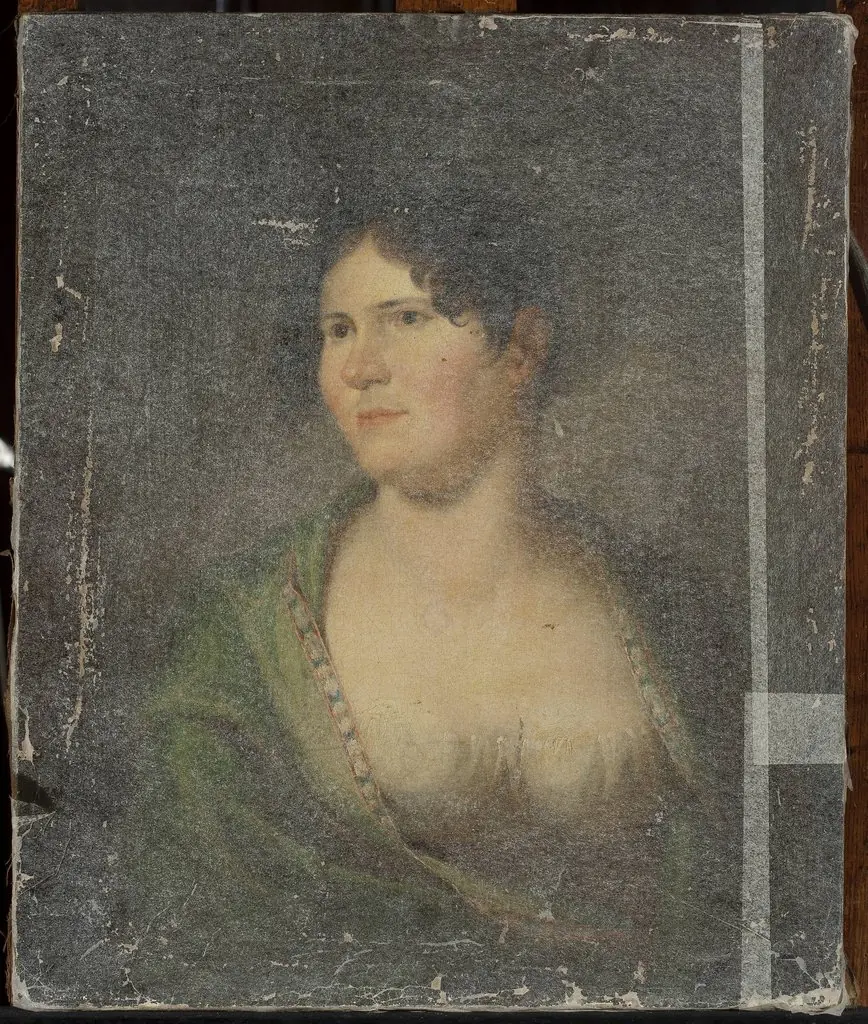
The painter Jacques-Louis David gave the Empire its public face, producing propagandistic icons such as Napoleon Crossing the Alps and the vast Coronation of Napoleon (1805–07); his pupils Gros and Prud'hon extended the manner. Ornamentalists and engravers such as Henri Salembier (1753–1820), whose elegant arabesques and trophies had shaped the preceding Louis XVI style, supplied the decorative grammar from which the Empire grew. The era's high-waisted, columnar "Empire" gown—seen in many female portraits—translated the same antique ideal into dress.
Though born in France, the style was copied across Europe and America, each nation adapting it: it informed the British Regency, inspired the more domestic German and Austrian Biedermeier, and shaped the American Federal and Empire styles. Its disciplined grandeur was revived repeatedly through the nineteenth century and fed, ultimately, into the geometry and luxury of Art Deco.
Key artists
Works
Frequently asked questions
What is Empire Style?
Empire Style is an art movement. The official French decorative and pictorial style of the Napoleonic era (roughly 1800–1815), projecting imperial grandeur through references to Rome, Egypt, and ancient Greece.
Who are the key Empire Style artists?
Key Empire Style artists in the collection include Henri Salembier.
Where can I see Empire Style works?
Empire Style works in the collection are held by Rijksmuseum, Cleveland Museum of Art and National Museum in Warsaw.