Artwork
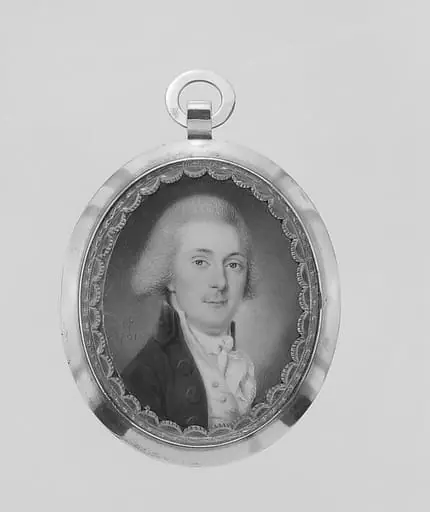
Portrait of a Gentleman
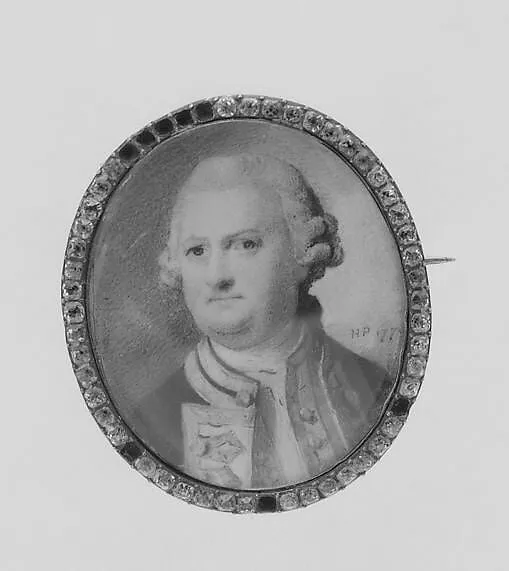
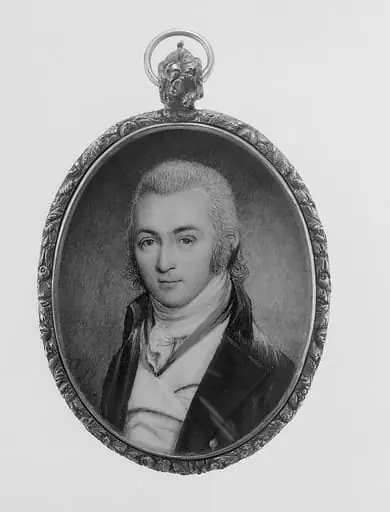
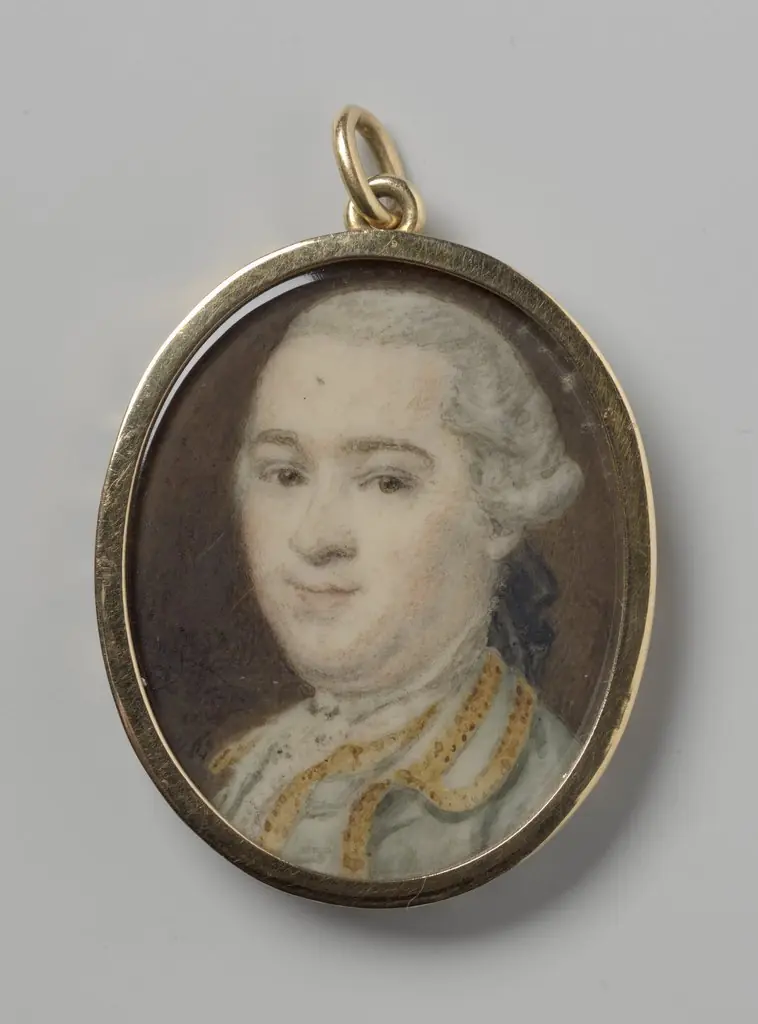
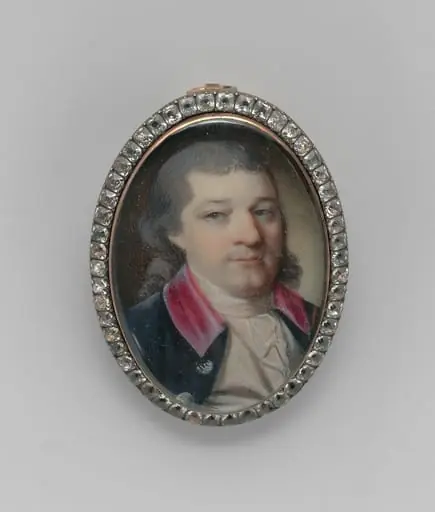
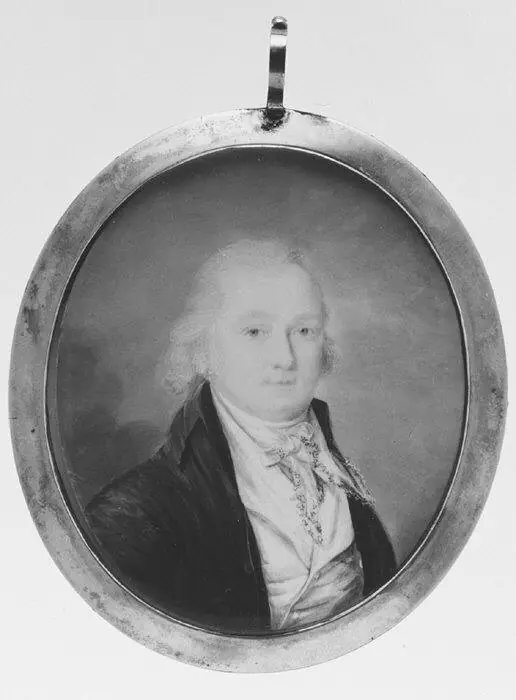
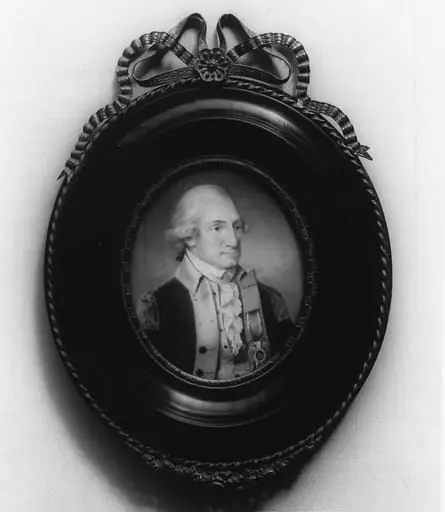
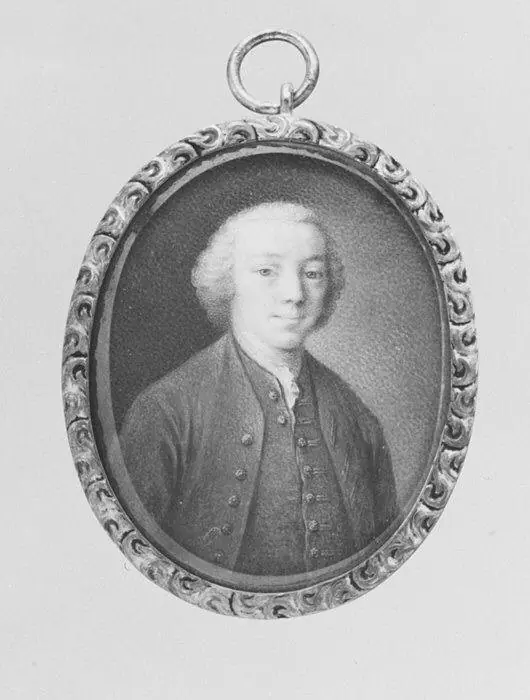
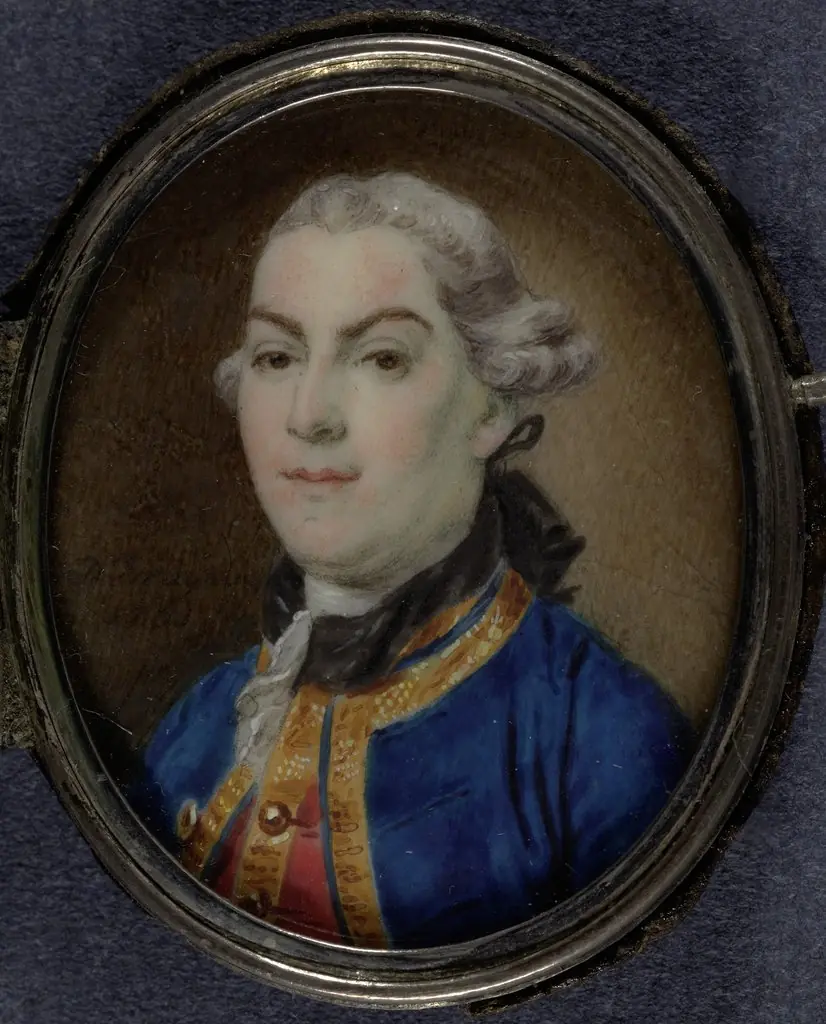
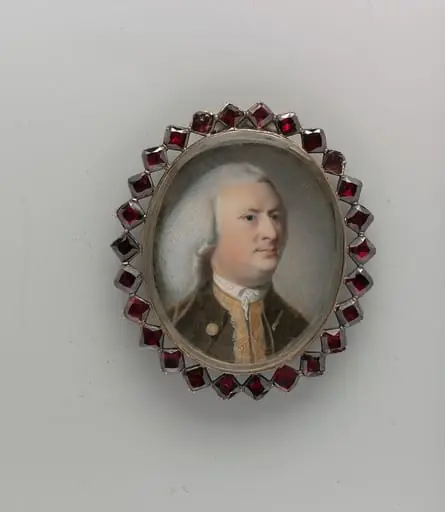
Portrait of a Gentleman is a watercolor painting by the Rococo painting artist Henry Pelham. It dates from 1779 and is held in the collection of the Metropolitan Museum of Art.
About this work
Technique & Style
The ivory support, prized for its luminous smoothness, allowed for exceptionally fine detail and subtle tonal gradations.
Henry Pelham executed this 1779 portrait in watercolor on ivory, a miniature format measuring 4.2 by 3.5 cm. The ivory support, prized for its luminous smoothness, allowed for exceptionally fine detail and subtle tonal gradations. The watercolor medium, applied with precision typical of late-eighteenth-century American miniaturists, exploits the natural warmth of the ivory ground to create lifelike flesh tones. The small scale and intimate handling suggest a private, personal object rather than a public display piece.
The work's placement in the Metropolitan Museum of Art's American Wing contextualizes it within the early national period of United States art, when such miniatures served as important tokens of affection and social status among the colonial elite.
History & Provenance
Created in 1779, this watercolor on ivory portrait depicts an unidentified gentleman and was executed by the artist Henry Pelham. The work measures approximately 4.2 by 3.5 centimeters. While specific details regarding the original commission or the identity of the sitter remain unrecorded in the available documentation, the piece has been accessioned into the permanent collection of the Metropolitan Museum of Art.
There, it is classified within the institution's American Wing. The artwork serves as a documented example of late eighteenth-century portraiture, firmly attributed to Pelham based on its inception date and stylistic classification.
Legacy
The Portrait of a Gentleman by Henry Pelham, painted in 1779, is part of The American Wing collection at the Metropolitan Museum of Art, a placement that signals its recognized importance within early American portraiture. Its presence in a major institutional gallery has shaped scholarly discussions of 18th-century American art, positioning the work as a reference point for studies of colonial-era portrait conventions. The painting's attribution to Pelham and its documented provenance have reinforced the artist's reputation as a figure in the development of American portraiture.
Overview
Henry Pelham, an American artist active in the late 18th century, created this Portrait of a Gentleman in 1779. Executed with watercolor on ivory, the miniature depicts an unidentified man. While Pelham is primarily recognized for his work as a cartographer and engineer, this piece showcases his less common foray into portraiture.
The artwork reflects the refined aesthetic of the period, offering a glimpse into personal representation during the American Revolution era.
Subject & Meaning
The subject of this portrait is an unidentified gentleman, depicted with a composed gaze directed forward. He wears a dark coat and a white cravat, reflecting the formal attire of the late 18th century. His hair is neatly tied back, and his features are smoothly rendered against an unadorned background.
This type of personal likeness was a popular form of commemoration and display during the period, often serving as a memento for loved ones.
Context
Henry Pelham's career extended beyond fine art; he was notably active as a civil engineer and cartographer. His extensive correspondence about the American Revolution provides valuable firsthand accounts, particularly those shared with his half-brother, the renowned painter John Singleton Copley. This portrait, therefore, stands as a distinct example within a career largely dedicated to technical and historical documentation, offering a different facet of his artistic output during a tumultuous era.
Artist & collection
Artist
Henry Pelham (February 14, 1748/49 – 1806) was an American painter, engraver, civil engineer, and cartographer active during the late 18th century.