Artwork
Portrait of Hugh Hope
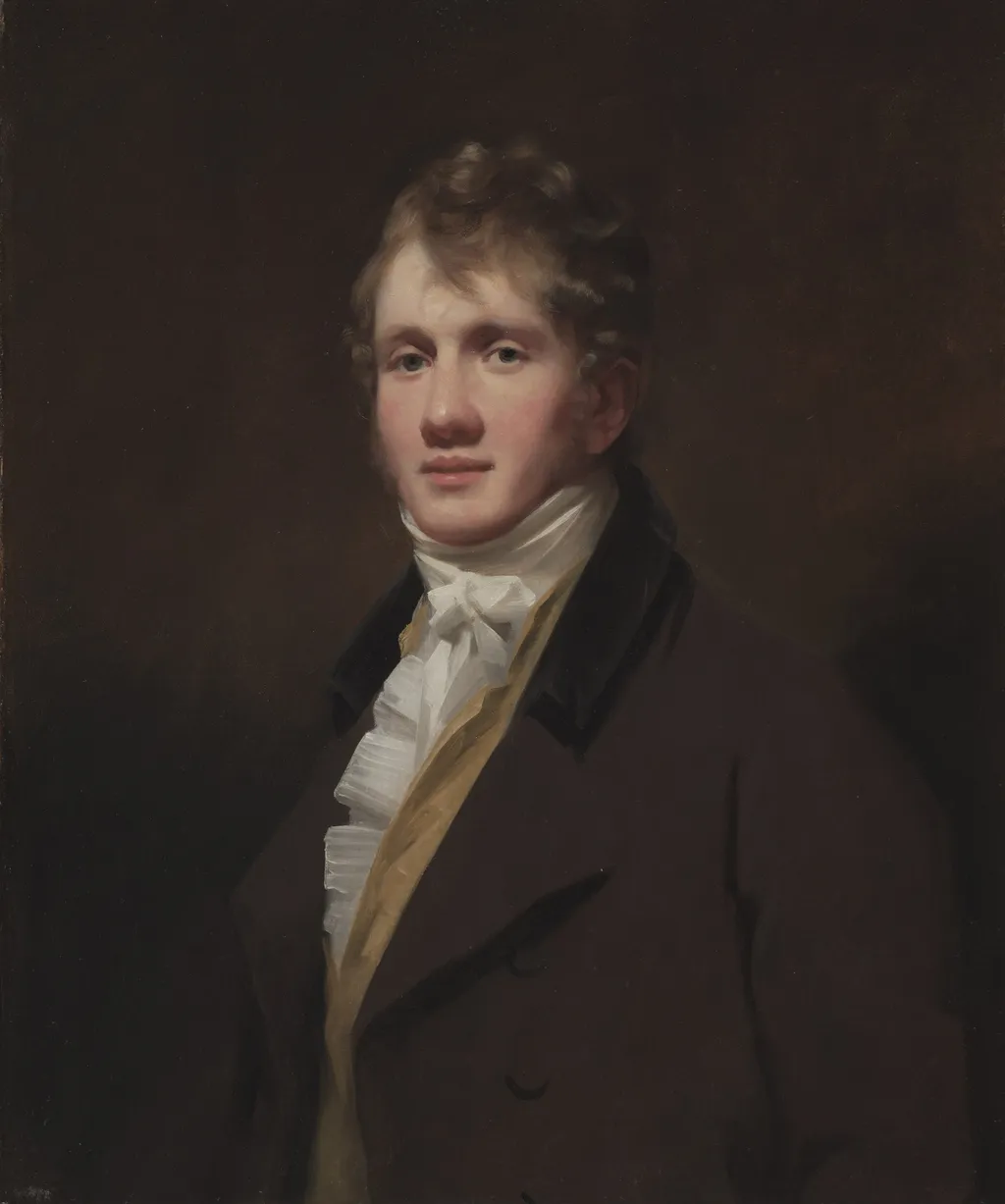
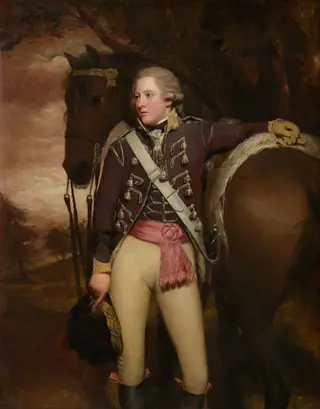
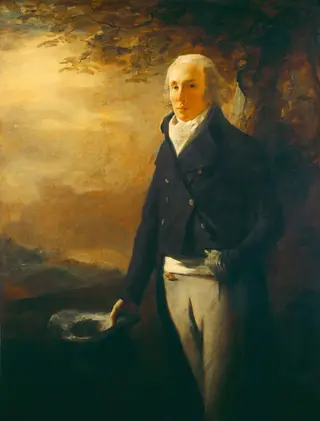
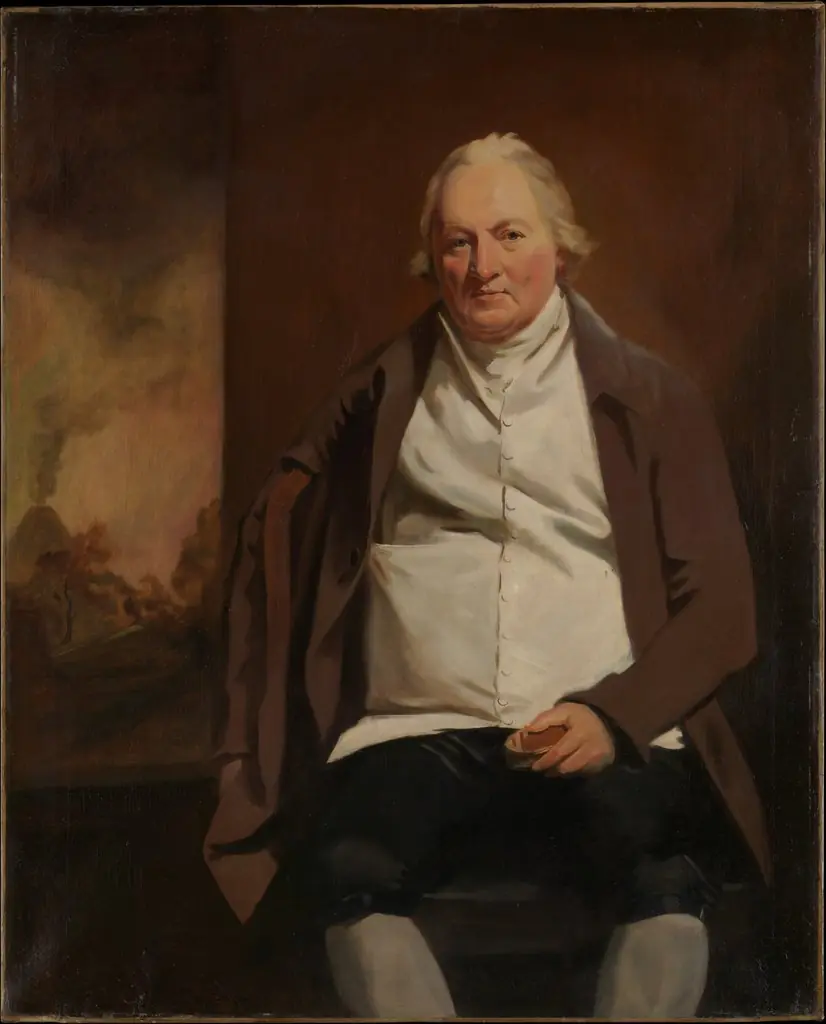
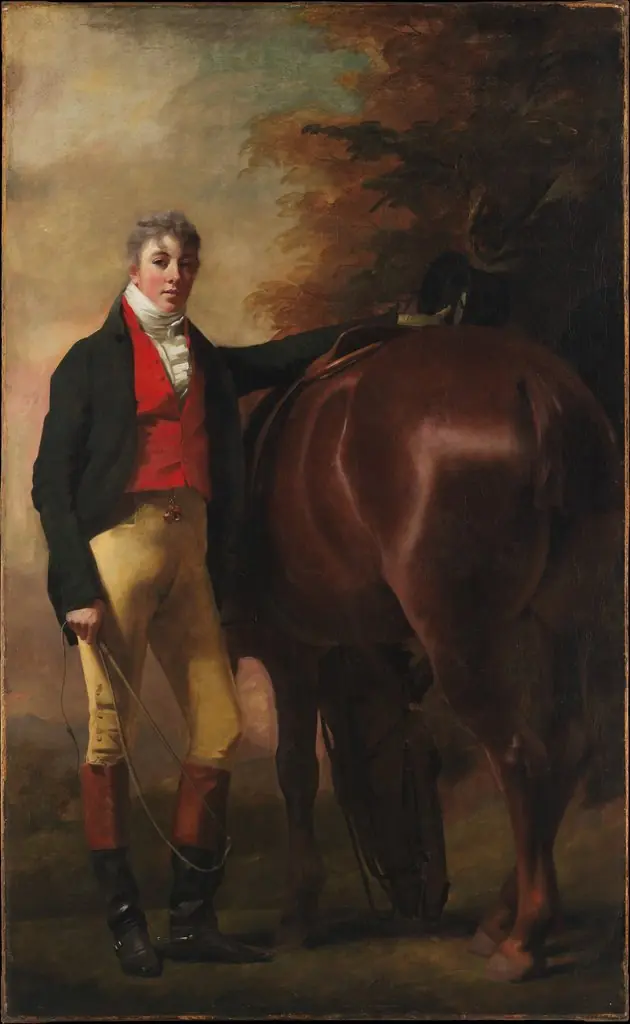
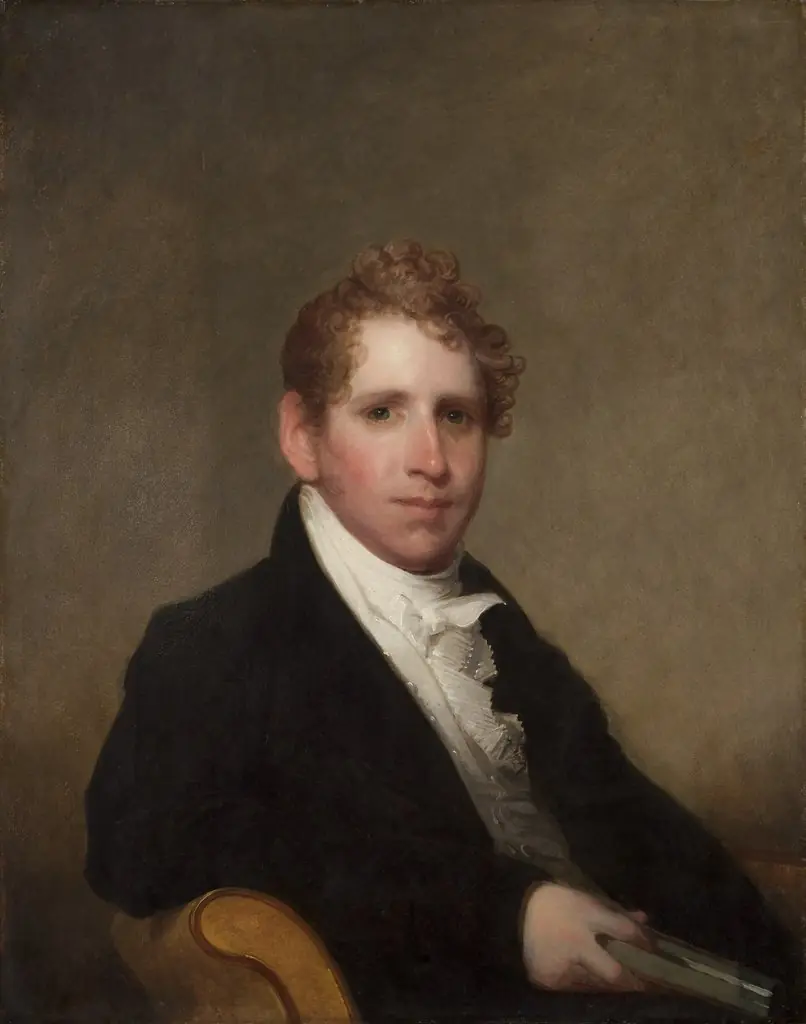
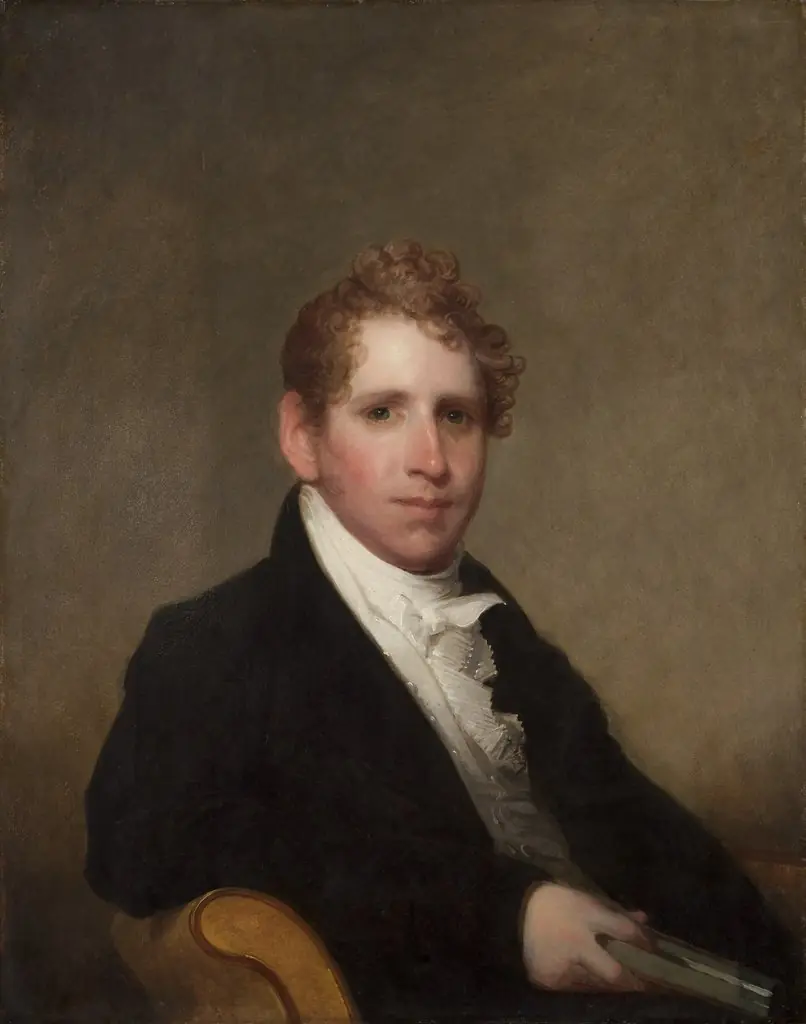
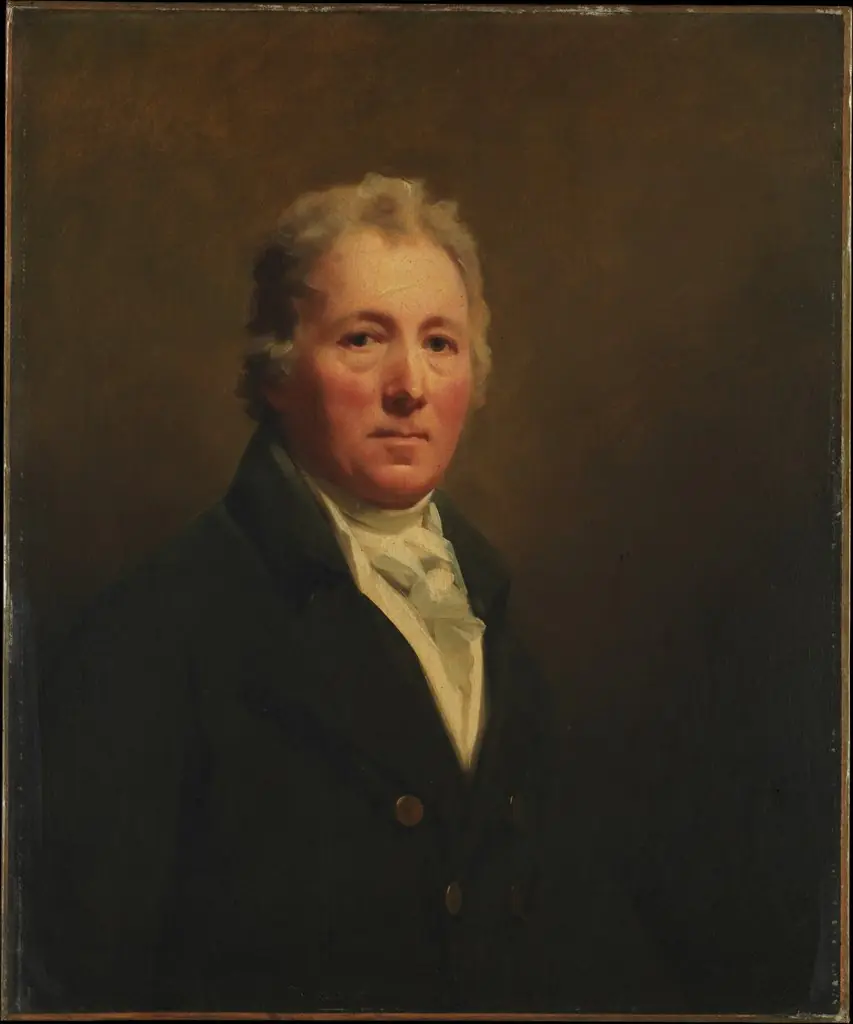
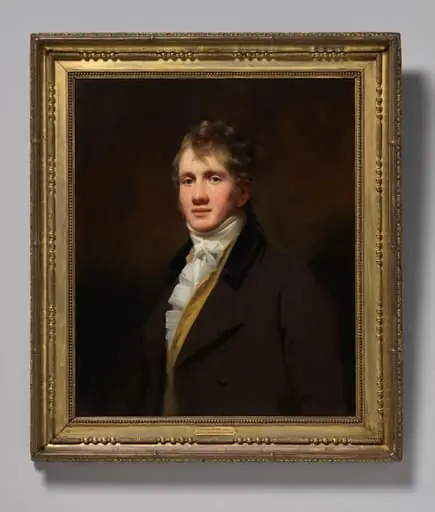
Portrait of Hugh Hope is an oil painting by the British Romanticist artist Henry Raeburn. It dates from 1810 and is held in the collection of the Cleveland Museum of Art.
About this work
Technique & Style
The handling is fluid yet precise, with a restrained palette dominated by muted earth tones and a subdued key that emphasizes the sitter’s dignified presence.
The portrait is painted in oil on canvas, a medium Raeburn employed consistently for his full-length and bust-length likenesses. The handling is fluid yet precise, with a restrained palette dominated by muted earth tones and a subdued key that emphasizes the sitter’s dignified presence. Brushwork remains largely smooth, with delicate transitions in the face and more assertive, visible strokes in the costume details such as the white cravat and dark coat.
The composition is anchored by a three-quarter view, directing attention to Hugh Hope’s poised expression and the quiet authority conveyed through his posture and gaze.
The work’s condition is reported as stable, with no significant losses or major restorations recorded in institutional records.
History & Provenance
Portrait of Hugh Hope is an oil on canvas portrait painted by Scottish portraitist Henry Raeburn in 1810. The work measures 75 cm by 61 cm and was created as a commissioned likeness of Hugh Hope. It has been part of the Cleveland Museum of Art’s collection since at least the early 1990s, where it remains on display in the museum’s European paintings galleries.
The painting’s provenance traces from Raeburn’s studio to the museum’s acquisition, preserving its status as a representative example of early‑19th‑century British portraiture.
Portrait of Hugh Hope is held in the collection of the Cleveland Museum of Art. The work is identified within the museum's records by the accession number 1991.133. Painted in 1810, this oil on canvas portrait measures 75.0 cm in height and 61.0 cm in width. The provided sources do not contain information regarding specific exhibitions in which the painting has been displayed.
Overview
Henry Raeburn's Portrait of Hugh Hope, completed in 1810, is an oil-on-canvas work that exemplifies the British Romantic aesthetic. This painting presents its subject with a direct and naturalistic quality, a hallmark of Raeburn's distinctive approach to portraiture. It captures the sitter in a focused and engaging manner, reflecting the artist's skill in conveying individual presence.
Subject & Meaning
The painting features a gentleman, Hugh Hope, depicted in formal attire, including a dark coat and a precisely tied white cravat. His hair is swept back, and his gaze is directed forward, conveying a composed and tranquil demeanor. The artist emphasizes the sitter's face and attire, allowing these elements to dominate the composition and draw the viewer's attention.
Own this work as a print
Artist & collection
Artist
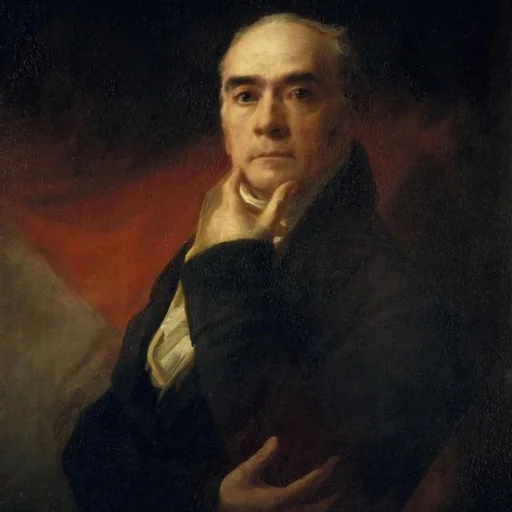
Sir Henry Raeburn (; 4 March 1756 – 8 July 1823) was a Scottish portrait painter. He served as Portrait Painter to King George IV in Scotland.