Artwork
Plate 53: Two Common or Mediterranean Chameleons above San Sebastián, Spain
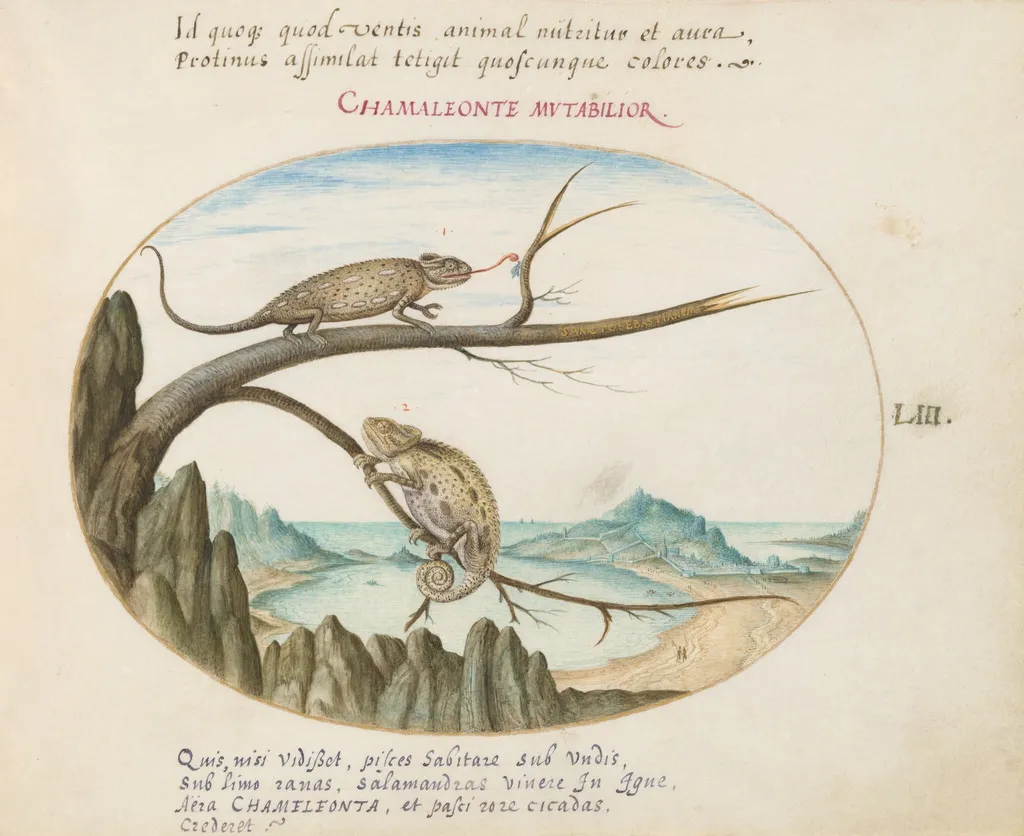
Plate 53: Two Common or Mediterranean Chameleons above San Sebastián, Spain is a gouache drawing by the Renaissance artist Joris Hoefnagel. It dates from 1594 and is held in the collection of the National Gallery of Art.
- Inscription
- Inscribed:upper center in brown ink: Id quoq[ue] quod ventis animal nutritur et aura, / Protinus assimilat tetigit quoscunque colores.; upper center in red ink: CHAMALEONTE MVTABILIOR.(“More mutable than a chameleon.” Erasmus, _Adages_, 3.4.1.) (trans. Bass 2019, 209); center right in brown ink: LIII.; on branch in image in (gold?) SANCTOSEBASTIANVM; animals in image numbered .1. and .2., in red ink; lower center in blue/black ink: Quis, nisi vidisset, pisces habitare sub undis, / sub limo ranas, salamandras vinere in Igne, / Aera CHAMELEONTA, et pasci rore cicadas, / crederet? (“Who would believe it unless they had seen the fish living under the seas, frogs beneath the mud, salamanders in fire, the chameleons in air, and the cicadas feeding on the dew?” Palingenius Stellatus, _Zodiacus_, 451 (Aquarius, lines 641-44) (trans. Bass 2019, 209) Facing page: upper center in brown ink: Qui fecit mirabilia magna solus: Quoniam / In aeternum misericordia eius ps:135. (“To him who alone does great wonders: for his mercy endures forever.” Psalms 135:4) (Latin Vulgate Bible); lower center in brown ink: Dominus regnavit: Exultet TERRA: letentur / INSULAE multae ps. 96. (“The Lord has reigned; let the earth rejoice; let many islands be glad.” Psalms 96:1) (Latin Vulgate Bible)
About this work
Overview
Created circa 1594, this small watercolor on parchment shows two Mediterranean chameleons perched above a view of the coastal town of San Sebastián in northern Spain. The work is attributed to Joris Hoefnagel, a Flemish artist whose oeuvre bridges natural history illustration and early modern landscape drawing.
Subject & Meaning
The composition juxtaposes detailed zoological observation with a recognizable geographic setting, pairing the exotic reptiles with a recognizable shoreline. By placing the chameleons above the town, Hoefnagel emphasizes the coexistence of natural and human environments, reflecting a curiosity about the natural world that was emerging in the late sixteenth century.
Technique & Style
Executed in transparent watercolor enhanced with touches of gold paint, the piece employs the fine brushwork typical of manuscript illumination while adopting a freer, more observational approach to both flora and topography. The gold accents highlight the reptiles’ scales and add a subtle decorative element without overwhelming the naturalistic rendering.
History & Provenance
Hoefnagel, originally trained for commerce before turning to art, produced this drawing as part of a larger series of naturalistic plates. The work survived in a private collection before entering a museum archive in the twentieth century, where it has been catalogued as Plate 53 within his illustrated folios of plants, animals, and landscapes.
Own this work as a print
Artist & collection

Artist
Joris Hoefnagel or Georg Hoefnagel (1542 – 24 July 1601) was a Flemish painter, printmaker, miniaturist, draftsman and merchant.

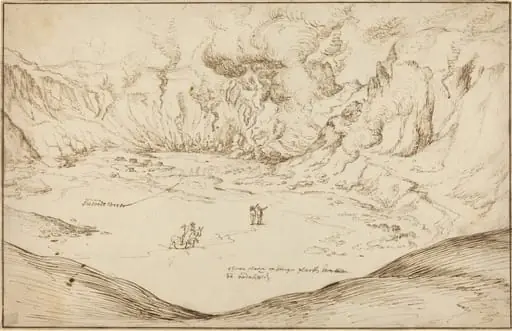 Forum Vulcani: The Hot Springs at Pozzuoli
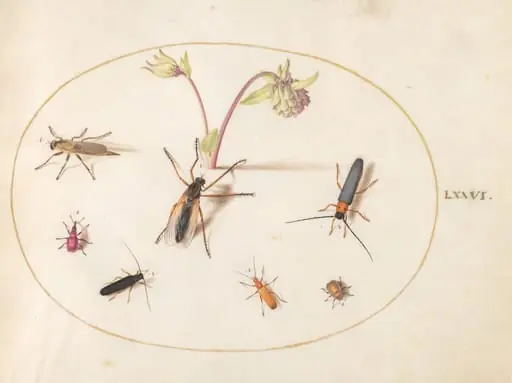 Plate 76: Insects with a Pink and Cream Columbine
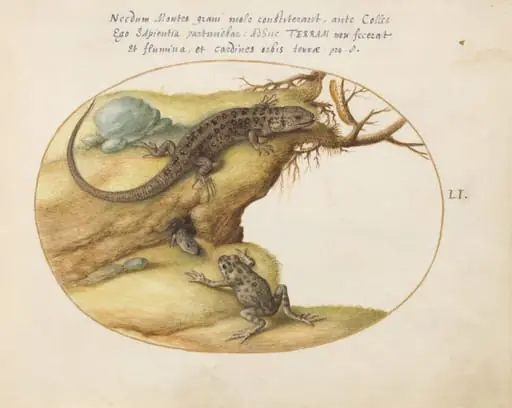
- Plate 51: Two Sand Lizards, a Common Parsley Frog(?), and a Caterpillar
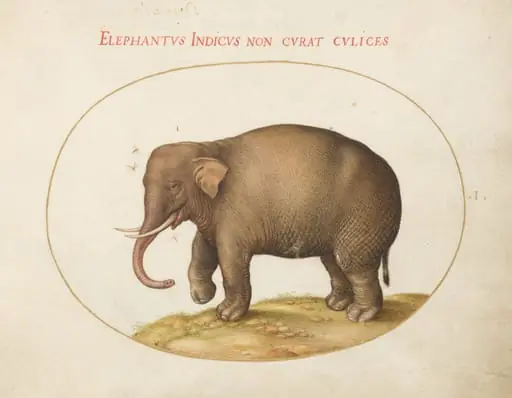 Plate 1: Elephant with Insects
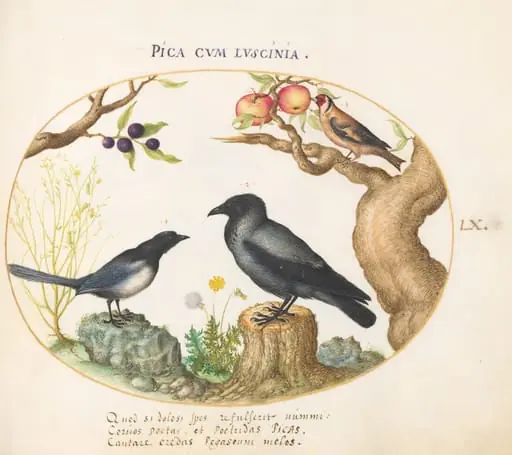 Plate 60: Magpie, Crow, and Goldfinch
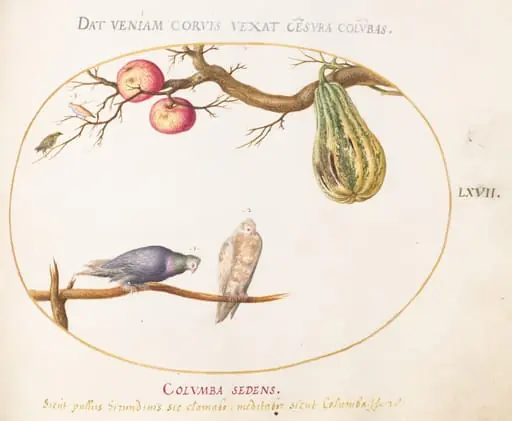 Plate 67: Two Doves beneath a Gourd and Apples
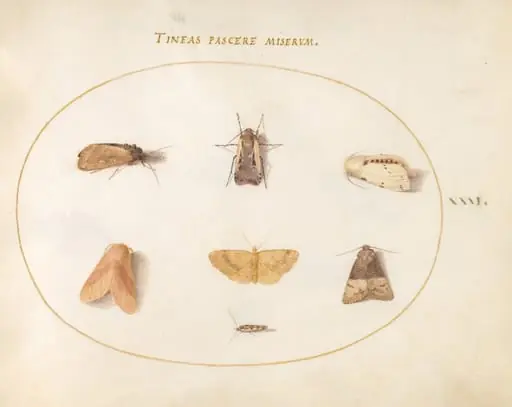 Plate 31: Seven Moths
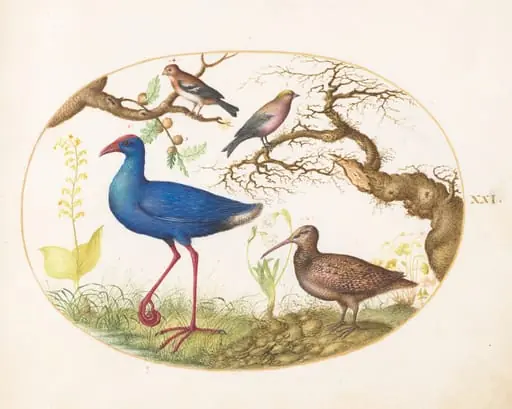 Plate 21: Swamp Hen and Woodcock with a Streaked Rosefinch, a Finch, and Oak Galls
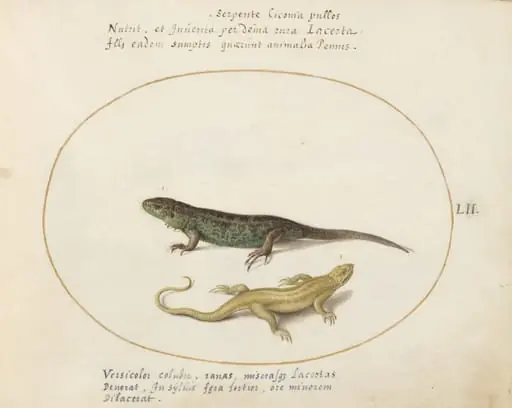 Plate 52: Two Sand Lizards
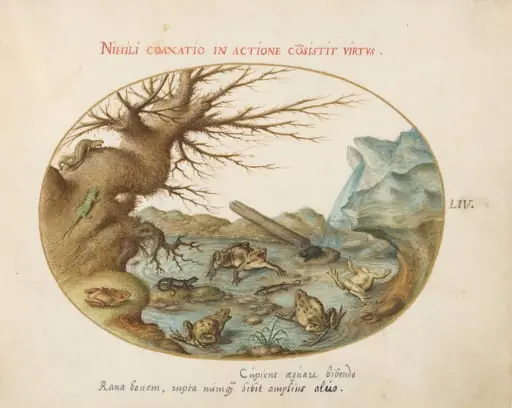 Plate 54: Frogs, Lizards, and Salamanders(?) in a Landscape
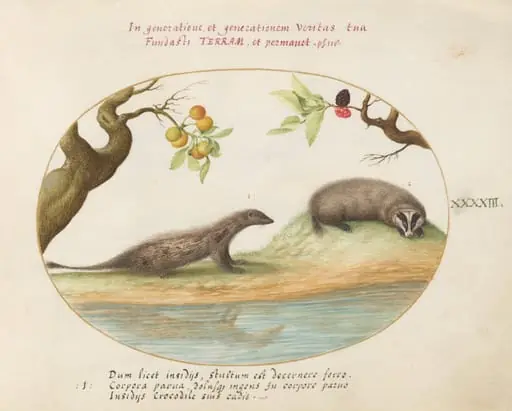 Plate 43: Mongoose and Badger with Fruit Trees
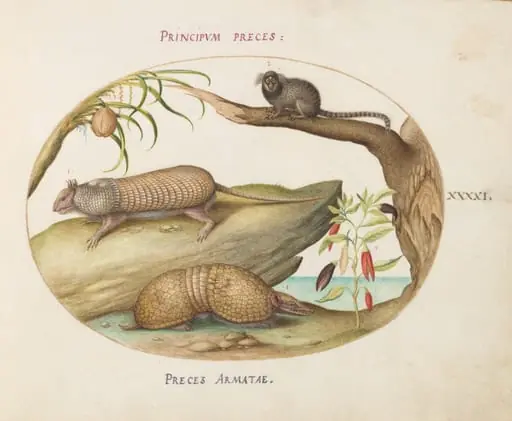 Plate 41: Two Types of Armadillos with a Marmoset, a Coconut Palm, and a Pepper Plant
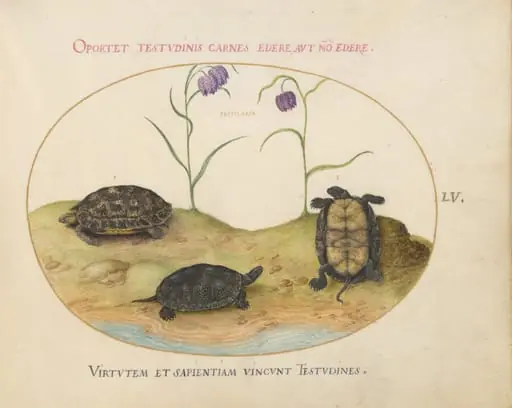 Plate 55: A Hermann's or Greek Tortoise, Two European Pond Turtles, and Two Fritillaria
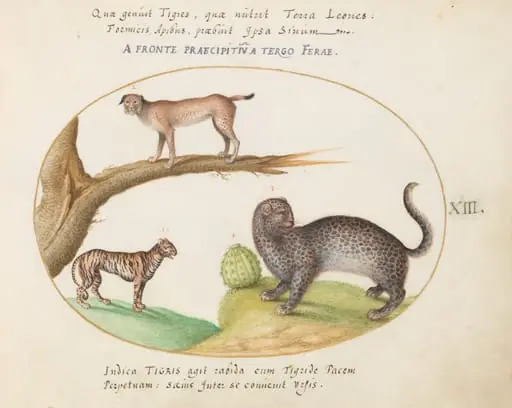 Plate 13: A Tiger, a Lynx, and a Jaguar(?)
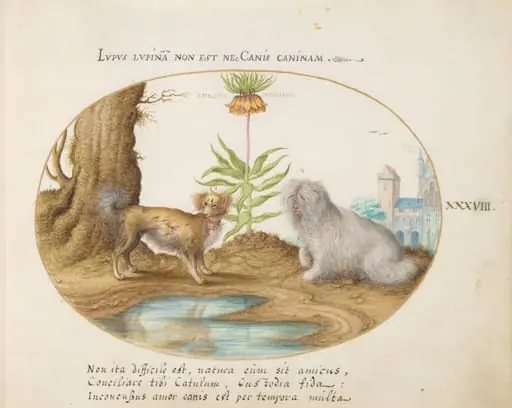 Plate 38: Two Small Dogs with a Crown Imperial
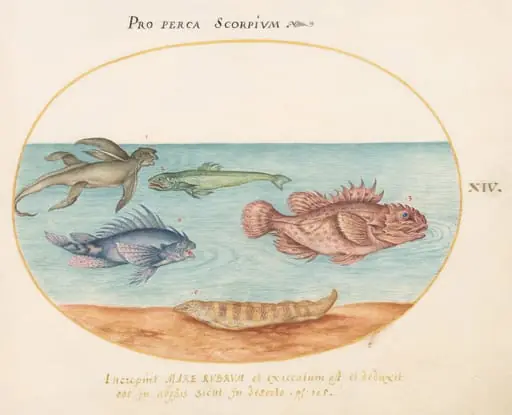 Plate 14: A "Sea Ape," Two Scorpion Fish, and Two Other Fish
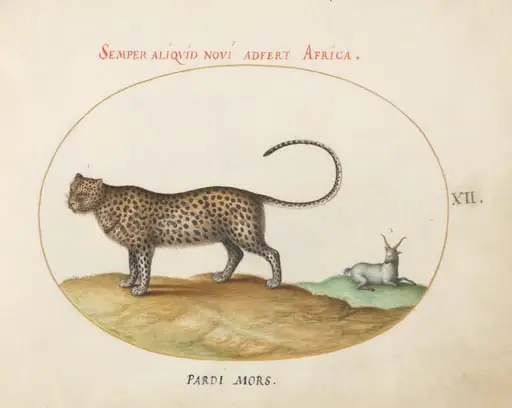 Plate 12: A Cheetah(?) and a Wild Sheep
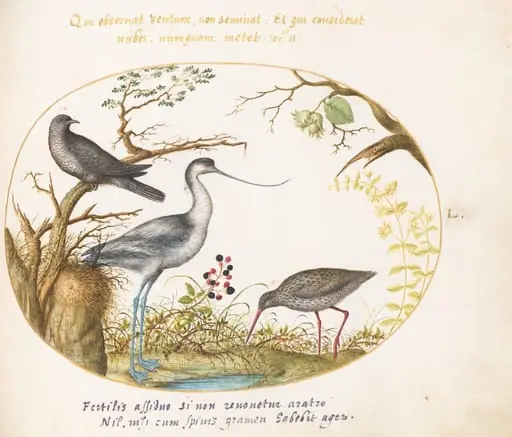 Plate 50: An Avocet with Two Other Birds
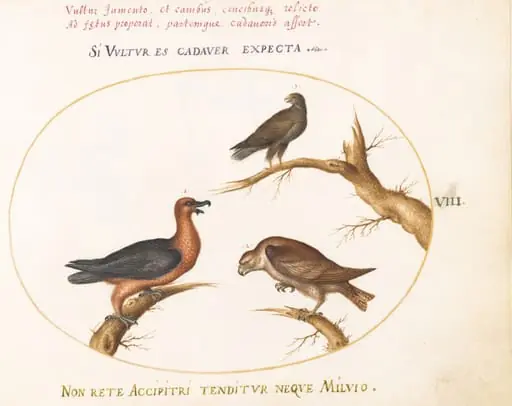 Plate 8: Bearded Vulture with Two Birds of Prey