Artwork
池大雅筆 「大雅堂画弁題詩」|Pine Tree and Calligraphy
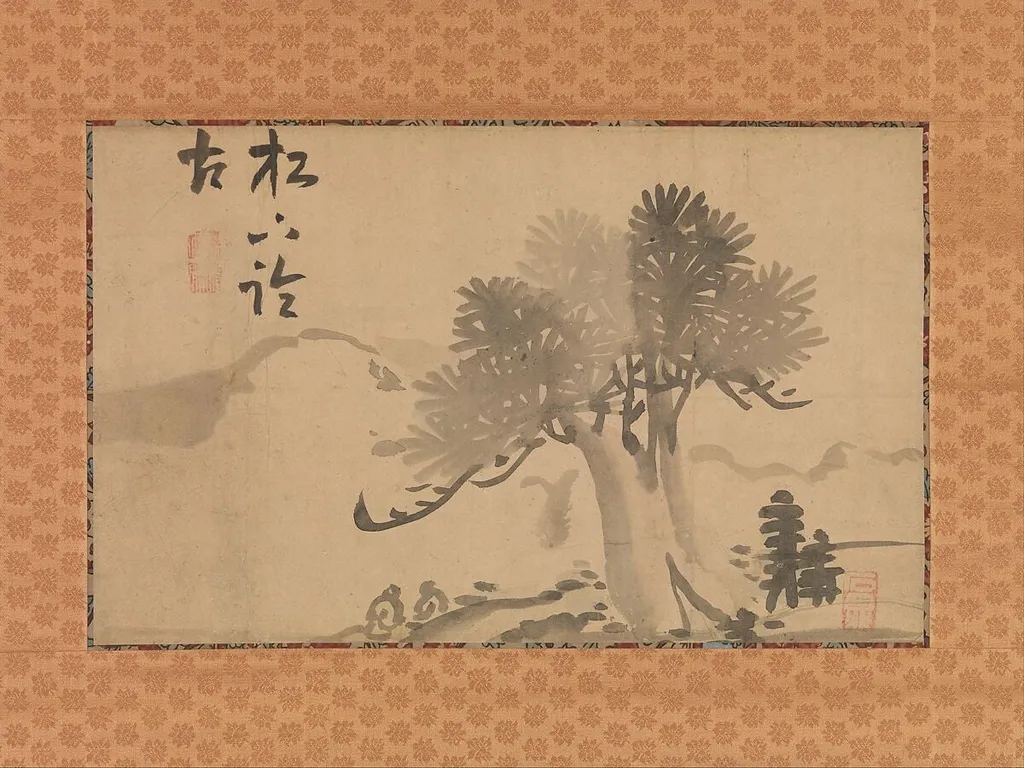
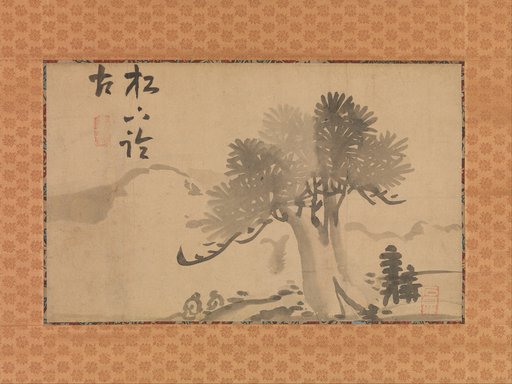
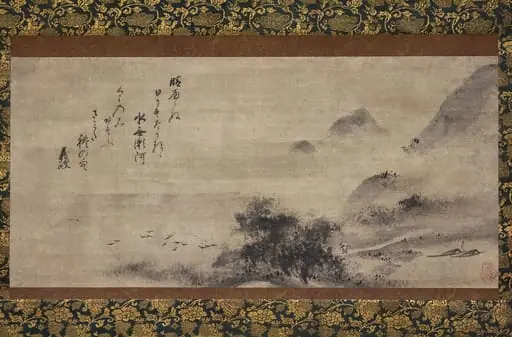
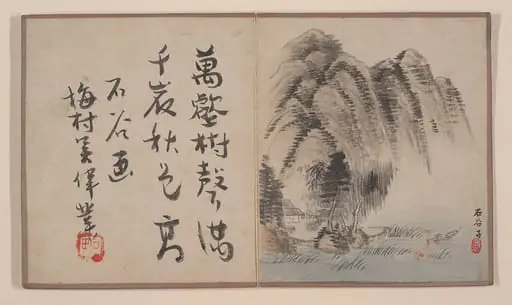
池大雅筆 「大雅堂画弁題詩」|Pine Tree and Calligraphy is an ink painting by the Nihonga artist Ike Taiga. It dates from 1787 and is held in the collection of the Metropolitan Museum of Art. Created in 1787, this hanging scroll combines ink painting on paper with mounted album leaves.
- Accession no.
- 2015.300.164a, b
- Credit line
- Mary Griggs Burke Collection, Gift of the Mary and Jackson Burke Foundation, 2015
About this work
Subject & Meaning
The combination of brushed verse and image is characteristic of the Japanese literati (bunjinga) tradition with which Taiga is associated.
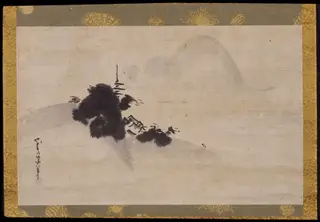
The work portrays a solitary pine tree rendered in ink on paper, originally an album leaf later mounted as a hanging scroll. The pine is a recurrent motif in East Asian painting, conventionally associated with longevity, endurance, and steadfastness. Created in 1787 and attributed to Ike no Taiga (Ike Taiga), working in Japan, the piece pairs a calligraphic inscription with the painted image, uniting literary and pictorial expression in a single format.
The combination of brushed verse and image is characteristic of the Japanese literati (bunjinga) tradition with which Taiga is associated.
Technique & Style
Created in 1787, the work consists of album leaves mounted as hanging scrolls, executed in ink on paper. It integrates calligraphic text with the depiction of a pine tree, combining literary and pictorial elements in a single format. The spontaneity of the ink brushwork complements the inscribed verses, and the mounting transformed what were originally loose album leaves into a vertical format suitable for display.
History & Provenance
Pine Tree and Calligraphy is dated to 1787 and attributed to the Japanese artist Ike no Taiga, with calligraphy by Minagawa Kien. The work consists of album leaves mounted as hanging scrolls, executed in ink on paper, and was made in Japan.
The painting is held in the collection of the Metropolitan Museum of Art. No information is available regarding its earlier ownership, the circumstances of its commission, or how it entered the museum's holdings.
Overview
Created in 1787, this hanging scroll combines ink painting on paper with mounted album leaves. The work, attributed to the Edo‑period artist Ike Taiga, presents a solitary pine rendered in monochrome alongside a block of Japanese calligraphic verse. Its format as a scroll allows the composition to unfold horizontally, inviting a contemplative viewing experience.
Context
Ike Taiga (1723–1776) was a prominent figure in the Nanga, or Japanese literati, movement, which sought to emulate Chinese scholar‑artist ideals. His works frequently merged poetry, calligraphy, and landscape, reflecting a broader Edo‑period interest in integrating multiple art forms to convey personal philosophy and scholarly refinement.
Artist & collection