Artwork
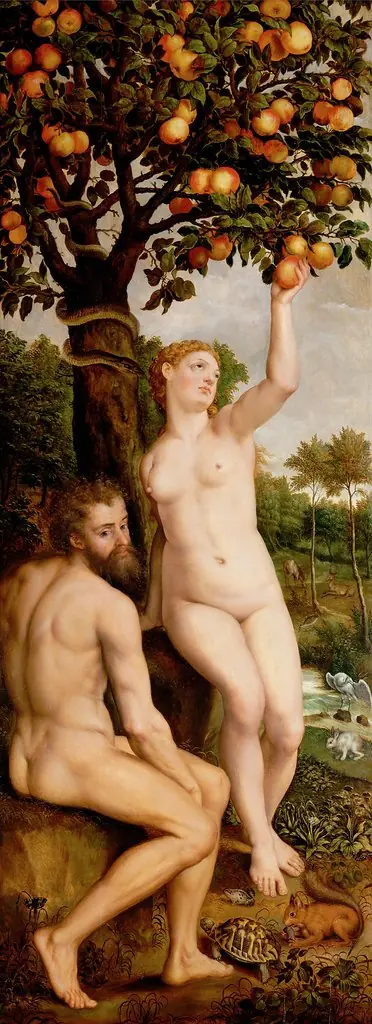
Vertreibung aus dem Paradies
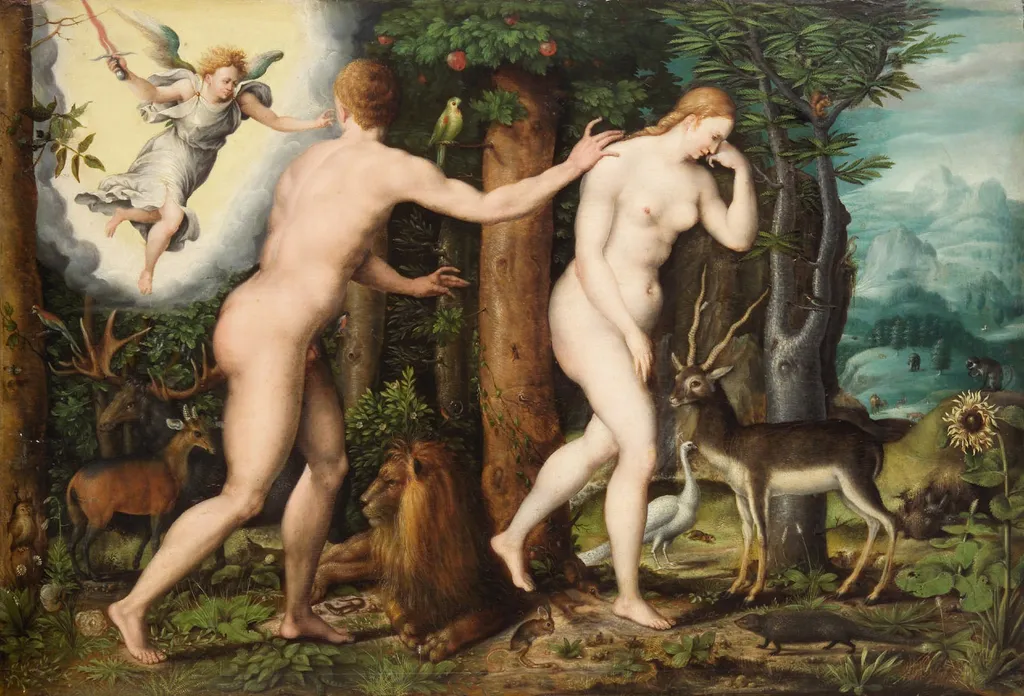
Vertreibung aus dem Paradies is an oil painting by the Early Baroque Italian artist Hans Hoffmann. It is held in the collection of the Kunsthistorisches Museum.
About this work
Subject & Meaning
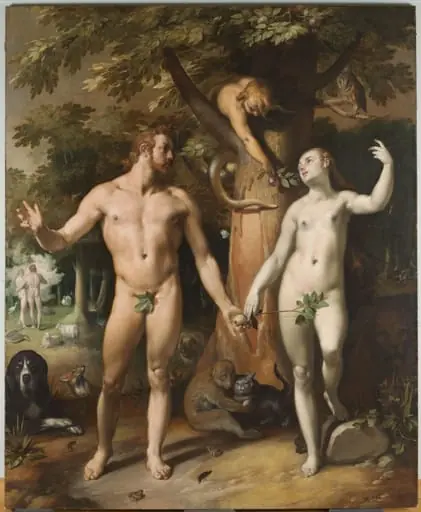
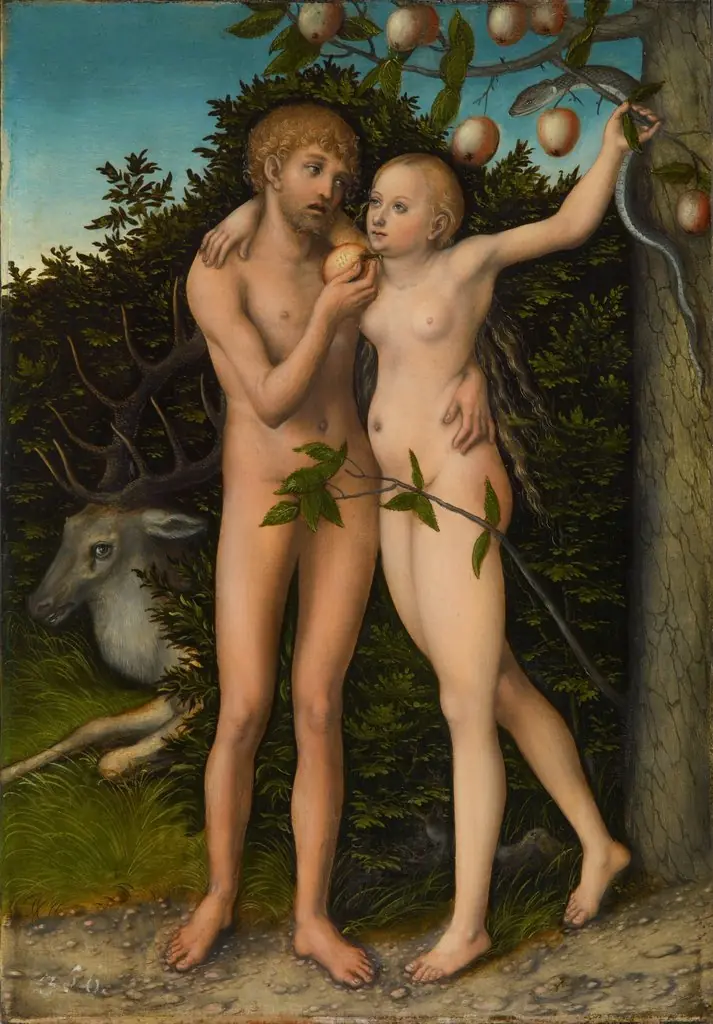
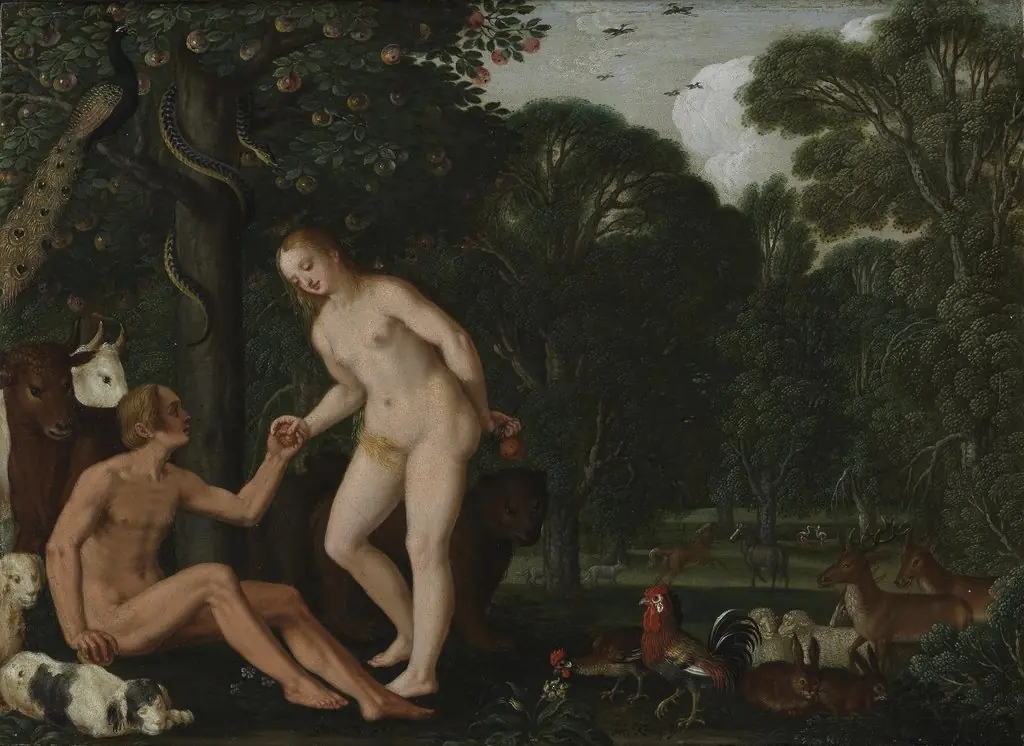
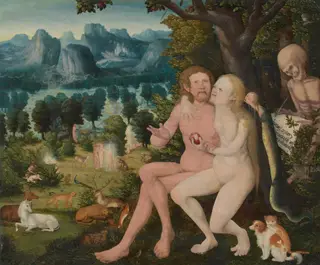
The painting depicts the biblical moment of Adam and Eve being driven out of Eden after eating the forbidden fruit.
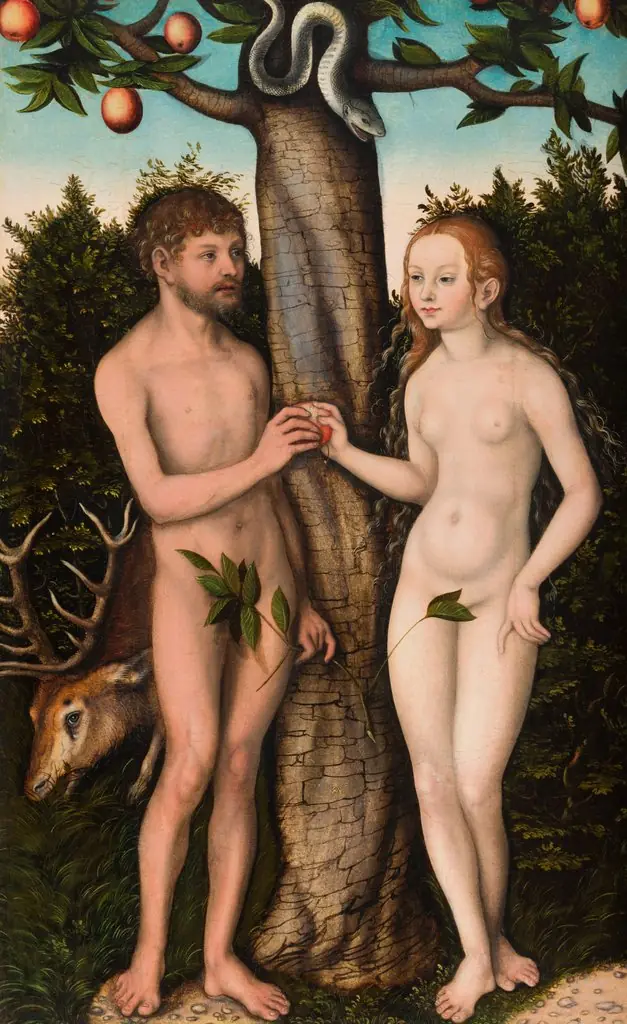
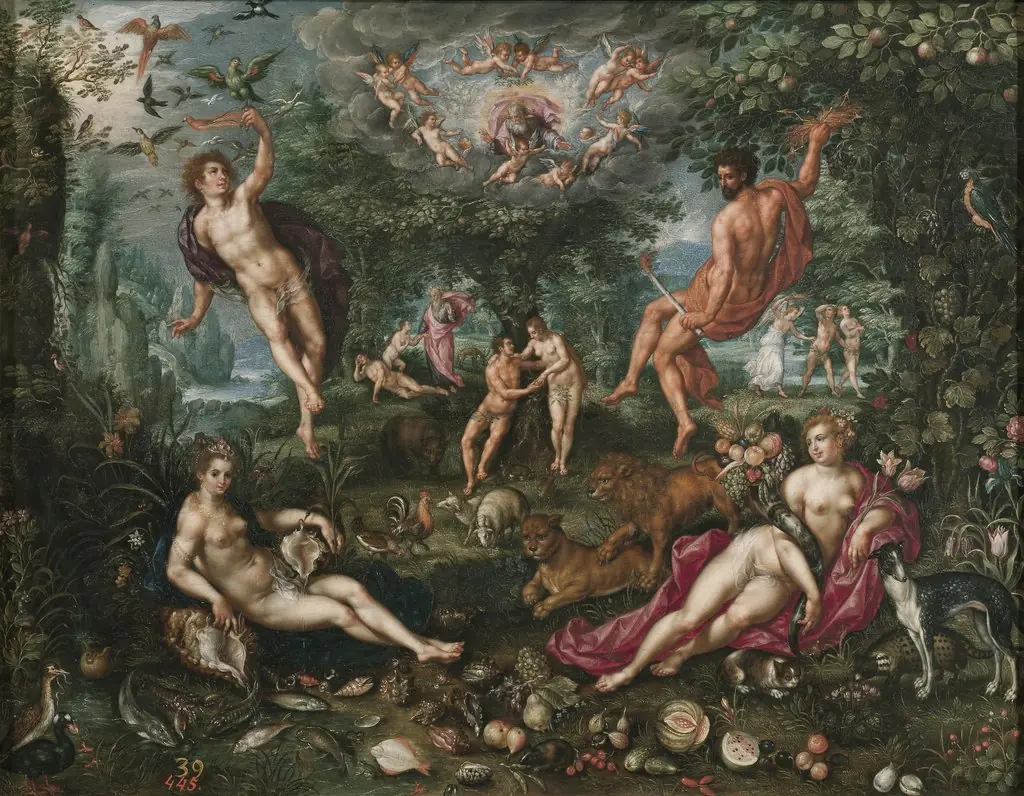
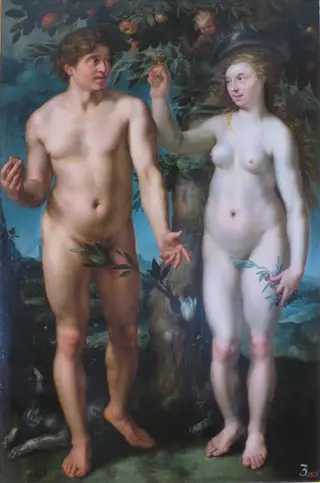
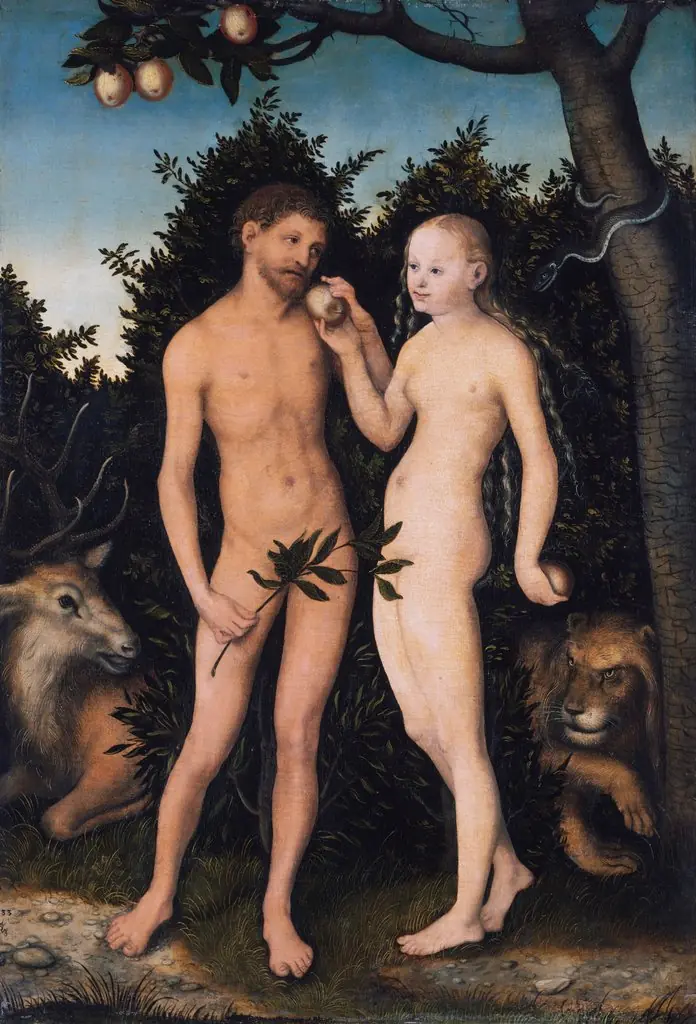
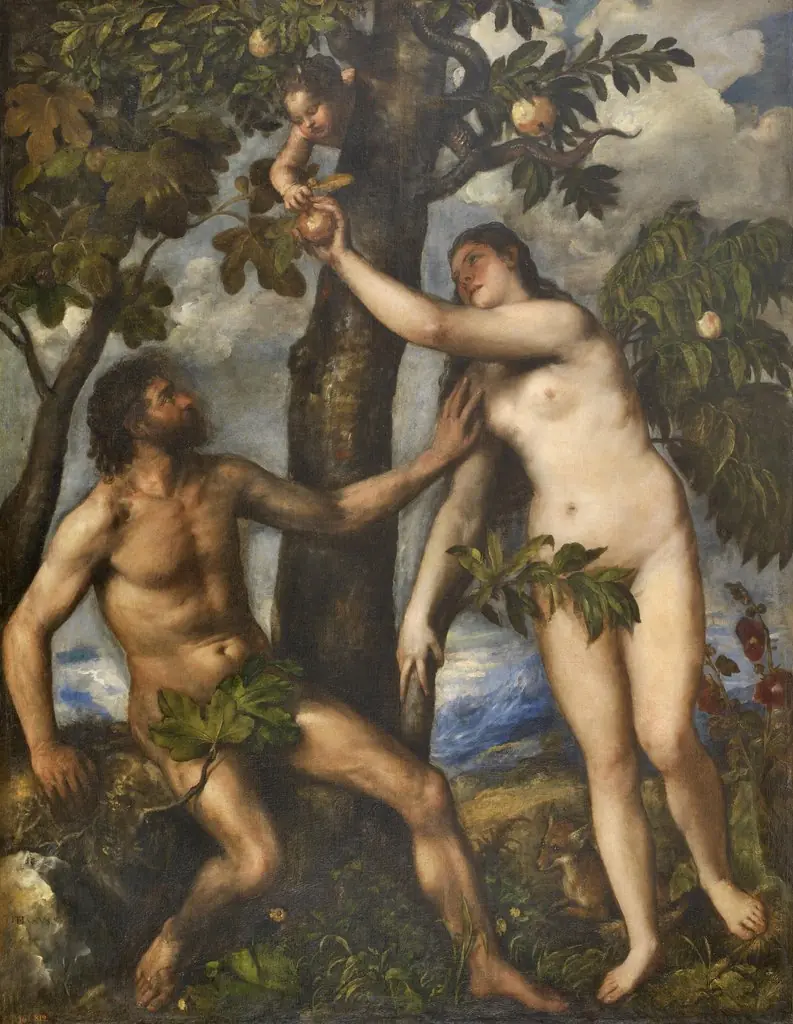
The painting depicts the biblical moment of Adam and Eve being driven out of Eden after eating the forbidden fruit. It shows the couple in a state of nudity, a symbolic tree of knowledge, and a surrounding landscape that includes a lion, a parrot, a deer, and an angel, each adding layers of meaning.
The lion may allude to strength or the fallen world, the parrot to vanity, the deer to innocence, while the angel emphasizes divine witness to the transgression. Together these elements convey the theological theme of original sin and the consequent loss of innocence, a common subject in Counter-Reformation art aimed at moral instruction.
Technique & Style
Vertreibung aus dem Paradies is executed in oil paint on a lime panel, a support typical of Central European painting in the late sixteenth century. The work is classified as a religious painting and is held in the collection of the Kunsthistorisches Museum.
The composition is conceived as a landscape populated with numerous figures and animals, including Adam and Eve, an angel, a lion, a parrot, and a deer, set around a tree. The integration of detailed animal motifs and a panoramic landscape setting reflects the formal conventions of late Renaissance religious painting on panel.
History & Provenance
Vertreibung aus dem Paradies was created by Hans Hoffmann in 1593. The work is executed in oil paint on a lime panel, a support consistent with late sixteenth-century Central European practice. It depicts the expulsion of Adam and Eve from paradise, populated with figures and animals including Adam, Eve, an angel, a lion, a parrot, and a deer, set against a landscape with a tree.
The painting is held in the collection of the Kunsthistorisches Museum in Vienna, where it remains. The sources do not record a specific commissioner, an earlier ownership chain, or any exhibition history prior to its accession at the museum.
Overview
Hans Hoffmann, a German artist recognized for his detailed nature studies, completed Vertreibung aus dem Paradies (Expulsion from Paradise) in 1593. This oil painting, rendered in an early Baroque Italian manner, depicts the biblical narrative of Adam and Eve's expulsion from the Garden of Eden. The work is a significant example of religious painting from the period and is housed in the collection of the Kunsthistorisches Museum.
Context
As a German painter and draftsman, Hans Hoffmann was particularly noted for his close observations of the natural world, a practice often associated with Albrecht Dürer. Vertreibung aus dem Paradies aligns with the religious genre prevalent during the late 16th century, reflecting the enduring importance of biblical themes in European art.
Artist & collection
Artist
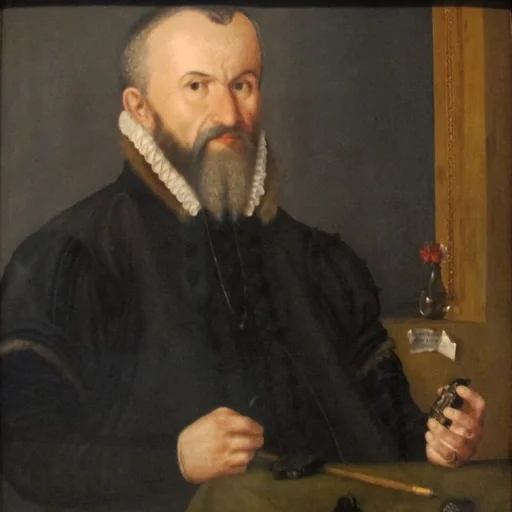
Hans Hoffmann (c. 1530 in Nuremberg – 1591/92 in Prague) was a German painter and draftsman. A leading representative of the Dürer Renaissance, he specialised in watercolor and gouache nature studies, many of them…