Artwork
Venus   and  Adonis
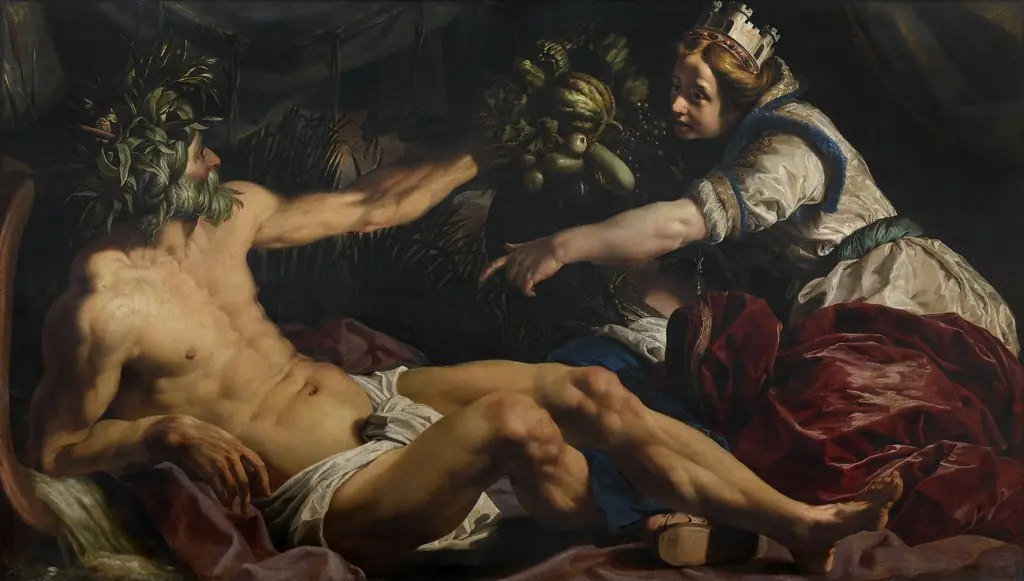
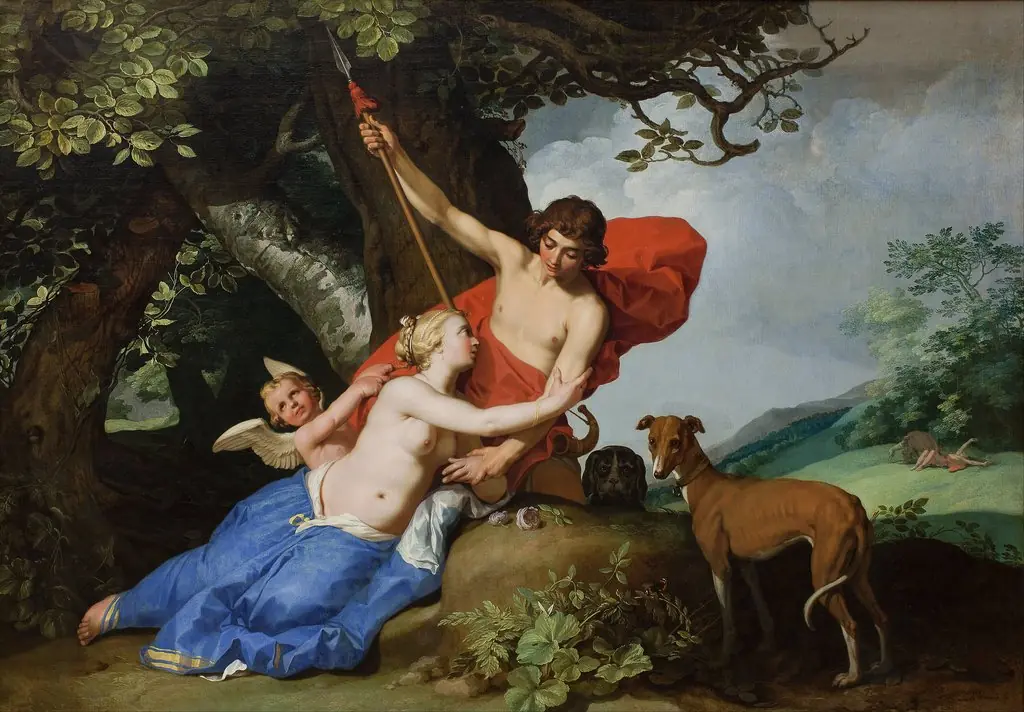
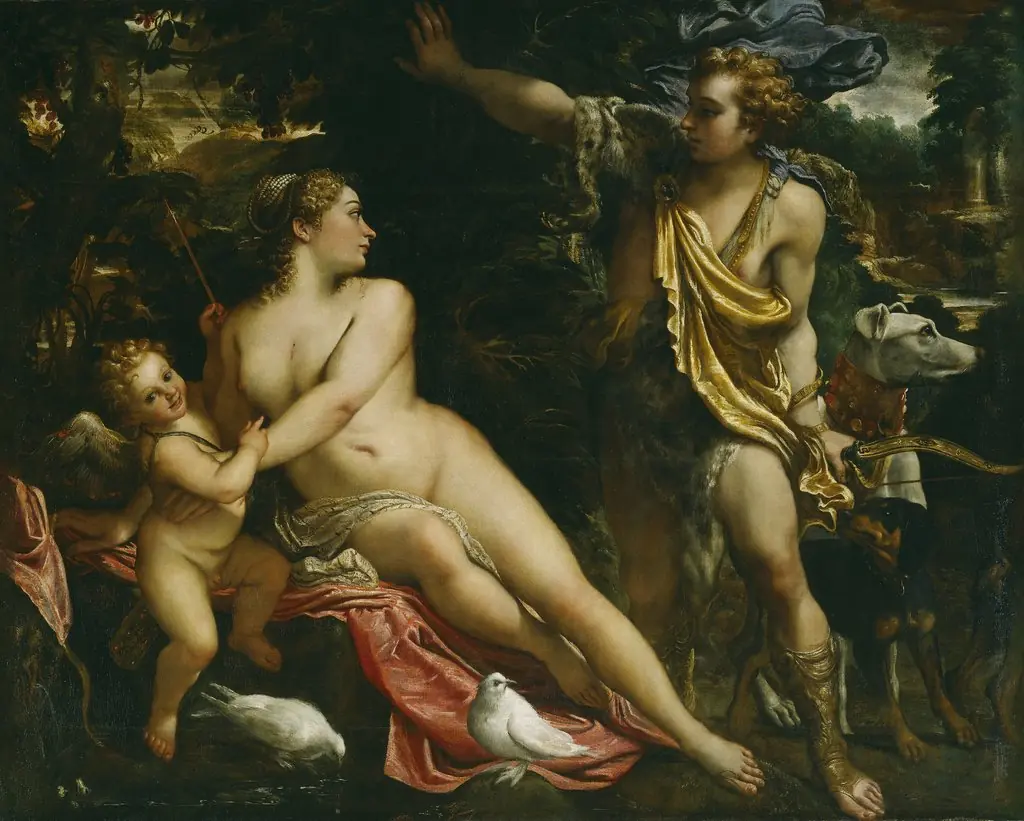
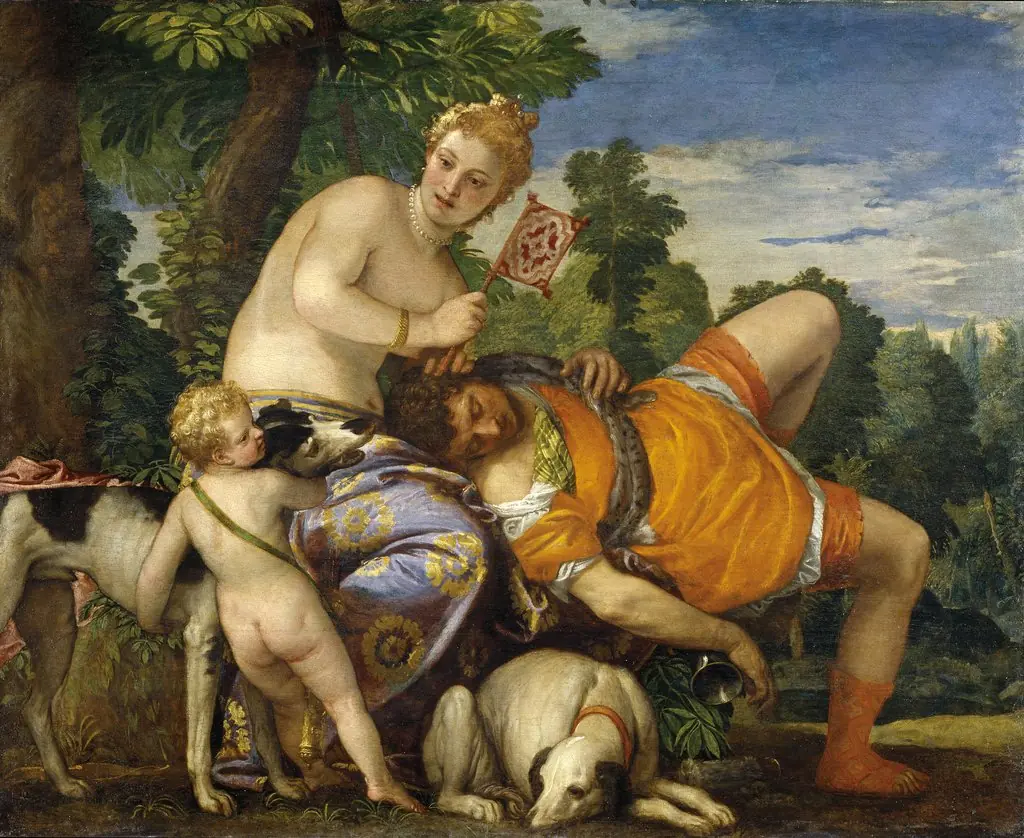
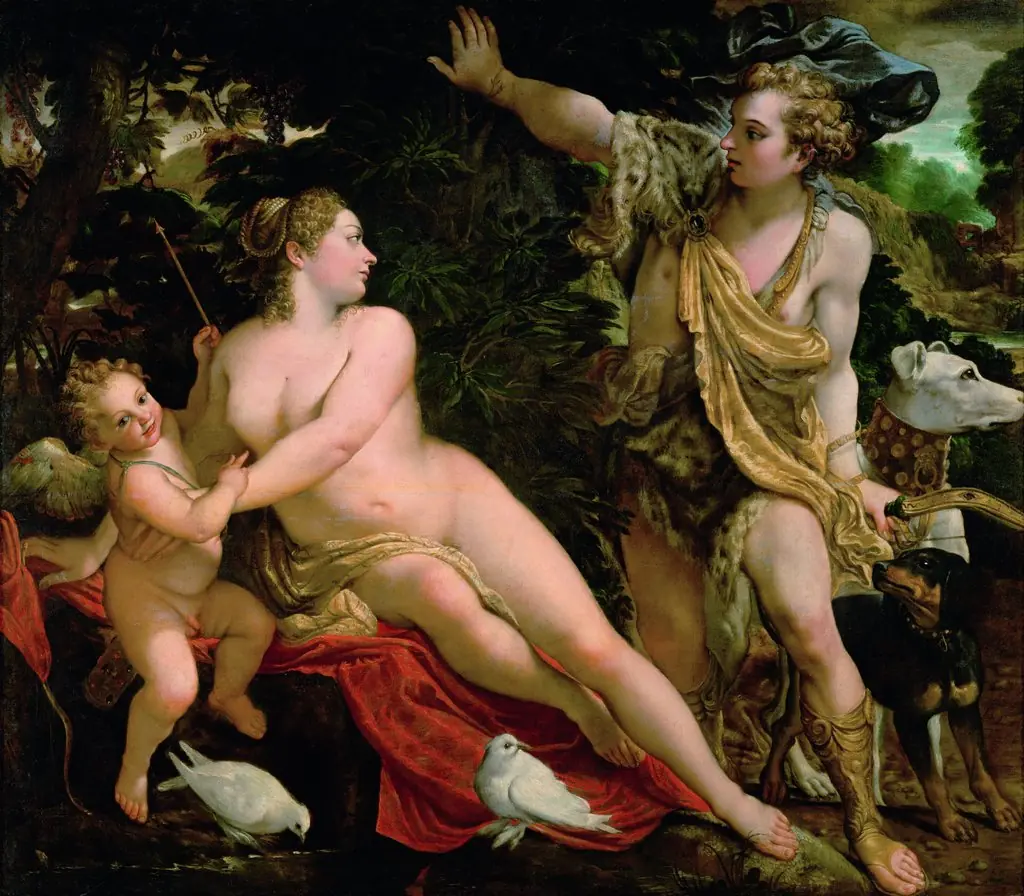
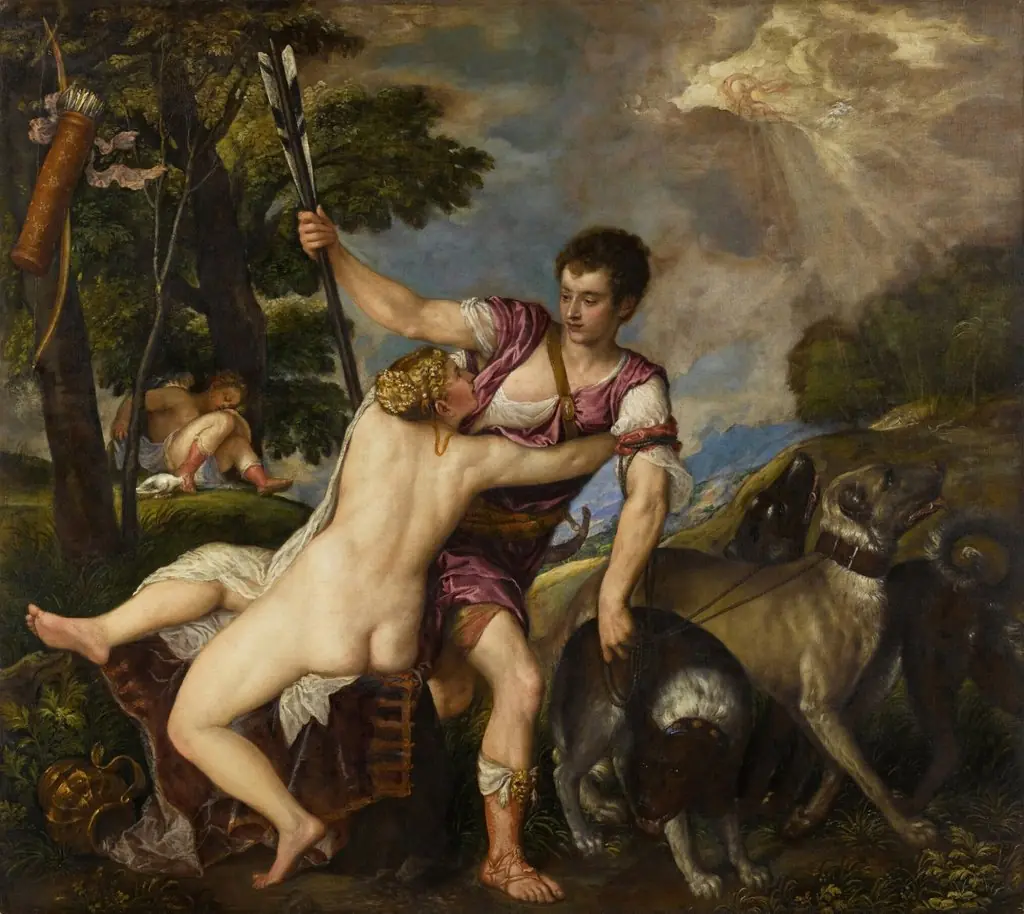
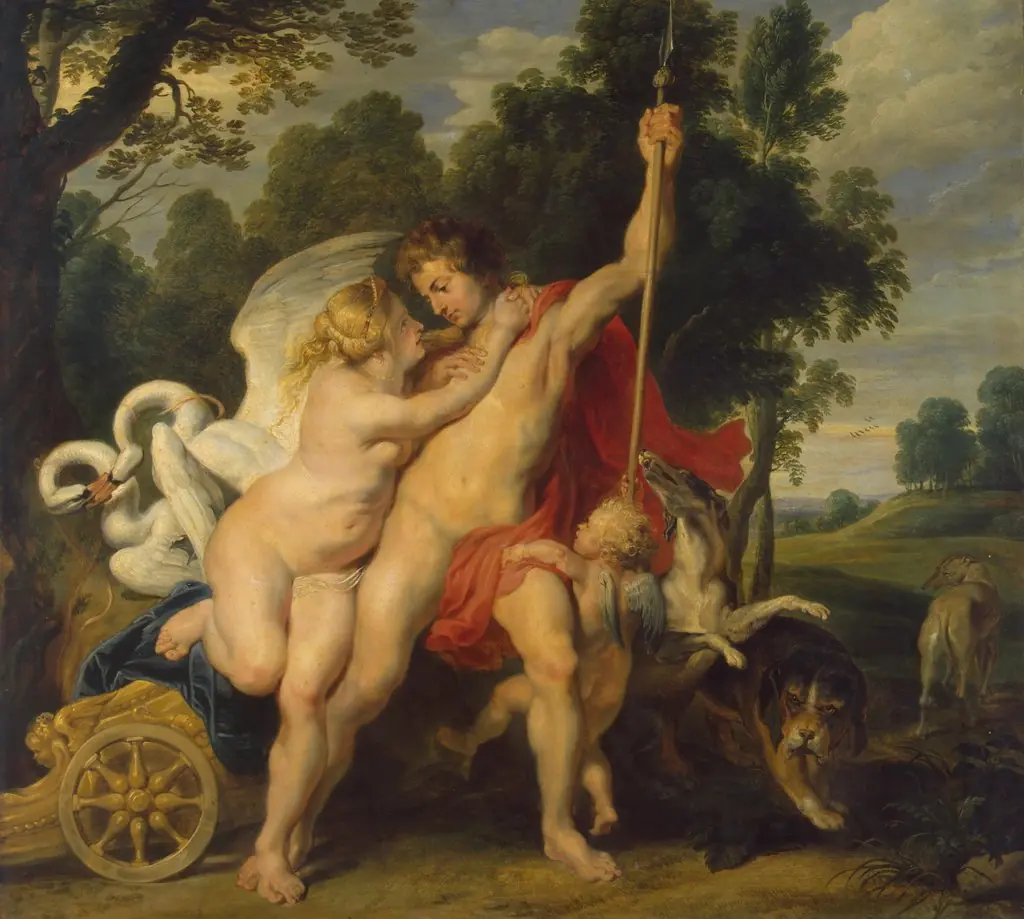
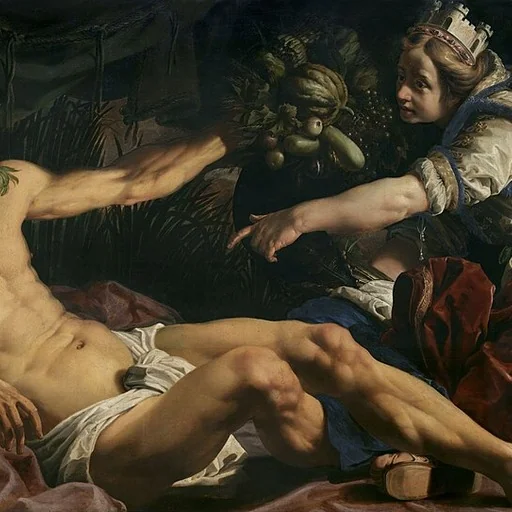
Venus   and  Adonis is an oil painting by the Flemish Baroque painting artist Abraham Janssens I. It dates from 1620 and is held in the collection of the Kunsthistorisches Museum.
About this work
Subject & Meaning
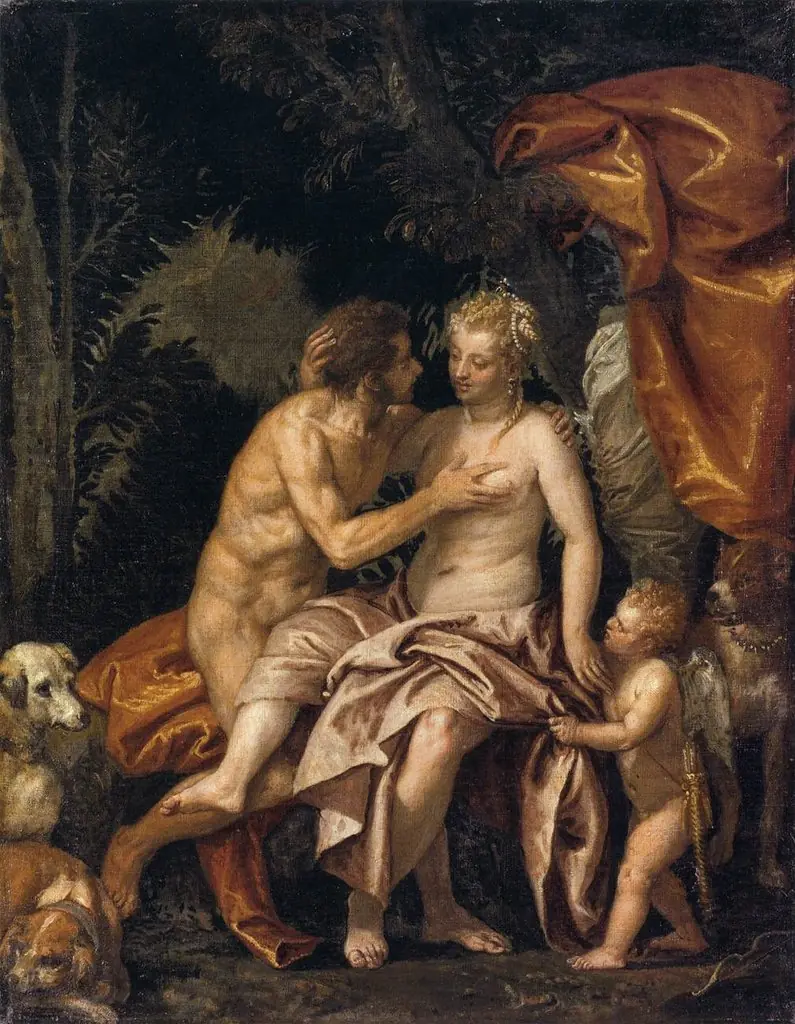
Venus, depicted nude, represents the goddess of love, while Adonis, clothed in hunting attire, symbolizes youthful vigor and the pursuit of passion.
The painting portrays the mythological figures Venus and Adonis in a moment of tender farewell, embodying themes of love, desire, and the transience of human beauty. Venus, depicted nude, represents the goddess of love, while Adonis, clothed in hunting attire, symbolizes youthful vigor and the pursuit of passion. Their intertwined narrative reflects Renaissance ideals of classical mythology used to explore emotional and sensual dimensions.
The work’s composition and iconography draw on traditional narratives where Venus’s affection for the mortal Adonis culminates in his tragic departure, underscoring the fragility of earthly love.
History & Provenance
Abraham Janssens I painted Venus and Adonis in 1620, an oil on canvas work portraying the mythological figures Venus and Adonis. The painting entered the collection of the Kunsthistorisches Museum in Vienna, where it remains on display. Its creation date aligns with the artist's activity in Antwerp during the early 17th century, and the work is classified as a mythological painting.
The painting Venus and Adonis, executed in oil on canvas by Abraham Janssens I in 1620, is housed in the Kunsthistorisches Museum under inventory number KHM 1878. It has been part of the museum's permanent collection since its acquisition and was featured in the 2014 exhibition "Baroque Masterpieces from the Kunsthistorisches Museum" at the Museum of Fine Arts, Boston.
Context
Abraham Janssens I's Venus and Adonis, completed in 1620, stands as a significant example of early 17th-century mythological painting in the Flemish tradition. The work, executed in oil on canvas with dimensions of 200 cm in height and 240 cm in width, is currently held in the collection of the Kunsthistorisches Museum. As a large-scale depiction of the classical lovers, the painting reflects Janssens's engagement with Renaissance and Baroque narrative themes during a period when mythological subjects were central to artistic production in the Spanish Netherlands.
Its preservation within a major European institution underscores its recognized value within the canon of Flemish art history.
Overview
Abraham Janssens I’s oil painting Venus and Adonis, executed in 1620, presents a mythological tableau rendered in the Flemish Baroque idiom. The work is part of the permanent holdings of the Kunsthistorisches Museum in Vienna and measures roughly a life‑size composition that brings together a goddess, a mortal lover, and attendant figures within a natural setting.
Technique & Style
Janssens employs a smooth, blended brushwork that softens transitions between light and shadow, a technique reminiscent of Caravaggio’s chiaroscuro. The figures are modeled with a gentle gradation of tone, while the surrounding foliage and sky are rendered in muted greens, creating a balanced contrast between the illuminated foreground and the atmospheric background.
Artist & collection
Artist
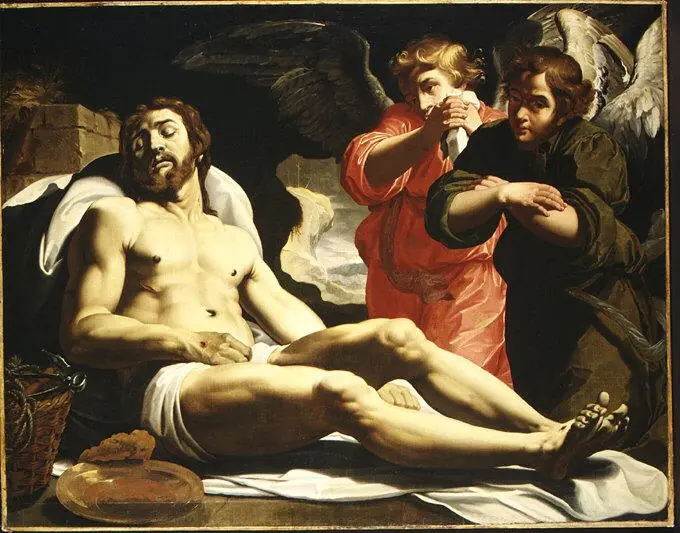
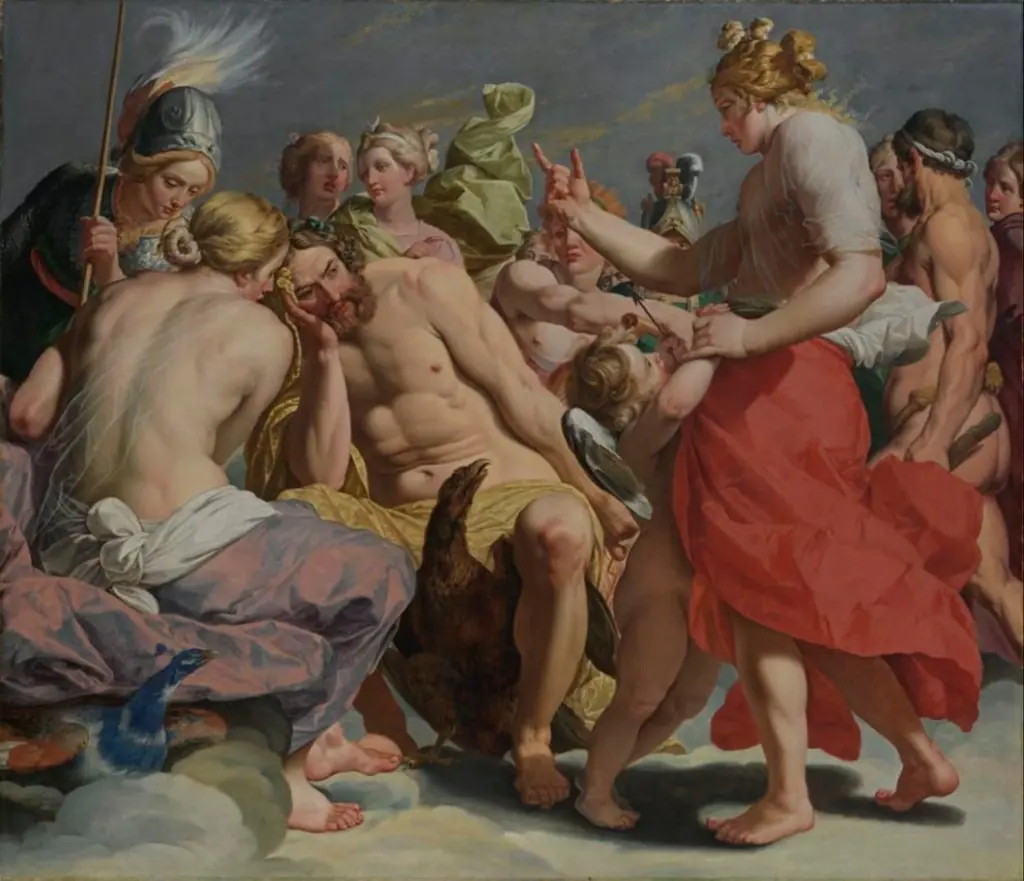
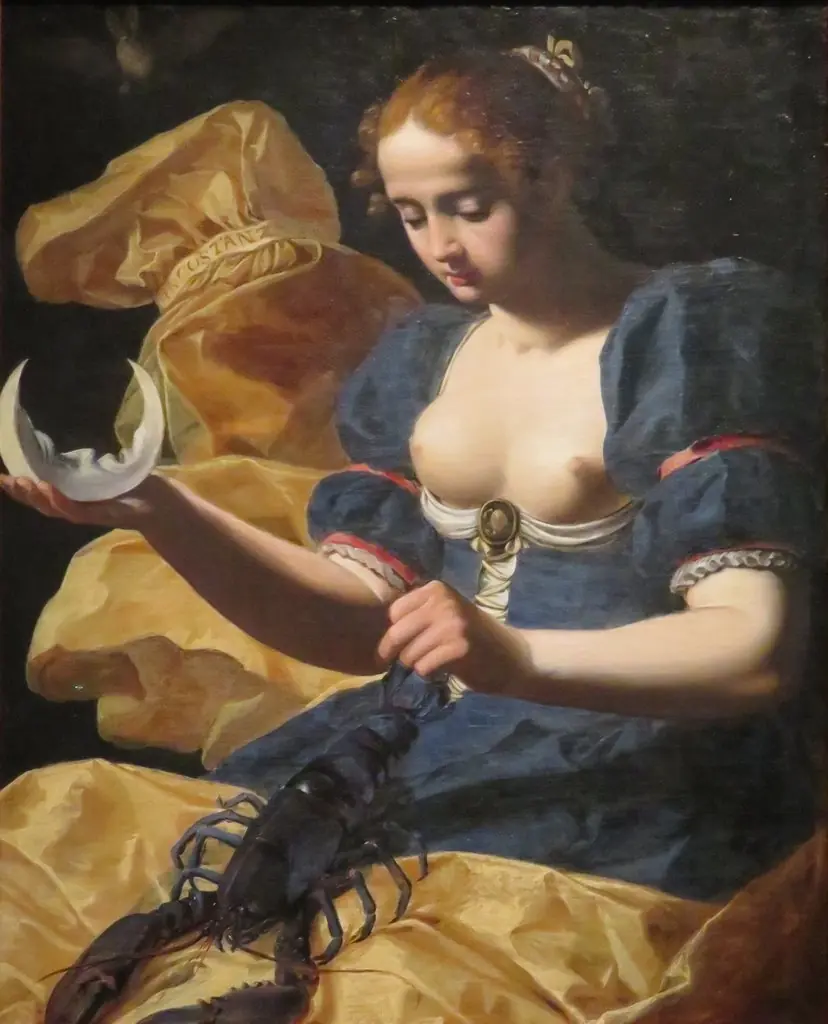
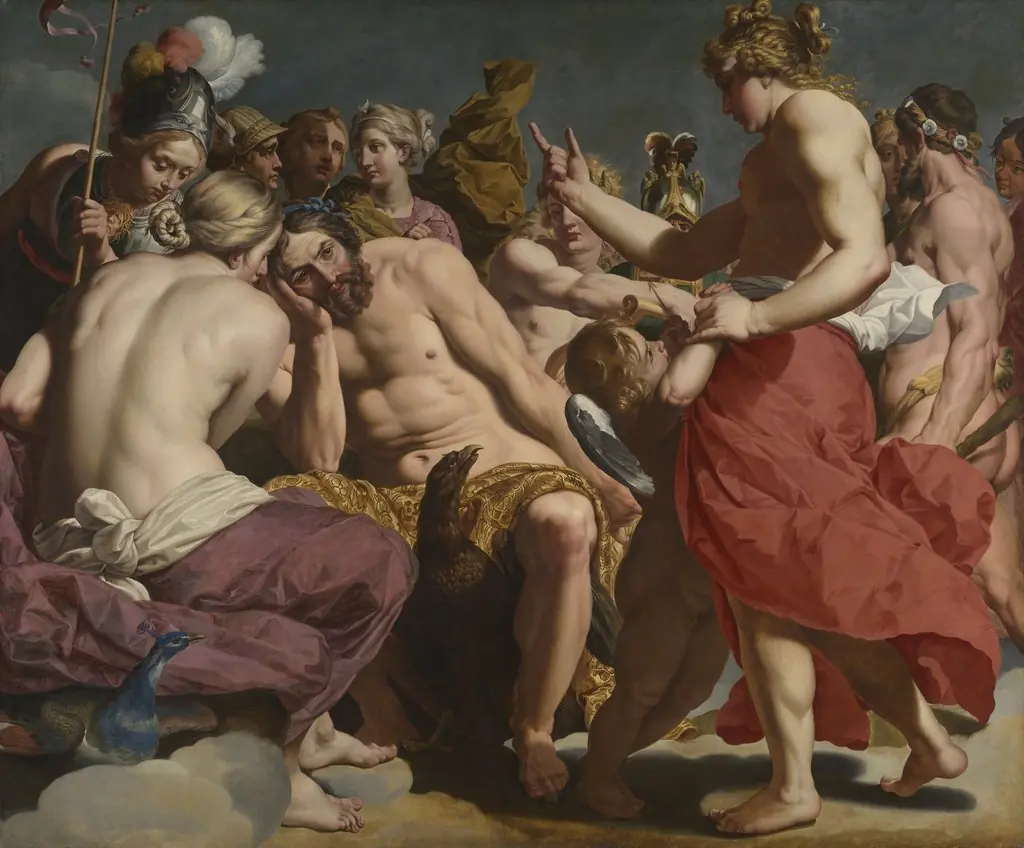
Abraham Janssens I, Abraham Janssen I or Abraham Janssens van Nuyssen (1575–1632) was a Flemish painter, who is known principally for his large religious and mythological works, which show the influence of Caravaggio.