Artwork
Saint Philip Baptizes the Eunuch
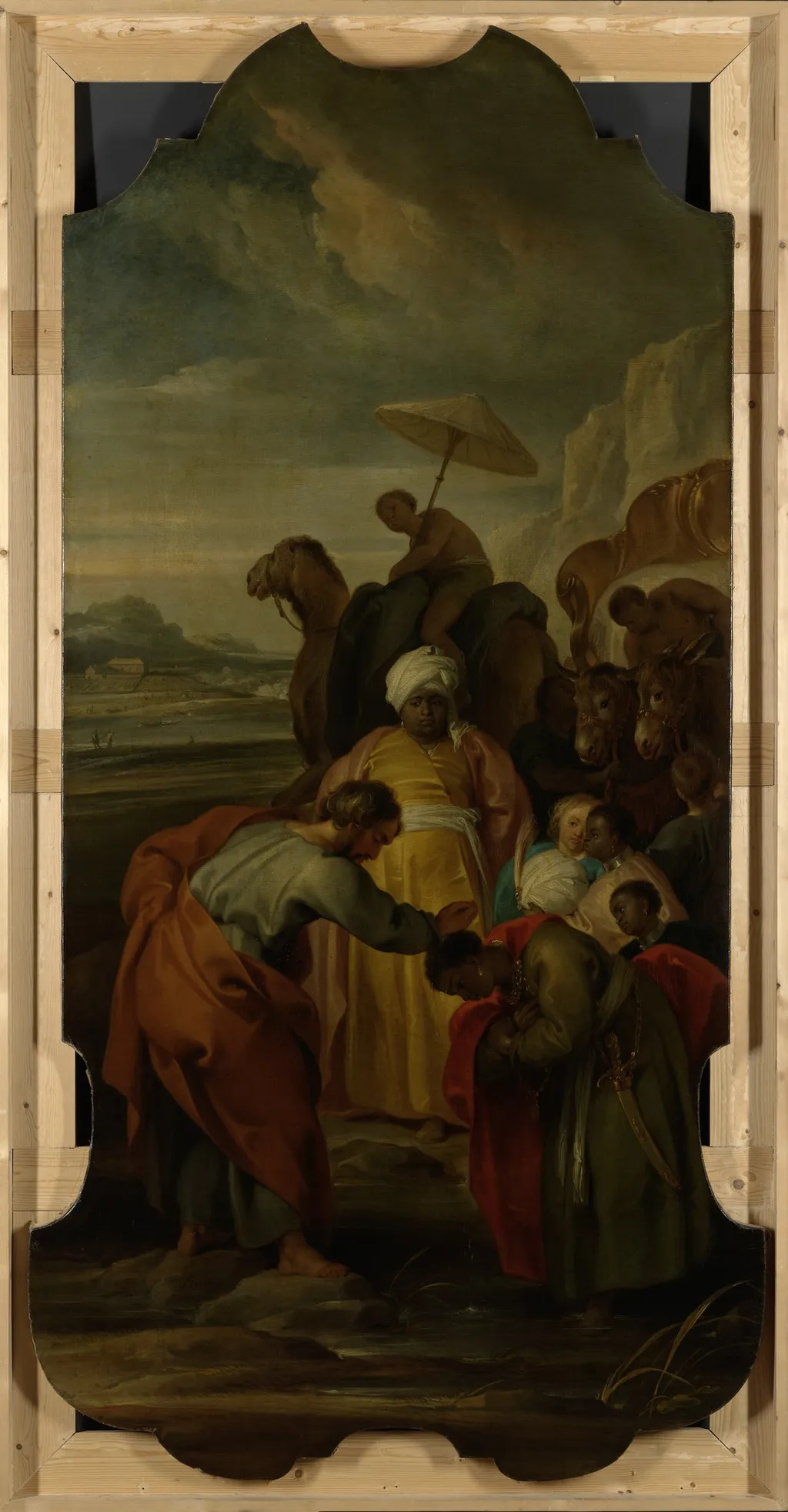
Saint Philip Baptizes the Eunuch is an oil painting by the Rococo painting artist Jacob de Wit. It dates from 1748 and is held in the collection of the Rijksmuseum.
About this work
Subject & Meaning
The composition centers on the main subject of Philip performing the baptism, a core Christian sacrament symbolizing spiritual conversion and inclusion.
Jacob de Wit's 1748 oil painting depicts the biblical narrative of Philip the Evangelist baptizing the Ethiopian eunuch. The composition centers on the main subject of Philip performing the baptism, a core Christian sacrament symbolizing spiritual conversion and inclusion. The scene includes specific iconographic elements such as the eunuch, identifiable by his turban, alongside a donkey, a parasol, and a child, which contextualize the journey and the event's setting.
As a work of religious art, the piece visualizes the moment of faith described in the Acts of the Apostles, representing the expansion of the early church to non-Jewish peoples. The inclusion of these figures and objects illustrates the historical and theological significance of the eunuch's acceptance into the Christian community through the act of baptism.
Technique & Style
The work is executed in oil paint applied to canvas as the support. The composition is rendered in the religious genre tradition, depicting the baptismal scene with figures arranged across the picture plane. Stylistically, the handling reflects Jacob de Wit's eighteenth-century Amsterdam practice, with the canvas support and oil medium consistent with standard Dutch easel painting of the period.
The painting's condition is not documented in the available records, and no further technical data regarding underdrawing, ground preparation, or pigment analysis is reported.
History & Provenance
The painting Saint Philip Baptizes the Eunuch was created by Jacob de Wit in 1748 in Amsterdam. Executed in oil on canvas, the work depicts the biblical scene of Philip the Evangelist baptizing the Ethiopian eunuch and is held in the collection of the Rijksmuseum in Amsterdam, where it remains part of the permanent holdings. While a specific inventory or accession number is not provided in the available records, no information regarding the original commission, patron, or prior ownership chain is documented, and no exhibition or loan history is recorded in the sources.
Overview
Jacob de Wit, a Dutch artist recognized for both painting and interior decoration, completed Saint Philip Baptizes the Eunuch in 1748. This oil painting portrays a significant biblical event, illustrating Philip the Evangelist performing a baptism. The work exemplifies the Rococo aesthetic prevalent in the mid-18th century and is housed in the collection of the Rijksmuseum.
Artist & collection
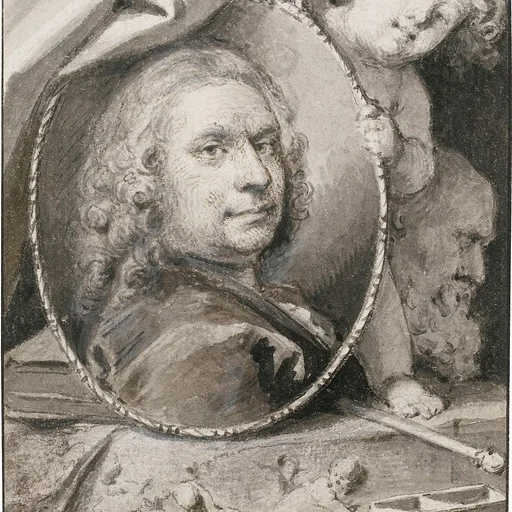
Artist
Jacob de Wit (19 December 1695 – 12 November 1754) was a Dutch painter and interior decorator. He is best known for his depictions of religious scenes.

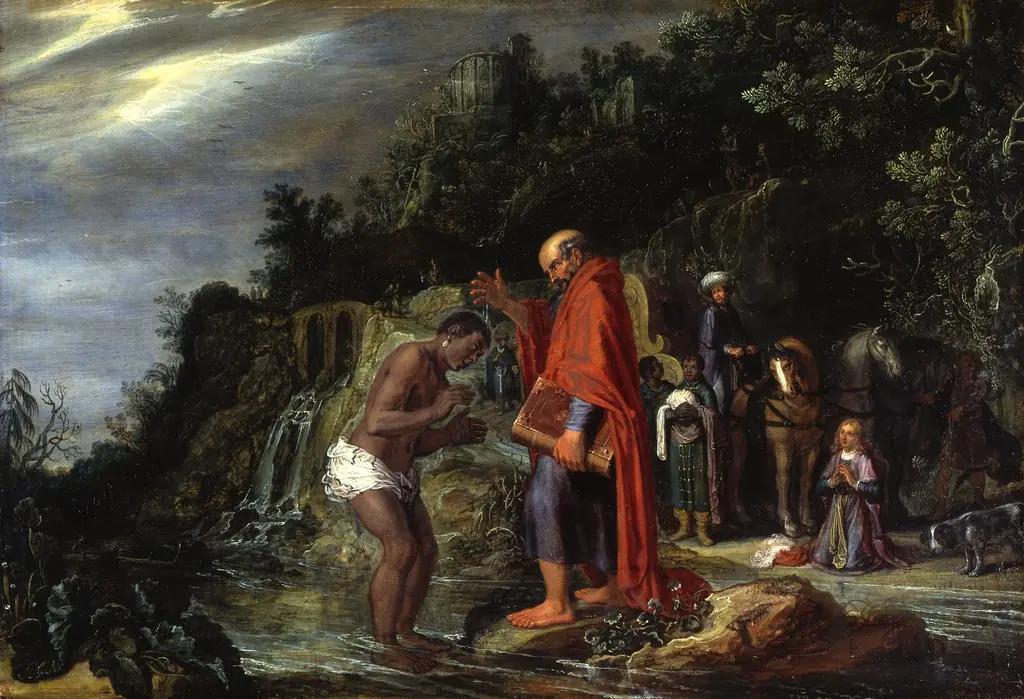
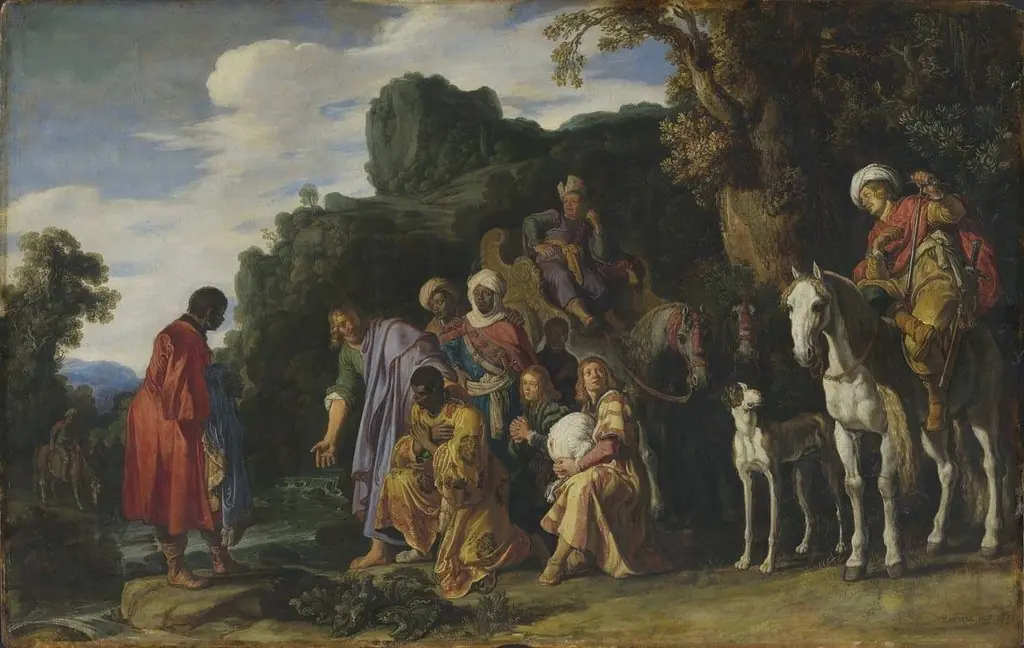 Die Taufe des Mohrenkämmerers
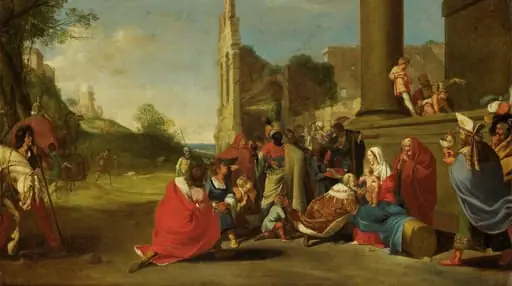 The Adoration of the Magi
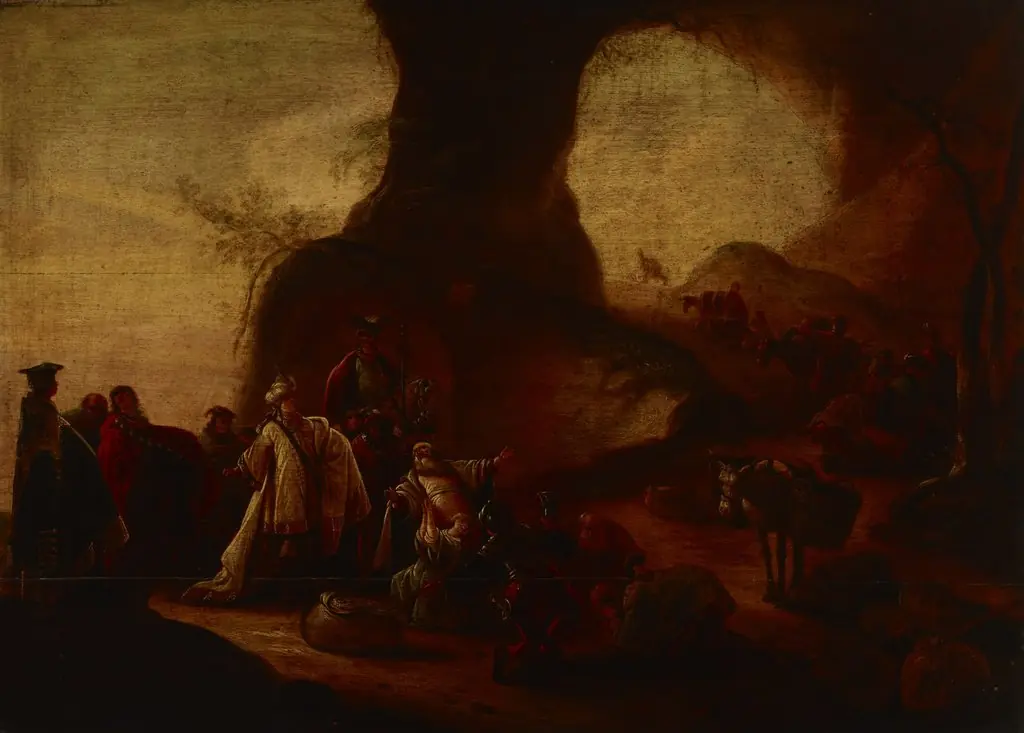 Discovery of the Joseph's Silver Cup in Benjamin's Sack
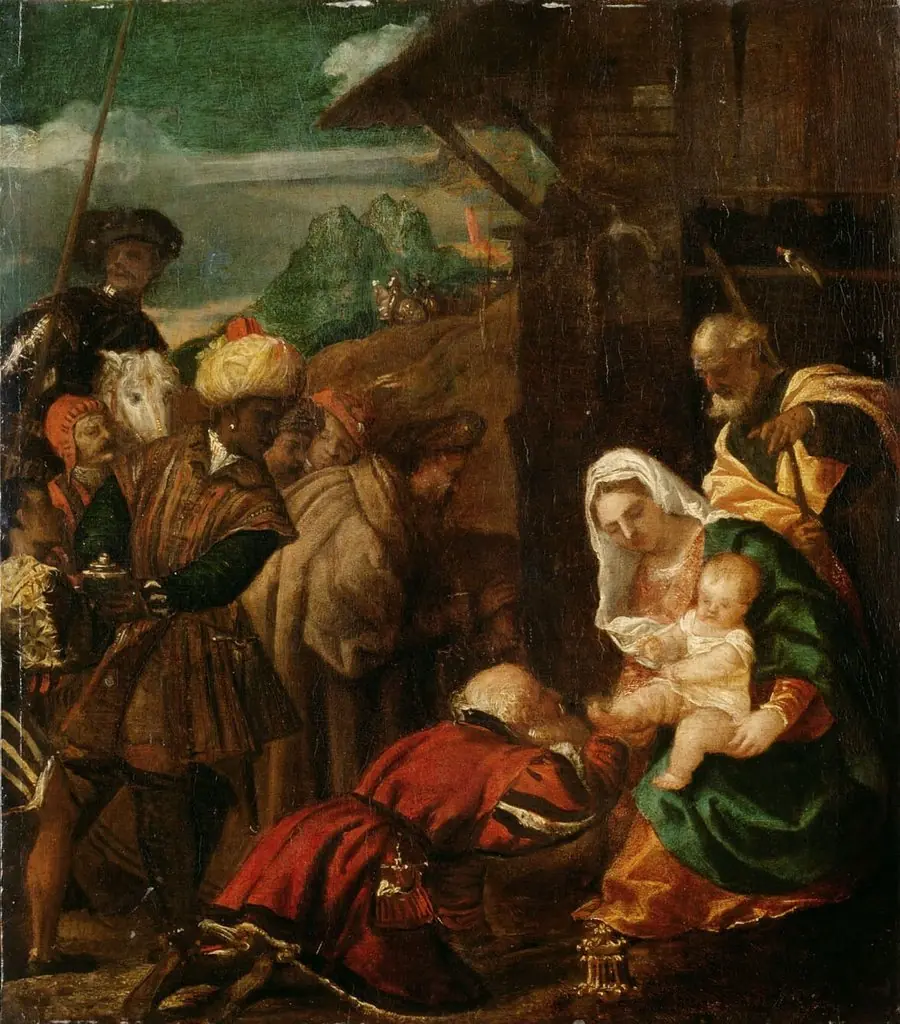 Adoration of the Magi
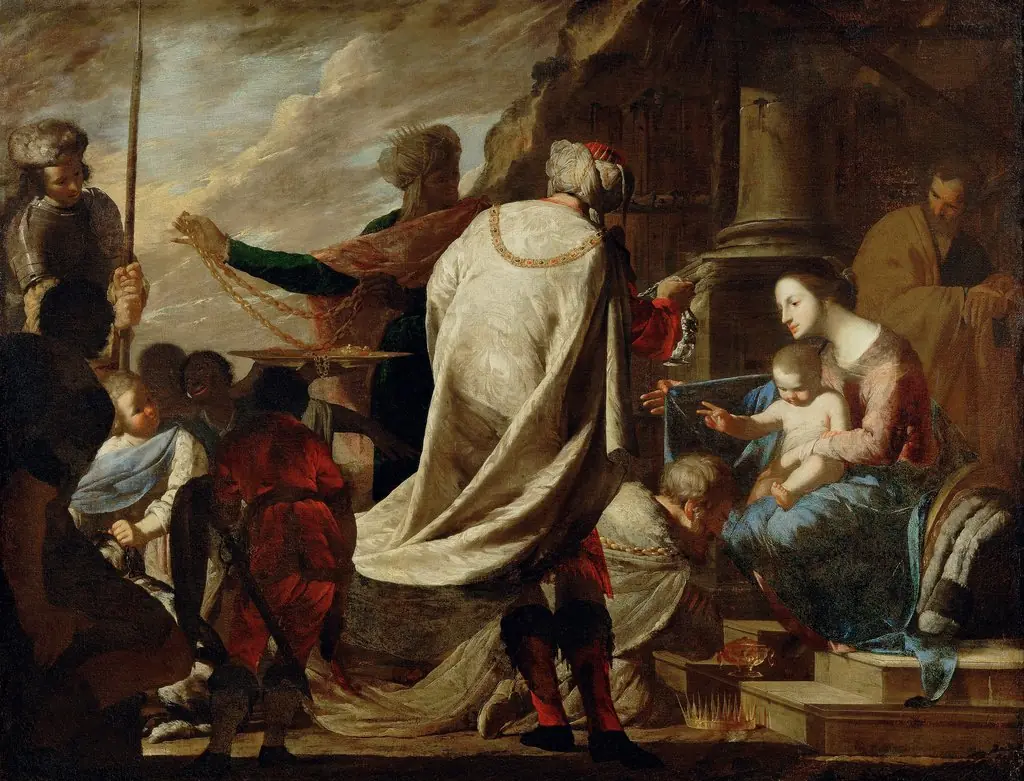 Adoration of the Magi
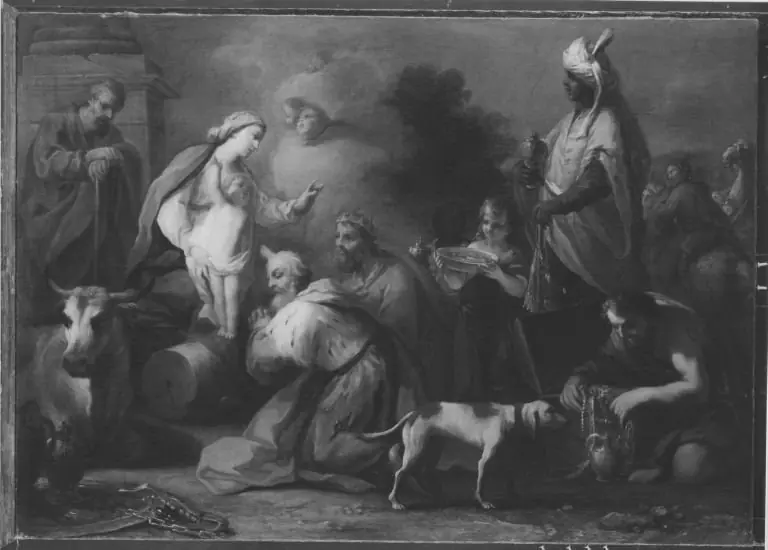 Anbetung der Könige
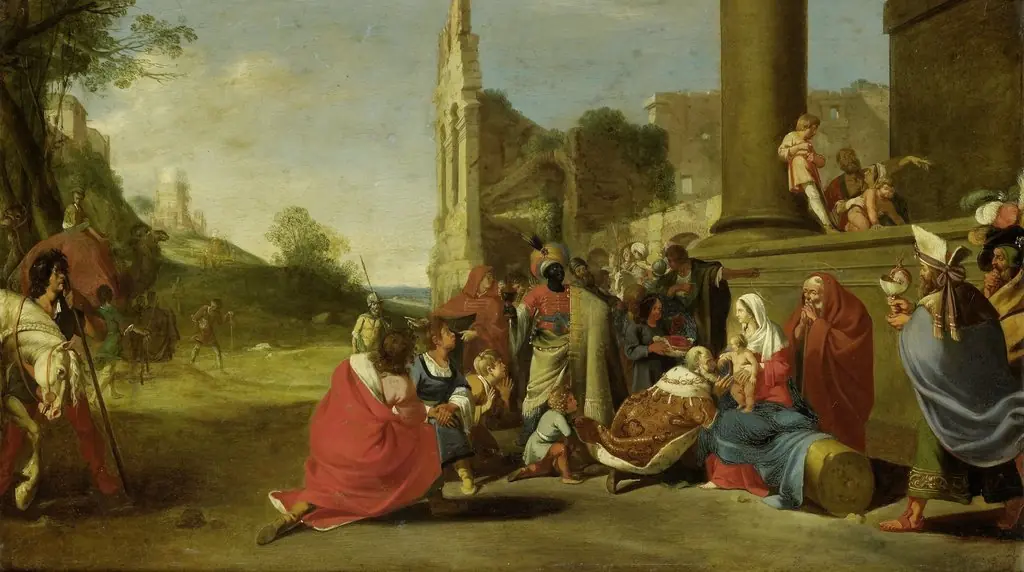 The adoration of the magi
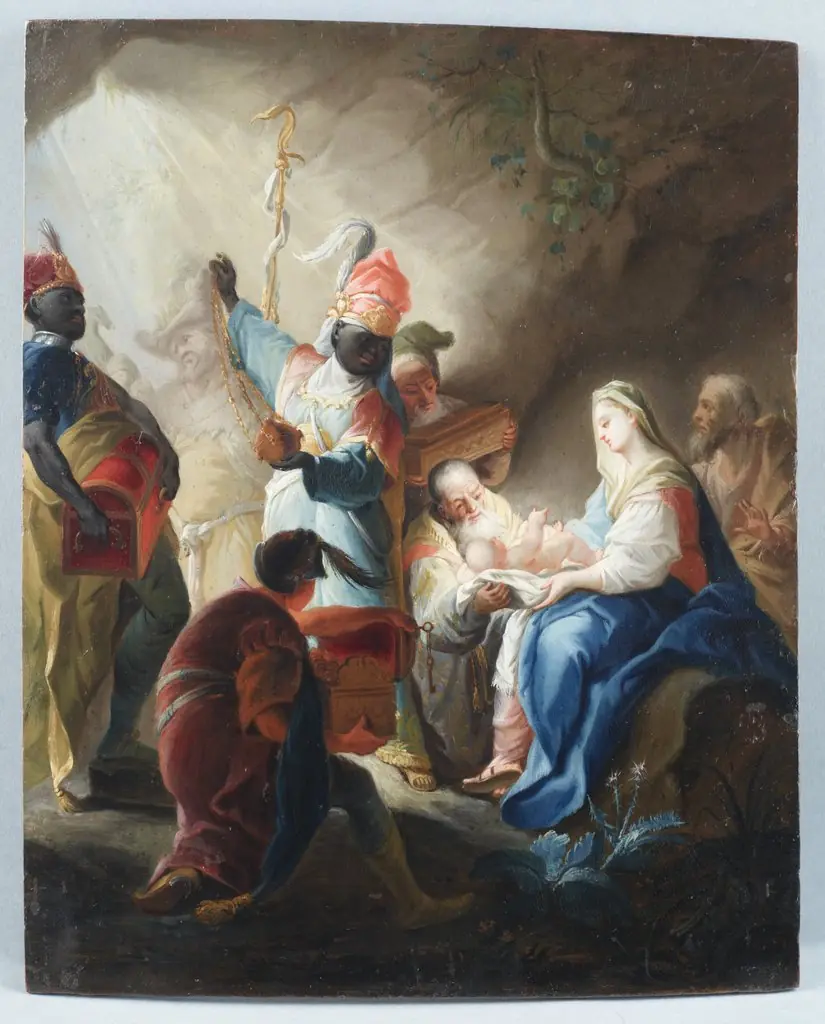 The Adoration of the Magi
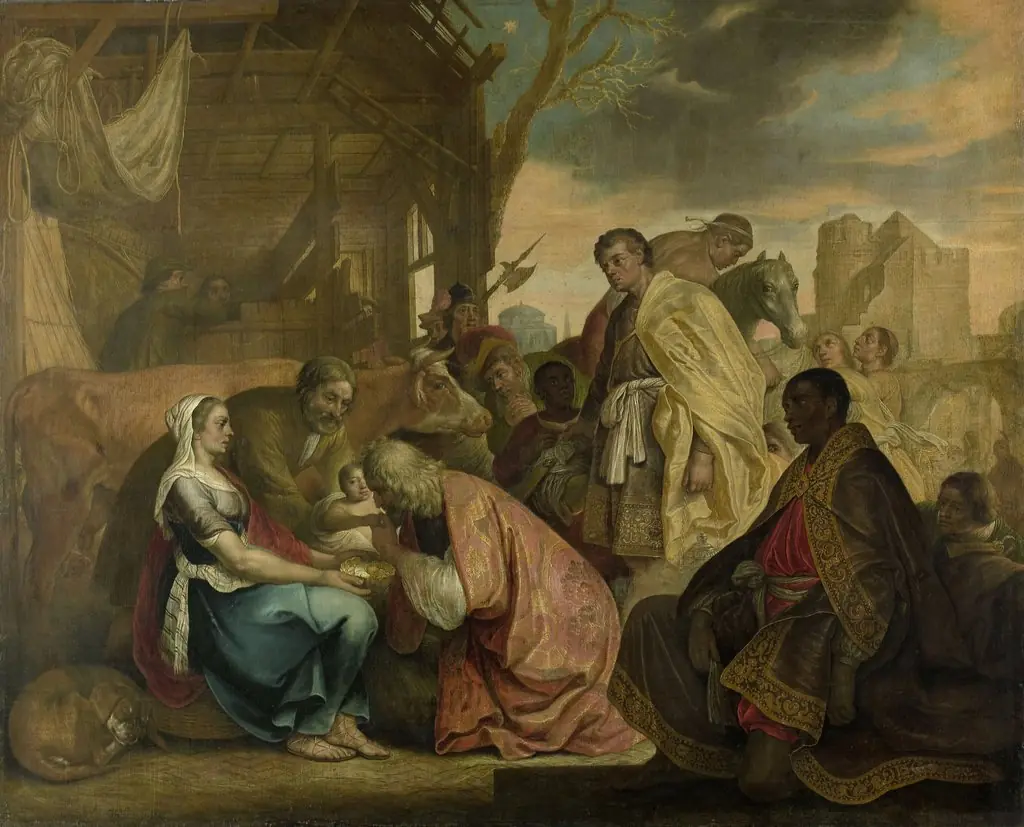 The adoration of the Magi
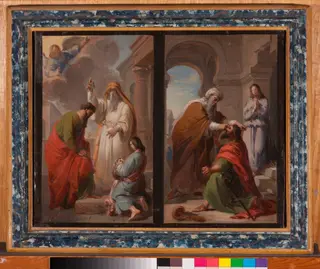 Taufe und Heilung des Paulus
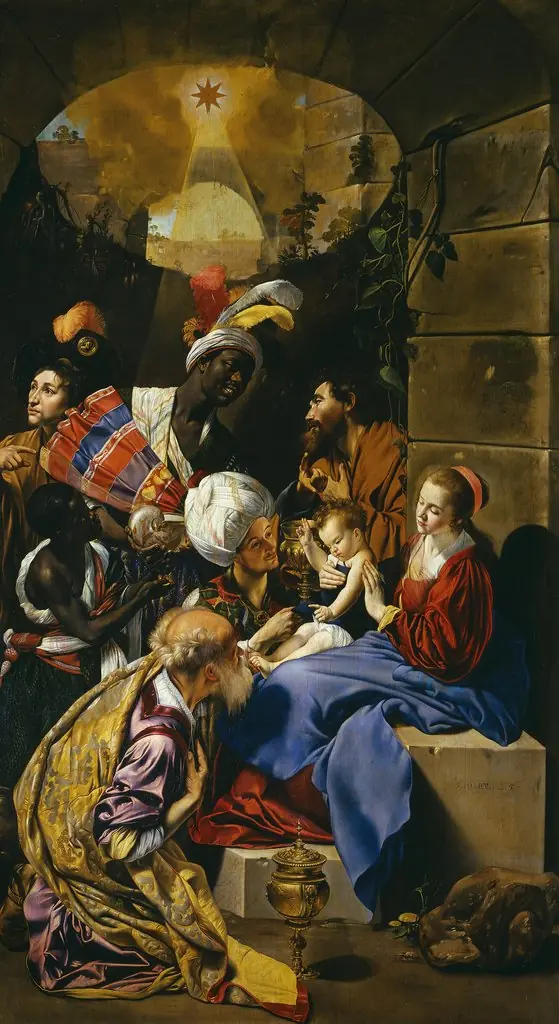 The Adoration of the Magi
- The baptism of the eunuch