Artwork
Sts Paul and Barnabas in Lystra
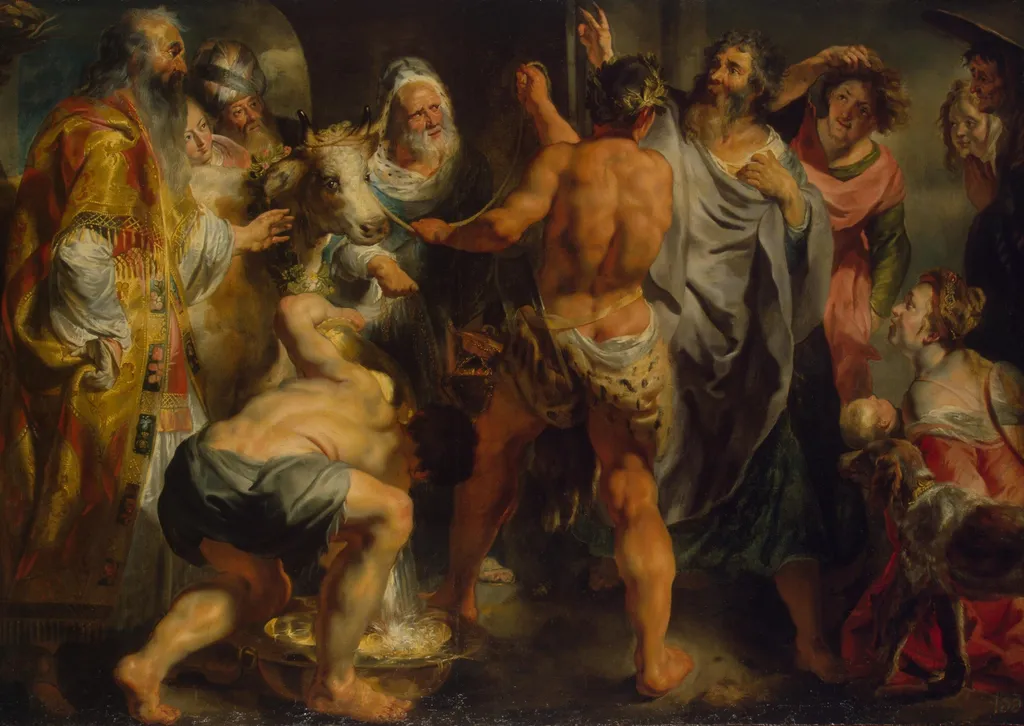
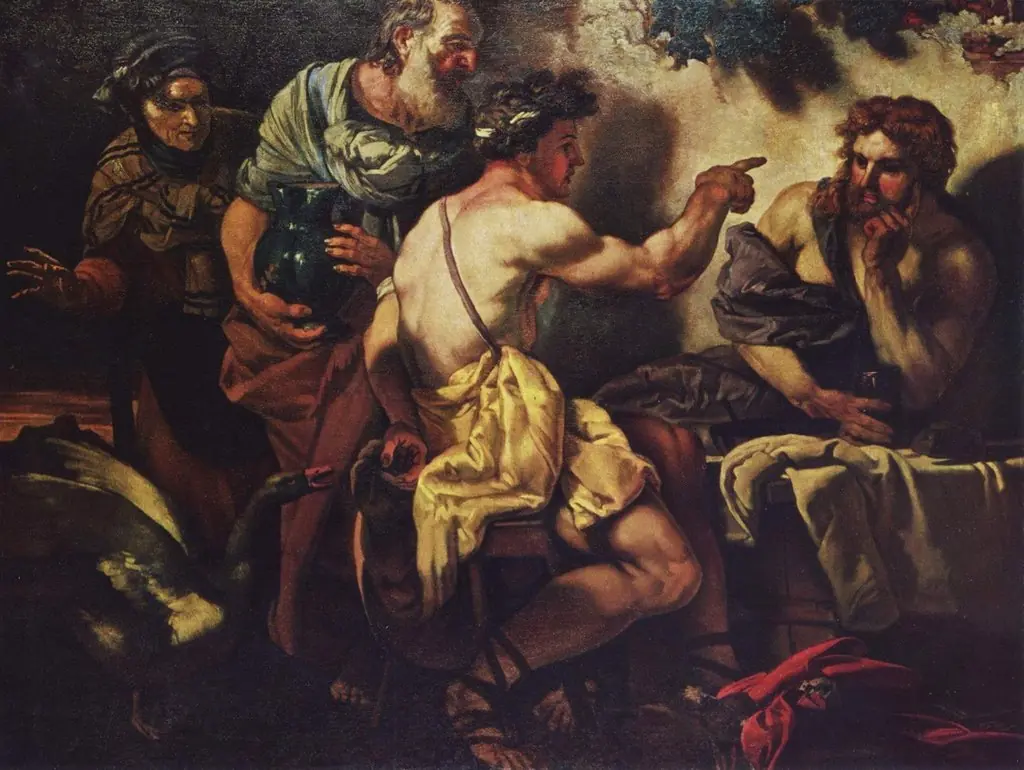
Sts Paul and Barnabas in Lystra is an oil painting by the Flemish Baroque painting artist Jacob Jordaens. It dates from 1616 and is held in the collection of the Hermitage Museum.
About this work
Technique & Style
The work measures 149 cm in height and 253 cm in width, presenting a substantial religious composition.
Jacob Jordaens executed Sts Paul and Barnabas in Lystra in 1616 as an oil painting on canvas. The work measures 149 cm in height and 253 cm in width, presenting a substantial religious composition. Created in Flanders, the piece depicts the biblical figures Paul and Barnabas within a narrative scene.
The painting is currently held in the Hermitage Museum collection. Its formal qualities align with the artist's early religious genre output from the period.
History & Provenance
Jacob Jordaens created the oil painting Sts Paul and Barnabas in Lystra in 1616 while working in Flanders. The work, executed on canvas, depicts the biblical figures Paul the Apostle and Barnabas at Lystra. Historical records indicate that the piece was once owned by Heinrich von Brühl. The painting eventually entered the collection of the Hermitage Museum, where it remains held.
Sts Paul and Barnabas in Lystra by Jacob Jordaens is held by the Hermitage Museum, where it forms part of the collection. The painting was previously owned by Heinrich von Brühl before entering the museum's holdings.
No exhibition history beyond its presence in the Hermitage collection is documented in the available sources.
Overview
Jacob Jordaens’ canvas Sts Paul and Barnabas in Lystra, painted in 1616, presents a bustling scene from the Acts of the Apostles. The composition captures the moment when the two missionaries are hailed as deities after curing a crippled man, a narrative that allowed Jordaens to explore crowd dynamics and emotional intensity.
Subject & Meaning
The work illustrates the Lystra episode in which Paul and Barnabas, having healed a paralytic, are mistakenly revered as Zeus and Hermes. By portraying the mixture of awe, confusion, and confrontation among the townspeople, Jordaens emphasizes the clash between divine attribution and human misunderstanding, a theme common in Baroque religious storytelling.
Context
Created during a period when Jordaens succeeded Rubens and van Dyck as the leading Flemish painter, the canvas reflects the artist’s focus on biblical and genre subjects. While he never left the Low Countries, his work demonstrates the broader Baroque fascination with theatricality, emotional expression, and the interplay of light and shadow.
Own this work as a print
Artist & collection
Artist
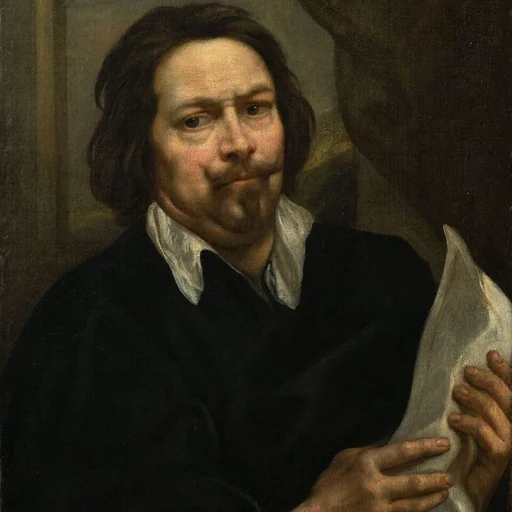
Jacques (Jacob) Jordaens (19 May 1593 – 18 October 1678) was a Flemish painter, draughtsman and a designer of tapestries and prints.

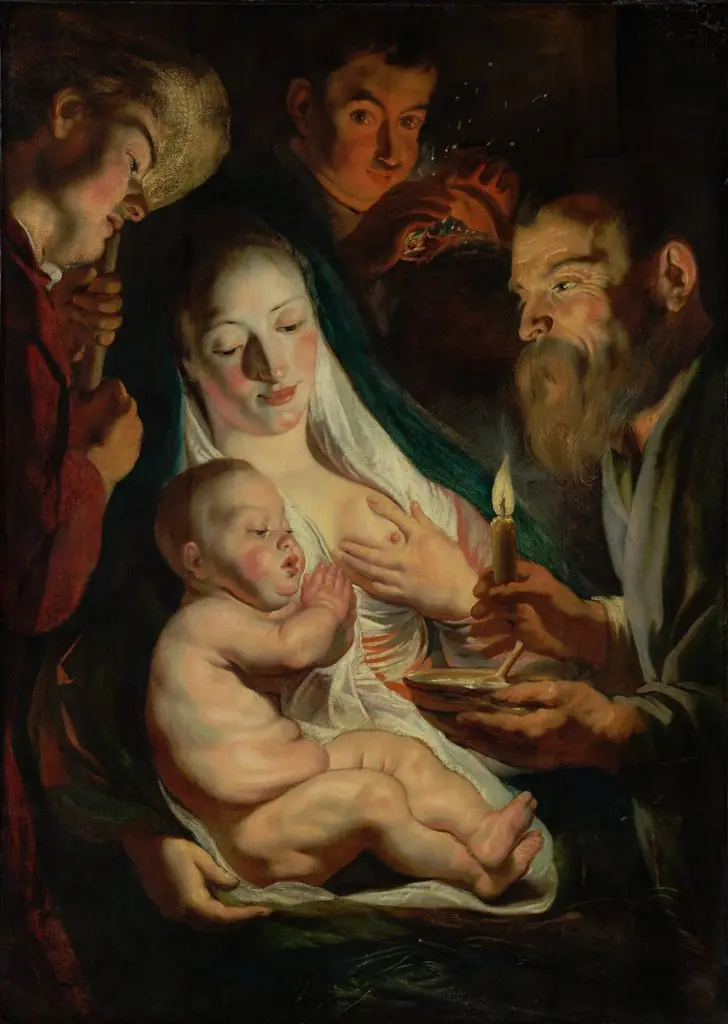 The Holy Family with Shepherds
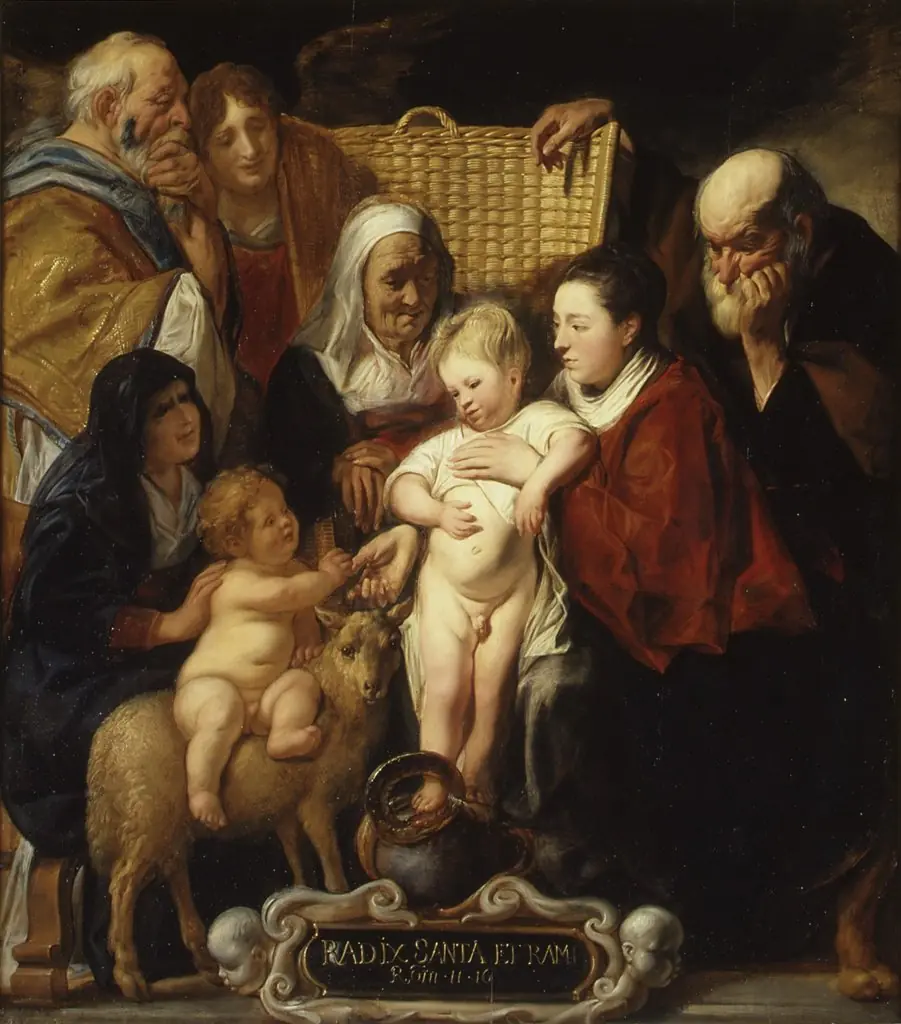 The Holy Family with Saint Anne and the Young Baptist and His Parents
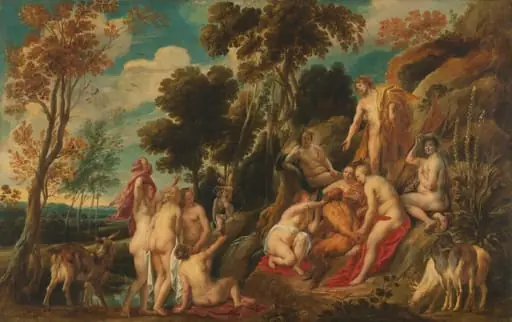 Untitled
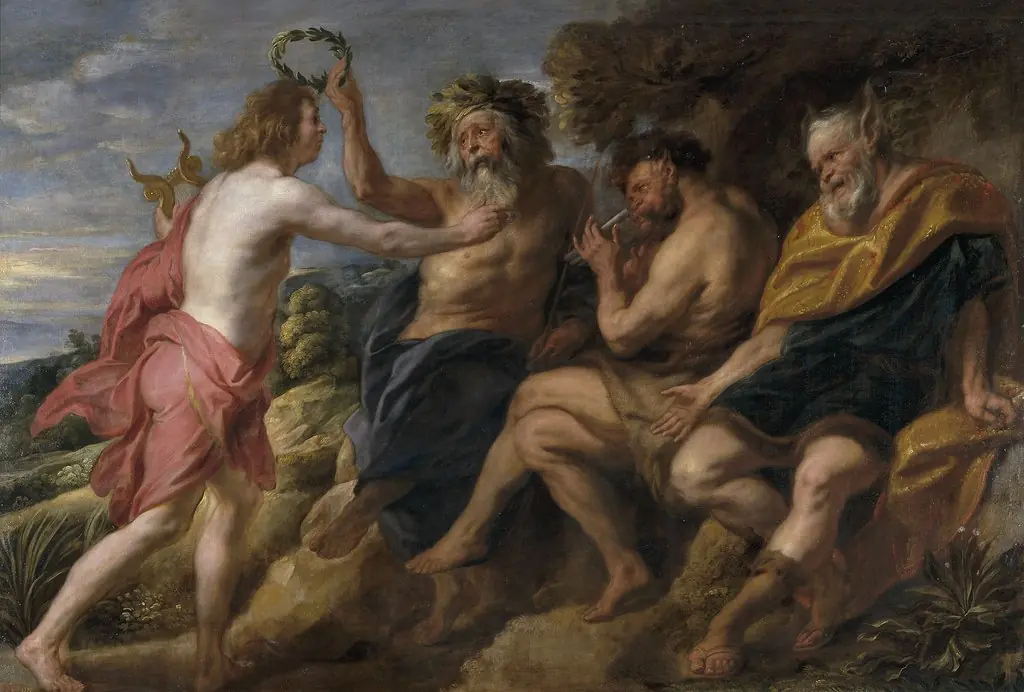 Apollo as Victor over Pan
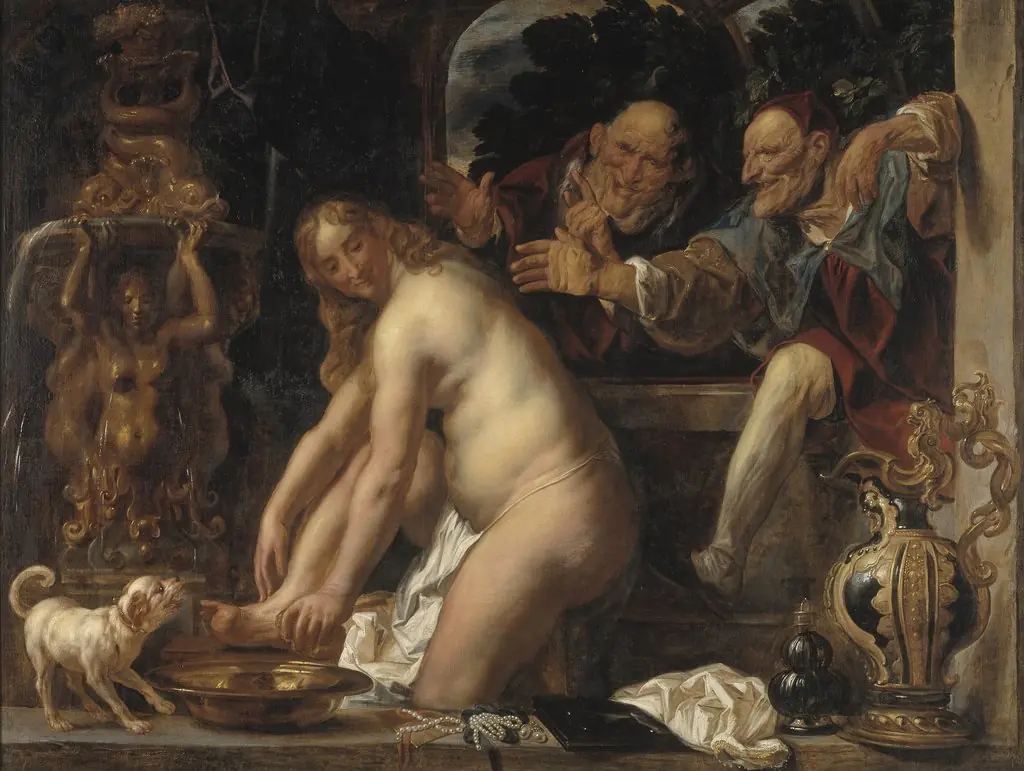 Susanna and the Elders
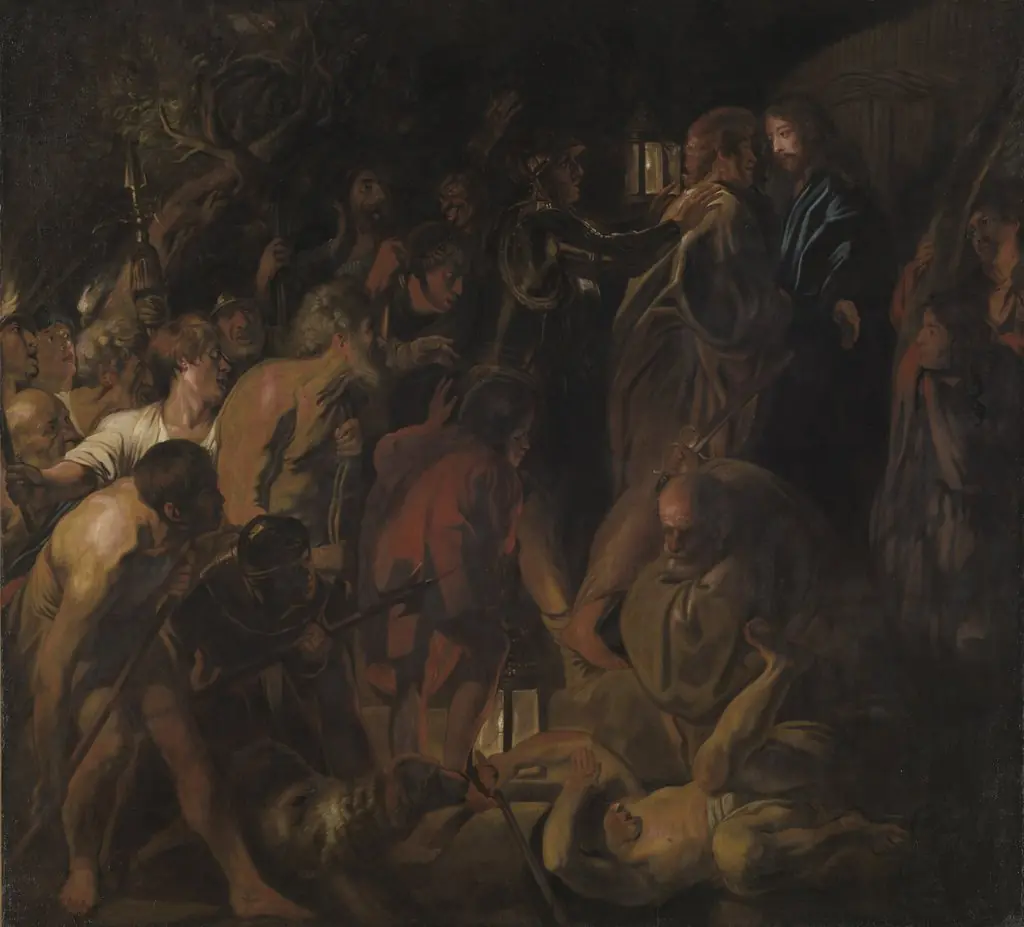 The Betrayal of Christ
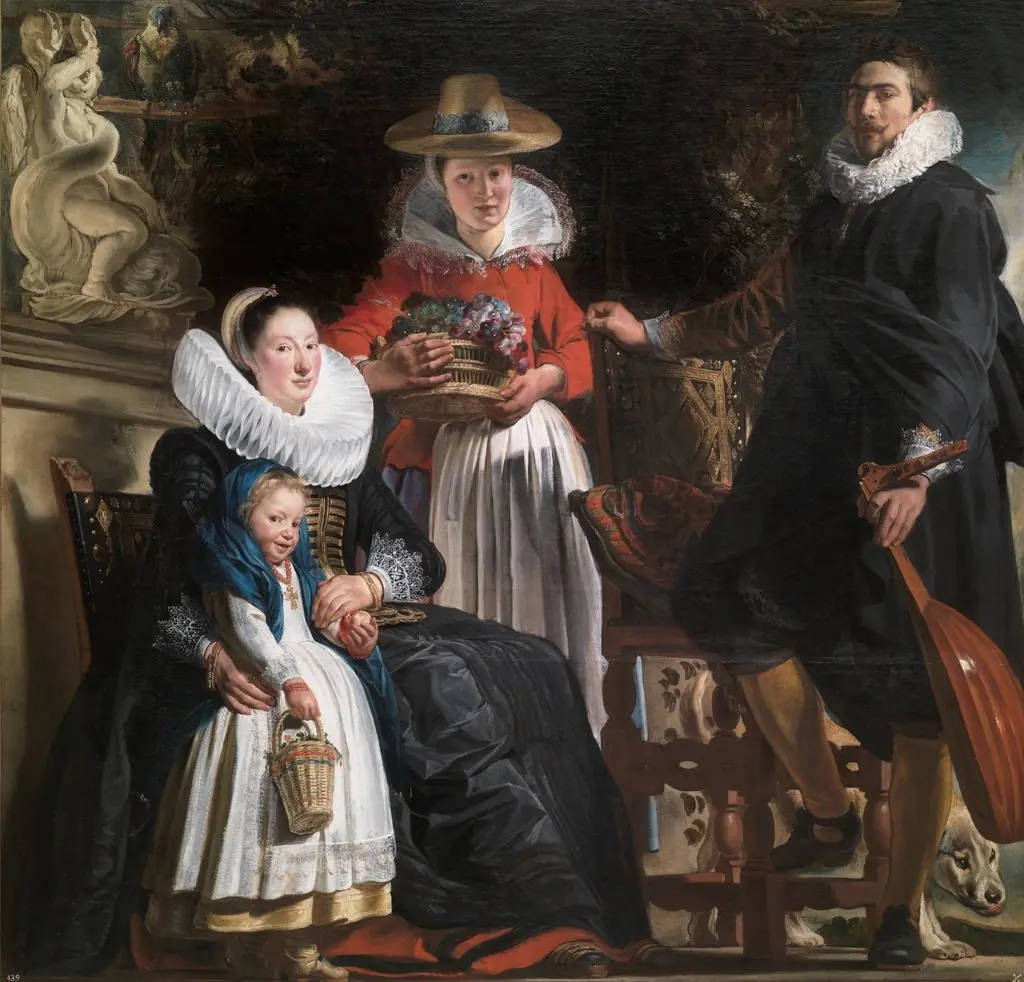 Portrait of the artist with his family
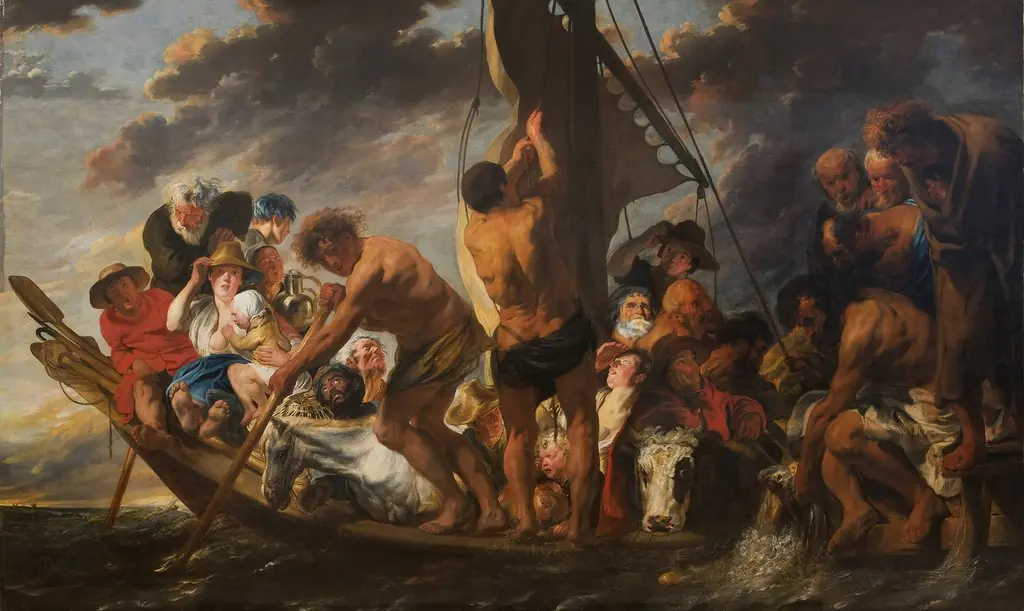 The Tribute Money. Peter Finding the Silver Coin in the Mouth of the Fish. Also called "The Ferry Boat to Antwerp"
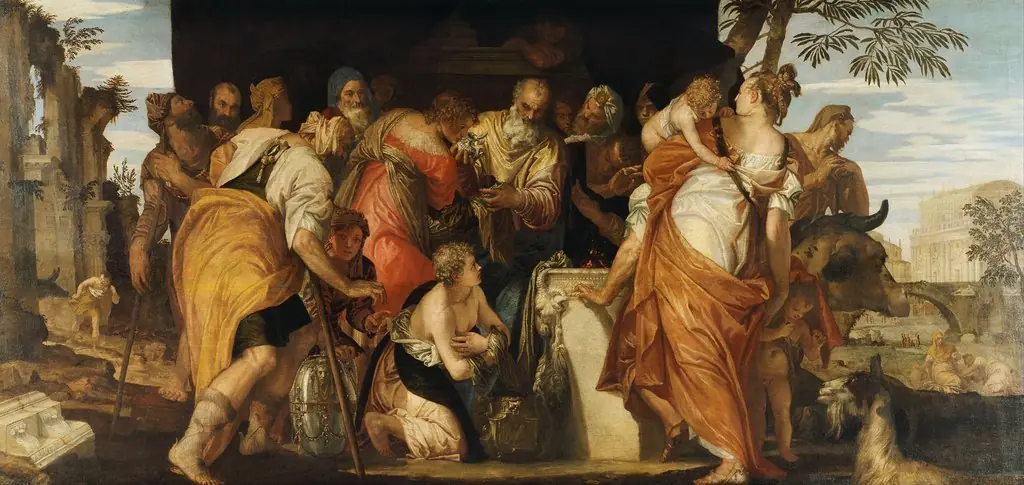 The Anointing of David
 Het sterfbed van Epaminondas
 Moses Striking the Rock
 The Death of Epaminondas
 The Feast of Herod
 The Good Samaritan
 Triumph of Bacchus
 Tereus' Banquet
 Mucius Scaevola before Lars Porsenna
 Jupiter and Mercury at Philemon and Baucis
 The sacrifice of the Old Covenant
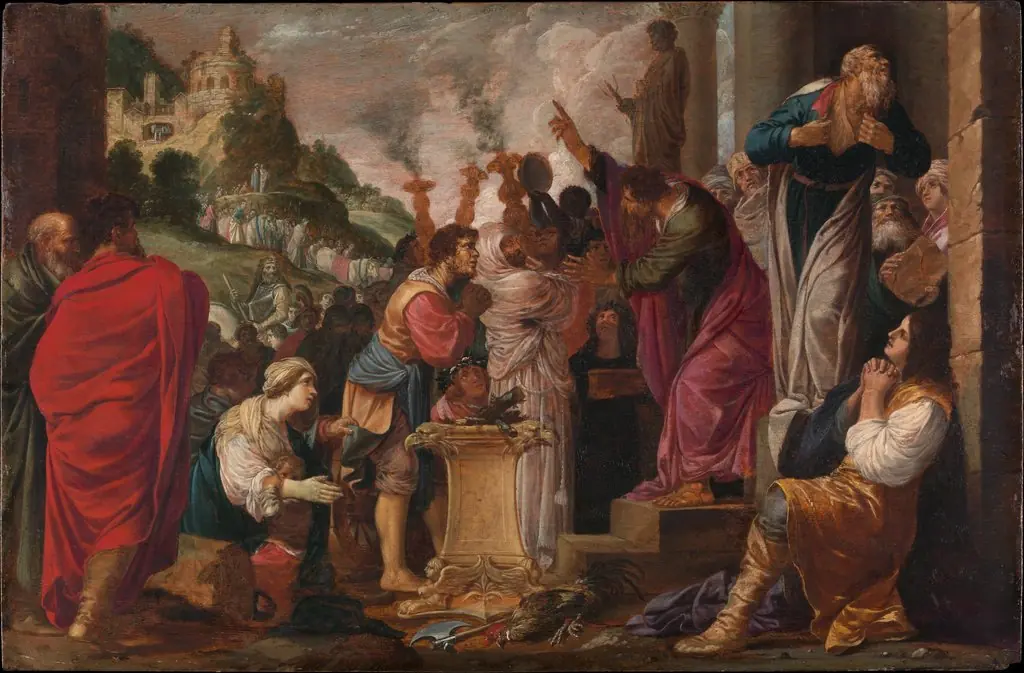
- Paul and Barnabas at Lystra