Artwork
Tereus' Banquet
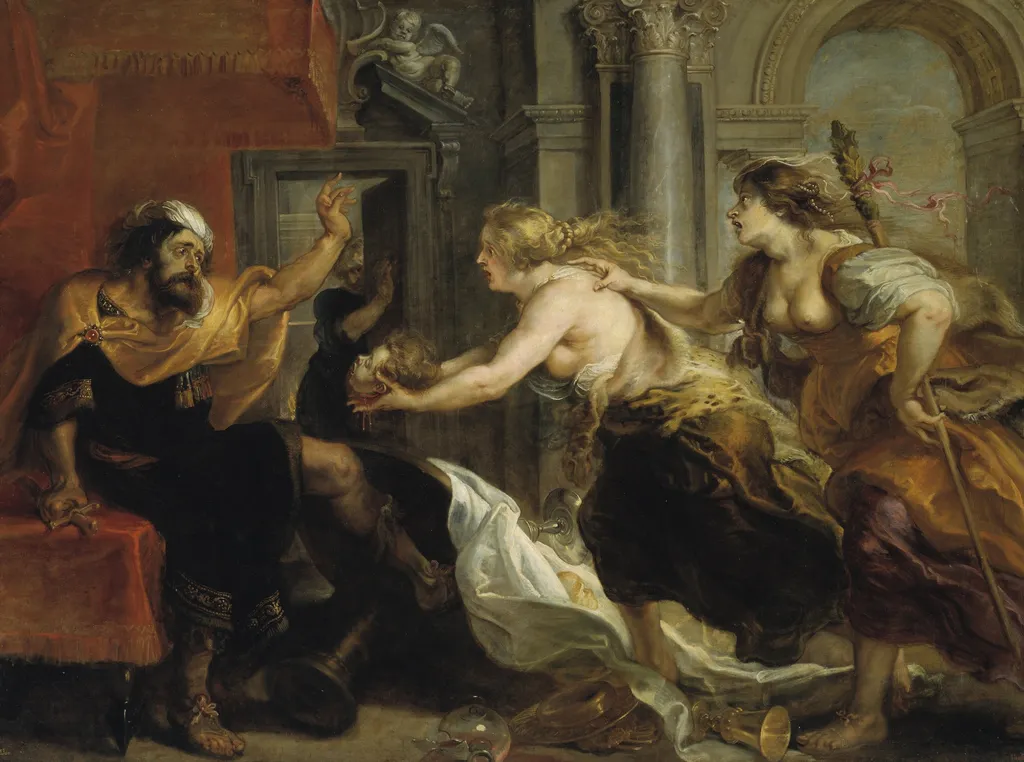
Tereus' Banquet is an oil painting by the Flemish Baroque painting artist Peter Paul Rubens. It dates from 1636 and is held in the collection of the Museo del Prado.
About this work
Subject & Meaning
Peter Paul Rubens's 1636 oil painting illustrates the mythological narrative of Tereus's Banquet, derived specifically from Ovid's Metamorphoses.
Peter Paul Rubens's 1636 oil painting illustrates the mythological narrative of Tereus's Banquet, derived specifically from Ovid's Metamorphoses. The composition depicts the tragic moment when Tereus unknowingly consumes his own son, Itys, served to him as a meal. Key iconographic elements include the figures of Tereus and a woman, alongside a sword, which signal the violent nature of the story and the impending revelation of the crime.
The work functions as a visual interpretation of this classical tale of revenge and familial destruction, capturing the dramatic tension inherent in Ovid's account.
Technique & Style
Tereus' Banquet is an oil painting executed on canvas, a support well suited to Rubens's fluid handling and rich layering. The work measures 195.5 cm in height by 266 cm in width, a broad horizontal format that accommodates the multi-figure mythological scene. Its medium and dimensions are consistent with the large-scale mythological productions Rubens produced in the later 1630s, and the canvas ground supports the saturated palette and dynamic brushwork associated with his mature style.
The composition is rendered in oil paint, allowing for the translucent glazes and dense impasto that characterize Rubens's handling of flesh, drapery, and dramatic lighting. Stylistically, the painting belongs to the genre of mythological painting and treats the violent narrative of the banquet of Tereus drawn from Ovid's Metamorphoses.
The work is held in the collection of the Museo del Prado in Madrid. No specific condition report is documented in the available sources.
History & Provenance
Tereus' Banquet was created by Peter Paul Rubens in 1636, executed in oil paint on canvas and measuring 195.5 by 266 cm. The work was produced as a mythological painting based on the banquet of Tereus from Ovid's Metamorphoses (Book VI). Historical records indicate it passed through the Spanish royal collection before entering the Museo del Prado in Madrid, where it is now held. The provided sources do not contain specific inventory numbers or a list of exhibitions for this artwork.
Context
Tereus' Banquet is situated within Rubens's mature period, noted for its technical virtuosity and complex compositional structure. The painting's presence in the Museo del Prado reflects its descent through the Spanish royal collections. Its iconography draws directly from Ovid's Metamorphoses, specifically the banquet scene involving Tereus, Itys, and Tereus's wife, grounding it within the tradition of mythological painting. The work's dimensions and material execution demonstrate Rubens's command of large-scale narrative canvases in oil paint.
Legacy
Tereus' Banquet exemplifies Rubens's dramatic Baroque treatment of Ovidian mythology, with its portrayal of violence and emotional intensity contributing to the tradition of mythological narrative painting transmitted through seventeenth-century European courts. As part of the Spanish royal collections and later the Museo del Prado, the work has remained accessible to audiences and figures in scholarly analyses of Baroque visual storytelling.
Overview
Peter Paul Rubens painted Tereus' Banquet in 1636, a large oil work that belongs to his series of mythological history paintings. Executed in the Flemish Baroque idiom, the canvas presents a tumultuous banquet scene rendered with vigorous colour and dynamic composition. The painting is part of the permanent collection of the Museo del Prado in Madrid.
Own this work as a print
Artist & collection
Artist
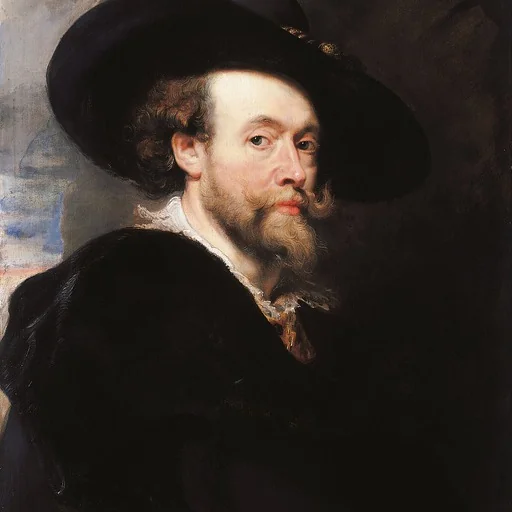
Sir Peter Paul Rubens ( ROO-bənz; Dutch:; 28 June 1577 – 30 May 1640) was a Flemish artist and diplomat.

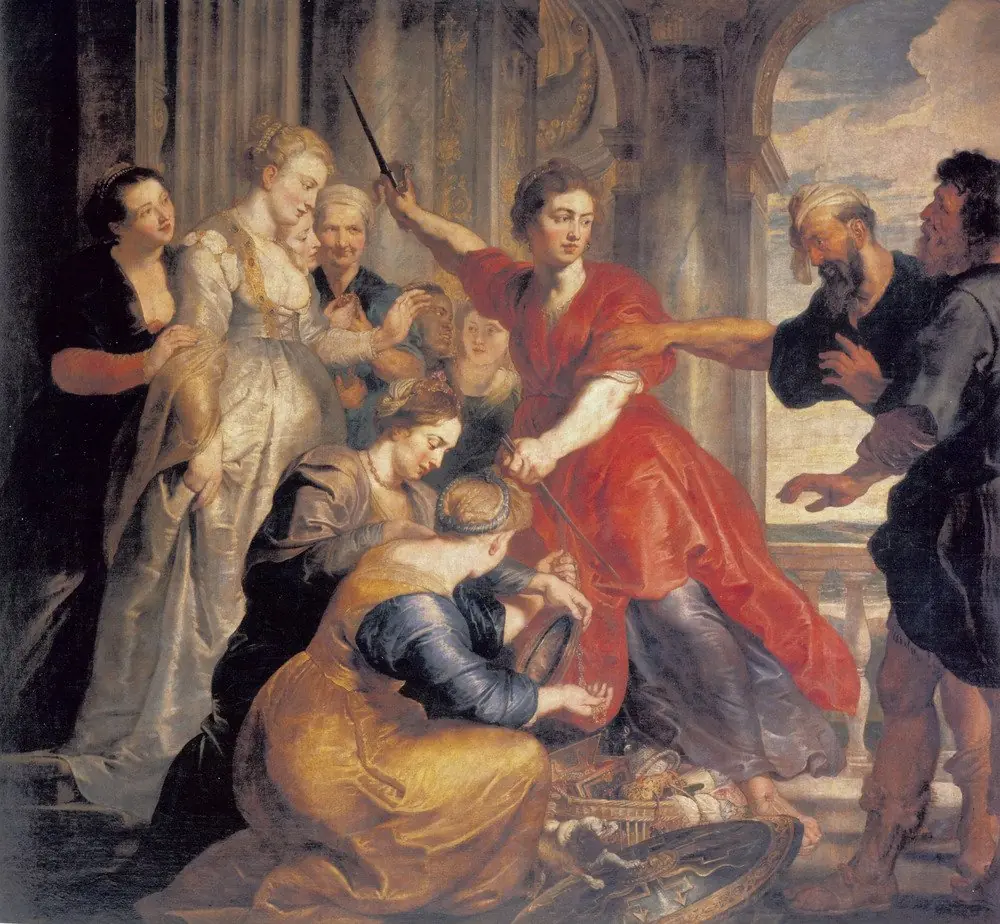
- Achilles discovered by Ulysses and Diomedes
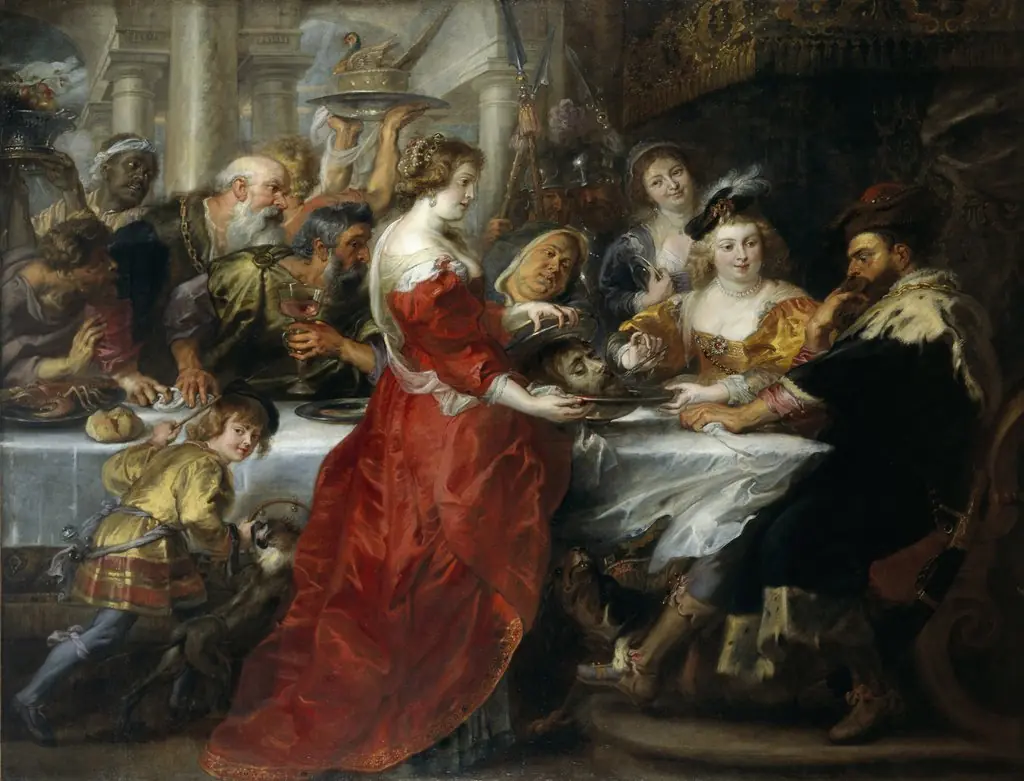 The Feast of Herod
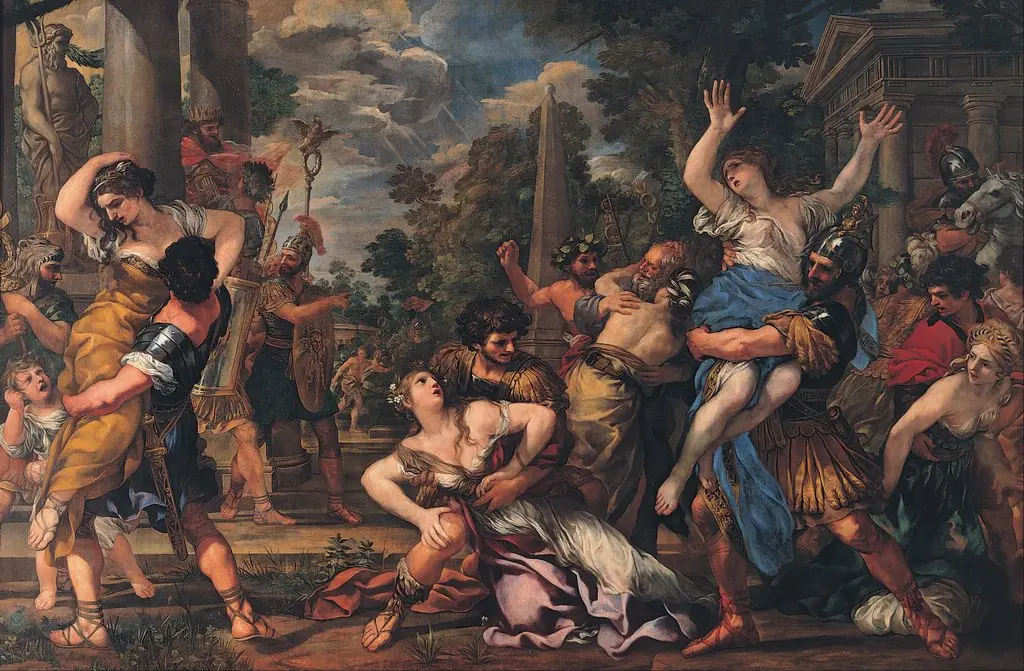 Rape of the Sabines
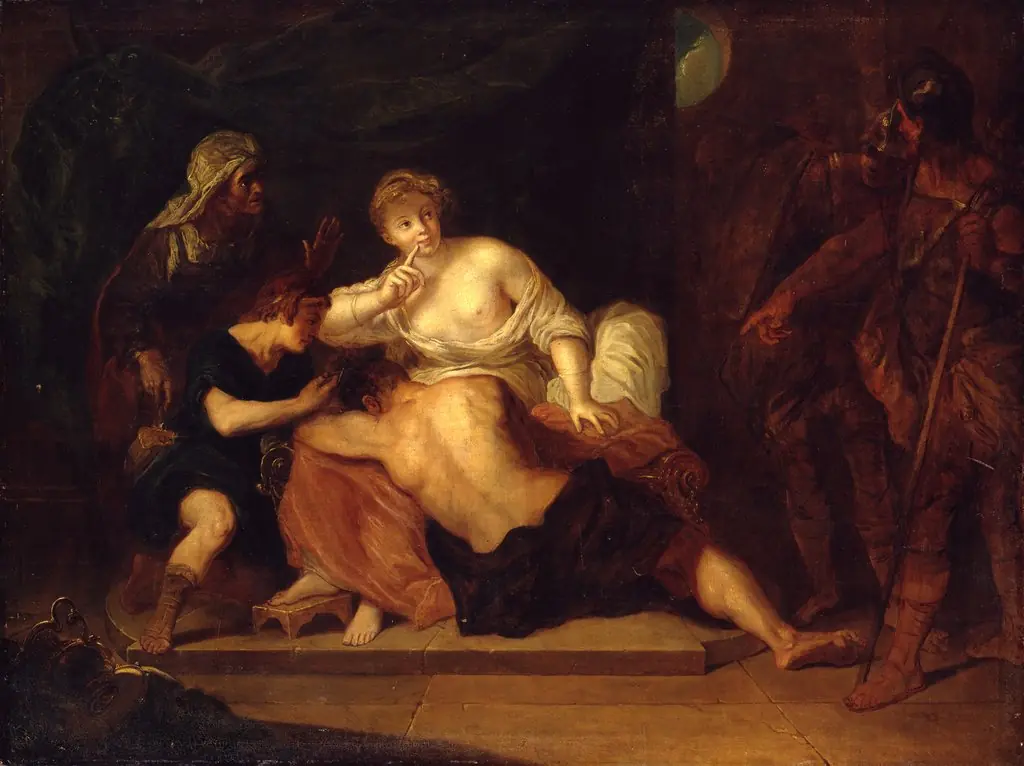 Samson and Delilah
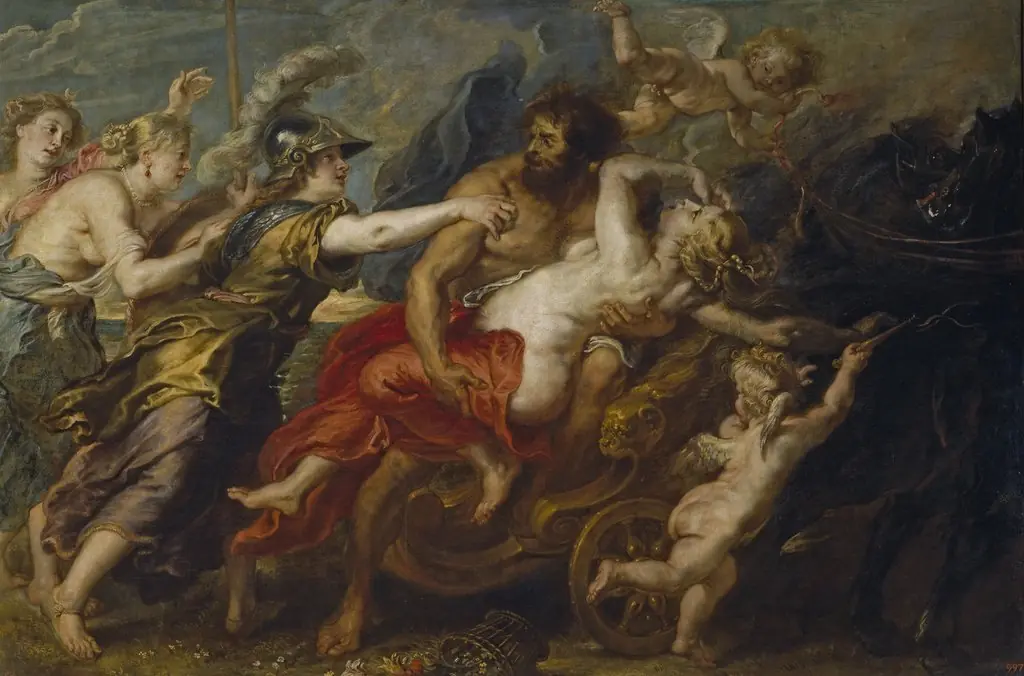 The Rape of Proserpine
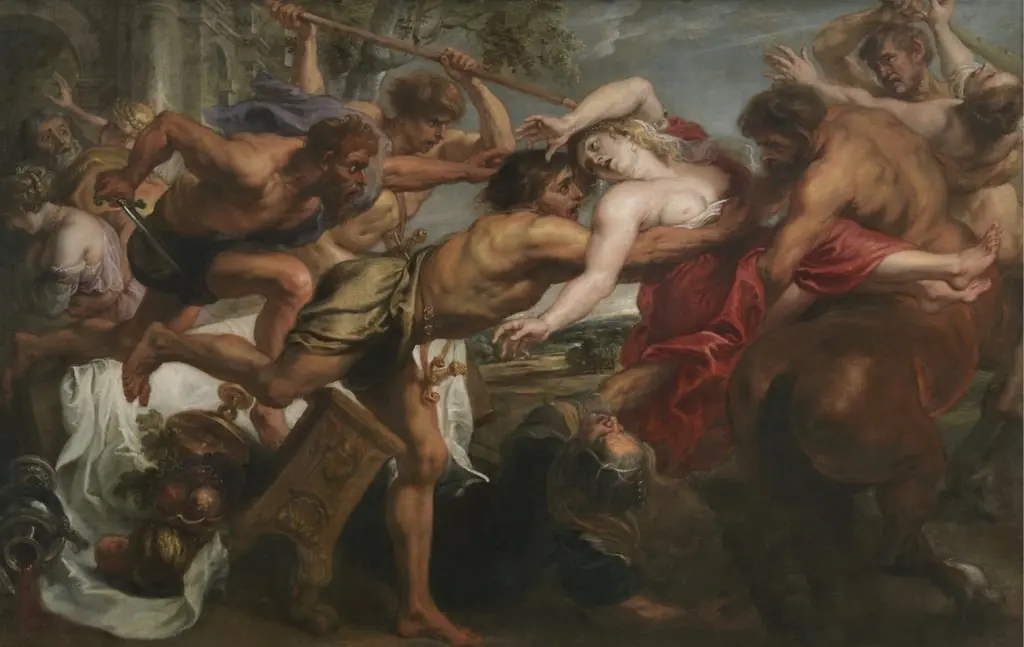 Rape of Hippodamia
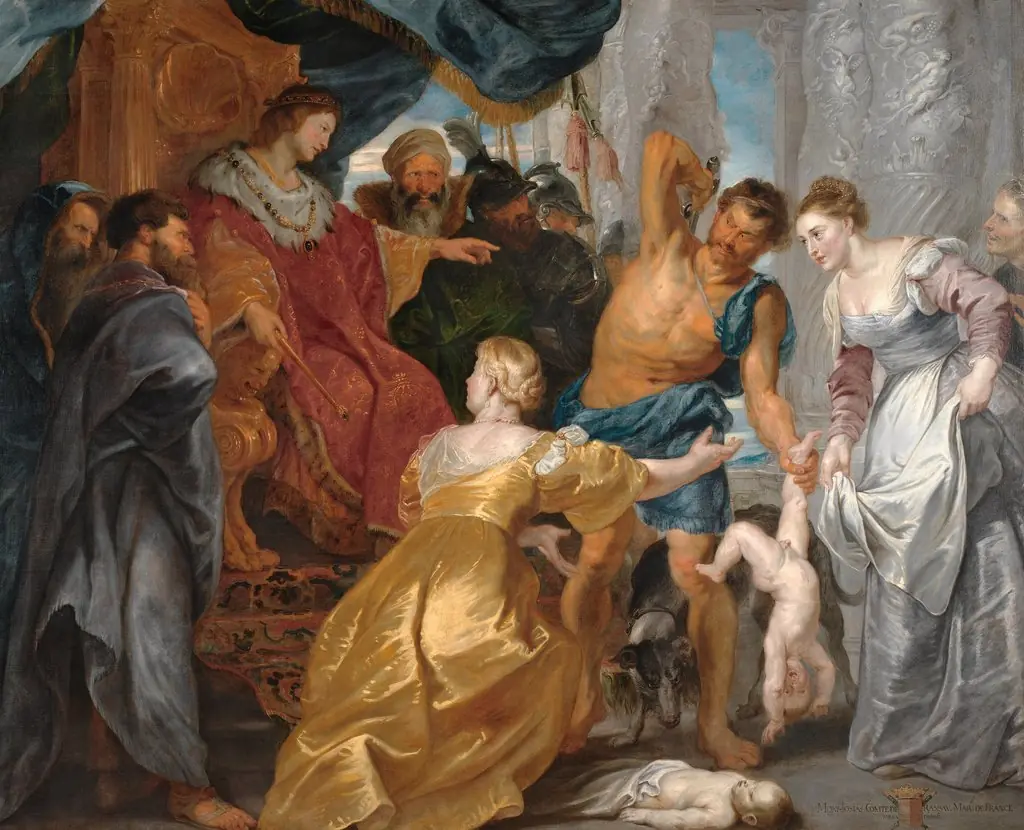 The Judgement of Solomon
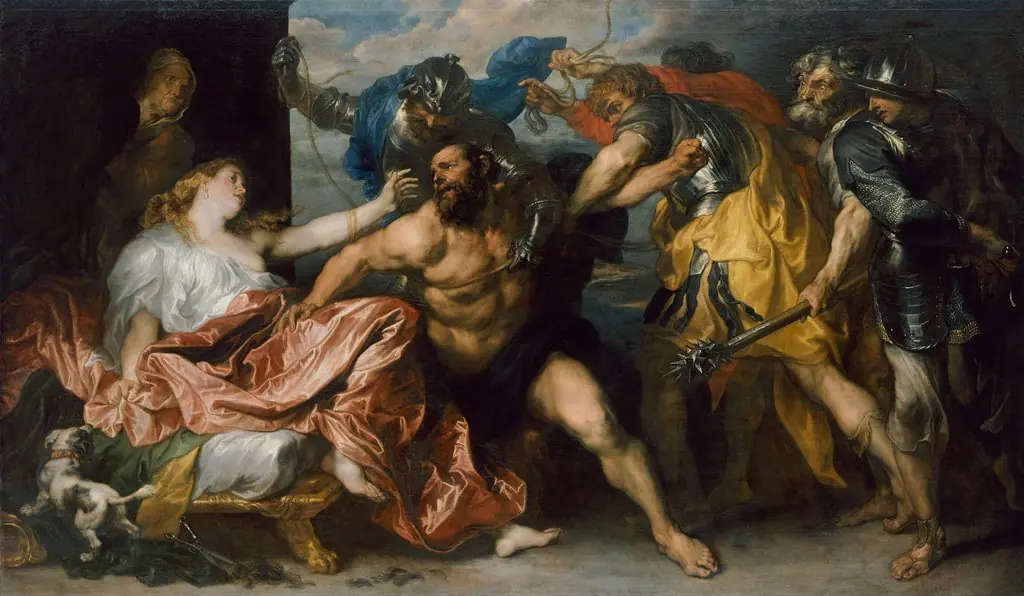 Samson and Delilah
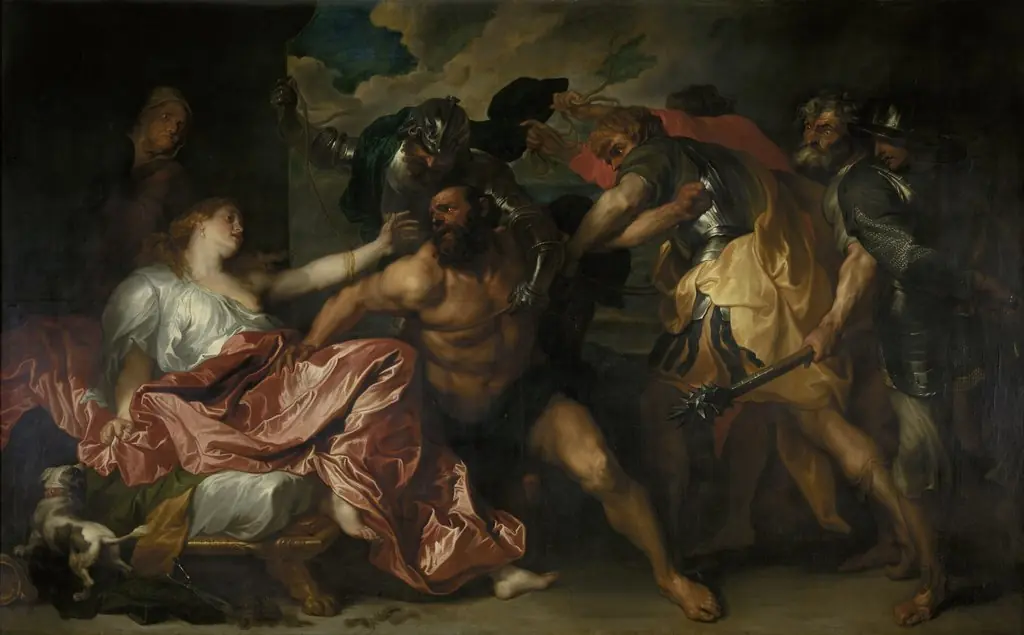 Samson and Delilah
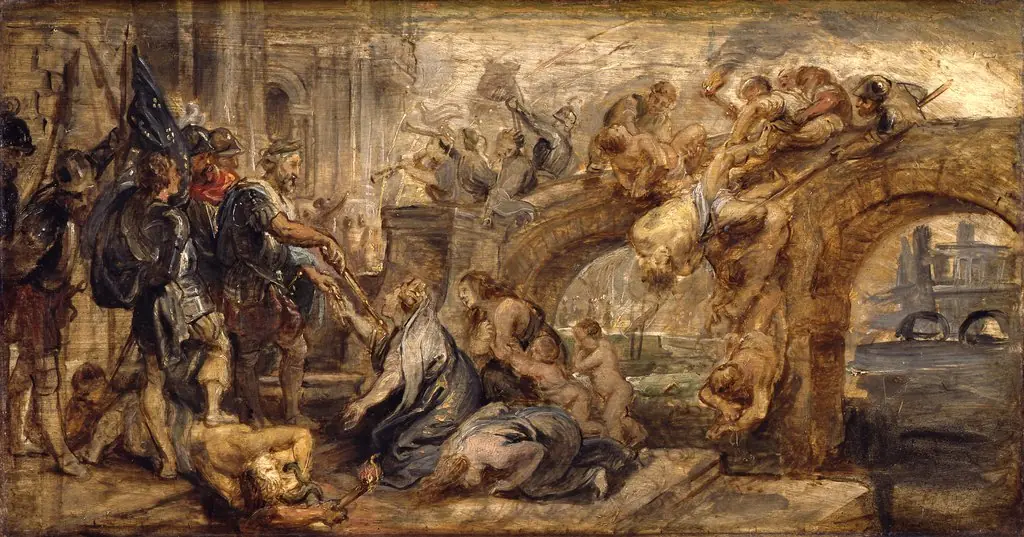 The Entry in Paris by Henry IV
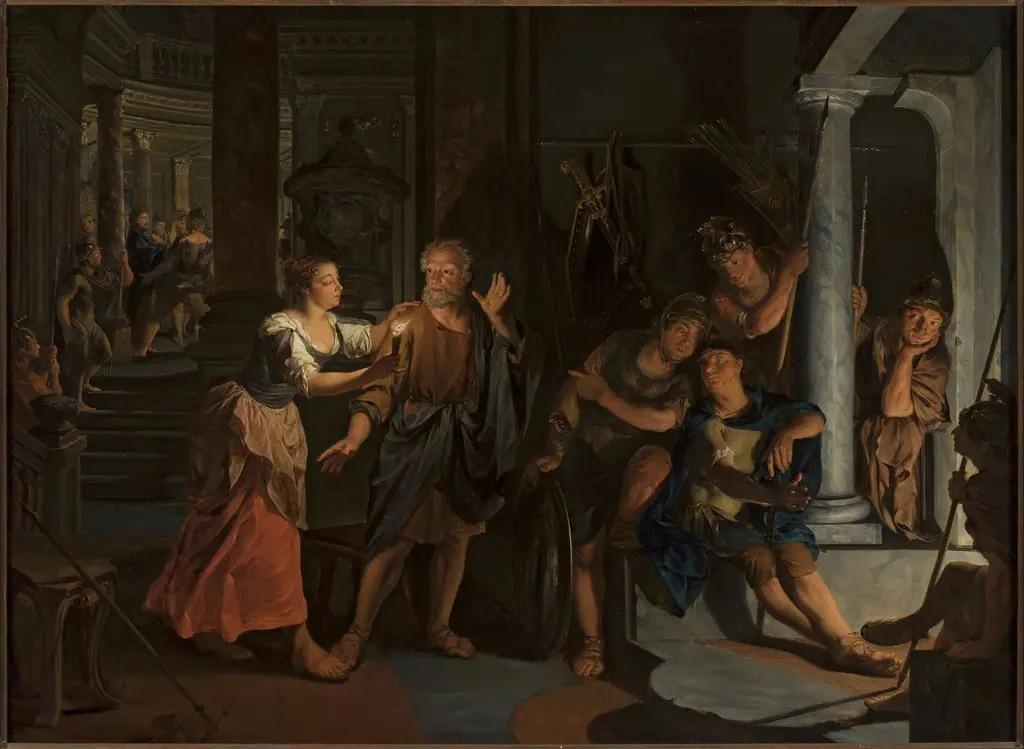 Denial of Saint Peter (Matthew 26:69-75; Mark 14:66-72; Luke 21:54-63; John 17:15-25).
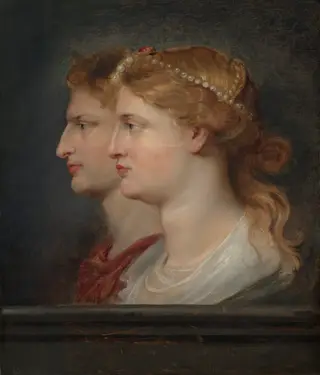
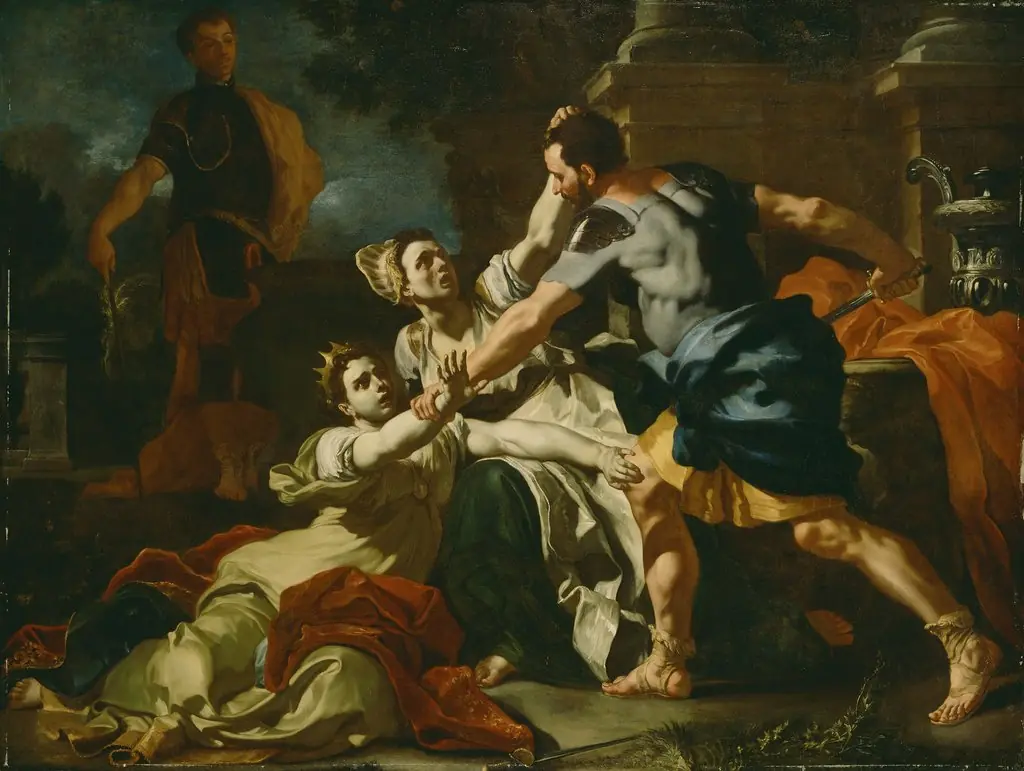 Death of Messalina