Artwork
The music lesson
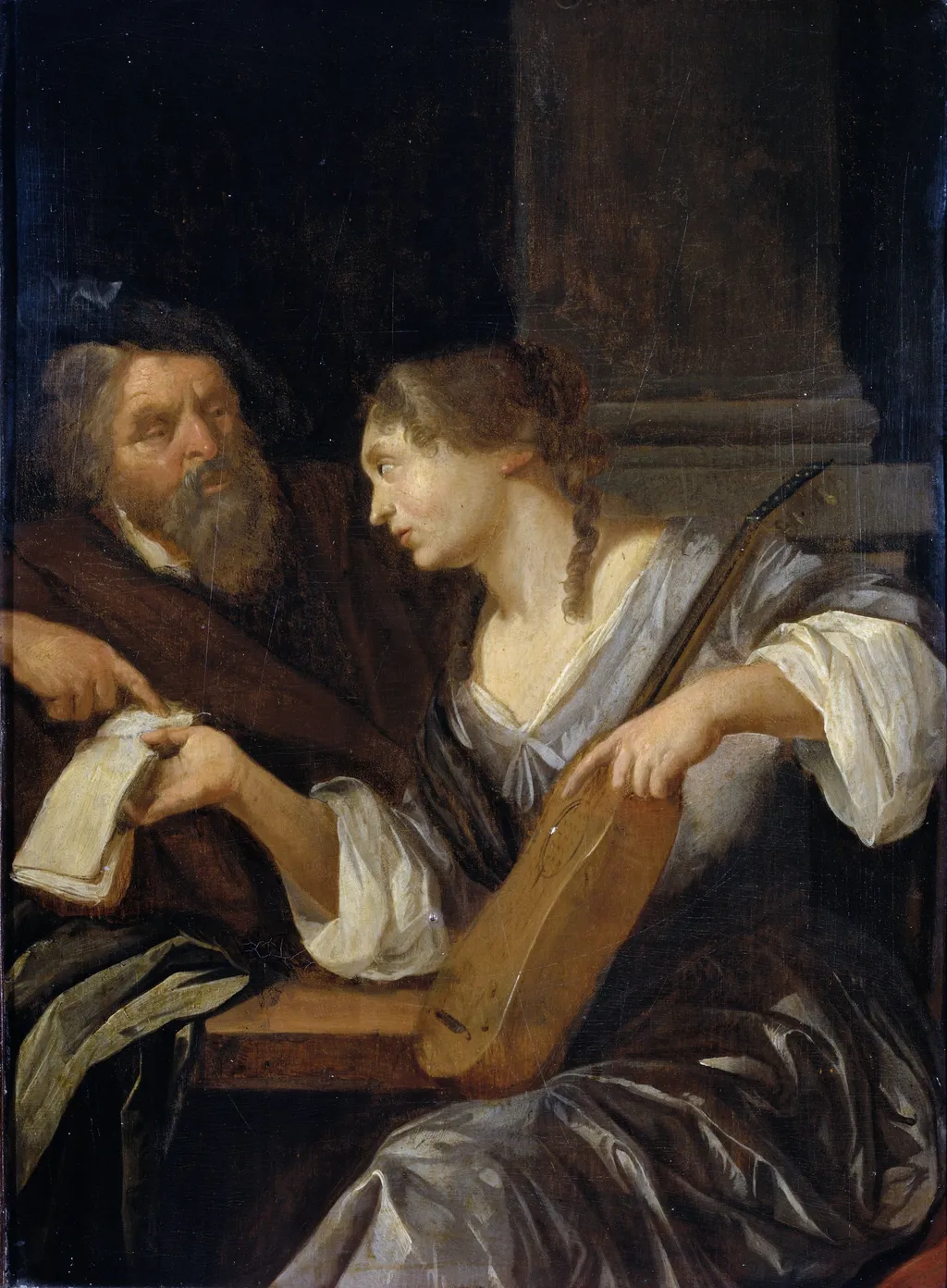
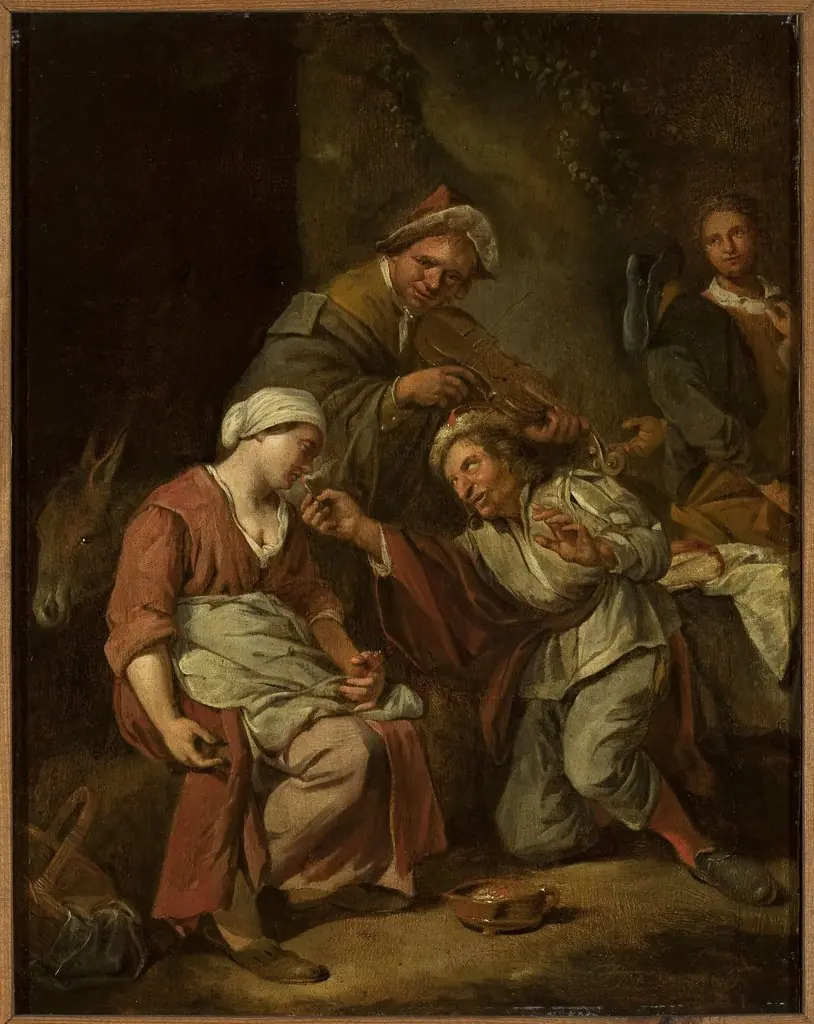
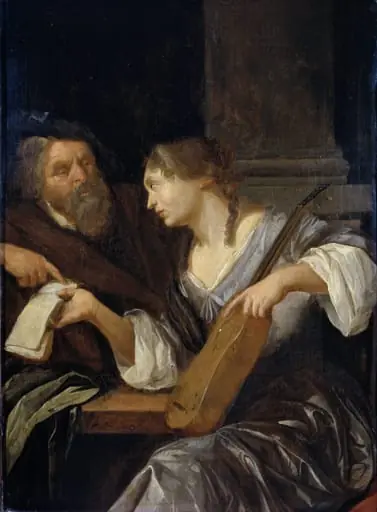
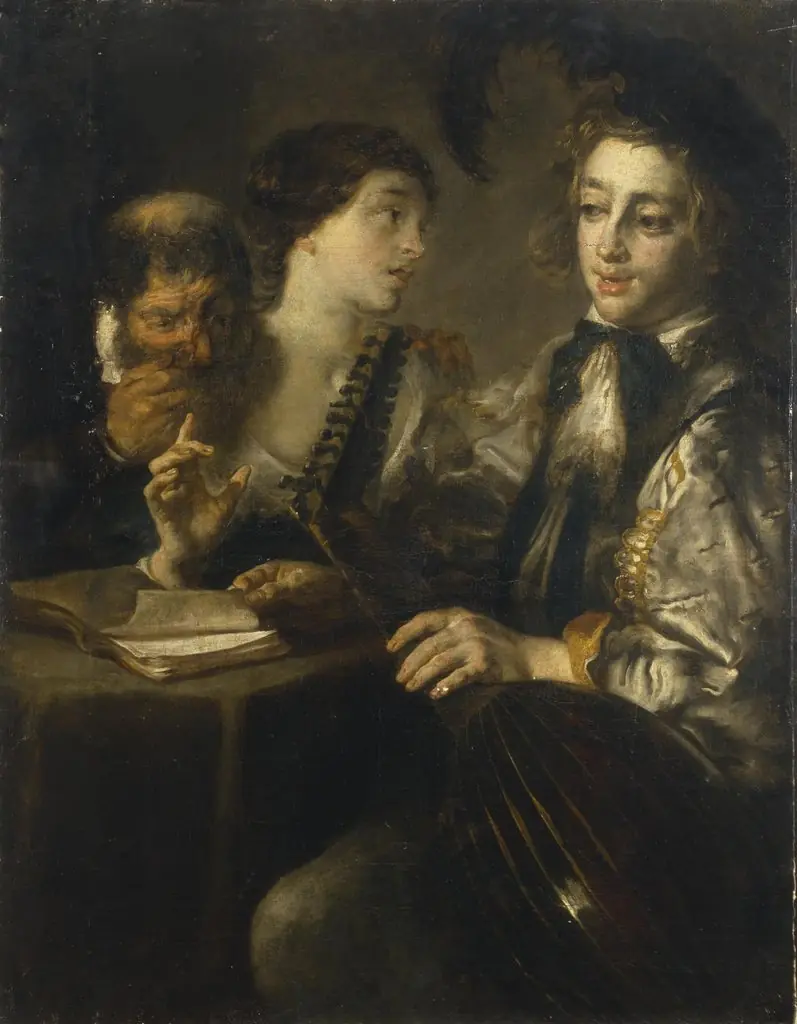
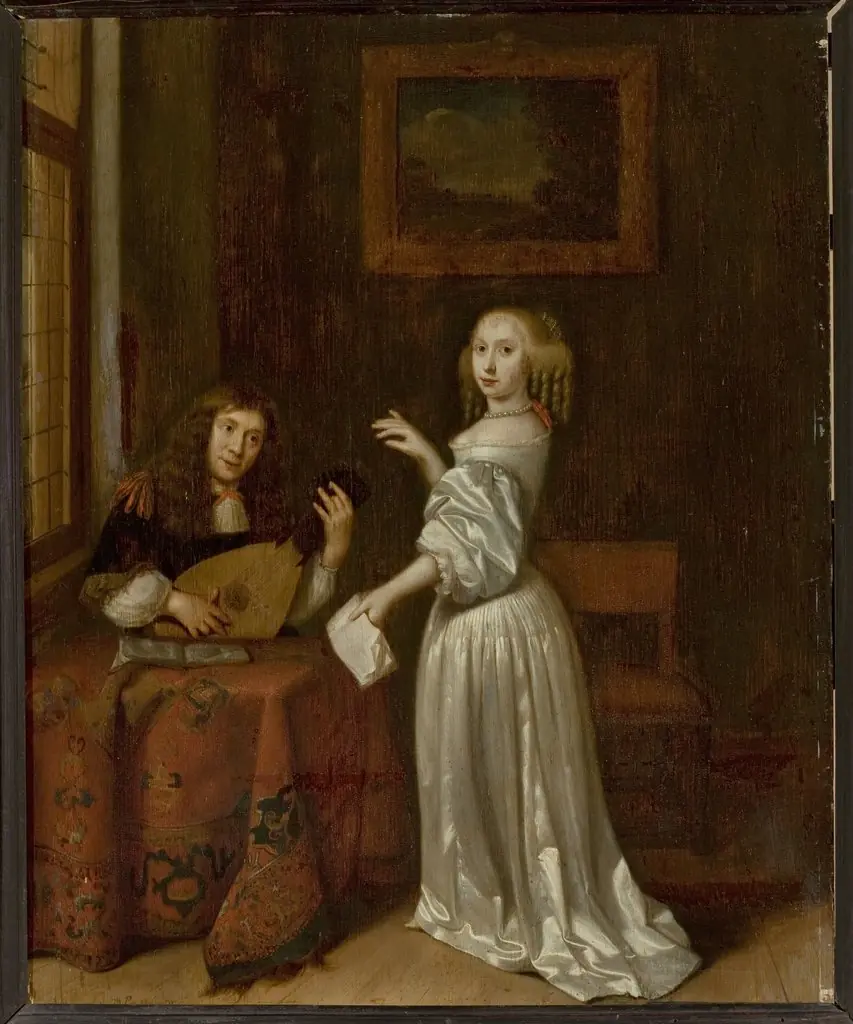
The music lesson is an oil painting by the Dutch Golden Age artist Jacob Toorenvliet. It dates from 1675 and is held in the collection of the Rijksmuseum.
About this work
Subject & Meaning
The work thus represents broader cultural narratives about education, gender, and artistic accomplishment within the Dutch Golden Age household.
The painting depicts a young woman receiving a music lesson from an older female instructor seated at a virginal. The composition centers on the transmission of musical knowledge between generations, emphasizing the social and educational roles of women in 17th-century Dutch domestic life. Symbolic elements such as the virginal and the act of music-making reflect contemporary associations of music with refinement, moral instruction, and elite domesticity.
The work thus represents broader cultural narratives about education, gender, and artistic accomplishment within the Dutch Golden Age household.
The scene captures a moment of intimate instruction, where the teacher guides the pupil’s hand toward the keys, suggesting both pedagogical guidance and the transmission of cultural capital. This interaction underscores the importance of music as a marker of refinement among the affluent classes, while also hinting at the subtle power dynamics embedded in domestic education.
Technique & Style
The work is executed in oil paint on a wooden panel, measuring 27 cm in height by 20 cm in width. Jacob Toorenvliet applied the medium with naturalistic handling that emphasizes subtle tonal transitions and precise rendering of light across the figures and instruments. The composition balances intimate interior space with careful attention to the textures of fabric, wood, and varnish, reflecting a refined Baroque genre scene. These formal qualities contribute to the painting’s overall sense of quiet domesticity and painterly delicacy.
History & Provenance
The work titled The music lesson was created in 1675 by Jacob Toorenvliet as an oil painting. It entered the collection of Gijsbert de Clercq before being acquired by the Rijksmuseum, where it remains on display.
The painting measures 27 cm in height and 20 cm in width, and was executed on panel using oil paint.
The painting is held in the collection of the Rijksmuseum in Amsterdam. It is associated with the former ownership of Gijsbert de Clercq, a collector whose holdings were transferred to the museum. The work is executed in oil on panel and measures 27 by 20 cm.
No specific exhibition history is recorded in the available sources for this work.
Context
Jacob Toorenvliet's 1675 painting The music lesson resides in the Rijksmuseum collection in Amsterdam, where it has been part of the museum's holdings since being acquired from Gijsbert de Clercq. The work exemplifies Dutch Golden Age genre painting, depicting a young woman engaged in music-making amidst domestic interior details characteristic of Toorenvliet's style. Art historians situate the painting within Toorenvliet's broader oeuvre of interior scenes, noting his specialization in intimate domestic genre subjects during the late 17th century.
The painting's composition and execution reflect the artistic conventions of Dutch interior painting in the 1670s, particularly the emphasis on quiet domestic activities and material textures rendered in oil on panel.
Legacy
Jacob Toorenvliet's 1675 painting The music lesson entered the collection of Gijsbert de Clercq before entering the Rijksmuseum, where it remains on view. The work's compositional handling of domestic music-making influenced later Dutch interior painters of the 18th century, particularly in their treatment of interior genre scenes with musical instruments.
Overview
Jacob Toorenvliet’s oil painting The Music Lesson, executed in 1675, presents a quiet interior scene that now belongs to the Rijksmuseum’s collection. The work captures a moment of private instruction, rendered with a restrained palette and careful attention to the interplay of light and shadow, characteristic of late‑seventeenth‑century Dutch genre painting.
Own this work as a print
Artist & collection