Artwork
King Charles I of England
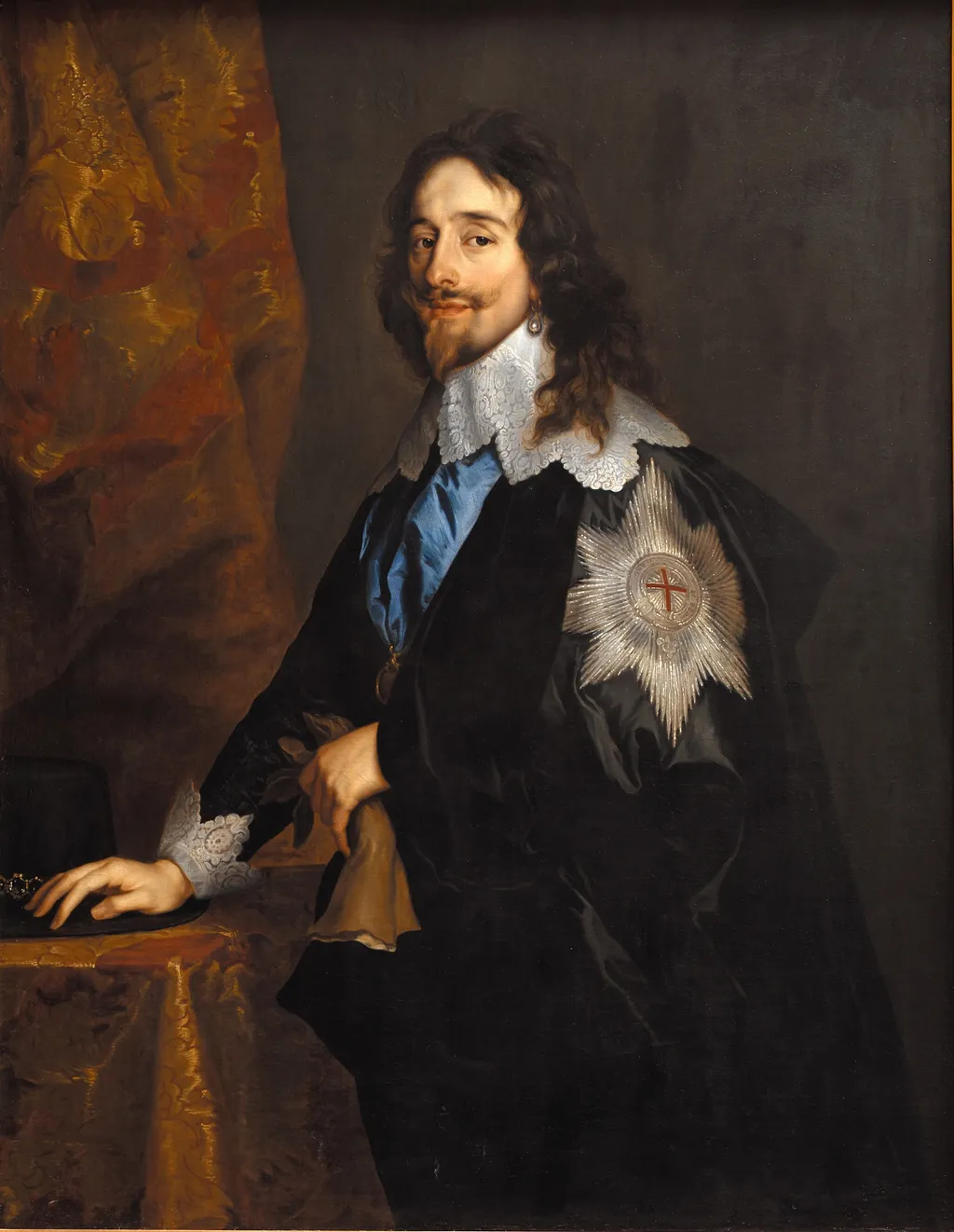
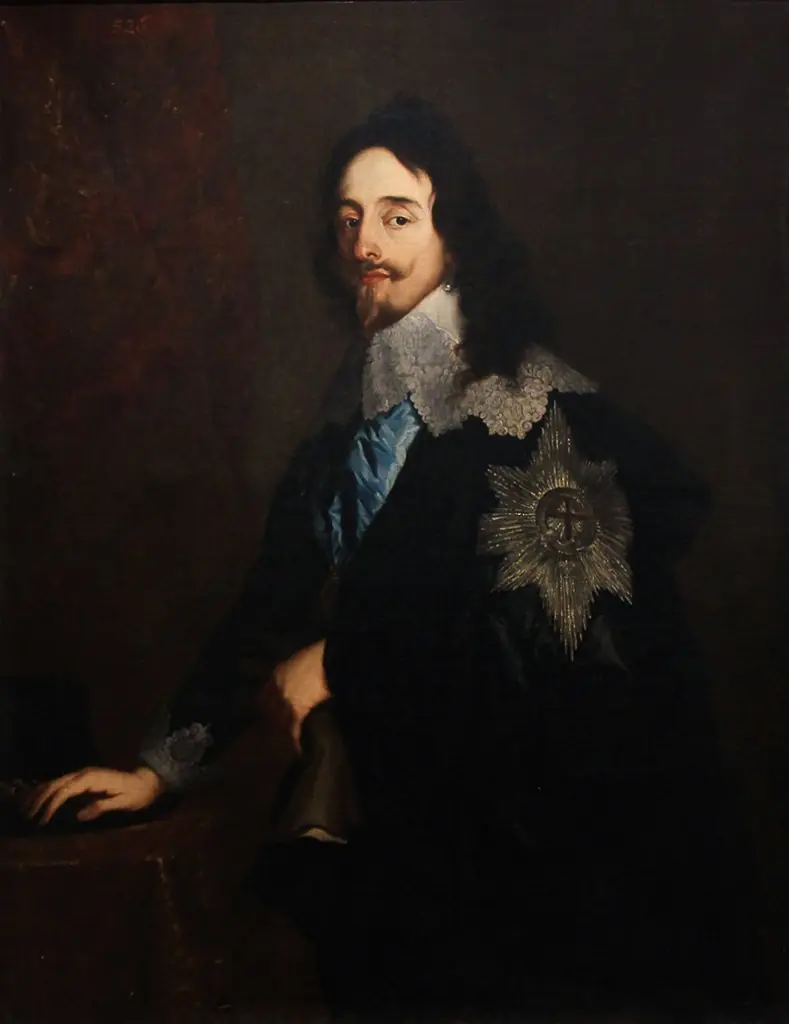
King Charles I of England is an oil painting by Anthony van Dyck. It dates from 1627 and is held in the collection of the Statens Museum for Kunst.
About this work
Subject & Meaning
Most notably, the King is shown wearing the insignia of the Order of the Garter, a symbol of high chivalric honor and royal authority.
This 1627 oil painting by Anthony van Dyck depicts King Charles I of England as its central subject. The work functions as a formal royal portrait, emphasizing the monarch's status through specific iconographic elements. Most notably, the King is shown wearing the insignia of the Order of the Garter, a symbol of high chivalric honor and royal authority.
By combining the likeness of the sovereign with the emblems of this prestigious order, the artwork represents the dual nature of Charles's power as both a political ruler and the head of England's highest order of knighthood. The composition serves to visually legitimize and elevate his reign through these established symbols of prestige.
Technique & Style
Created in 1627, this portrait of King Charles I is executed in oil paint on a canvas support. The work is classified as a portrait within the genre of royal depiction, capturing the monarch as a member of the Order of the Garter. As a painting by Anthony van Dyck, the piece utilizes the artist's characteristic handling of oil media to render the formal likeness of the English king.
History & Provenance
The portrait of King Charles I of England was created by Anthony van Dyck in 1627, executed in oil paint on canvas. It depicts Charles I of England wearing the Order of the Garter. The work is based on an earlier portrait of the king, also with the Order of the Garter. The painting is held in the collection of the Statens Museum for Kunst, where it remains located.
No further details regarding the original commission, the chain of ownership prior to the museum's acquisition, or the circumstances of its creation are documented in the available sources.
The painting is held by the Statens Museum for Kunst in Denmark, which is listed as both its collection and its location. Created by Anthony van Dyck in 1627, it is an oil-on-canvas portrait depicting Charles I of England wearing the Order of the Garter. No specific inventory or accession number is recorded in the available sources, and the documentation does not detail an exhibition history for the work.
Context
Anthony van Dyck’s King Charles I of England (1627) solidified his reputation as the preeminent portraitist of the Stuart court, marking a pivotal shift in British royal imagery. Scholars highlight the painting’s role in establishing the visual language of divine-right monarchy, blending aristocratic elegance with regal authority. Van Dyck’s Flemish training under Rubens is evident in the work’s dynamic composition and luminous palette, yet his adaptation of English courtly ideals, such as the restrained grandeur of Charles I’s pose, distinguished his approach from Continental precedents.
The portrait’s critical reception has centered on its dual function as both a personal likeness and a political statement. Contemporaries praised its ability to convey the king’s dual identity as a sovereign and a knight of the Order of the Garter, a motif that reinforced his legitimacy during a period of mounting tensions. Later art historians, including those analyzing the work’s prominence in the Statens Museum for Kunst, emphasize its influence on subsequent British portraiture, particularly in the idealized representations of the monarchy that persisted into the 18th century.
Legacy
Van Dyck's 1627 portrait of King Charles I established a visual archetype of royal authority that resonated through later British portraiture. The painting's composition and regal symbolism, particularly the inclusion of the Order of the Garter, informed the representation of monarchy in 18th-century state portraiture, shaping expectations of sovereign imagery. Its presence in the Statens Museum for Kunst collection underscores its enduring institutional recognition as a reference point for aristocratic representation.
Overview
Anthony van Dyck’s 1627 oil portrait presents King Charles I of England in formal dress, prominently displaying the insignia of the Order of the Garter. The work reflects the Flemish Baroque painter’s role as a leading court artist after his successes in the Spanish Netherlands and Italy. It is part of the collection of Denmark’s Statens Museum for Kunst.
Own this work as a print
Artist & collection
Artist
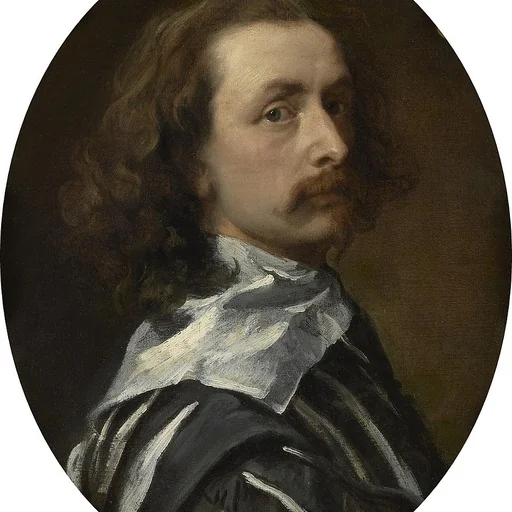
Sir Anthony van Dyck (; Dutch: Antoon van Dijck; 22 March 1599 – 9 December 1641) was a Flemish Baroque artist, who became the leading court painter in England after success in the Spanish Netherlands and Italy.

 Portrait of Charles I of England
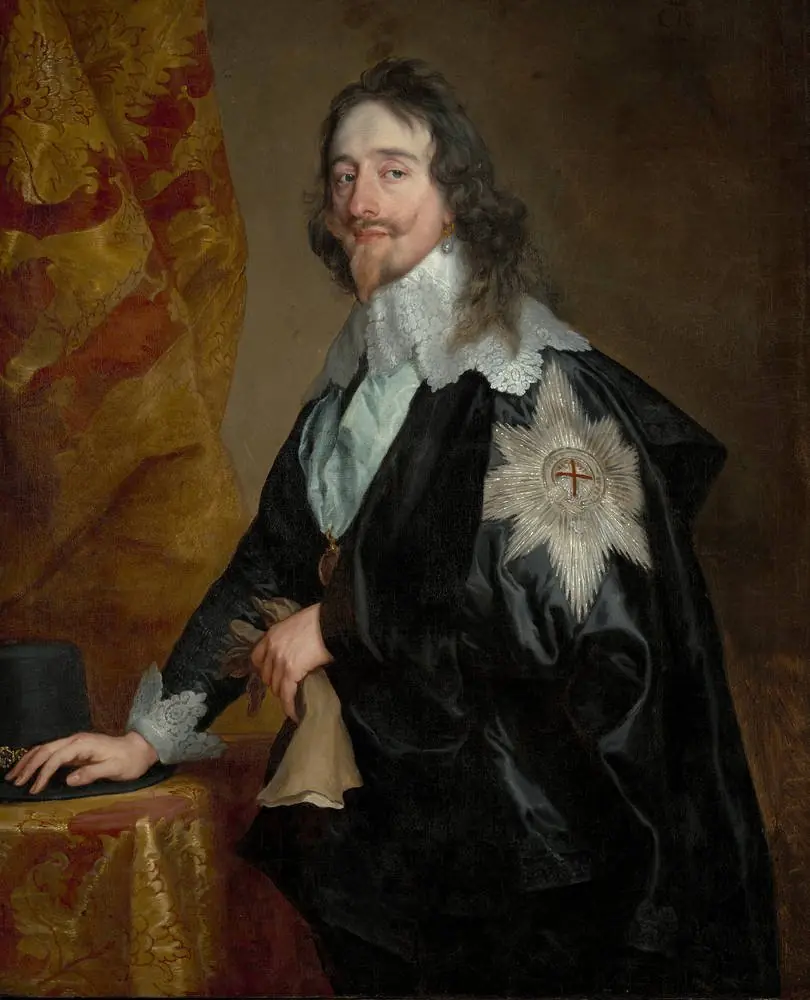 Portrait of King Charles I (1600-1649), with the Order of the Garter
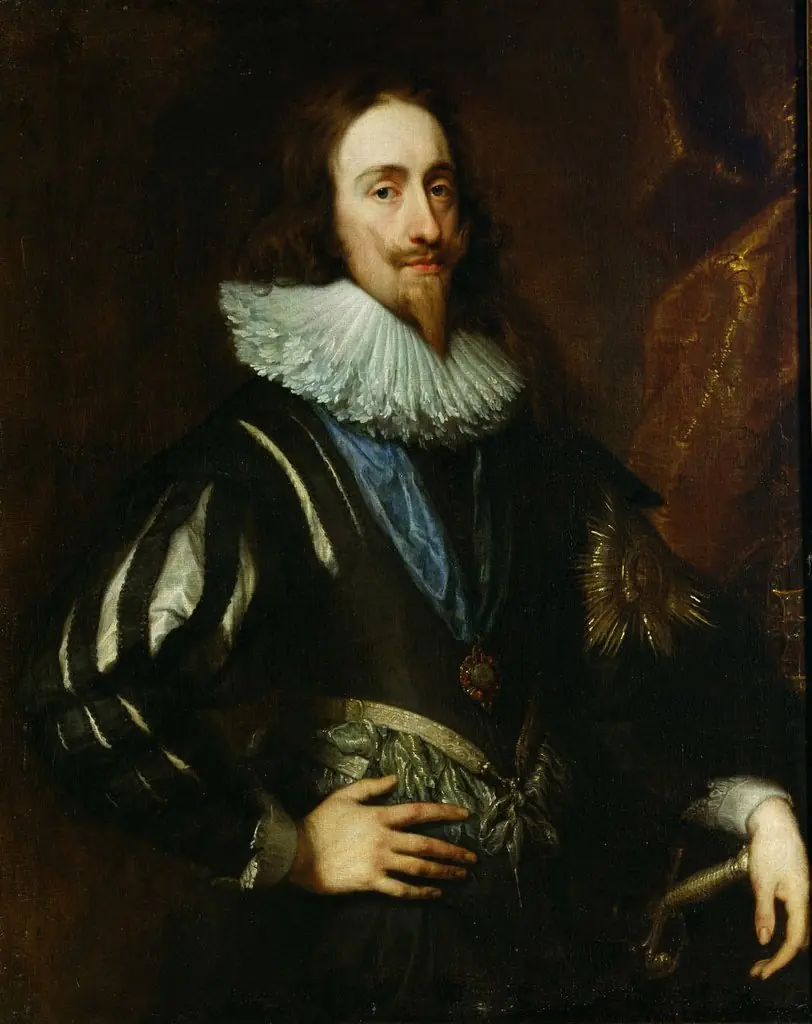 King Charles I of England (1600-1649), three-quarter portrait
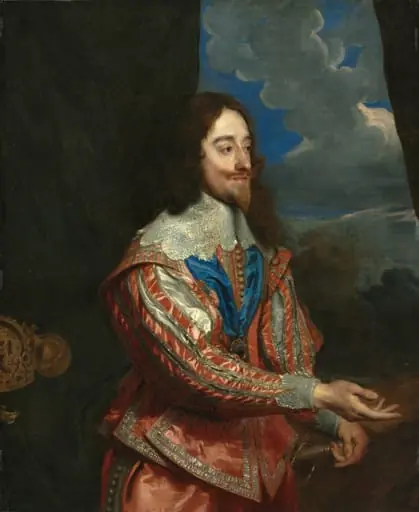 Portrait of Charles I (1600–1649)
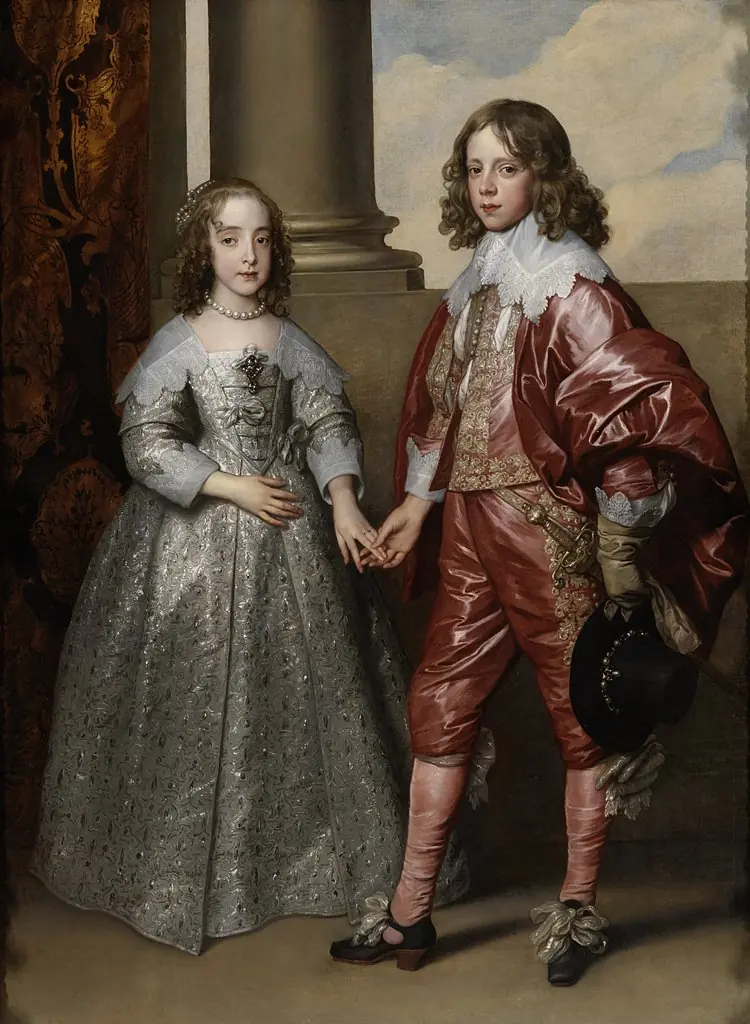
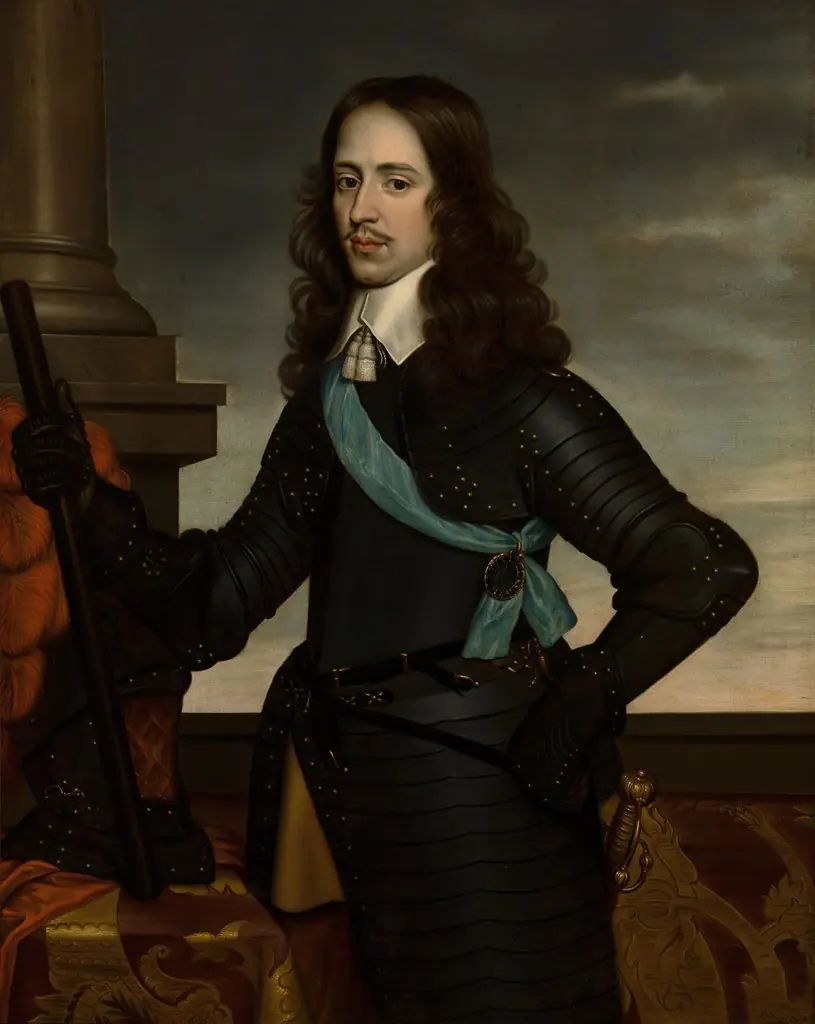 Portrait of Prince Willem II (1626-1650)
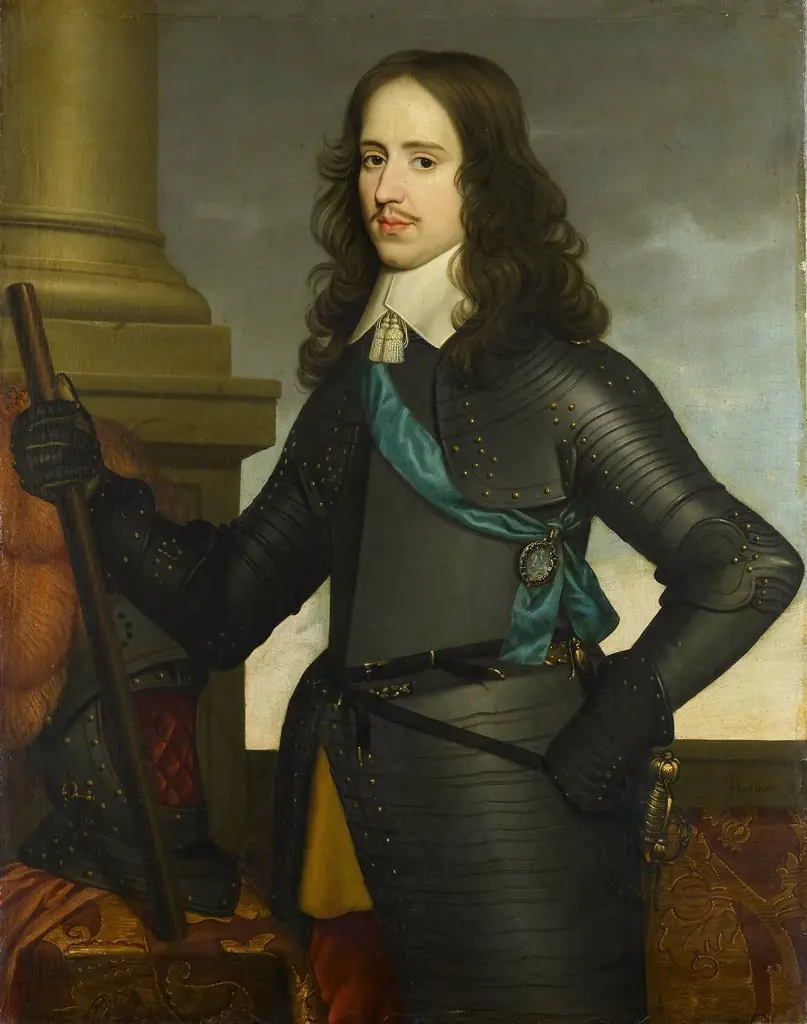 Portrait of Willem II (1626-50), Prince of Orange
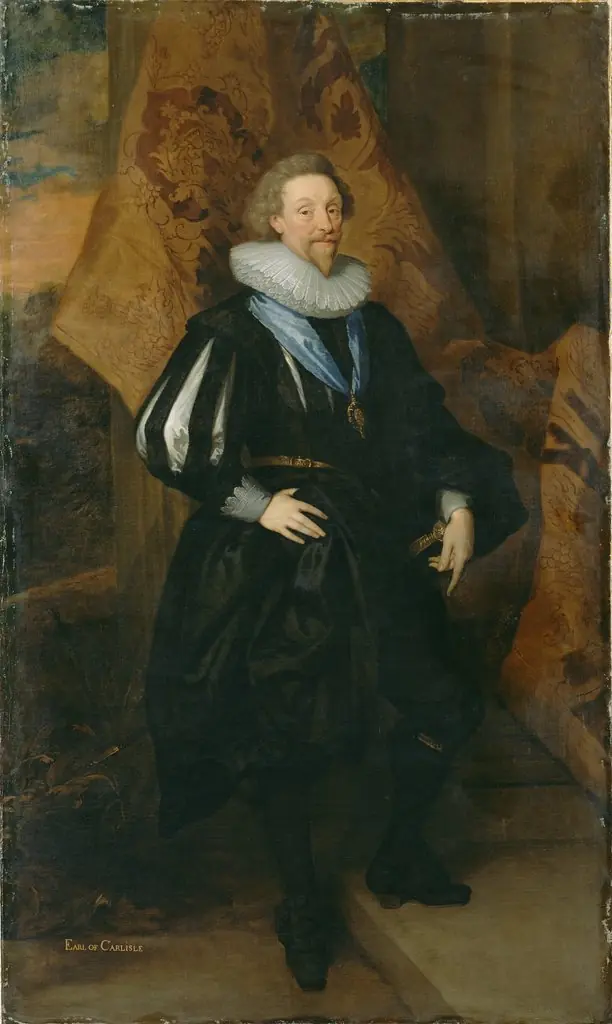 Portrait of James Hay, 1st Earl of Carlisle