Artwork
View of Haarlem from the Northwest, with the Bleaching Fields in the Foreground
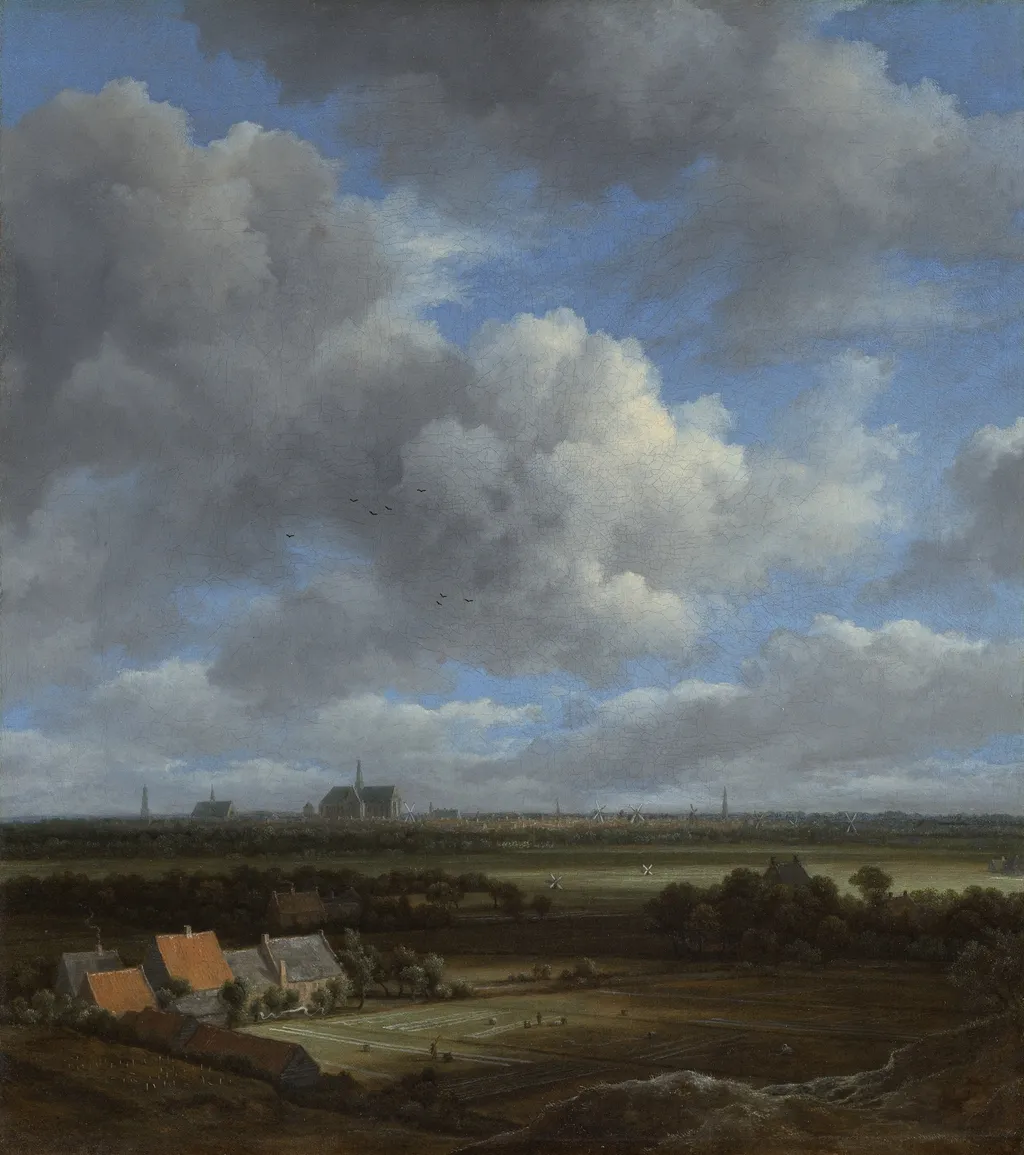
View of Haarlem from the Northwest, with the Bleaching Fields in the Foreground is an oil painting by the Dutch Golden Age artist Jacob van Ruisdael. It dates from 1666 and is held in the collection of the Rijksmuseum.
About this work
Jacob van Ruisdael painted View of Haarlem from the Northwest, with the Bleaching Fields in the Foreground in 1666. It’s an oil on canvas work that shows a Dutch city scene from a distance. The painting is part of the Dutch Golden Age tradition and now belongs to a major national collection. If you’re curious about where it lives, check out the Rijksmuseum.
Subject & Meaning
The bleaching fields are not merely topographical detail but a reference to Haarlem's linen industry, which relied on the pure water of the surrounding dunes.
The painting presents a panoramic view of Haarlem seen from a high dune near Overveen, a vantage point Ruisdael used in several other Haarlem landscapes. The composition belongs to a category of small Haarlem panoramas known as Haerlempjes, which influenced later Dutch landscape painters. In the foreground, long strips of linen are spread across the meadow to bleach in the sun, while a row of red-tiled gabled cottages stands to the left.
The skyline of Haarlem rises in the background, with the tower of the Sint-Bavokerk (Grote Kerk) visible on the horizon beneath a sky of high clouds that occupies roughly two-thirds of the picture.
The bleaching fields are not merely topographical detail but a reference to Haarlem's linen industry, which relied on the pure water of the surrounding dunes. The interplay of sunlight and the shadow of a passing cloud across the linen and rooftops emphasizes the working landscape and the changing Dutch weather, themes characteristic of Ruisdael's Haarlem views.
Technique & Style
Created in 1666, this work is executed in oil paint on a canvas support. The painting measures approximately 43 cm in height and 38 cm in width. Stylistically, it exemplifies the Dutch Golden Age landscape tradition, specifically the "Haerlempjes" genre depicting views of Haarlem.
The composition is dominated by a vast sky that occupies roughly two-thirds of the visual field, with high clouds that create contrasts of light and shadow across the scene. The artist employs a high vantage point from the dunes near Overveen to frame the flat foreground, where bleaching linen is illuminated by sunlight while adjacent areas remain in the shadow of passing clouds. The handling of light highlights the red-tiled roofs and the Sint-Bavokerk tower on the horizon.
History & Provenance
Created by Jacob van Ruisdael in 1666, this oil-on-canvas painting was in the collection of Baron van Nagell van Ampsen in The Hague by 1842. It was sold at auction in The Hague on 5 September 1851 (lot 54, 1,750 florins, through Roos) to L. Dupper of Amsterdam. Dupper bequeathed the painting to the Rijksmuseum in 1870, where it entered the permanent collection and was cataloged in the 1910 inventory as part of the Dupper bequest.
The painting is held in the Rijksmuseum in Amsterdam, where it is displayed in the Gallery of Honour. Its inventory number is SK-A-351, recorded as catalogue number 2071 in the 1910 Rijksmuseum catalogue. Documented exhibitions include Europeana 280 and the themed presentation "Blik op Haarlem," both hosted through the Rijksmuseum's programming.
Context
View of Haarlem from the Northwest, with the Bleaching Fields in the Foreground (1666) is an oil on canvas landscape by Jacob van Ruisdael, exemplifying Dutch Golden Age panorama painting. The work, classified as a Haerlempje, depicts the city's skyline, including the Sint-Bavokerk, against an expansive bleaching field where linen is spread, viewed from a dune near Overveen. It entered the Rijksmuseum after being owned by Leendert Dupper, who bequeathed it in 1870, and has been shown in exhibitions such as Europeana 280 and Blik op Haarlem.
Hofstede de Groot's 1911 catalogue entry records its composition and provenance, and it is regarded as a key influence on subsequent Dutch landscape artists.
Legacy
This work belongs to a series of panorama paintings, often termed Haerlempjes, which Jacob van Ruisdael produced depicting Haarlem from a high dune perspective. These compositions established a visual template that served as inspiration for later landscape painters. The painting's provenance was recorded by Cornelis Hofstede de Groot in his 1911 catalogue, which traced it from the collection of Baron van Nagell van Ampsen to its bequest by Leendert Dupper to the Rijksmuseum.
Today the work remains a prominent example of Dutch Golden Age landscape painting within the museum's Gallery of Honour.
Overview
Jacob van Ruisdael's 1666 oil on canvas painting, View of Haarlem from the Northwest, with the Bleaching Fields in the Foreground, exemplifies Dutch Golden Age landscape art. This work captures a distant urban scene, characteristic of the era's focus on local topography and daily life. The painting is now held in the collection of the Rijksmuseum in Amsterdam, where it represents a significant contribution to the museum's holdings of 17th-century Dutch art.
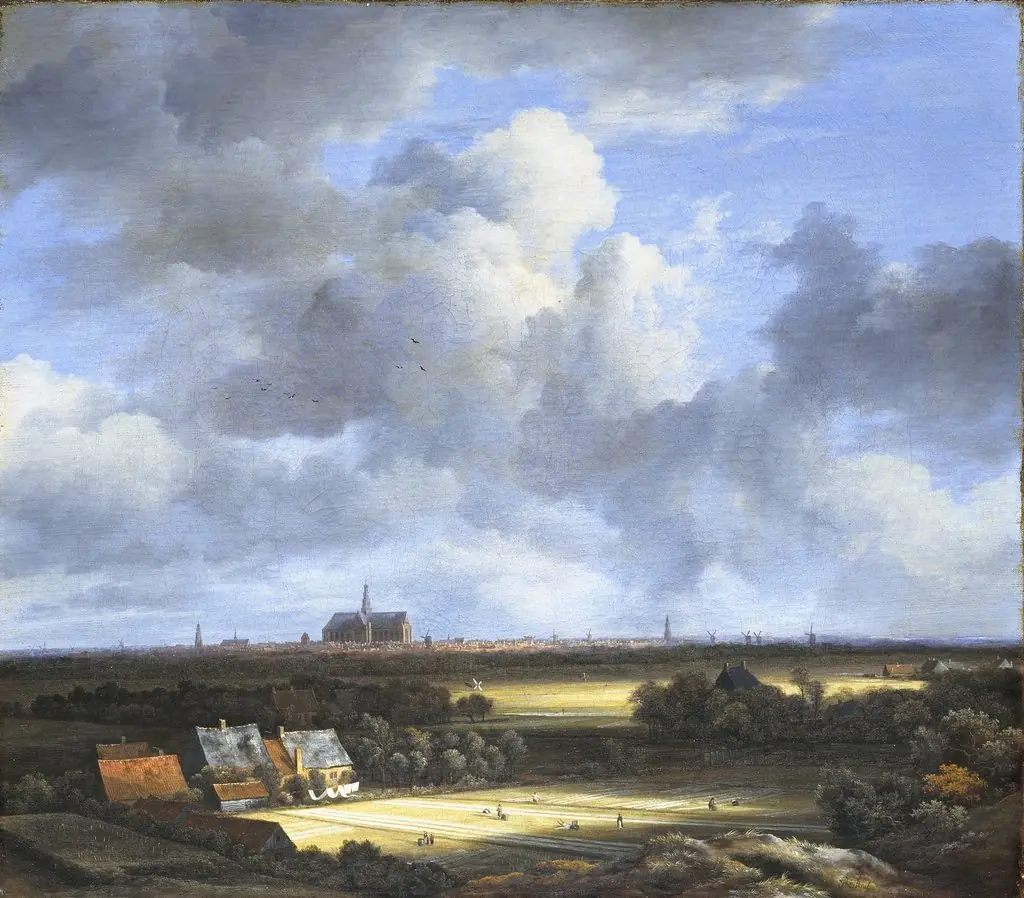
Own this work as a print
Artist & collection
Artist
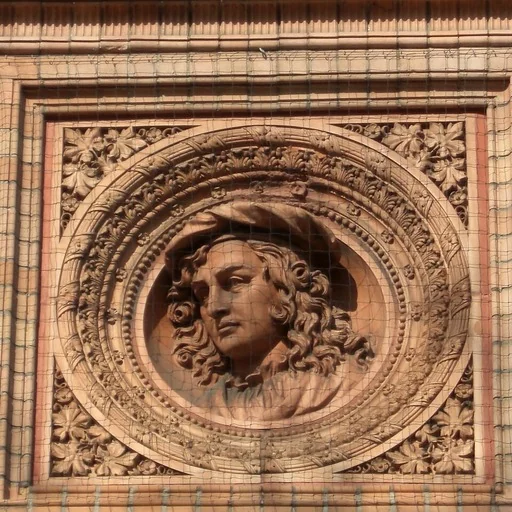
Jacob Isaackszoon van Ruisdael was a Dutch painter, draughtsman, and etcher. He is generally considered the pre-eminent landscape painter of the Dutch Golden Age, a period of great wealth and cultural achievement when…

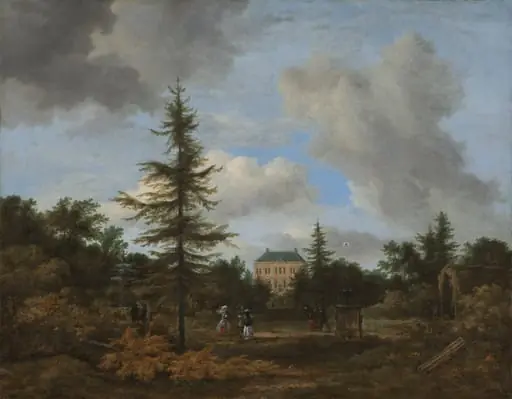
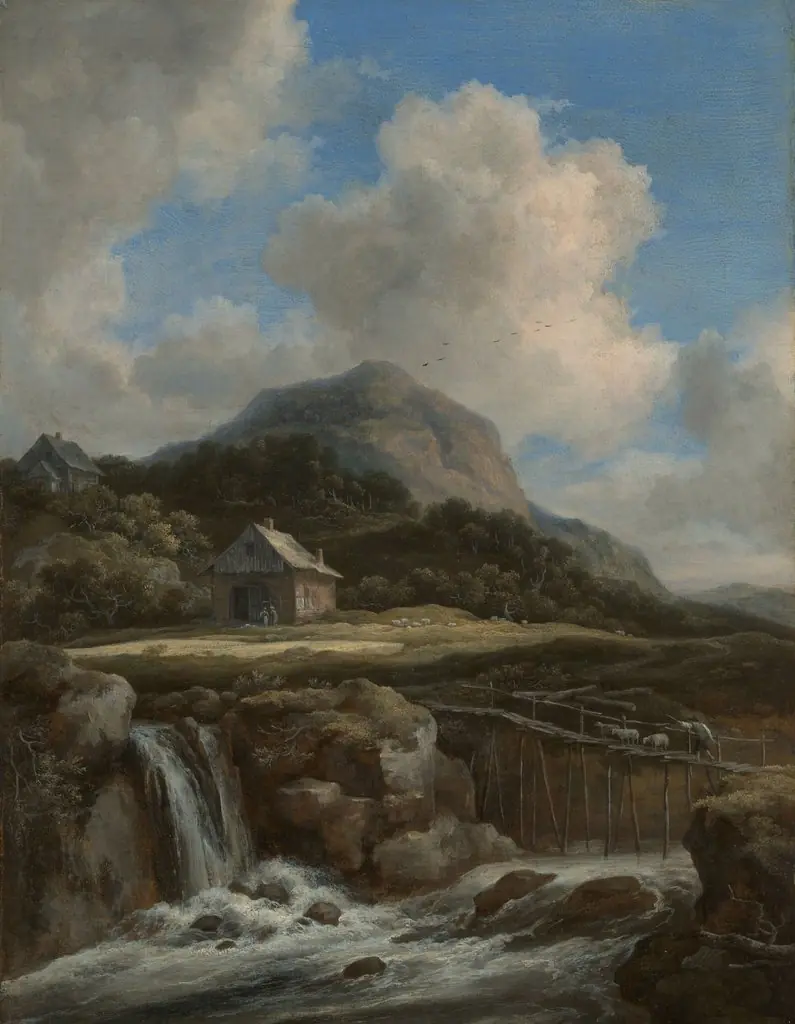
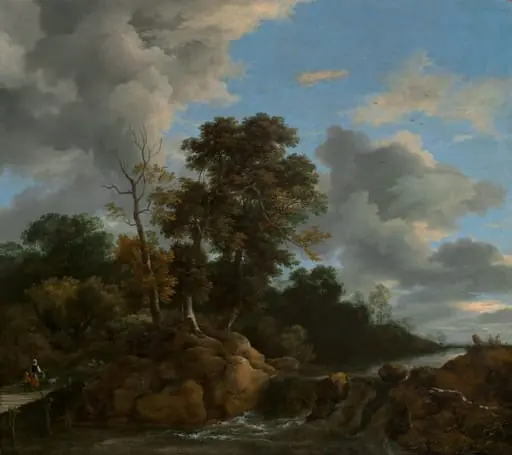
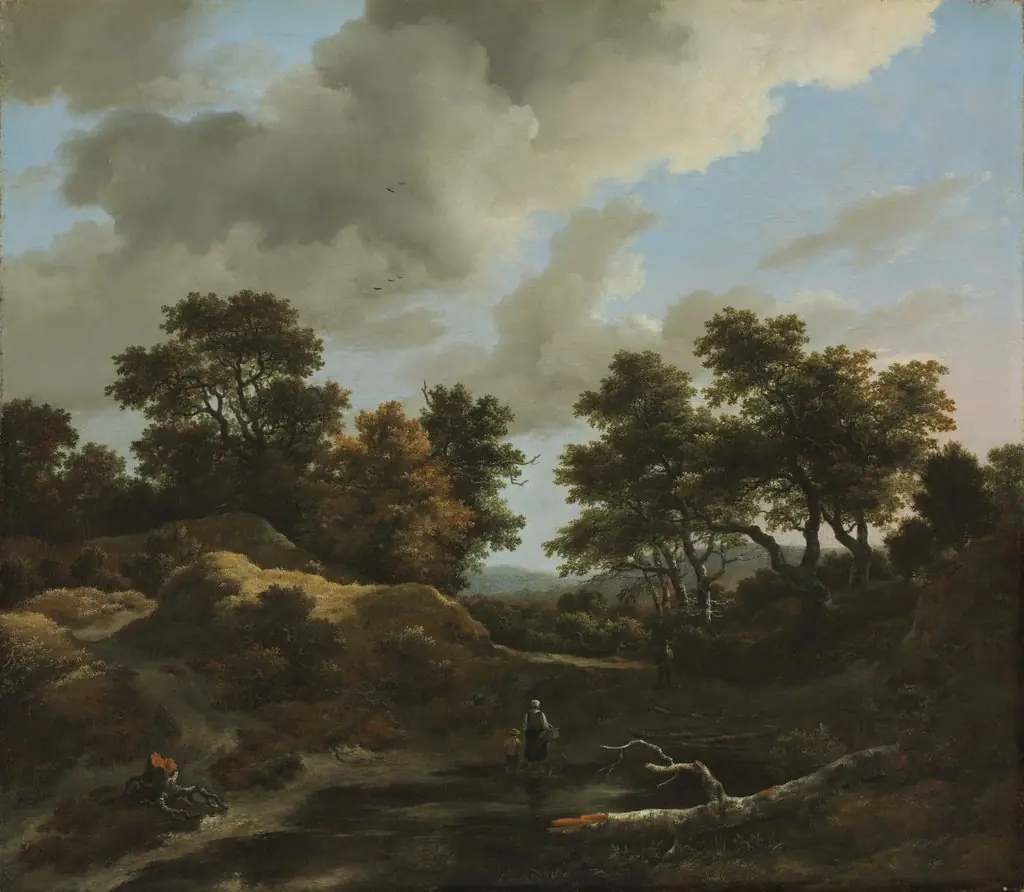
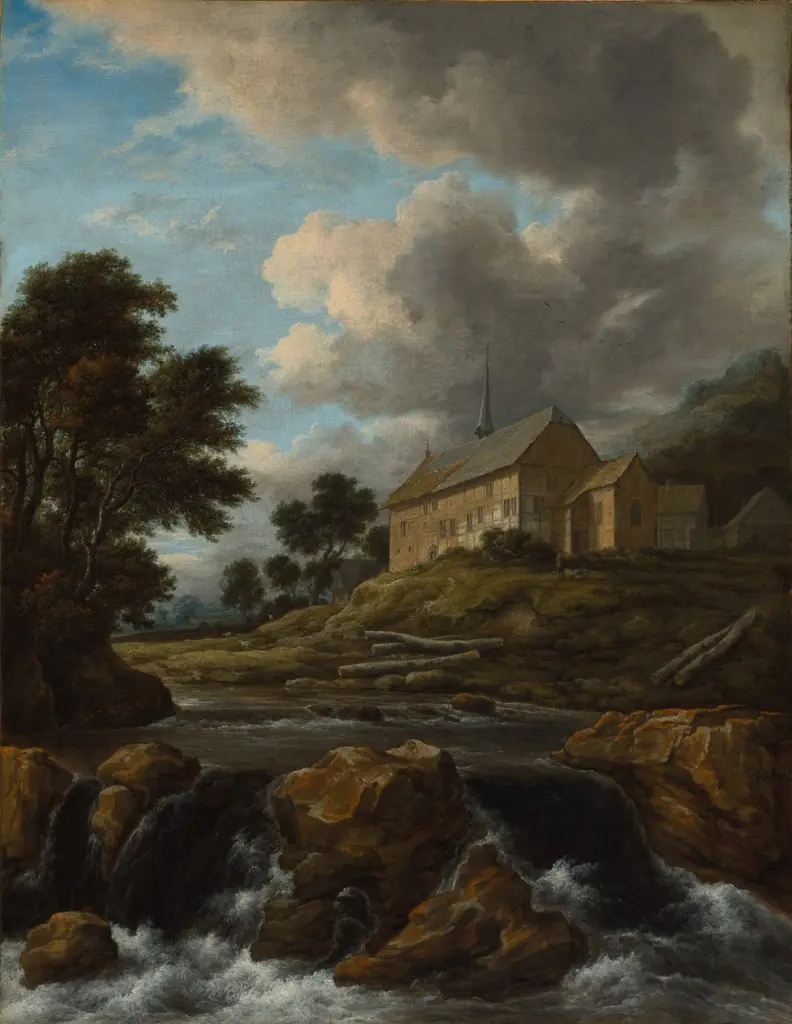
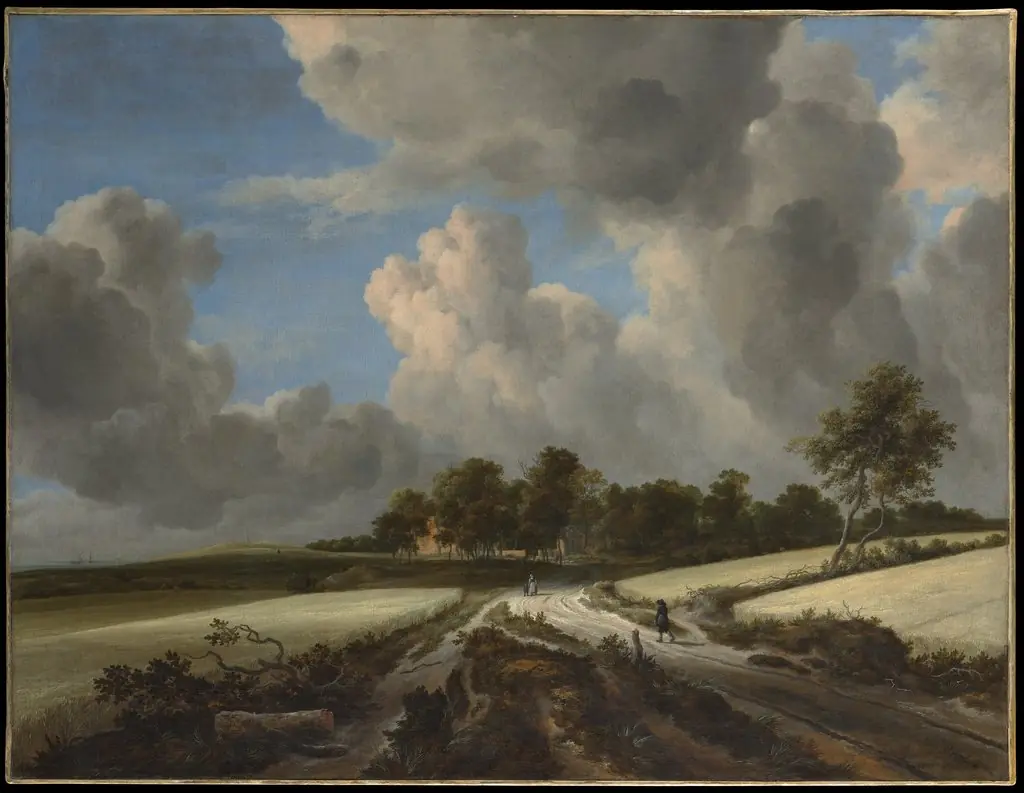
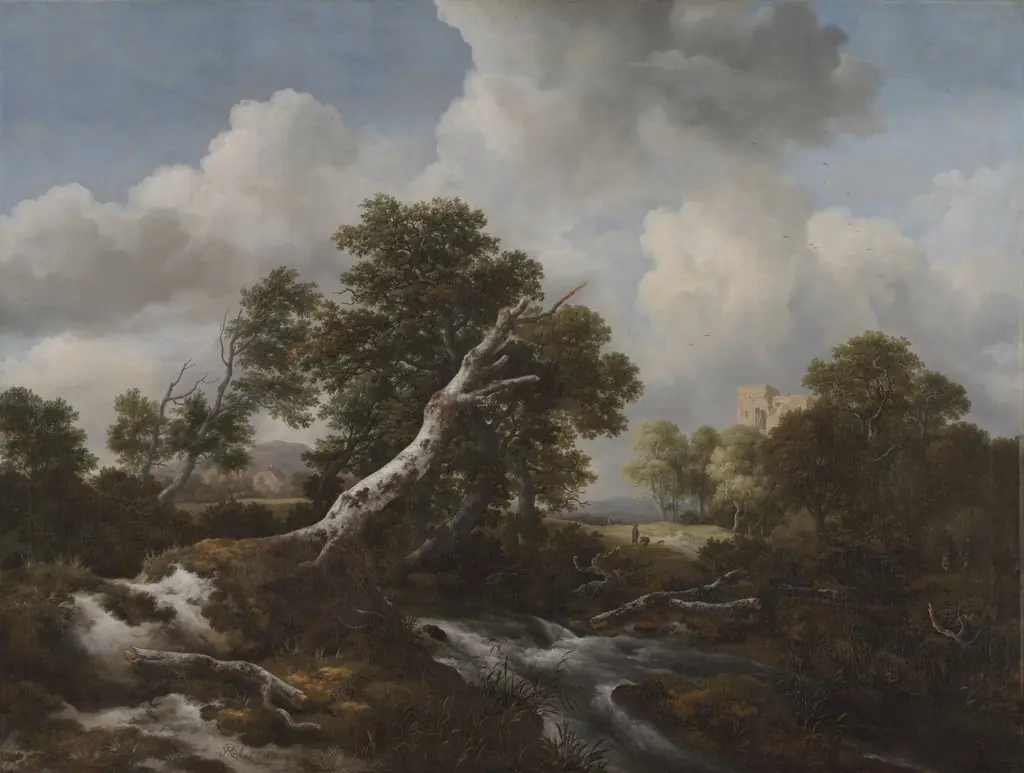
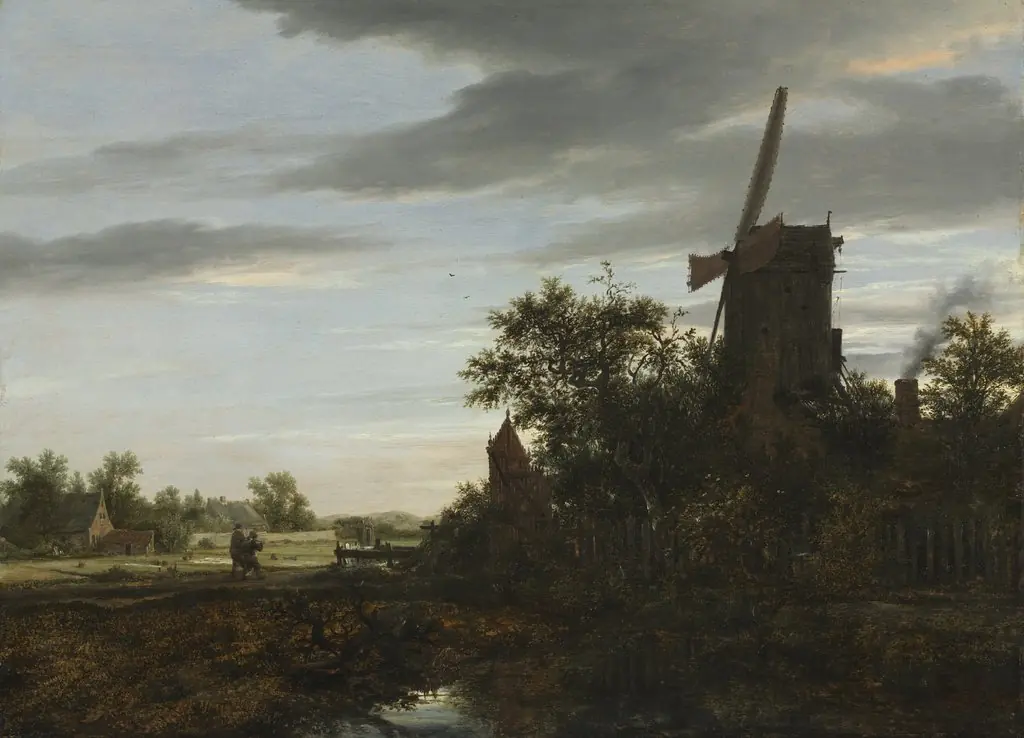
- View of bleaching fields and Haarlem
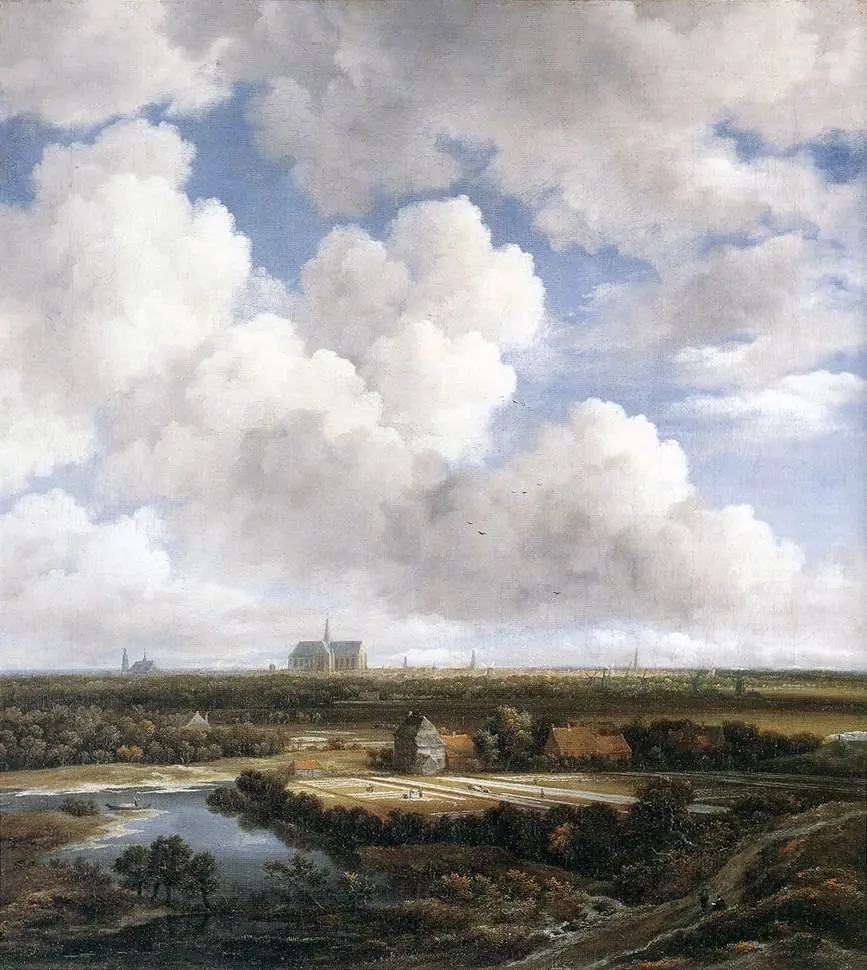 View of Haarlem with Bleaching Fields
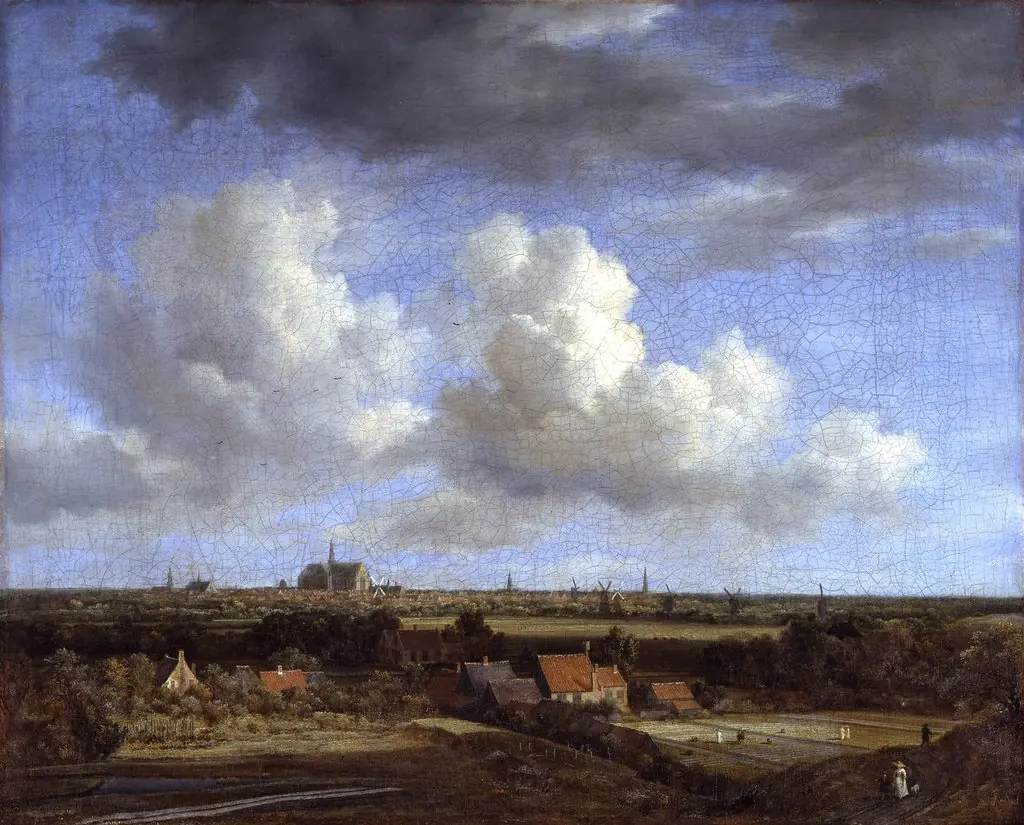 View of Haarlem from the Northwest
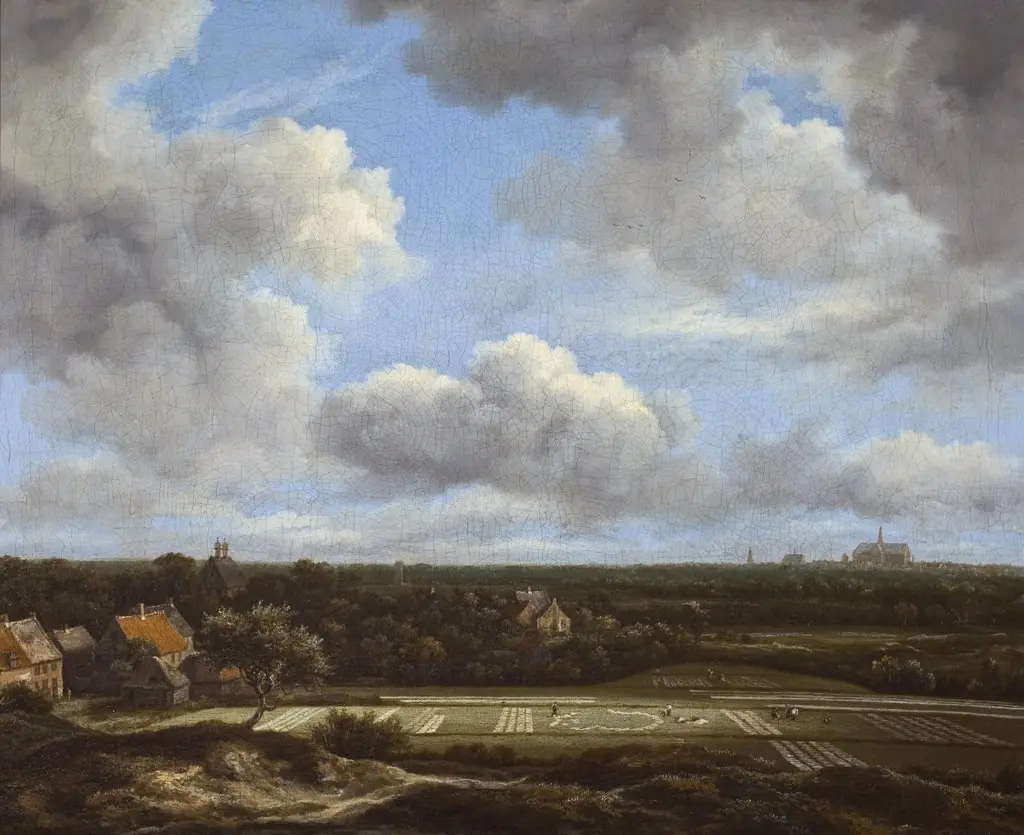 View of the Plain of Haarlem with Bleaching Grounds
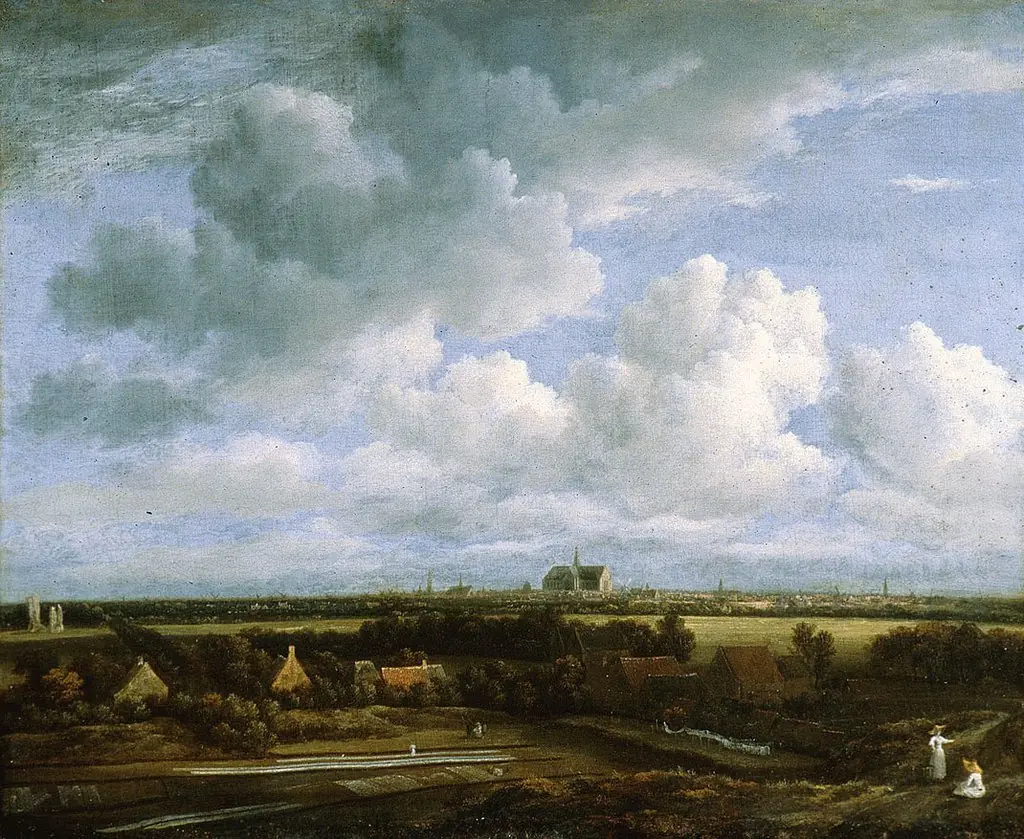 The Bleaching Grounds near Haarlem
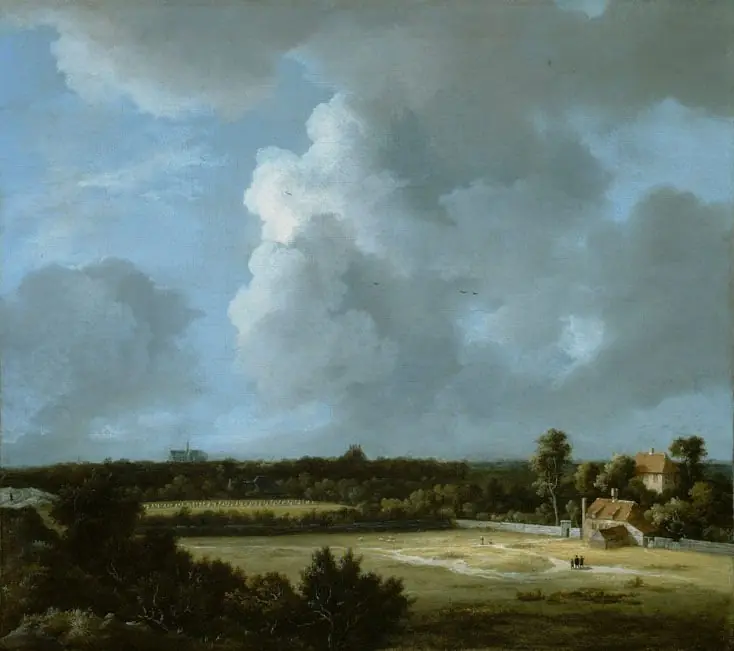 View of Haarlem
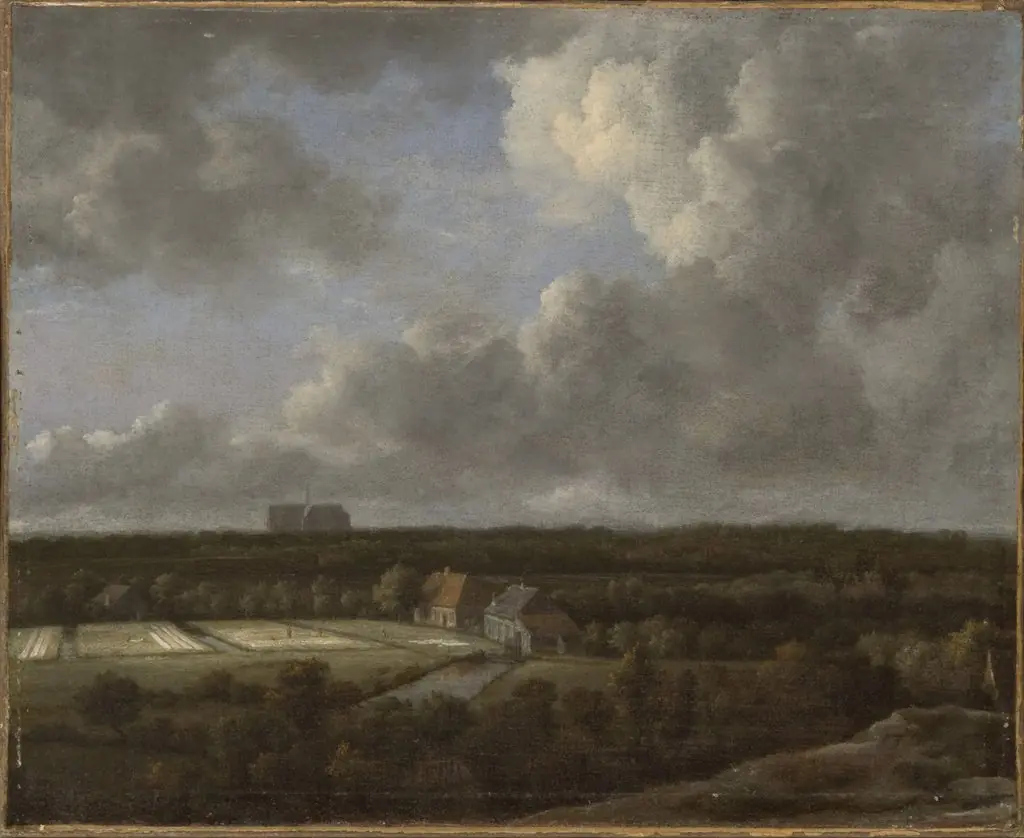 Bleaching Fields to the North-Northeast of Haarlem
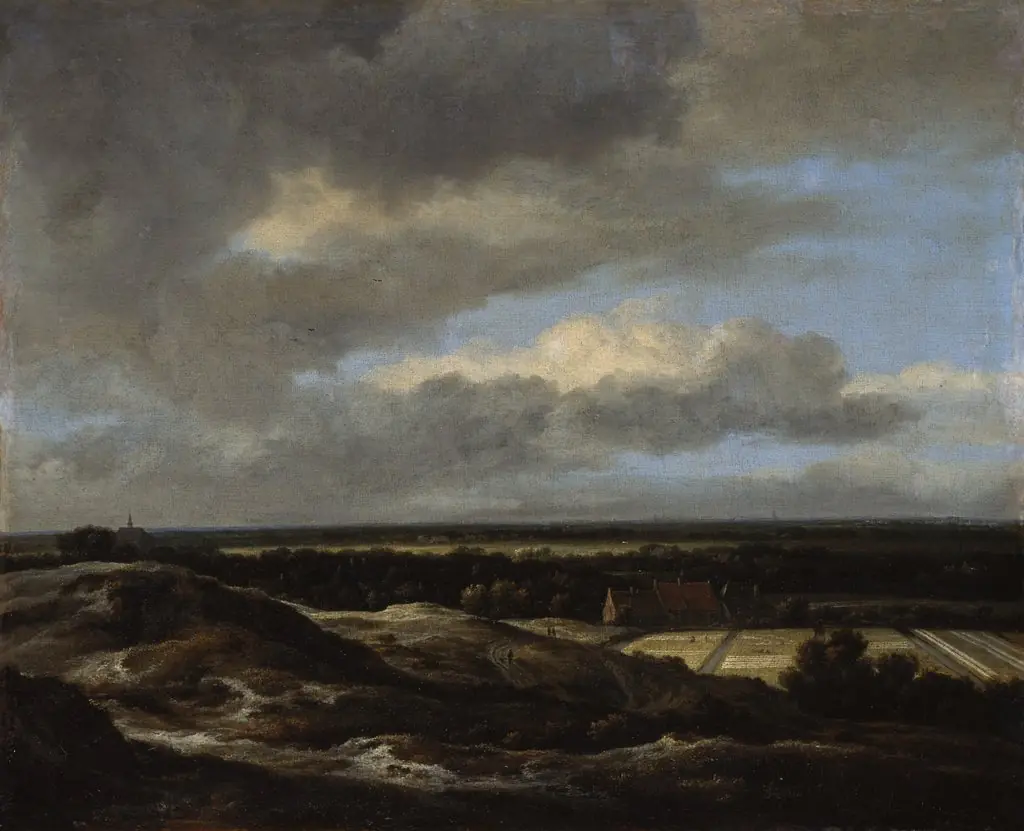 Dunes and bleaching fields
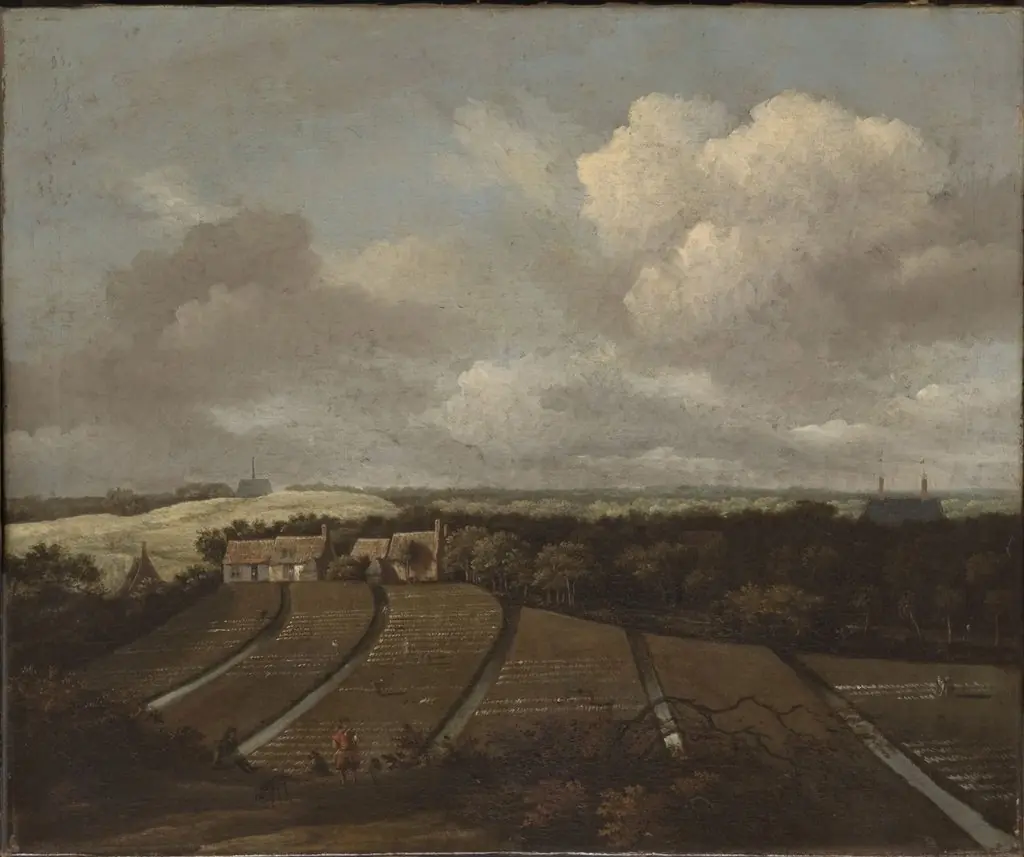 Dunes near Haarlem