Artwork
View of Haarlem with Bleaching Fields
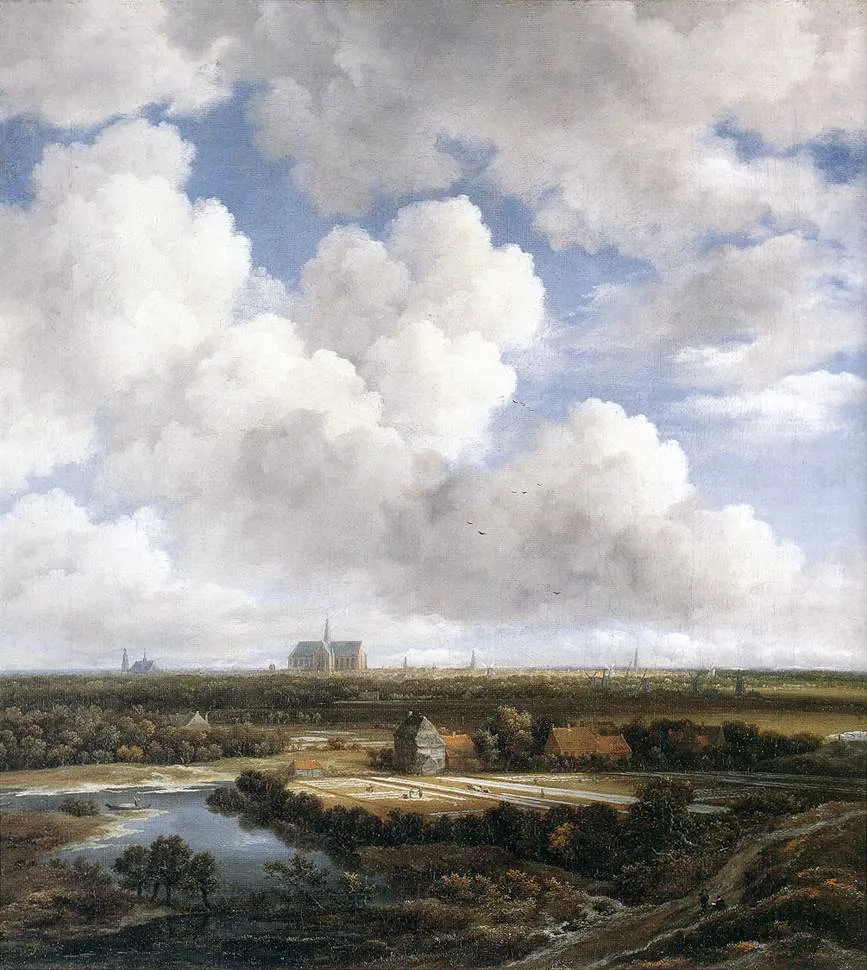
View of Haarlem with Bleaching Fields is an oil painting by the Dutch Golden Age artist Jacob van Ruisdael. It dates from 1670 and is held in the collection of the Kunsthaus Zürich.
About this work
Subject & Meaning
The painting depicts a panoramic view of Haarlem and its surrounding bleaching fields, a genre known as Haarlempjes.
The painting depicts a panoramic view of Haarlem and its surrounding bleaching fields, a genre known as Haarlempjes. The composition features a low horizon line where the cloud-filled sky dominates two-thirds of the canvas, casting selective sunlight upon the linen spread across the meadows. In the distance, the city skyline is anchored by the Grote Kerk, while the foreground shows workers engaged in the bleaching process and two figures, one of whom is an artist sketching the scene. This depiction serves as a symbol of Haarlem’s economic prosperity and Dutch national pride following the Eighty Years' War, immortalizing the city's renowned linen industry. Beyond its documentary value, the work carries disguised religious symbolism; art historians suggest the sun-bleached white fabrics evoke the purity of the soul or the biblical image of the blessed in white robes.
Technique & Style
Executed in oil paint on canvas, this work measures 62.2 by 55.2 centimeters. The composition is defined by a low horizon line that allocates the lower third of the surface to the landscape, allowing a detailed, cloud-filled sky to dominate the upper two-thirds. Ruisdael employed a panoramic perspective from an elevated viewpoint near Overveen, rendering the city silhouette and bleaching fields with strong realism. The artist carefully calculated the meteorological effects, using billowing cumulus clouds to filter sunlight onto specific areas, creating vivid contrasts between illuminated linen strips and shadowed ground. This atmospheric handling of light and the geometric division of planes lend the painting a poetic quality characteristic of the Haarlempjes sub-genre.
History & Provenance
Jacob van Ruisdael created *View of Haarlem with Bleaching Fields* on oil on canvas between 1670 and 1675, during the late period of his career. The artist did not date the work, but scholars place it in this timeframe based on stylistic analysis. While the specific commission remains unconfirmed, some art historians suggest the painting may have been commissioned by the owner of the linen-bleaching ground depicted. The work first appeared in the commercial art market in 1887 when it was sold at the Rudolph Lepke auction house in Berlin from the collection of Count Kaspar Heinrich von Sierstorpff. It was subsequently acquired by Heinrich Vieweg, then resold through Lepke in 1930 to dealer Bruno Cassirer. In 1949, a Zurich art dealer purchased the painting for the Leopold Ružička Foundation, where it has remained in the collection of the Kunsthaus Zürich ever since.
The painting has been held by the Kunsthaus Zürich since 1949, when a Zurich art dealer acquired it for the Leopold Ružička Foundation, and it has been on display there since. Its documented provenance begins in 1887 with the auction of the collection of Count Kaspar Heinrich von Sierstorpff at Rudolph Lepke's auction house in Berlin; Heinrich Vieweg purchased it there, and it was sold again by Lepke in 1930 to Bruno Cassirer before entering the Zürich foundation in 1949.
The work has been presented in numerous international exhibitions, including Düsseldorf in 1886, Zürich in 1949/50, Neuchâtel and Zürich in 1953, Rome, Milan, and Cologne in 1954, Oslo in 1959, The Hague and Cambridge, Massachusetts in 1981/82, Basel in 1987, Madrid in 1994/95, and Amsterdam in 2000.
Context
View of Haarlem with Bleaching Fields is a paradigmatic example of the Haarlempjes, a sub-genre of Dutch Golden Age landscape painting that Ruisdael popularized, depicting views of Haarlem and its linen-bleaching industry. The Kunsthaus Zürich version is regarded as a high point among Ruisdael's at least fifteen treatments of the motif. Art historian H. Perry Chapman traces the iconography to Claes Jansz Visscher the Younger's Pleasant Places Around Haarlem prints from the Twelve Years' Truce, arguing these prints inspired Golden Age celebrations of rural life. Wilfried Wiegand proposed a symbolic reading in which sun-bleached linens evoked the purity of the soul, while the poet Jan Luiken linked them to the white-robed blessed in Revelation 19:8. The painting also reflects post-Eighty Years' War Dutch nationalism and local Haarlem pride. Ruisdael's emphasis on simplicity and atmosphere later influenced the Hague School, notably Jacob Maris's garden views around The Hague.
Legacy
View of Haarlem with Bleaching Fields became a paradigmatic example of the Haarlem school, shaping 19th‑century Dutch landscape painting and influencing later artists such as Jan Vermeer van Haarlem and Jan van Kessel, who adopted its low horizon, expansive sky, and emphasis on bleaching fields as symbols of national prosperity. The work’s iconography of sun‑lit linen bleaching was repeatedly cited in art‑historical literature as a visual expression of Dutch pride and economic dominance after the Eighty Years’ War, and it entered the Kunsthaus Zürich collection in 1949, where it has been exhibited internationally since the mid‑20th century.
Ruisdael’s depiction of Haarlem’s bleaching fields was later referenced in scholarly analyses of Dutch Golden Age art, including studies by H. Perry Chapman, Wilfried Wiegand, and Seymour Slive, who highlighted its role in articulating civic identity and religious symbolism. Contemporary research continues to discuss the painting’s meteorological detail, its representation of the small ice age climate, and its legacy as a model for later landscape traditions, including the Hague School.
The painting’s provenance, documented from 1887 Berlin auction through private collections to its acquisition by the Stiftung Leopold Ružička in 1949, underscores its enduring cultural significance and its role in illustrating the interconnection between industry, place, and artistic representation in Dutch art history.
Artist & collection
Artist
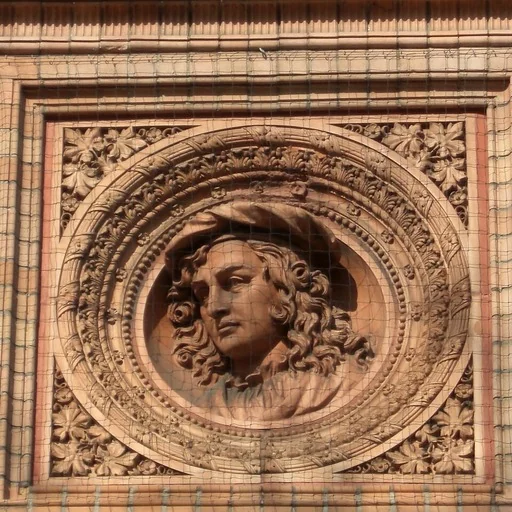
Jacob Isaackszoon van Ruisdael was a Dutch painter, draughtsman, and etcher. He is generally considered the pre-eminent landscape painter of the Dutch Golden Age, a period of great wealth and cultural achievement when…

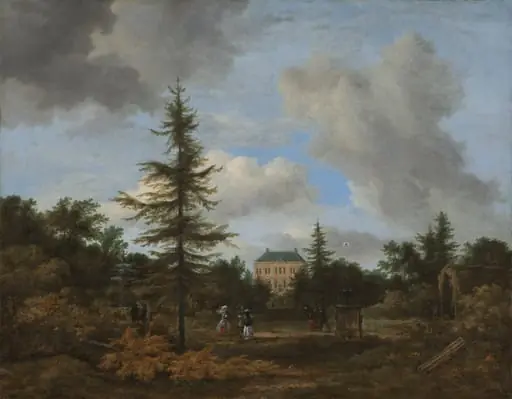
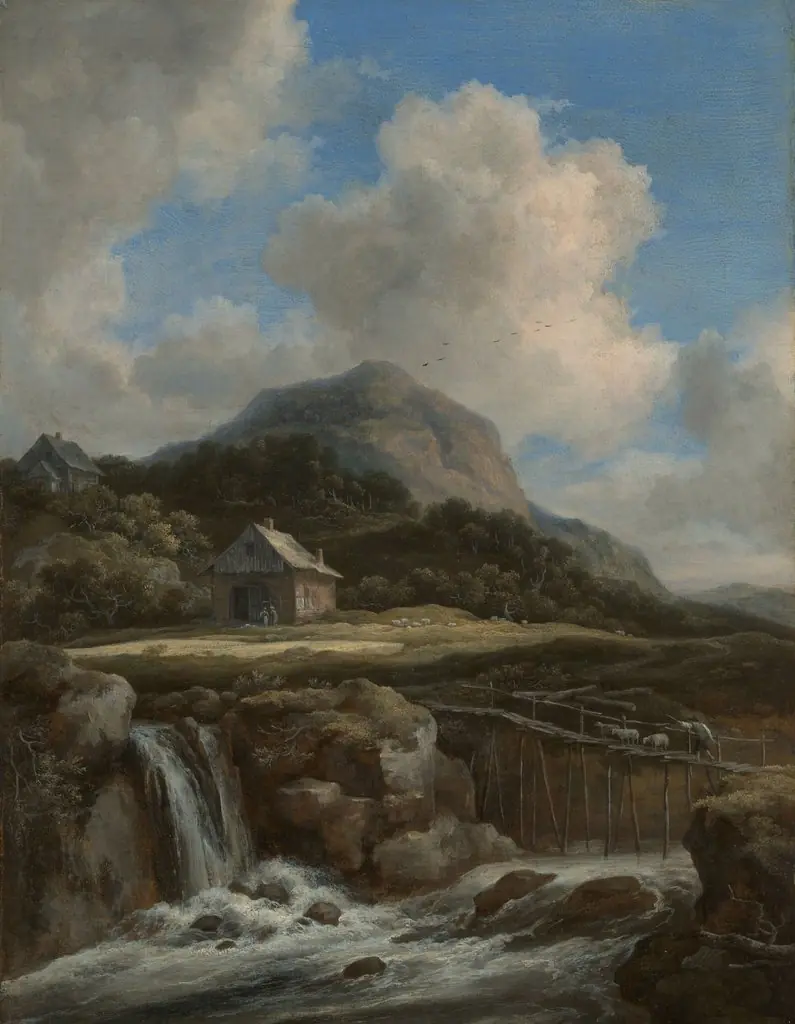
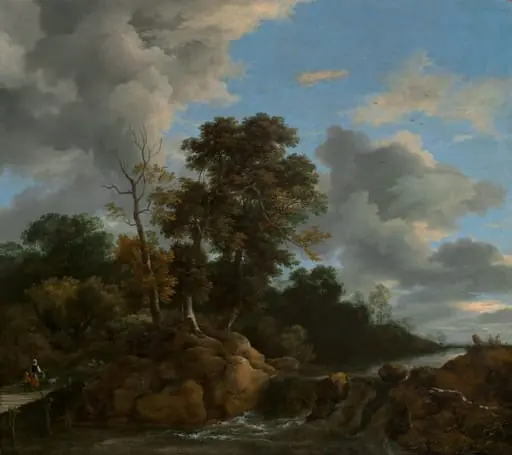
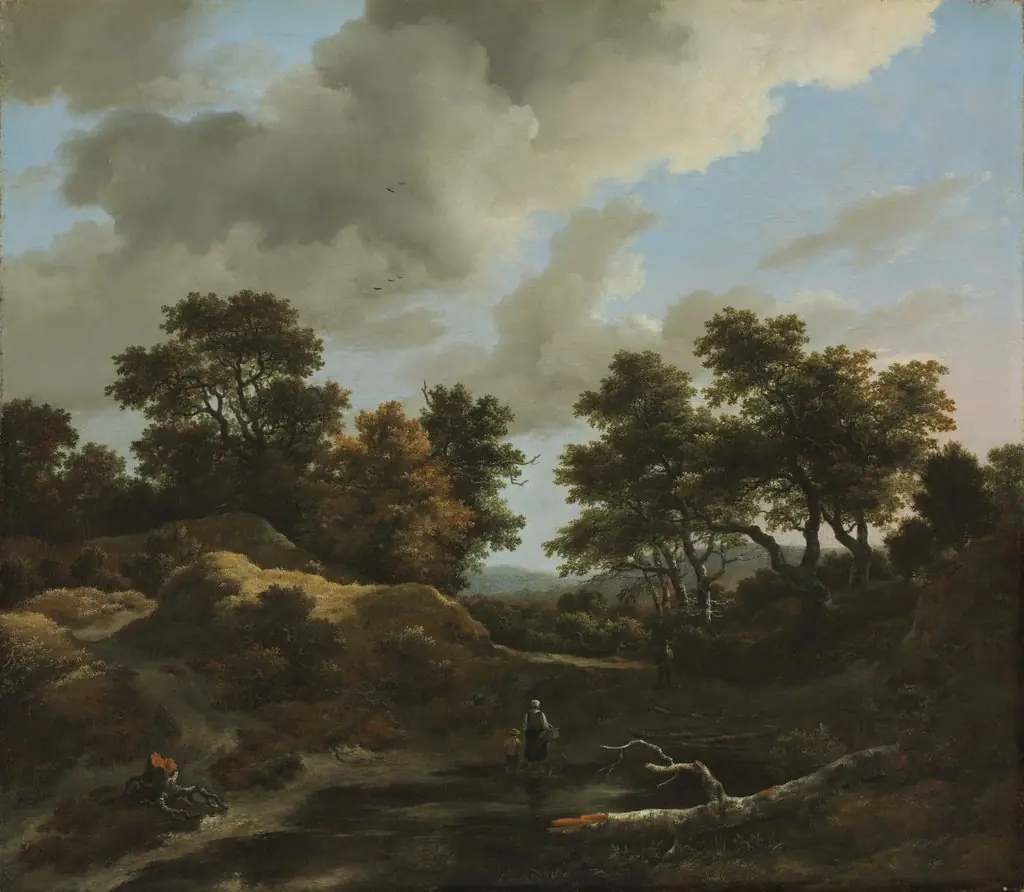
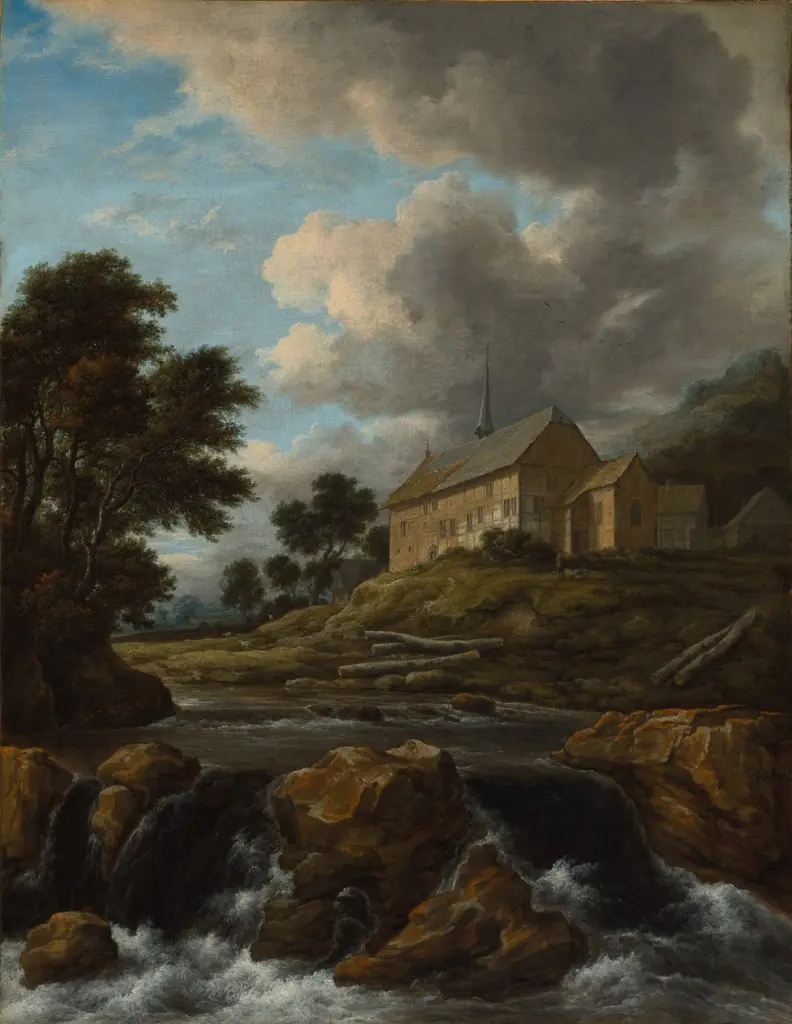
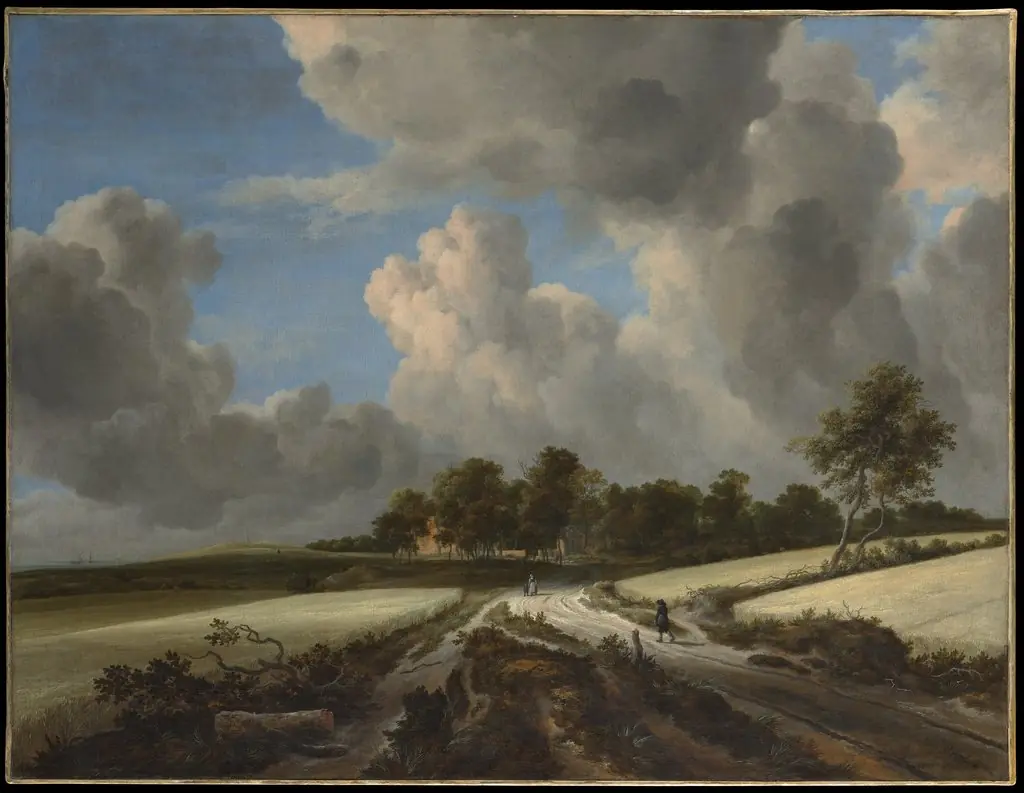
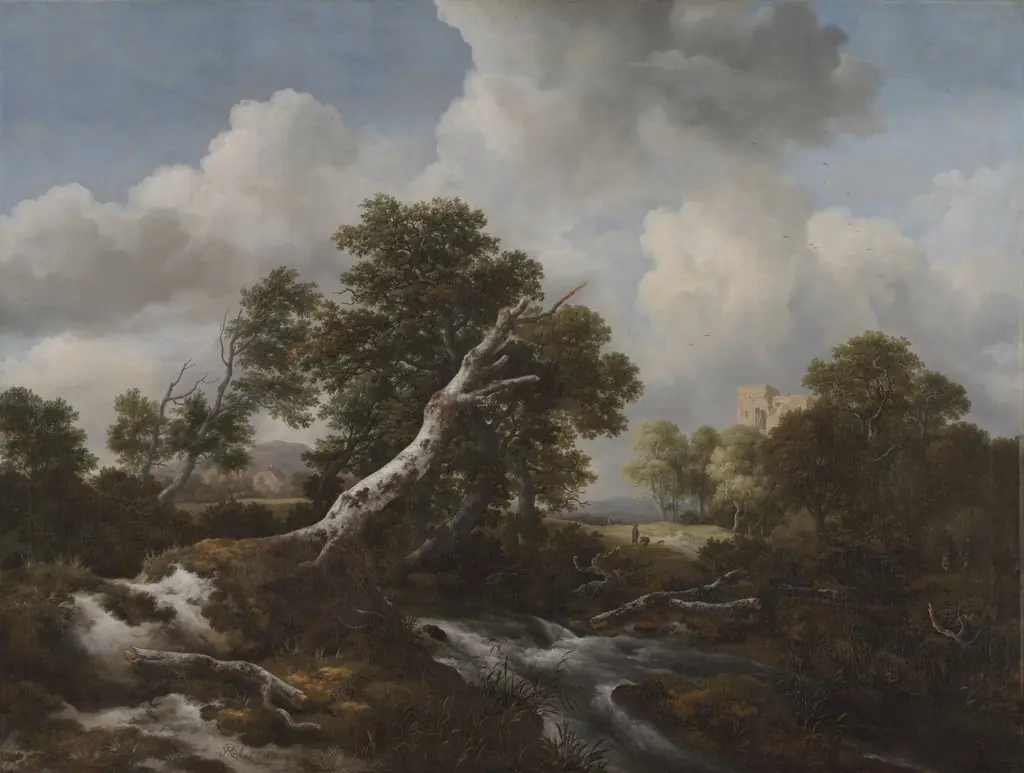
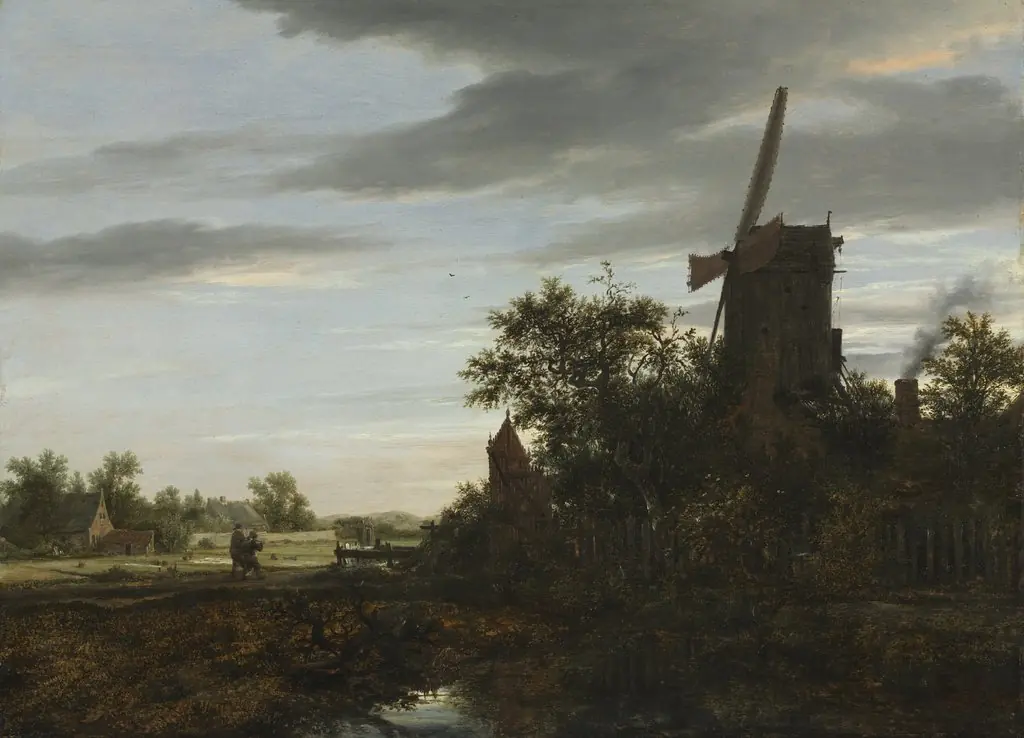
- View of Haarlem from the Northwest, with the Bleaching Fields in the Foreground
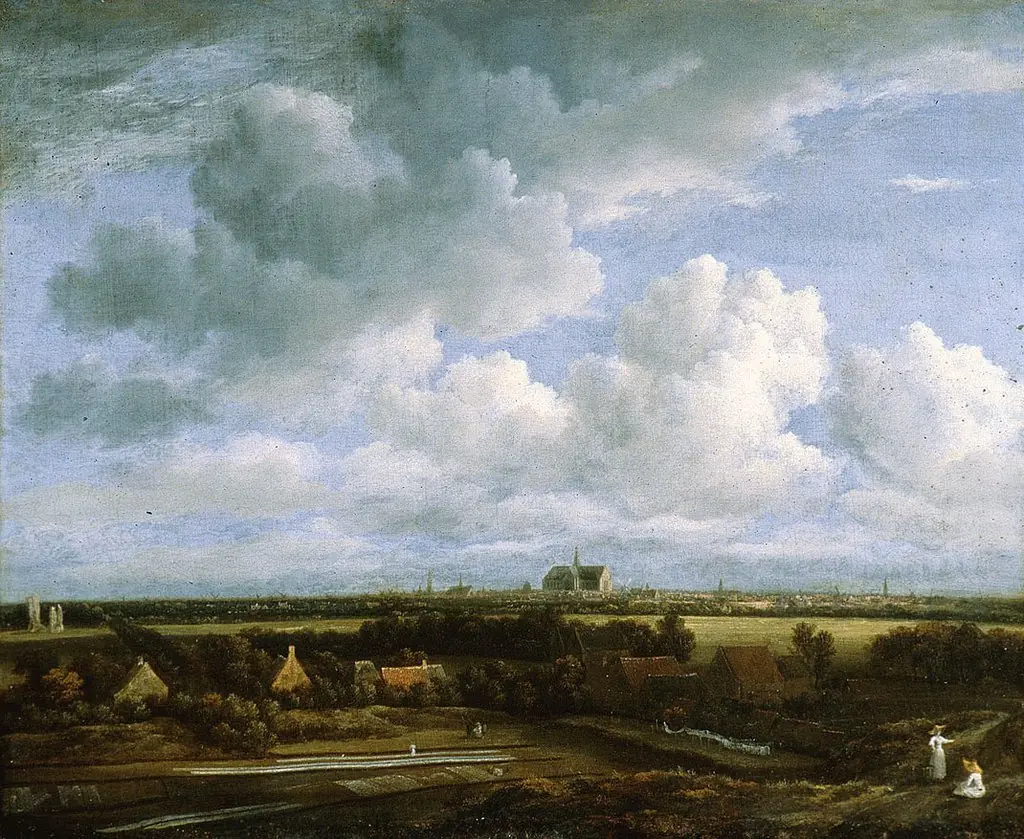 The Bleaching Grounds near Haarlem
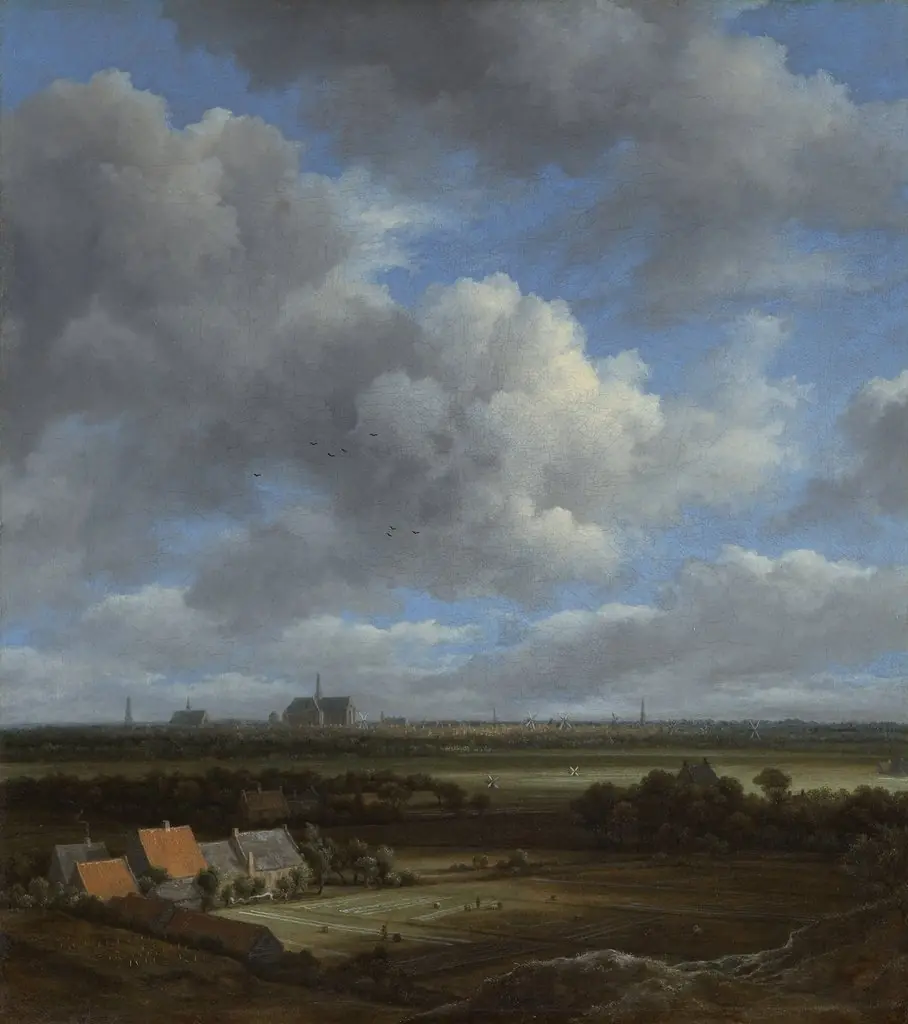
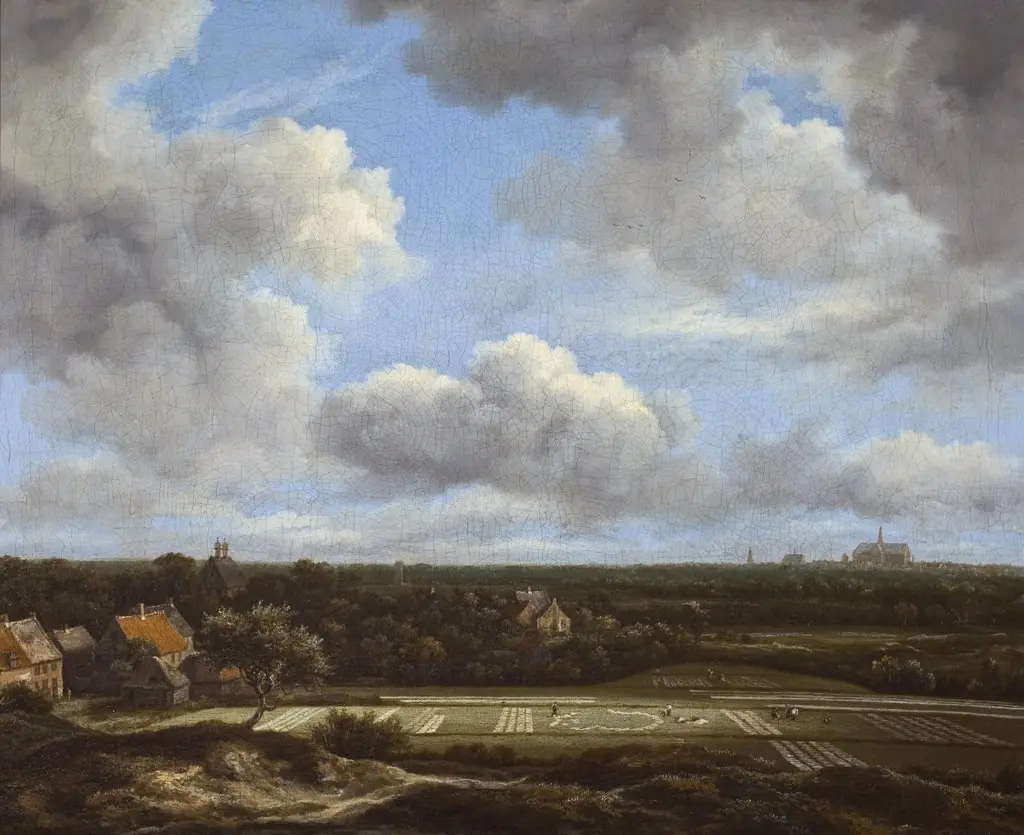 View of the Plain of Haarlem with Bleaching Grounds
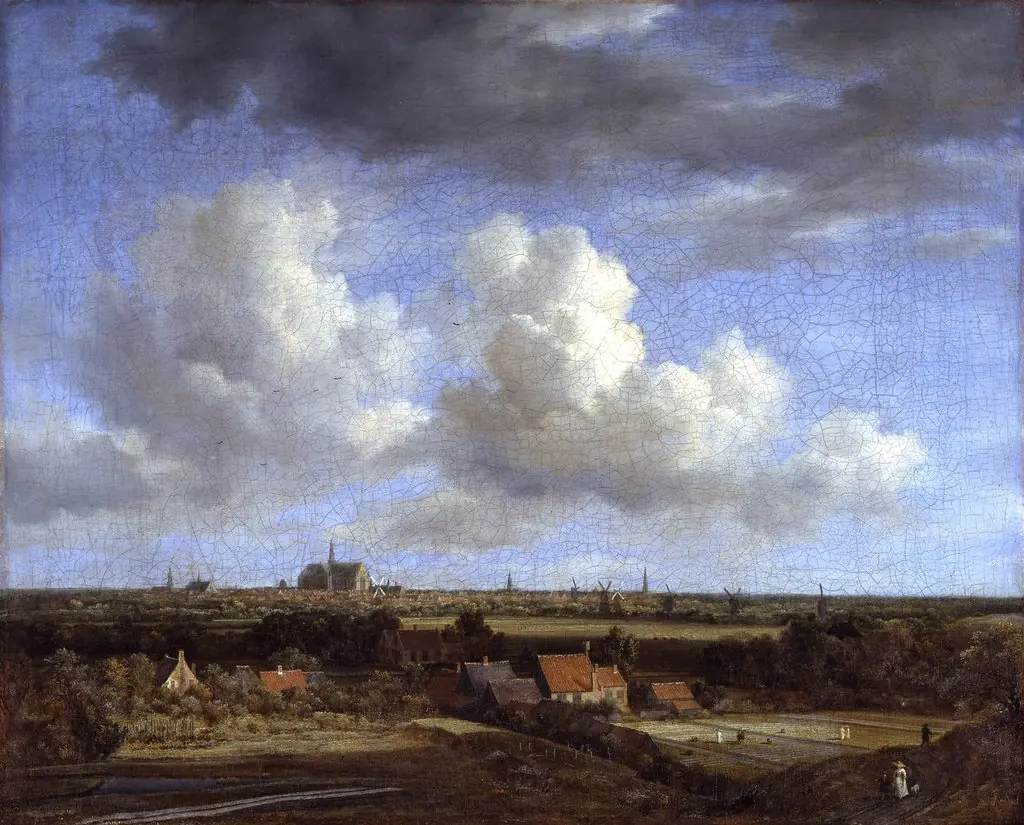 View of Haarlem from the Northwest
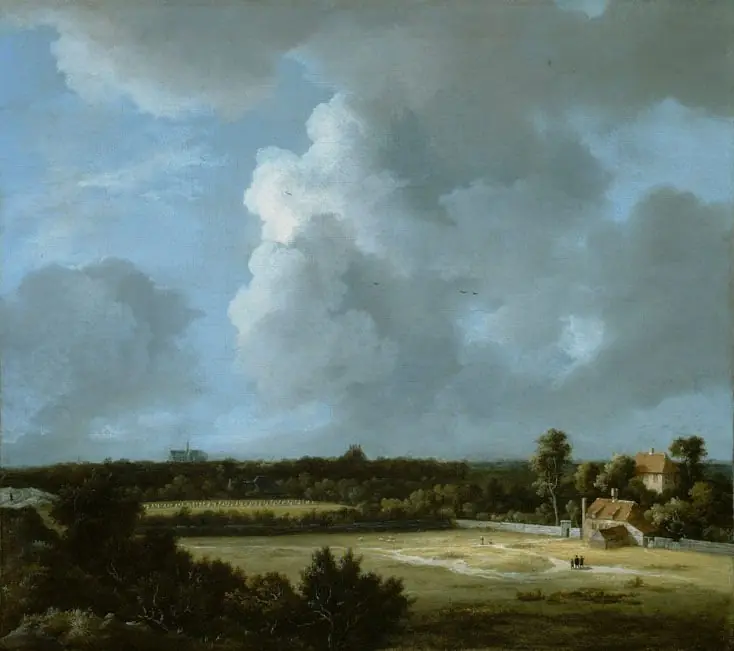 View of Haarlem
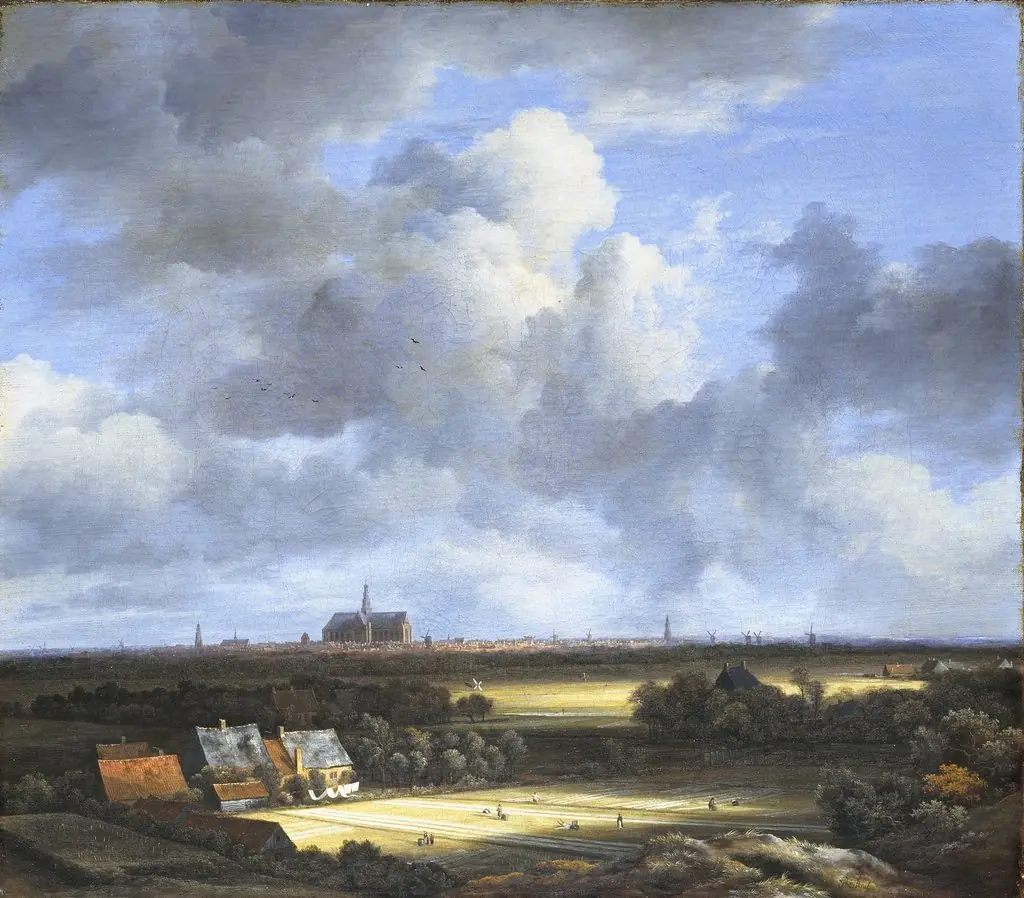 View of bleaching fields and Haarlem
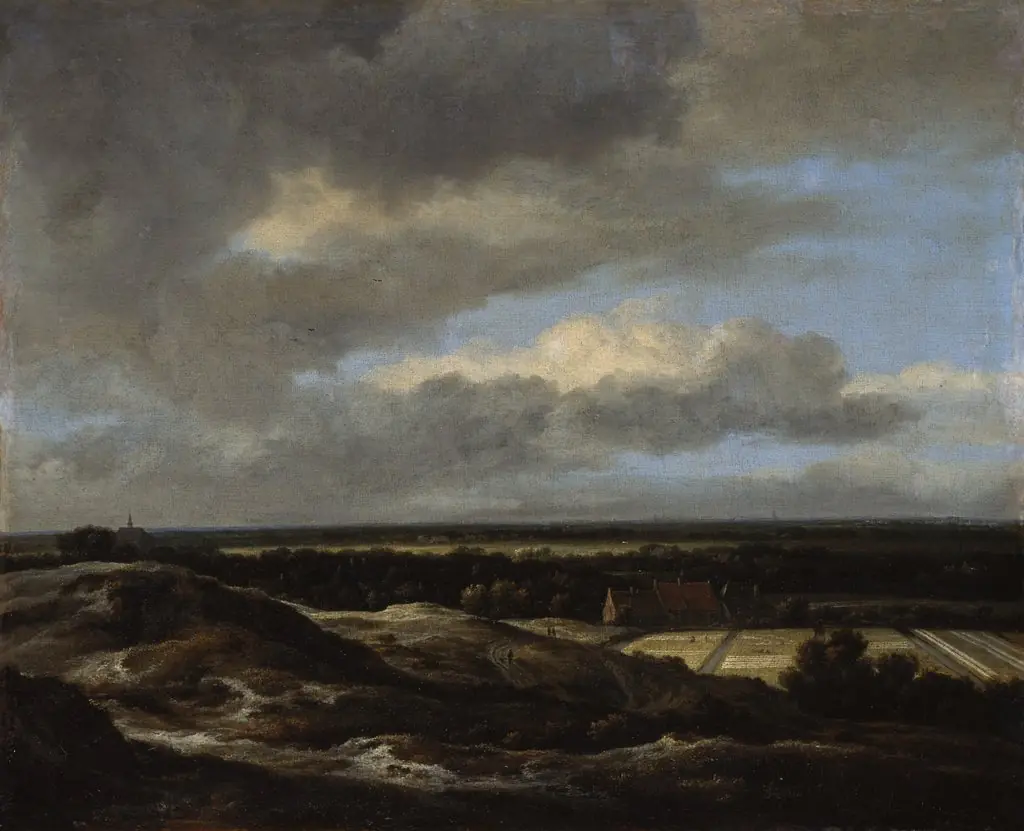 Dunes and bleaching fields
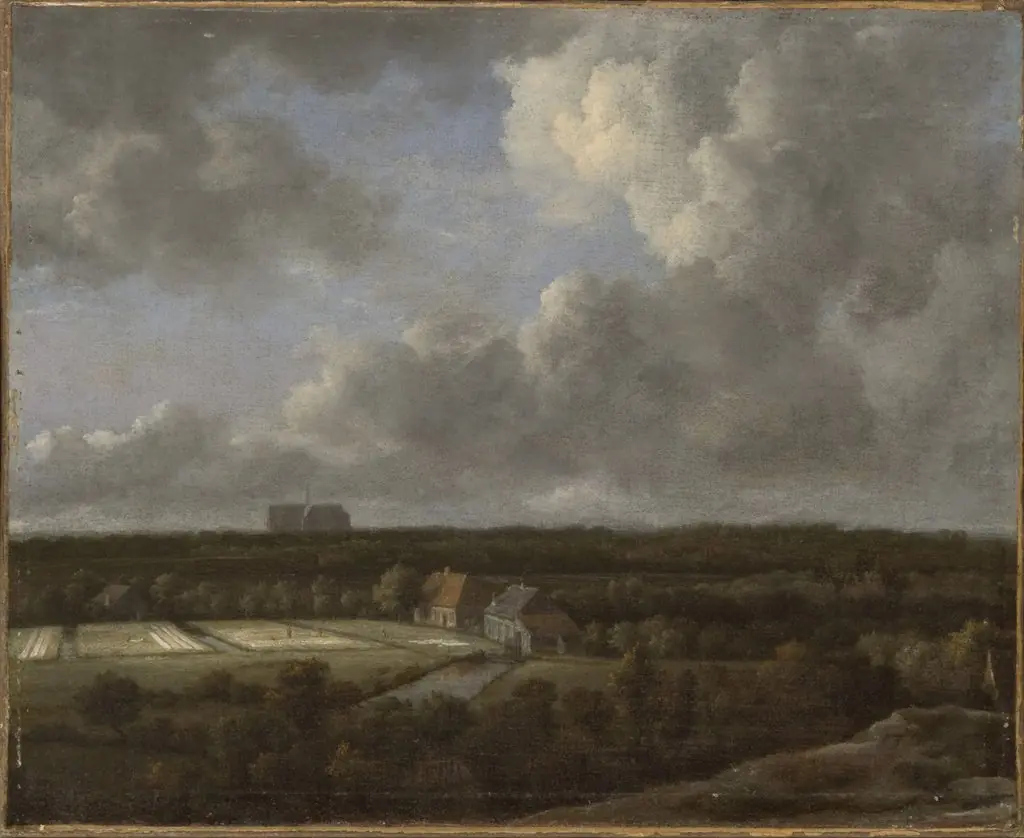 Bleaching Fields to the North-Northeast of Haarlem
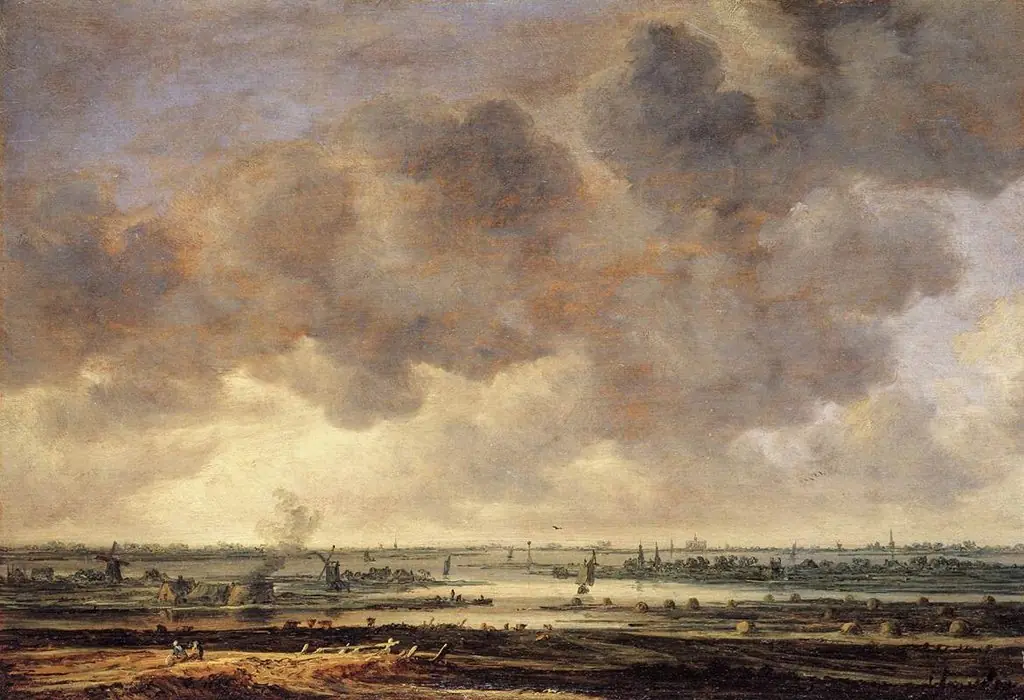 View of Haarlem and the Haarlemmer Meer
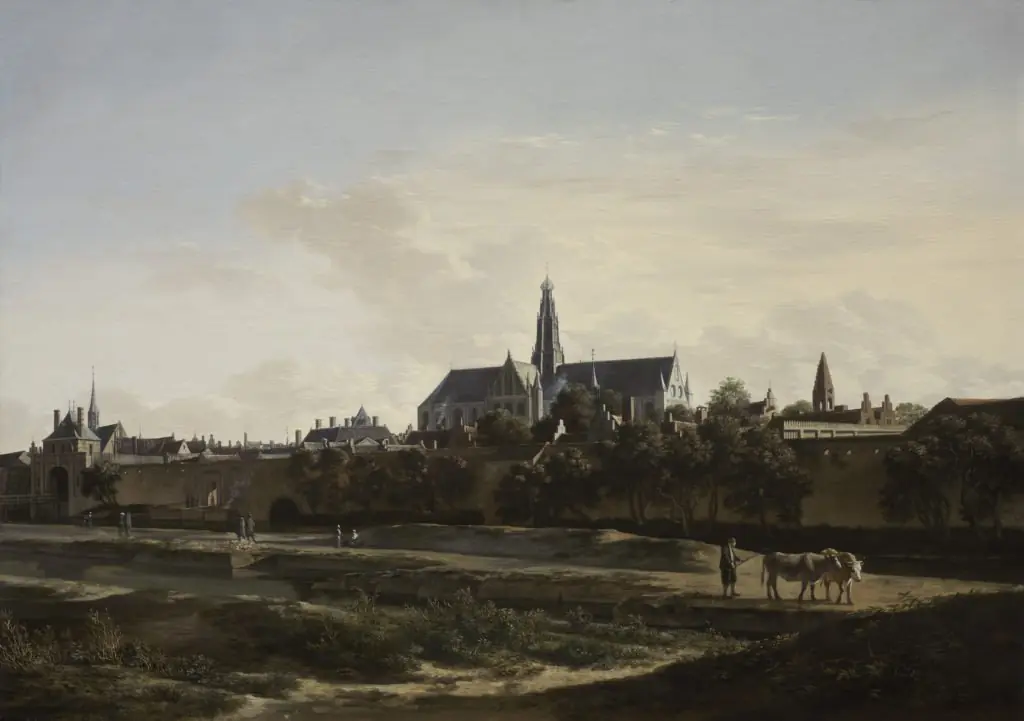 A View of Haarlem