Artwork
Gonzaga-Zyklus, I. Reihe, 2. Schlacht bei Legnano
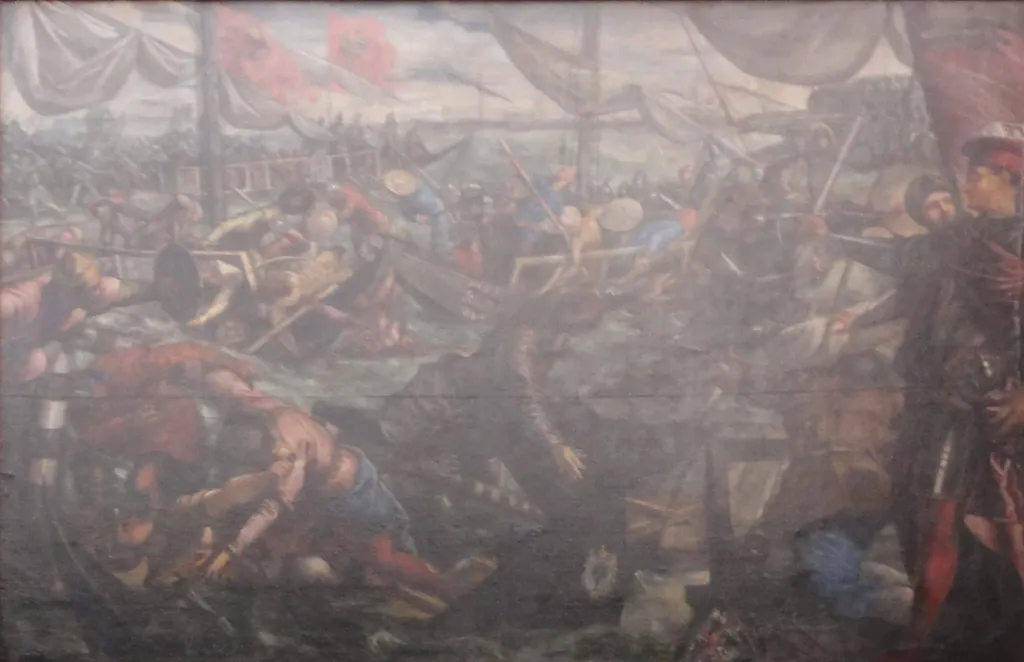
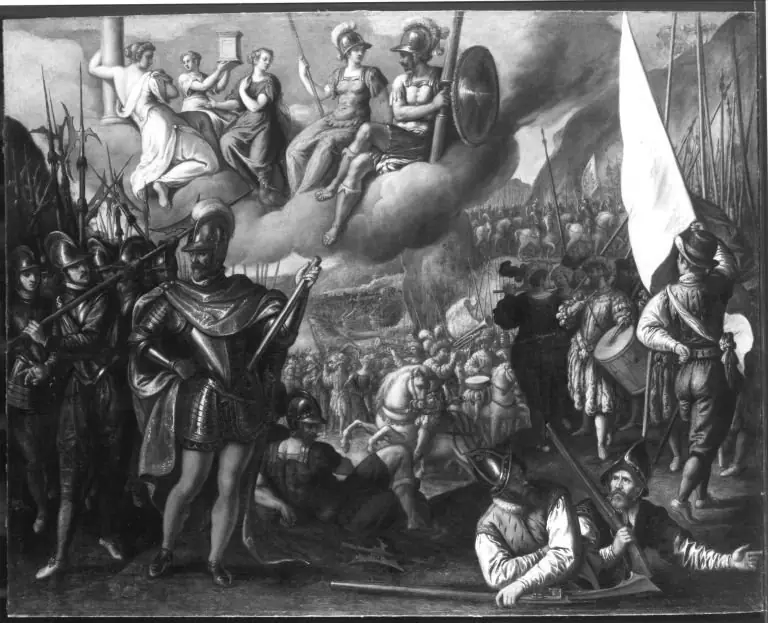
Gonzaga-Zyklus, I. Reihe, 2. Schlacht bei Legnano is an unspecified painting by the Mannerist artist Jacopo Tintoretto. It dates from 1590 and is held in the collection of the Bavarian State Painting Collections.
About this work
Overview
Jacopo Tintoretto’s 1590 canvas Gonzaga‑Zyklus, I. Reihe, 2. Schlacht bei Legnano depicts a tumultuous battle. Executed toward the end of the painter’s life, the work forms part of an extensive decorative program commissioned by the Gonzaga family.
Today the painting is housed in Munich’s Alte Pinakothek, where it remains a key example of the artist’s late output.
Subject & Meaning
The scene portrays the historic clash at Legnano, rendered as a dense melee of armored combatants brandishing swords and shields. Figures are caught in extreme poses, emphasizing the chaos and ferocity of medieval warfare. The composition conveys a narrative of conflict and triumph, aligning with the Gonzaga patron’s interest in commemorating martial valor.
Technique & Style
Tintoretto employs a Mannerist vocabulary of exaggerated musculature and dramatic gestures, while his handling of light accentuates the tumultuous atmosphere. A bold, diagonal perspective draws the eye into the fray, and the limited palette of browns and grays reinforces the somber tone. The painter’s rapid brushwork and energetic line work reflect the Venetian school’s emphasis on movement.
History & Provenance
The painting was produced as the second panel of the first series in the Gonzaga battle cycle, a commission intended to decorate a ducal residence. After remaining in the Gonzaga collection for centuries, the work entered the Alte Pinakothek’s holdings in the 19th century, where it has been displayed as part of the museum’s Venetian holdings.
Context
Created during a period when Tintoretto was consolidating his reputation for large‑scale, theatrical compositions, the piece illustrates the artist’s response to the demand for grand historical narratives. Its Mannerist traits, elongated forms, intensified drama, and unconventional spatial arrangements, place it within the broader evolution of late‑Renaissance Venetian painting.
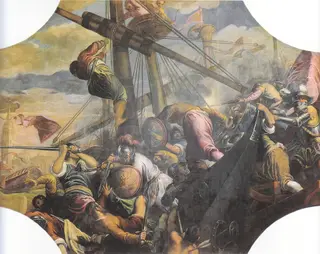
Artist & collection
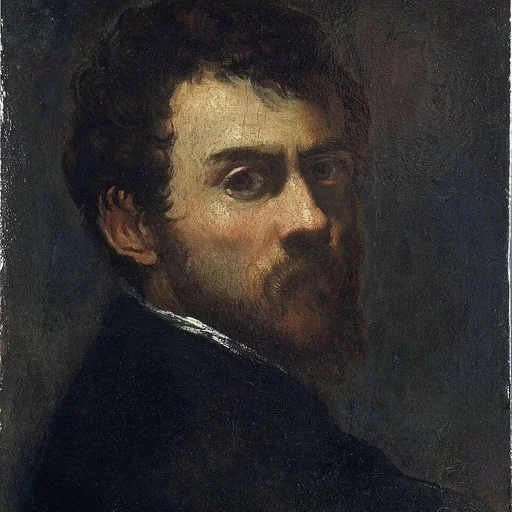
Artist
Jacopo Robusti (late September or early October 1518 – 31 May 1594), best known as Tintoretto ( TIN-tə-RET-oh; Italian:; Venetian: ), was an Italian Renaissance painter of the Venetian school.

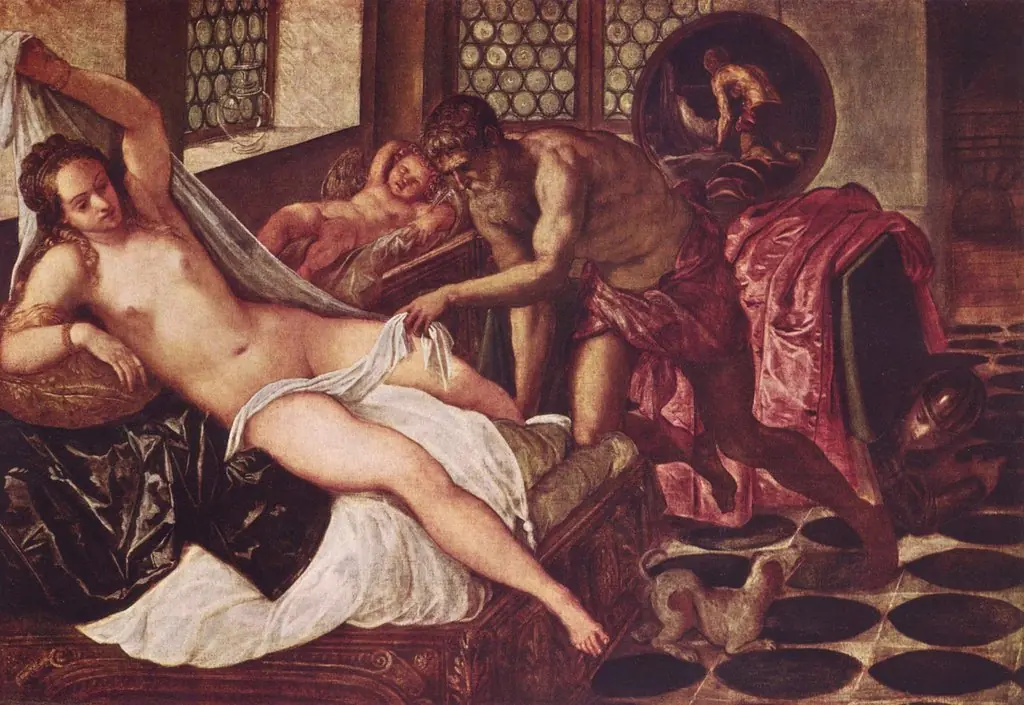
- Victory of Francesco Bembo over Filippo Maria Visconti
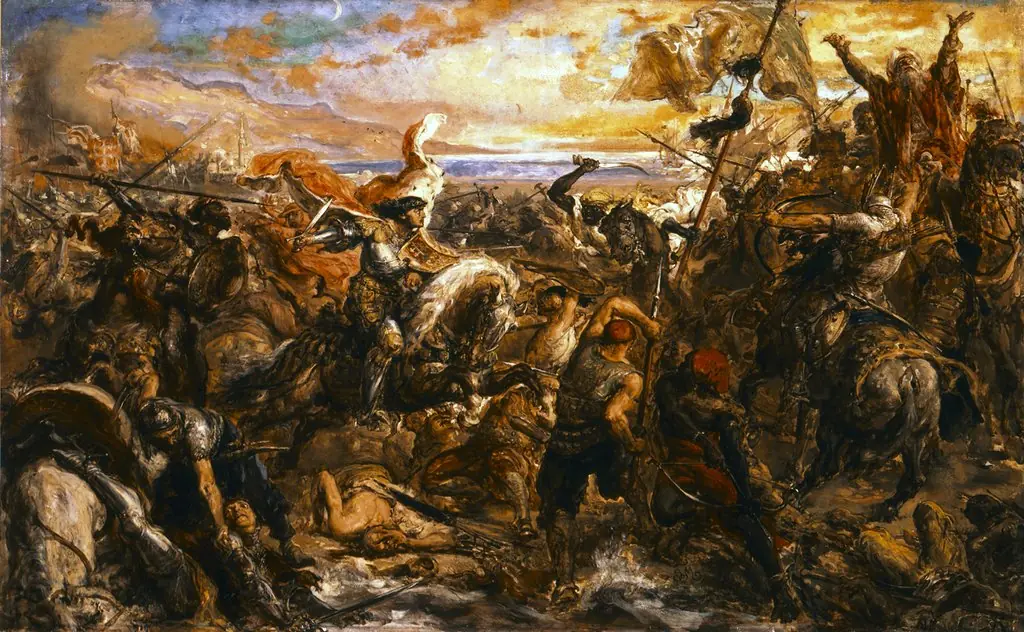 The Battle of Varna
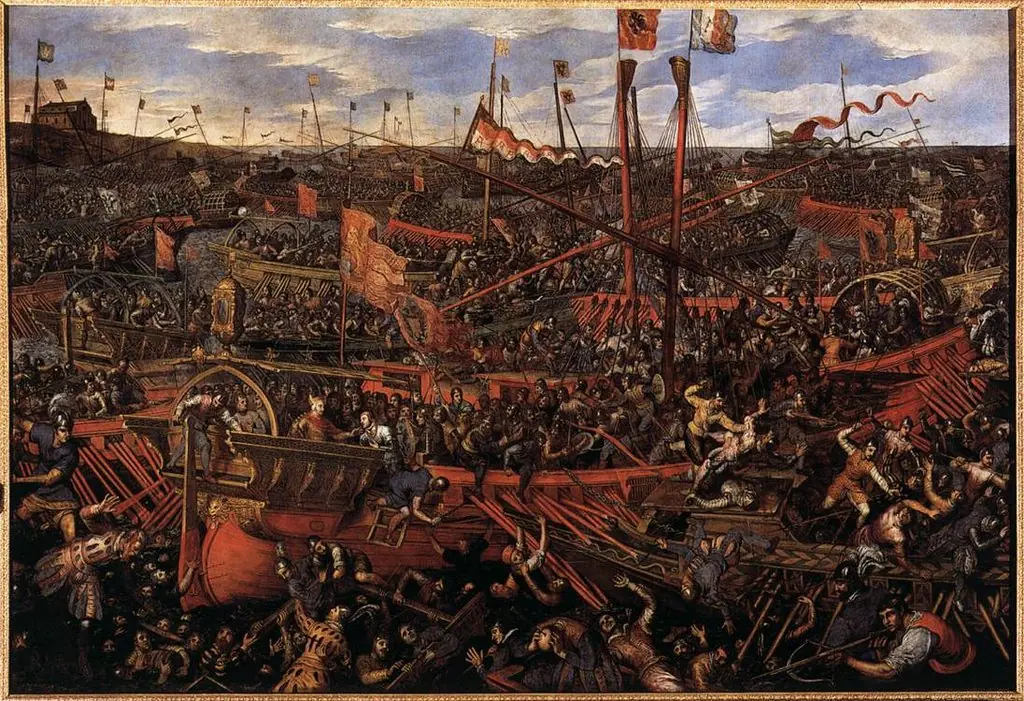 Battle of Salvore
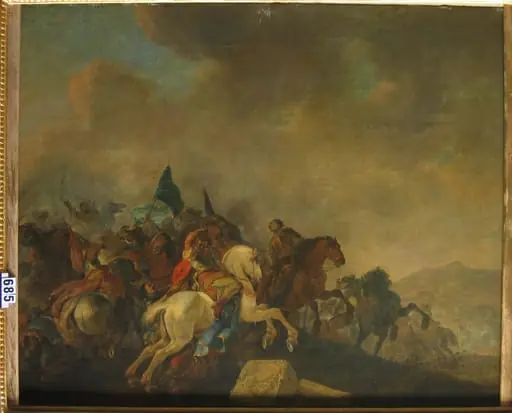 Luptă de cavalerie lângă pietre antice (în Reg. Inv.: Luptă de cavalerie între pietre antice) (pandant: Luptă lângă o cetate, în Reg. Inv: Atac dintr-o cetate)
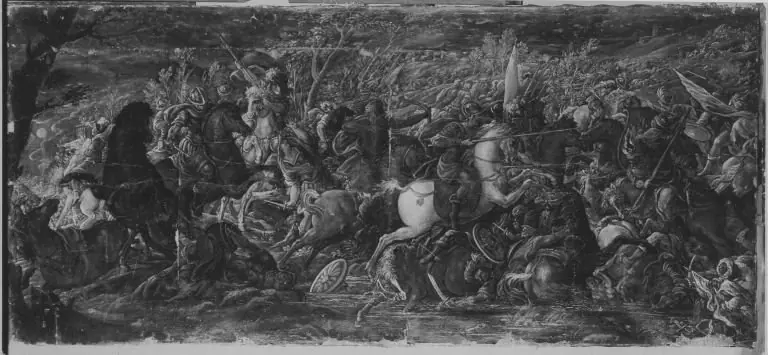 Josua gebietet der Sonne Stillstand (zugeschrieben)
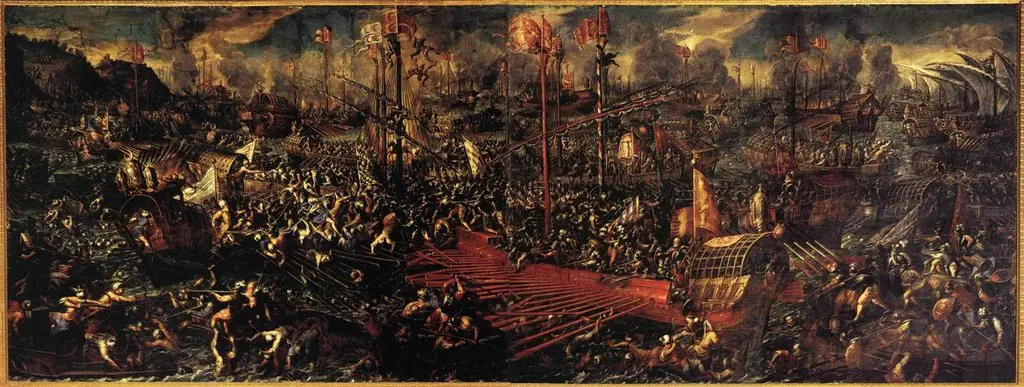 Battle of Lepanto
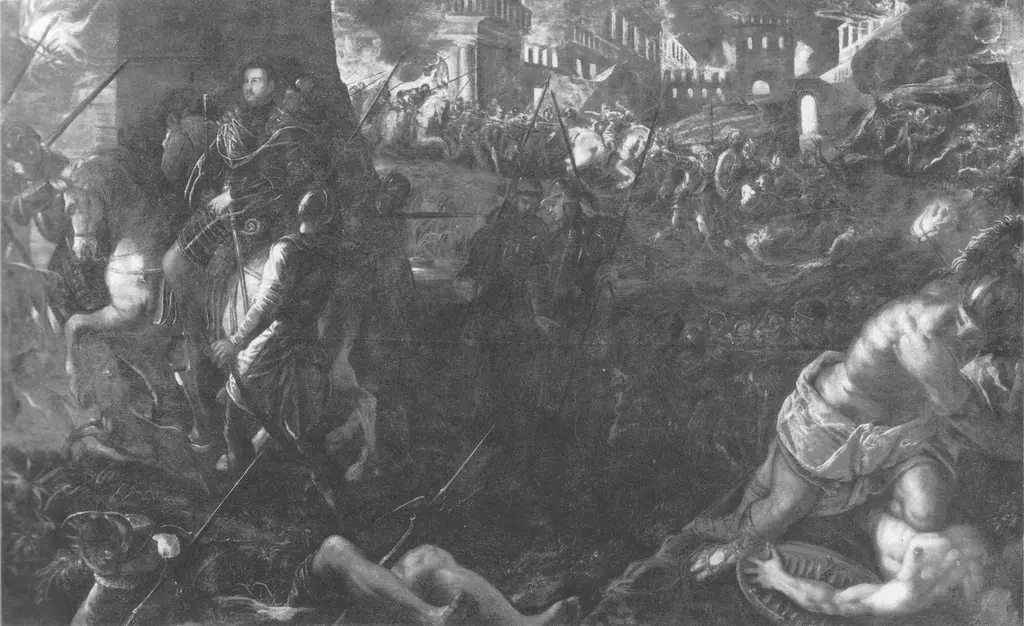 Gonzaga-Zyklus, II. Reihe, 1. Einnahme von Mailand
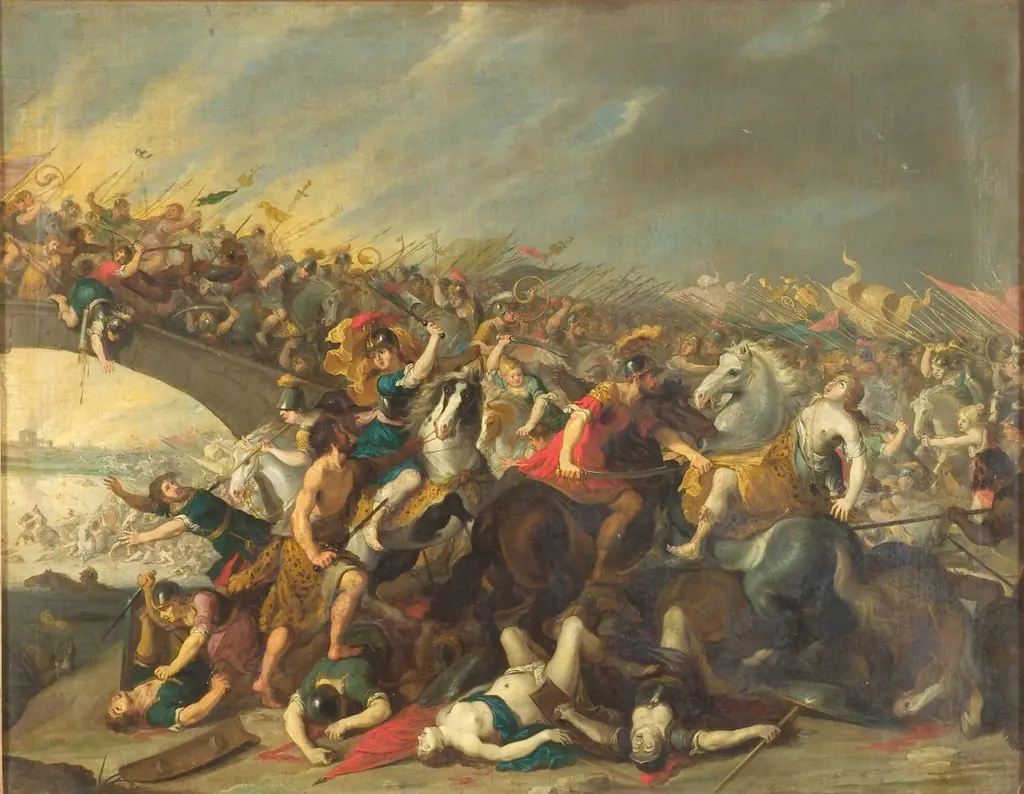 Fight with Amazons
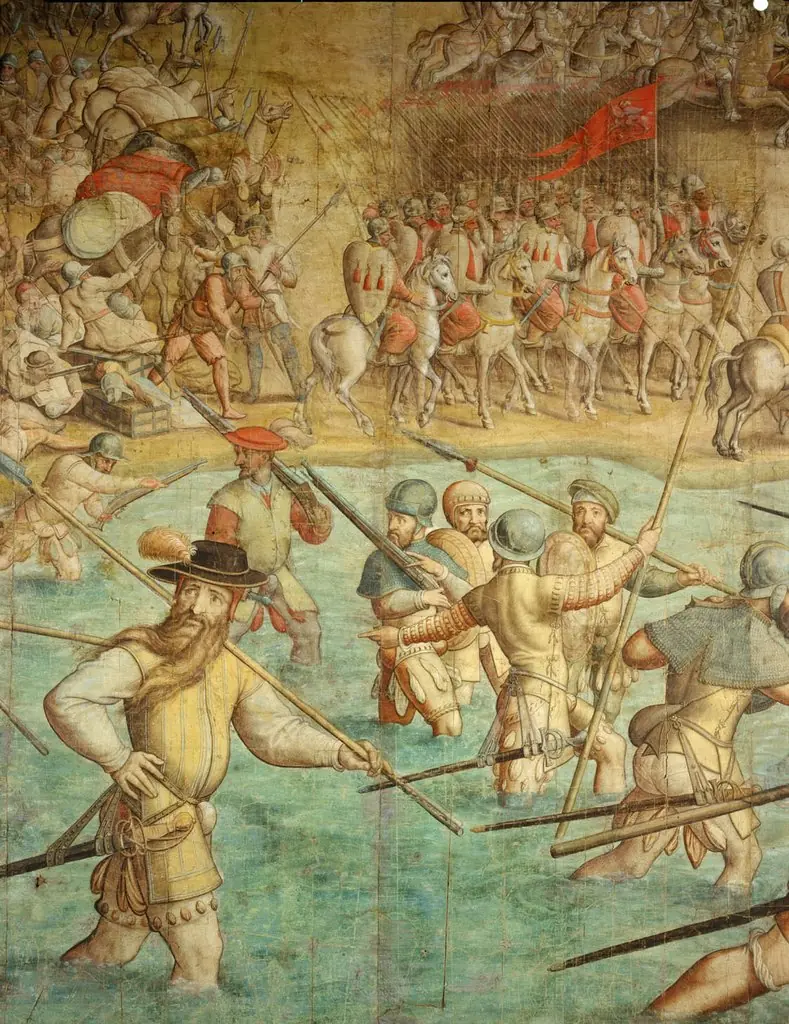 Kriegszug Kaiser Karls V. gegen Tunis (1535): Schlacht bei Tunis
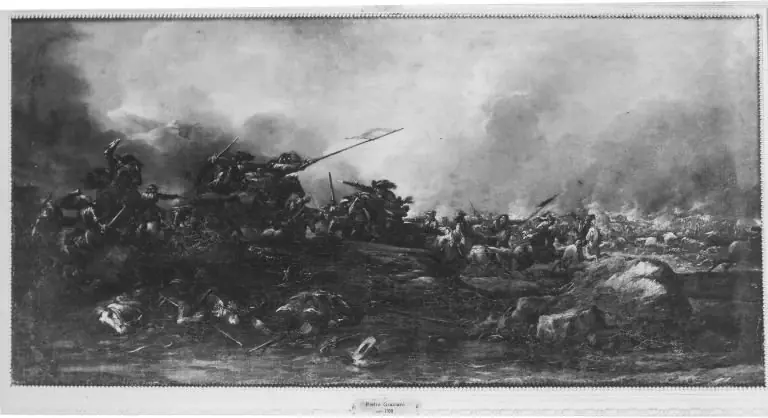 Reitergefecht
 Der Kriegerstand (zugeschrieben)
 Sketch for "The Revolt at Cairo"