Artwork
Kreuzabnahme Christi
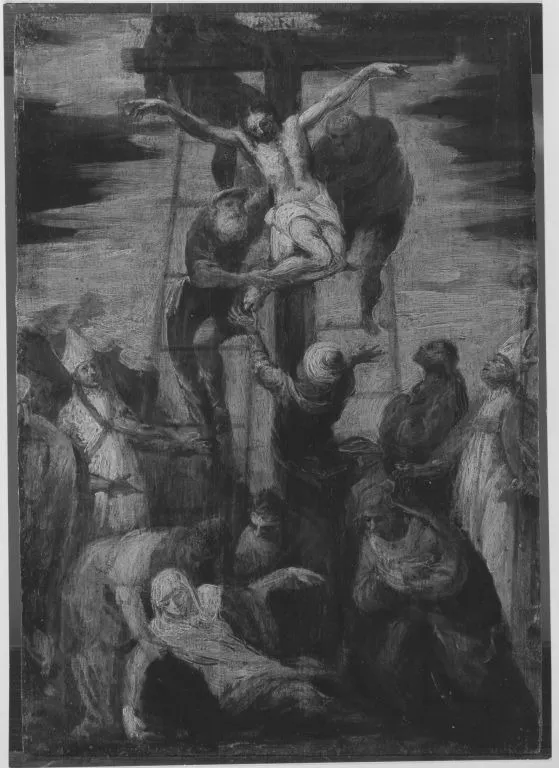
Kreuzabnahme Christi is an unspecified painting by the Mannerist artist Jacopo Tintoretto. It dates from 1566 and is held in the collection of the Bavarian State Painting Collections.
About this work
Subject & Meaning
As a work of religious art, the composition focuses entirely on this specific biblical event, serving as a visual representation of the deposition.
Jacopo Tintoretto's painting depicts the Descent from the Cross, a pivotal moment in Christian narrative where the body of Jesus Christ is removed from the crucifixion site. As a work of religious art, the composition focuses entirely on this specific biblical event, serving as a visual representation of the deposition. The imagery centers on the figure of Christ, emphasizing the solemnity and theological weight of his removal from the cross.
History & Provenance
Jacopo Tintoretto's painting Kreuzabnahme Christi is held within the collection of the Bavarian State Painting Collections. The work is currently located at the Alte Pinakothek in Munich. While the specific inventory or accession number is not provided in the available records, the artwork's presence in this major German public collection is confirmed.
The painting has not been documented in the provided sources as having a specific exhibition history or having traveled to other venues.
Overview
Jacopo Tintoretto’s Kreuzabnahme Christi, executed around 1566, portrays the biblical episode of the Descent from the Cross. The work belongs to the collection of Munich’s Alte Pinakothek and exemplifies the artist’s vigorous Mannerist approach, marked by intense movement and a compressed spatial arrangement.
Technique & Style
Tintoretto employs stark chiaroscuro, juxtaposing deep shadows with illuminated faces and drapery to heighten the scene’s tension. Muscular, elongated forms and exaggerated gestures reflect his Mannerist idiom, while a daring, diagonal perspective draws the viewer’s eye toward the central act of descent.
Context
Tintoretto, nicknamed “il Furioso” for his energetic brushwork, worked in a Venice that prized dramatic narrative and theatricality in religious art. This piece aligns with contemporary Counter‑Reformation demands for emotionally compelling depictions that could engage the faithful.
Legacy
The work illustrates Tintoretto’s influence on later Baroque painters, who adopted his vigorous compositions and dramatic lighting. Its presence in a major German museum continues to provide scholars and visitors insight into the transitional aesthetics between High Renaissance harmony and Baroque dynamism.
Artist & collection
Artist
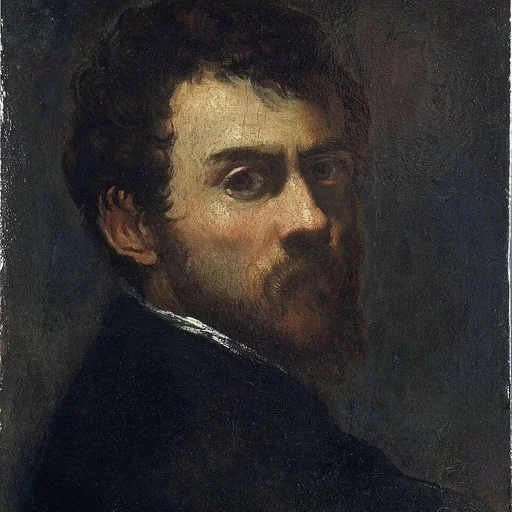
Jacopo Robusti (late September or early October 1518 – 31 May 1594), best known as Tintoretto ( TIN-tə-RET-oh; Italian:; Venetian: ), was an Italian Renaissance painter of the Venetian school.

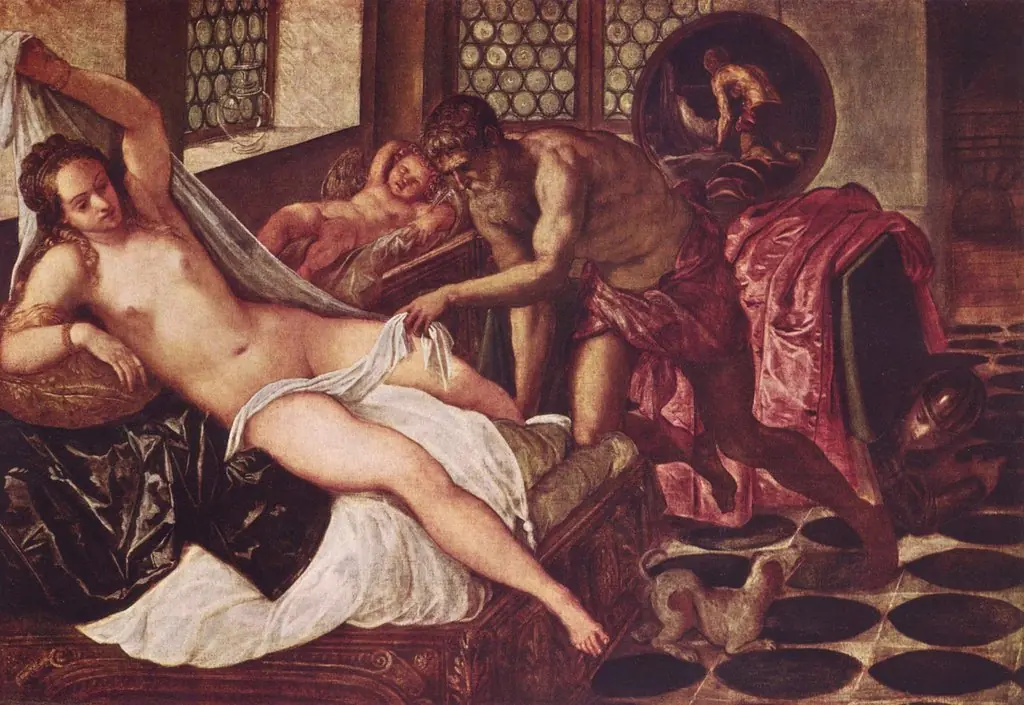
- Kreuzigung Christi (Kopie nach dem Altarbild der Münchner Augustinerkirche) (Kopie nach)
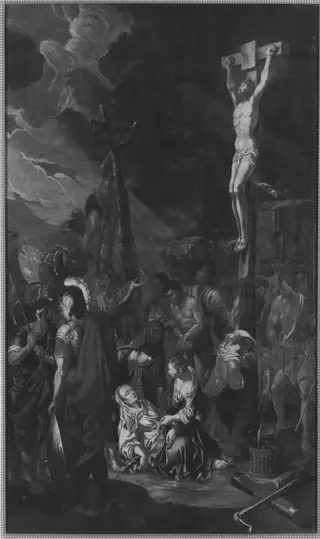 Kreuzigung
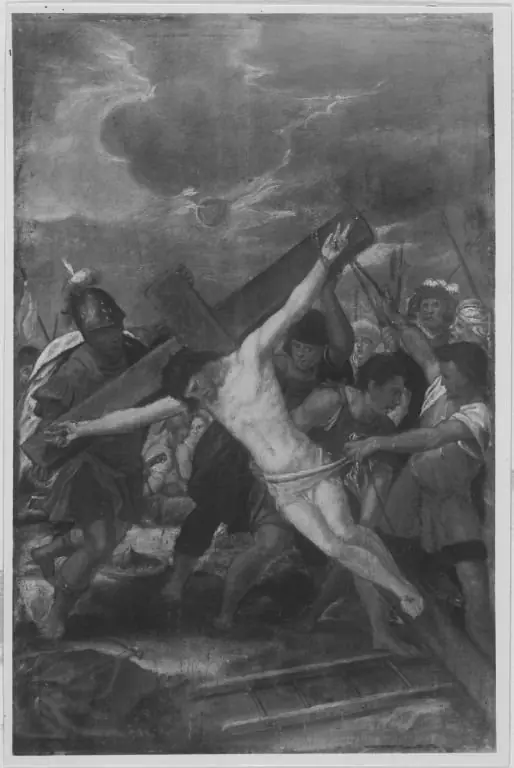 Kreuzaufrichtung Christi (Kopie nach)
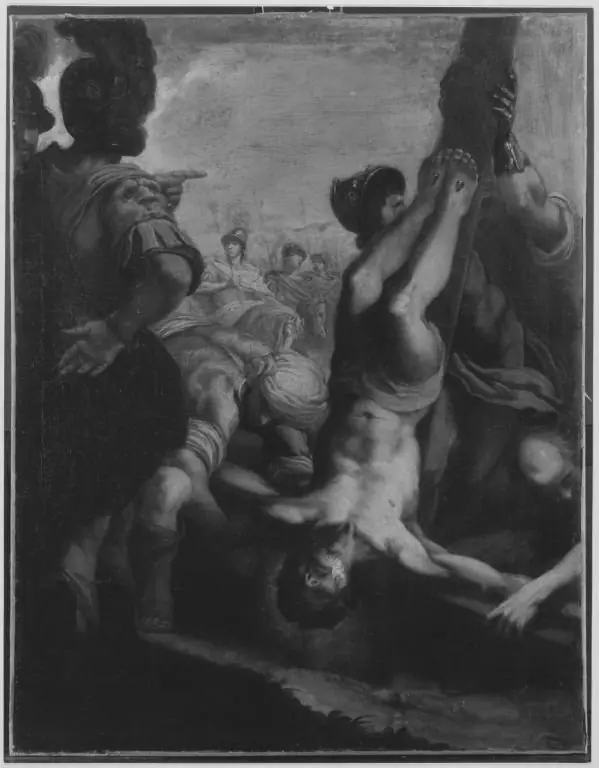 Die Kreuzigung des hl. Petrus
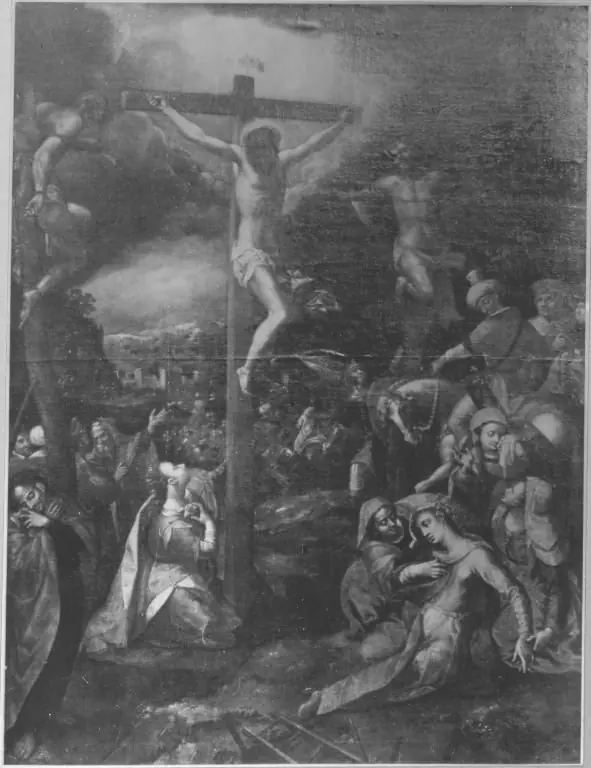 Kreuzigung Christi (Kopie nach)
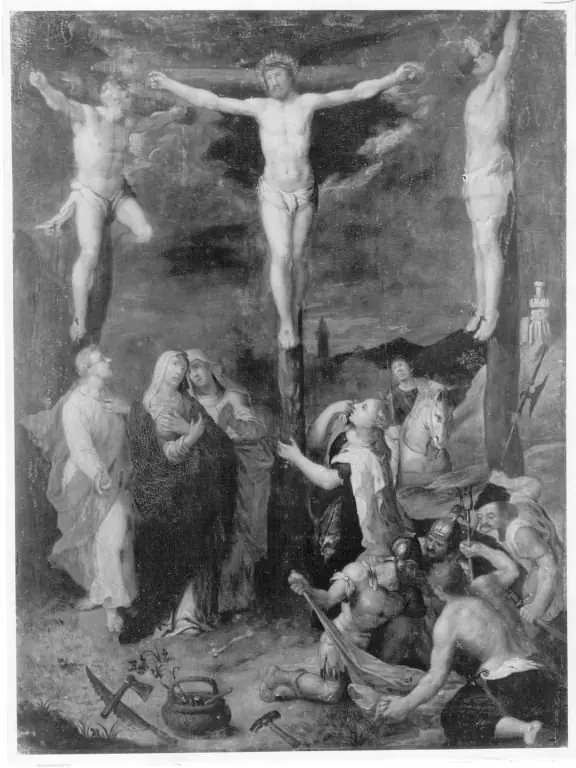 Christus am Kreuz
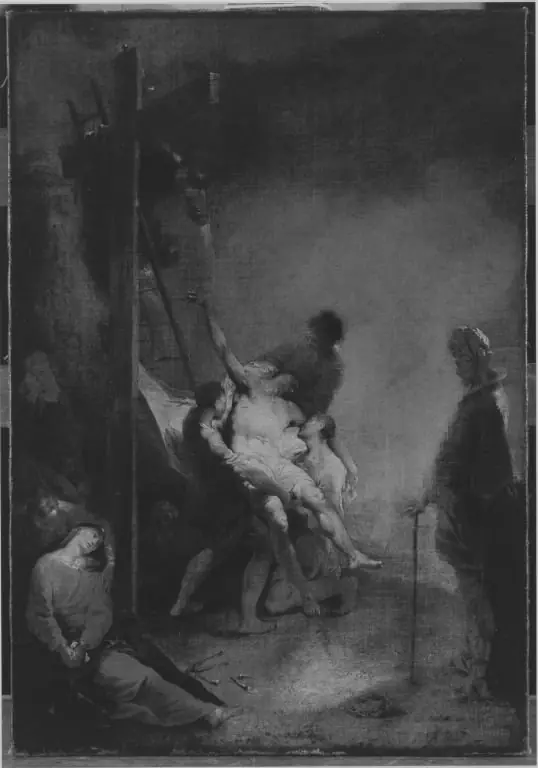 The descent from the Cross
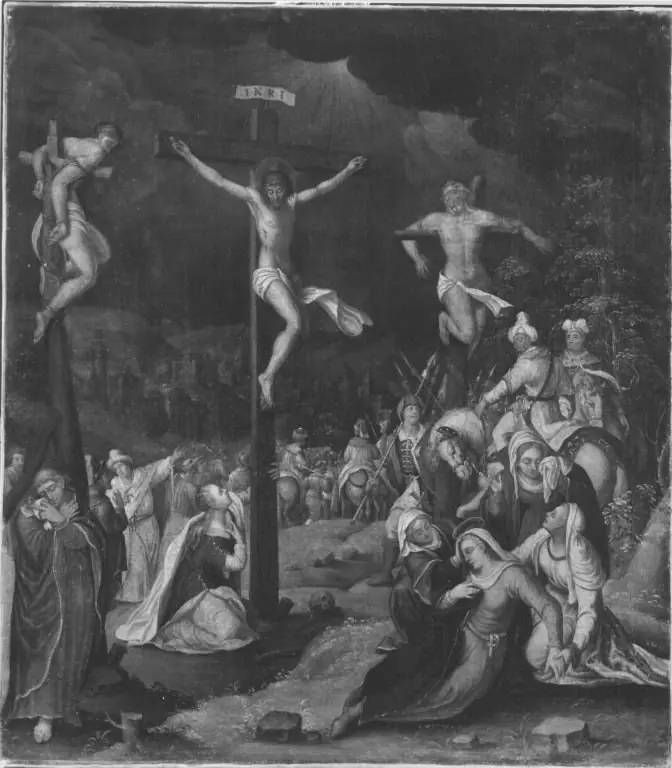 Kreuzigung Christi
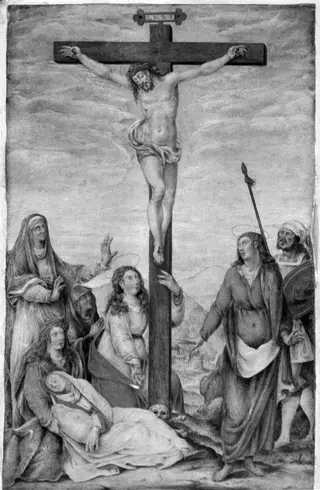 Crucifixion
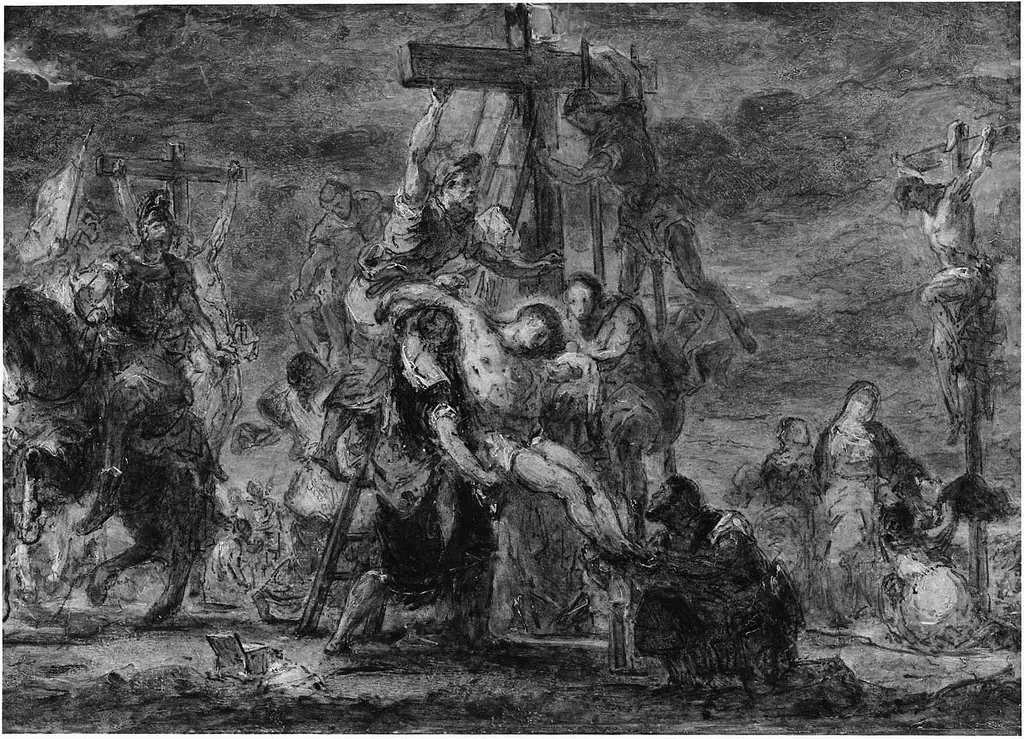 The Descent from the Cross
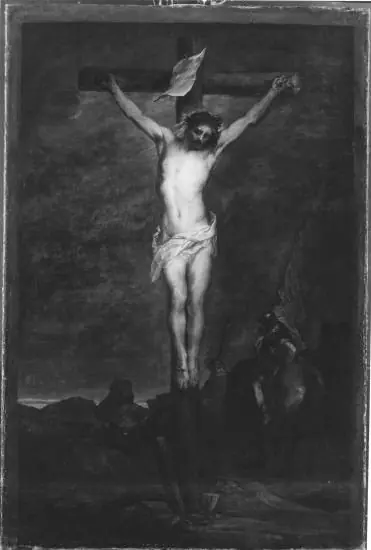 Christ on the Cross
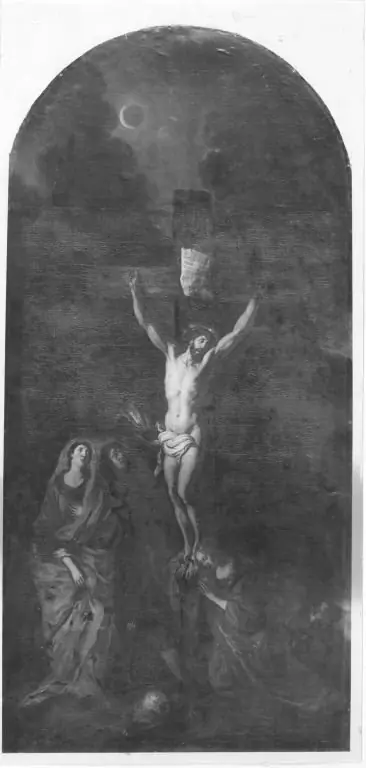 Christus am Kreuz (Werkstatt)