Artwork
Portrait of a White-Bearded Man
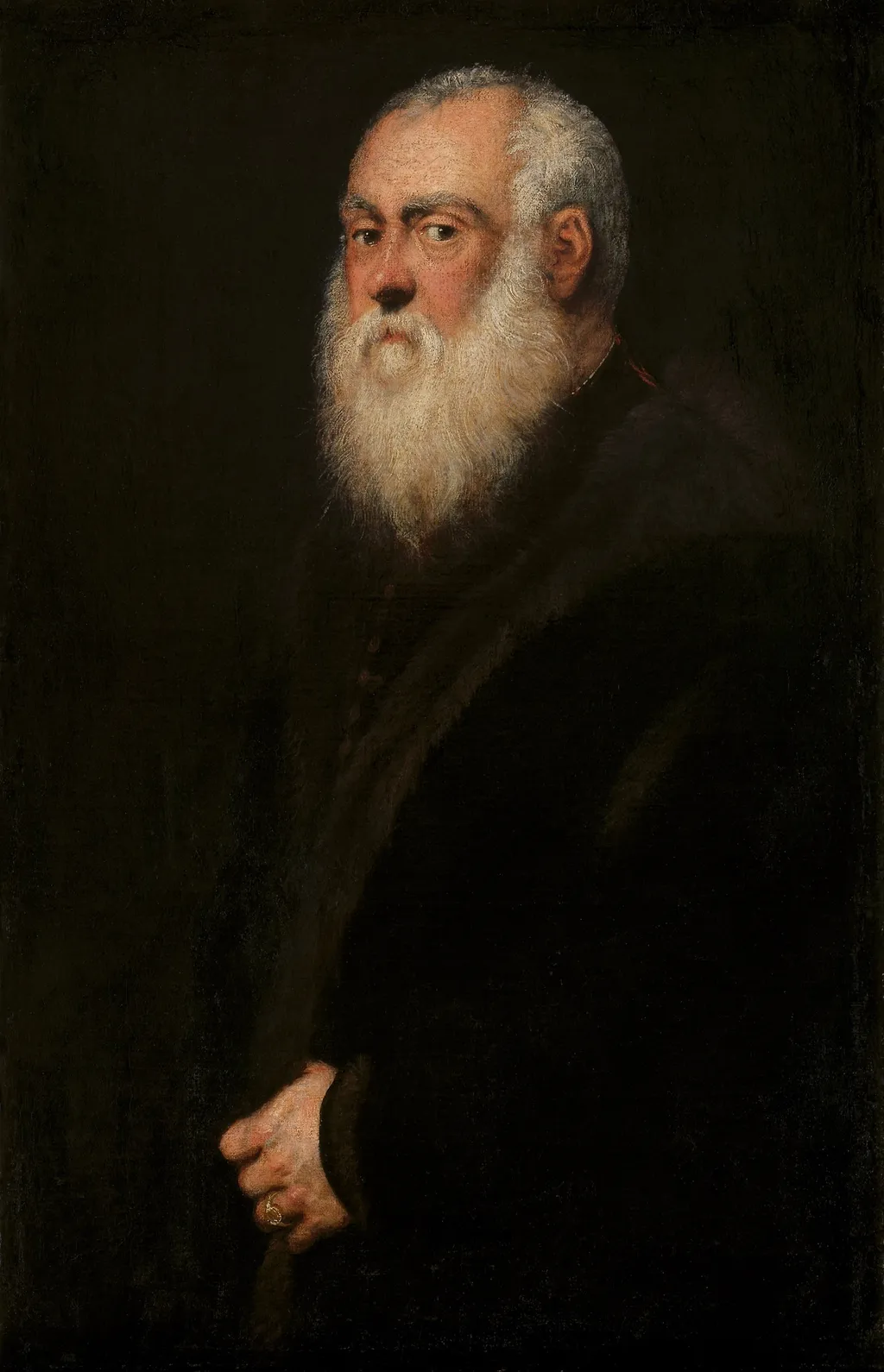
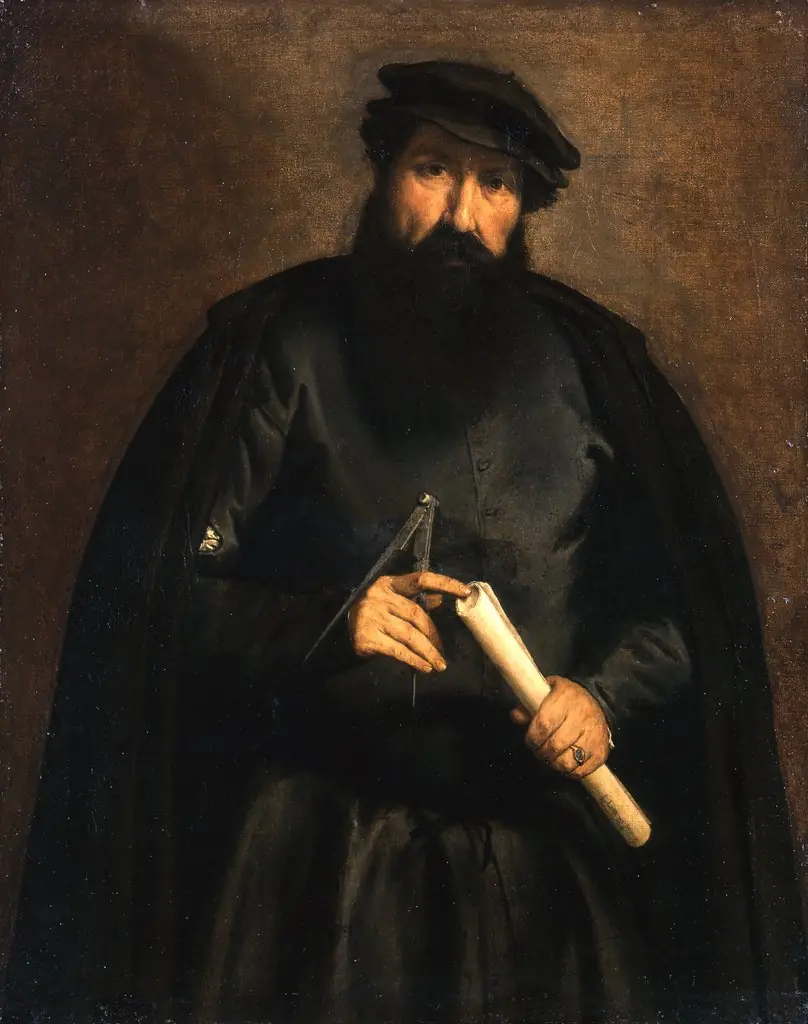
Portrait of a White-Bearded Man is an oil painting by the Mannerist artist Jacopo Tintoretto. It dates from 1570 and is held in the collection of the Kunsthistorisches Museum.
About this work
Subject & Meaning
Painted by Jacopo Tintoretto in 1570, the Portrait of a White-Bearded Man presents an unidentified male sitter distinguished by his prominent white beard.
Painted by Jacopo Tintoretto in 1570, the Portrait of a White-Bearded Man presents an unidentified male sitter distinguished by his prominent white beard. The painting is classified as a portrait genre work executed in oil on canvas, and the sitter's identity is not specified in the available records, leaving the subject as a generic bearded man rather than a named individual. The emphasis on the white beard serves as the central iconographic feature, a visual marker traditionally associated in sixteenth-century Venetian portraiture with age, wisdom, and patriarchal authority.
By isolating this single attribute as the defining element of the composition, Tintoretto transforms a conventional likeness into a meditation on maturity and venerable character, aligning the work with the broader tradition of dignified male portraiture practiced in late Cinquecento Venice.
Technique & Style
The portrait is executed in oil paint on canvas, a standard combination for Venetian painting of the period. The canvas support measures approximately 92.4 cm in height by 59.5 cm in width, giving the composition a tall, upright format suited to a half- or three-quarter-length presentation of the sitter.
Stylistically, the work belongs to Jacopo Tintoretto's portrait practice of the 1570s, characterized by the rapid, gestural brushwork and dramatic tonal contrasts for which he was known. The handling of the white beard, a defining feature of the composition, is rendered with bold, fluid strokes that capture volume and texture without excessive finish. The sitter is depicted as a bearded man, with the dark palette and concentrated lighting directing attention to the face.
History & Provenance
Created by Jacopo Tintoretto in 1570, the Portrait of a White-Bearded Man is an oil painting on canvas measuring 92.4 cm in height and 59.5 cm in width. The work entered the collection of Archduke Leopold Wilhelm of Austria, a known patron and collector of Tintoretto's art. It subsequently became part of the holdings of the Kunsthistorisches Museum in Vienna, where it remains in the permanent collection.
No specific details regarding the original commission or the identity of the sitter are provided in the available records.
The Portrait of a White-Bearded Man is held in the collection of the Kunsthistorisches Museum. Created around 1570, the oil on canvas work was previously owned by Archduke Leopold Wilhelm of Austria before entering the museum's holdings. While the painting's location and former ownership are documented, the provided records do not list specific inventory numbers or detail any public exhibitions in which the work has been displayed.
Context
Critical reception of Portrait of a White-Bearded Man has long emphasized its psychological intensity and masterful handling of light, with scholars noting its significance within Tintoretto's late oeuvre. The work is situated at the intersection of Venetian portraiture and Counter-Reformation visual culture, reflecting the era's preoccupation with individual dignity and spiritual gravitas. Its formal qualities, particularly the dramatic chiaroscuro and naturalistic rendering of age, have been cited as exemplars of Tintoretto's innovative approach to portraiture, influencing subsequent generations of European painters.
The painting's inclusion in the Kunsthistorisches Museum collection, originally assembled by Archduke Leopold Wilhelm, underscores its historical importance as both an artistic achievement and a symbol of Habsburg collecting practices.
Overview
Jacopo Tintoretto painted the Portrait of a White-Bearded Man in 1570, using oil on canvas. The work belongs to the Kunsthistorisches Museum’s collection and exemplifies the artist’s late‑Renaissance output, marked by vigorous execution and a pronounced Mannerist sensibility.
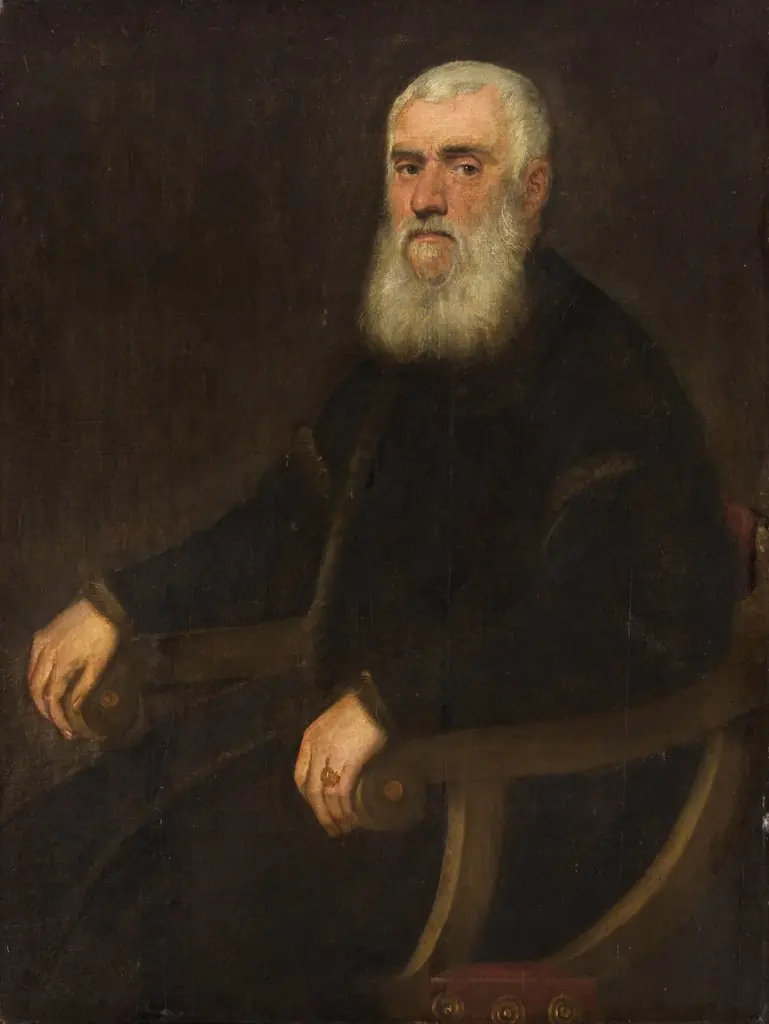
Own this work as a print
Artist & collection
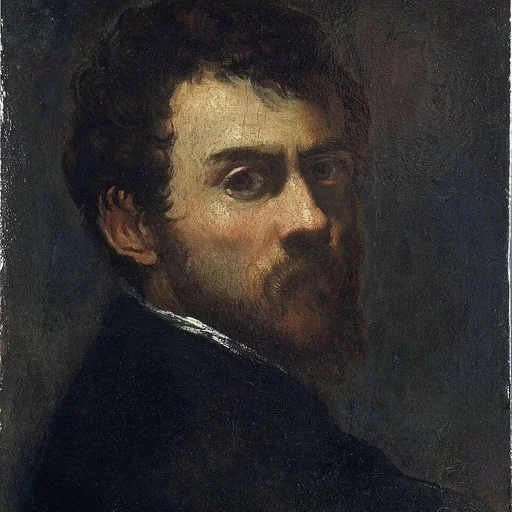
Artist
Jacopo Robusti (late September or early October 1518 – 31 May 1594), best known as Tintoretto ( TIN-tə-RET-oh; Italian:; Venetian: ), was an Italian Renaissance painter of the Venetian school.

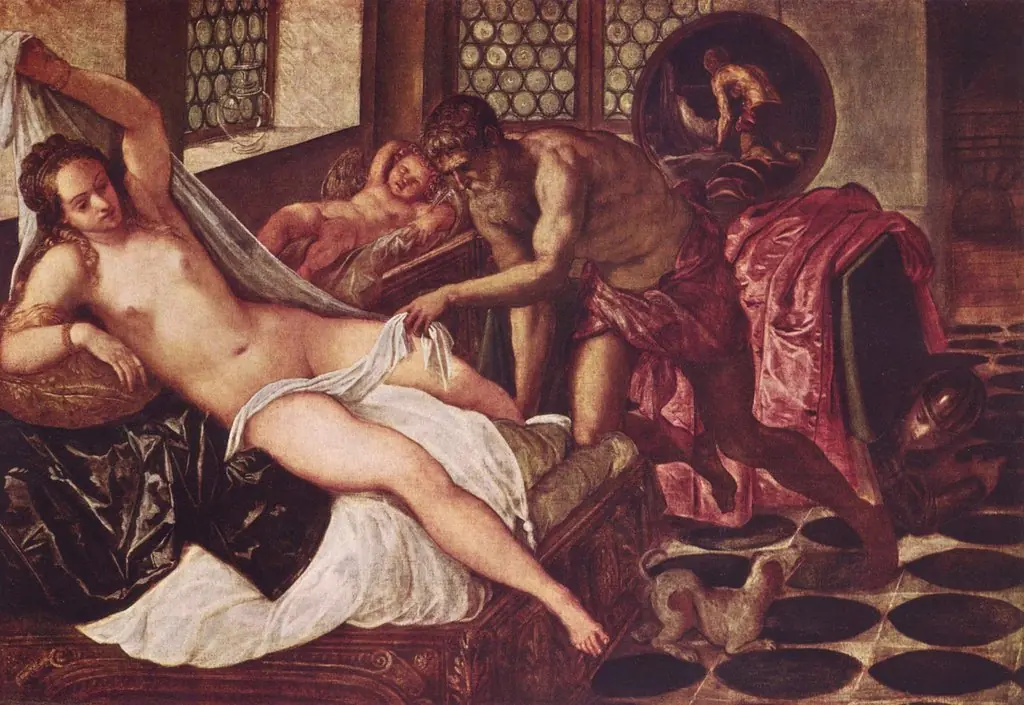
 Portrait of a man with a gray beard
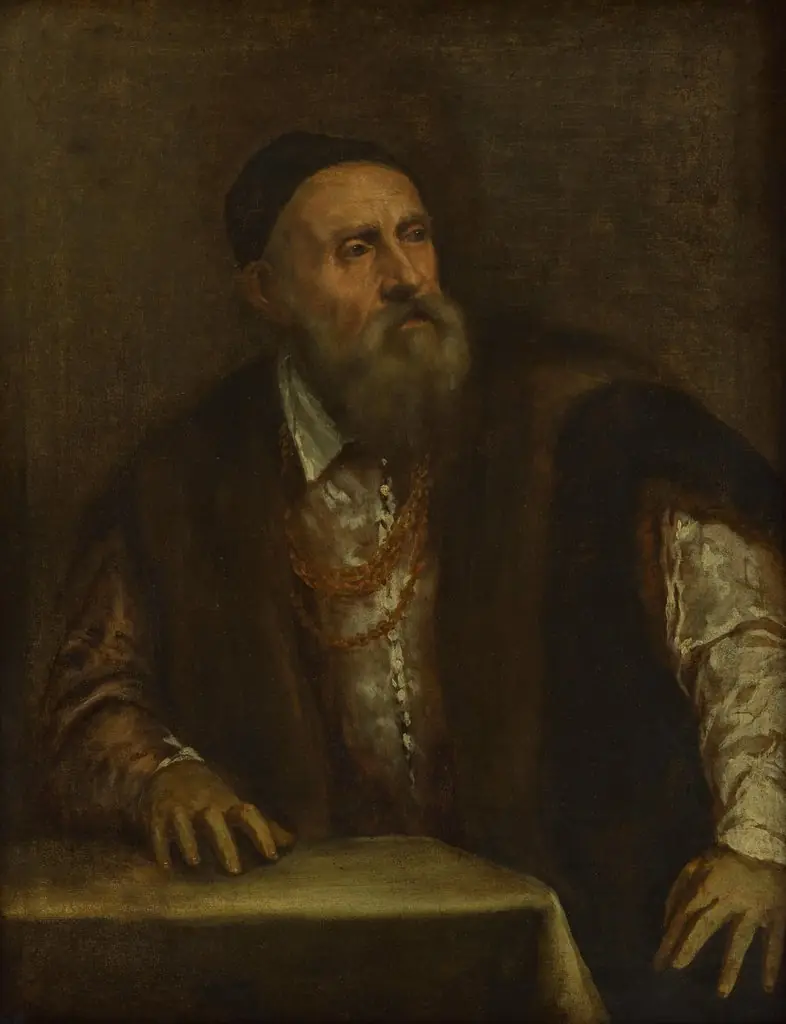 Self-Portrait
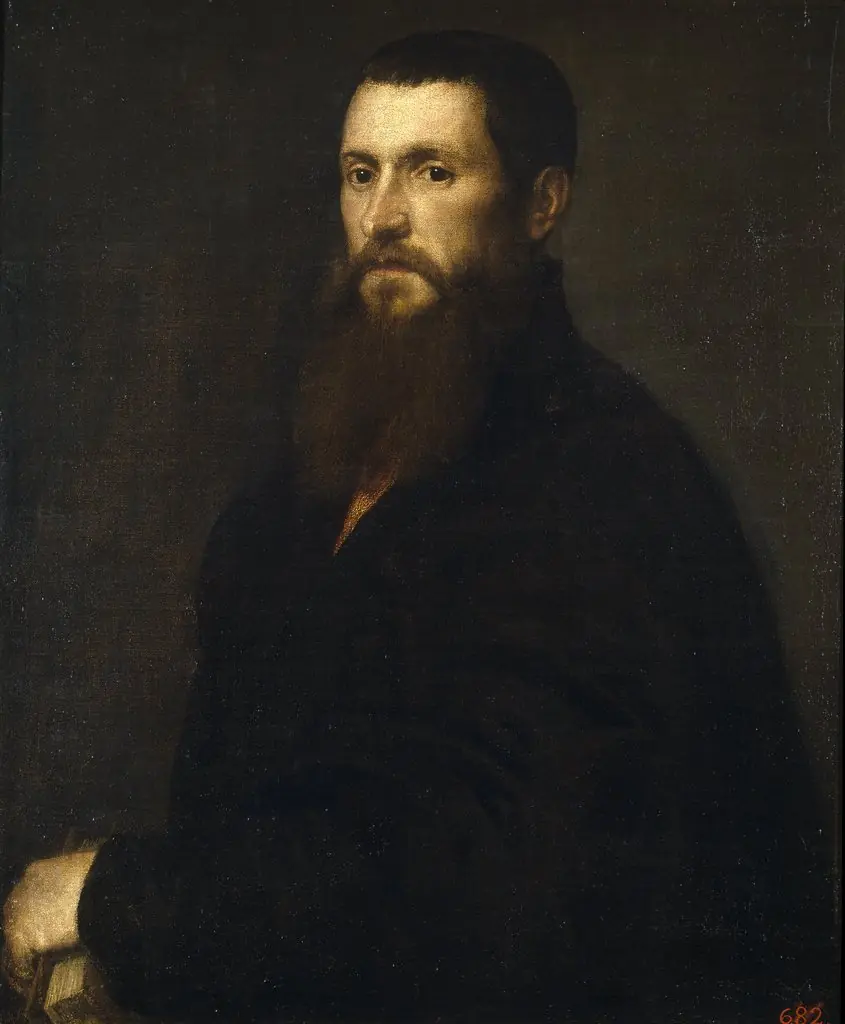 Daniele Barbaro, Patriarch of Aquileia
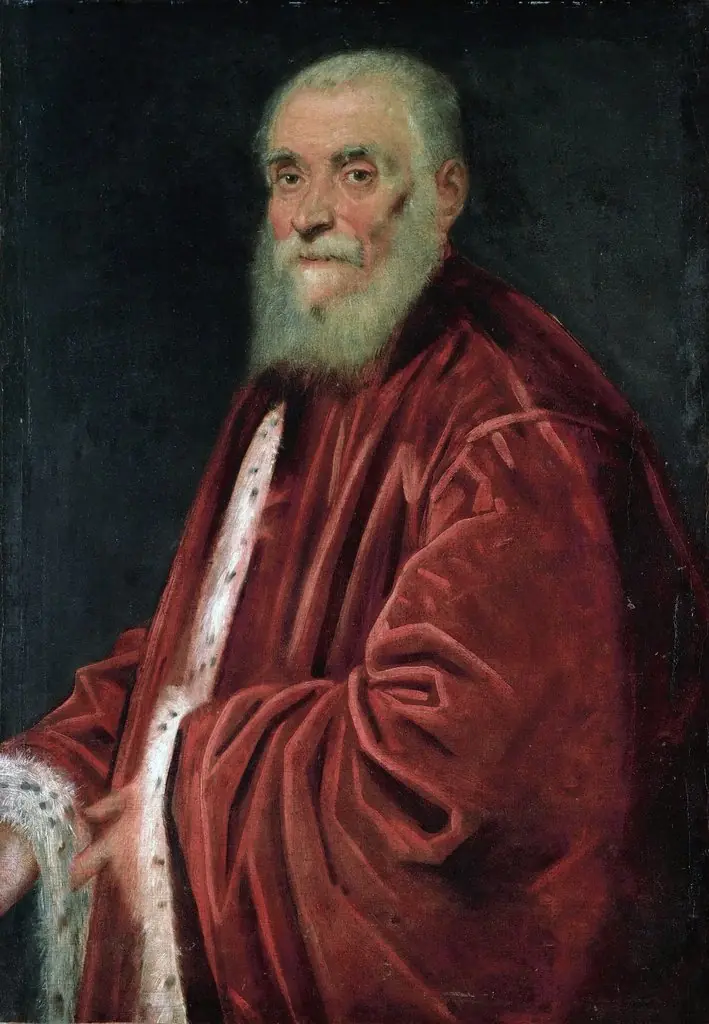 Portrait of the Venetian senator Marco Grimani (died 1583)
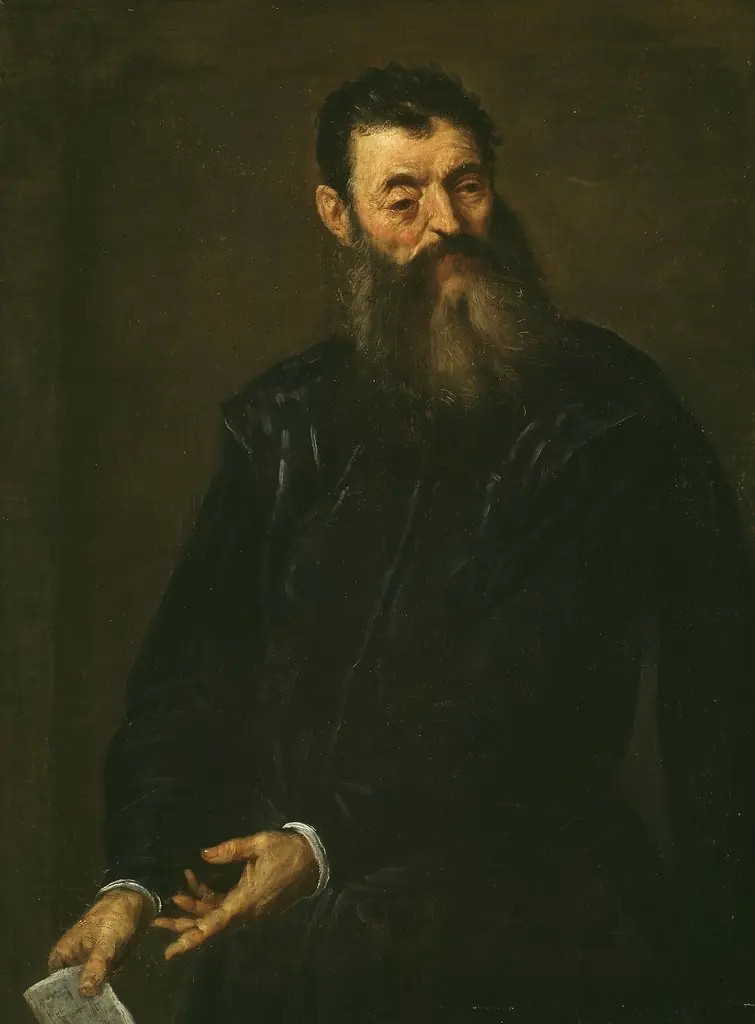 Portrait of a Gentleman
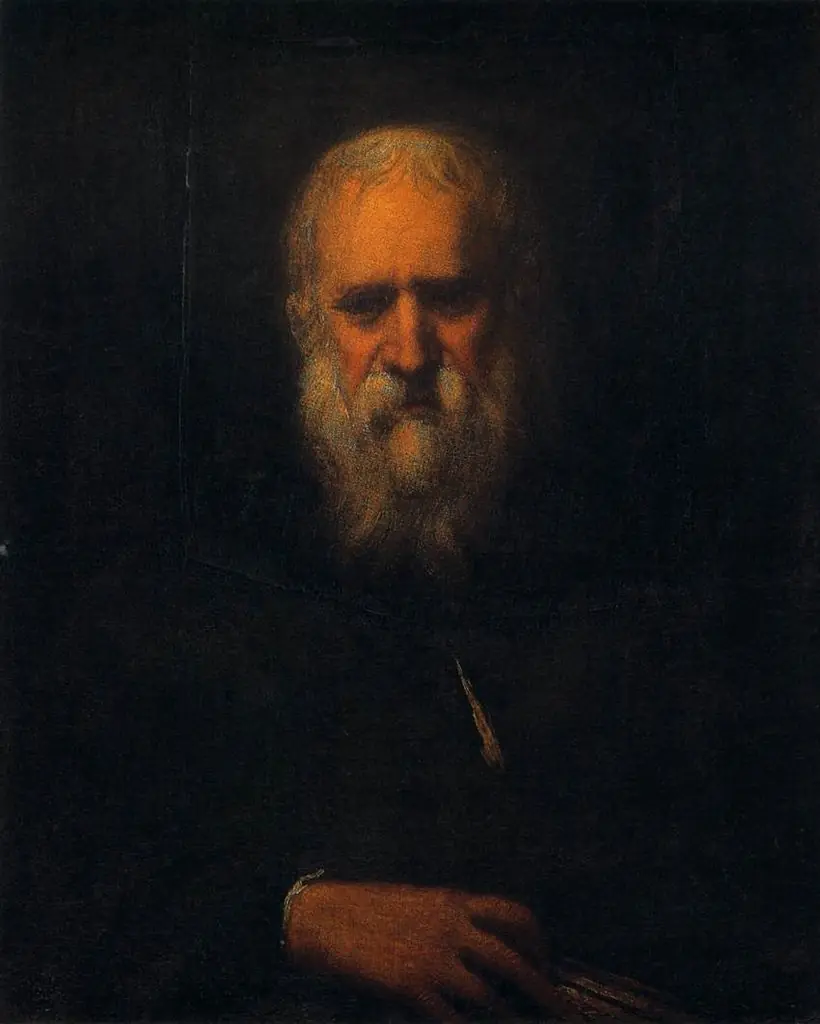 Self-portrait with a Book
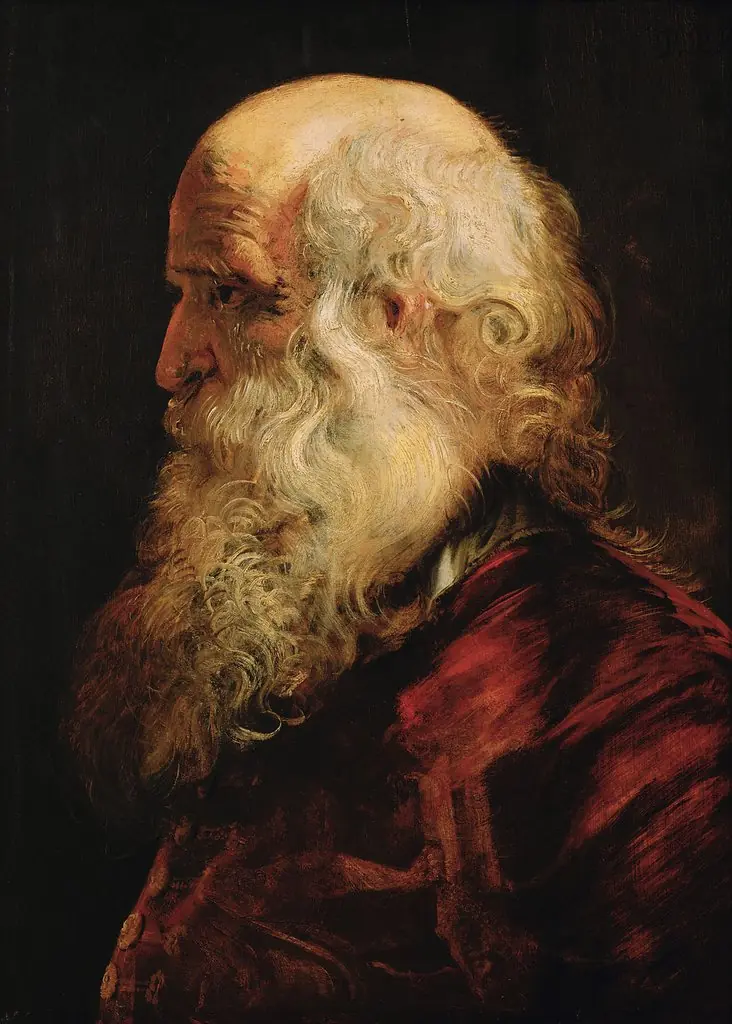 Study of the Head of an Old Man
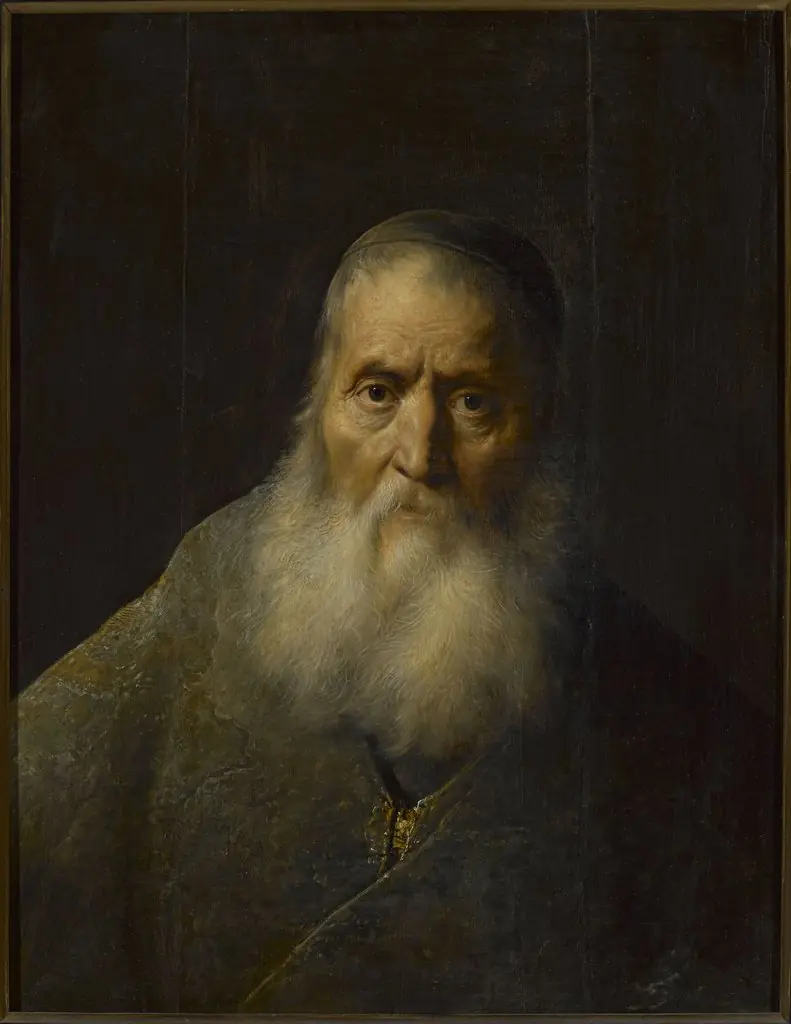 Old man in a skullcap
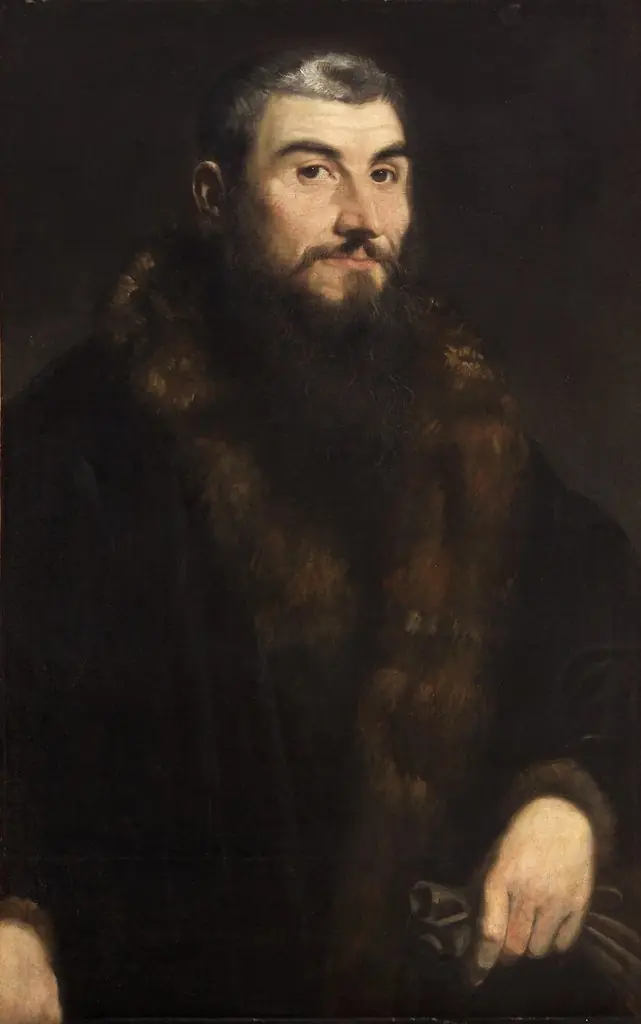 Portrait of a Man in Fur-lined Coat with Gloves
 Portrait of an man with circle and paper roll