Artwork
Erzherzogin Elisabeth (1554-1592), Königin von Frankreich, in Witwentracht, Brustbild
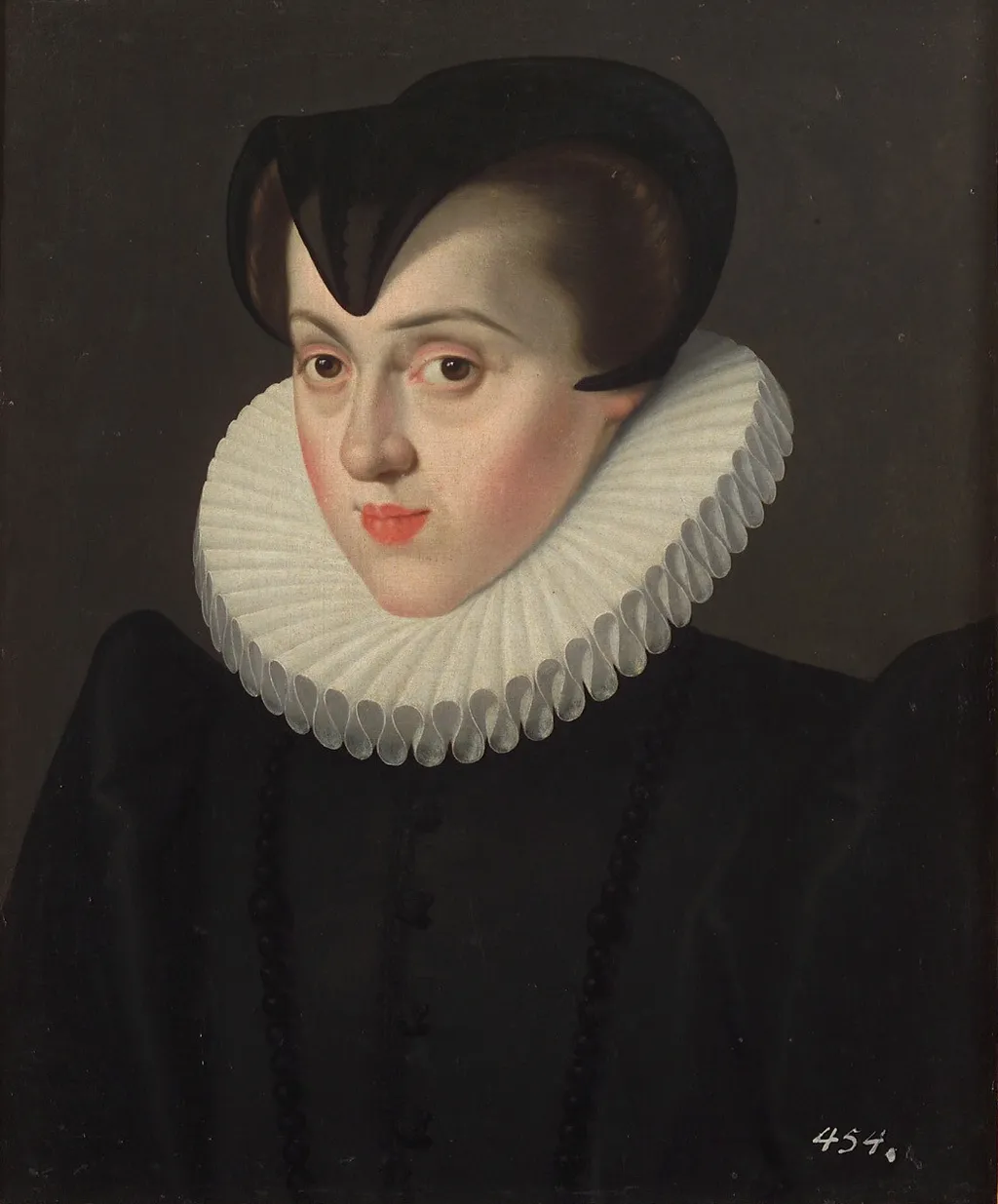
Erzherzogin Elisabeth (1554-1592), Königin von Frankreich, in Witwentracht, Brustbild is an oil painting by the Mannerist artist Jakob de Monte. It dates from 1590 and is held in the collection of the Kunsthistorisches Museum.
About this work
The painting is a beautiful example of Renaissance art, and it showcases the artist's skill in capturing the subtleties of human expression.
This painting is a portrait of a woman in the 16th century. She wears a black dress and a white ruffled collar, with a black hat that covers most of her hair. The background is dark, and the woman's face is the main focus of the painting.
The woman's expression is serious, and her eyes seem to be looking directly at the viewer. Her skin is pale, and her lips are painted red. The artist has used chiaroscuro to create a sense of depth and dimension in the painting.
The painting is a beautiful example of Renaissance art, and it showcases the artist's skill in capturing the subtleties of human expression. If you're interested in learning more about the artist who created this piece, look up Jakob de Monte.
Subject & Meaning
The portrait depicts Archduchess Elisabeth of Austria (1554–1592), Queen of France, shown in a half-length format wearing widow's mourning attire. Elisabeth, a member of the Habsburg dynasty, became Queen consort of France through her marriage to King Charles IX, who died in 1574; her later marriage to Francis, Duke of Anjou, ended with his death in 1584, after which she adopted the black mourning dress seen here.
The widow's clothing functions as the central iconographic element, signaling her status as a widowed queen and conveying virtues traditionally associated with noble widowhood, such as piety, constancy, and dynastic dignity. By the time the painting was executed in 1580, Elisabeth had already been widowed once, making the mourning dress a deliberate emblem of her personal circumstances and her enduring connection to the French crown.
The portrait thus operates as both a likeness and a statement of identity, using somber dress to communicate the sitter's royal lineage, her marital history, and the dignified restraint expected of a Habsburg queen in mourning.
Technique & Style
Jakob de Monte executed this portrait in 1580 using oil paint applied to a canvas support. The work measures 50 cm in height and 40 cm in width, presenting a bust-length depiction of Elisabeth of Austria. As a formal portrait, the piece adheres to the conventions of the genre, utilizing the medium to capture the likeness of the subject in widow's attire. The painting is currently held within the collection of the Kunsthistorisches Museum.
History & Provenance
Created in 1580 by Jakob de Monte, this oil-on-canvas portrait depicts Elisabeth of Austria, Queen of France, in widow's attire. The work measures 50 by 40 centimeters. Historically associated with Schloss Ambras in Innsbruck, the painting is currently held in the collection of the Kunsthistorisches Museum.
The portrait of Archduchess Elisabeth is held in the Kunsthistorisches Museum in Vienna, as recorded in the collection and location data for the work. It forms part of the museum's holdings of portraits by Jakob de Monte and is catalogued as an oil-on-canvas painting measuring 50 by 40 cm. No specific inventory or accession number, nor any exhibition history, is documented in the available sources.
The painting is associated with Schloss Ambras Innsbruck in its cataloguing context, suggesting a provenance link to the historic Ambras collection that was incorporated into the museum's holdings, though the sources do not detail the transfer or any loans or displays.
Overview
Jakob de Monte’s oil portrait, dated 1590, presents Archduchess Elisabeth of Austria, later Queen of France. Executed on canvas, the work measures a modest size and is part of the Kunsthistorisches Museum’s collection in Vienna. The composition centers the sitter’s face against a dark backdrop, emphasizing her dignified bearing.
Artist & collection
Artist
Austrian portrait painter active in the late 1500s, Jakob de Monte specialized in formal court likenesses.

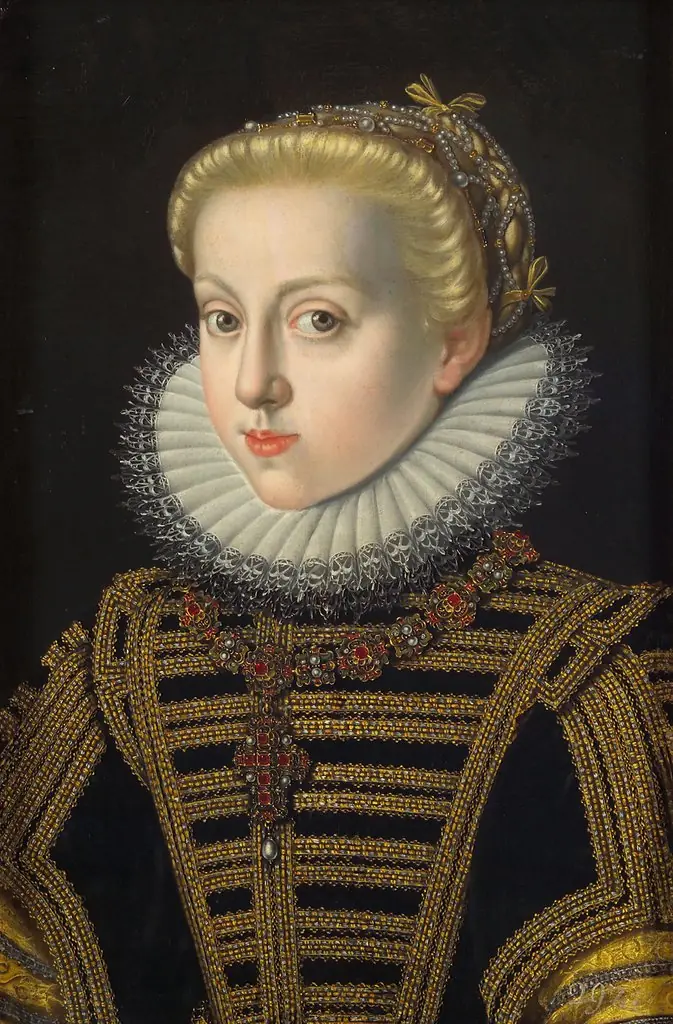
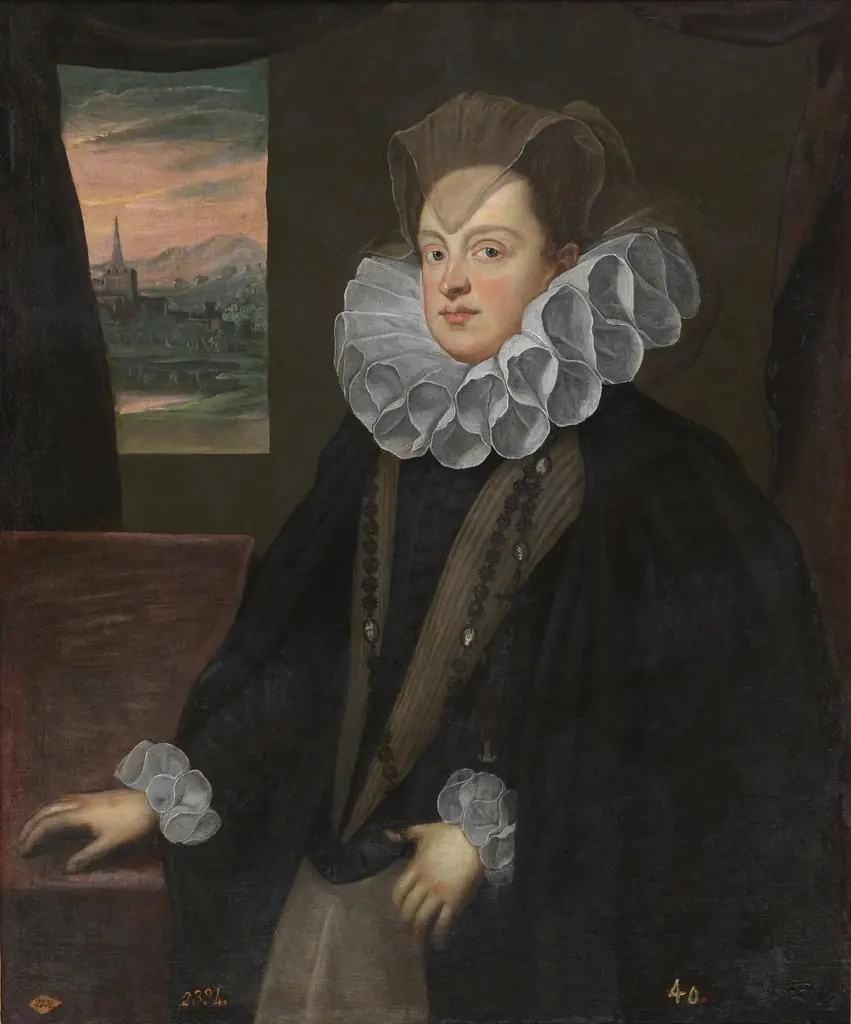
- Eleanor de' Medici, Duchess of Mantua
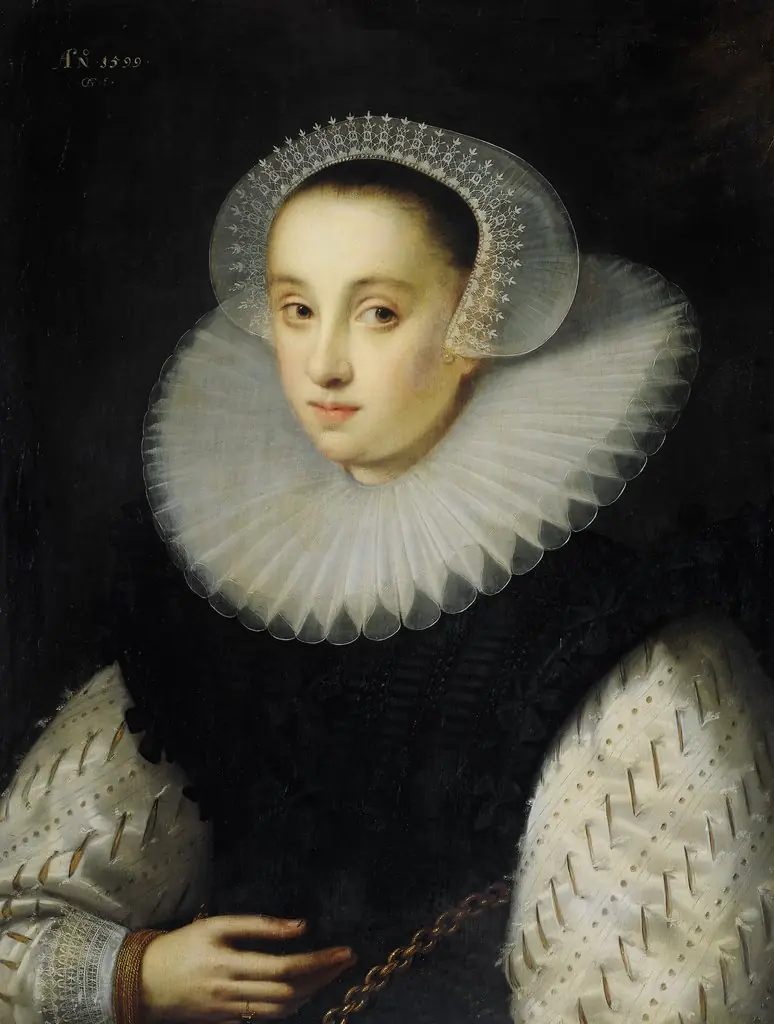 Portrait of Hortensia del Prado (died 1627)
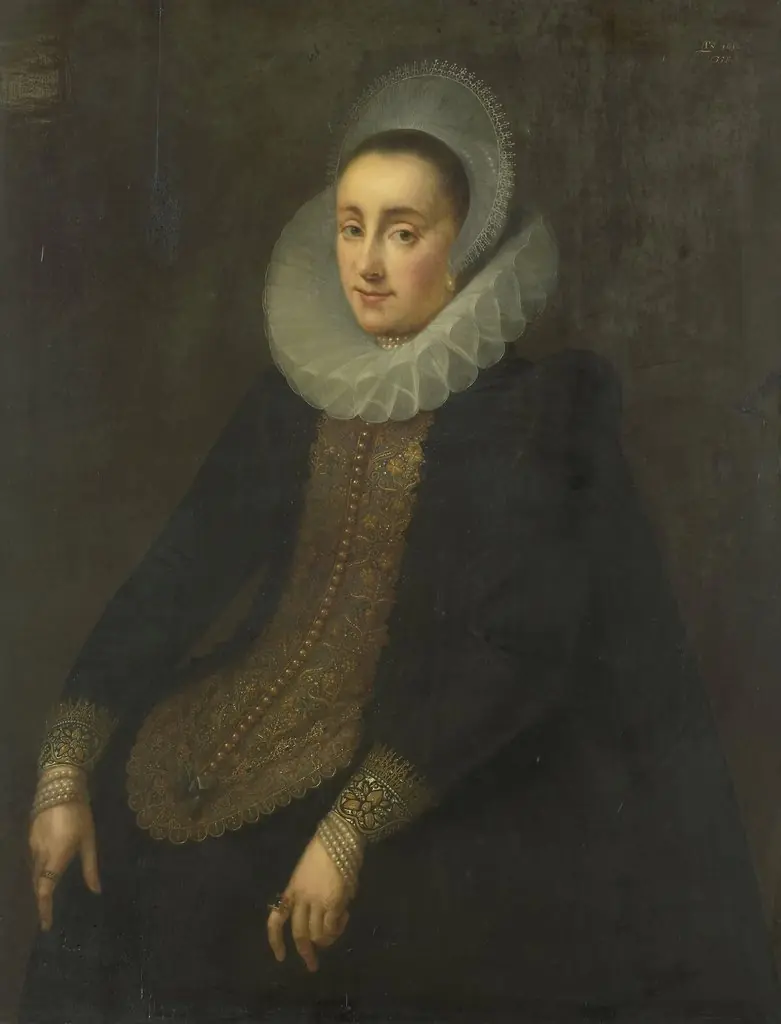 Portrait of Lucretia del Prado, Wife of Jeremias Boudinois
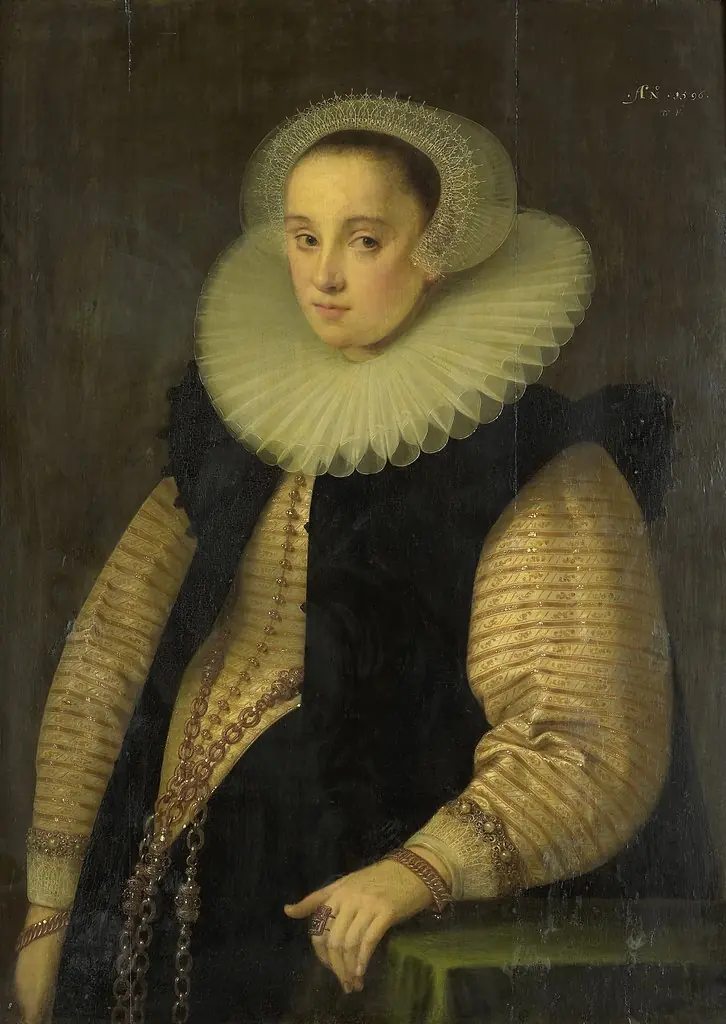 Portrait of Hortensia del Prado (died 1627), Wife of Jean Fourmenois
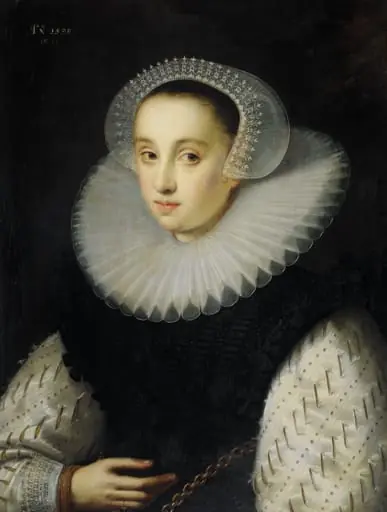 Hortensia del Prado (d 1627)
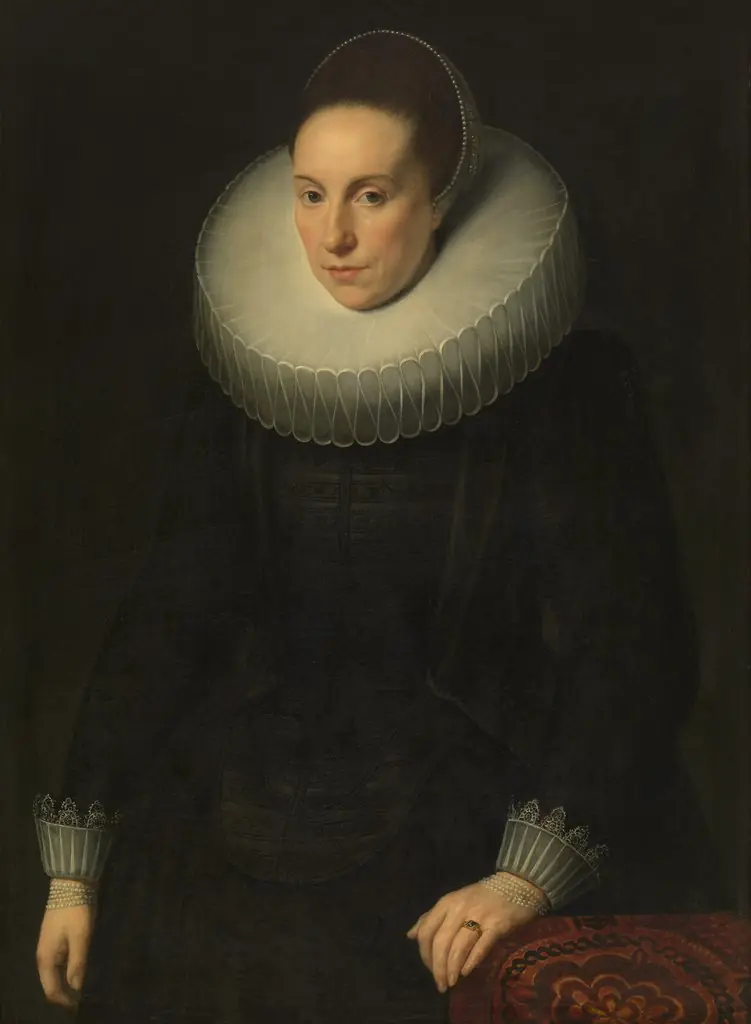 Portret van een vrouw
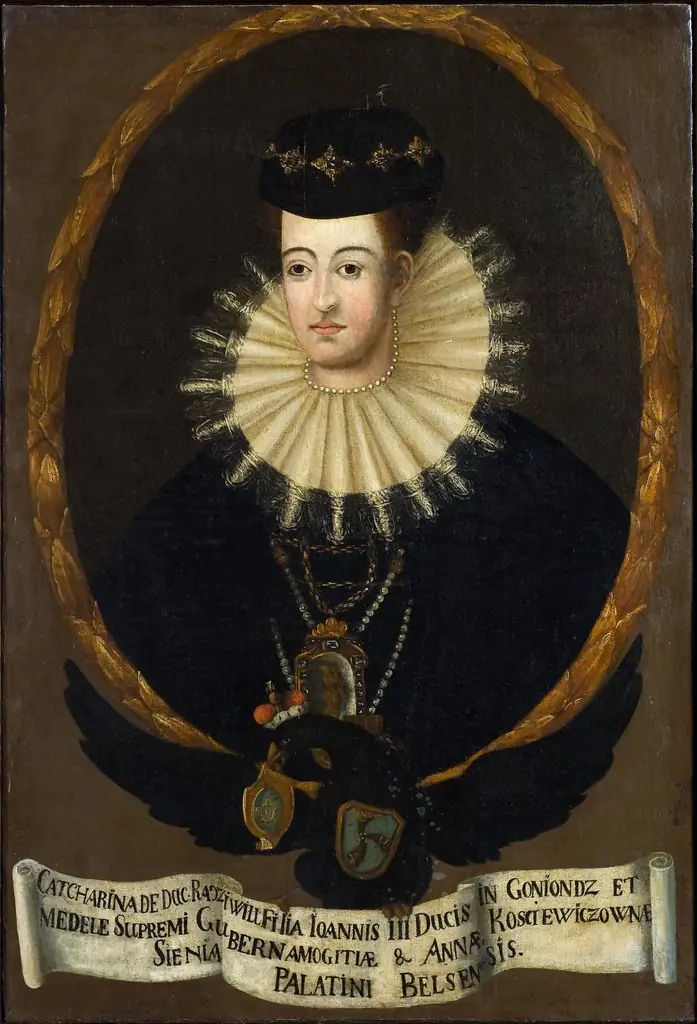 Portrait of Katarzyna Sieniawska née Radziwiłł (?–1565)
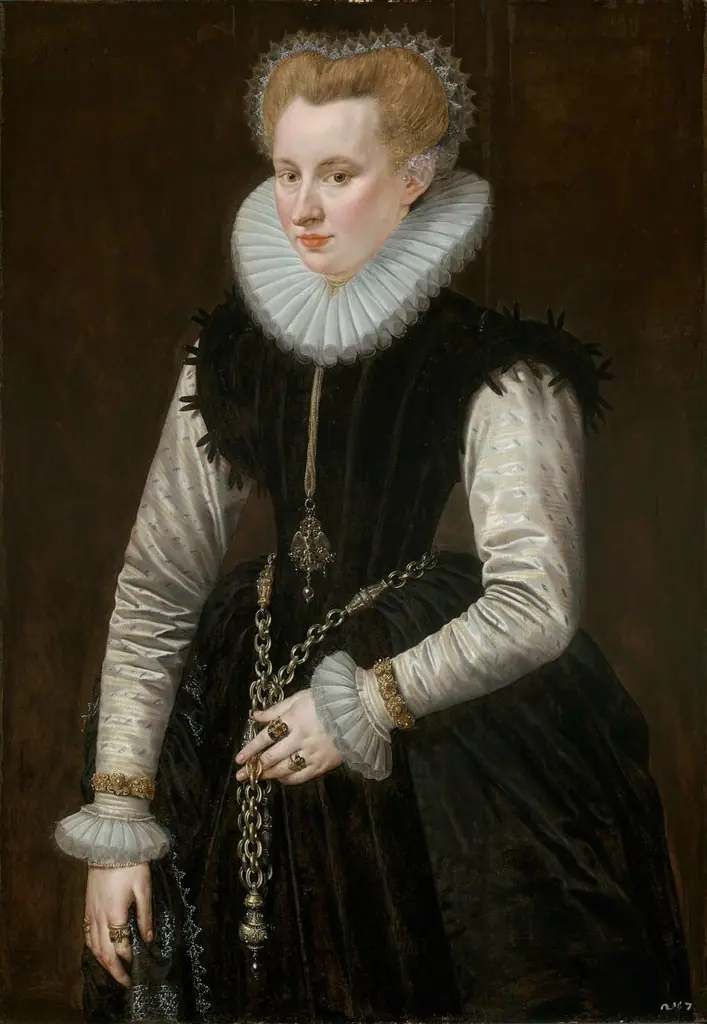 Portrait of a Woman
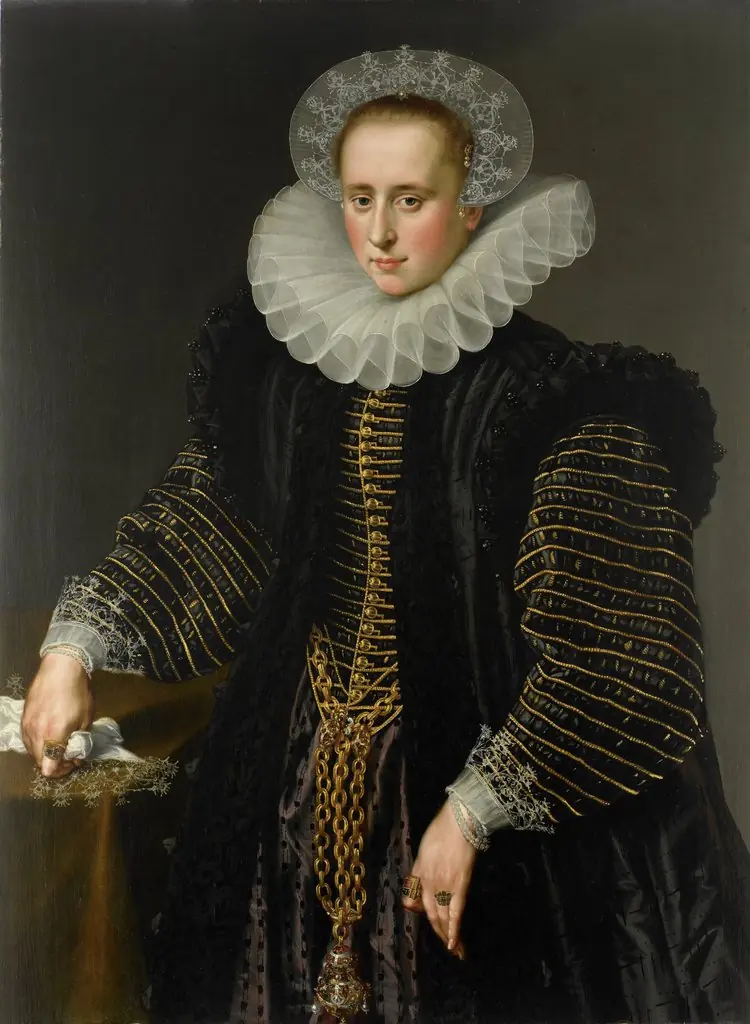 Portrait of a woman, probably Maria Schuurman (1575-1621)
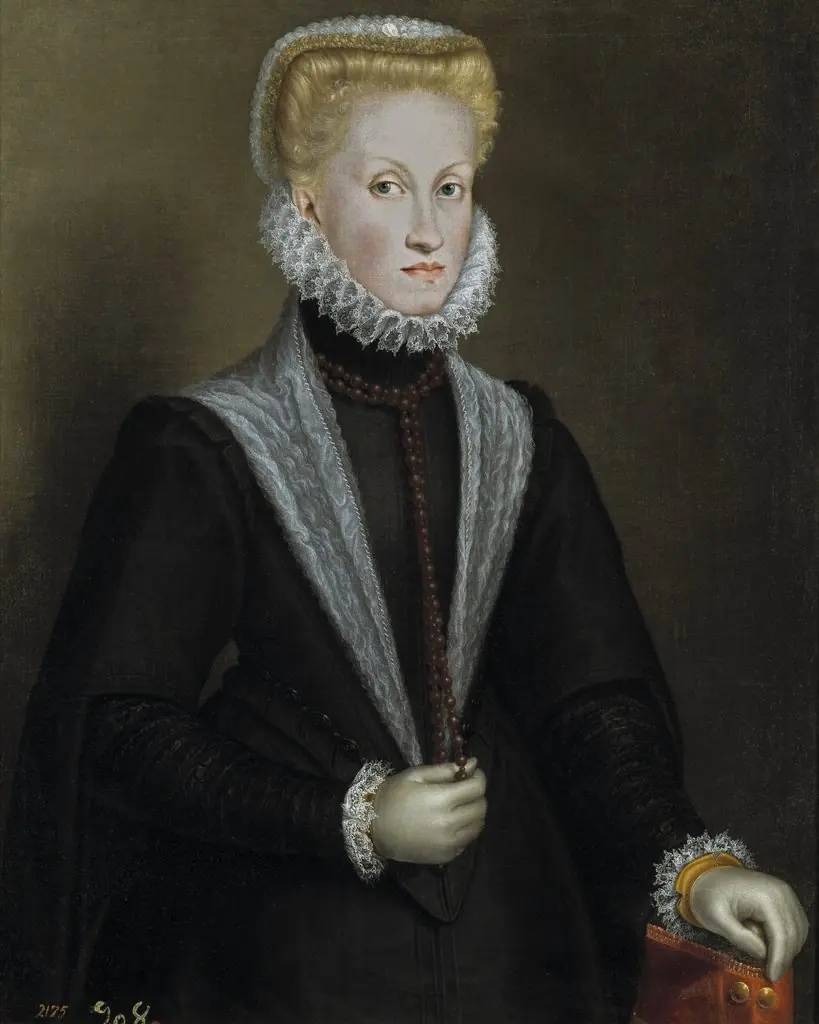 Portrait of Anna of Austria (1549-1580)
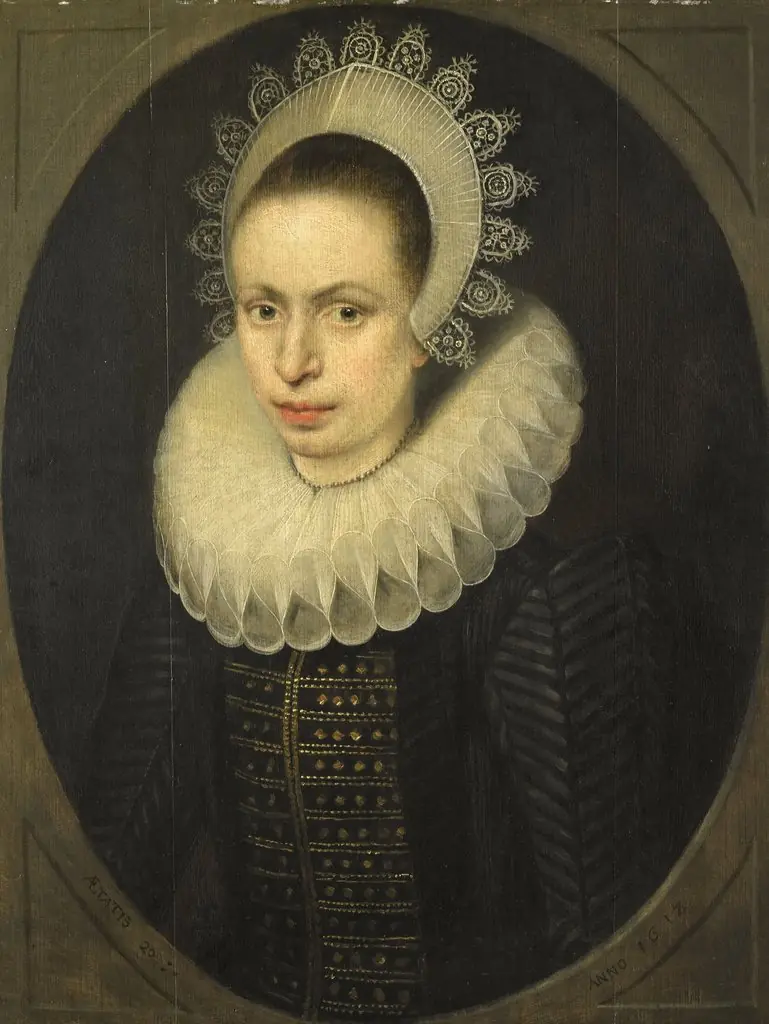 Portrait of Antoinette Walleran (1598-?)