Artwork
Archduchess Katharina Renea (1576-1595) in black dress
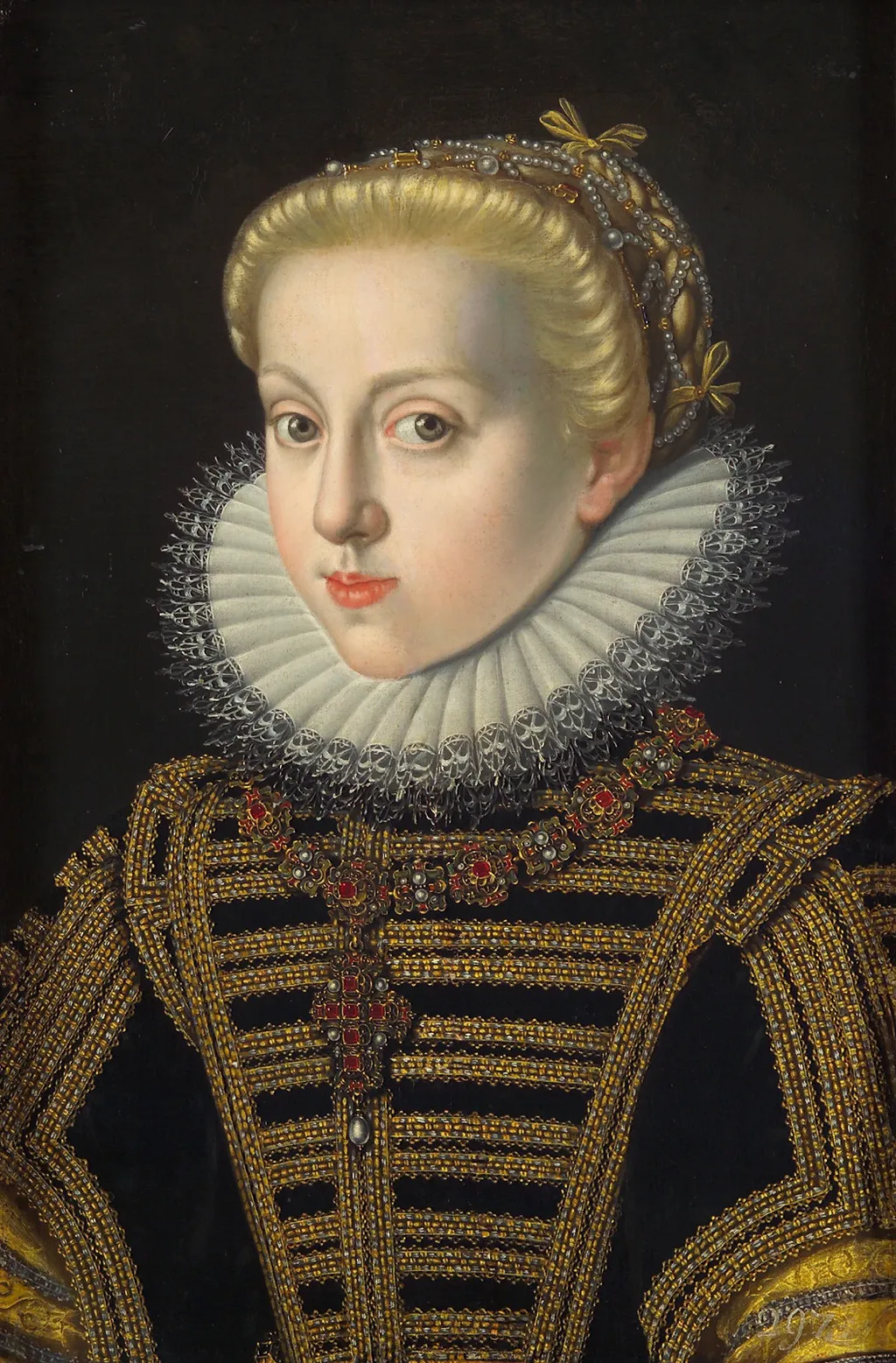
Archduchess Katharina Renea (1576-1595) in black dress is an unspecified painting by the Early Baroque Italian artist Jakob de Monte. It is held in the collection of the Kunsthistorisches Museum.
About this work
This painting depicts a young woman with blonde hair, adorned with a pearl headband and a white ruffled collar.
This painting depicts a young woman with blonde hair, adorned with a pearl headband and a white ruffled collar. She wears a black dress with gold embroidery, featuring a high neckline and puffy sleeves. The dress is embellished with red and white jewels around the collar and down the front.
The woman's attire and hairstyle suggest a formal portrait, likely from the 16th century. Her expression is neutral, with a subtle smile.
The painting's attention to detail and use of rich colors evoke a sense of opulence and grandeur. To learn more about the artist behind this work, look up Jakob de Monte.
Subject & Meaning
The painting portrays Archduchess Catherine Renata of Austria (1576–1595), a member of the Habsburg dynasty and daughter of Archduke Charles II of Austria. She is depicted in a black dress, a choice of attire that carries significant symbolic weight. In late sixteenth-century European court portraiture, black clothing often denoted status, piety, or mourning, though its specific meaning here remains tied to the conventions of Habsburg representation.
As a portrait genre work, the painting serves to assert the sitter's dynastic identity and social position within the imperial family. The direct, formal presentation emphasizes her rank and the political importance of Habsburg lineage during this period.
Technique & Style
Executed in 1591 by Jakob de Monte, this portrait is an oil painting on canvas. The work measures 55 cm in height and 36 cm in width. Stylistically, the composition focuses on the figure of Archduchess Katharina Renea, who is depicted wearing a black dress.
The piece is classified as a formal portrait and is currently held in the collection of the Kunsthistorisches Museum.
History & Provenance
The portrait of Archduchess Katharina Renea was painted by Jakob de Monte in 1591, as documented in its catalog entry. It entered the collection of the Kunsthistorisches Museum and has remained in that institution's custody since its creation. The work measures 55 centimeters in height and 36 centimeters in width, reflecting its original dimensions recorded at the time of production.
The painting is held in the collection of the Kunsthistorisches Museum, where it is located as part of that institution's holdings.
No specific inventory or accession number is recorded in the available sources, and no exhibition history is documented beyond its association with the Kunsthistorisches Museum.
Overview
Jakob de Monte’s 1596 canvas presents the young Archduchess Catherine Renata of Austria in a formal, courtly pose. Rendered in oil on canvas, the portrait captures the aristocratic sitter at the age of twenty, shortly after her death, and is now part of the collection of Vienna’s Kunsthistorisches Museum.
Artist & collection
Artist
Austrian portrait painter active in the late 1500s, Jakob de Monte specialized in formal court likenesses.

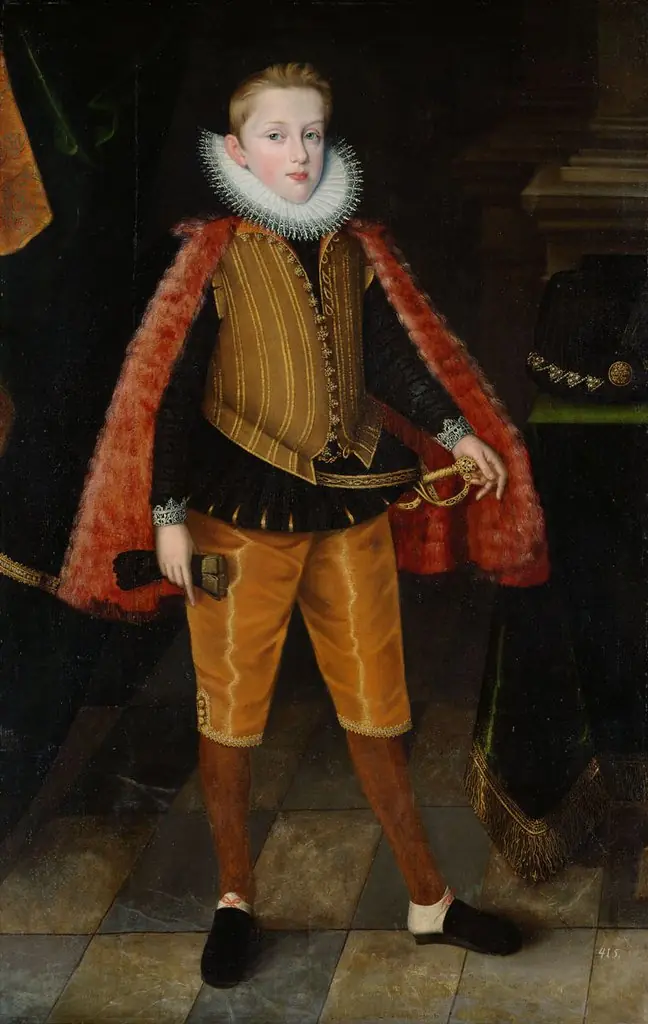
- Anna von Österreich, Königin von Spanien
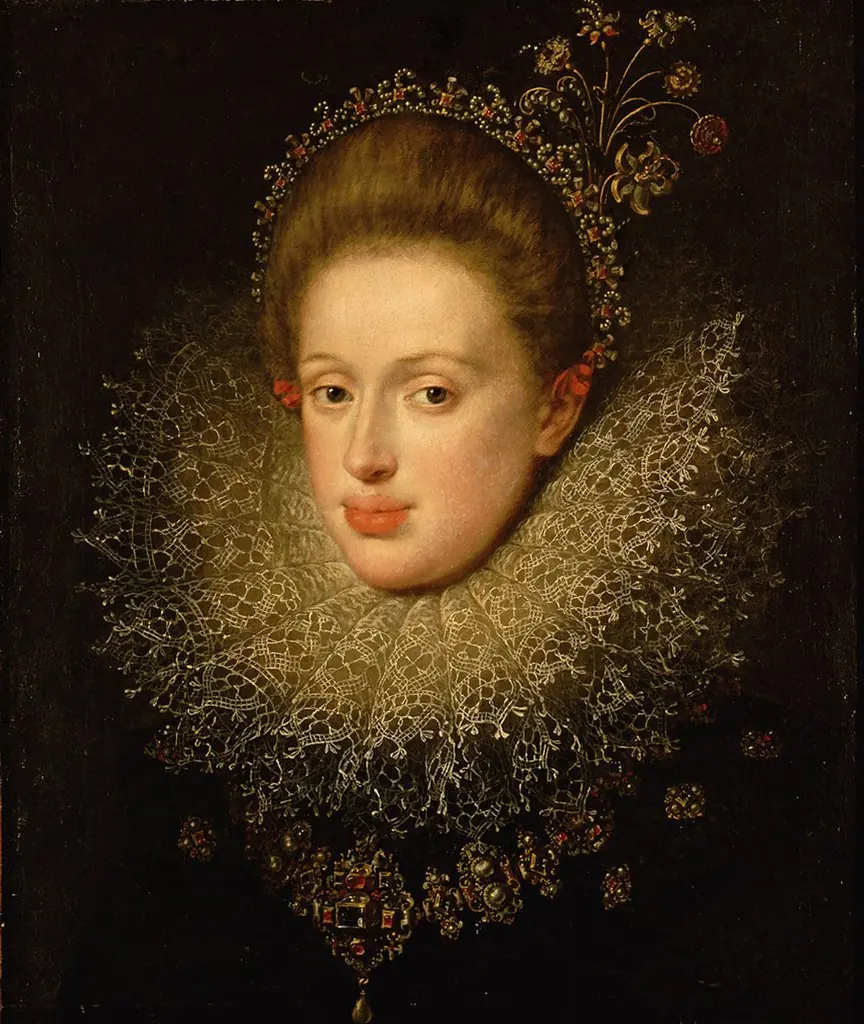 Anna of Tyrol
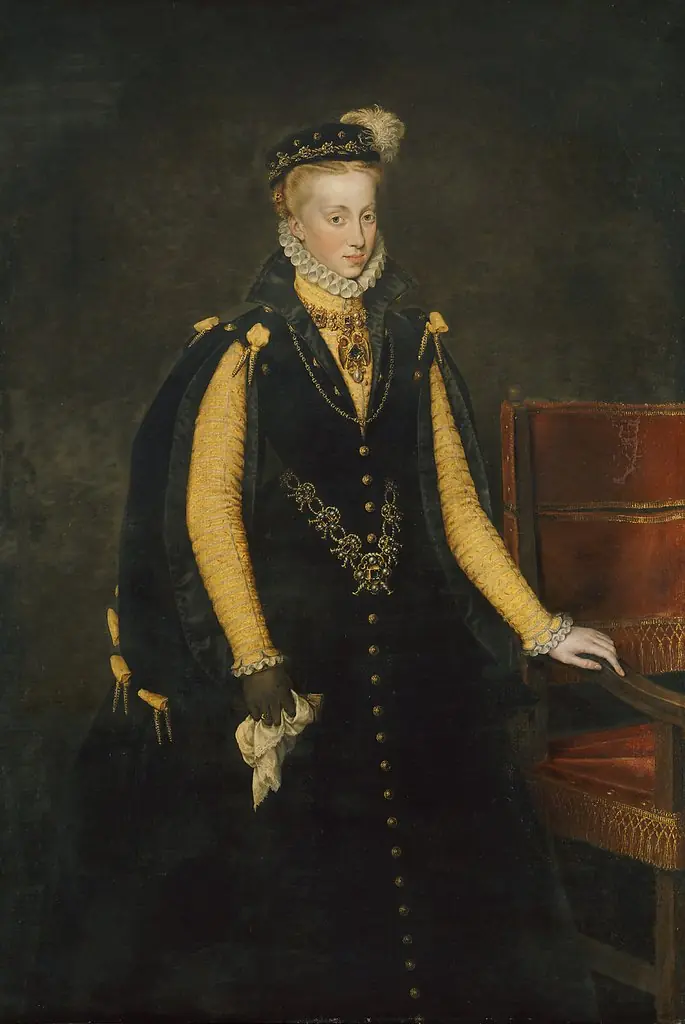
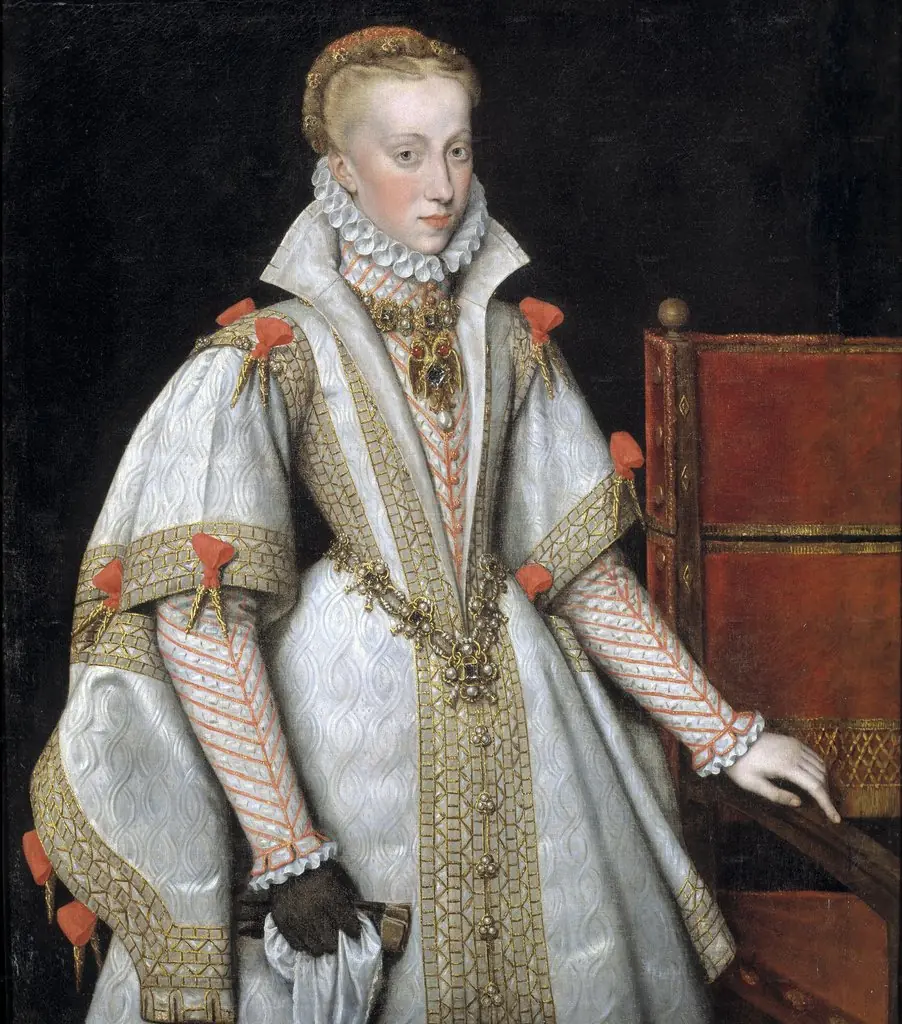 Queen Anne of Austria, fourth Wife of Philip II
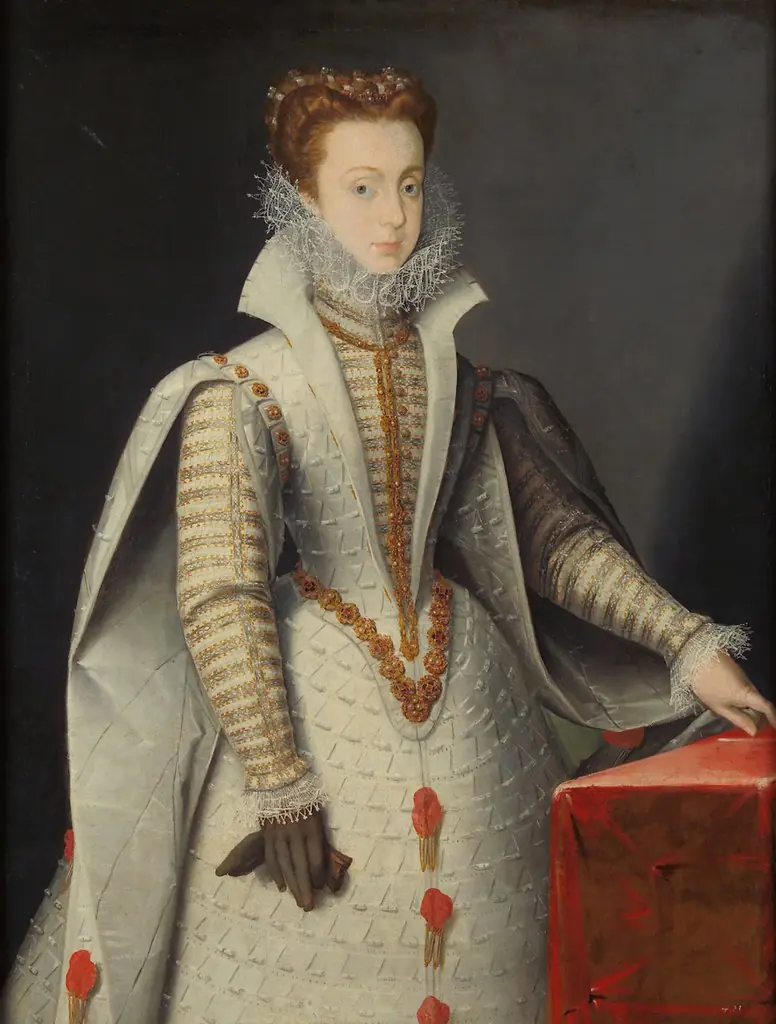 Herzogin Margarete von Joyeuse (1564-1625), Dreiviertelbildnis
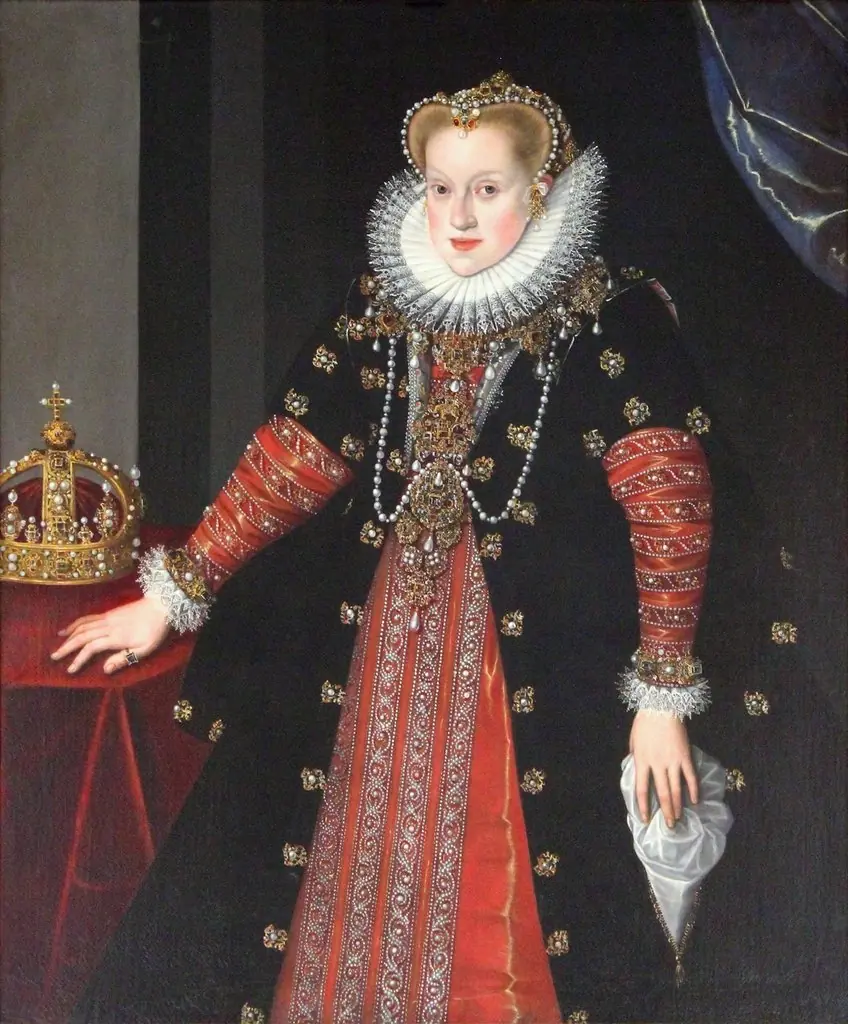 Portrait of Anne of Austria, Queen of Poland (1573-1598)
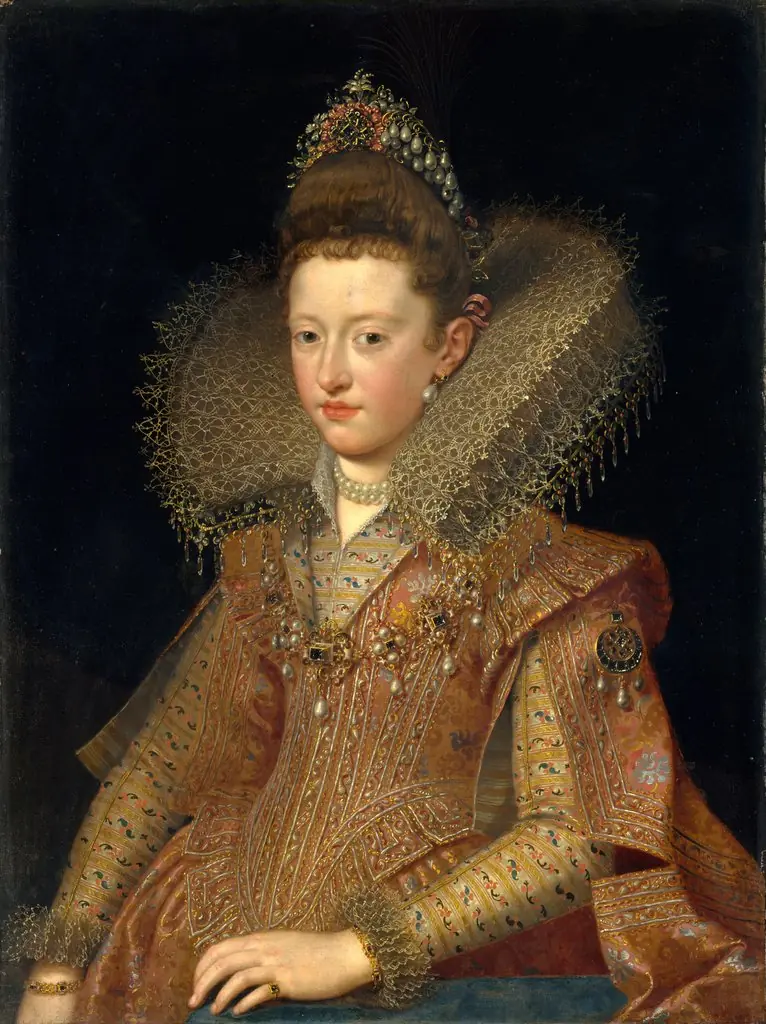 Margherita Gonzaga (1591–1632), Princess of Mantua
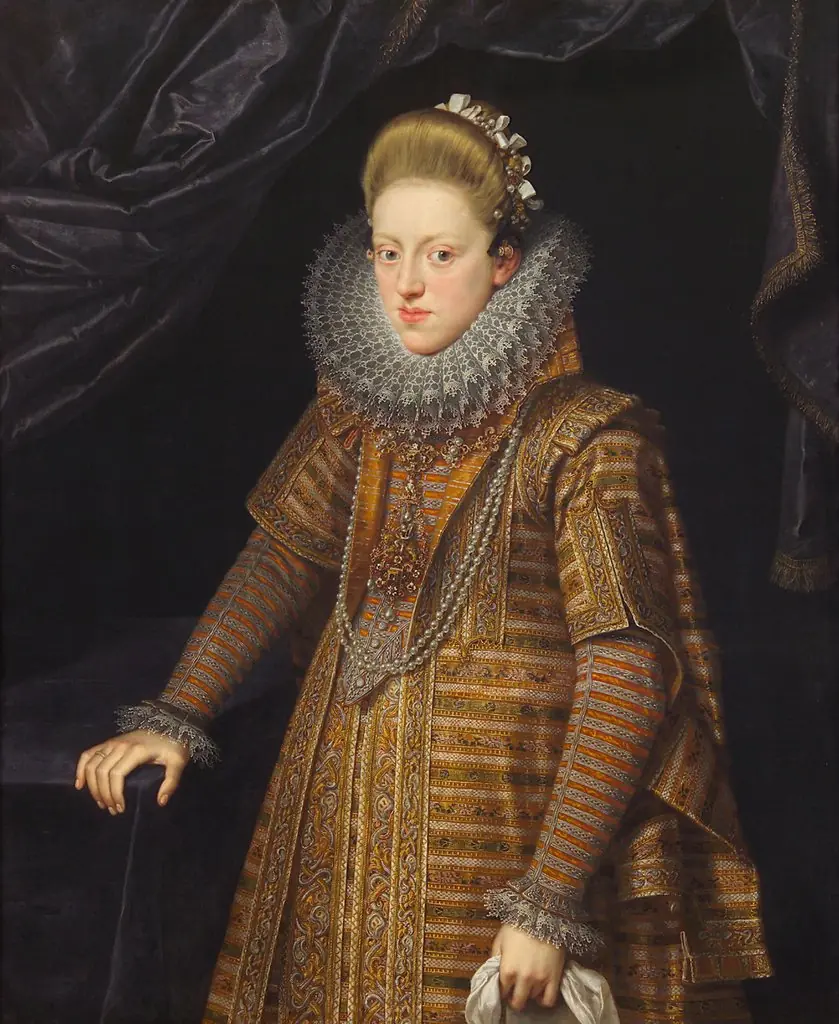 Erzherzogin Eleonore (1582-1620), Kniestück
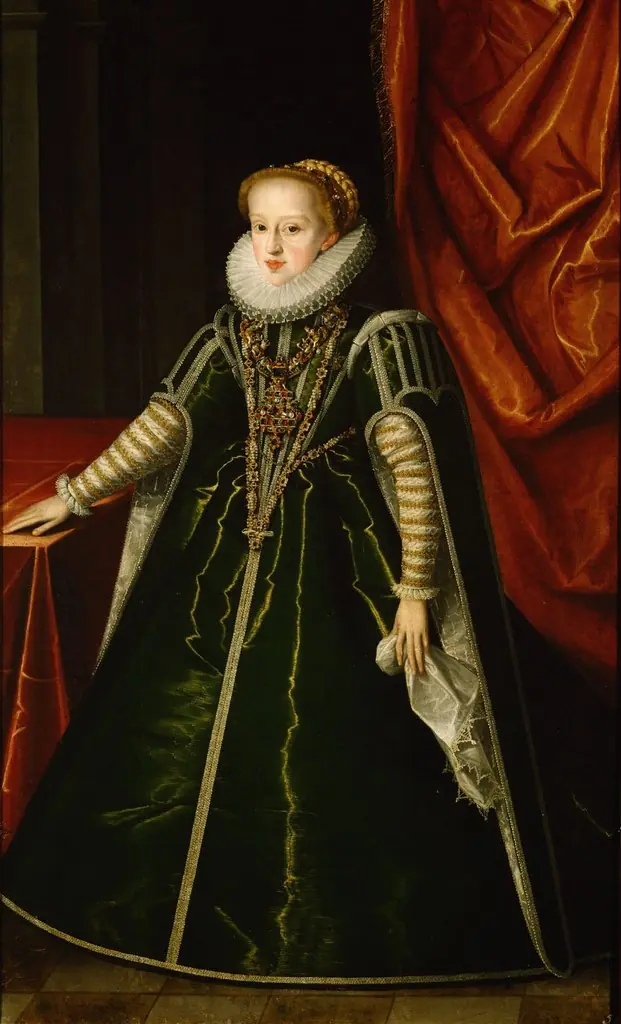
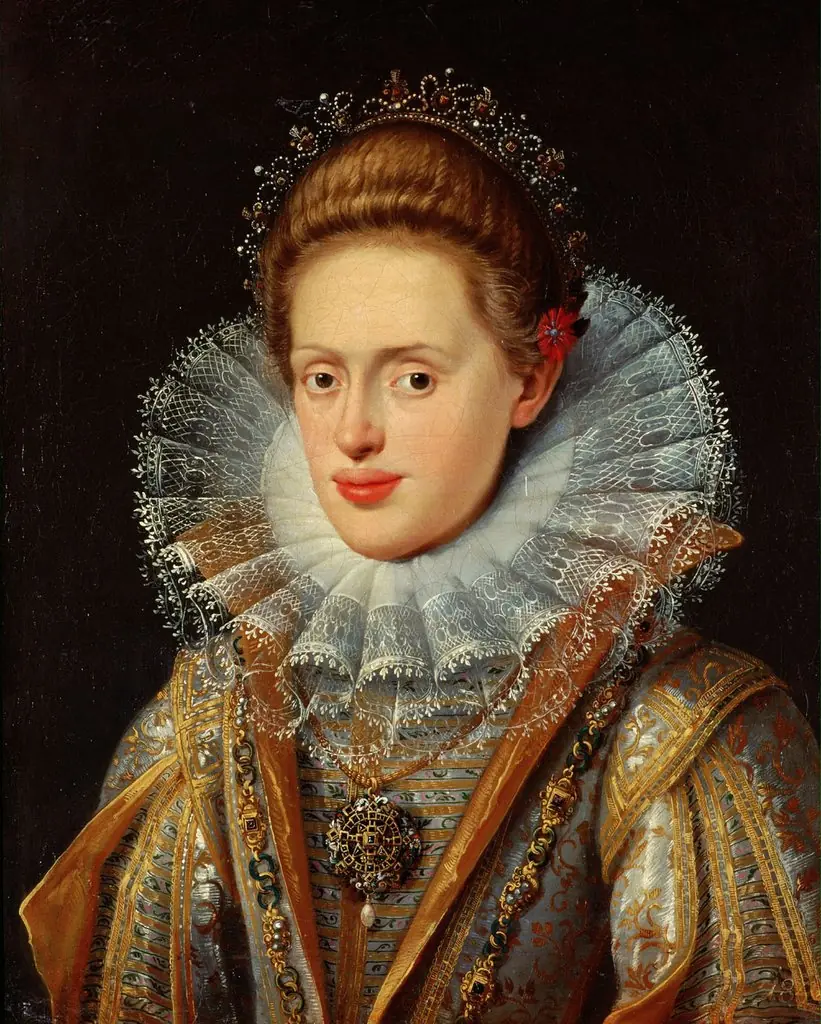 Erzherzogin Anna (1585-1618), Gemahlin von Kaiser Matthias und Tochter von Erzherzog Ferdinand II., Landesfürst von Tirol; Brustbild
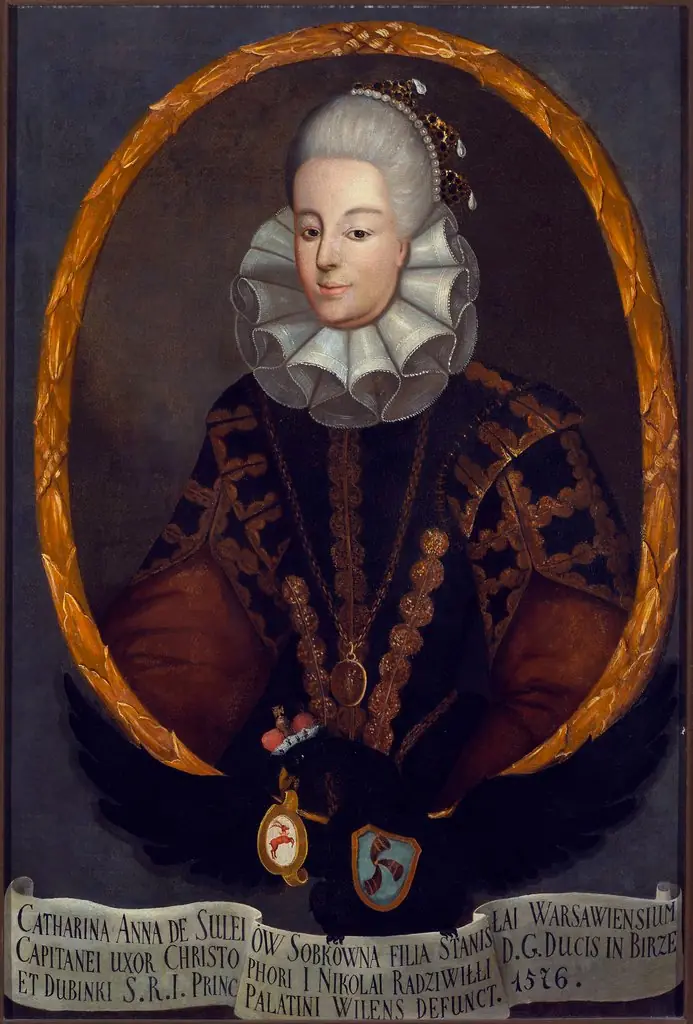 Portrait of Anna Radziwiłł née Sobek (?–1578)
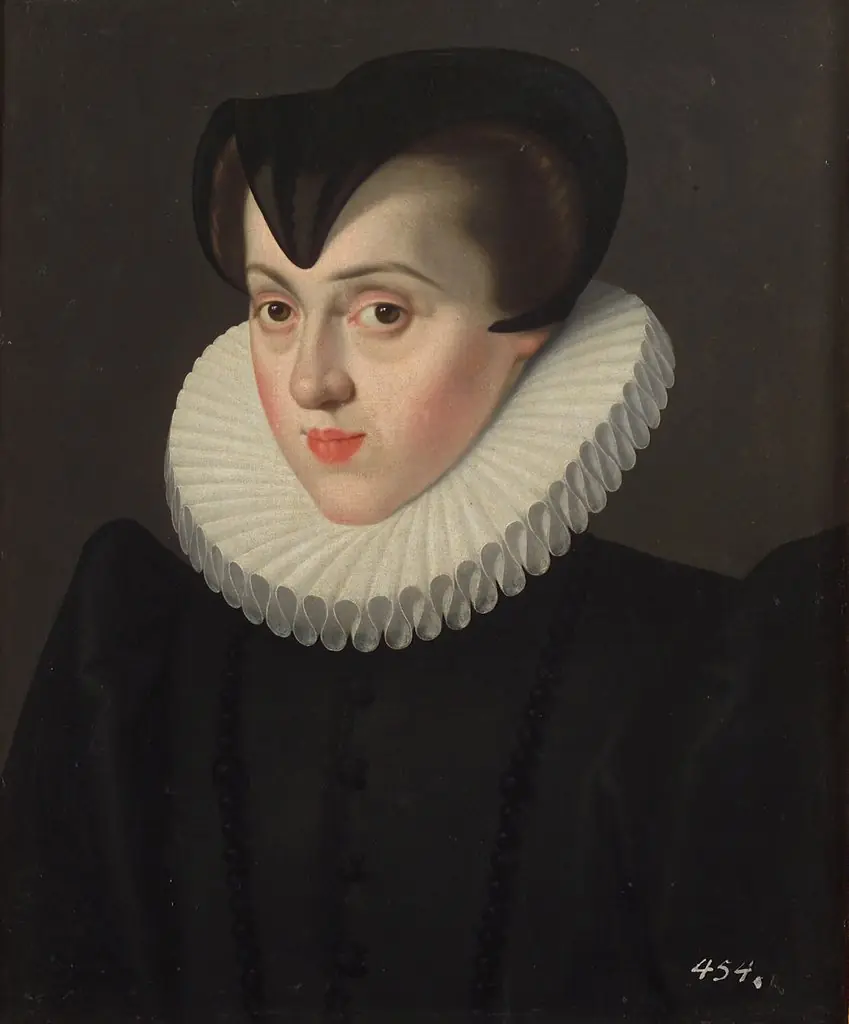
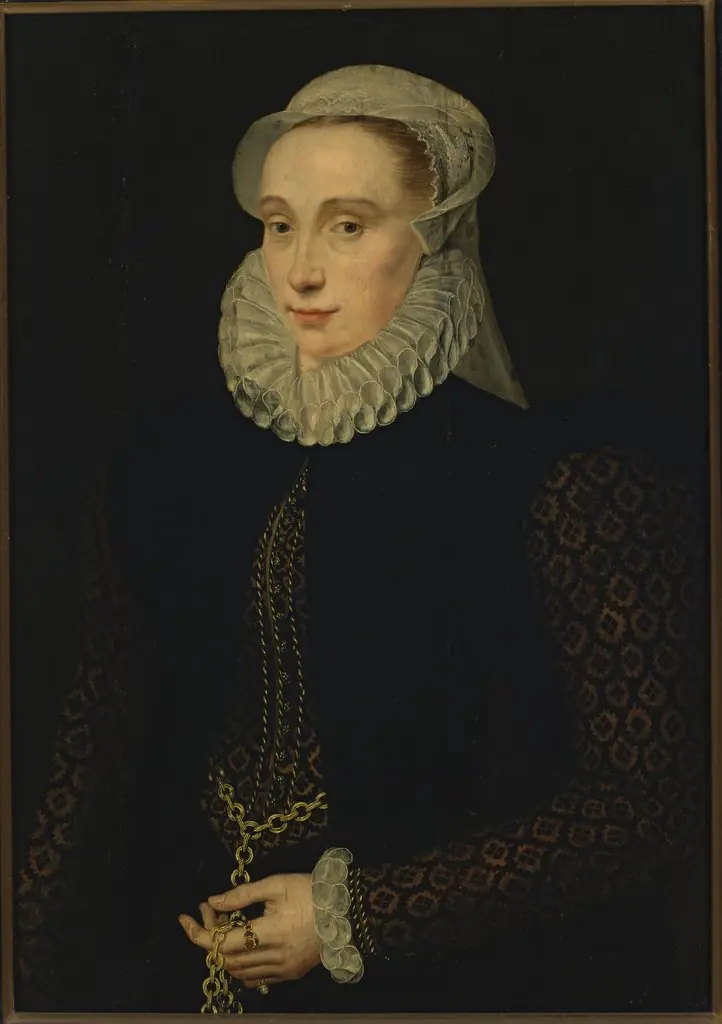 Portrait of a lady
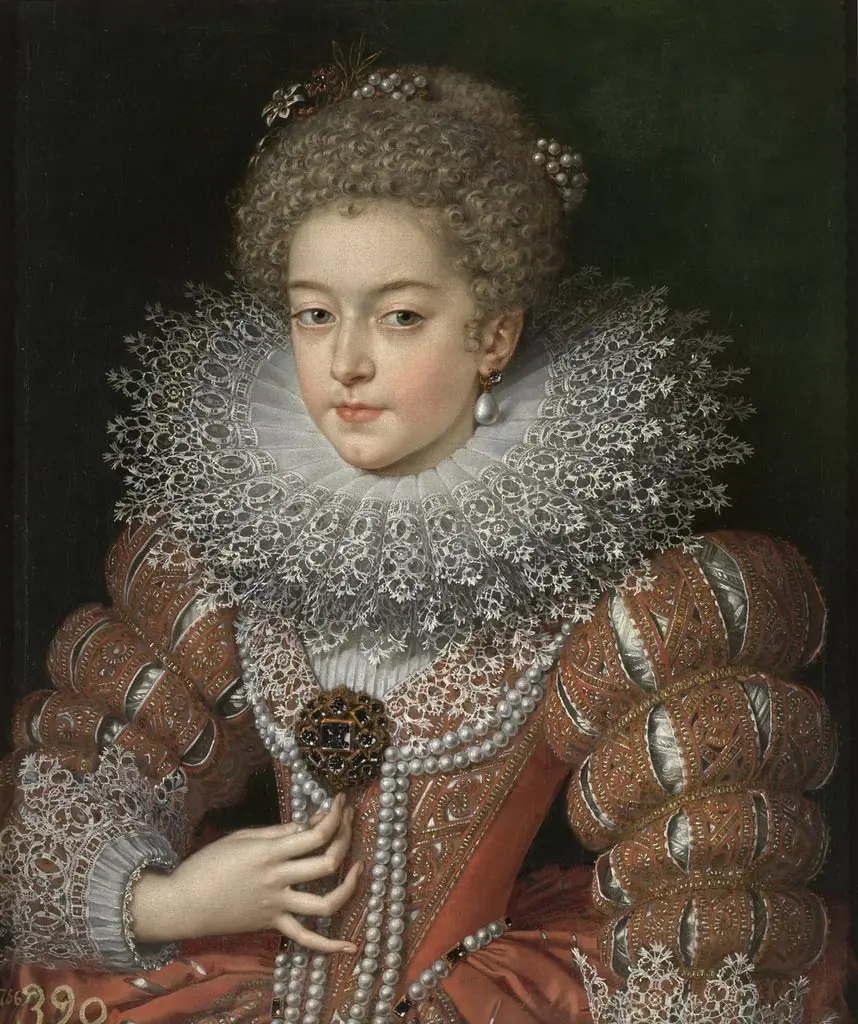 Isabella of France Queen of Spain