Artwork
Johnathan Trumbull
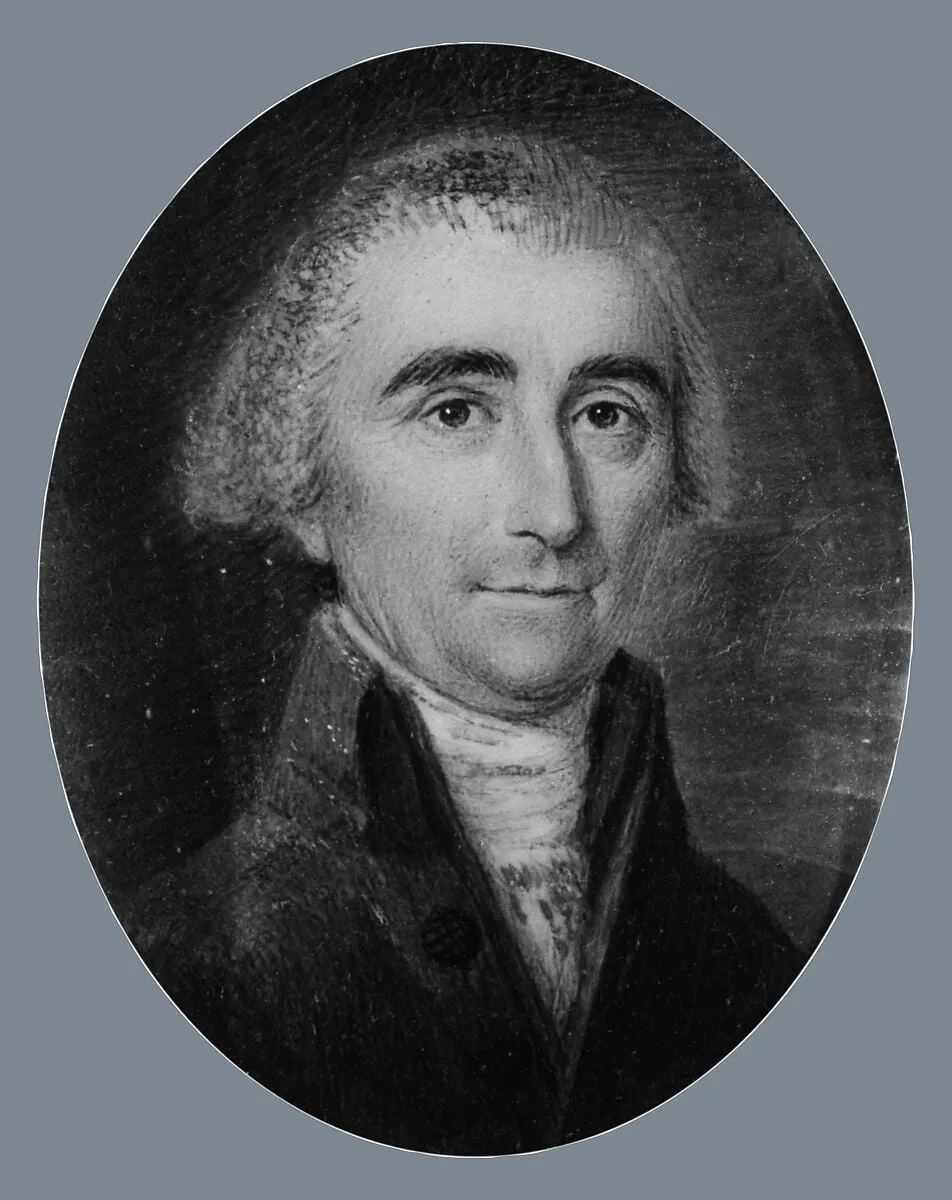
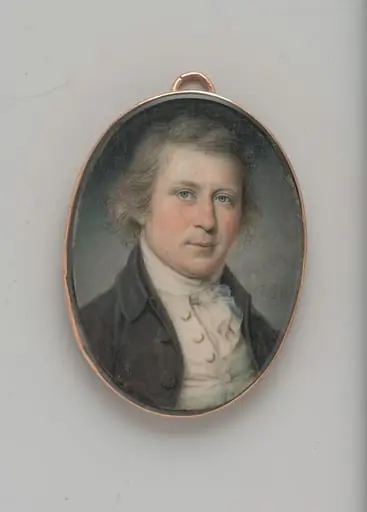
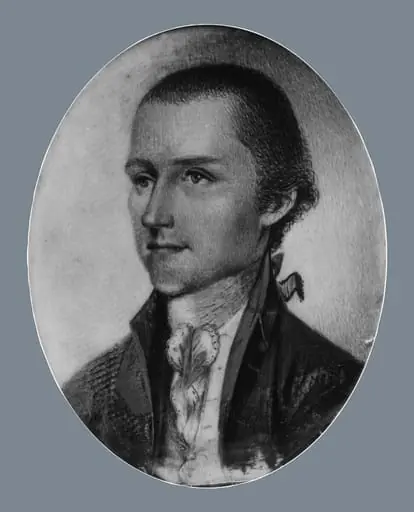
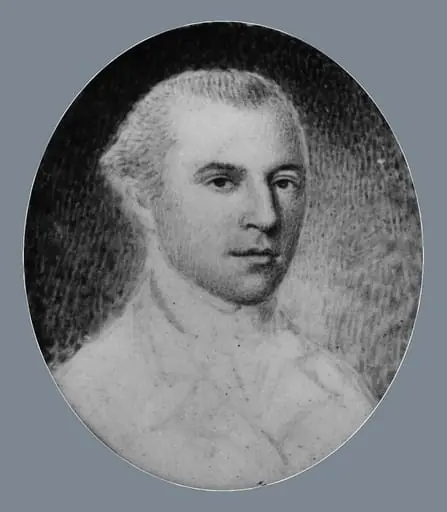
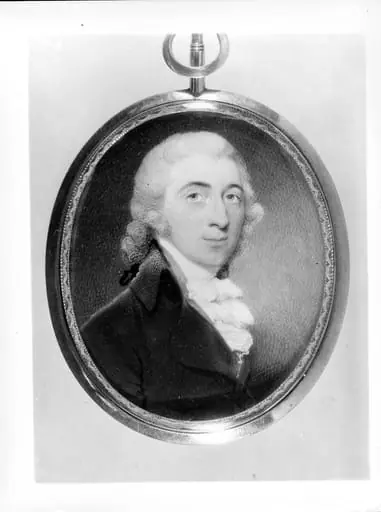
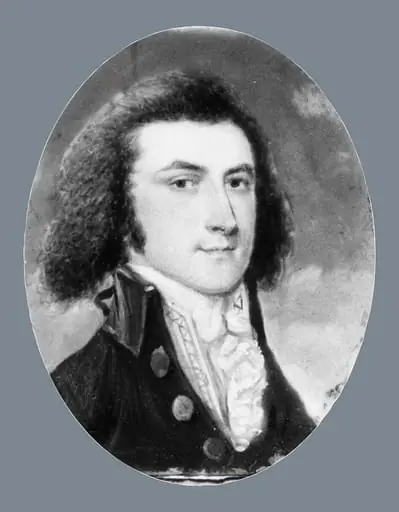
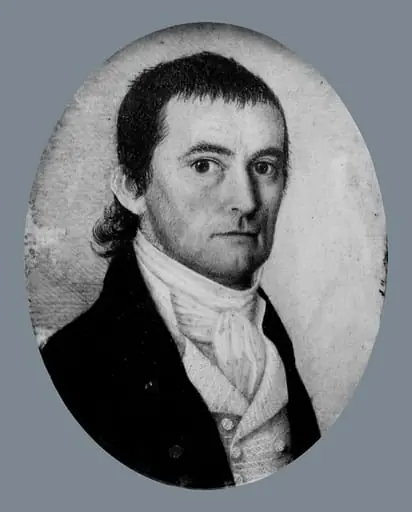
Johnathan Trumbull is a watercolor painting by the American Impressionist artist James Peale. It dates from 1792 and is held in the collection of the Metropolitan Museum of Art.
- Accession no.
- 38.146.14
- Credit line
- Fletcher Fund, 1938
About this work
Technique & Style
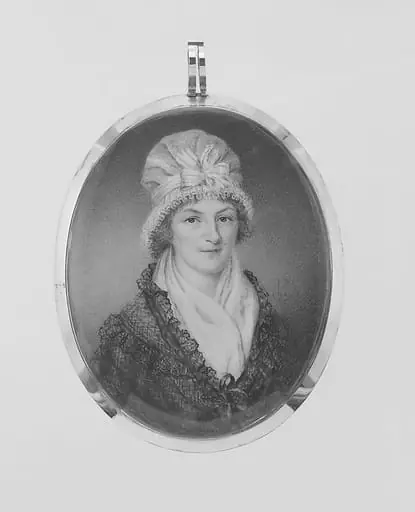
Executed in 1792, this portrait of Johnathan Trumbull by James Peale utilizes watercolor applied to an ivory support.
Executed in 1792, this portrait of Johnathan Trumbull by James Peale utilizes watercolor applied to an ivory support. The work is characterized by its miniature scale, measuring approximately 5.1 by 4.1 centimetres. As a portrait genre piece, the composition focuses on the depiction of the male subject.
The selection of ivory as a ground and watercolor as the pigment medium reflects specific artistic choices typical for small-scale portraiture of this period, resulting in a delicate and precise handling of the likeness.
History & Provenance
Johnathan Trumbull is a 1792 watercolor on ivory portrait painted by James Peale. The work, classified as a portrait of a man, was created as part of Peale’s early American portraiture and later entered the collection of the Metropolitan Museum of Art, where it is displayed in The American Wing. Its dimensions measure 5.1 × 4.1 cm. Its provenance traces from its creation in 1792 to its acquisition by the museum, after which it has been part of the museum’s permanent holdings.
The work is held in the collection of the Metropolitan Museum of Art, where it is classified under The American Wing. Its inventory/accession number is not provided in the available sources. No exhibition history is recorded in the given sources.
Overview
This miniature portrait, executed by American painter James Peale around 1792, depicts Johnathan Trumbull. Created with watercolor on ivory, the work exemplifies the artist's characteristic precision and attention to detail. It offers insight into portraiture practices in the early American republic, reflecting a common approach to capturing individual likeness during the period.
Subject & Meaning
The portrait presents Johnathan Trumbull in simple attire, with a calm and serious demeanor. Such depictions were common during this era, serving to record individual likenesses with a sense of dignity and sobriety. The small format suggests it may have been intended for personal display or as a memento, a typical function for miniature portraits of the period.
Context
James Peale was a notable figure in early American art, part of a distinguished artistic family that included his elder brother, Charles Willson Peale. While recognized for his still life paintings, he also specialized in miniatures. This portrait aligns with the broader trends in American portraiture of its time, emphasizing a direct and unadorned representation of the sitter, a characteristic often associated with the period's aesthetic.
Artist & collection

Artist
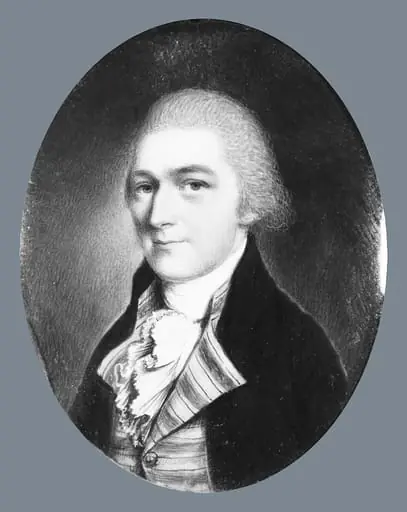
James Peale (1749 – May 24, 1831) was an American painter, best known for his miniature and still life paintings, and a younger brother of noted painter Charles Willson Peale.