Artwork
Vanity Fair: Sovereigns, No. 1 "Le regime parlementaire"
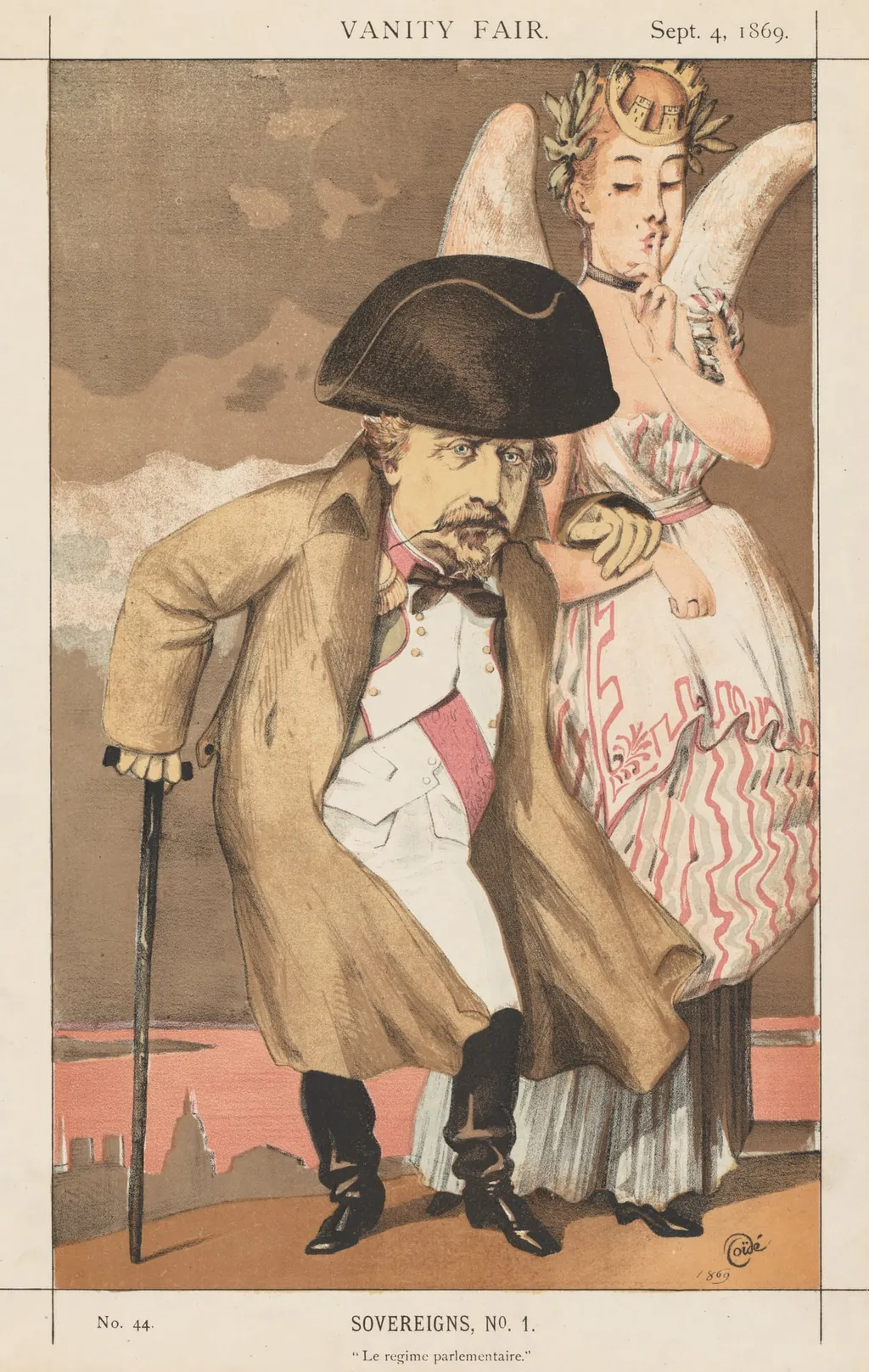
Vanity Fair: Sovereigns, No. 1 "Le regime parlementaire" is a print by the Impressionist artist James Tissot. It dates from 1869 and is held in the collection of the Cleveland Museum of Art.
- Accession no.
- 2014.254
- Credit line
- Bequest of John Bonebrake
About this work
Overview
Created in 1869, this lithograph by James Tissot was published in the British satirical magazine Vanity Fair as part of a series profiling political figures.
Created in 1869, this lithograph by James Tissot was published in the British satirical magazine Vanity Fair as part of a series profiling political figures. Though French by birth, Tissot contributed to this London-based publication, blending his academic training with sharp social observation. The image is one of many caricatures designed to critique public life through wit and visual metaphor, reflecting the magazine’s role in shaping Victorian political discourse.
Subject & Meaning
The central figure, a man in a tricorn hat and ornate coat, appears to represent a political leader, his stern expression and formal attire suggesting authority. Above him, a winged, crowned woman in a striped gown evokes allegorical figures such as Justice or Fortune, observing with detached gravity. The contrast between the man’s rigid posture and the ethereal presence behind him implies a tension between human governance and higher, unseen forces, perhaps questioning the legitimacy or permanence of political power.
Technique & Style
Tissot employed fine-line lithography to achieve crisp detail in the figure’s costume and facial features, while the background dissolves into soft, indistinct tones, mimicking theatrical staging. The use of muted colors and deliberate blurring directs focus to the central pair, enhancing the symbolic weight of their interaction. His technique balances precision with atmospheric suggestion, a hallmark of his transitional style between academic realism and emerging modern sensibilities.
History & Provenance
The print was issued by Vanity Fair in 1869, during the magazine’s early years of publishing caricatures by leading illustrators. Tissot’s involvement marked a rare French contribution to the British series. The work entered the collection of The Cleveland Museum of Art through documented acquisition, preserving its original publication context and offering insight into transnational artistic exchange in the late 19th century.
Context
In Victorian England, Vanity Fair served as a platform for public commentary through visual satire, targeting politicians, aristocrats, and cultural figures. Tissot’s image aligns with the magazine’s mission to expose the performative nature of power. The allegorical winged figure draws from classical traditions, reimagined for contemporary critique, reflecting a broader European tendency to use mythological symbols in political satire during this period.
Legacy
Tissot’s contribution to Vanity Fair remains a notable example of cross-channel artistic collaboration between France and Britain. While he later gained recognition for his society scenes, this early work reveals his facility with social critique. The print endures as a document of how visual humor was used to interrogate authority, influencing later generations of political illustrators and reinforcing the magazine’s role in shaping public perception of governance.
Own this work as a print
Artist & collection
Artist
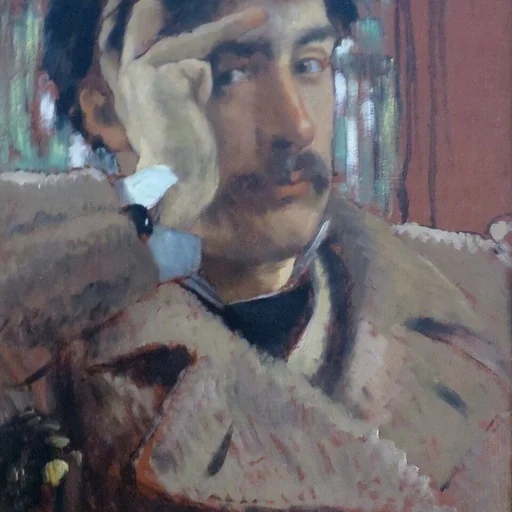
Jacques Joseph Tissot (French:; 15 October 1836 – 8 August 1902), better known as James Tissot (UK: TISS-oh, US: tee-SOH), was a French painter, illustrator, and caricaturist.

 A portée de lorgnon
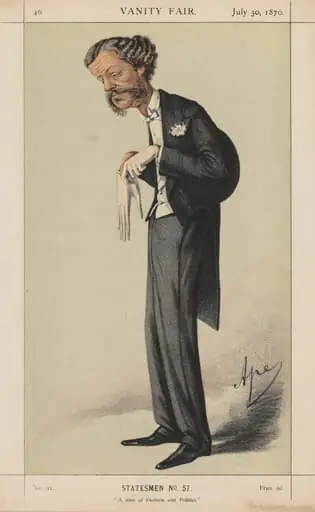 Vanity Fair: Statesman, No. 57 "A man of Fashion and Politics"
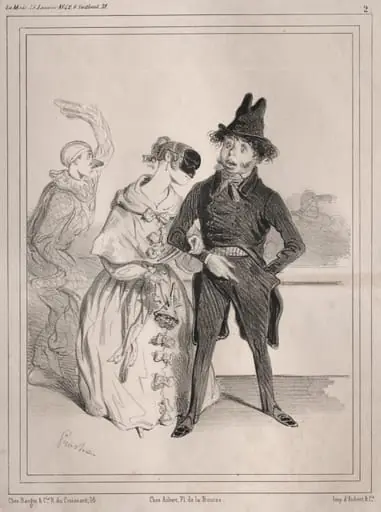 Pochades de carnaval: C'est singulier! elle me dit que je suis Philibert Désormeaux, et que je passe pour un imbecile!! ....où diable à-t-elle sù cela?
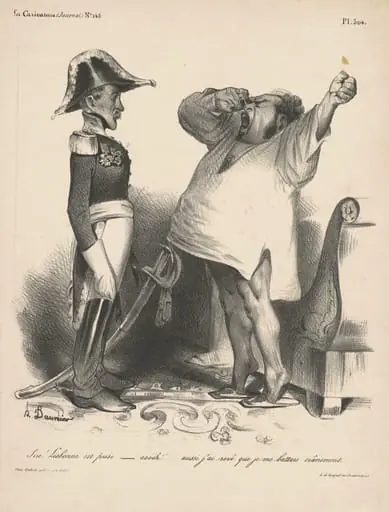 Sire! Lisbonne est prise... (Sire! Lisbon has been captured...)
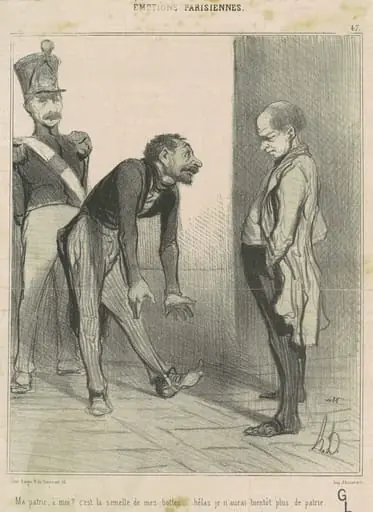 Ma patrie, a moi?...
 Le jardin des Tuileries
 Vanity Fair: Men of the Day, No. 60, "A Novelist"
 Un citoyen exaspéré par les buffleteries
 Joseph Prud'homme Standing