Artwork
L. P. Church
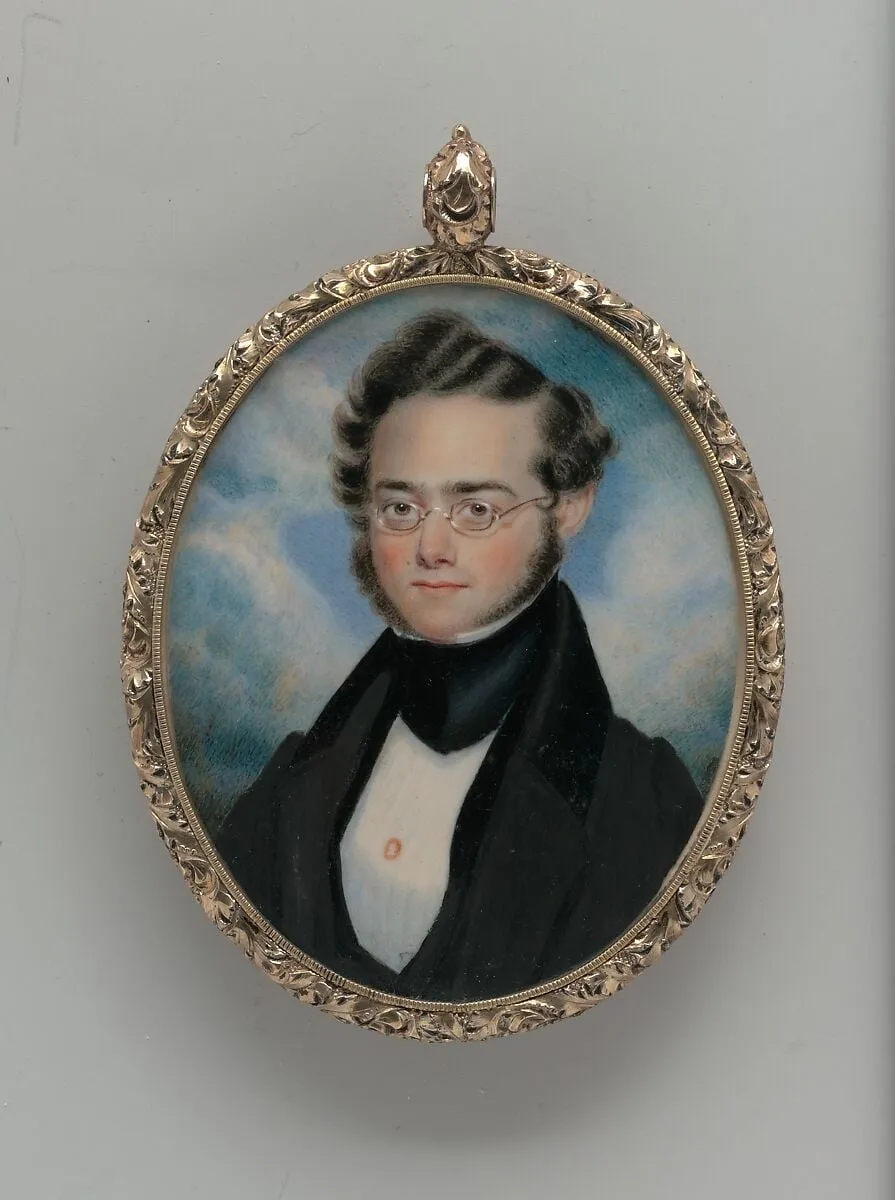
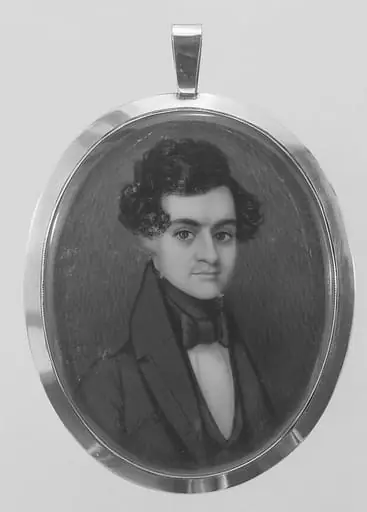
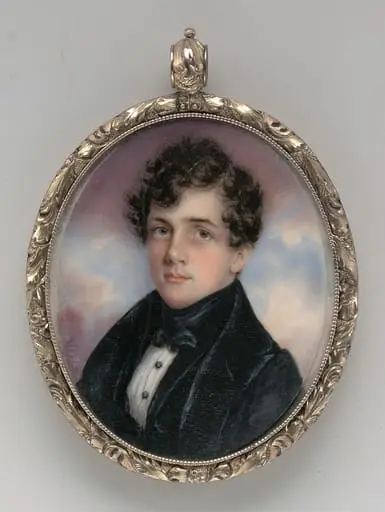
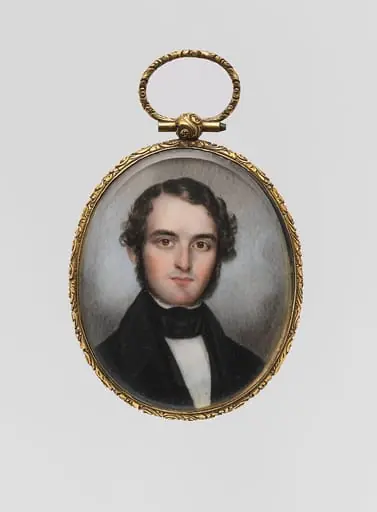
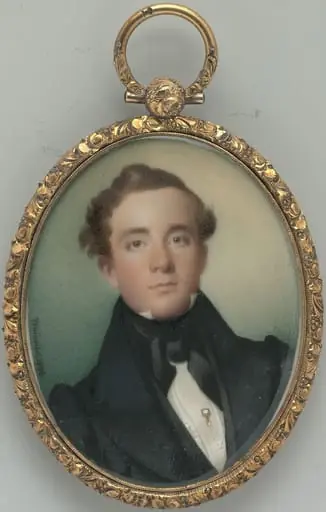
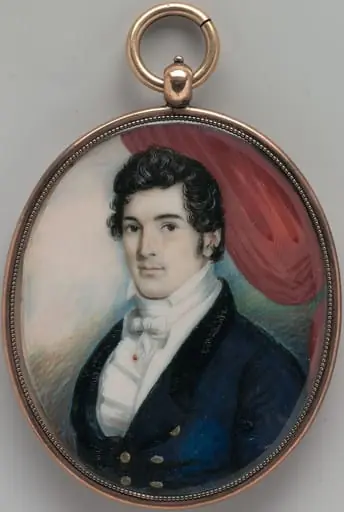
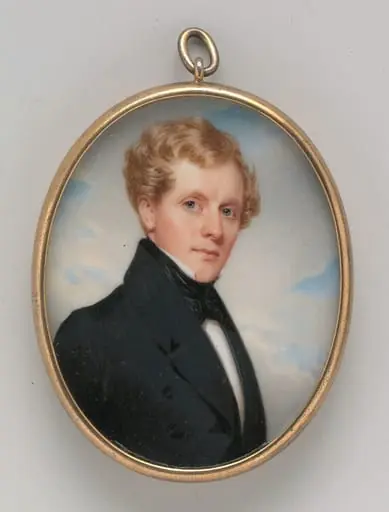
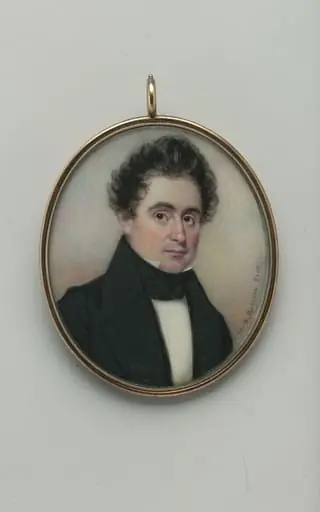
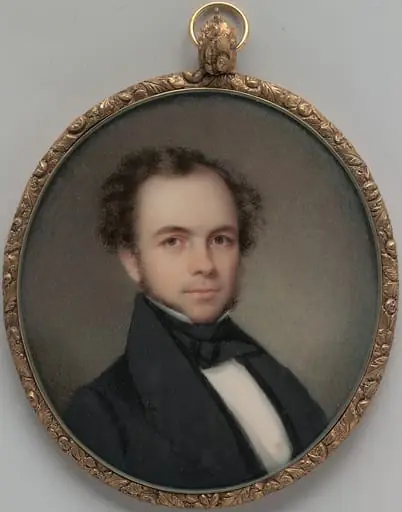
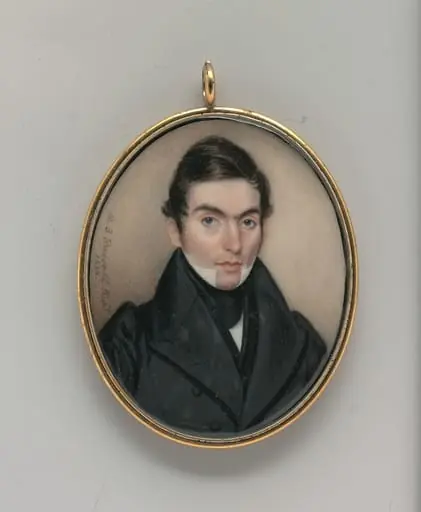
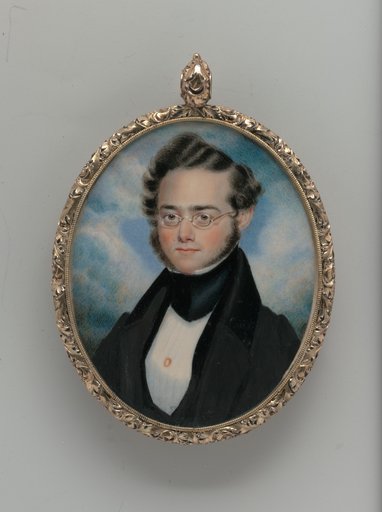
L. P. Church is a watercolor painting by the American Folk Art artist William A. Watkins. It dates from 1834 and is held in the collection of the Metropolitan Museum of Art. L.
About this work
Technique & Style
The handling reflects the refined stippling and delicate glazing typical of miniature portraiture on ivory from the early nineteenth century.
The portrait known as L. P. Church is executed in watercolor on a small ivory support, measuring 7.2 cm in height and 5.7 cm in width. The handling reflects the refined stippling and delicate glazing typical of miniature portraiture on ivory from the early nineteenth century. The work’s compact scale and precision in rendering facial features and costume details align with the conventions of portrait miniatures intended for intimate viewing.
The condition of the piece, as documented in institutional records, remains stable, with no significant losses or alterations reported to the ivory support or paint layer.
History & Provenance
The miniature portrait L. P. Church by William A. Watkins is dated 1834, aligning with the artist’s documented period of activity in the 1830s. The work entered the collection of the Metropolitan Museum of Art, where it remains located. Measuring 7.2 cm in height and 5.7 cm in width, the painting is executed in watercolor on ivory, consistent with early nineteenth-century American miniature conventions. No record of a specific commission or early ownership history has been identified in the available sources.
Legacy
The portrait titled L. P. Church, executed by William A. Watkins in 1834 as a watercolor on ivory, entered the Metropolitan Museum of Art’s American Wing collection, where it is catalogued as a representative example of early American portraiture. Its inclusion in the museum’s permanent displays underscores a sustained scholarly and public interest in Watkins’s oeuvre and the visual culture of the period. The work’s depiction of a male sitter, recorded in both the internal catalogue and the Wikidata entry, contributes to its identification as an important portrait within the museum’s holdings.
Overview
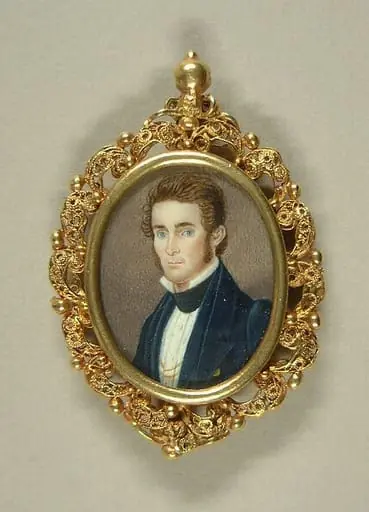
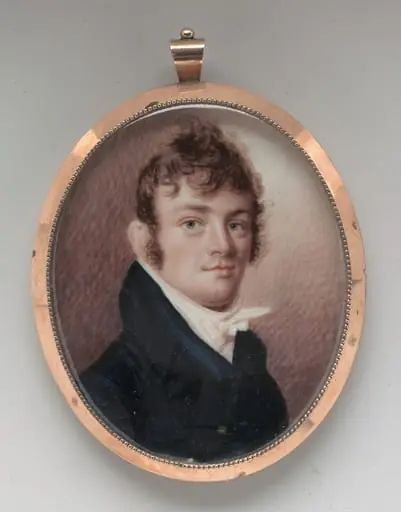
L. P. Church is a miniature portrait executed in watercolor on ivory by William A. Watkins in 1834. The work depicts a male subject facing forward, characterized by a dark coat, prominent sideburns, and a serious, direct gaze. The composition is intimate, typical of the miniature genre, where the translucent quality of the ivory support allows light to reflect through the watercolor washes, creating a luminous effect on the sitter's skin.
Created during a period when such portraits served as personal keepsakes comparable to modern photographs, the piece exemplifies the technical precision required for this medium. Watkins, an active artist in the early nineteenth century, utilized the delicate nature of ivory to capture fine facial details and subtle tonal variations. This work stands as a representative example of American portrait miniatures from the 1830s, reflecting the era's social practice of carrying intimate likenesses of loved ones.
Subject & Meaning
The portrait presents L. P. Church, a man with sideburns, gazing directly forward with a serious expression. He is dressed in a dark coat, and his face is softly illuminated, drawing attention to his features. The directness of his gaze and the subtle lighting contribute to an impression of quiet dignity and personal presence.
Context
During the 1800s, miniature portraits like L. P. Church served a function similar to modern photographs, allowing individuals to carry images of loved ones. These small, portable artworks were often cherished personal possessions, reflecting a common practice of memorializing and preserving appearances before the advent of widespread photography.
Artist & collection
Artist
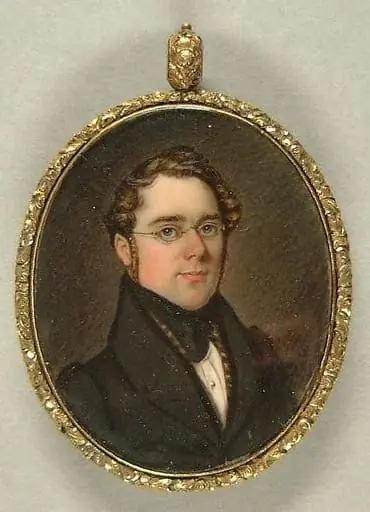
William A. Watkins painted portraits on tiny ivory panels in the 1830s, often capturing sitters against plain backgrounds with quiet attention to lace collars and gold watch chains. One of his known works, L. P. Church…