Artwork
Crucifixion
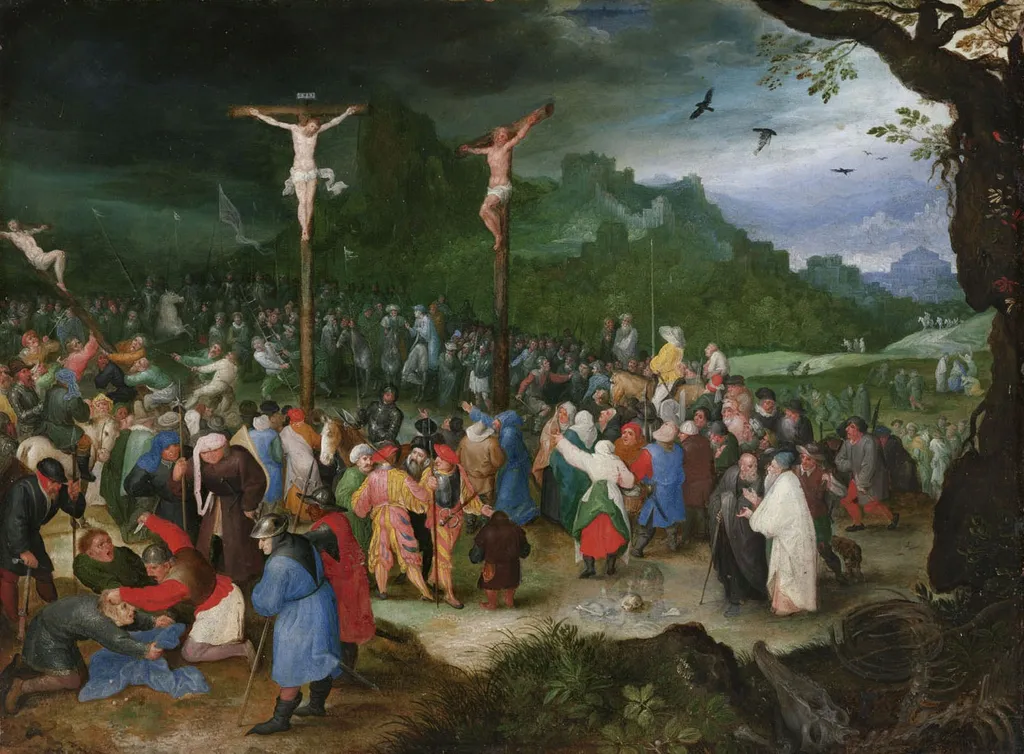
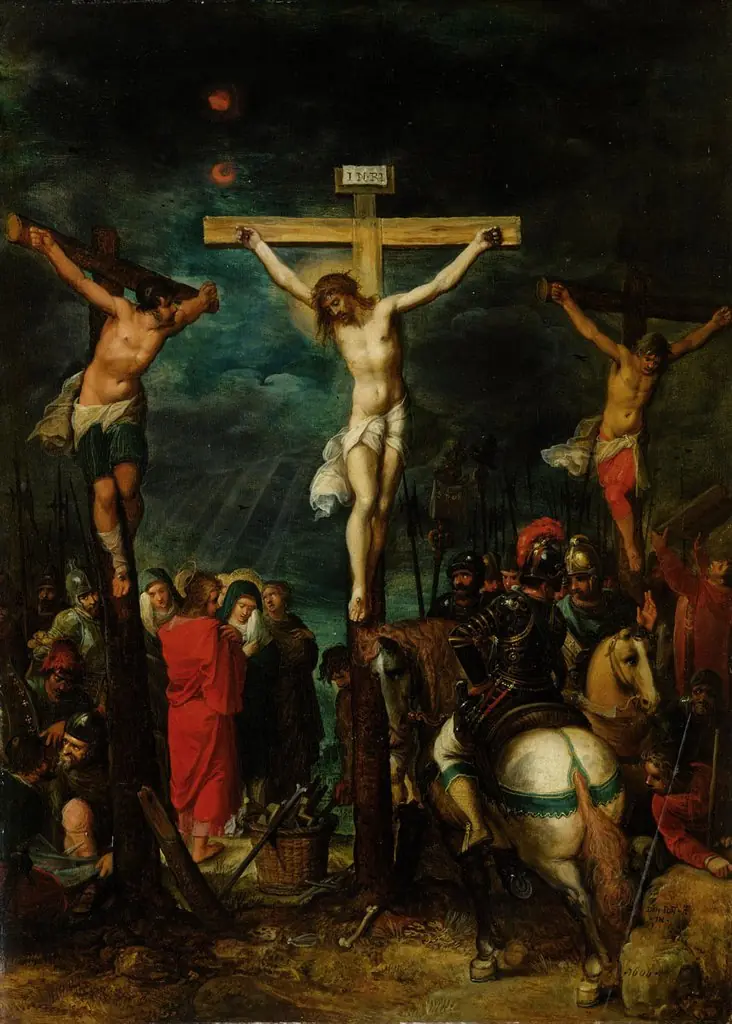
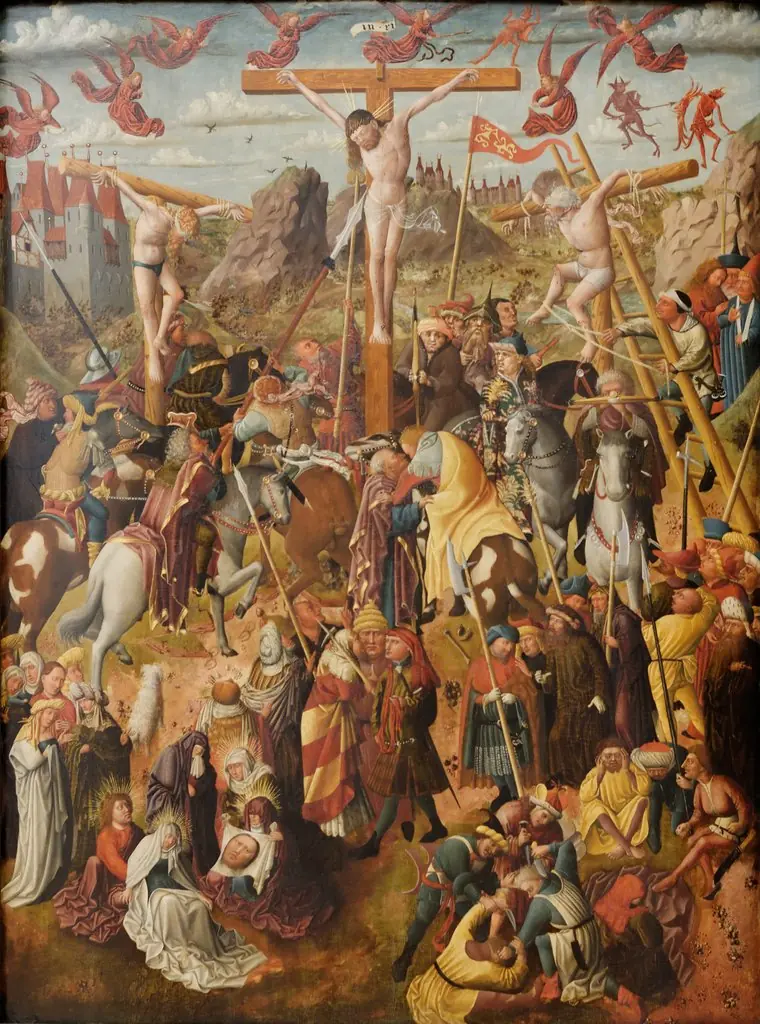
Crucifixion is an oil painting by the Flemish Baroque painting artist Jan Brueghel, the elder. It dates from 1598 and is held in the collection of the Kunsthistorisches Museum.
About this work
Subject & Meaning
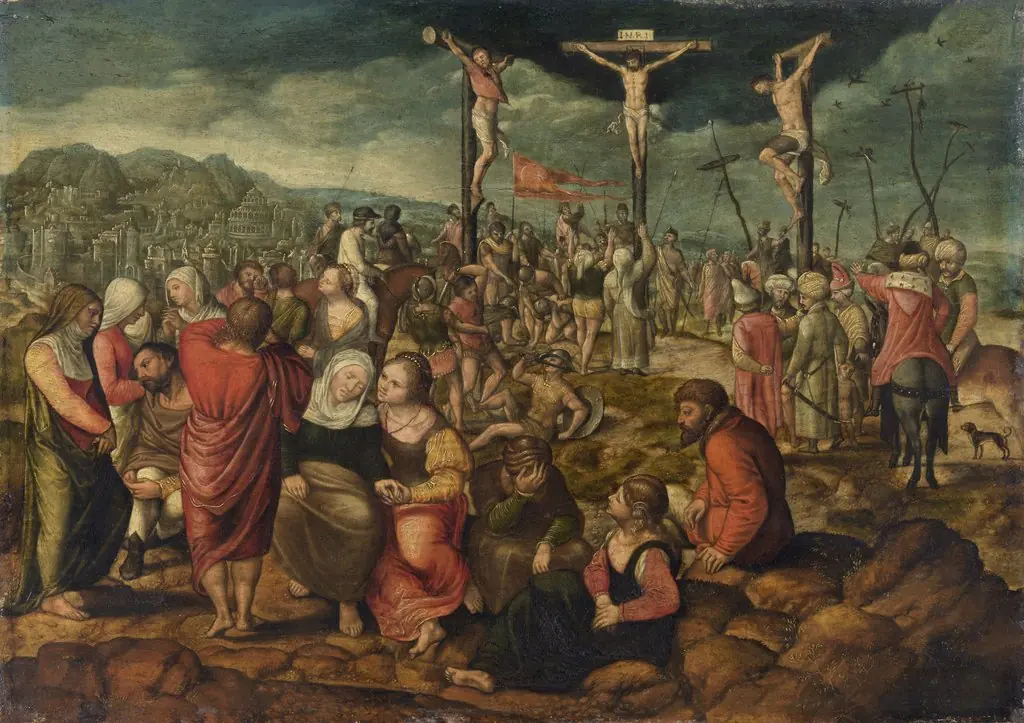
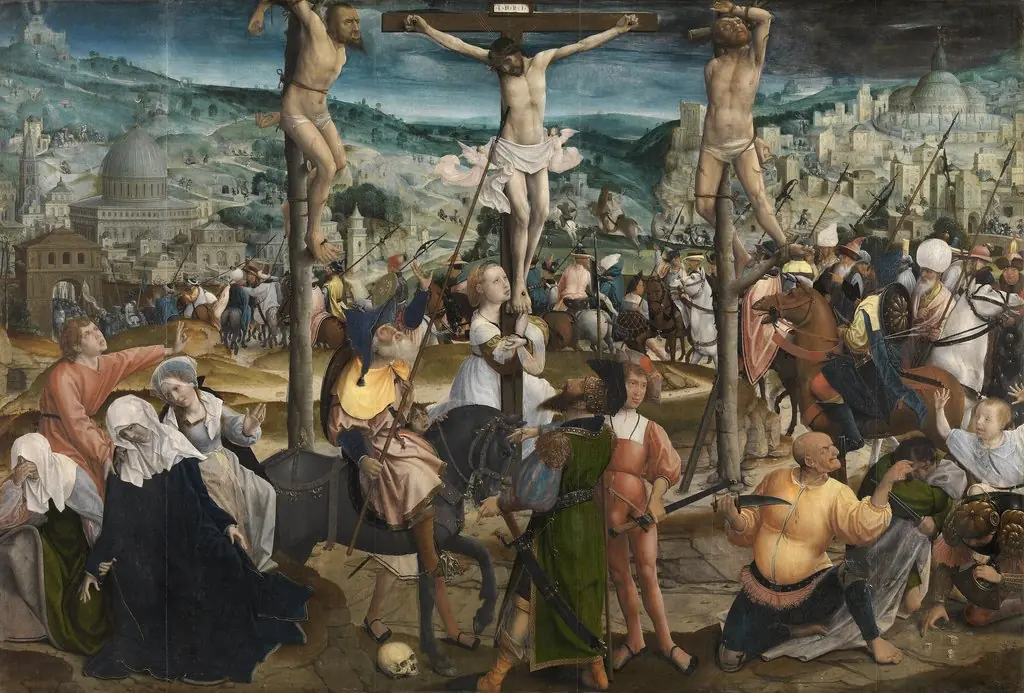
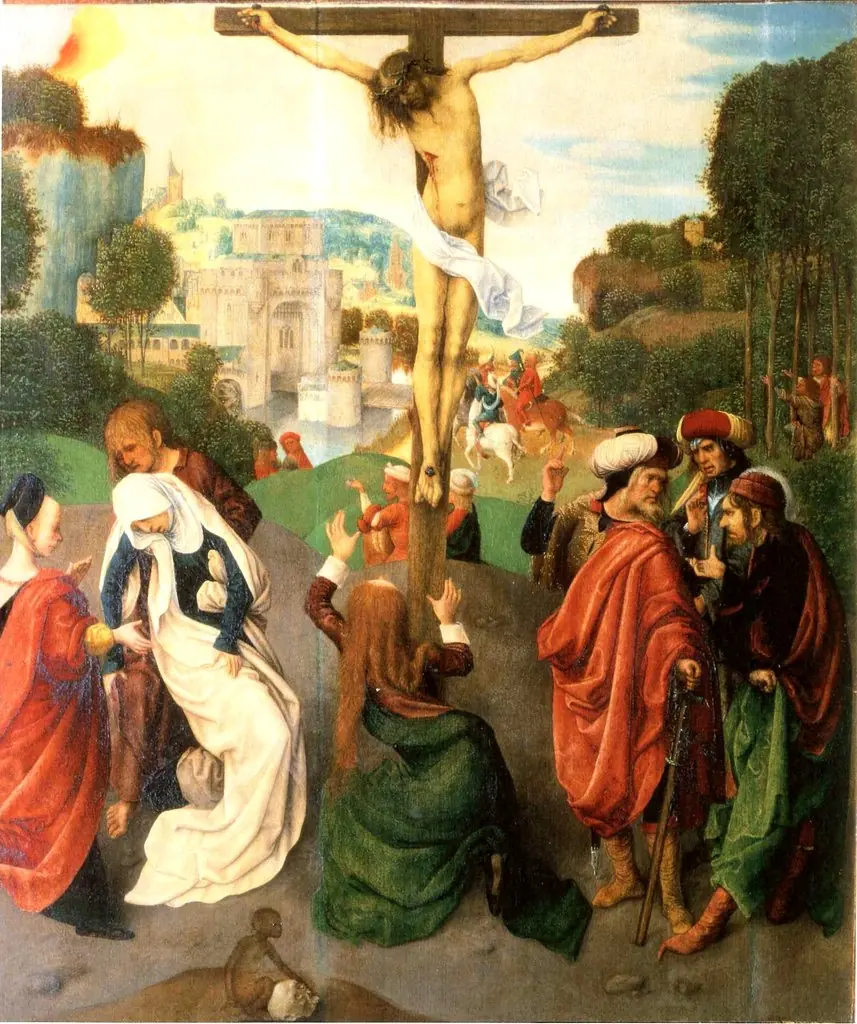
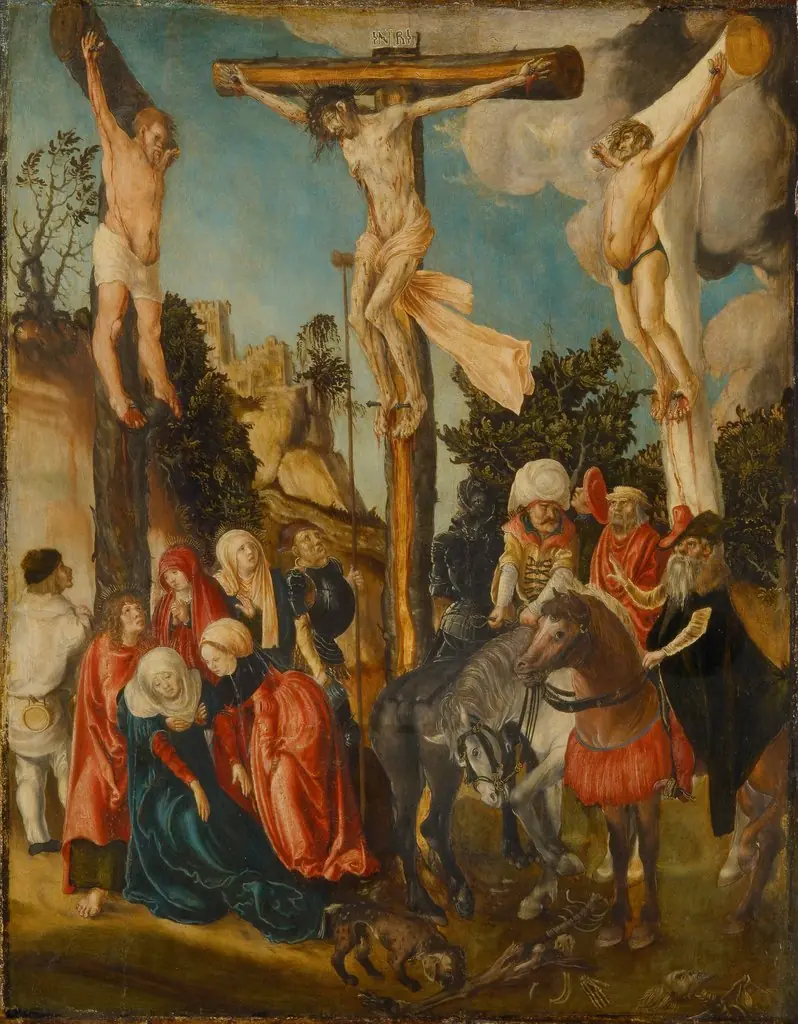
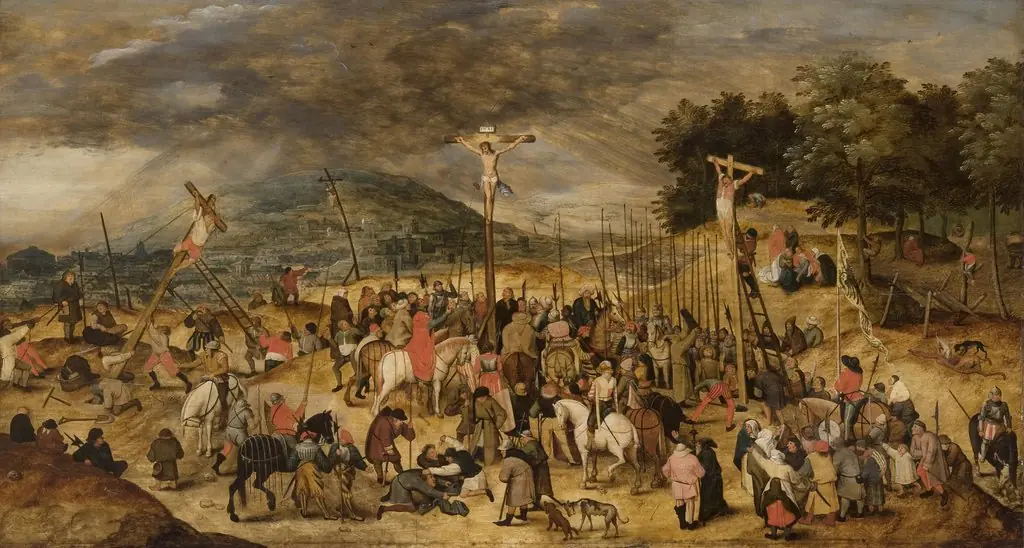
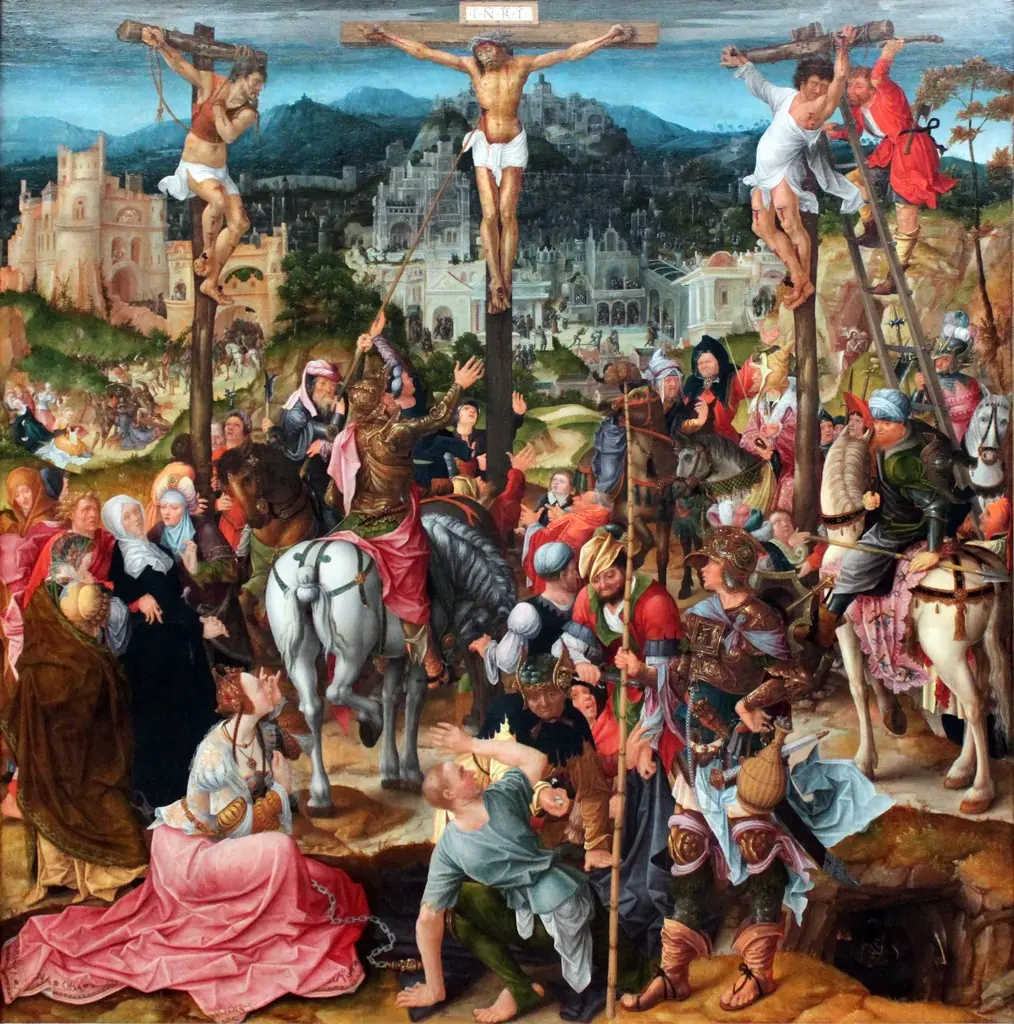
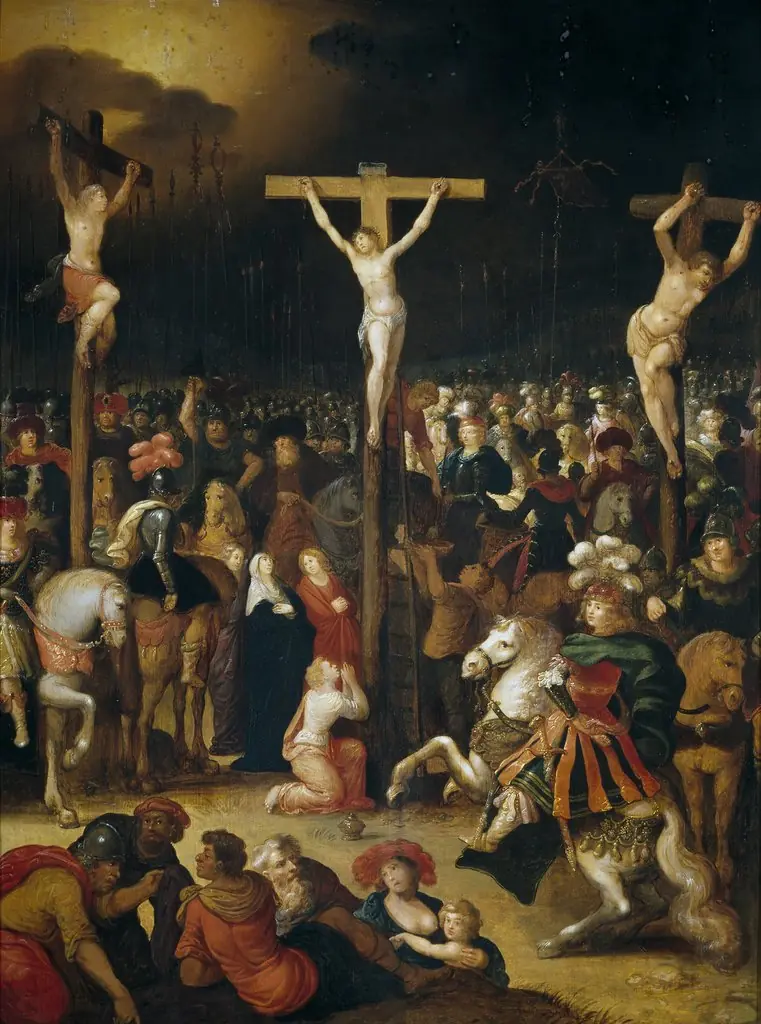
The painting depicts the crucifixion of Jesus Christ, a central event in Christian iconography that symbolizes sacrifice and redemption.
The painting depicts the crucifixion of Jesus Christ, a central event in Christian iconography that symbolizes sacrifice and redemption. Executed by Jan Brueghel the Elder in 1595 on copper, the work uses religious imagery to convey theological meaning within the Catholic Counter-Reformation context.
The composition emphasizes the suffering of Christ and the presence of mourning figures, reinforcing themes of devotion and divine love.
Technique & Style
The work is executed in oil paint on a copper support, a material choice that contributes to its luminous surface and reflective handling. The painting depicts the crucifixion of Jesus Christ and was created in 1595, reflecting the religious genre and formal precision characteristic of Jan Brueghel the Elder’s mature style. Its dimensions measure 26 cm in height by 35 cm in width, recorded at the Kunsthistorisches Museum where it remains in the collection.
History & Provenance
The Crucifixion by Jan Brueghel the Elder is dated to 1595, the year inscribed on the copper panel itself.
The work entered the holdings of the Kunsthistorisches Museum in Vienna, where it remains today. Its provenance is documented from the museum’s collection onward, with no recorded earlier ownership or commissioning history in the available sources.
The painting is held in the Kunsthistorisches Museum, Vienna, with inventory number GG_179.
It was first recorded in the museum’s holdings in 1783 as part of the imperial collection. The work has not been recorded in major public exhibitions since its acquisition, and no exhibition history is documented in the museum’s records.
Context
Jan Brueghel the Elder's Crucifixion of 1595, painted on copper, was created during the late Renaissance period when religious imagery flourished in the Southern Netherlands. The work depicts the crucifixion of Jesus Christ and is housed in the Kunsthistorisches Museum in Vienna, reflecting the artist's specialization in detailed religious compositions. Scholarship on this painting emphasizes its intricate composition and the integration of figure work with lush landscape elements, characteristic of Brueghel's style.
This piece is situated within the artist's broader oeuvre of Counter-Reformation religious paintings, demonstrating his role in advancing devotional art in the early Baroque era.
The Crucifixion has been analyzed for its technical mastery of oil on copper, a medium Brueghel used to achieve fine detail and luminous effects. Its placement in a major museum collection underscores its significance in the study of 16th-century Northern European religious art. The work's compositional complexity and symbolic depth continue to inform art historical narratives about the period's devotional practices and artistic innovations.
Crucifixion is classified as a religious painting within the broader context of Jan Brueghel the Elder's religious output, reflecting the devotional trends of the Counter-Reformation era in the Southern Netherlands.
Overview
Jan Brueghel the Elder's 1598 painting, Crucifixion, is a copper work depicting the crucifixion of Jesus Christ. It is a representative example of Flemish Baroque art.
Artist & collection
Artist
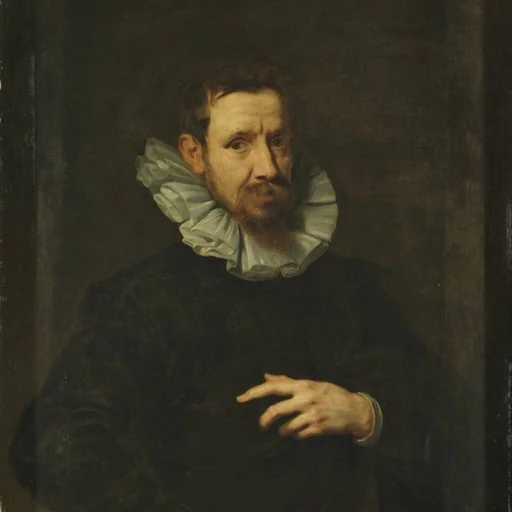
Jan Brueghel the Elder ( BROY-gəl, US also BROO-gəl; Dutch:; 1568 – 13 January 1625) was a Flemish painter and draughtsman.