Artwork
Judith with the Head of Holofernes
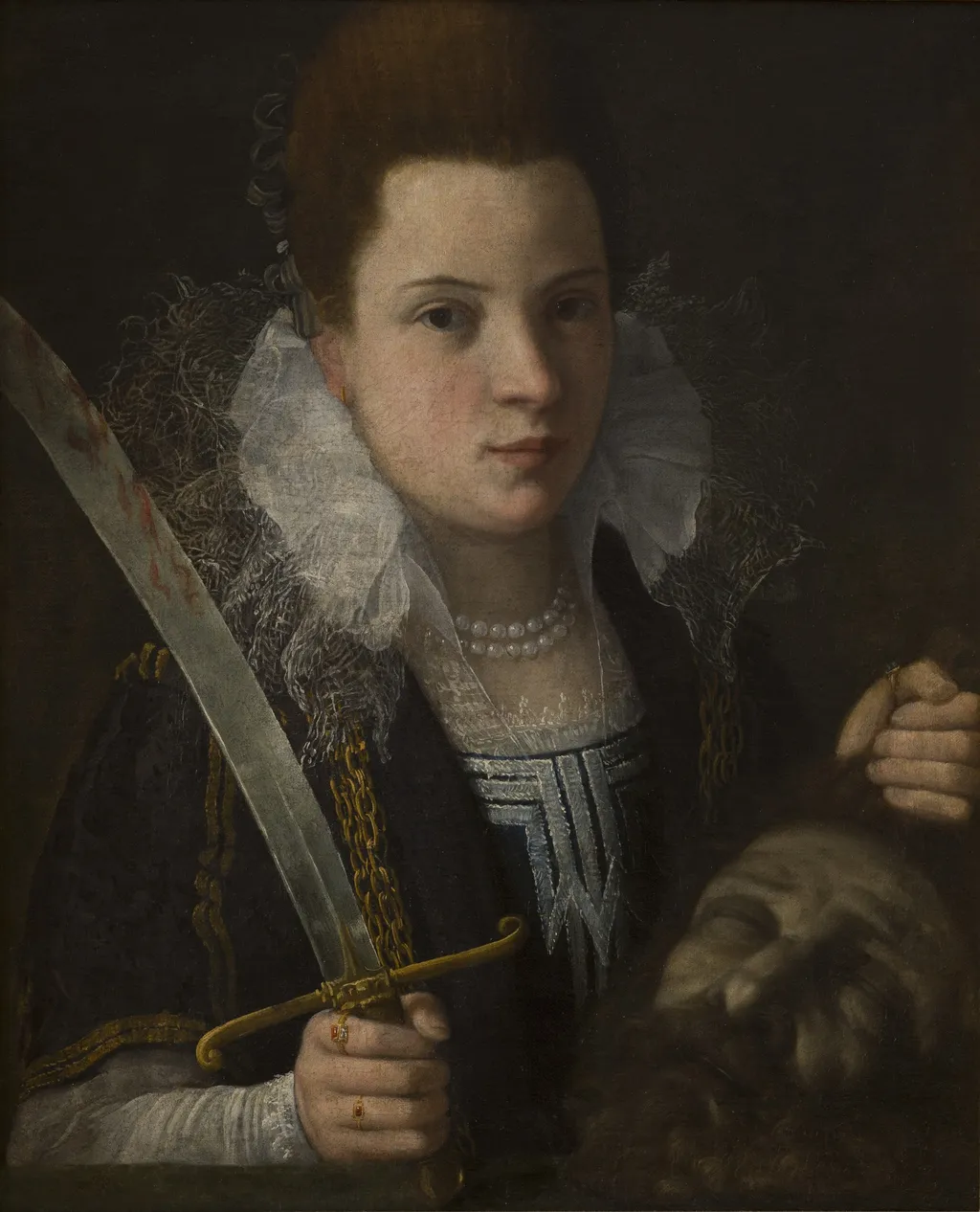
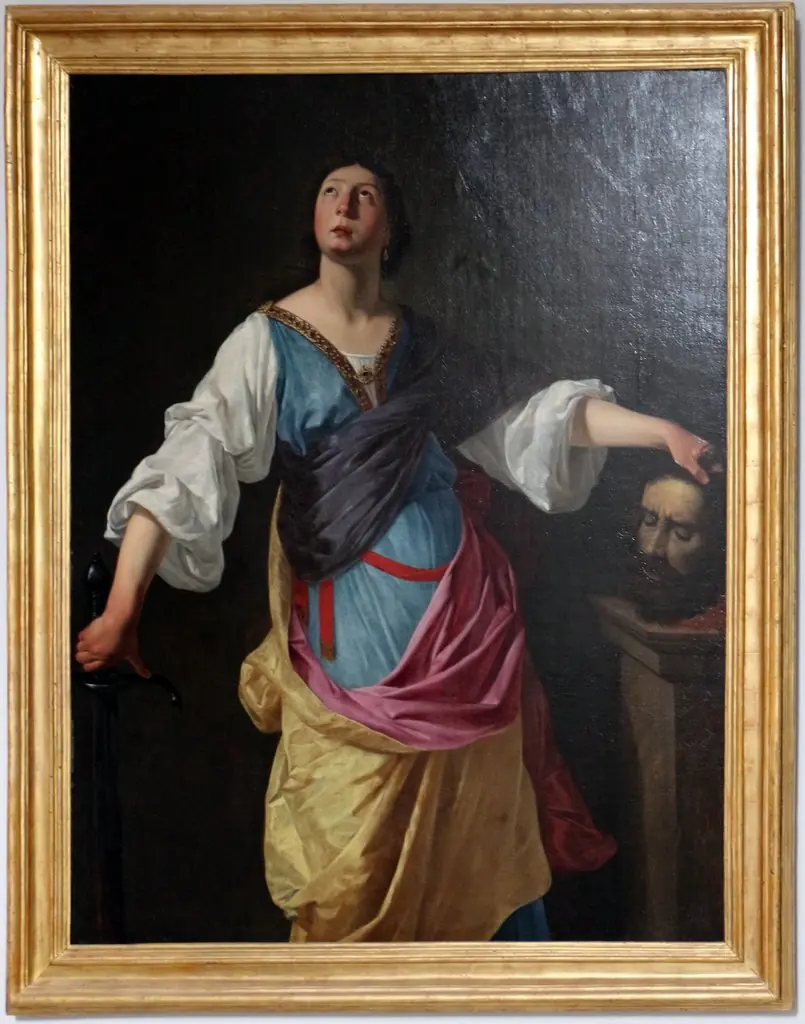
Judith with the Head of Holofernes is an oil painting by the Early Baroque Italian artist Lavinia Fontana. It dates from 1596 and is held in the collection of the National Museum in Kraków.
About this work
Subject & Meaning
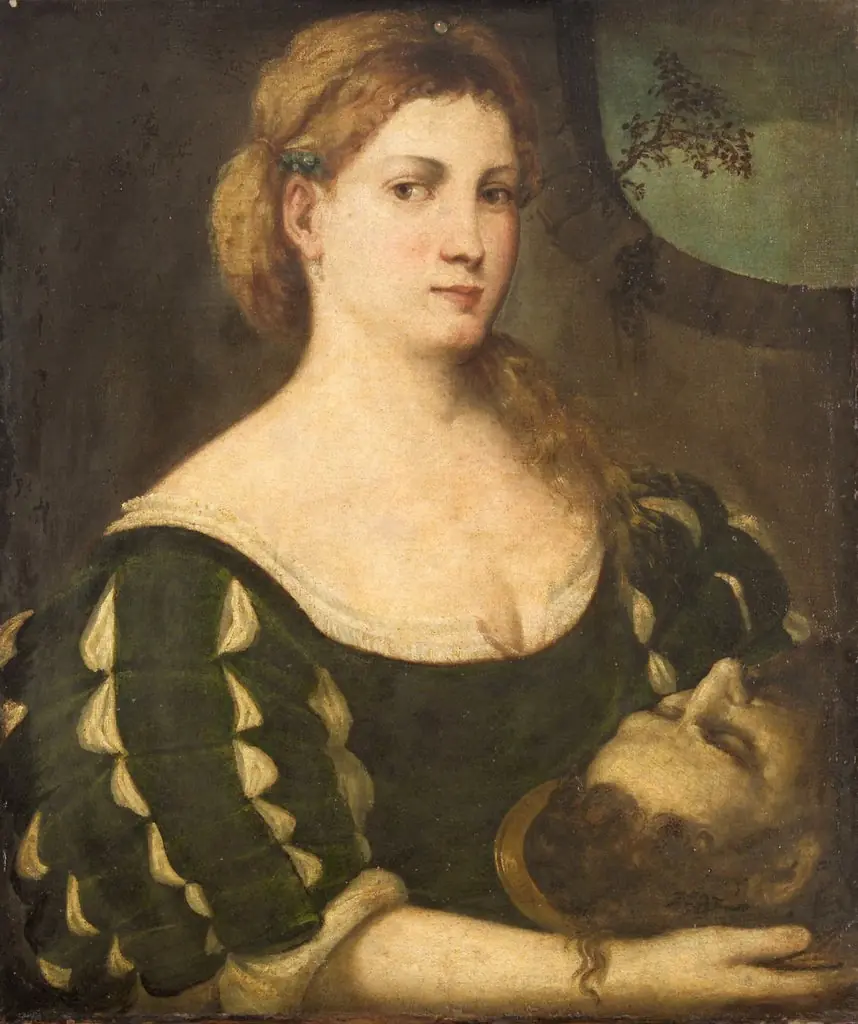
She holds the severed head of Holofernes by the hair in her right hand and grasps the still-bloodied sword with which she beheaded him in her other hand.
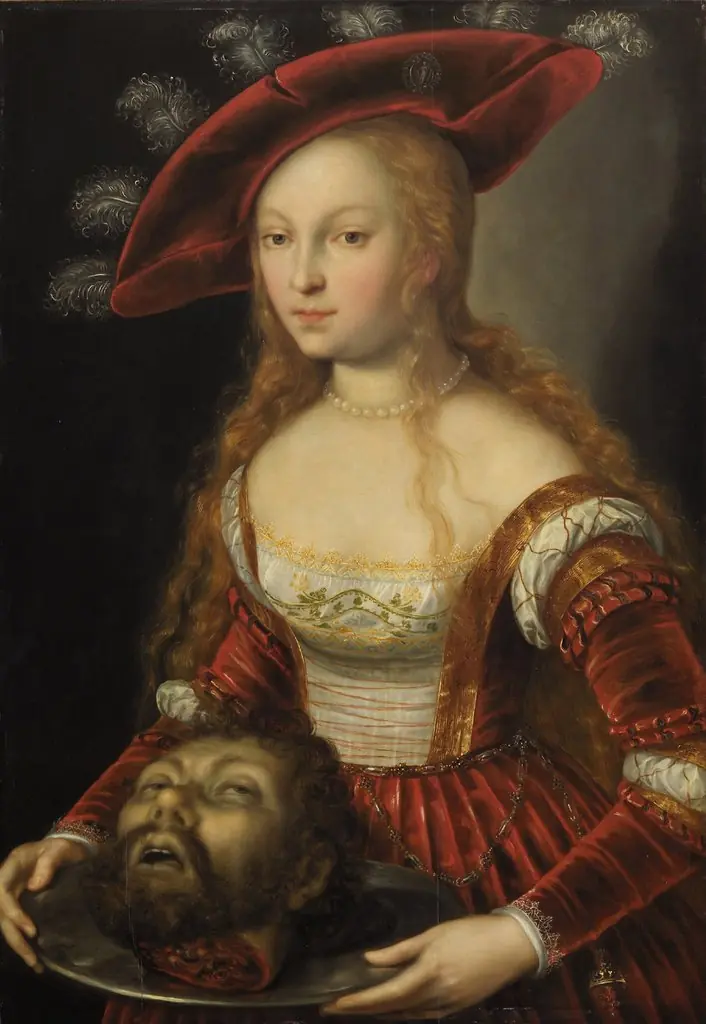
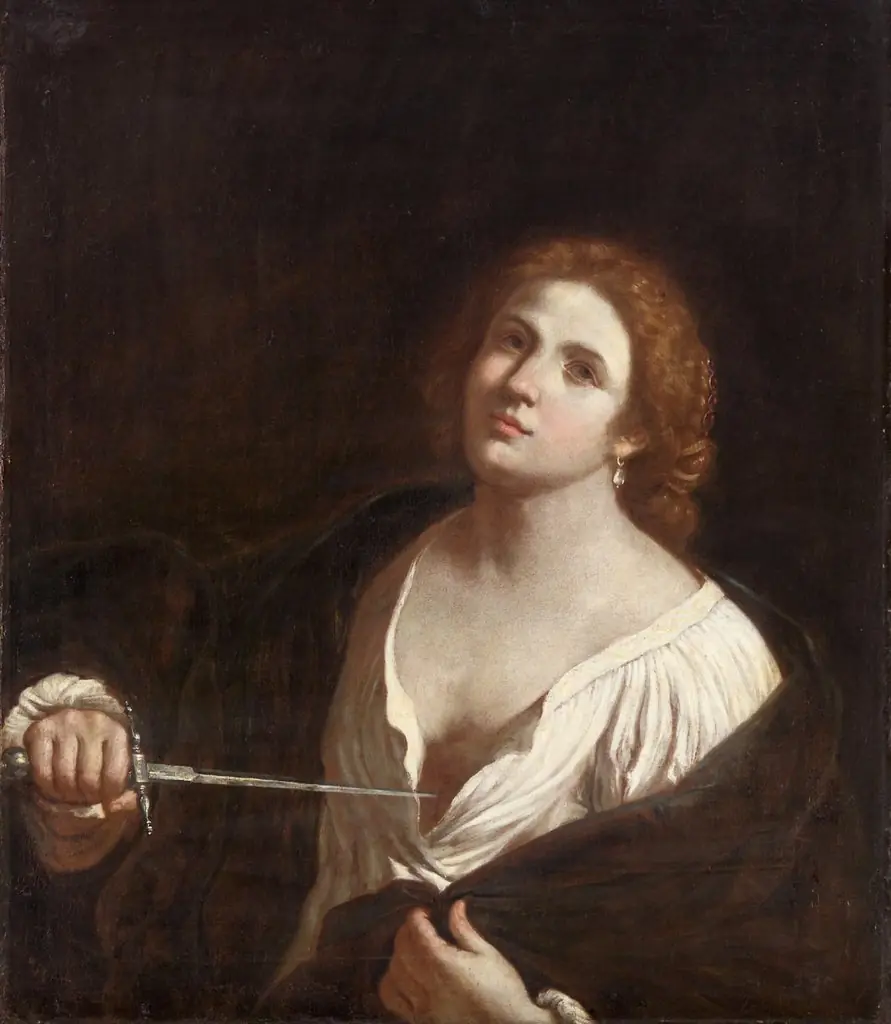
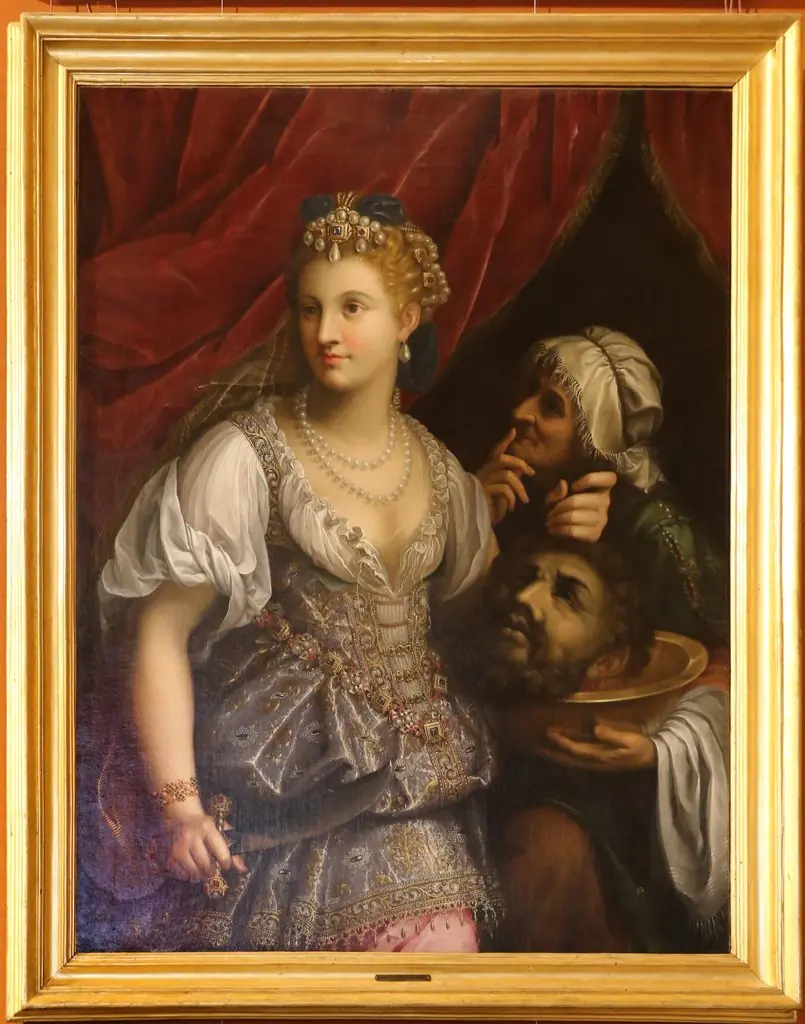
Lavinia Fontana's painting illustrates an episode from the Book of Judith in the Old Testament, depicting the heroine Judith as a half-length figure against a dark background. She holds the severed head of Holofernes by the hair in her right hand and grasps the still-bloodied sword with which she beheaded him in her other hand. The composition thus stages the climactic moment of the biblical narrative in which Judith saves her people by killing the Assyrian general.
The work fuses sacred subject matter with self-portraiture: Judith's features have been recognized as those of the artist herself, making the canvas simultaneously a religious painting and a historiated self-portrait. By inserting her own likeness into the role of the heroine, Fontana aligns herself with a figure traditionally read as an emblem of virtue, courage, and divine deliverance.
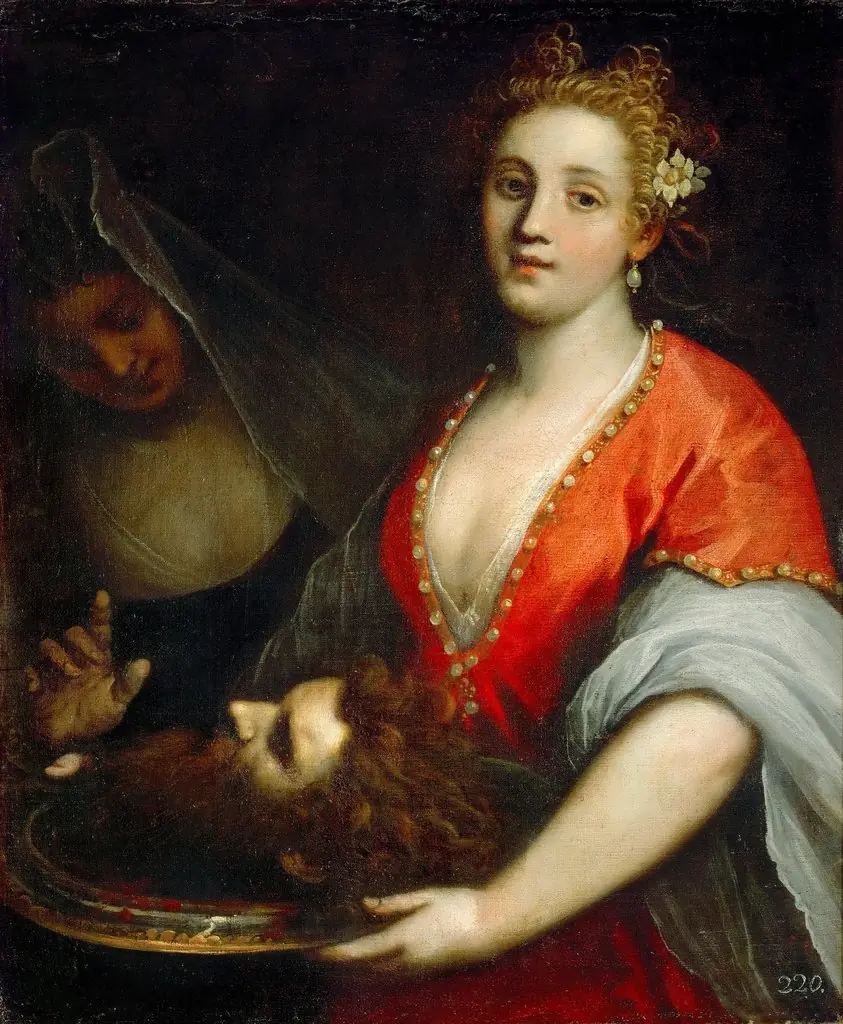
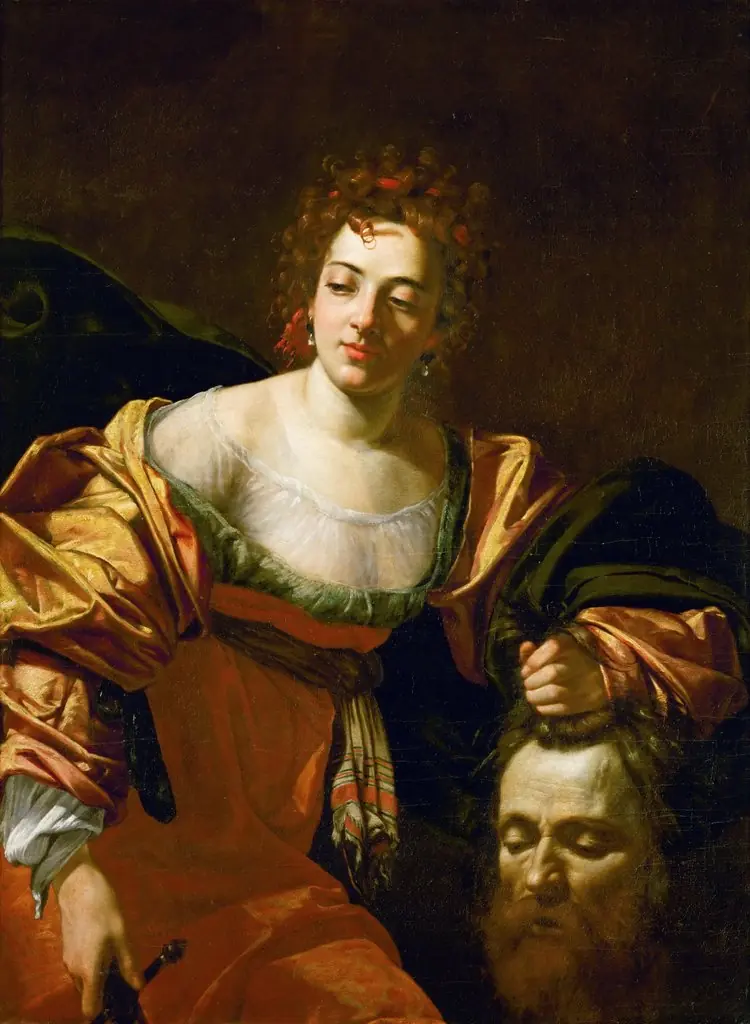
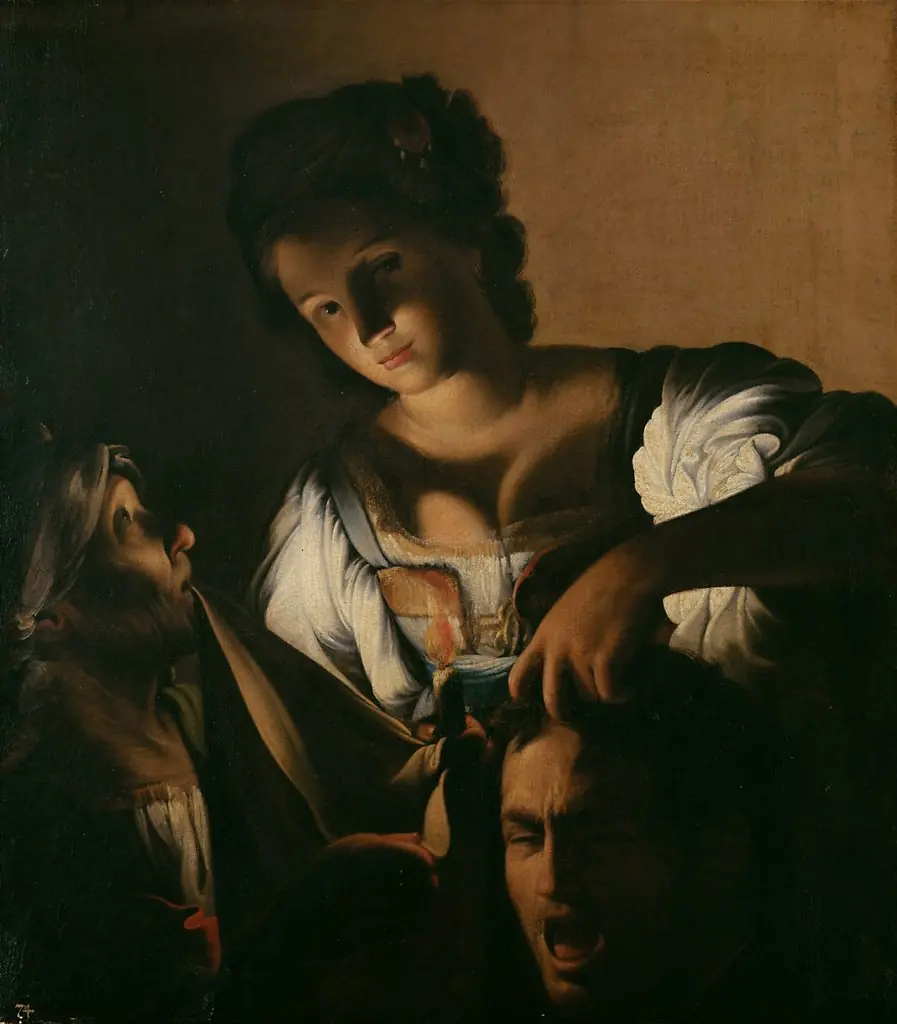
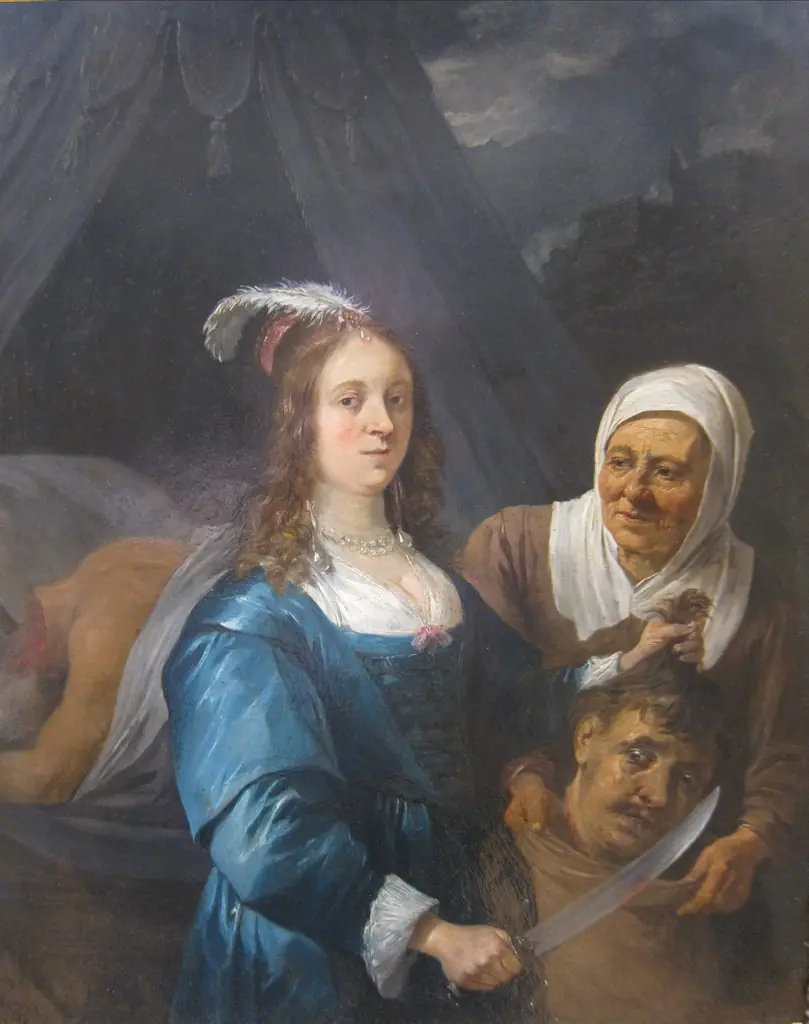
Fontana returned to the Judith theme repeatedly, including a canvas in Parma and another in Bologna in which she appears with her maidservant. In both the Kraków and Bologna versions Judith meets the viewer's gaze directly, intensifying the confrontational charge of the iconography.
Technique & Style
Judith with the Head of Holofernes is an oil painting on canvas executed by Lavinia Fontana between 1590 and 1595. The work is a vertical-format religious composition depicting Judith at half-length against a dark background, holding the severed head of Holofernes by the hair in her right hand and grasping the still-bloodied sword of decapitation in her left. The figure's features have been recognized as those of the artist herself, lending the work a self-portrait character.
A copy of the painting, attributed to an anonymous artist of the Roman school, was produced in the early seventeenth century.
Measured at 61 by 50 cm, the canvas is held in the collection of the National Museum in Kraków, where it has resided since its acquisition in 1976.
History & Provenance
The painting Judith with the Head of Holofernes by Lavinia Fontana was created between 1590 and 1595, with a specific inception date recorded as January 1, 1592. Executed in oil on canvas, the work is considered a religious painting that also functions as a self-portrait, as the facial features of the biblical heroine Judith are recognized as those of the artist herself. Fontana explored this biblical subject in other compositions, but this vertical format piece distinguishes itself by having the figure gaze directly at the viewer.
The work entered the collection of the National Museum in Kraków in Poland in 1976. A separate copy from the early seventeenth century, attributed to an anonymous artist of the Roman school, also exists. The painting is currently held in the museum's collections in Kraków.
Lavinia Fontana's Judith with the Head of Holofernes is held in the permanent collection of the National Museum in Kraków in Poland. The museum acquired the painting in 1976, adding it to its holdings of religious art and Renaissance works. The inventory details confirm the work as an oil on canvas depicting the biblical heroine, distinguished by the artist's own facial features in the figure of Judith.
While the source material confirms the acquisition date and current location, it does not provide a specific accession number or list any past or future exhibition history for this specific piece.
Context
Lavinia Fontana’s Judith with the Head of Holofernes (c. 1590–1595) is recognized as a significant example of her engagement with biblical narratives, a theme she revisited in multiple compositions. The work is distinguished by its dual nature as both a religious depiction and a self-portrait, with Judith's features identified as those of the artist herself. This identification aligns the painting with Fontana’s broader practice of inserting her likeness into historical and religious contexts, as seen in her Bologna and Parma versions of the same subject.
Unlike the Parma painting where the heroine looks away, the Kraków and Bologna iterations feature Judith gazing directly at the viewer, a choice that underscores the artist's agency and presence. A seventeenth-century copy attributed to an anonymous Roman artist further attests to the work's circulation and influence.
Legacy
Lavinia Fontana's Judith with the Head of Holofernes is recognized as a significant example of the artist's repeated engagement with the biblical Judith theme, which she also treated in works held in Parma and Bologna. A distinguishing feature of the Kraków painting, created between 1590 and 1595, is the identification of Judith's facial features with those of the artist herself, effectively transforming the religious narrative into a self-portrait. This specific composition, where the heroine gazes directly at the viewer, shares this visual strategy with Fontana's other Judith depictions.
The work's legacy includes the existence of a seventeenth-century copy attributed to an anonymous Roman artist, indicating its circulation and influence within that artistic milieu shortly after its creation.
Overview
Lavinia Fontana’s 1596 oil painting portrays the biblical heroine Judith standing poised with a sword in her right hand and the decapitated head of the Assyrian general Holofernes in her left. The figure is cloaked in a dark robe trimmed with a white lace collar, and a pearl necklace catches the faint light, while a shadowy background concentrates attention on the dramatic encounter.
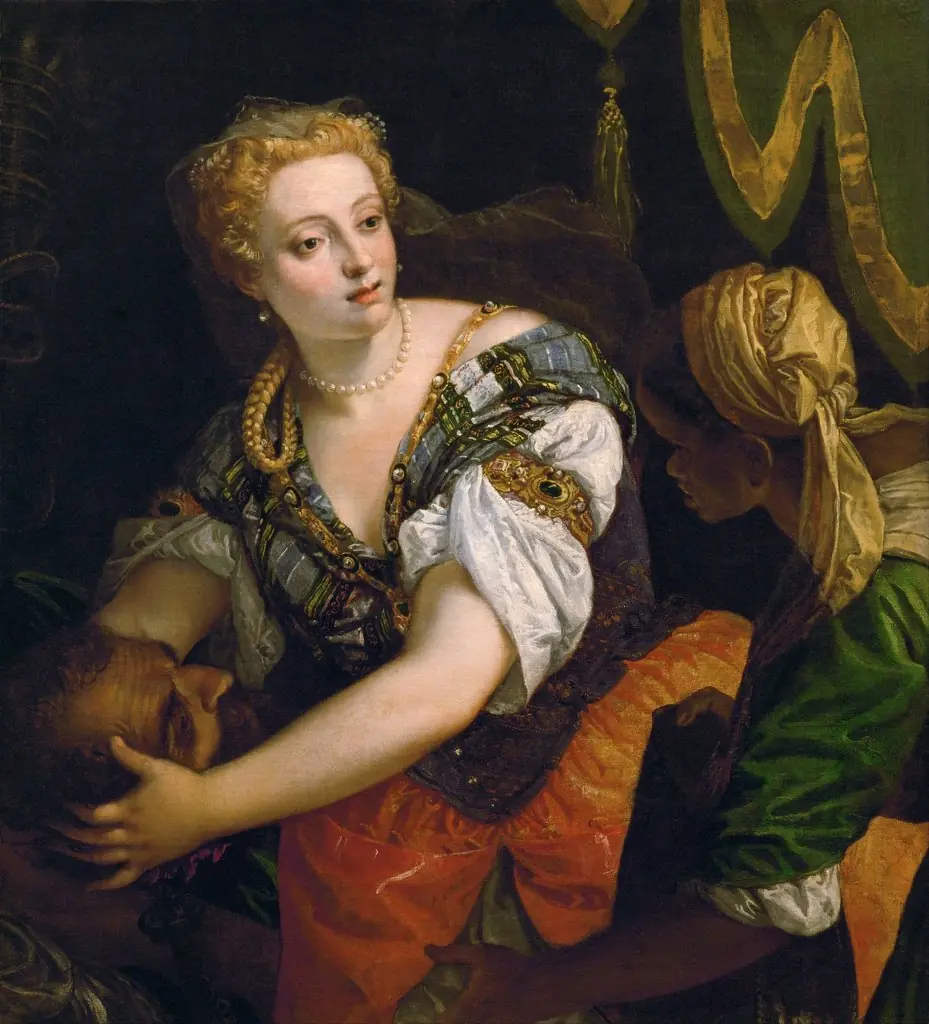
Own this work as a print
Artist & collection
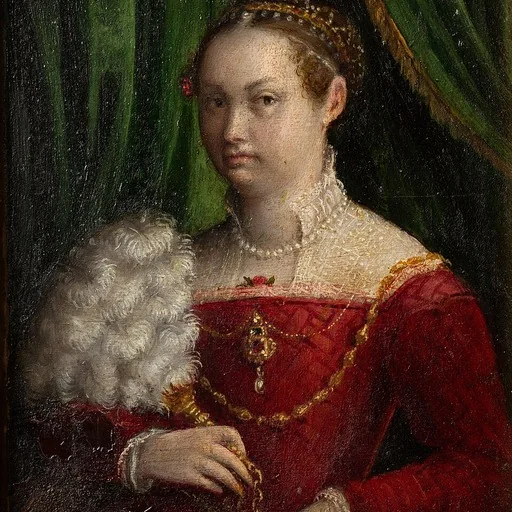
Artist
Lavinia Fontana (24 August 1552 – 11 August 1614) was an Italian Mannerist painter active in Bologna and Rome.

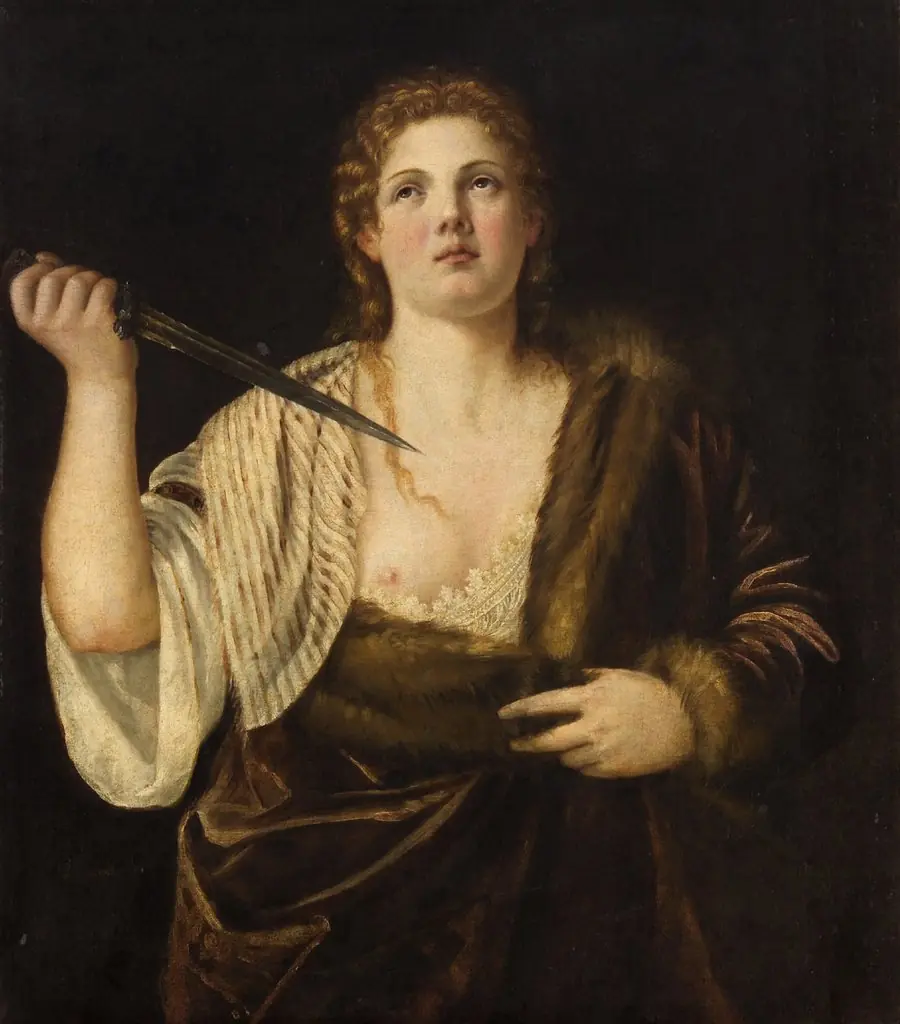
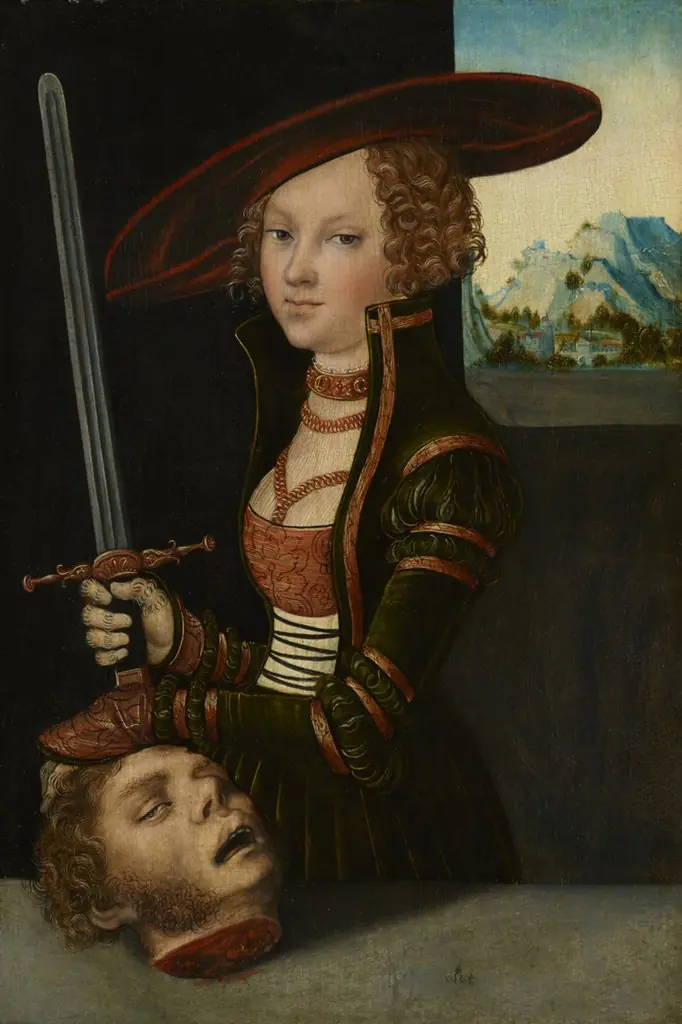
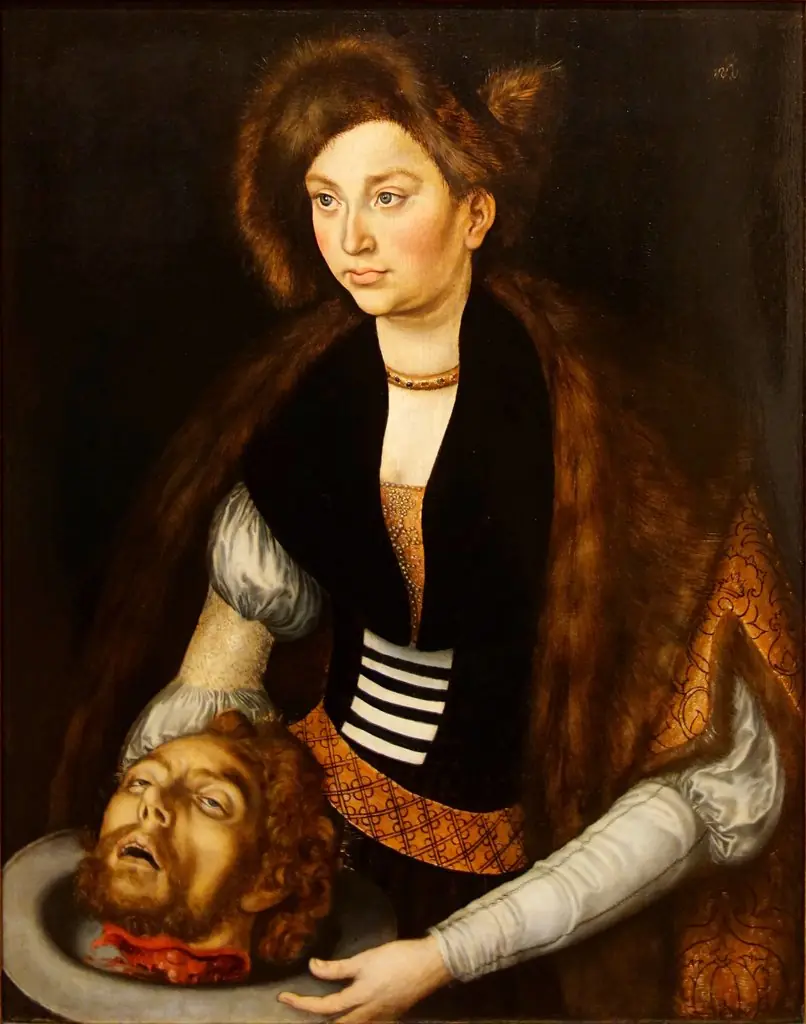
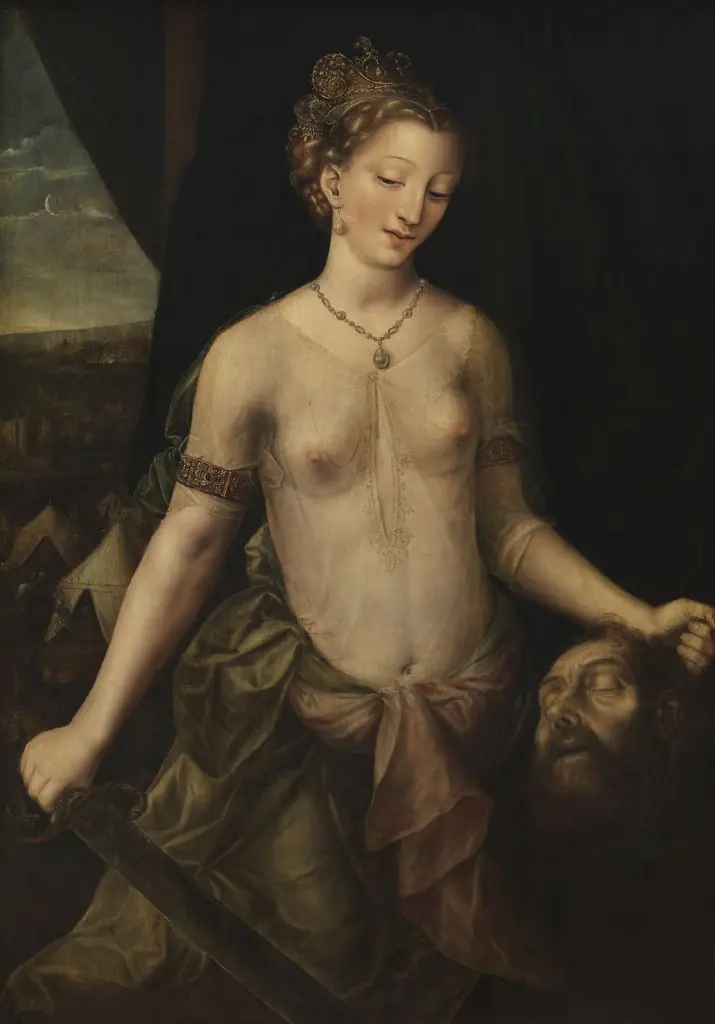
- Judith with the Head of Holofernes
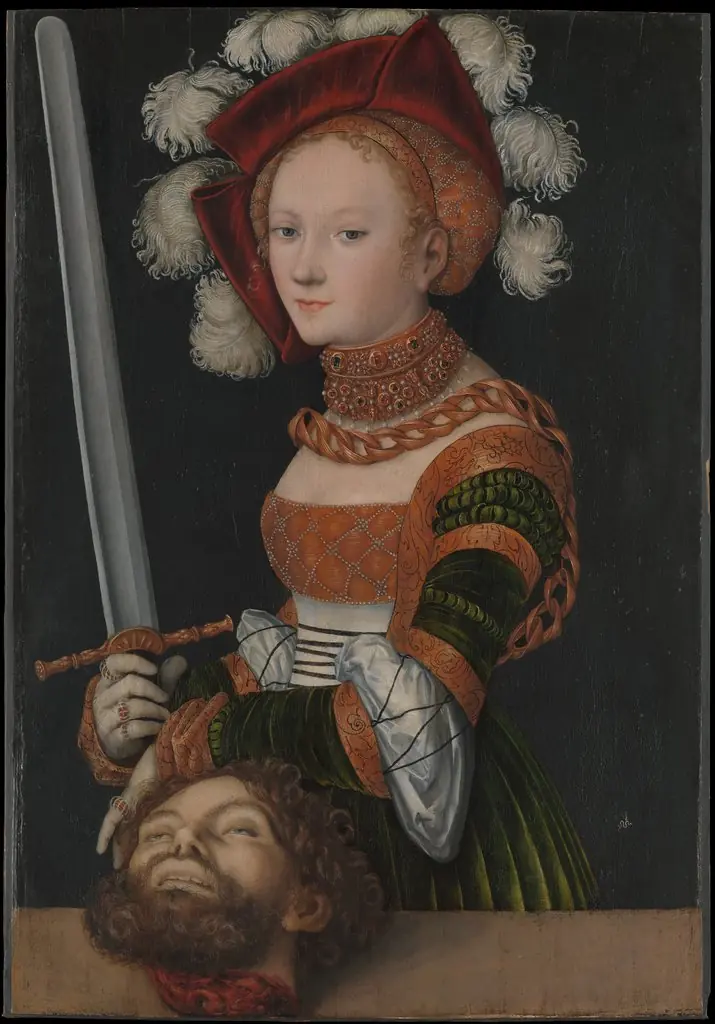 Judith with the Head of Holofernes
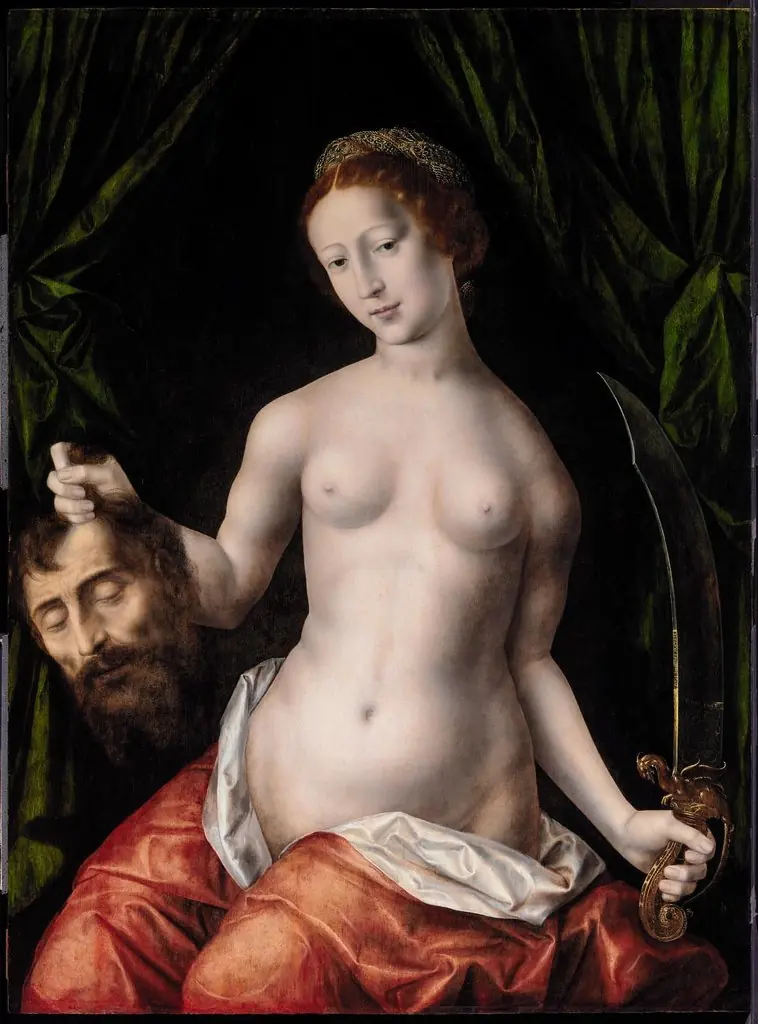 Judith with the Head of Holofernes
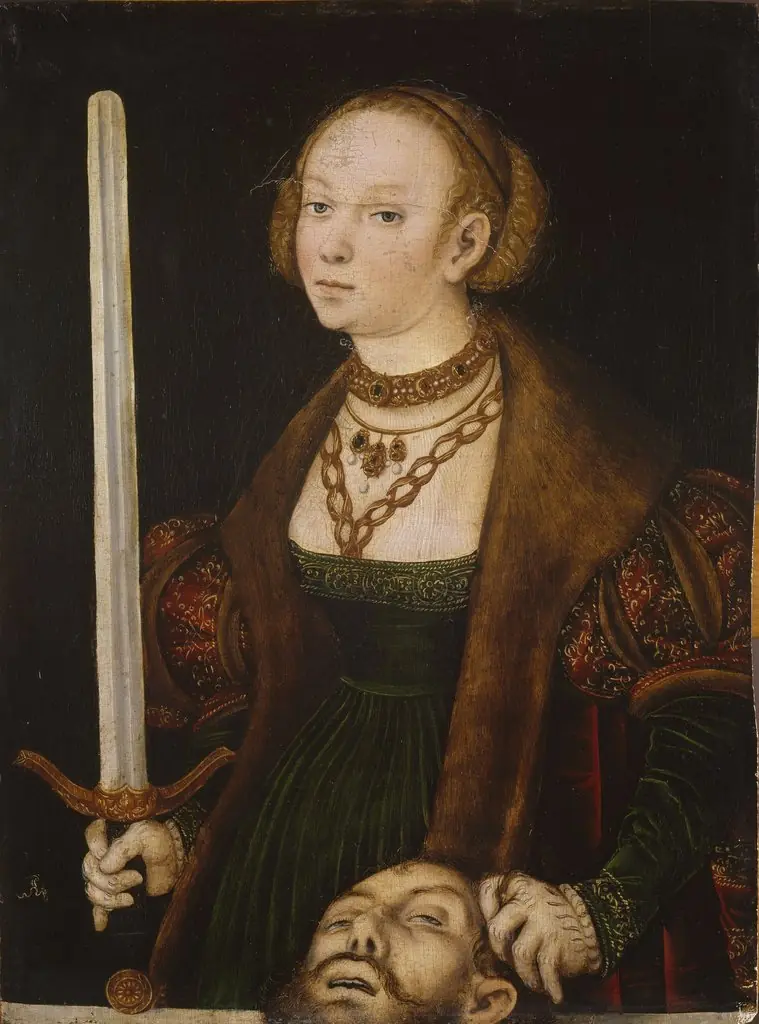 Judith with the Head of Holofernes
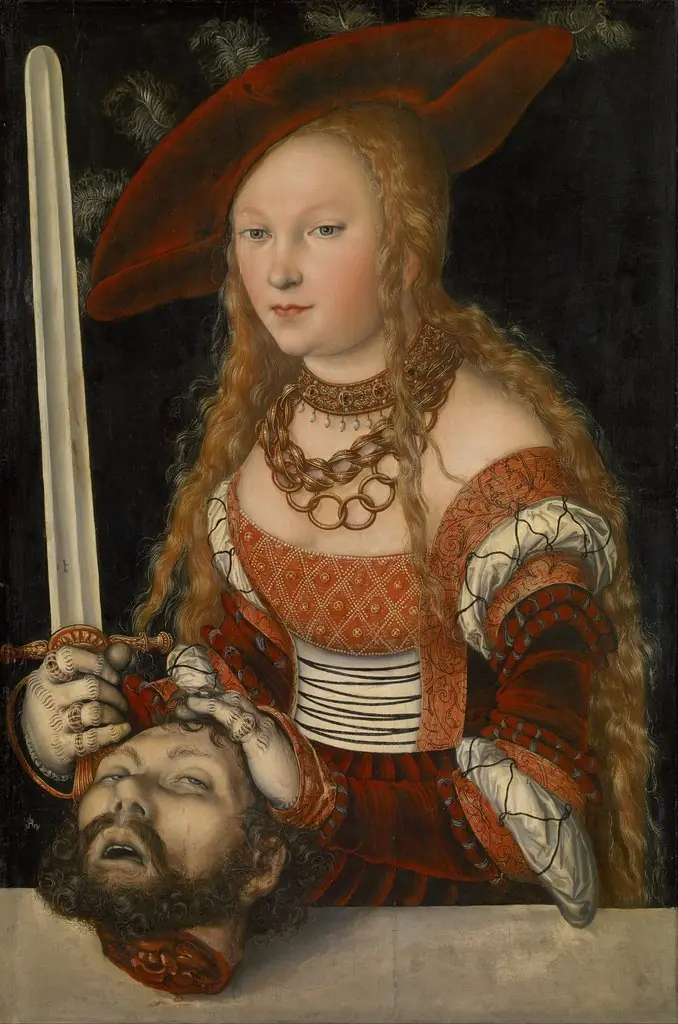 Judith with the head of Holofernes
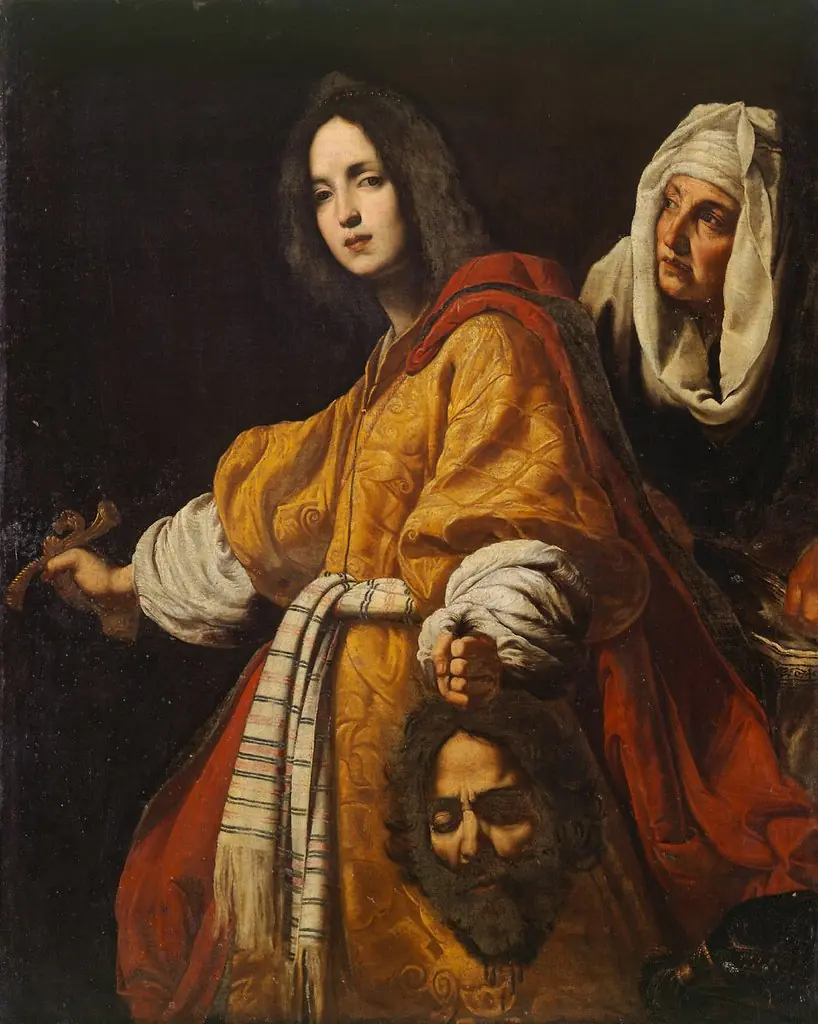 Judith with the head of Holofernes
 Judith with the Head of Holofernes
 Judith with the Head of Holofernes
 Judith with the head of Holofernes
 Judith with the Head of Holofernes
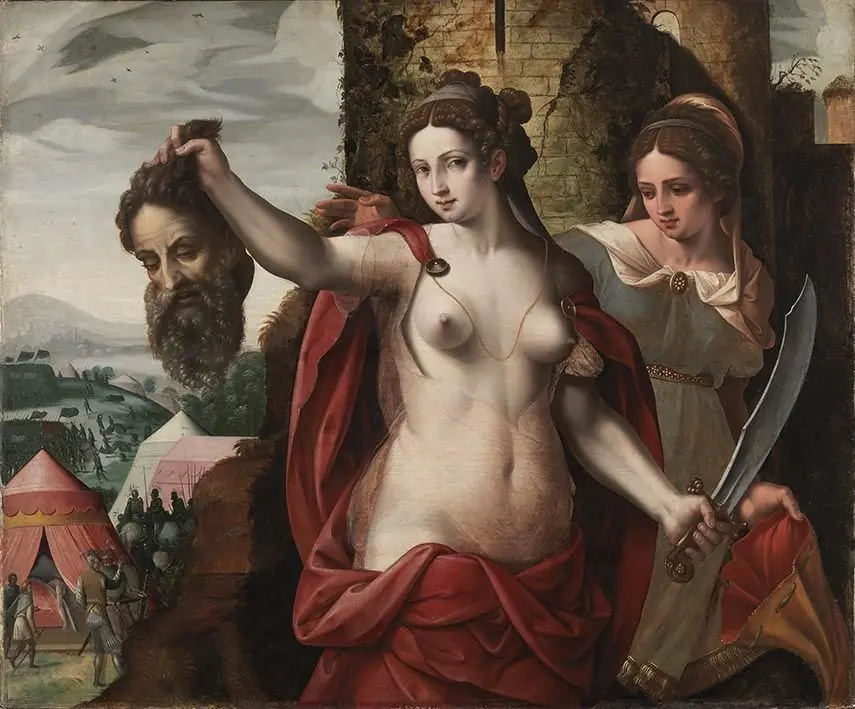 Judith with the Head of Holofernes
 Judith and the Head of Holofernes